
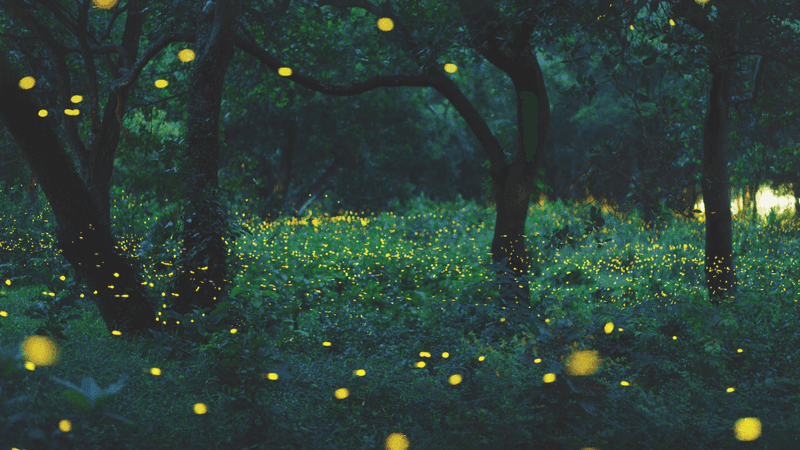
Fireflies are not just pretty lights in the yard. Their young need damp, shady places with leaf litter, soft soil, and tiny prey like snails and slugs. In Florida, the right native plants can help build that nursery while handling sandy soil, storms, and heat. Add a few of these plants, skip harsh pesticides, and your dusk may start to sparkle again.
1. Wax Myrtle
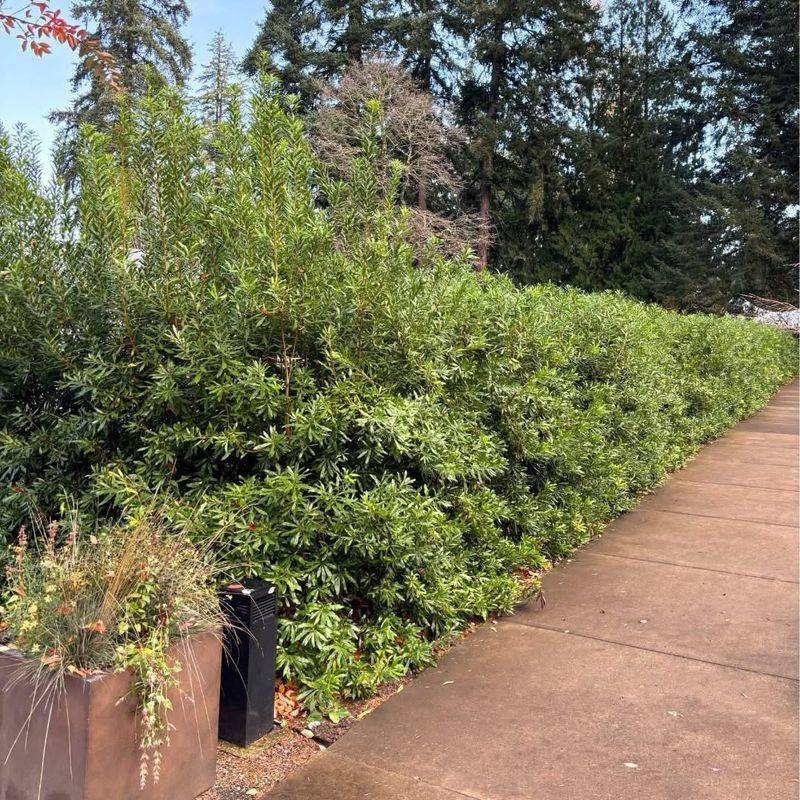
A wax myrtle can turn a bare fence line into a shady little hideout, and that matters when you are trying to welcome fireflies. Adult fireflies flash above the ground, but their larvae live low, often in moist soil, leaf litter, and sheltered edges where the sun does not bake everything dry.
Florida gardeners like wax myrtle because it is tough without looking rough. It tolerates sandy soil, handles wet spells better than many shrubs, and can take coastal conditions in many parts of the state. Once established, it asks for very little beyond occasional pruning if you want a tidier shape.
For a firefly-friendly yard, plant wax myrtle where it can create a loose screen or natural corner. Let fallen leaves stay under the shrub instead of raking the area bare. That soft, messy layer is not laziness, it is nursery bedding for the tiny creatures that firefly larvae hunt.
Birds also use wax myrtle berries, so this plant works like a small wildlife station. If your yard feels too open and hot at dusk, wax myrtle is the native backbone that helps make the glow possible.
2. American Beautyberry
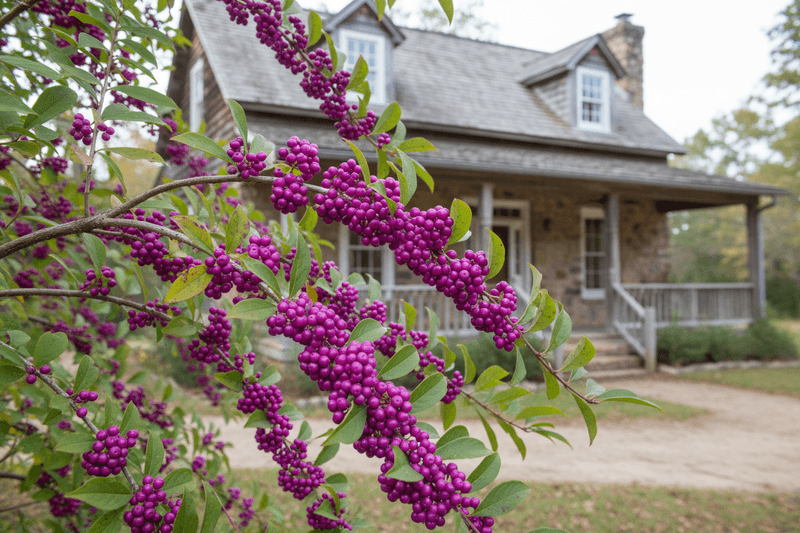
By late summer, American beautyberry looks like someone tucked purple beads along its stems. That showy look gets attention, but its real value for fireflies is closer to the ground.
Beautyberry forms a loose, airy shrub that casts light shade without turning the area into a dark wall. Under its branches, leaf litter can collect, humidity lingers longer, and the soil surface stays cooler. That is the kind of small, protected zone firefly larvae need while they search for soft-bodied prey.
Florida yards often struggle with fast-draining sand, especially when afternoon sun hits hard. Beautyberry is a practical native because it can settle into partial shade or filtered sun and still look lively with modest care. It is not fussy, and it fits well along woodland edges, side yards, or the back of a mixed native bed.
The berries feed birds, while the flowers can draw small pollinators earlier in the season. For homeowners who want a plant that looks ornamental but still supports the hidden life behind a glowing yard, beautyberry earns its spot.
3. Muhly Grass
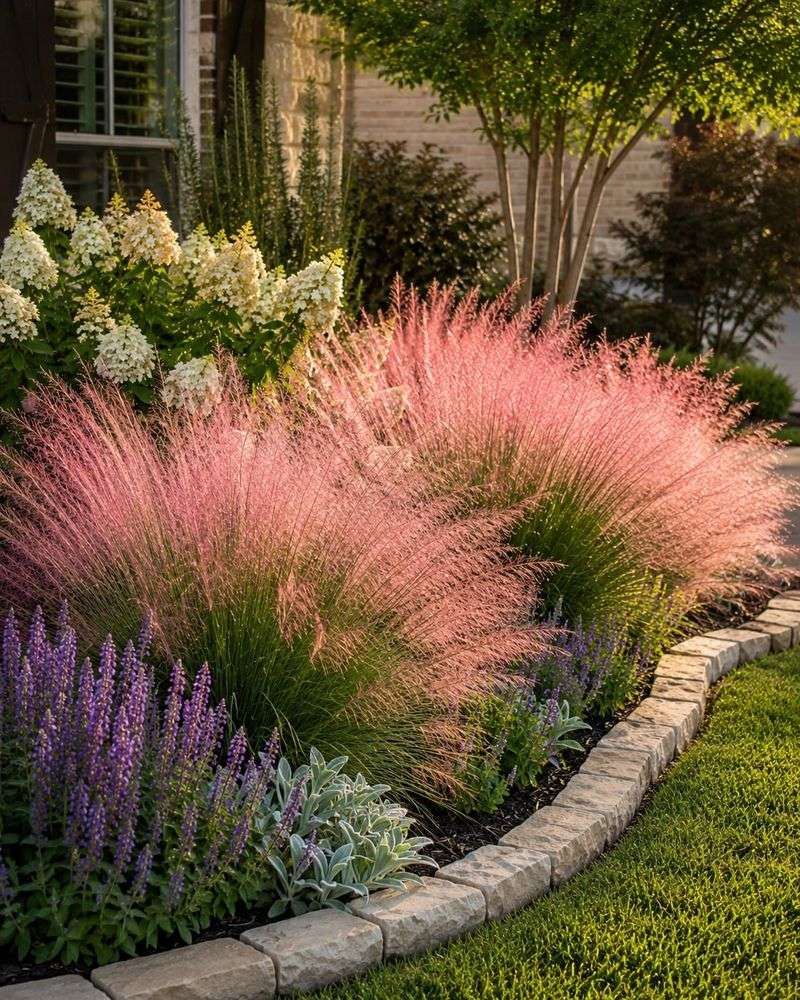
Few Florida natives bring drama as quietly as muhly grass. One month it looks like a neat green fountain, then the plumes appear and the whole clump seems to catch the evening light.
Muhly grass is different from the shrubs on this list because it creates low, clumping cover. Fireflies benefit from yards that have layers, not just trees and mulch. Dense grass bases can shelter damp pockets, especially when planted near other natives and allowed to keep some natural debris around the crown.
In Florida, muhly grass is a strong choice for gardeners who do not want a high-maintenance bed. It handles sun, sandy soil, and dry stretches once established. It also sways instead of snapping in many windy conditions, which makes it useful in landscapes that need to cope with stormy weather.
Place it along paths, rain garden edges, or open areas where turf grass is struggling. Avoid blasting the clumps with broad insecticides, since firefly larvae and many other helpful insects live near the soil. Cut it back only when needed, usually before fresh growth pushes, and leave nearby leaf litter where it will not smother the plant.
As a bonus, muhly grass makes a yard feel magical even before the fireflies arrive.
4. Frogfruit
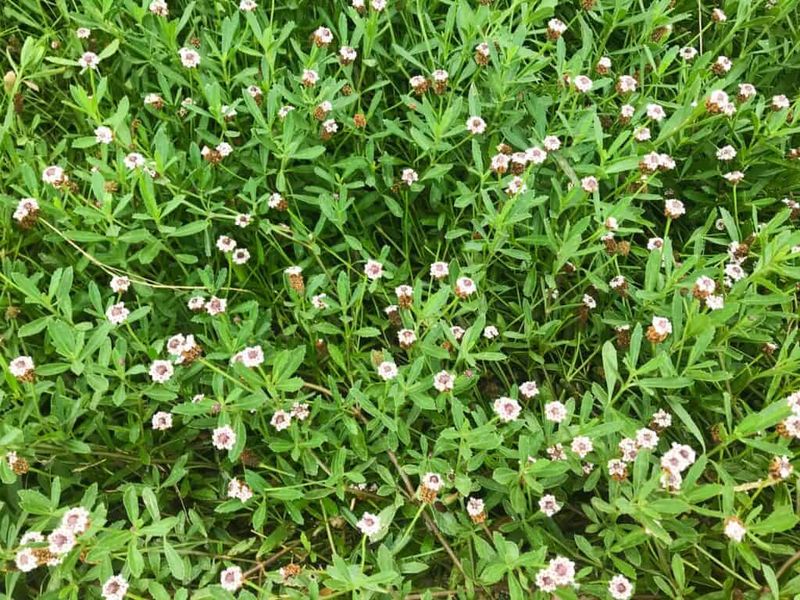
If your lawn has a patch that refuses to act like a lawn, frogfruit may be the plant that turns the problem into habitat. It grows low, spreads steadily, and can handle the kind of Florida conditions that make tender groundcovers quit.
Frogfruit stands out because it works at ankle height. Firefly larvae do not need a polished lawn, they need ground-level cover with moisture, insects, and fewer chemical disturbances. A living groundcover helps shade the soil, softens hard edges, and reduces the bare, hot sand that dries out too quickly.
Many Florida gardeners use frogfruit as a lawn alternative or as a filler between stepping stones and native beds. It can support small pollinators, including butterflies, while also helping build a less sterile yard. That mix of flowers and cover makes it especially useful in small spaces where every plant has to do more than one job.
Give frogfruit room to wander, and be clear about where you want it to stop. It is not a stiff, formal plant. Its charm is in the way it knits a planting together and makes the ground feel alive again.
For fireflies, that living ground layer can be the difference between a flyover yard and a place worth staying.
5. Blue Mistflower
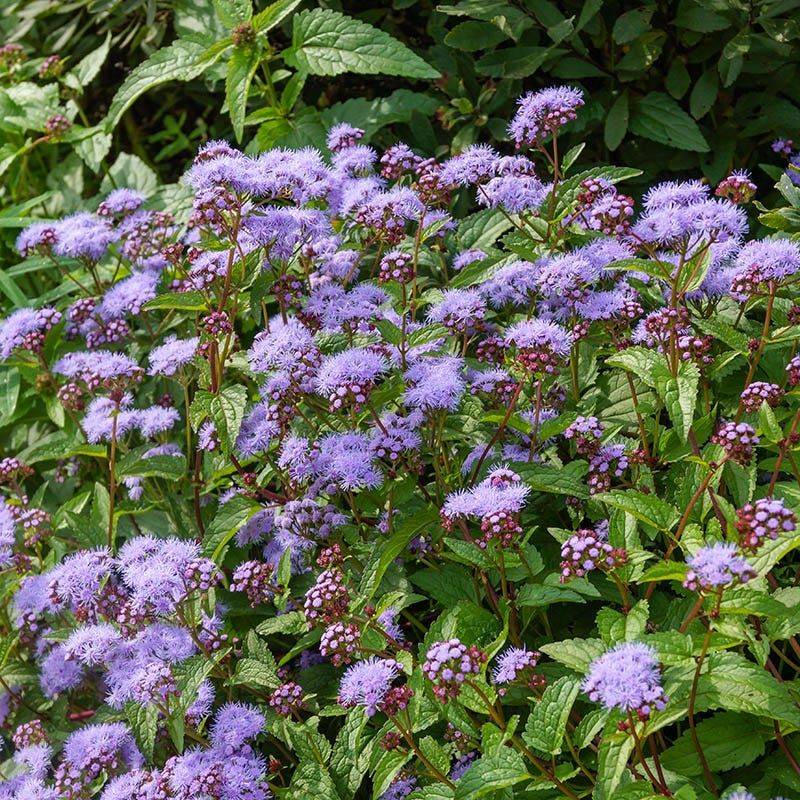
Blue mistflower brings a soft, almost smoky look to a native bed, especially when its fuzzy blue-lavender blooms open in clusters. It is a good pick for gardeners who want the firefly garden to look intentional, not forgotten.
Its biggest strength is how well it fits into moist edges. Think rain garden margins, low spots that stay damp after a storm, or the shadier side of a planting where irrigation or runoff collects. Firefly larvae are more likely to thrive where the ground does not dry into powder every afternoon.
Florida yards can swing from droughty sand to sudden downpours, and blue mistflower helps bridge that gap when planted in the right spot. It likes more moisture than many tough upland natives, so do not tuck it into the hottest, driest corner and expect miracles. Pair it with mulch, leaf litter, and taller plants that give it some relief from harsh sun.
Pollinators often visit the blooms, adding daytime movement before the evening light show begins. Fireflies are not there for the flowers in the same way bees are, but a richer insect community usually means a healthier little food web.
In a yard built for dusk glow, blue mistflower is the cool, colorful patch that keeps the soil-life story going.
6. Swamp Milkweed
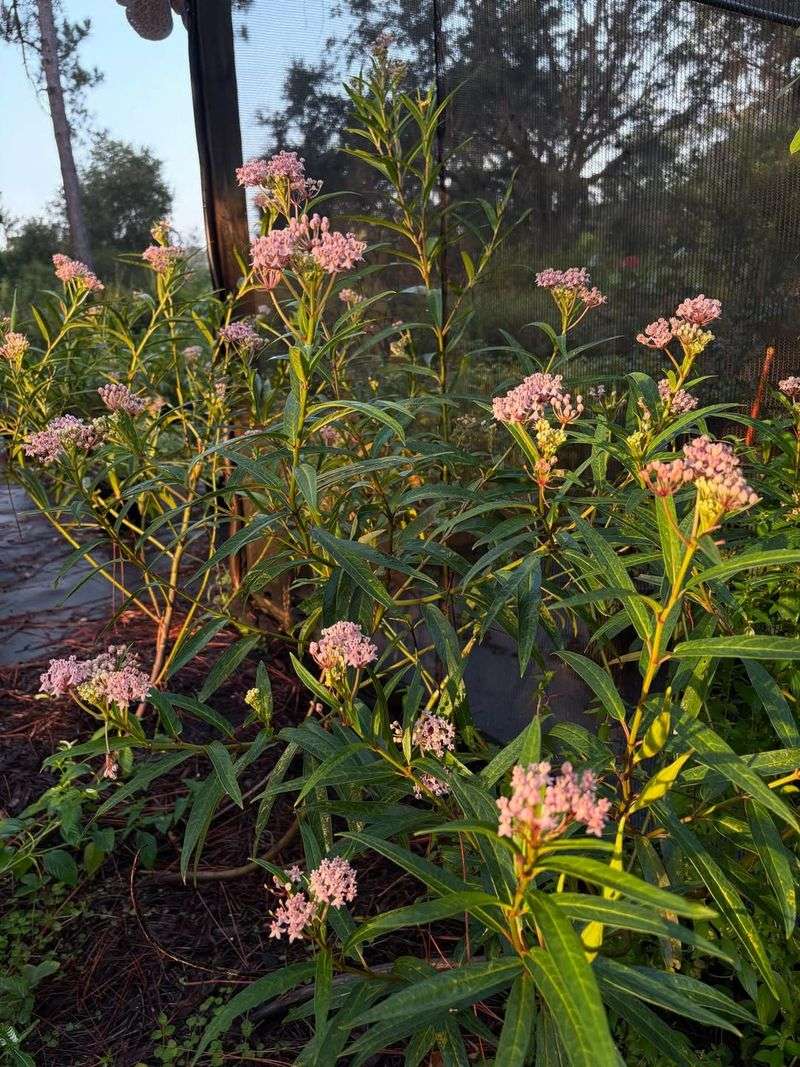
A soggy corner does not have to be a landscaping failure. Swamp milkweed can make that wet patch feel like a planned wildlife garden, especially after summer storms or in a low rain garden.
Among firefly-supporting natives, swamp milkweed matters because it welcomes moisture. Firefly larvae often do best in damp places, and Florida homeowners sometimes drain or scalp those spots until they lose their value. Instead, a planted wet edge can hold habitat while still looking cared for.
Swamp milkweed is also famous as a host plant for monarch butterflies, which gives it extra wildlife appeal. The pink flower clusters add height and color, while the surrounding damp soil can support the small prey firefly larvae seek. It is a smart choice near downspout gardens, pond edges, swales, or any spot that stays moist but not permanently underwater.
Give it sun, steady moisture, and breathing room. In sandy Florida soil, adding organic matter around the planting area can help it settle in, but avoid burying the crown or piling mulch against the stems.
For a yard that handles rain instead of fighting it, swamp milkweed turns stormwater into a small nursery zone with butterfly bonus points.
7. Coontie
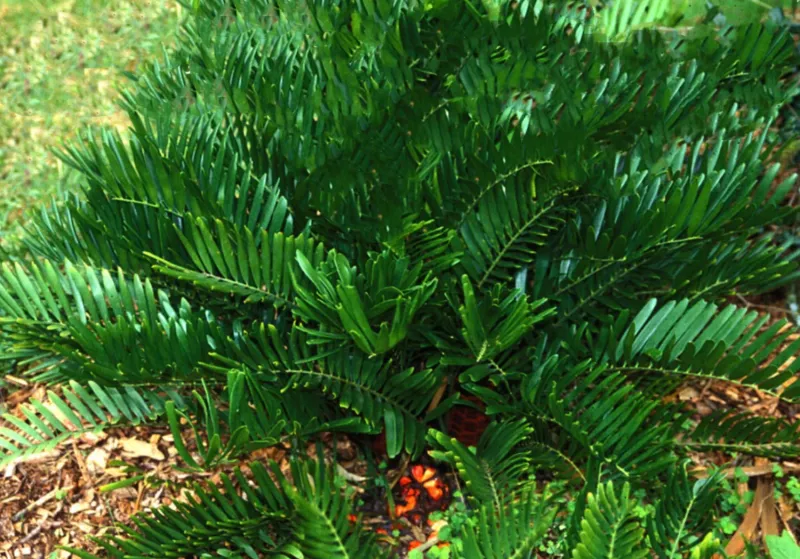
Coontie has an old-Florida feel, like it belongs beside a shaded porch or under a live oak where the air stays a little cooler. Its stiff, glossy fronds give structure without demanding constant attention.
What makes coontie useful for a firefly nursery is its dependable, low evergreen cover. It does not create tall shade like wax myrtle, and it does not spread like frogfruit. Instead, it holds the edge of a bed, protects the soil surface, and gives leaf litter a place to settle without looking messy.
Coontie is also the larval host plant for the atala butterfly, a native insect that made a remarkable comeback in parts of Florida thanks to gardeners planting more of it. That little history lesson says a lot about what native plants can do. When the right plant returns, the right wildlife sometimes follows.
Use coontie in partial shade or sun, depending on your site, and water it while it establishes. After that, it is often a low-effort plant for sandy Florida landscapes. Keep the bed pesticide-free and let oak leaves or pine needles form a natural layer beneath it.
If your firefly garden needs a tidy native that still supports wild life, coontie is the quiet workhorse at the front of the border.