
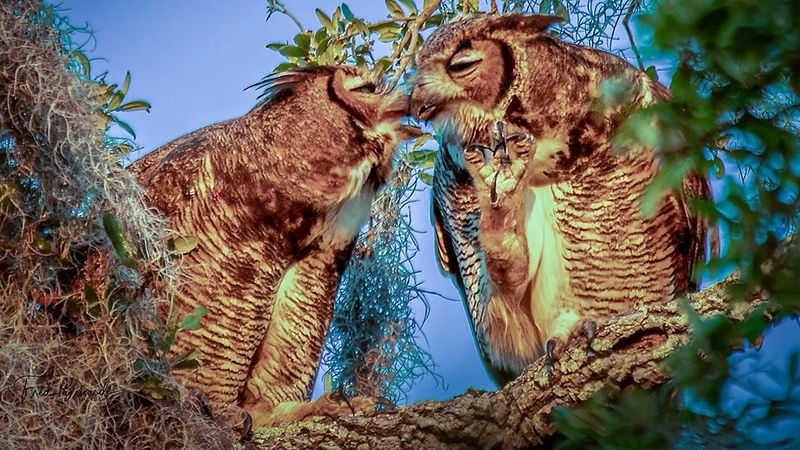
Owls do not move into a yard just because one plant looks pretty. They need cover, quiet perches, nesting places, and a healthy food web that supports the small animals they hunt. In Florida, native plants can build that kind of yard while handling sandy soil, heavy rain, heat, and pests better than many fussy ornamentals. Plant the right mix, and your garden can become a safer night shift for owls and a tougher place for rats to rule.
1. Southern Live Oak
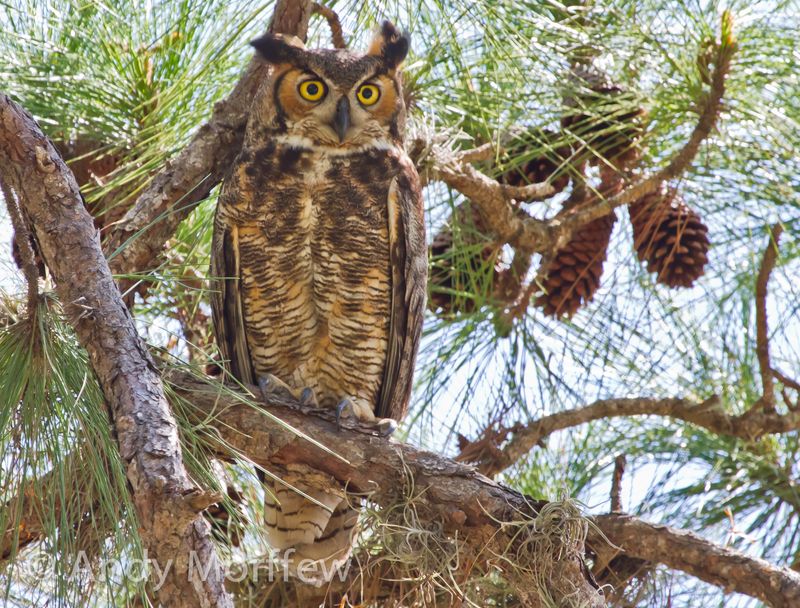
A big live oak feels like the old guard of a Florida yard. Its wide limbs create strong perches where barred owls and great horned owls can pause, listen, and scan for movement below.
Southern live oak is different from the smaller plants on this list because it builds vertical structure. Owls hunt best when they can sit above open edges, then drop silently toward rats, mice, and other small animals moving along fences, sheds, and compost areas.
For Florida gardeners, the payoff is long term but huge. Live oak handles heat, salt spray in many coastal areas, sandy soil once established, and strong winds better than many shallow-rooted ornamentals. Give it room away from roofs and power lines, because this is not a tight-corner tree.
Acorns also feed squirrels, jays, woodpeckers, and other wildlife, which helps create a busy native food web. That activity does not mean you are inviting rats on purpose. It means you are building a layered habitat where owls have reason to return night after night.
2. Cabbage Palm
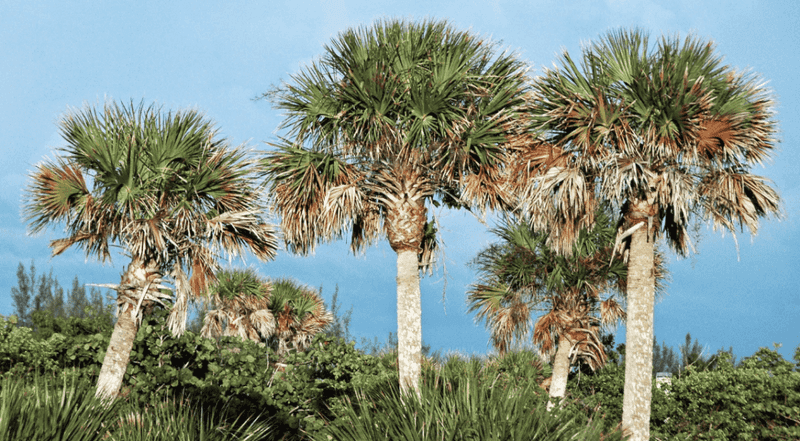
Few plants say Florida as clearly as a cabbage palm, and owls know how to use it. The rough trunk, old bootjacks, and high crown can shelter lizards, insects, tree frogs, and small birds, which all add motion and life to the evening yard.
What makes cabbage palm stand out is its height without the giant spread of an oak. In smaller yards, it can provide a lookout post and overhead cover while still leaving open ground below, a useful setup for owls that hunt along lawn edges and mulched paths.
Florida homeowners also get a plant built for rough weather. Cabbage palm is the state tree, tolerates drought once settled, and can take wind, salt, and summer heat with very little pampering. In sandy soil, regular watering during establishment matters, but mature palms are fairly easygoing.
Avoid over-cleaning the palm if safety and local rules allow. Leaving some natural fiber and nearby leaf litter gives insects and small wildlife places to hide, which supports the lower levels of the food chain. A tidy yard can still be wildlife-friendly, but a sterile one usually is not.
3. Saw Palmetto
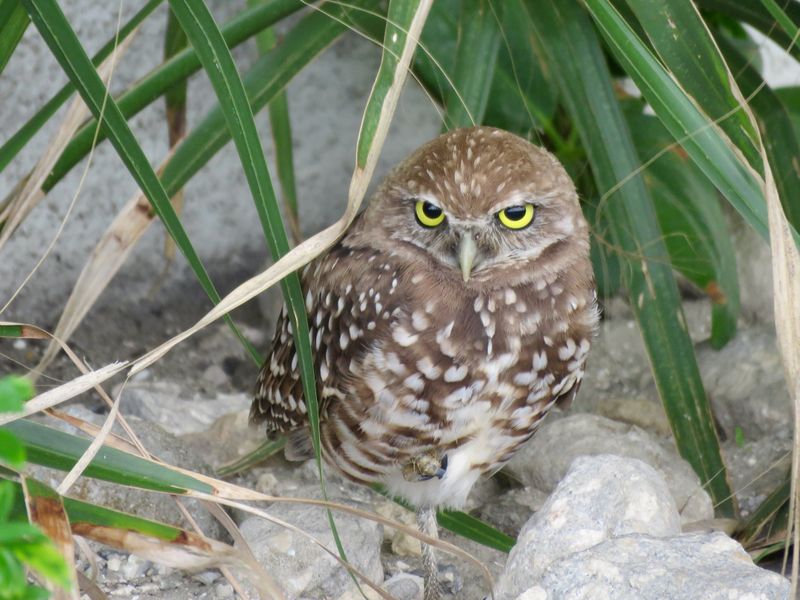
At ground level, saw palmetto acts like a little wild fortress. Its stiff fan leaves create dense cover where insects, reptiles, and small mammals move, hide, and feed.
That may sound messy, but it is exactly why this plant earns a spot. Owls often hunt edges, not bare open spaces. A clump of saw palmetto beside a mowed path, fence line, or open mulch bed can create a hunting lane where rats are more exposed when they travel.
Saw palmetto is also deeply Florida-adapted. It handles poor sandy soil, drought, heat, and coastal conditions with almost stubborn confidence. Once established, it usually asks for far less attention than thirsty hedges or imported shrubs.
Use it where people will not brush against the sharp leaf stems. It can spread slowly, so think of it as a permanent wildlife feature rather than a quick seasonal filler. For a more designed look, place it in groups with open space around the clumps, then keep nearby grass or mulch edges clean so owls have clear sightlines.
4. Wax Myrtle
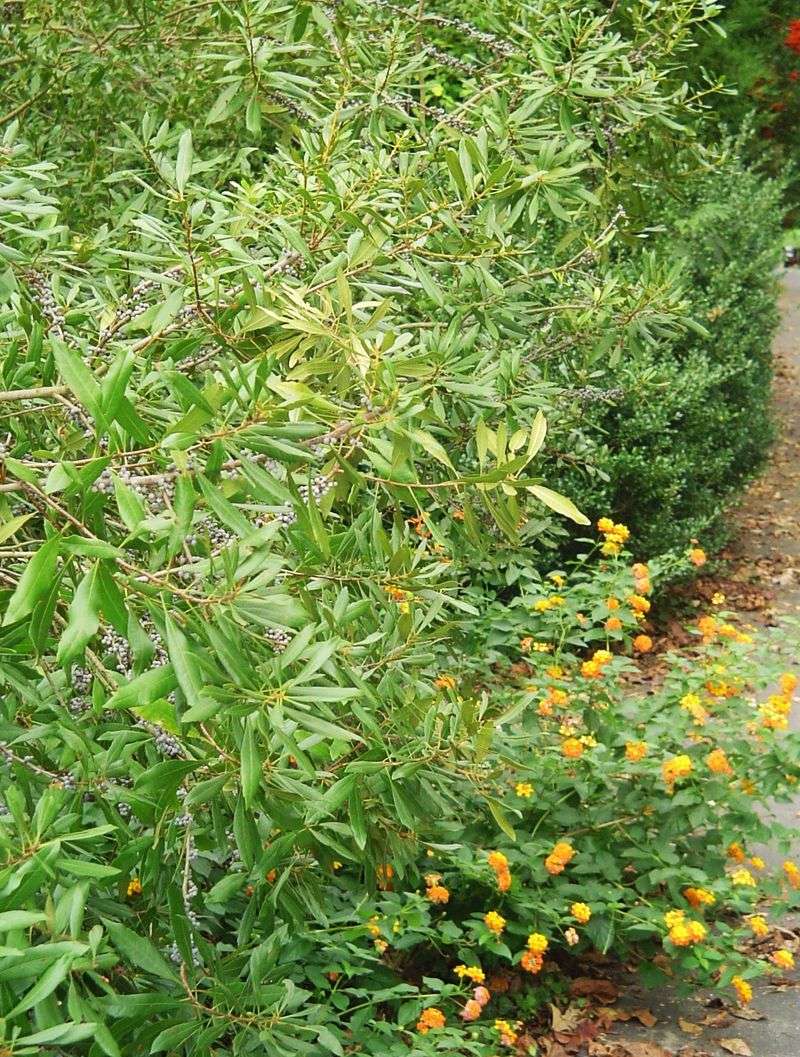
Wax myrtle is the practical neighbor of the native plant world. It grows fast, screens ugly views, takes pruning, and gives wildlife a reason to gather along the edges of your yard.
Its special strength is the living border it creates. Rats often travel along walls, fences, and shrub lines, and owls learn those routes. A wax myrtle hedge near an open strip can shape a predictable edge, which may help owls patrol more efficiently.
The small waxy berries feed many birds, especially in cooler months when other foods may be scarce. More birds mean more natural sounds, droppings, leaf litter, and insect activity, all signs of a functioning native planting rather than a lifeless green wall.
Wax myrtle also fits Florida conditions nicely. It tolerates wet spots better than many drought-only natives, yet it can manage ordinary sandy soils once established. That makes it useful in yards that flood after storms but dry out quickly a few days later.
For best results, do not shear it into a hard box every few weeks. Light pruning keeps it full while still allowing flowers, berries, and twiggy shelter to form. Owls do not need fancy landscaping. They need useful structure.
5. Beautyberry
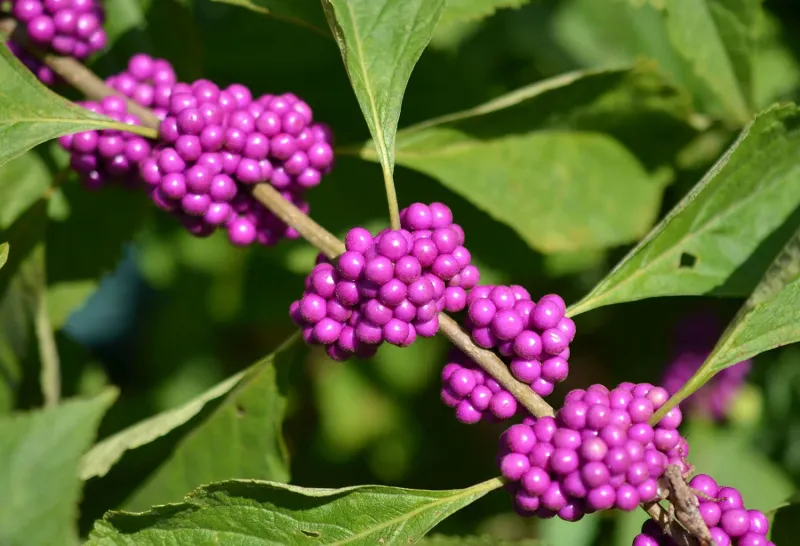
Beautyberry looks almost unreal when its purple fruit wraps the stems like beads. In a Florida yard, that bright color is not just decoration, it is bird food packed into a native shrub.
This plant brings something different from the big perch trees and tough thickets. Beautyberry helps fill the middle layer, the zone between ground covers and tree branches. That middle layer gives birds cover, attracts insects, and softens open spaces that might otherwise feel too exposed for wildlife.
Owls benefit when the whole yard is alive, not just when rats are present. A yard with native shrubs supports night insects, frogs, lizards, and small mammals, creating more movement and sound after dark. Owls use those clues as they hunt.
American beautyberry is also refreshingly low-drama for many Florida gardeners. It can grow in part shade, handles heat, and does well in many sandy soils with some organic matter or leaf litter. After berries are gone, it can be pruned back to keep a fuller shape.
Plant it near trees, not in the middle of a blazing dry lawn with no mulch. A little shade and natural leaf cover help it settle in. The result feels relaxed, colorful, and far more useful than a row of thirsty ornamentals.
6. Simpson’s Stopper
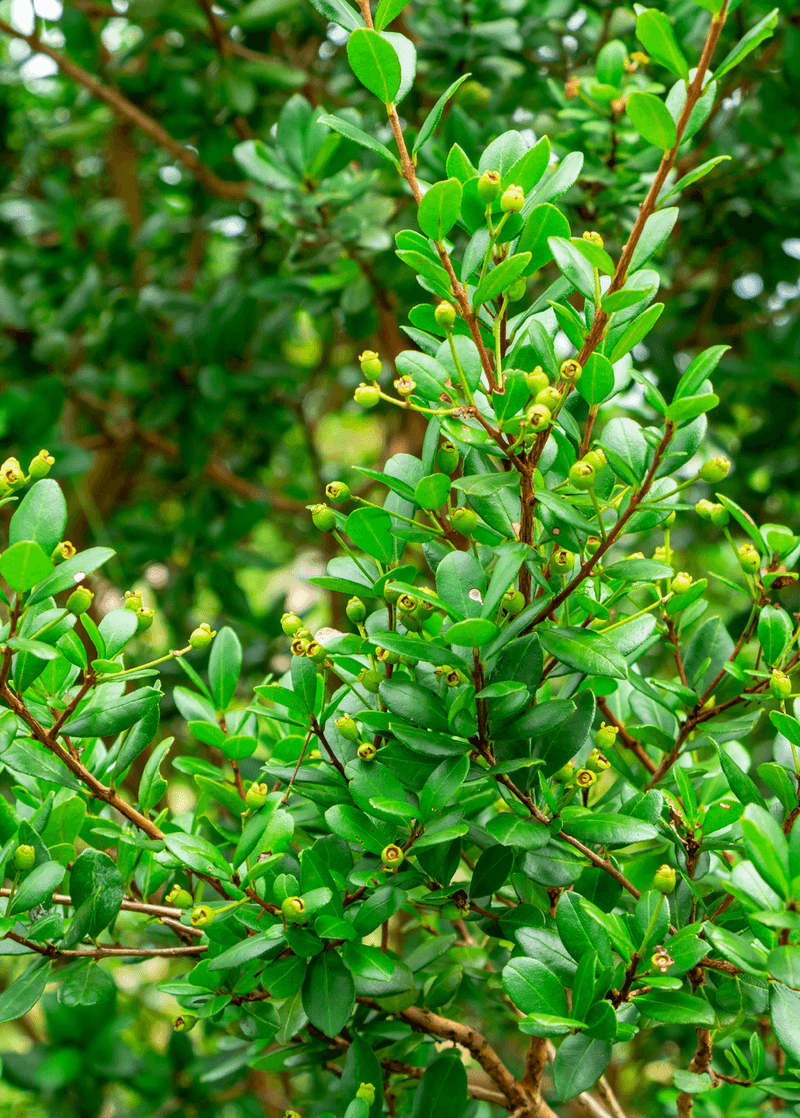
Simpson’s stopper has a quiet charm that sneaks up on people. The leaves are neat, the flowers are sweetly fragrant, and the red berries bring birds close without turning the plant into a maintenance headache.
Its best role in an owl-friendly yard is as a small tree or tall shrub near the edges of activity. It can create cover beside patios, fences, and side yards where rats may try to move unseen. When paired with open ground nearby, that cover becomes part of a huntable edge instead of a hiding maze.
Florida conditions are a strong match. Simpson’s stopper tolerates sun to part shade, works in many well-drained sandy soils, and has good salt tolerance for coastal gardens. It also fits smaller lots better than a giant canopy tree, which makes it useful for suburban neighborhoods.
The flowers support pollinators, while berries feed birds. That mix of insects and fruit helps create a richer yard without relying on feeders, which can spill seed and attract rodents if managed poorly.
Use it as a loose screen instead of clipping it into a stiff rectangle. A natural shape gives birds and insects more shelter, and the plant looks more at home in a Florida native landscape. For gardeners wanting beauty plus function, this one pulls double duty.
7. Wild Coffee
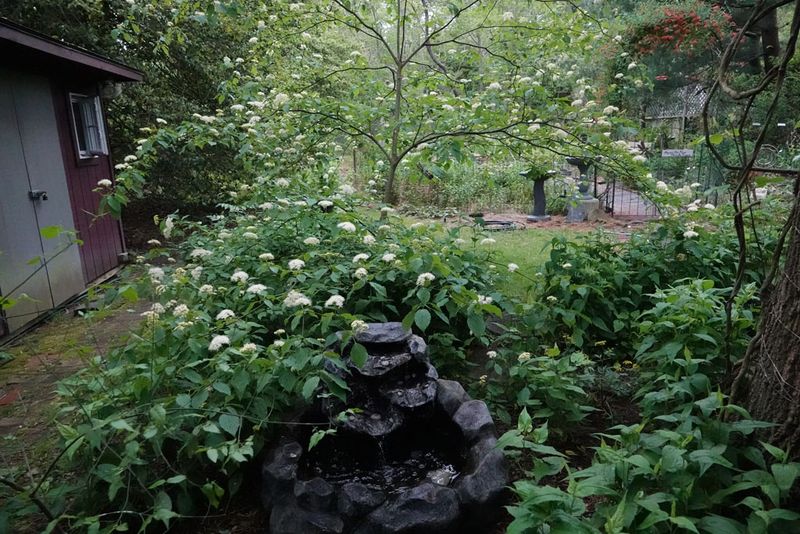
In the shady parts of a Florida yard, wild coffee is a problem solver with glossy leaves. It fills the under-oak spaces where turf struggles, especially in dry shade that makes many common landscape plants sulk.
Wild coffee earns its place because owl habitat is not only about tall perches. The understory matters too. Low shrubs, leaf litter, and shaded pockets support insects, lizards, frogs, and small animals that keep the nighttime food web active.
The red berries attract birds, while the small flowers support pollinators. Despite the name, wild coffee is not the same as your morning coffee plant, and the berries are for wildlife rather than home brewing. That little name twist makes it a fun plant to point out to visitors.
For Florida gardeners, it is especially useful under native canopy trees or along the north and east sides of homes. It appreciates some shade and organic leaf litter, which helps sandy soil hold moisture. Once established in the right spot, it can be a steady, low-effort shrub.
Keep the area natural but not neglected. Remove trash, avoid poison baits, and reduce places where rats nest, such as open feed bags or clutter piles. Native planting works best when paired with smart sanitation, giving owls habitat without rolling out a buffet for rodents.