
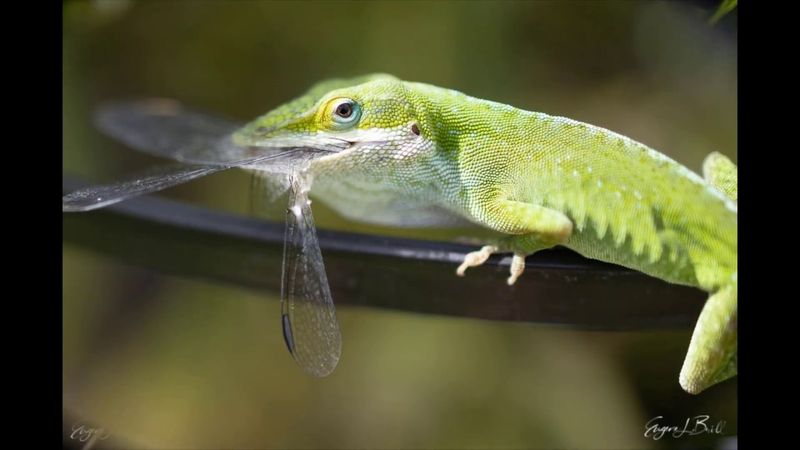
Spot a slender green lizard doing push-ups on your back fence and you might wonder if it’s quietly working through your mosquito problem. Green anoles are native Texas insect eaters, and they’re worth having around, but the story is more complicated than “more lizards, fewer bugs.” Understanding what these animals actually do, where they genuinely thrive in Central Texas, and how to manage mosquitoes and aphids on their own terms will help you make smarter decisions for your yard this summer.
Green anoles can help the food web without controlling your pests
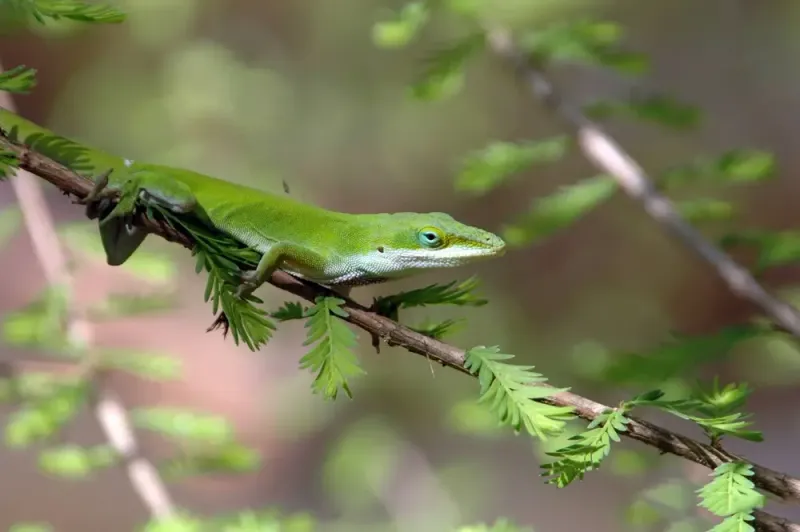
Watching a green anole snap up a fly on a hot July afternoon, it’s tempting to think these lizards are quietly dismantling your mosquito population. Texas Parks and Wildlife confirms that green anoles (Anolis carolinensis) are native Texas lizards and opportunistic insect predators, consuming a wide variety of small prey they can catch and swallow.
That generalist appetite is real, and it makes them a genuine part of the backyard food web.
What the appetite does not do is reliably shrink the mosquito or aphid count in your yard. National Park Service documentation for Big Thicket describes green anoles eating flies, beetles, moths, crickets, ants, and spiders, with prey selection driven mainly by what is available and small enough to capture.
Eating a mosquito when one wanders close is plausible, but that is a far different thing from suppressing a mosquito population.
A 2025 Texas field note published in Herpetology Notes documented green anoles observed on a mosquito trap in Montgomery County, which shows the lizards may be attracted to or feeding near traps that concentrate insects. That observation is interesting, but it does not establish how many mosquitoes a yard anole actually eats per day, or whether a local anole population can put a dent in adult mosquito numbers.
The aphid situation is even less clear. No research located here shows that green anoles regularly target aphids or reduce aphid infestations on Texas garden plants.
Aphids are small, often clustered on stems and leaf undersides, and frequently tended by ants that actively defend them. University of Florida IFAS guidance on anoles describes them as beneficial generalist predators, which is accurate, but “generalist predator” means they take what they encounter, not that they seek out specific pest species.
The most honest framing is this: green anoles are one predator within a complex food web. They may consume some pest insects alongside neutral and beneficial ones.
Supporting them is worthwhile for biodiversity reasons, but pest management requires its own separate strategy.
Read a fence sighting in its regional and habitat context
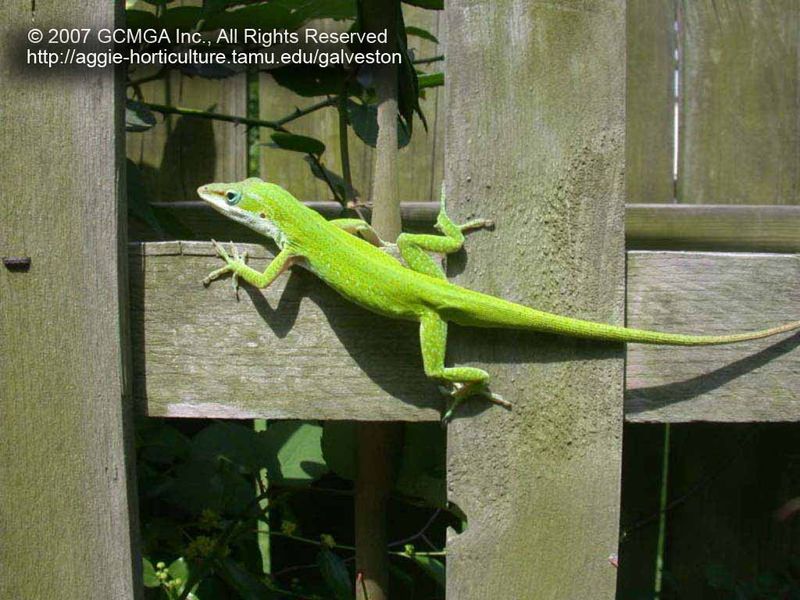
A lizard on your fence in Austin or San Marcos can be harder to identify than it looks. Green anoles are not always green.
They shift between bright green, gray-brown, and various shades in between depending on temperature, stress, activity level, and humidity. Color alone cannot tell you whether you are looking at a native green anole or an introduced brown anole, and treating every brown lizard as an invasive is a mistake that can lead to bad conclusions about your yard.
Texas Parks and Wildlife’s green anole profile notes that the species can appear brown or gray-brown and is often spotted on fences and walls, even though shrubs and trees provide the habitat they actually depend on. To distinguish the two species reliably, look at body shape, snout length, pattern, dewlap color, and behavior alongside location.
NPS documentation reinforces that identification should use multiple physical traits, not a single color cue.
Texas A&M AgriLife Extension’s overview of brown anoles explains that the introduced species has expanded into parts of Texas from the Caribbean, making accurate identification increasingly relevant for Central Texas homeowners. Brown anoles tend to stay low, near the ground and on lower fence rails, while green anoles more often use elevated perches in shrubs and trees.
A lizard you spot high on a fence or in a shrub is more likely to be a green anole, but the overlap is real.
Geography adds another layer of nuance. TPWD officially describes green anoles as occurring throughout the eastern third of Texas, and TPWD’s reptile and amphibian distribution records reflect that moisture, vegetation cover, and local conditions shape abundance significantly.
Parts of east-central Texas support green anoles well, but drier and more open western portions of the Central Texas region are less consistently suitable.
Visibility also does not equal population size. Where introduced brown anoles are present, UF/IFAS research on Florida’s introduced reptiles found that green anoles shift higher into vegetation, making them less noticeable from the ground even when they are present.
Fewer sightings at eye level does not necessarily mean fewer anoles.
Dense shrubs provide the strongest habitat evidence
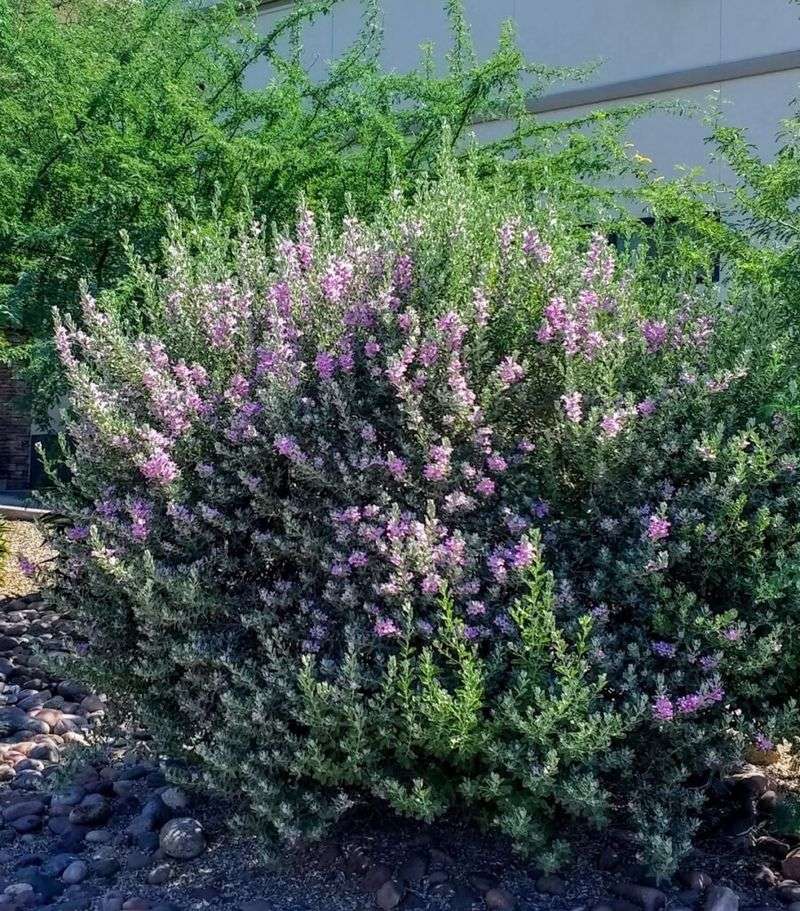
Of all the habitat steps a homeowner can take to support green anoles, adding or keeping dense shrubs near fences and walls has the most direct research behind it. A U.S.
Forest Service field study on habitat selection by Anolis carolinensis in eastern Texas found anole abundance roughly 16 times higher in a plot with greater shrub density compared to a lower-density plot. That is a striking difference, and it points clearly toward vegetation structure as the key variable.
The study also found that shrubs the lizards actually used were four to six times larger in volume than the average shrub available in the area. Size and complexity mattered, not just the number of plants.
Anoles were not randomly distributed across whatever greenery was present. They selected the biggest, most structurally elaborate shrubs available, which suggests that a single scraggly plant near a fence post is unlikely to do much.
A dense, branching, layered shrub that offers multiple perch heights, shaded interior space, and visual cover is a different story.
These results came from a specific field study in eastern Texas, and the conditions there, including moisture levels, vegetation type, and existing anole populations, may differ from your particular Central Texas yard. The 16-fold difference is not a guarantee that adding shrubs will produce that outcome in every location.
What the study does establish is a clear directional signal: more structural complexity and greater shrub density are associated with more anoles where the species already occurs.
TPWD’s species profile describes green anoles as preferring shrubs, trees, and vegetated areas with some shade and moisture. That aligns with the study’s findings and gives homeowners a consistent message: the goal is not a single ornamental plant but a genuine patch of layered, substantial vegetation that provides cover, perching space, and proximity to prey.
Think of dense shrubs as the foundation of an anole-friendly fence line. Everything else, vines, leaf litter, small trees, shaded ground, builds on top of that foundation.
Without the shrub layer, the other elements have limited value for a species that depends on elevated, structurally complex cover to hunt, thermoregulate, and avoid predators.
Create a layered fence-side refuge
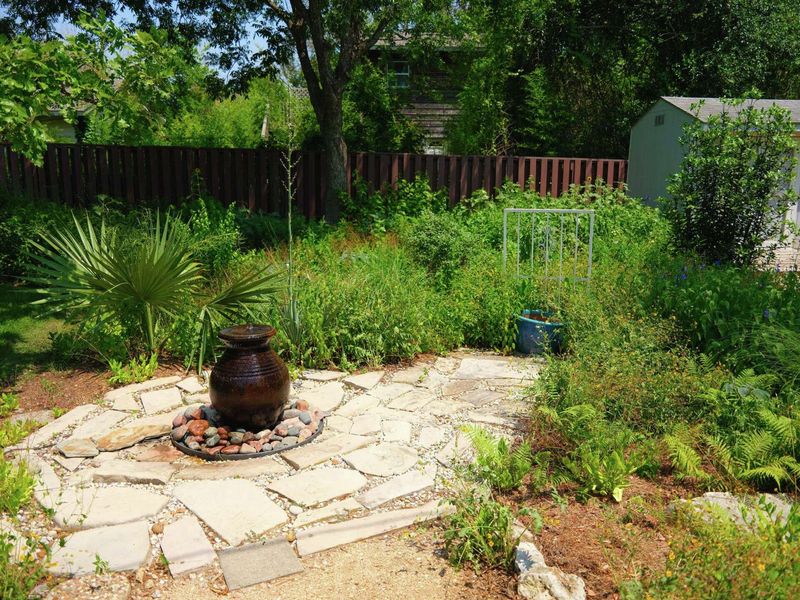
Translating the shrub-density research into a practical yard plan means thinking in layers rather than individual plants. The goal is a fence-side corridor with a canopy layer of small trees or tall shrubs, a mid-layer of dense branching shrubs, a vine layer on the fence itself, and some leafy ground-level plants that keep the base shaded and moist.
The eastern Texas habitat study showed that structural complexity, not just plant count, predicted where anoles spent their time.
Native plants are a reasonable starting point for this kind of planting because they tend to support local insect communities, which in turn provide prey for anoles and other wildlife. TPWD’s Homegrown Greenery program explains that native plants are adapted to Texas soils and climate and can provide shelter and food resources for native wildlife.
That matters because an anole-friendly habitat is also an insect-rich habitat, and diverse insects are what the lizards actually need.
No single plant species has been shown to attract green anoles specifically. Recommending a named “anole plant” would overstate what the evidence supports.
Instead, focus on species diversity, regional appropriateness, and structural variety. TPWD’s Texas Wildscapes tips emphasize combining plants that provide cover, food sources for insects, and varying heights to create functional wildlife habitat rather than a decorative monoculture.
Shade and moisture retention along the fence line matter too, especially during triple-digit Texas summers when anoles need to thermoregulate and avoid desiccation. Mulching around shrub bases, allowing leaf litter to accumulate in sheltered spots, and keeping some areas of the fence line out of direct afternoon sun can make a real difference in habitat quality.
One firm caution: any water feature or container added for wildlife value must be managed so it does not become a mosquito nursery. TPWD’s Creating a Texas Wildscape guide acknowledges water as a wildlife attractant, but standing water in a neglected birdbath or planter saucer is a mosquito breeding site, not a habitat asset.
Any water you add needs a maintenance plan alongside it.
Protect anole habitat from unnecessary chemical pressure
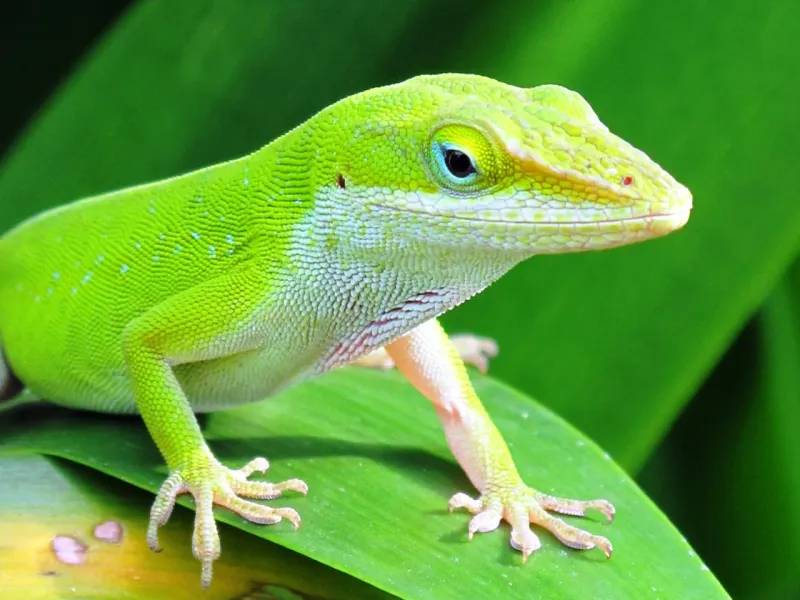
Broad-spectrum insecticides applied across an entire yard can undercut everything you’ve done to build anole-friendly habitat. These products do not distinguish between mosquitoes, aphids, and the beetles, moths, crickets, and other arthropods that green anoles actually eat.
Reducing the insect community reduces the food supply, and a fence line full of native shrubs becomes much less useful to a lizard that cannot find enough prey.
EPA guidance on reducing pesticide impacts on wildlife recommends using pesticides only when a pest problem genuinely requires treatment, applying them only to affected areas rather than the full yard, and following label instructions carefully to minimize non-target exposure. That approach protects anoles directly by reducing the chance of contact with residues on shrubs and fences, and indirectly by preserving the insect communities they depend on.
The EPA’s ecological risk assessment framework for pesticides makes clear that non-target wildlife, including small reptiles, can be harmed through direct contact, ingestion of contaminated prey, or habitat degradation from pesticide drift. Routine yard fogging or perimeter spraying on a fixed schedule, regardless of actual pest pressure, is the pattern most likely to cause those outcomes.
A separate safety boundary applies to the anoles themselves. Wild lizards should not be caught, relocated, purchased, imported, or repeatedly handled.
Frequent handling stresses reptiles and can injure them. University of Florida extension guidance on reptile handling notes that reptiles can carry Salmonella, and the CDC’s Salmonella guidance advises thorough handwashing after any contact with reptiles or their environments.
Habitat modification, not hands-on interaction, is the appropriate way to support these animals.
Control mosquitoes at the water stage
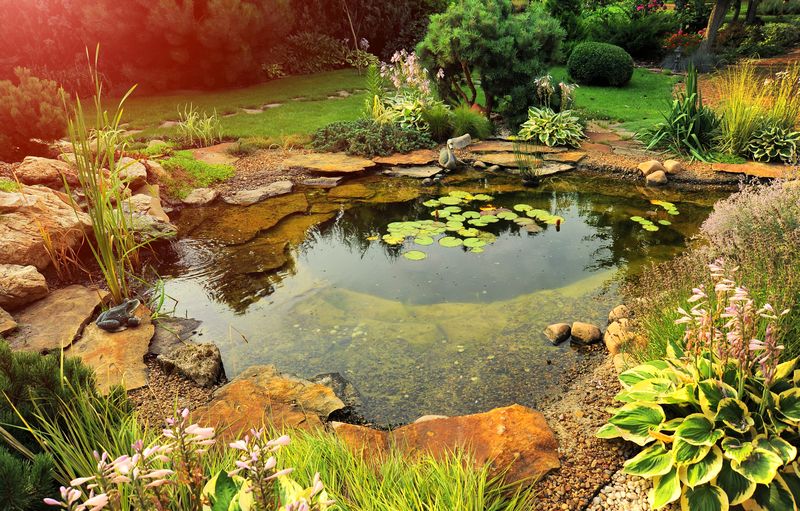
Mosquitoes spend their larval and pupal stages entirely in water, and that is where effective control happens. No yard predator, including green anoles, can substitute for eliminating the standing water where mosquitoes develop.
CDC guidance on mosquito control at home is specific: empty and scrub containers, birdbaths, planters, toys, buckets, and any other object that holds water at least once a week. Scrubbing removes mosquito eggs that stick to container walls and can survive even after water is poured out.
Rain barrels and larger water storage containers need tight covers or fine-mesh screens that prevent female mosquitoes from accessing the water surface to lay eggs. Saucers under potted plants are a commonly overlooked source and should be emptied after each rain or watering session.
Pet water dishes left outdoors for extended periods also qualify as breeding habitat if not refreshed frequently.
Natural water-holding sites in the yard require attention too. CDC guidance on tree holes recommends filling or draining cavities in trees that collect rainwater, since these can support mosquito development just as effectively as a bucket.
Low spots in the yard that pool after rain, clogged gutters, and tarps or covers with depressions are all worth checking after summer storms.
A birdbath or small water feature can still have wildlife value without becoming a mosquito nursery, but it requires an active maintenance routine. Change the water every two to three days, scrub the basin, and keep the area around it from accumulating debris.
For water that genuinely cannot be drained or covered, such as a permanent pond, CDC larval source management guidance describes approved larvicide options, including Bacillus thuringiensis israelensis (Bti), which targets mosquito larvae specifically and poses minimal risk to other wildlife.
Automatic misting systems marketed for mosquito control are a different matter. CDC’s assessment of misting systems notes that they release pesticides on a timer regardless of actual mosquito activity, can expose non-target insects and wildlife to repeated chemical contact, and do not address breeding sources.
For a yard where supporting anoles and other insect-dependent wildlife is a goal, misting systems conflict directly with that objective.
Evaluate aphids separately from anole habitat
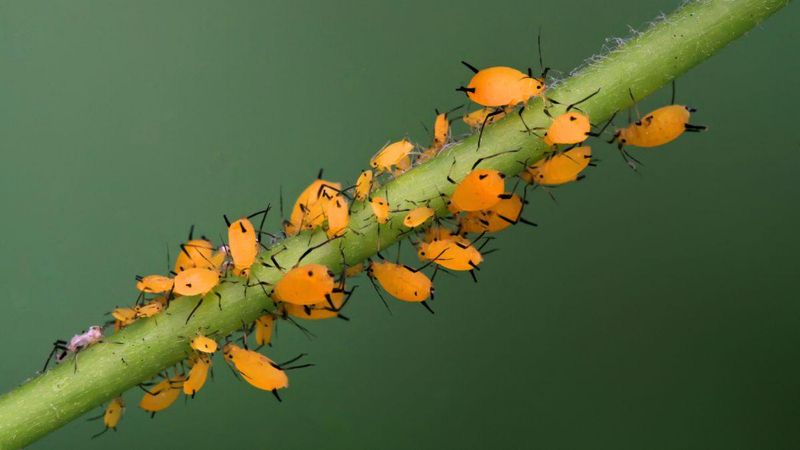
Aphid problems in a Texas garden need their own diagnosis, not a lizard solution. Green anoles are generalist predators with a broad diet that Animal Diversity Web documents as including flies, beetles, moths, crickets, ants, and spiders.
That range is impressive, but it does not establish that anoles regularly hunt aphids or that their presence meaningfully reduces aphid colonies on garden plants.
Aphids present specific challenges that make them unlikely targets for a fence-dwelling lizard. They cluster tightly on stems and leaf undersides in large numbers, are often protected by ants that actively drive away predators, and reproduce rapidly enough that even consistent predation pressure from multiple sources may not keep pace with a population surge.
UF/IFAS anole guidance calls them beneficial generalist predators, which is accurate, but a generalist takes convenient prey, not necessarily the pest species causing problems in your vegetable beds.
Anole presence in a yard is better read as a sign of a reasonably functioning insect community than as a direct indicator of pest control services. A yard with enough insects to support anoles is also a yard with parasitoid wasps, predatory beetles, lacewings, and other natural aphid enemies working alongside the lizards.
The whole community matters, not any single species.
When aphid pressure on a specific plant becomes serious, assess it as a garden management issue. Check for ants that may be protecting the colony, look for natural predator activity, consider a targeted water spray or insecticidal soap on affected plants, and evaluate whether the plant itself is stressed by heat, drought, or poor soil conditions.
Waiting for a lizard to handle it is not an evidence-based strategy.
Give green anoles habitat, not an impossible job
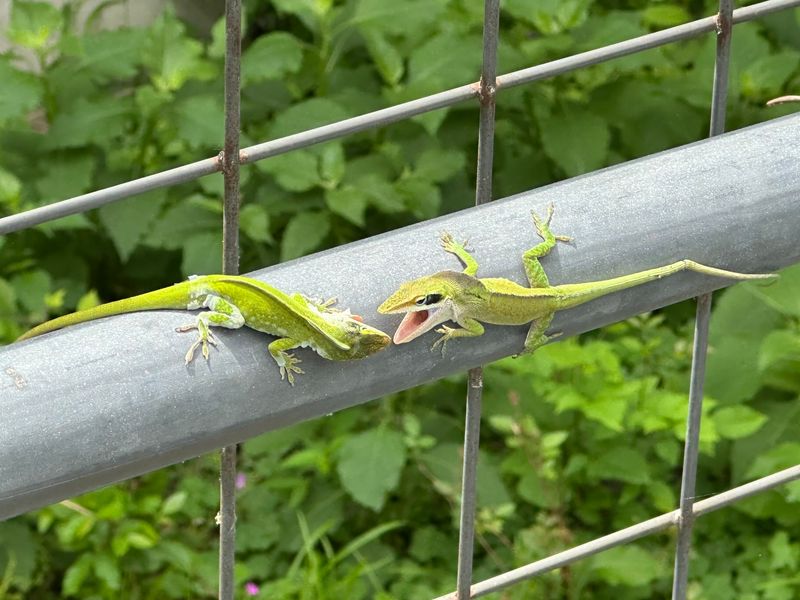
Building a fence-side habitat that may support green anoles where regional conditions allow is a genuinely worthwhile project, and the steps are straightforward. The eastern Texas habitat research points toward dense, structurally complex shrubs as the foundation.
Add layers of vines, small trees, and leafy plants to create connected cover, shade, and perching opportunities. Use diverse native vegetation suited to your specific area of Central Texas rather than reaching for a single “anole plant” that no study has confirmed.
Keep pesticide use targeted and necessary. Routine broad-spectrum spraying depletes the insect community that anoles depend on for food, which undermines every habitat improvement you make.
CDC mosquito control guidance makes clear that source reduction, emptying and scrubbing every water-holding container weekly, is the reliable first step for mosquitoes, and it costs nothing beyond consistent attention.
Measure success by habitat quality and wildlife diversity, not by whether mosquito bites or aphid counts drop after lizards appear on the fence. TPWD’s green anole profile frames these lizards as part of a functioning native ecosystem, and that framing is exactly right.
A yard where anoles occur alongside native insects, birds, and plants is doing something real, even when the mosquitoes still show up at dusk. The lizards are a sign you’ve built something worth having, not a substitute for the work that keeps pests in check.