
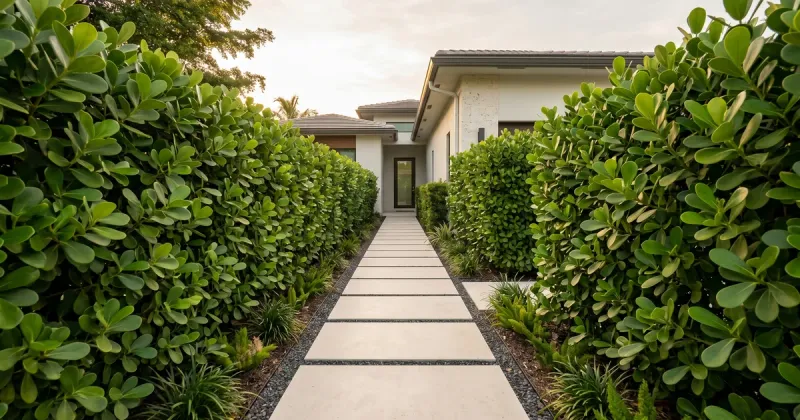
Podocarpus is common in Florida yards, but it often needs regular trimming to stay neat. Native shrubs can give you the same green screen with less fuss, while also helping birds, pollinators, and local wildlife.
Many handle sandy soil, strong sun, heavy rain, and stormy weather better than fussy imports. Here are seven Florida natives that can make a tidy hedge without turning your weekends into pruning duty.
1. Simpson Stopper
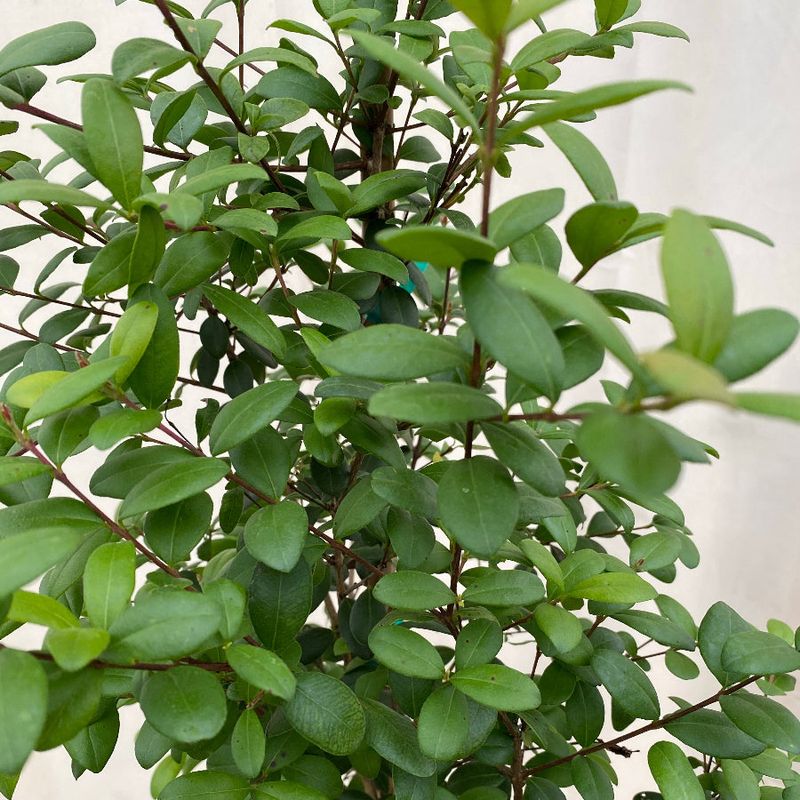
Birds know a good hedge when they see one, and Simpson stopper proves it with bright red-orange berries that often bring mockingbirds, cardinals, and other backyard visitors. For Florida gardeners who want a hedge with polish and wildlife value, this native shrub feels like a smarter, friendlier swap for podocarpus.
Its leaves are small, dense, and naturally tidy, so it can look finished even when you skip the constant shearing. A light shaping once or twice a year is usually enough for a formal edge, while a looser screen still looks full and intentional.
Simpson stopper is especially useful in South and Central Florida, where it handles heat, humidity, and sandy soils once established. It also tolerates salt air better than many inland shrubs, which makes it a strong pick near coastal neighborhoods.
Give it sun to part shade, mulch the root zone, and water it well during establishment. After that, it becomes one of those set-and-forget natives that quietly does its job while adding flowers, fragrance, and fruit to the garden.
2. Yaupon Holly
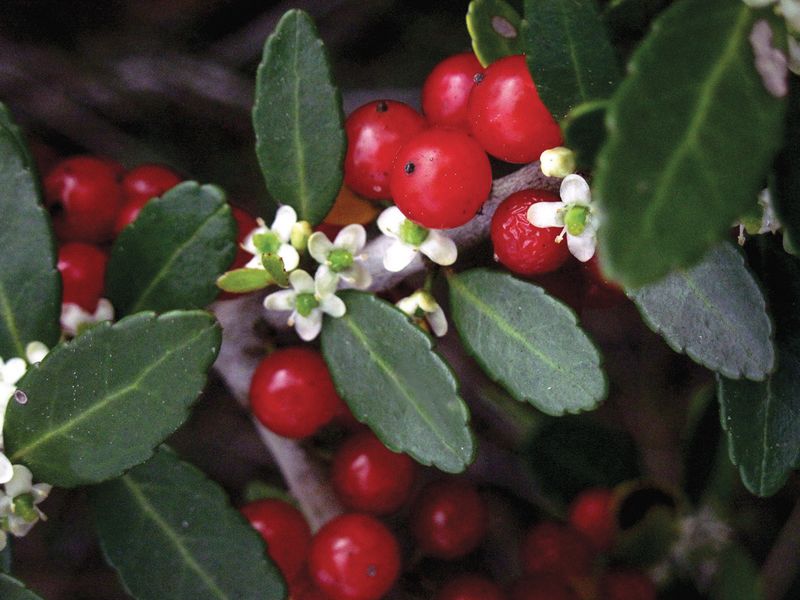
A hedge that can take Florida sun, sandy soil, and neglect without looking offended deserves a spot near the top of the list. Yaupon holly is tough, upright, and naturally compact enough to become a clean green wall without the stiff, overworked look of sheared podocarpus.
Small leaves are the secret here. Because the foliage is fine-textured, even a lightly pruned plant can look crisp from the street, which is exactly what many homeowners want along property lines, driveways, or pool screens.
Female plants produce red berries if a male yaupon is nearby, adding winter color and food for birds. That seasonal flash gives the hedge more personality than a plain green backdrop, especially in fall and winter when many Florida yards look a little tired.
Yaupon holly also has a fun history: Native peoples in the Southeast used its caffeinated leaves to make a ceremonial drink. In the modern yard, it asks for far less drama, just sun, decent drainage, and occasional shaping to keep the height where you want it.
3. Walter’s Viburnum
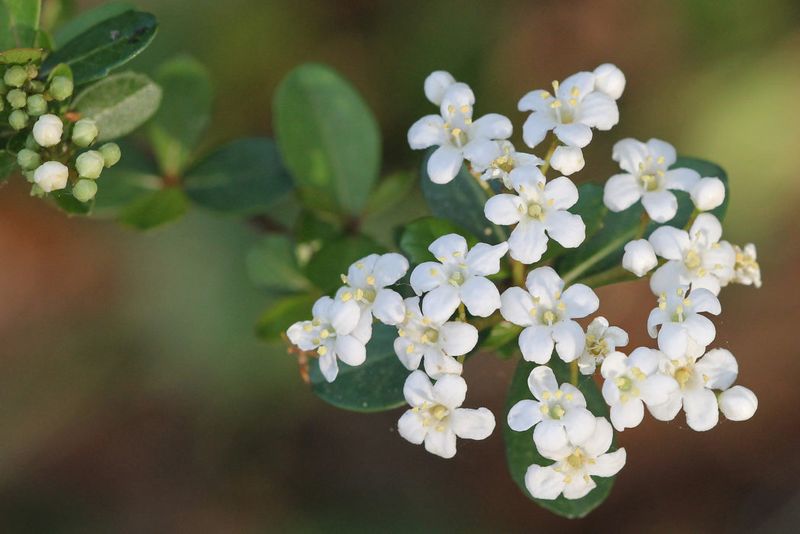
Spring can sneak up on a Walter’s viburnum hedge and cover it with white flower clusters before you even reach for the pruners. That bloom show is one reason this shrub stands apart from plain privacy plants, yet it still has the structure needed for a handsome hedge.
Walter’s viburnum is native to much of Florida and is often recommended in Florida-friendly landscapes because it supports wildlife and adapts well to local conditions. Depending on the selection, it can be kept as a medium hedge or allowed to grow taller for screening.
The smaller-leaved forms are especially good for homeowners replacing podocarpus because they respond well to light pruning and hold a dense outline. Instead of needing constant flat-top cuts, they can be shaped into a softer, rounded hedge that still looks cared for.
Plant it in sun to part shade, and give it room for airflow, especially in humid areas. Once established, it handles normal dry spells better than many thirsty ornamentals, though it appreciates water during long hot stretches and after planting.
4. Wax Myrtle
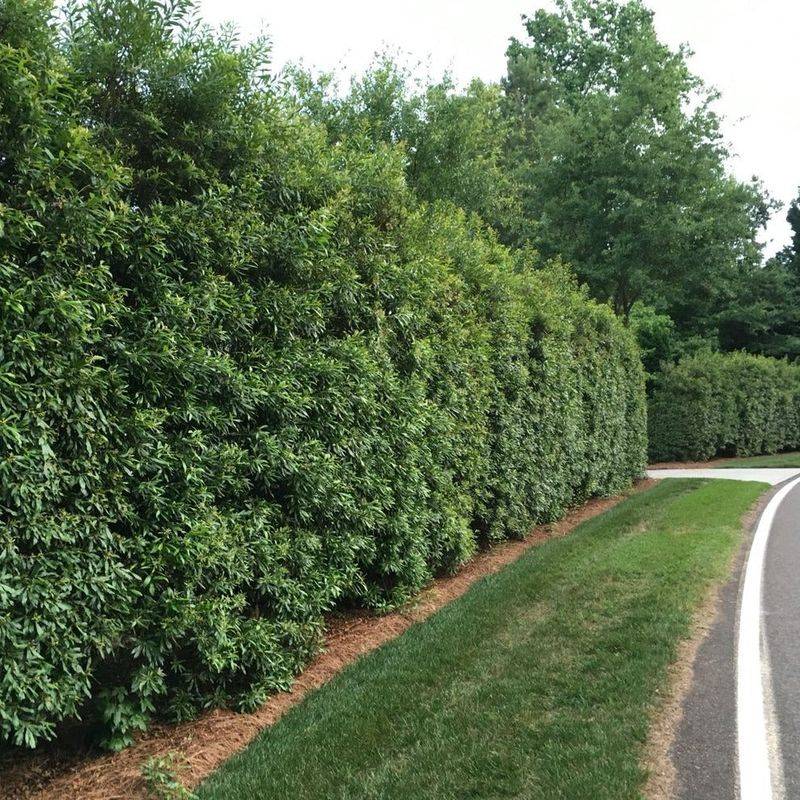
When the neighbor’s second-story window is the problem, wax myrtle is the native hedge that thinks bigger. It grows faster and taller than many shrubs on this list, making it useful when you want a living screen sooner rather than later.
The look is not as boxy as podocarpus, and that is part of its charm. Wax myrtle forms a breezy, layered wall of foliage that moves in the wind instead of standing like a green fence, which can be a better fit for storm-prone Florida yards.
Its aromatic leaves and waxy berries add wildlife value, with birds feeding on the fruit and cover-loving species using the branches for shelter. The plant also tolerates sandy soils, wet spells, and occasional flooding better than many traditional hedge choices.
For best results, use wax myrtle where you have enough width, because it wants to be a natural screen rather than a narrow formal hedge. Selective pruning, not hard shearing, keeps it full from top to bottom and helps avoid bare lower branches.
5. Cocoplum
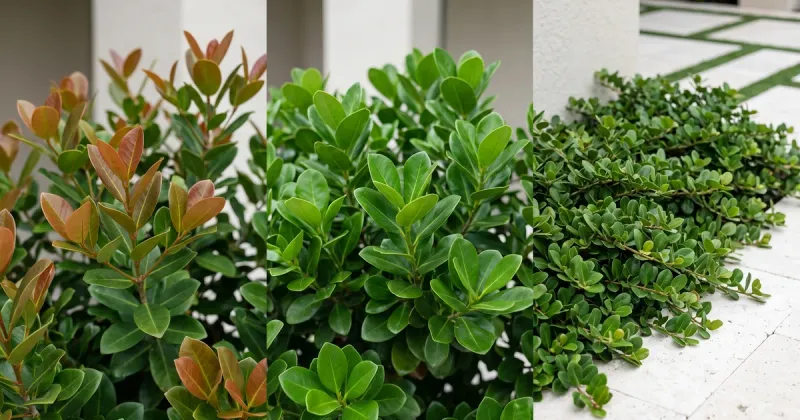
South Florida gardeners get one extra advantage with cocoplum: it looks tropical without behaving like a high-maintenance diva. The rounded, glossy leaves give it a lush, expensive look, yet the plant can settle into a dense hedge with far less clipping than many formal landscape shrubs.
Cocoplum is best suited to warmer parts of Florida, especially South Florida and protected coastal areas. It handles heat, humidity, sandy soil, and salt exposure, which makes it a practical choice for yards near the coast or sunny streetscapes.
New growth may flush bronze or red, adding color before the plant returns to deep green. Small fruits can appear too, and wildlife may use them, giving the hedge more purpose than simply blocking a view.
Use cocoplum where you want a rounded, full hedge rather than a razor-straight wall. It accepts trimming, but it often looks best with gentle shaping that follows its natural form.
In colder parts of the state, choose another shrub on this list, because cocoplum can be damaged by freezes.
6. Marlberry
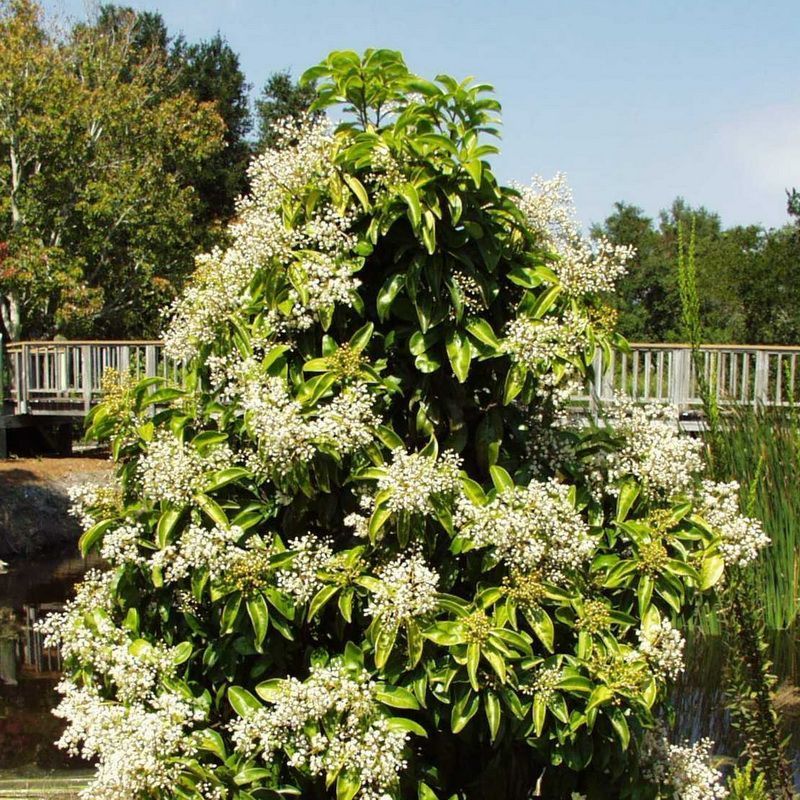
Not every hedge sits in blazing sun, and marlberry shines in those half-shaded Florida spots where podocarpus can look thin or awkward. Under oaks, along shaded side yards, or near a patio with filtered light, it brings a quiet, woodland feel while still offering screening.
Marlberry grows with glossy evergreen leaves and a naturally upright habit. Its clusters of small white flowers are followed by dark berries that birds may visit, so it works well for gardeners trying to make a more wildlife-friendly yard without losing privacy.
The big difference is its tolerance for shade. Many hedge shrubs become open and leggy without strong sun, but marlberry can stay attractive in part shade when given enough moisture during establishment and a layer of mulch over sandy soil.
It is not the fastest hedge on the list, which can actually be a blessing for low-maintenance gardeners. Slower, steadier growth means fewer pruning sessions, a more relaxed shape, and less yard waste after every trim.
7. Wild Coffee
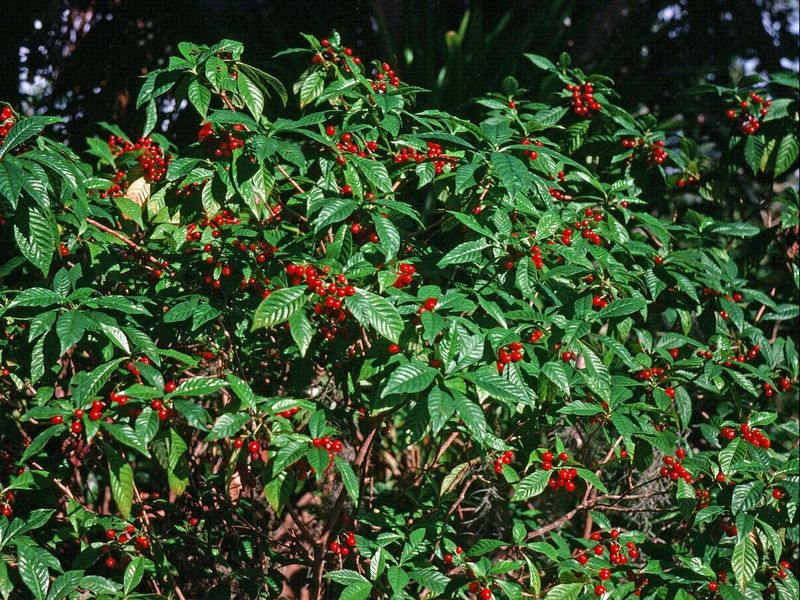
For low hedges near porches, paths, and shady windows, wild coffee has a soft charm that podocarpus cannot copy. It stays lower, looks rich and leafy, and brings a natural Florida hammock style to small spaces that do not need a towering privacy wall.
Wild coffee is especially useful as a knee-high to waist-high hedge in part shade. Its shiny leaves create a full look, while white flowers and red berries add little surprises through the year.
Despite the name, it is not the coffee used for your morning cup.
Because it prefers some shade and moisture, wild coffee is a great match for the east side of a house, under high tree canopy, or beside a shaded patio. In sandy soil, mulch helps keep the roots cooler and reduces drying between rains.
Think of wild coffee as the friendly border plant rather than the fortress hedge. It will not replace a tall podocarpus screen, but it is excellent for shaping garden rooms, softening foundations, and giving pollinators and birds a reason to visit close to the house.