
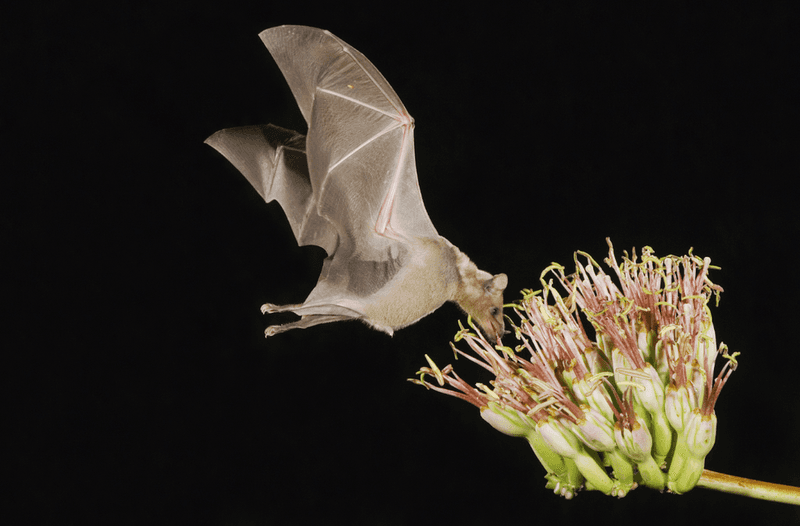
Mosquitoes can turn a Florida backyard into a place you avoid after sunset. Bats help by eating flying insects at night, and the right native plants can make your yard more active with the kinds of bugs bats hunt.
The trick is to plant Florida natives that bloom, scent the air, or support moths and other night flyers without adding a lot of extra work. Here are seven smart picks for sandy soil, steamy evenings, and wildlife-friendly yards.
1. Simpson’s Stopper
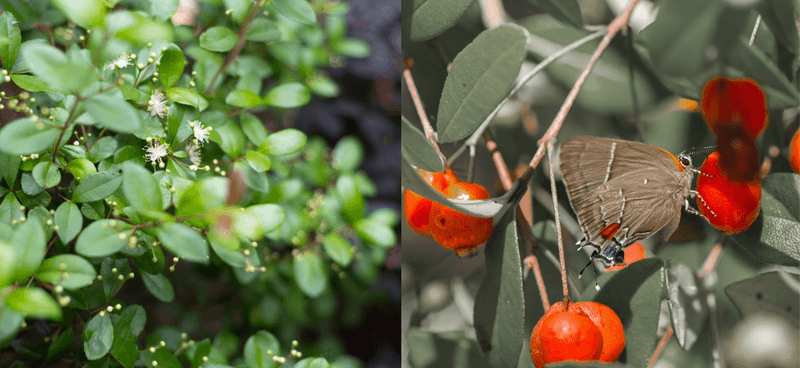
A tidy evergreen shrub that can handle real Florida life deserves a spot near the patio, and Simpson’s stopper earns that place well. Its small white flowers draw many tiny insects, especially when the air is warm and still, creating evening movement that bats can hunt above and around the planting bed.
What makes Simpson’s stopper stand out is its neat, hedge-like shape without the fussy attitude of many formal shrubs. In much of Florida, it tolerates sandy soil once established, takes pruning if you want a cleaner look, and keeps its leaves through the year.
The flowers are not huge or flashy, but that is part of the charm. They feed small pollinators, then the plant produces berries that birds enjoy, so it supports wildlife in more than one season.
Plant it along a fence, near a screen enclosure, or as a loose privacy line where insects can gather away from your sitting area. Give it sun to part shade and avoid overwatering after it settles in, since soggy roots are a bigger problem than dry spells for many Florida shrubs.
2. Walter’s Viburnum
Early in the year, before many yards feel fully awake, Walter’s viburnum can cover itself with small white flower clusters. That bloom period matters because it helps feed insects that start the backyard food web, and a richer insect scene can make the yard more useful for bats after dark.
Florida gardeners like this native because it can act like a screen, a small tree, or a clipped hedge depending on how it is trained. It is especially handy in yards where a neighbor’s porch light, a road, or an open view needs softening without planting something invasive or high-maintenance.
Its biggest difference from the showier plants on this list is structure. Walter’s viburnum gives bats a better hunting zone by creating edges, and edges are where flying insects often travel, hover, or rest.
Use it along the back of a bed with lower native flowers in front, leaving open air above for bats to swoop. It prefers sun to part shade and does best with decent drainage, which fits many sandy Florida lots.
Choose the right form for your space, since some selections stay compact while others can grow much taller. A little planning up front saves you from constant pruning later.
3. Firebush
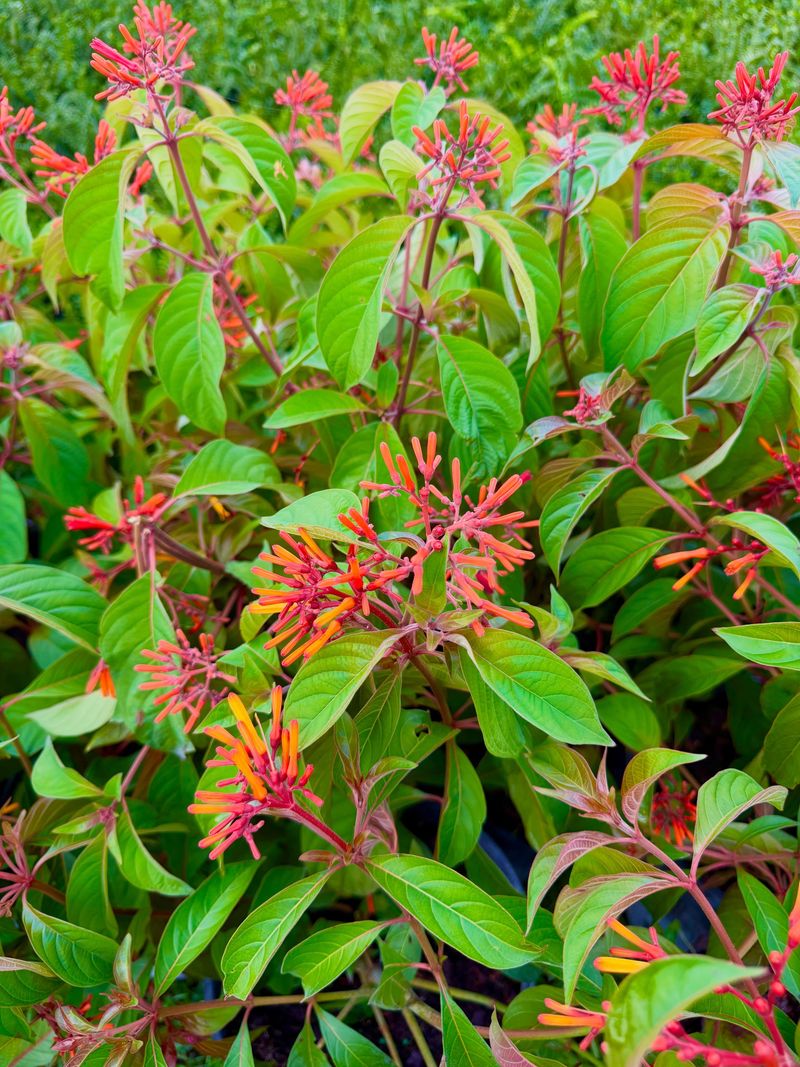
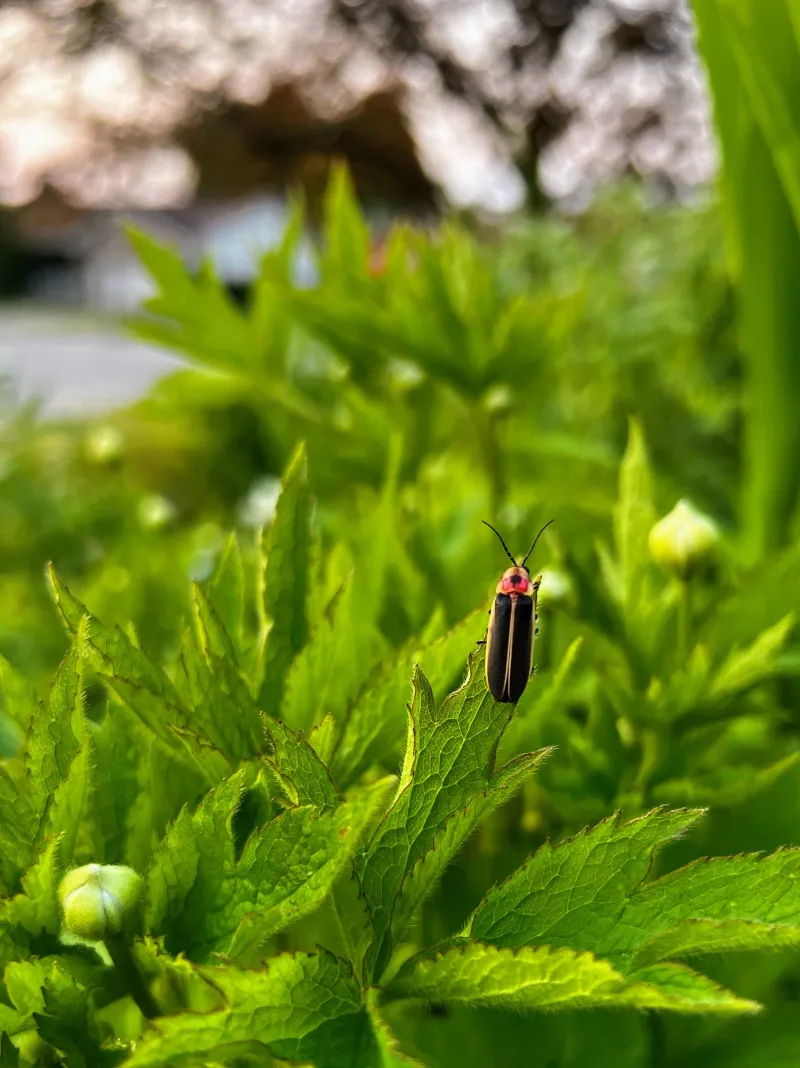
Few native shrubs look as lively in Florida heat as firebush. While people notice the orange-red blooms and hummingbirds first, the plant also keeps a busy insect community around it, and that activity can help support the nighttime buffet bats rely on.
Firebush brings a different energy than the quieter hedge plants. It is bold, tropical-looking, and quick to rebound in warm weather, making it a strong choice for gardeners who want wildlife value without a dull corner of green.
In South and Central Florida, firebush can grow into a large shrub, while colder parts of North Florida may see it die back after freezes and return from the roots. That makes placement important, especially if you want it near a walkway or porch.
Give it full sun for the heaviest flowering, though it can manage some shade. Once established, it handles Florida’s sandy, fast-draining soil better than many thirsty ornamentals, but it looks best with occasional water during long dry stretches.
For mosquito pressure, think of firebush as part of a bigger wildlife plan, not a magic switch. Pair it with no-standing-water habits, a bat house placed correctly, and several other native bloomers so the yard stays active from spring into fall.
4. Coral Honeysuckle
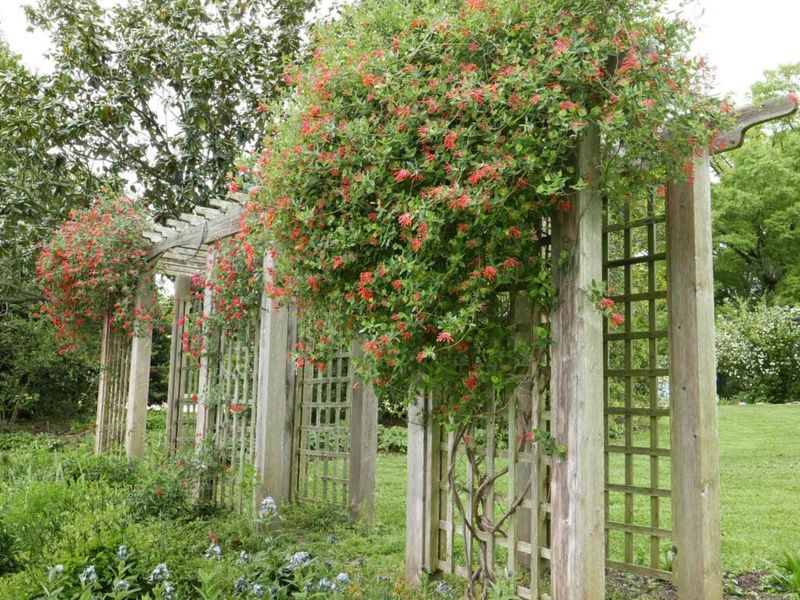
A fence covered in coral honeysuckle feels like a small wildlife highway. The red tubular flowers are famous for attracting hummingbirds, but the vine also helps build a layered planting that insects use, giving bats more chances to find prey along yard edges at dusk.
Unlike aggressive exotic vines that swallow shrubs and fences, Florida native coral honeysuckle is usually much easier to manage. It climbs with support, works well on trellises, arches, and chain-link fences, and adds vertical habitat without taking up much ground space.
The best part for small yards is how much life it packs into a narrow strip. If your yard is mostly lawn, adding a flowering native vine can create a more interesting insect zone without giving up a large planting bed.
Coral honeysuckle prefers sun to light shade and well-drained soil. It may need some watering while it gets established, but after that it is often far less demanding than many non-native flowering vines sold for instant color.
Train it away from rooflines and keep it where you can guide new growth. Near a seating area, it can add beauty while helping shift insect action toward the fence, where bats can patrol the open air more easily.
5. Buttonbush
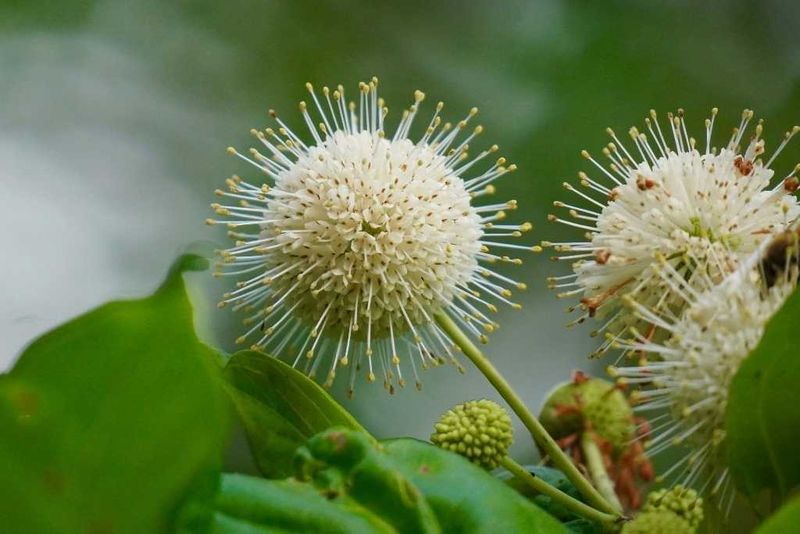
That soggy low spot in the yard might be more useful than you think. Buttonbush naturally belongs near wetlands, pond edges, ditches, and rain gardens, so it is a strong native option for Florida gardeners dealing with seasonal flooding or runoff after heavy storms.
Its round, white, pincushion-like flowers are magnets for pollinators during the day, and the damp habitat around it often supports insect activity into the evening. Where flying insects gather, bats have a better reason to make passes over the yard.
Buttonbush is different from the other plants here because it likes moisture. Many Florida natives prefer good drainage, but buttonbush can help turn a wet trouble zone into a wildlife feature instead of a muddy headache.
Give it room, because it can become a large shrub. It is best for the back of a rain garden, the edge of a retention pond, or a low corner where turf struggles and mowing is annoying.
One warning is simple: do not create standing water just to grow it. Mosquitoes breed in still water, so use buttonbush where water naturally moves through or drains after rain, and keep containers, saucers, and clogged gutters empty.
6. Seagrape
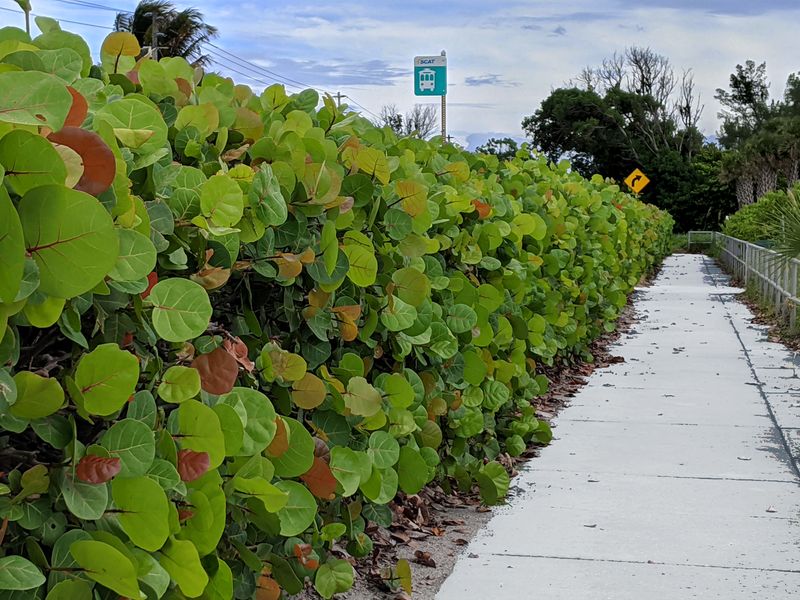
Coastal yards ask a lot from plants: salt spray, wind, sand, blazing sun, and the occasional storm surge. Seagrape is built for that rough setting, and its broad leaves and branching form create shelter and edge habitat where insects can collect before bats begin hunting.
This native is not the right fit for every tiny yard, since it can grow large if left alone. In the right place, though, it becomes a tough screen, windbreak, or small shade feature that feels completely at home in Florida’s beachside neighborhoods.
Seagrape’s wildlife value comes from more than flowers. Its dense structure supports small creatures, its fruit feeds birds and other wildlife, and its presence can make a stripped-down sandy lot feel more like a working coastal ecosystem.
If you live inland, check your space carefully before planting. Seagrape shines in coastal and South Florida conditions, but it needs room and smart pruning so it does not crowd walkways, power lines, or views.
For bats, place seagrape where it helps form a sheltered corridor rather than a solid wall around the entire yard. Bats need open flying space, so pair dense plantings with clear air above lawn edges, paths, or a pond-free rain garden.
7. Frostweed
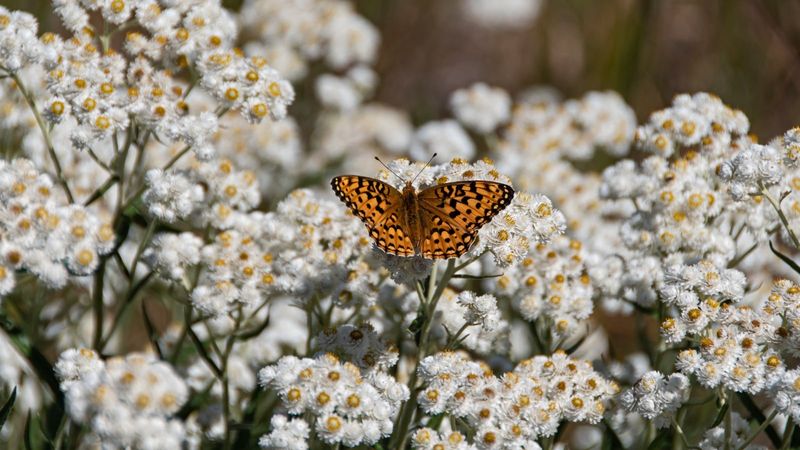
A partly shaded corner under oaks can feel hard to plant, but frostweed brings that quiet space to life. Its white flowers attract pollinators, and as a native wildflower, it supports the kind of insect diversity that helps feed birds by day and bats by night.
Frostweed has a wilder, more natural look than clipped shrubs or bright tropical-style plants. That makes it especially useful in relaxed Florida yards, woodland edges, and native beds where leaf litter is allowed to stay instead of being blown bare every weekend.
The fun bit is its name. In colder weather, stems can split and form delicate curls of ice in parts of its range, a small winter trick that surprises gardeners who only think of Florida as hot.
Its role in a bat-friendly yard is subtle but important. Native wildflowers often support caterpillars, moths, beetles, and other insects, and bats eat many night-flying insects besides mosquitoes.
Plant frostweed in part shade with decent moisture, especially while it establishes. It is a good reminder that a mosquito-smart yard should not be only about sprays or traps, but about building a balanced habitat where natural predators have a reason to show up.