
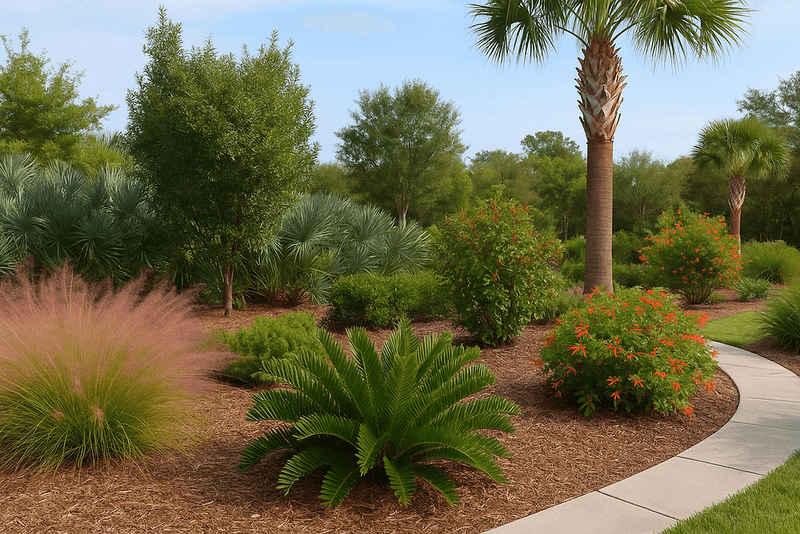
Florida patios should feel relaxing, not like a dinner bell for mosquitoes. The right native plants can make the space around your chairs, steps, and screen door less inviting to biting pests while still looking good in heat, sandy soil, and sudden rain.
Plants are not a full replacement for removing standing water or using protection when pests are heavy, but they can be a smart, low-effort layer in a more comfortable yard.
1. American Beautyberry
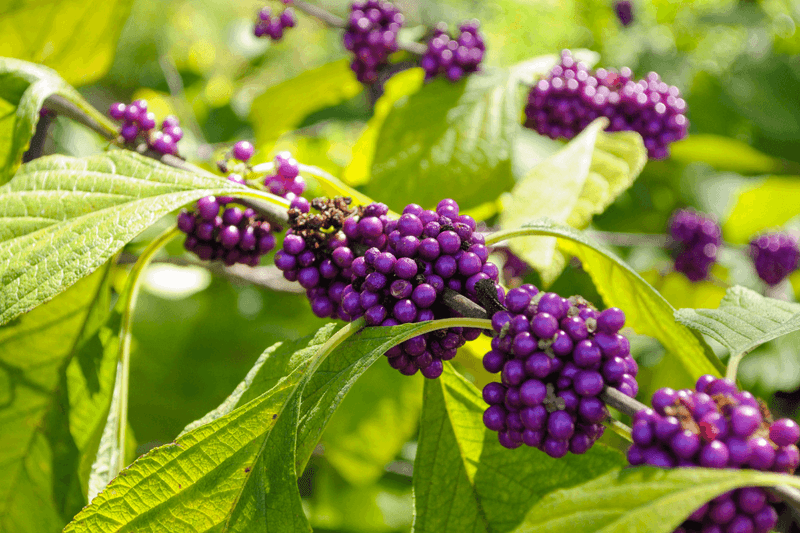
Bright purple berries make American beautyberry look almost too pretty to be useful, but Florida gardeners know this shrub has more going on than curb appeal. Its leaves contain natural compounds that have been studied for repelling mosquitoes and ticks, especially when the foliage is brushed or lightly crushed.
Plant it near the outer edge of a patio, beside steps, or along a loose backyard border where people and pets will not constantly trample it. Beautyberry can grow into a rounded shrub, so give it space instead of squeezing it into a tiny pot by the door.
Florida’s sandy soil is usually not a problem once the plant is established, and it handles part shade well. That makes it especially useful under tall pines, live oaks, or the filtered light around many older Southern yards.
For the best patio payoff, place it where evening breezes can move across the leaves toward your seating area. Birds love the berries later in the season, so this pick gives you pest-deterring value and a little wildlife watching from the same plant.
2. Spotted Beebalm
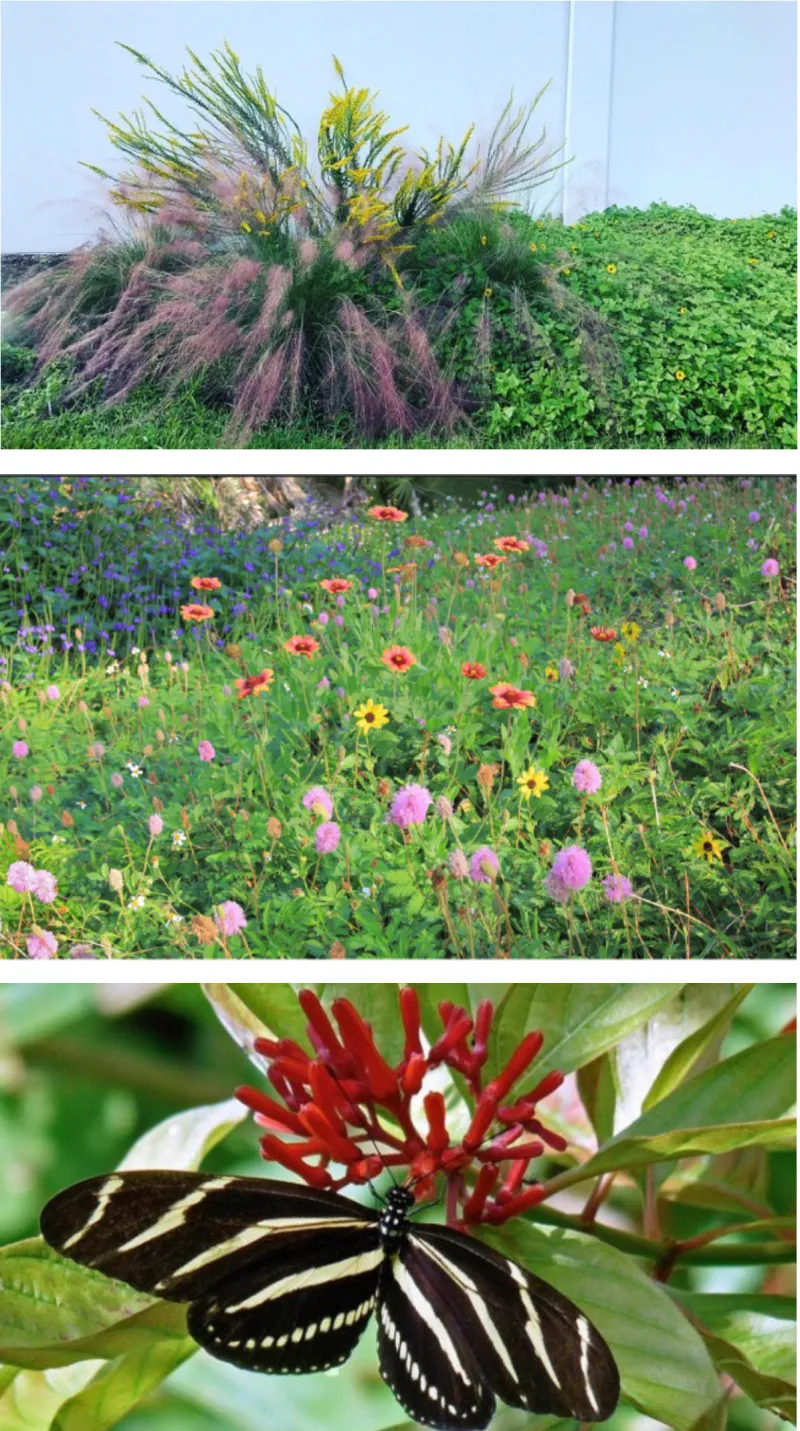
A sunny patio corner can feel instantly more alive with spotted beebalm, a Florida native with quirky stacked blooms and a strong herbal scent. The leaves and flowers are aromatic, which is exactly why many gardeners tuck it near seating areas where mosquitoes tend to gather at dusk.
Unlike larger shrubs, spotted beebalm fits well into mixed beds, narrow borders, and roomy containers. It likes good drainage, so it is a natural match for Florida’s sandy soil and raised patio edges that dry out fast after a storm.
Give it full sun if you want sturdy growth and plenty of flowers. In return, it brings bees, butterflies, and other pollinators during the day, then adds a fragrant buffer around the patio when the evening air settles.
Trim spent blooms to keep the planting neat, especially near walkways. Its slightly wild look suits cottage-style gardens, pollinator beds, and casual Florida backyards where useful plants are allowed to look a little fun.
3. Narrowleaf Mountain Mint
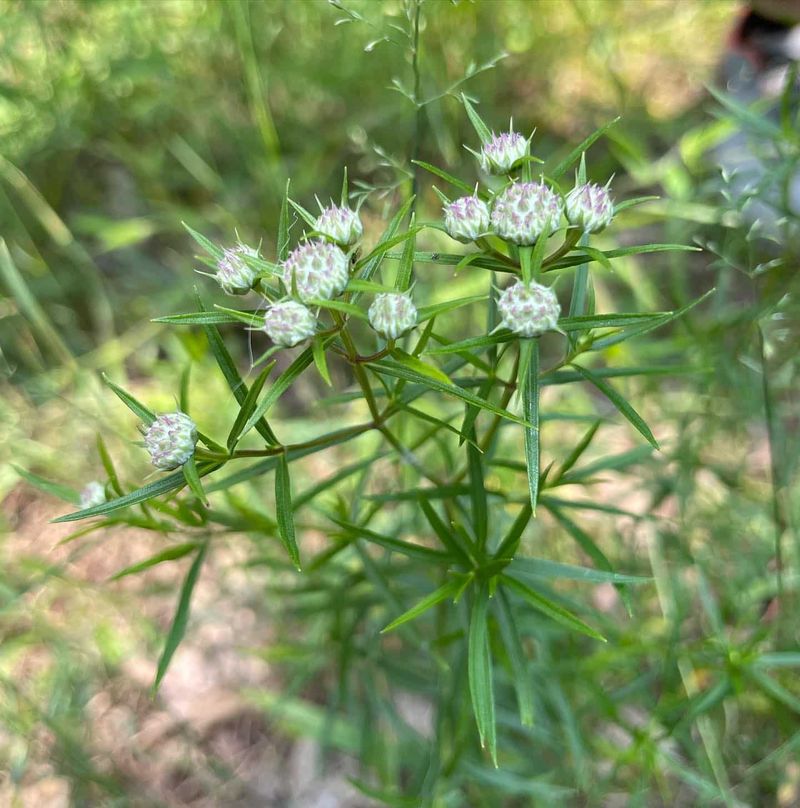
Brush past narrowleaf mountain mint on a warm evening and you will understand why it belongs near a patio. The crisp minty scent rises from the foliage fast, creating an aromatic zone that many biting insects are less eager to enter.
Florida gardeners often appreciate this plant because it offers a tidy, upright shape compared with some sprawling herbs. It works nicely in a sunny border, along a path to the grill, or in a pollinator strip just beyond the patio slab.
Good drainage matters more than rich soil, which is helpful for homes with sandy yards. Once established, it can handle dry spells better than many thirsty ornamentals, though occasional water keeps it looking fresh during hot stretches.
Mountain mint is also a pollinator magnet, so place it where daytime insect traffic will not bother you. A few feet away from the table is usually better than right beside dinner plates.
Cut it back lightly after flowering if it starts to lean. That small bit of care keeps the planting compact and helps release more of that clean, sharp fragrance around your outdoor living space.
4. Wax Myrtle
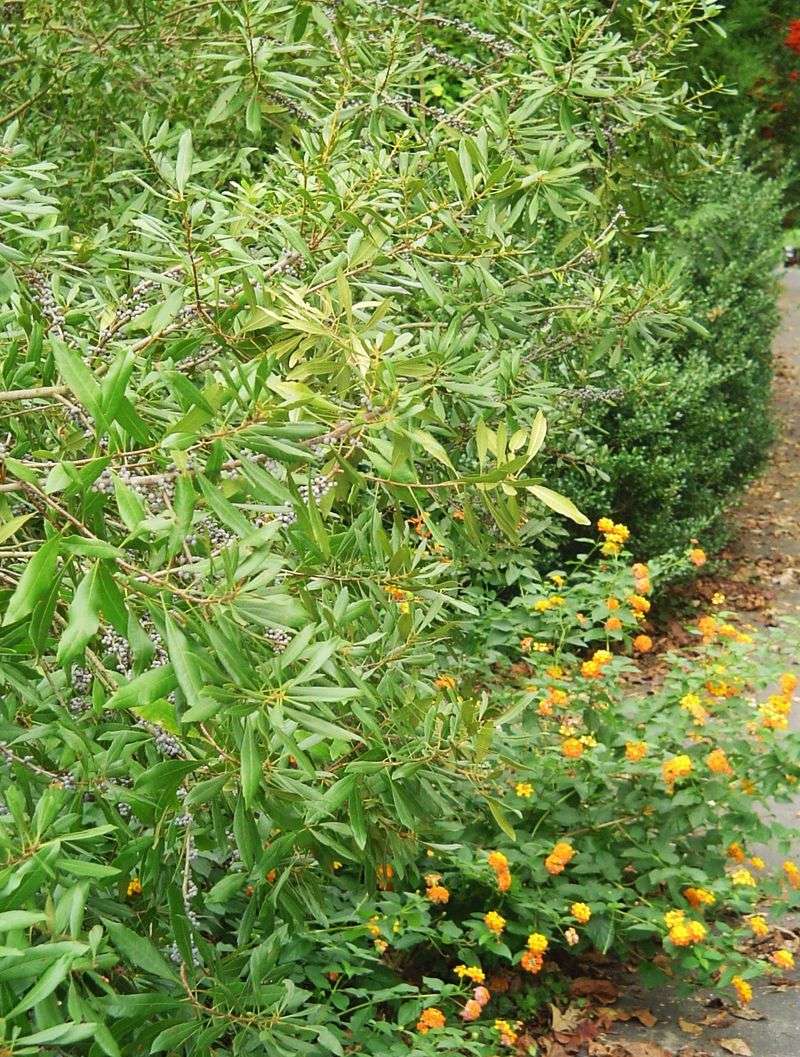
If your patio needs privacy as much as pest help, wax myrtle earns its spot. The evergreen foliage has a spicy, resin-like scent, and the plant’s natural oils have long been associated with discouraging insects in Southern yards.
Wax myrtle is different from the smaller flowering picks on this list because it can become a living screen. Use it along the back of a patio, beside a fence, or near the edge of a pool enclosure where you want height, movement, and year-round greenery.
Florida weather rarely stays polite for long, and this shrub is built for real conditions. It tolerates sandy soil, occasional wet areas, salt near coastal sites, and the kind of wind that can rough up softer landscape plants.
For patio use, prune it as a multi-stemmed shrub instead of letting it become too open and tree-like. The denser the leaf canopy, the more useful it is as a fragrant buffer between your seating area and mosquito-friendly parts of the yard.
Female plants can produce waxy berries that birds enjoy. That makes wax myrtle a practical choice for gardeners who want a useful native hedge without giving up wildlife value.
5. Lantana Involucrata
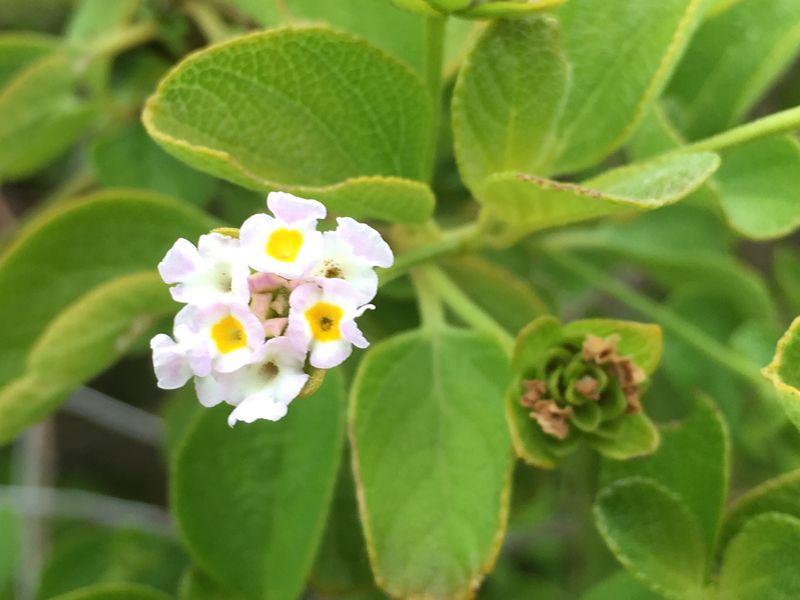
Wild lantana brings a breezy coastal feel to a patio bed, and its scented foliage gives it a practical side too. Lantana involucrata is native to Florida, unlike some common landscape lantanas that can be problematic in parts of the state.
The rough, aromatic leaves may help make the area less attractive to mosquitoes when planted in sunny, well-traveled spots. It is not a magic shield, but it is a smart choice for gardeners who want flowers, fragrance, and a tougher native shrub in one plant.
Use it in full sun near a patio corner, mailbox bed, shell path, or low border where reflected heat is an issue. Once established, it handles dry, sandy conditions and does not need the constant pampering that many bedding plants demand.
Butterflies visit the blooms, which adds life to the yard during the day. At night, the plant still has a role as part of a layered pest-deterring planting around the outdoor area.
Choose the true native species from a reputable nursery and avoid spreading invasive lantana types. That one detail matters in Florida, where plant choice can affect nearby natural areas.
6. Dogfennel
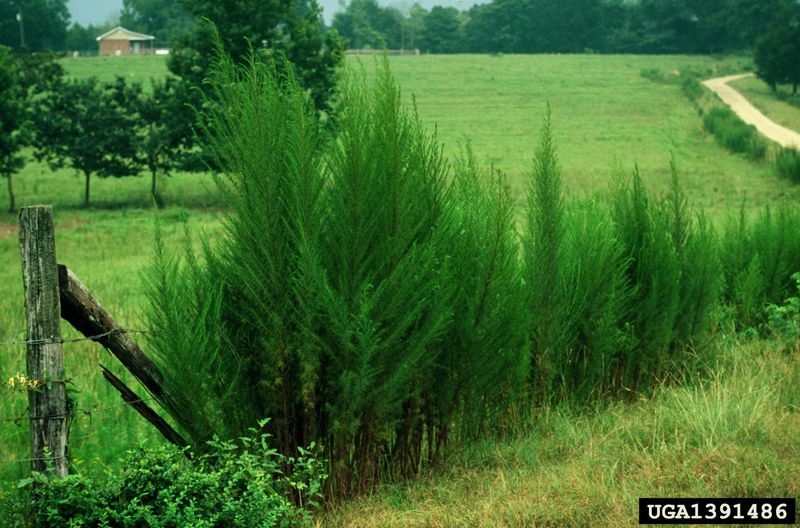
Dogfennel is the oddball on this list, and that is exactly why it is useful. Many people first notice it along roadsides or field edges, but its feathery foliage has a strong scent that has been used traditionally to discourage mosquitoes.
Because dogfennel can grow tall and spread freely, it is not the plant to tuck into a formal entry pot. Think of it as a back-of-border plant for a larger native area, rain garden edge, or wild strip beyond the patio where you want a more natural buffer.
Its fine-textured leaves can look surprisingly attractive when paired with sturdier natives like muhly grass, beautyberry, or wax myrtle. The trick is placement, since dogfennel looks intentional only when it has enough room and a clear job.
Cut it back before it gets too rangy if your yard is small. In a relaxed Florida landscape, though, it can help create a scented transition zone between damp lawn edges and the patio.
Gardeners who like neat, clipped beds may want to skip it. For wildlife-style yards and low-input sandy areas, dogfennel can be a practical native with a bit of old-Florida character.
7. Southern Red Cedar
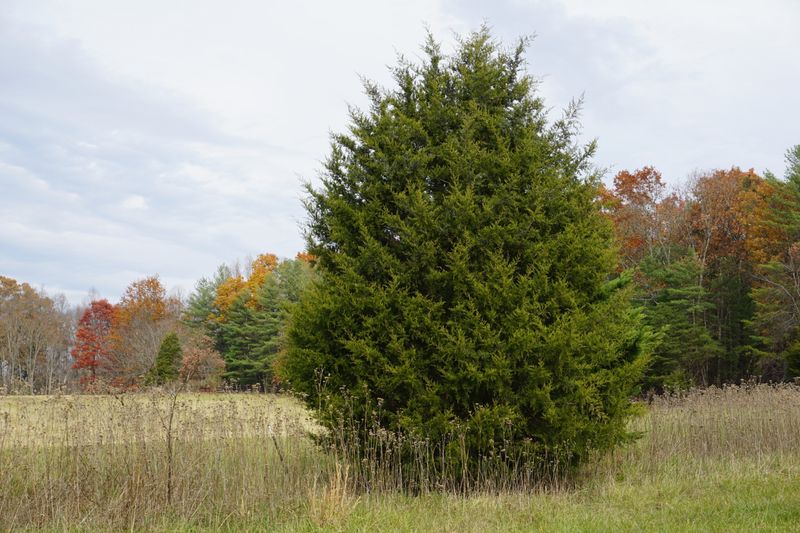
Evergreen structure is hard to beat around a patio, and Southern red cedar adds that steady presence while bringing aromatic foliage and wood. Cedar oils are well known for their insect-discouraging qualities, and the living tree can be part of a broader tick and mosquito management plan.
This native is most useful where you need height, screening, or a windbreak rather than a small flower bed filler. Plant it beyond the immediate seating area so it has room to mature without crowding walkways, roofs, or screens.
Southern red cedar handles sun, sandy soil, and coastal exposure better than many landscape evergreens. That makes it a strong fit for Florida yards where salt, drought, and storm gusts can punish fussy plants.
Ticks often move through tall grass, brushy edges, and wildlife corridors, so a cedar planting works best when paired with clean patio borders. Keep grass trimmed, remove leaf piles near seating areas, and avoid creating damp clutter where pests can hide.
Birds may feed on the small blue cones, and the dense branches can offer shelter. For homeowners who want year-round privacy plus a tougher native backbone, Southern red cedar is a long-game choice.