
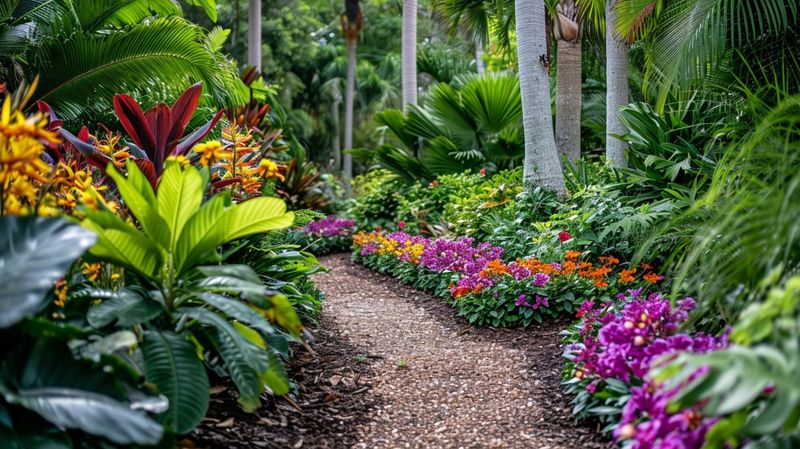
Bark mulch looks tidy for a while, but Florida rain can move it fast. One hard summer storm can send chips into the lawn, driveway, or street.
Native ground covers solve that problem by holding soil, softening bed edges, and adding life to the yard. Here are seven Florida-friendly choices that stay rooted when loose mulch starts floating away.
1. Sunshine Mimosa
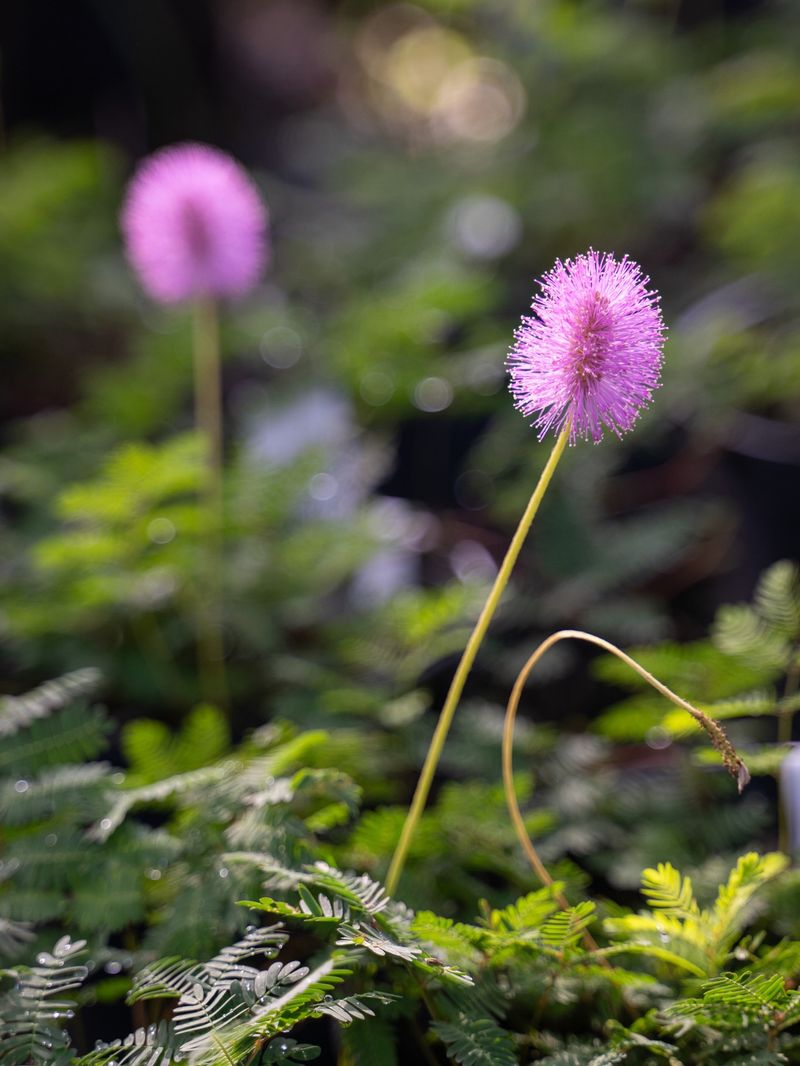
Walk barefoot across a patch of sunshine mimosa, and you quickly understand why Florida gardeners get attached to it. The ferny leaves fold when touched, and the pink puffball blooms look playful without making the planting feel messy.
Sunshine mimosa is one of the best native choices for replacing bark mulch in open, sunny beds because it forms a living mat instead of sitting loose on top of the soil. Once established, its spreading stems root along the ground, helping it stay put through heavy afternoon rain.
That rooting habit is exactly what loose bark cannot do during a summer downpour.
Use it along walkways, mailbox beds, driveway strips, and sunny front-yard islands where you want a softer look than gravel or pine bark. It handles Florida heat well and can grow in sandy soil, though young plants need regular water until they settle in.
In very formal beds, edge it now and then so it does not wander past its welcome.
Pollinators are another bonus. Native bees visit the blooms, and the plant can make a plain mulch bed look more like a small meadow without the height of wildflowers.
2. Frogfruit
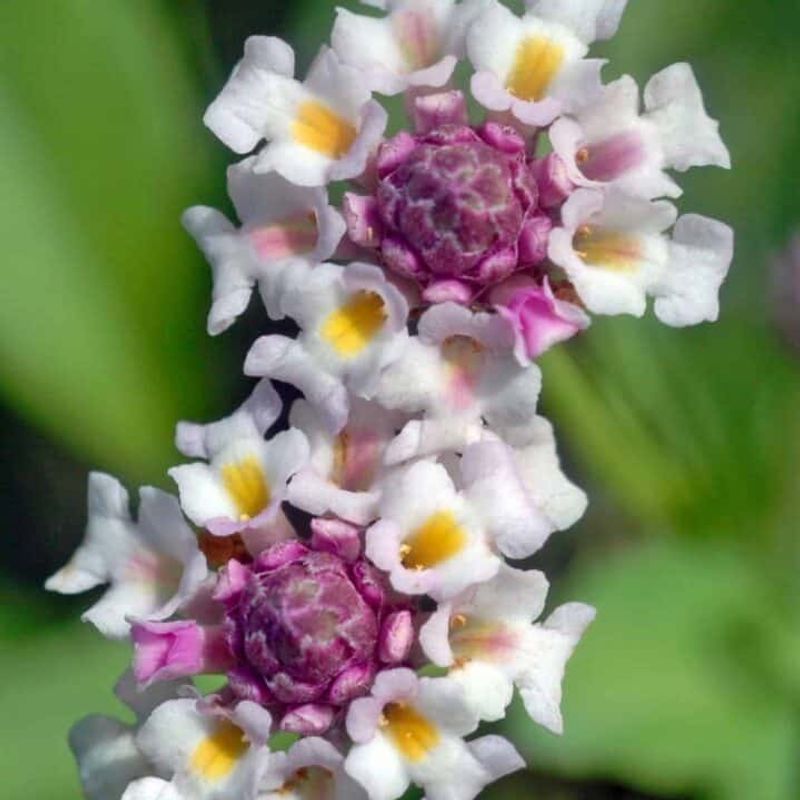
A tiny flower can do big work in a Florida yard. Frogfruit stays low, spreads steadily, and brings in butterflies while covering bare soil that would otherwise need repeat mulching.
Frogfruit stands out because it tolerates a mix of conditions better than many delicate-looking ground covers. It can grow in sun to part shade and often handles moist spots as well as ordinary sandy beds, which makes it useful in yards with uneven drainage.
After storms, its rooted stems remain in place while bark nuggets may drift toward the curb.
For homeowners who want less lawn but still need a walkable, casual surface, frogfruit is worth a look. It is not a putting-green plant, but it can handle light foot traffic in paths, edges, and naturalized lawn areas.
Mowing high on occasion can keep it neat where a lower look is preferred.
Butterfly gardeners like frogfruit because it serves as a host plant for several small butterflies, including phaon crescent and white peacock in parts of Florida. That gives it a clear job beyond weed suppression.
Plant it where you can enjoy close-up activity, such as near a patio, birdbath, or garden bench.
3. Coontie
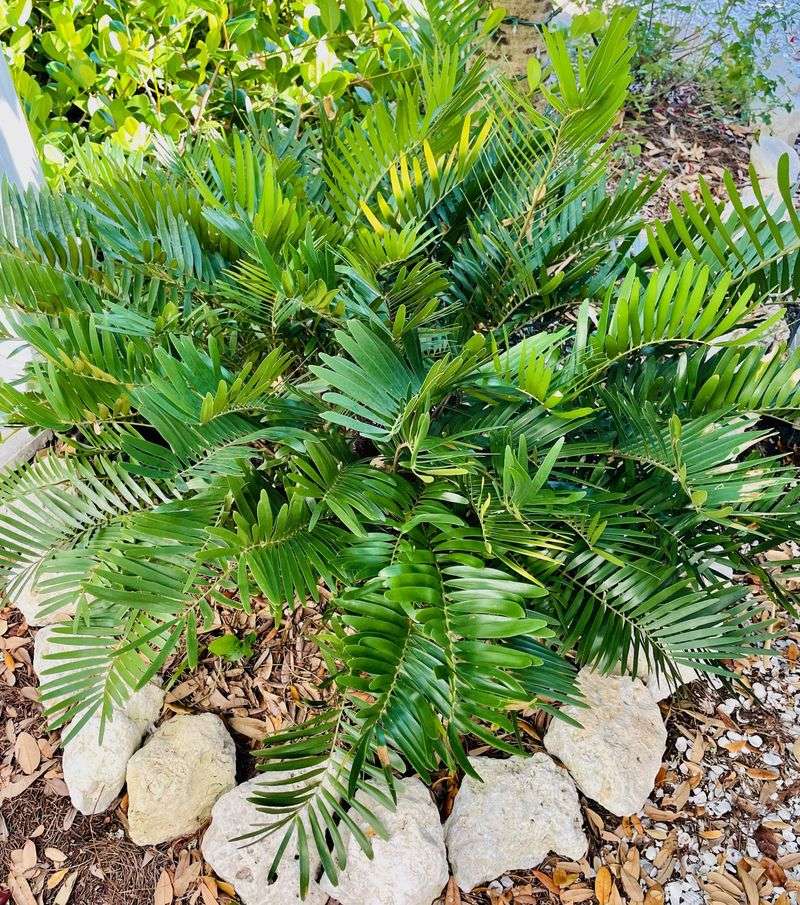
For a bed that needs structure, coontie brings a clean, almost architectural look. Its stiff, deep green leaflets make it feel more like a small cycad than a typical ground cover, yet massed plantings can cover soil beautifully.
Coontie earns its place on this list because it is tough, slow-moving, and rooted like it means business. It will not create the quick carpet that sunshine mimosa or frogfruit can, but it gives Florida beds a permanent backbone that bark mulch never provides.
During pounding rain, the plant stays anchored and helps break the force of water hitting the soil.
Use coontie in part shade or sun, especially under palms, beside entries, around patios, or in foundation beds where you want year-round green. It handles drought once established and works well in sandy Florida soil when drainage is decent.
Give each plant room, since crowded coontie can look cramped as it matures.
There is also a wildlife story here. Coontie is the host plant for the atala butterfly, a Florida native butterfly with a dramatic recovery history.
If atalas live in your area, planting coontie can turn a tidy mulch replacement into a small habitat feature.
4. Beach Sunflower
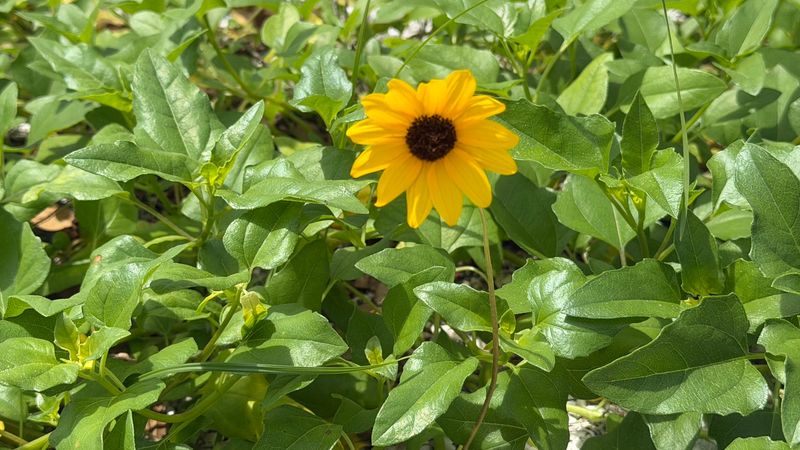
Bright yellow blooms have a way of making a sandy Florida bed look intentional instead of unfinished. Beach sunflower brings that cheerful, coastal feel while spreading low enough to work as a living mulch.
Beach sunflower is different from the quieter ground covers because it gives you color almost all year in warm parts of Florida. The daisy-like flowers sit above rough green foliage, drawing butterflies and other pollinators to sunny spaces.
In storm season, its stems and roots hold their position far better than a layer of loose bark chips.
This native fits hot, dry, sandy spots where many bedding plants fade fast. Try it along road edges, slopes, driveway beds, pool enclosures with good sun, or wide borders that need a relaxed look.
It can sprawl, so it works best where a slightly wild, beachy habit feels welcome.
A quick trim can refresh the planting if it gets leggy or too open. Avoid overwatering and overly rich conditions, which can push floppy growth.
In the right spot, beach sunflower is a sunny workhorse that covers ground, supports insects, and keeps beds from looking bare between bigger shrubs.
5. Twinflower
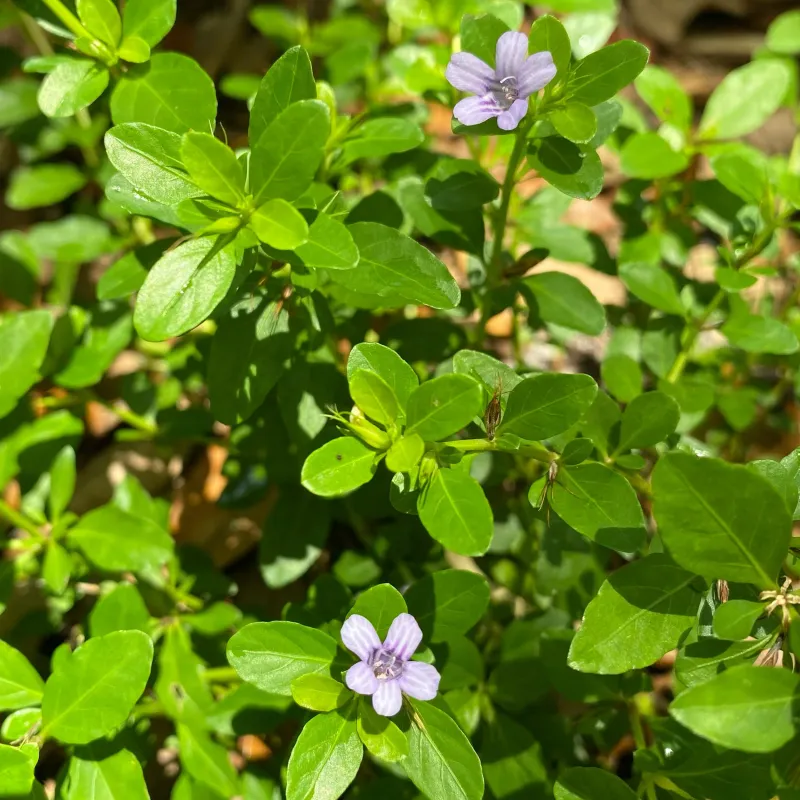
Some garden corners need a plant that behaves more like a quiet understudy than the star of the show. Twinflower fills that role with small paired blooms and a low, spreading habit that looks natural under taller plants.
Twinflower belongs on this list because it is especially useful for softening part-shade areas where full-sun ground covers struggle. It can weave between shrubs, along woodland edges, and under open tree canopies, helping cover soil that might otherwise need repeated mulch touch-ups.
Its growth is not as bold as beach sunflower, but that is part of its charm.
Florida yards with oaks, pines, or mixed native beds often have dappled light and sandy soil that dries between rains. Twinflower can fit that in-between setting when planted with attention to moisture during establishment.
Once rooted, it makes the bed feel finished without a thick blanket of bark.
The paired flowers are small, so plant it where people pass close enough to notice them. It is a good choice near shaded paths, side yards, or the front edge of native shrub borders.
If you prefer a neat woodland look, twinflower offers coverage without shouting for attention.
6. Powderpuff Mimosa
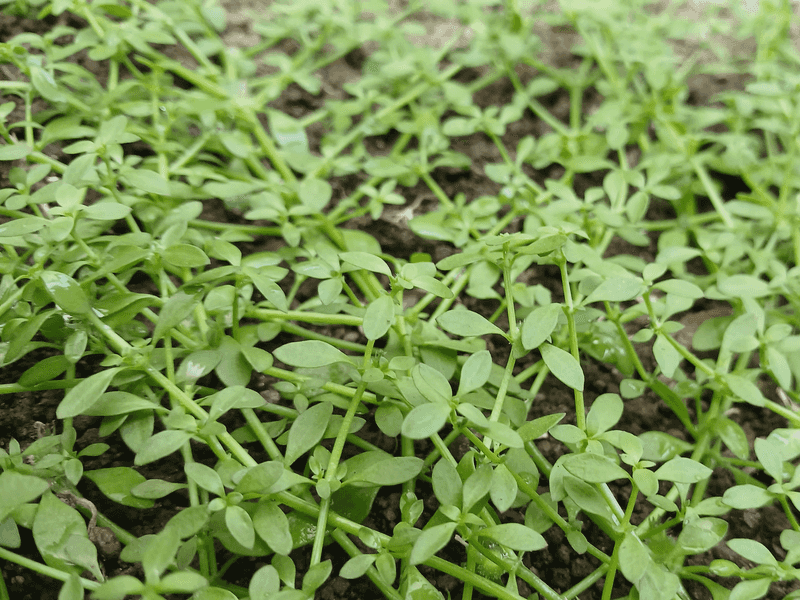
Pink powderpuff blooms make powderpuff mimosa feel almost too pretty to be practical, but do not let the delicate look fool you. In the right sunny bed, it can knit across the soil and reduce the need for floating mulch.
Powderpuff mimosa is closely related in feel to sunshine mimosa, but it deserves separate attention for gardeners looking at native mimosa options with a wilder, more naturalistic effect. It spreads by trailing stems and can create an airy green layer that shades the ground.
That living cover can reduce erosion in small bare patches and keep stormwater from moving soil as easily.
Choose it for informal native beds, pollinator strips, sunny slopes, and lawn-edge transitions where a little looseness is welcome. It is best in sun and well-drained soil, and it should be watered during establishment.
After that, it is usually far less fussy than seasonal annuals.
Because mimosas can spread, placement matters. Keep it away from tiny beds where every inch must stay formal, and give it space to do what it does best.
For gardeners who like movement, texture, and pollinator visits, powderpuff mimosa turns a mulch problem into a living carpet with personality.
7. Lyreleaf Sage
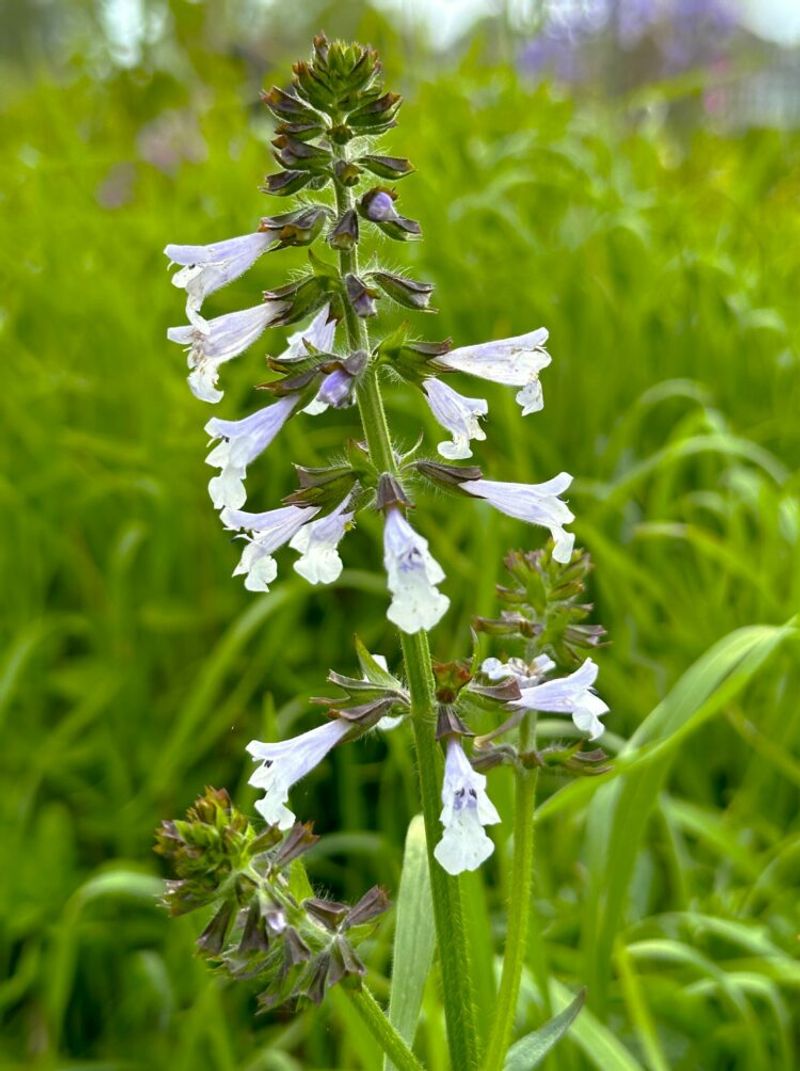
Not every mulch replacement has to stay flat as a pancake. Lyreleaf sage forms low rosettes for soil coverage, then sends up purple-blue flower spikes that make spring and early summer beds feel alive.
Lyreleaf sage is the pick for gardeners who want a ground cover with a seasonal show and a little vertical interest. The basal leaves can fill open areas under shrubs, along borders, or in natural lawn alternatives.
When rain comes hard, established plants remain rooted instead of washing into the street like lightweight bark.
Part sun is often ideal, especially in hotter parts of Florida where afternoon shade can keep foliage looking better. It can handle sandy soils and is often used in native and pollinator-friendly plantings.
Give new plugs or divisions steady moisture at first so they can form strong crowns.
One nice surprise is that lyreleaf sage can self-seed gently in suitable places, helping a planting fill in over time. If seedlings appear where you do not want them, they are usually easy to pull while small.
For a relaxed Florida bed with pollinator value and less mulch chasing after storms, lyreleaf sage is a smart finishing layer.