
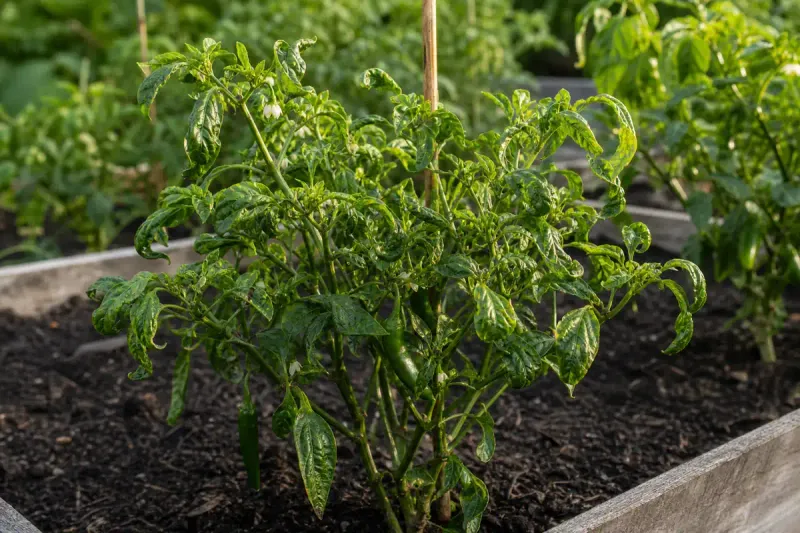
Curling pepper leaves in August can send even experienced gardeners into a panic, but the cause is not always obvious. Hot, dry, or windy weather can trigger leaf curling, yet so can aphids, viruses, herbicide drift, and waterlogged roots.
Before reaching for the hose or a spray bottle, a quick look at your soil, your plant, and recent weather conditions will tell you far more than the curl direction alone ever could.
Heat can explain the curl, but the curl does not prove it
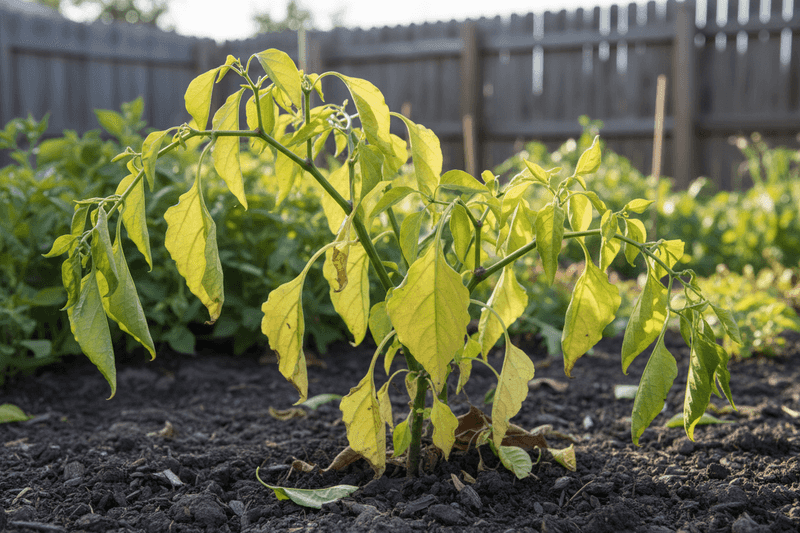
Seeing pepper leaves cup or fold during a heat wave is alarming, but the shape of the curl alone cannot tell you what is wrong. Hot, dry, or windy conditions are a plausible reason for leaves to curl or fold inward, and University of Minnesota Extension guidance on keeping gardens thriving through heat specifically lists peppers among plants that fold leaves inward when water loss outpaces root uptake.
That pattern fits heat and water stress, but it does not confirm it.
Aphids, mosaic viruses, herbicide injury, excess soil moisture, and root damage can produce leaves that look nearly identical to heat-stressed ones. University of Maryland Extension’s overview of leaf curling on vegetables notes that multiple causes share overlapping symptoms, making a single visual clue an unreliable diagnosis.
UC IPM’s page on mosaic viruses of peppers and eggplants reinforces that virus-related distortion can appear alongside or instead of environmental stress.
A better approach is to treat the curl as a starting signal, not a verdict. Compare what the weather has been doing, check the root zone for moisture and drainage, scan the plant for pest or disease clues, and then piece together a likely explanation from those combined observations rather than from curl direction alone.
Why hot and windy weather can make leaves curl
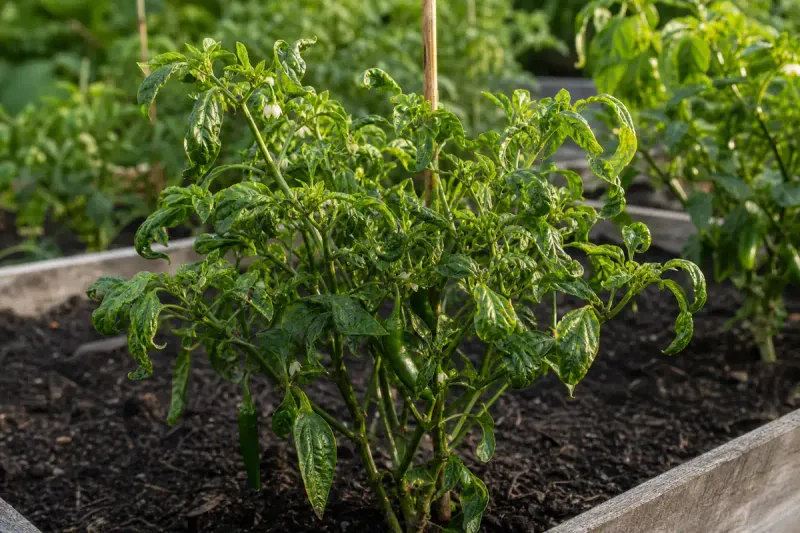
On a scorching August afternoon, the air around a pepper plant can pull moisture out of its leaves faster than the roots can draw water up from the soil. When that gap widens, the plant loses turgor pressure in its leaf tissue, and the leaves may fold, curl, or droop as a result.
Wind makes the situation worse by accelerating evaporation from the leaf surface, so a hot and breezy day can stress a plant more than a calm but equally hot one.
Heat stress and drought stress overlap but are not the same thing. A pepper growing in adequately moist soil can still show temporary curling on a brutally hot afternoon because the atmospheric demand for water simply exceeds what the root system can supply in real time.
Conversely, dry soil can produce similar curling symptoms on a mild day when temperatures are not extreme. UMN Extension’s heat-garden guidance explains that heat alone can cause temporary wilting or curling even before the soil becomes completely dry, which is exactly why checking the root zone matters before acting.
Beyond curling, heat and water stress can slow growth, cause flower drop, and lead to leaf scorch along the margins. These signs together can support a heat-and-water-stress explanation, but they remain conditional clues rather than proof.
The next step is always a hands-on look at the plant and its soil.
Check moisture, drainage, and plant-wide symptoms first
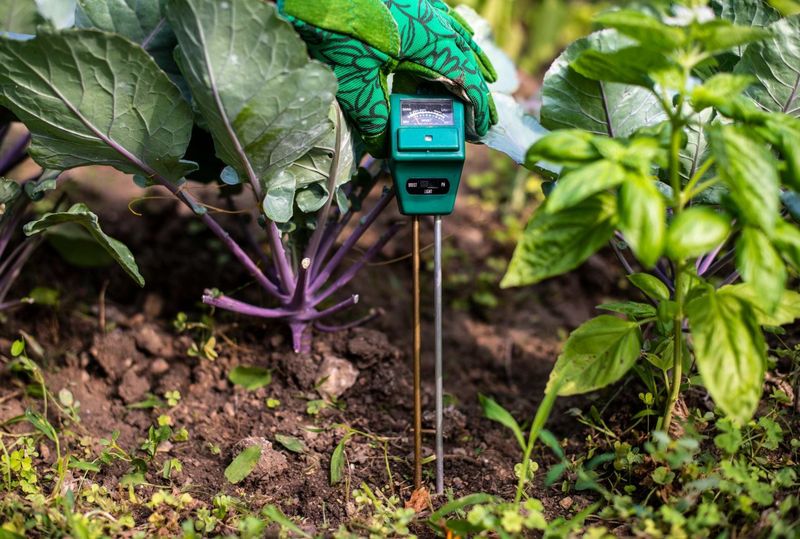
Before doing anything else, push a finger or a trowel two to three inches into the root zone and feel what is there. Bone-dry soil that crumbles away confirms moisture stress as a real possibility.
Soil that feels wet or spongy, or a bed with standing water nearby, points in the opposite direction: overwatering or poor drainage can damage pepper roots just as badly as drought, and adding more water to a saturated bed will make things worse.
UF/IFAS production guidance for Florida peppers specifically notes that peppers need appropriate moisture while remaining sensitive to flooding and poor drainage. Florida gardeners face a particular challenge in late summer because heavy afternoon rainstorms can follow days of intense heat, leaving beds that look dry on the surface but are saturated a few inches down.
Texas gardeners more often contend with the opposite: dry, hot wind that pulls moisture from both soil and leaves quickly.
While you are checking the soil, take stock of the whole plant. Note whether curling is limited to older lower leaves or whether new growth at the tips is also affected.
Look at whether several plants in the bed share the same pattern or just one. Ask whether the curling appeared gradually during a heat spell or showed up suddenly after a rain, a spray application, or a pest visit.
Those details narrow the list of possible causes far more reliably than leaf shape alone.
Water deeply only when the root zone is dry
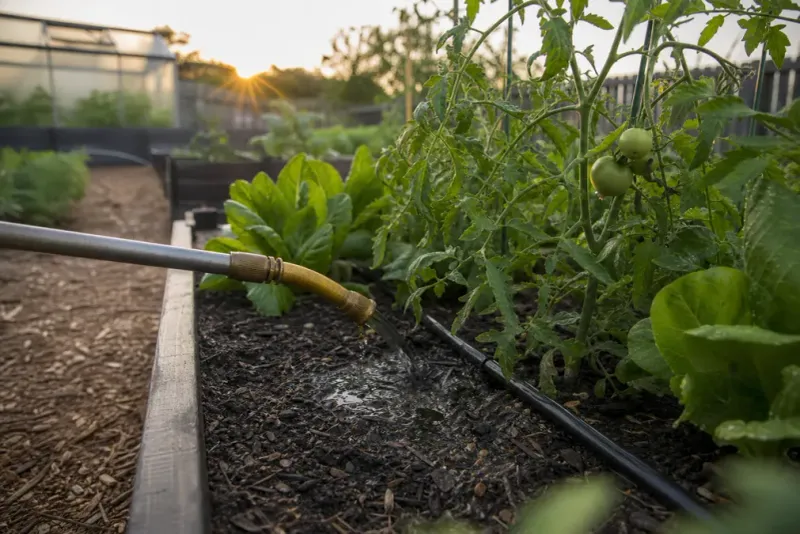
When a soil check confirms the root zone is genuinely dry and drainage looks normal, deep watering is the right first move. Thorough, slow watering that soaks the soil several inches down encourages roots to grow deeper and reach a larger reservoir of moisture, which helps plants handle future heat spells better.
UMN Extension’s pepper-growing guide recommends soaking the soil thoroughly at least weekly when rainfall is inadequate, with more frequent watering in sandy soils that drain quickly.
Frequent shallow watering, by contrast, keeps roots near the surface where soil dries out fastest. That habit leaves plants more vulnerable to both heat and drought over time, not less.
A drip line or soaker hose delivers water directly to the root zone without wetting the foliage, which is preferable because wet leaves and soil splash from overhead sprinklers can increase the risk of fungal disease spreading through the bed.
Organic mulch spread two to three inches deep around the base of plants, kept a few inches back from the stem, slows evaporation and can moderate soil temperature on hot days. UMN heat guidance recommends refreshing mulch during hot weather for exactly this reason.
Black plastic mulch can also conserve moisture effectively, though it may raise soil temperature in already hot conditions. If the root zone is saturated or poorly drained, hold off on any additional irrigation until drainage improves, and consider whether raised beds or amended soil might help long term.
Use temporary afternoon shade during extreme heat
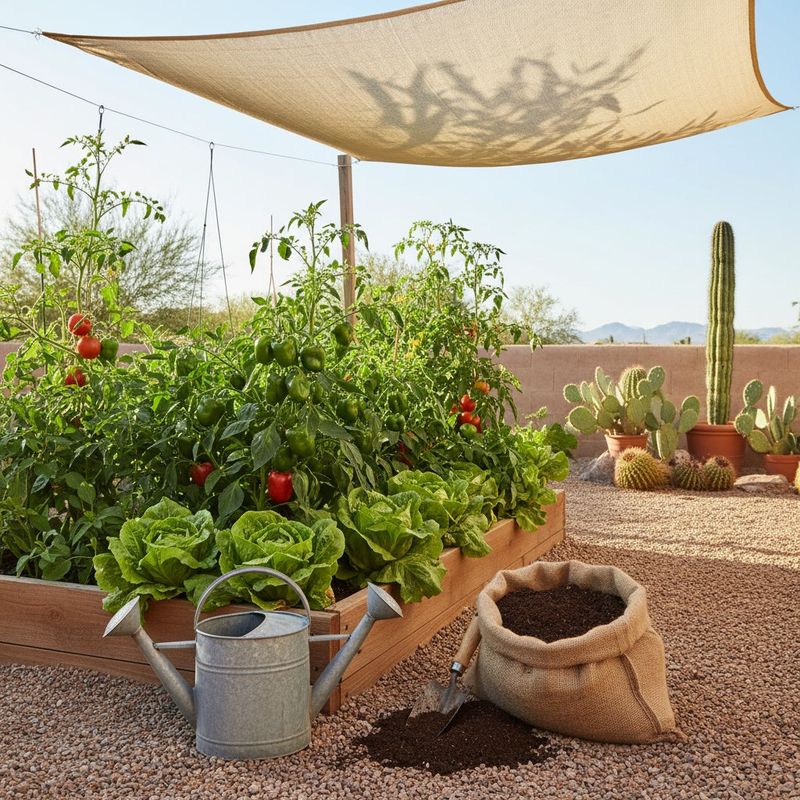
Shade cloth is worth considering when afternoon heat is severe and the root zone is already adequately moist but leaves continue to curl or wilt during peak hours. UMN Extension recommends temporary 30-40 percent shade cloth during extreme heat as a reasonable way to reduce the intensity of afternoon sun and lower the water demand placed on the plant.
In Florida, UF/IFAS has documented that open-shade systems can help extend pepper production through summer heat in commercial settings, which supports the idea that some shading can be beneficial rather than harmful.
University of Arizona Cooperative Extension guidance on drought and extreme heat similarly supports reducing heat load on plants during peak conditions as part of a broader stress-management approach. The key word in all of this is “temporary.” Shade cloth should go up during the hottest afternoon hours and come down, or be removed entirely, once conditions moderate.
Permanent or heavy shade throughout the growing season is a different matter. Peppers need full sun to produce well, and too little light over an extended period can reduce photosynthesis and cut fruit production significantly.
Shade is a short-term tool to ease an acute heat event, not a reason to move peppers into a shady corner of the yard. Keep the measure conditional: if soil moisture is adequate and drainage is good, a few days of afternoon shade during a heat spike can help the plant bridge the worst of it.
Look for pests, viruses, herbicide injury, and root trouble
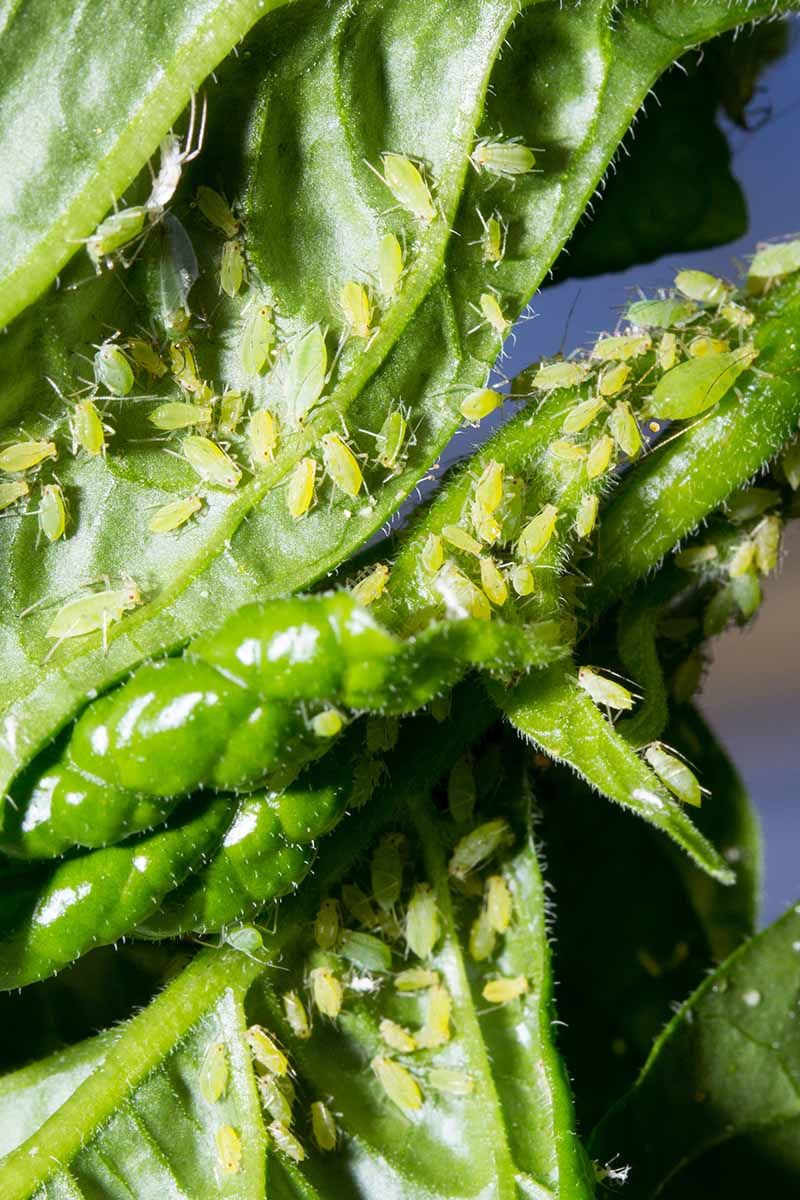
After checking soil moisture and drainage, flip the leaves over and look closely at the undersides and growing tips. Aphids are small, soft-bodied insects that cluster along veins and at new growth, and UMN Extension’s pepper guide notes that they can cause curling, discoloration, and a sticky residue called honeydew on pepper plants.
A heavy aphid infestation can distort leaves in ways that look a lot like heat stress, especially if the population is concentrated on new growth at the tips.
Virus symptoms tell a different story. Look for mosaic or mottled coloring that alternates light and dark green patches, crinkled or puckered new leaves, stunted growth, ringspots, dark-green banding, or distorted fruit.
UC IPM’s mosaic virus guide for peppers and eggplants describes these patterns in detail. Florida peppers are particularly vulnerable to aphid-transmitted viruses including pepper mottle virus, potato virus Y, tobacco etch virus, and cucumber mosaic virus, as documented by UF/IFAS guidance on common pepper diseases in Florida.
Suspected virus problems call for a different response than heat stress. Because many of these viruses spread in seconds during aphid feeding, applying an insecticide after the fact provides little protection against further transmission.
Better steps include removing severely symptomatic plants promptly, managing weeds that can harbor viruses near the bed, minimizing how much you handle plants, and choosing resistant varieties in future seasons. University of Maryland Extension’s leaf curling overview and UMN’s vegetable leaf curl diagnostic tool both list herbicide drift and root problems as additional causes worth considering when symptoms do not track weather patterns, affect only new growth, or appear alongside poor drainage.
Judge recovery by new growth, not just old leaves
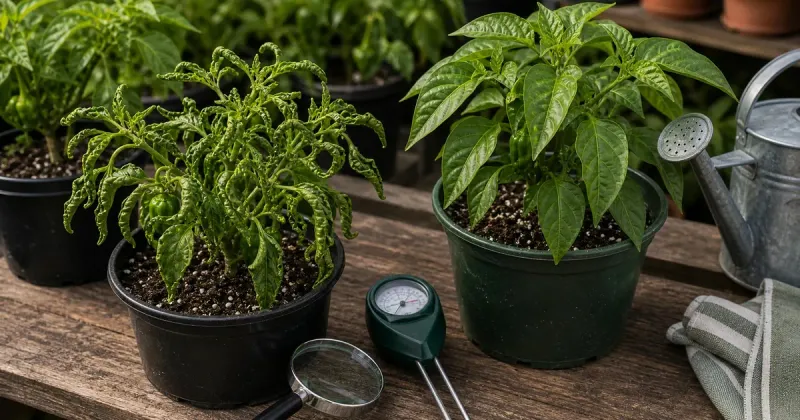
Once heat eases or watering improves, many gardeners expect their pepper plants to snap back to their original shape within a day or two. That does not always happen.
Older leaves that curled during a period of physiological stress may stay partially curled even after conditions improve, because the tissue has already changed shape during the stress event. UC IPM’s guide to physiological leaf roll in vegetables documents this incomplete recovery for physiological stress cases, though the strongest evidence comes from tomato examples rather than peppers specifically.
A more reliable way to judge whether a plant is recovering is to watch the newest growth. Fresh leaves emerging at the tips that look normal in shape and color, combined with resumed flowering and good overall vigor, are positive signs even if some older foliage remains curled.
University of Maryland Extension similarly suggests evaluating plant health by overall growth and function rather than by the appearance of individual affected leaves.
Persistent distortion in new growth tells a different story. If freshly emerging leaves are crinkled, mottled, stunted, or misshapen after conditions have moderated, that pattern points toward a cause other than temporary physiological stress, such as a virus, herbicide injury, or ongoing root damage.
Worsening symptoms that spread to new leaves or to neighboring plants should prompt closer diagnosis rather than continued waiting. Curled older leaves on a plant with healthy new growth and active flowers are far less worrying than continued distortion across the whole plant.
Protect fruit while the weather stays hot
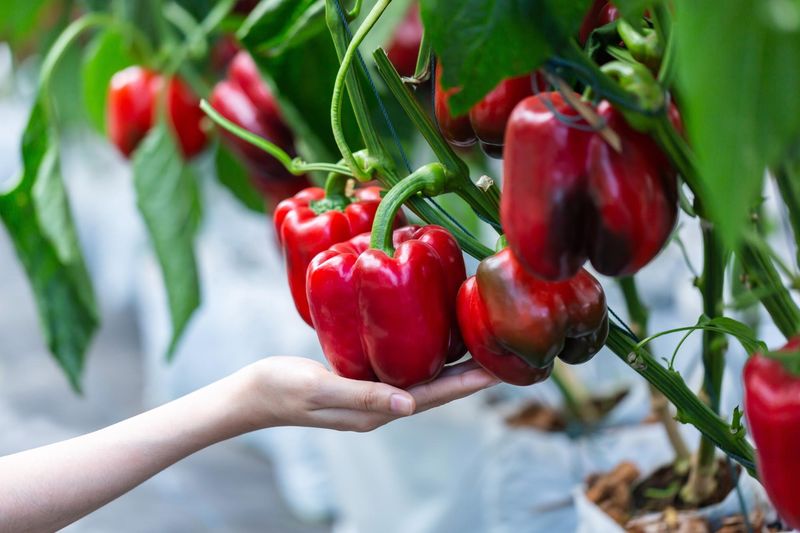
Even when a pepper plant looks like it is holding its own through a heat wave, fruit production can take a separate hit. Oklahoma State University Extension’s pepper production guide reports that very little fruit set occurs above 90 degrees Fahrenheit daytime temperatures or below 60 degrees Fahrenheit at night, with the most favorable window sitting around 65 to 80 degrees Fahrenheit.
Southern U.S. gardeners in Florida and Texas can easily exceed those upper limits for weeks at a stretch in July and August.
Cultivar choice matters here. Small-fruited hot peppers, such as cayennes, serranos, and Thai types, tend to handle high temperatures better than large bell peppers, which are particularly sensitive to heat-related blossom drop.
A bell pepper plant that loses its flowers during a heat spike may resume setting fruit once nighttime temperatures drop back into a more comfortable range, so all is not necessarily lost. A curled-leaf plant that is otherwise green and vigorous may simply be waiting out the worst of the season.
UMN Extension’s heat guidance connects reasonable heat-management steps, including consistent root-zone moisture, mulch, and temporary shade, to maintaining plant vigor through peak heat. Those measures support the plant’s ability to resume flowering and fruiting as conditions ease, though no single action guarantees a specific yield outcome.
A curled leaf is a sign of stress, not a sign that the season is over.
Let the evidence guide the next step
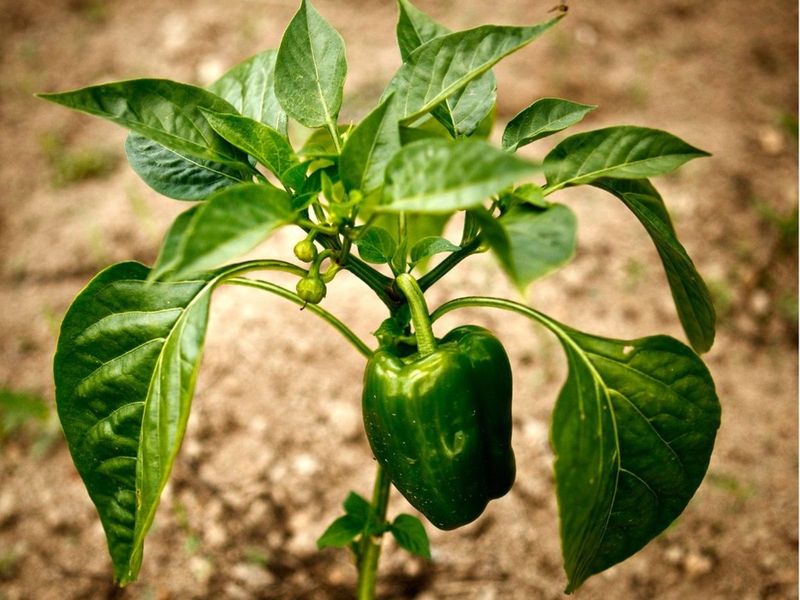
Curling pepper leaves in late summer deserve a methodical look, not an immediate reaction. If the curling appeared during a stretch of hot, dry, or windy weather, the root zone is dry but drains normally, and the plant shows no aphids, no mosaic coloring, no distorted new growth, and no history of herbicide exposure, then deep root-zone watering, a layer of mulch, and temporary afternoon shade are reasonable first steps, as supported by UMN Extension, UMN’s pepper-growing guide, and UF/IFAS Florida pepper production guidance.
If the soil is already saturated, if symptoms persist after conditions moderate, or if new leaves continue to distort, more water and fertilizer are not the answer. That pattern calls for diagnosis, not another dose of irrigation.
UC IPM’s mosaic virus resource and the other sources throughout this article offer a starting point for working through those other possibilities.
A curled pepper leaf is a signal worth paying attention to, not proof that heat is always the culprit or that disease has taken hold. The best gardeners treat it the same way: as a question that deserves a careful look before any action is taken.