
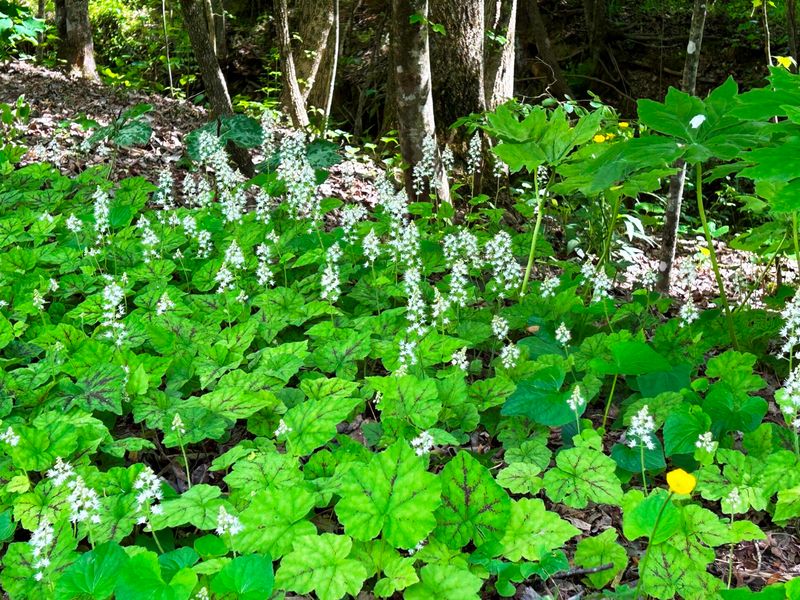
Liriope has edged walkways in North Carolina yards for decades, but it does not actually feed local wildlife and it can spread where you never wanted it. The good news is that our state is packed with native ground covers that fill in tight, smother weeds, and support the bees, butterflies, and birds that belong here.
These plants ask for very little once they settle in, which means less weeding for you and a cleaner path all season. Here are seven NC natives worth planting along your walkway this year.
1. Green and Gold (Chrysogonum virginianum)
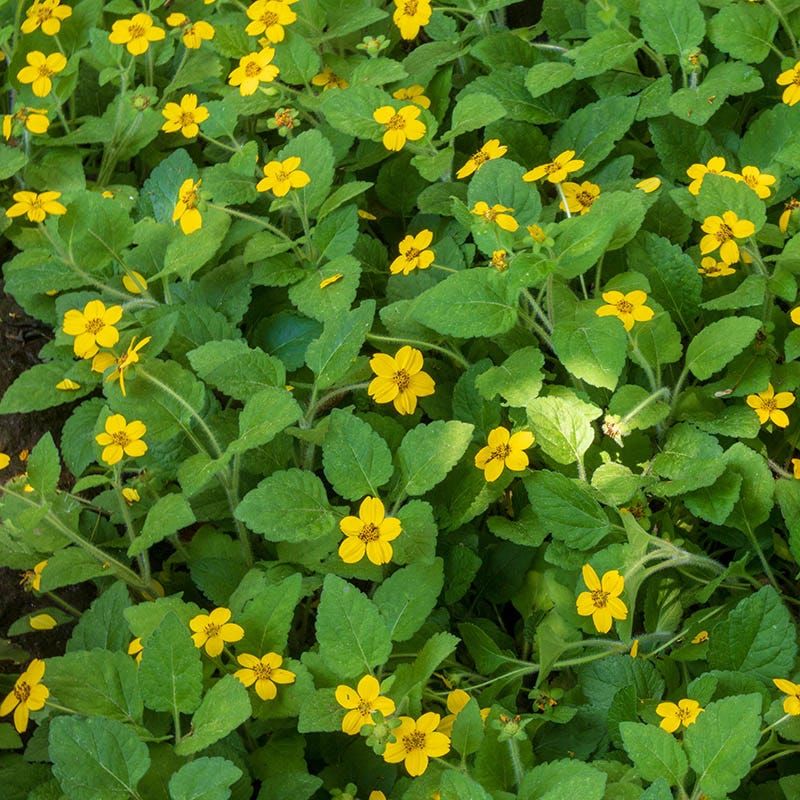
Cheerful yellow blooms that show up in early spring and keep popping through the warm months make green and gold a real workhorse along paths. It hugs the ground at only six to eight inches tall, so it never flops over your walkway edge.
What sets it apart is how happily it grows in the dappled shade found under NC oaks and dogwoods, where a lot of ground covers sulk. The dense, spreading mat leaves little bare soil for crabgrass or chickweed to sneak into.
Small native bees visit the flowers, so you get pollinator support without any extra effort. Give it moist, well-drained soil and a bit of shade, and it will knit together into a tidy carpet that laughs at weeds.
2. Creeping Phlox (Phlox stolonifera)
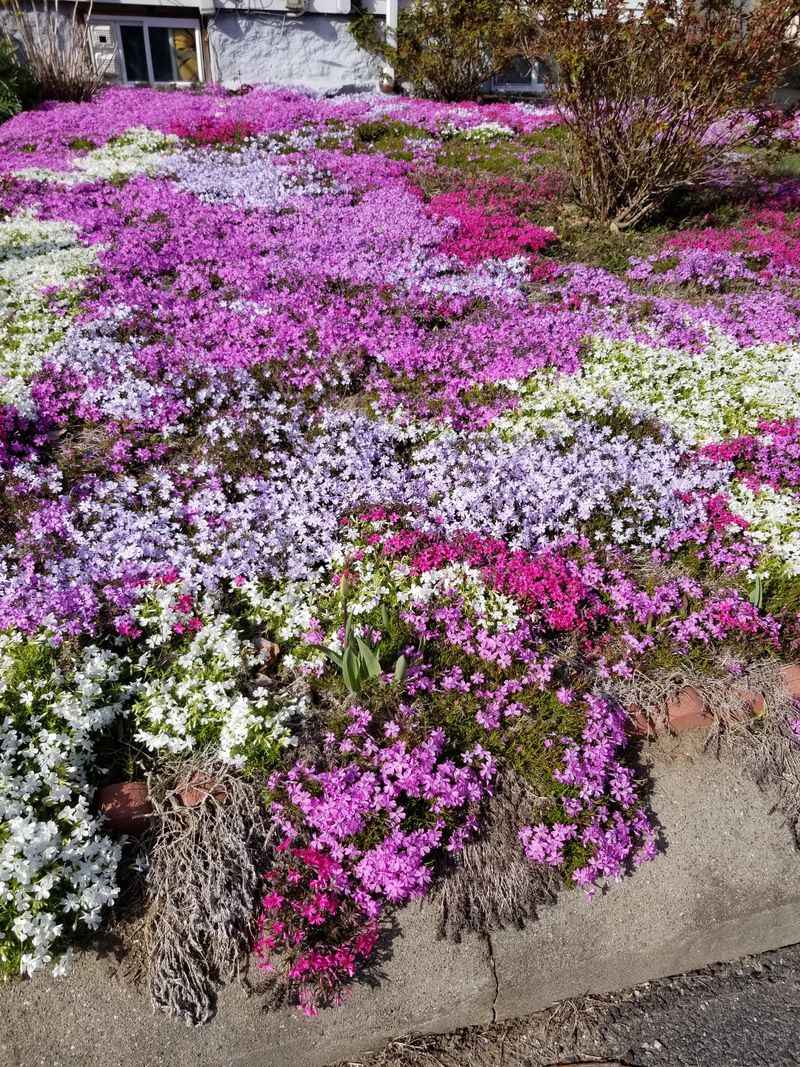
Picture a river of pink, lavender, and white flowers spilling over the sides of your front walk in April. That is what creeping phlox delivers, and it does it while staying low and neat.
Unlike liriope, this native runs along the ground with stolons that root as they go, quickly filling gaps where weeds would otherwise move in. It thrives in the cooler, moister spots of the Piedmont and mountains.
Butterflies and early pollinators flock to the blooms, giving your entry both curb appeal and habitat value. After the flower show fades, the low green foliage keeps the path edged and clean all summer long.
3. Allegheny Spurge (Pachysandra procumbens)
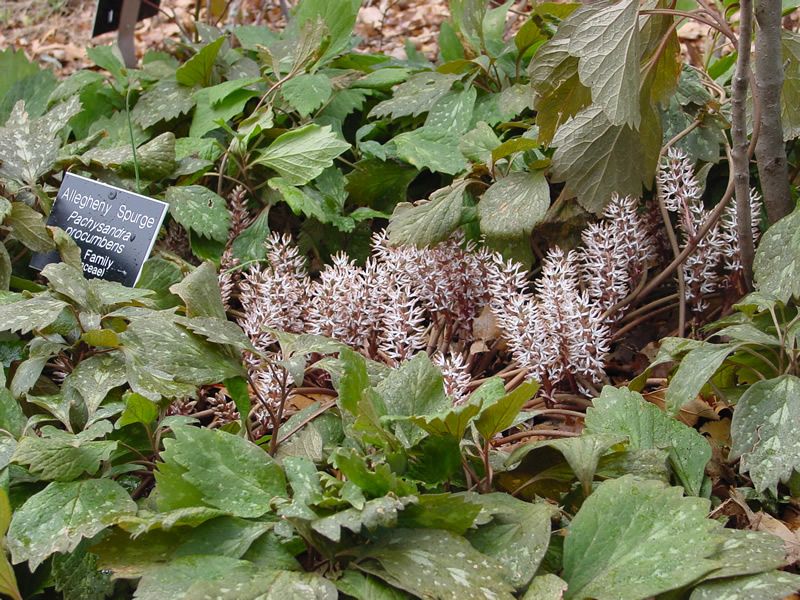
Here is the native answer for anyone who has been tempted by the invasive Japanese pachysandra sold at big box stores. Allegheny spurge gives you that same lush, shade-loving carpet without the runaway behavior.
The leaves take on a handsome mottled silver-green pattern by late summer, adding quiet texture along a shady walk. In early spring, fuzzy, fragrant white flower spikes appear low in the foliage.
Because it forms a slow but dense clump, it steadies soil on shaded slopes and keeps weeds from finding a foothold. It suits the woodland edges so common in NC neighborhoods, especially the deep-shade spots where grass simply refuses to grow.
4. Wild Ginger (Asarum canadense)
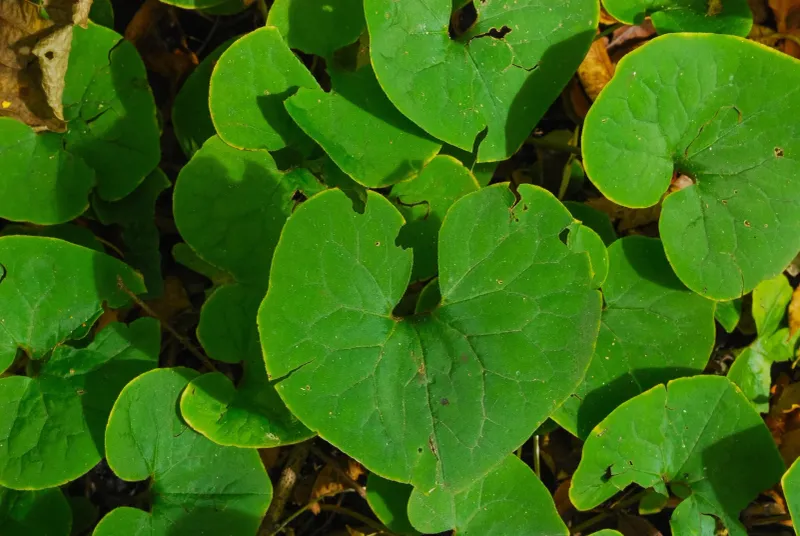
Run your hand across the heart-shaped leaves of wild ginger and you get a lush, almost tropical look from a plant that is entirely at home in our woods. It stays under six inches and forms a solid green blanket.
Those overlapping leaves shade the soil so completely that weed seeds rarely get the light they need to sprout. That makes it a low-maintenance edge for shaded brick or flagstone paths.
Fun fact: the roots carry a spicy scent similar to culinary ginger, though the plants are unrelated. Tuck it into rich, moist shade and it will spread into a weed-suppressing mat that asks almost nothing of you.
5. Golden Ragwort (Packera aurea)
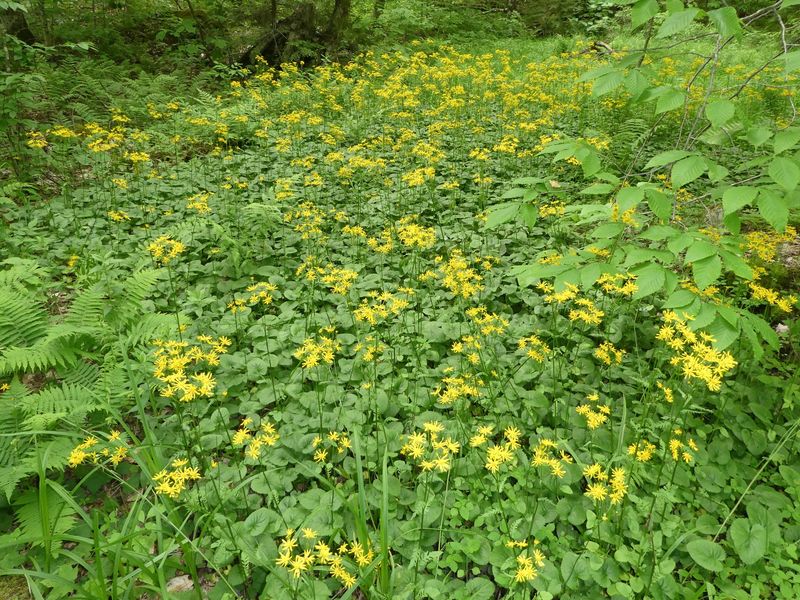
For a spot that stays damp and gives most plants fits, golden ragwort is the fix. It shrugs off wet clay and even standing moisture where liriope would rot out.
The rounded basal leaves stay evergreen through NC winters, forming a tight rosette carpet that chokes out weeds year-round. Come spring, cheerful yellow daisy-like flowers rise on slender stems for a burst of color.
Those early blooms are a valuable food source for native bees emerging from a long winter. Plant it along a walkway near a downspout or low area, and you turn a soggy problem zone into a self-maintaining edge.
6. Robin’s Plantain (Erigeron pulchellus)
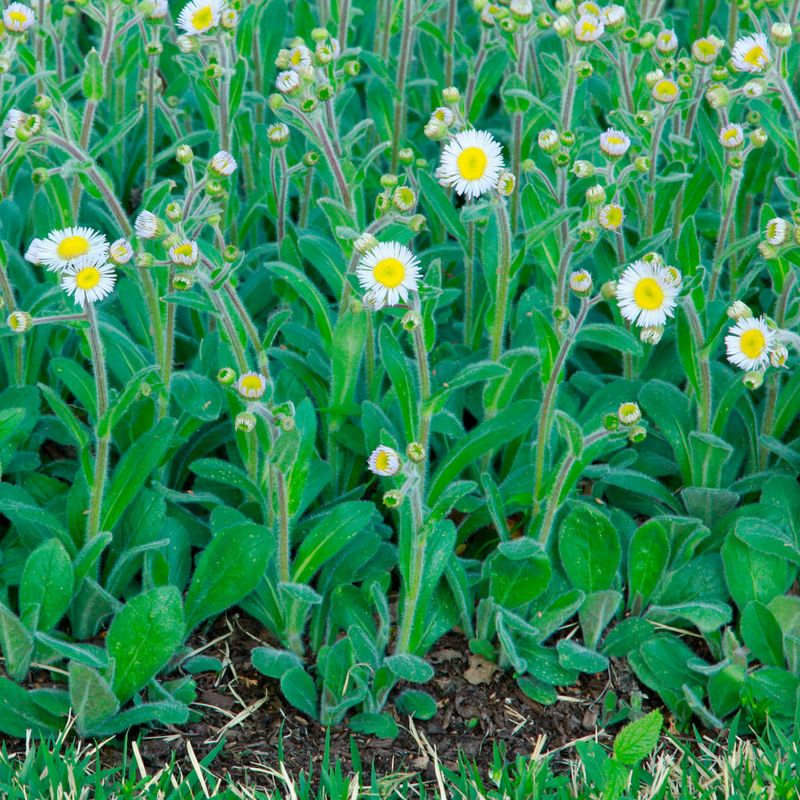
Soft, fuzzy foliage and airy lavender daisies give robin’s plantain a gentle, meadowy charm that few ground covers can match. It spreads by runners into fresh rosettes, steadily closing gaps along a path.
The variety ‘Lynnhaven Carpet’ is especially good at forming a dense, weed-blocking mat that stays low most of the year. It handles both sun and part shade, so it fits a wider range of NC walkways than fussier natives.
Butterflies and small bees adore the spring flowers, adding a bit of motion to your border. Once the blooms fade, mow or shear the flower stalks and let the tidy carpet carry on suppressing weeds.
7. Woodland Stonecrop (Sedum ternatum)
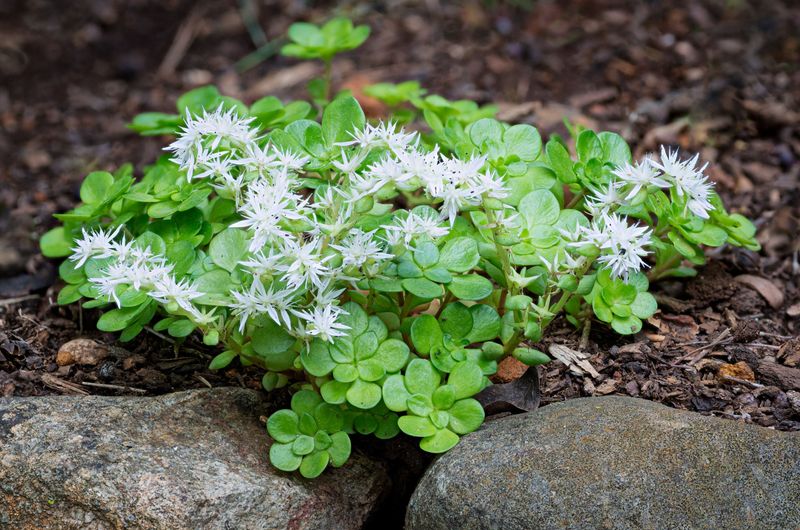
A native succulent that actually likes shade sounds like a contradiction, but woodland stonecrop pulls it off. Its fleshy little leaves creep over rocks, path edges, and even the cracks between stepping stones.
In spring, delicate white star flowers cover the foliage and draw in tiny native pollinators. Because it roots wherever it touches down, it quickly weaves a mat that leaves no room for weeds to establish.
The plant tolerates dry, rocky spots along walkways where soil is thin and other ground covers give up. If you want a tough, drought-friendly native that hugs stone and stays under four inches, this is your pick for a low-fuss edge.