
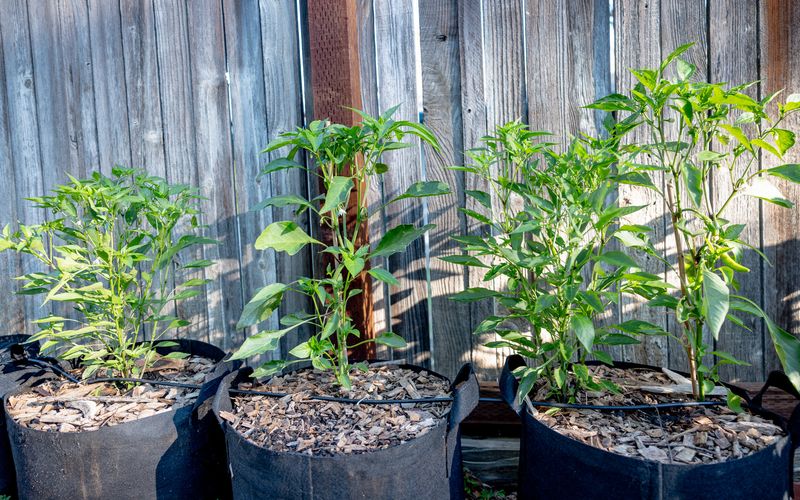
Peppers growing in containers can be surprisingly sensitive to the space their roots have to work with, and late summer is when that tension often shows up most clearly. You water, you feed, and still the plant sits there looking stunted or refuses to set fruit.
Before you add more fertilizer or assume the heat is entirely to blame, the pot itself deserves a closer look. Root restriction is one real possibility, but it is not the only one, and a quick inspection can point you toward the right fix.
Root restriction is possible, but the title’s premise is too broad
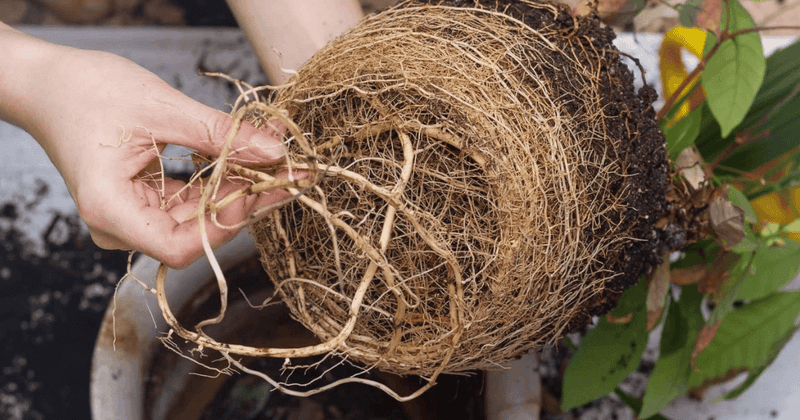
Restricted root-zone volume can genuinely limit a container pepper’s shoot growth, leaf area, flowering, and fruit production, even when water and nutrients appear adequate. Research on chilli peppers grown under root restriction found reduced growth and photosynthesis rates even when plants received sufficient water and nutrients, and a separate study on bell peppers documented reduced growth responses tied directly to smaller root-zone volumes.
A small container limits both the physical space roots need to expand and the amount of growing medium available to hold moisture between waterings.
That said, the idea that cramped roots are usually the culprit behind late-summer pepper stalls is too broad to stand on its own. High heat, irregular watering, poor drainage, excessive nitrogen, pests, disease, and low light can all cause stunting or a production pause in a container pepper.
Each of those problems has its own solution, and repotting will not fix most of them.
Plant size alone cannot confirm root restriction either. A compact cultivar, a young transplant, or a small-fruited hot pepper may be perfectly healthy in a relatively small pot.
NC State Extension’s container gardening guidance notes that dense, intertwined roots can hinder growth, but arriving at that diagnosis requires combining the plant’s visible symptoms with an actual inspection of the root ball and an honest look at how the container is behaving between waterings.
Inspect the root ball before you blame the pot
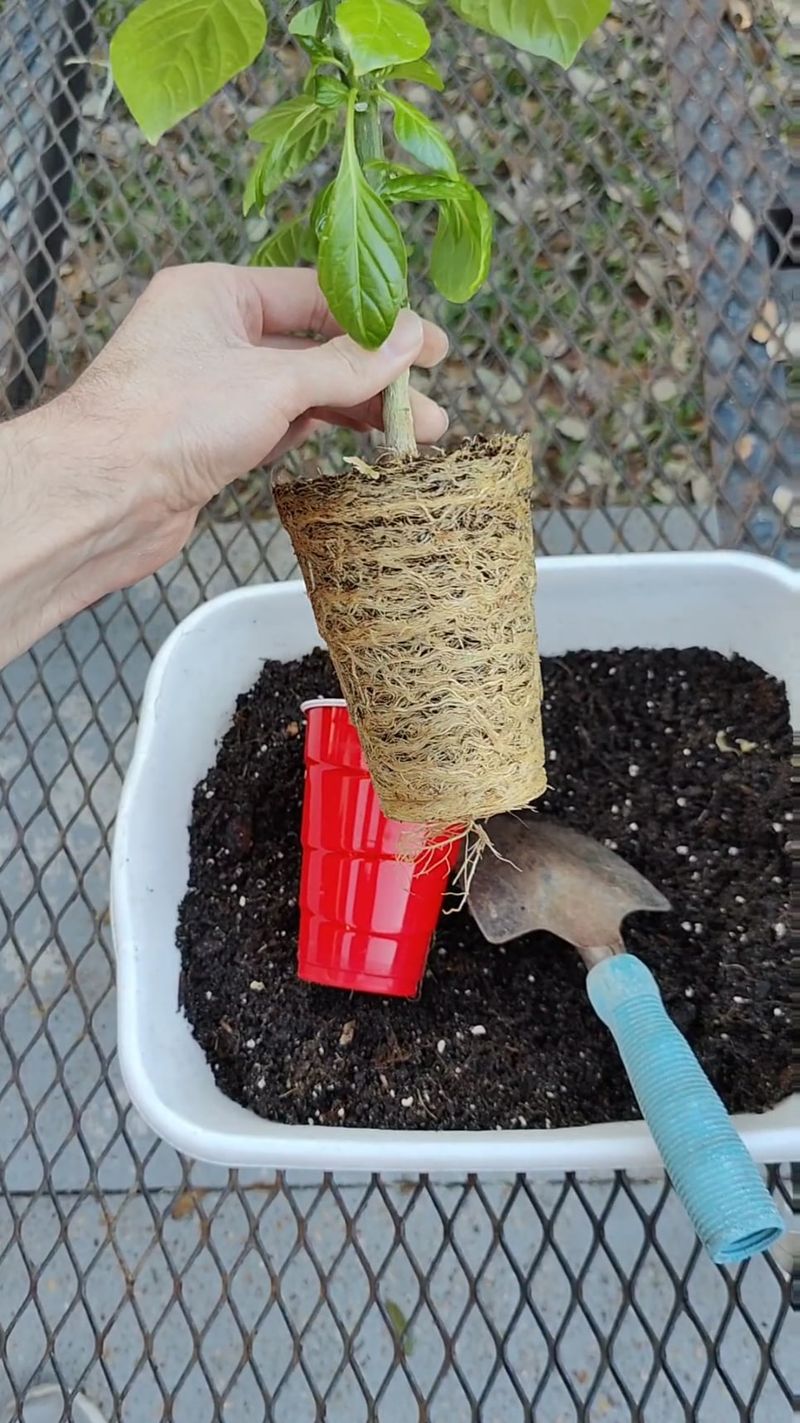
Guesswork about root restriction is easy to replace with something more reliable: actually look at the roots. Tip the pot on its side, support the base of the plant’s stem with one hand, and slide the root ball out carefully.
Handle the plant by its root ball rather than pulling it upward by the stem, which can tear roots and stress the plant unnecessarily.
NC State Extension identifies several strong indicators of root confinement: a dense, intertwined mass that holds the exact shape of the container when removed, roots circling around the sides or bottom of the root ball, and girdling roots that have begun wrapping tightly enough to compress themselves. Roots pushing out through drainage holes are a visible clue worth investigating, though they are not proof on their own that root restriction is causing the stall.
The inspection has real limits. A plant can be stressed by a very small root zone, compacted or collapsed potting mix, or unusually rapid drying long before the roots form a solid, obvious mat.
Conversely, a few roots at a drainage hole may simply mean the plant is healthy and growing. What you are looking for is a combination of dense, circling root structure and symptoms such as unusually fast drying, undersized growth, or persistent wilting despite consistent watering.
One sign without the other calls for more investigation before you reach for a larger pot.
Choose container volume for roots and moisture
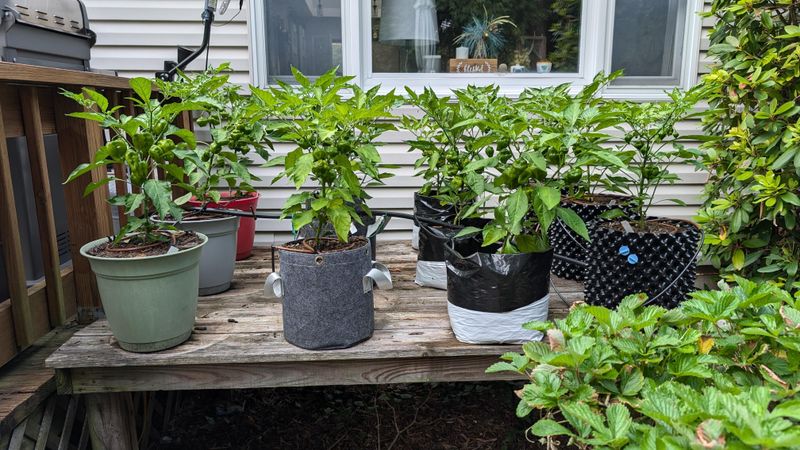
Container size does more than give roots somewhere to go. A larger volume of growing medium holds more moisture, which means the plant has a bigger buffer between your last watering and the next time the mix dries out critically.
During Southern summers, that buffer matters a great deal.
NC State Extension lists 2 gallons and 12 to 16 inches of depth as a minimum for one pepper plant, while Oregon State University’s container gardening guide and Colorado State University Extension support approximately 5 gallons as a practical target for strong full-season growth. These recommendations are not contradictions.
Two gallons is a floor, while 5 gallons gives you more working room, especially in hot, windy conditions where small pots dry out fast.
The right container for your situation depends on more than a single number. Cultivar size, plant age, pot depth, pot material, the growing medium you use, your local wind and heat, and how often you can water all affect the equation.
Unglazed terracotta dries faster than plastic or glazed ceramic, and a wide shallow pot holds less moisture per gallon than a deeper one.
One more caution: a very large pot is not automatically the safest choice. Excess unused potting mix around a small root ball can stay wet for extended periods, which raises the risk of poor aeration and root-health problems.
A moderately larger container with drainage holes is a better target than the biggest pot you can find.
Heat can stop fruit set without restricting roots
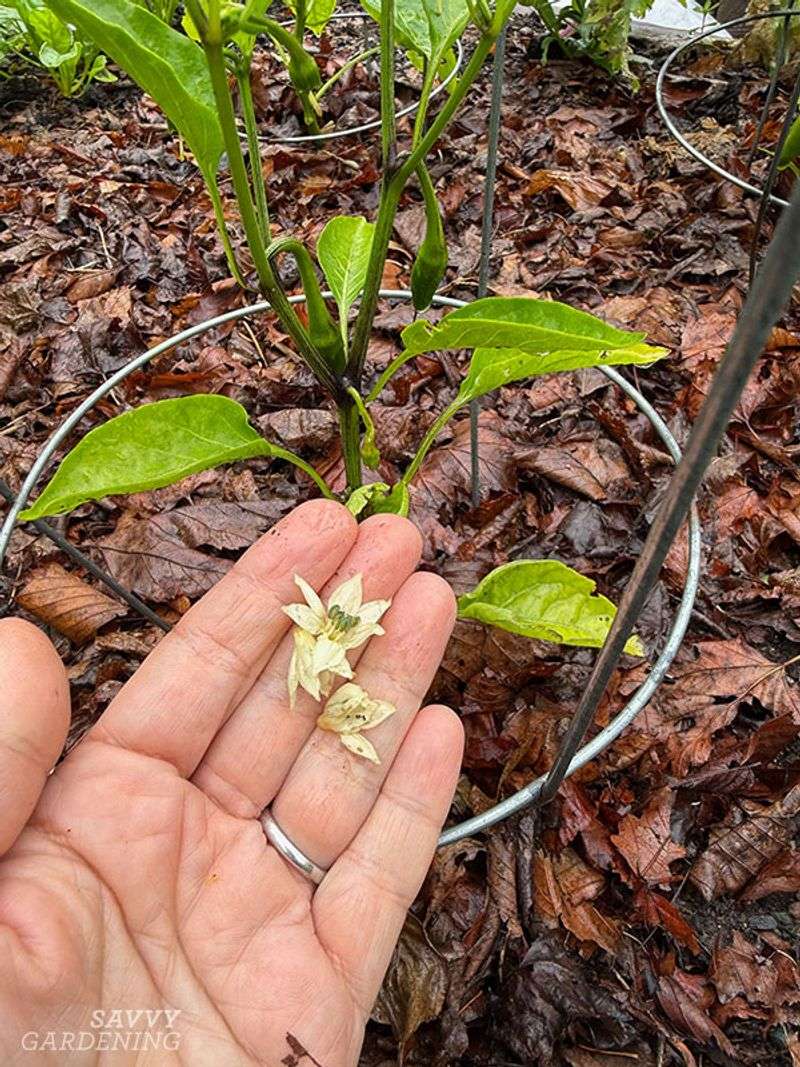
A plant that keeps growing leaves and stems but drops its flowers or refuses to set fruit is telling you something different from a plant that simply stays small. These two symptoms can look similar from a distance, but they often have different causes, and that distinction matters before you start moving pots.
Oklahoma State University Extension reports that peppers set very little fruit when daytime temperatures rise above roughly 90 degrees Fahrenheit, and OSU’s pepper production fact sheet notes that hot nights compound the problem, with bell peppers being especially sensitive to heat-related fruit-set failure. Some small-fruited pungent types handle heat better than bells, but no pepper is fully immune to extreme late-summer temperatures.
A useful working distinction: if your plant is leafy, actively growing, and dropping flowers or failing to set fruit during a heat wave, heat stress is the more likely explanation. If the plant stays undersized overall, dries out unusually fast, and has a densely circling root ball when you inspect it, root restriction becomes a more credible part of the picture.
Timing matters here too. Repotting during extreme heat adds stress to a plant that is already struggling.
Texas A&M AgriLife’s fall vegetable gardening guide for Texas treats peppers as frost-sensitive crops with region-specific planting windows, and Texas gardeners in particular should weigh whether late-summer root disturbance is worth the risk. Gardeners elsewhere in the South should check with their own state extension service for local seasonal guidance before disturbing a plant that may simply be waiting for temperatures to ease.
Repot a genuinely root-bound pepper carefully
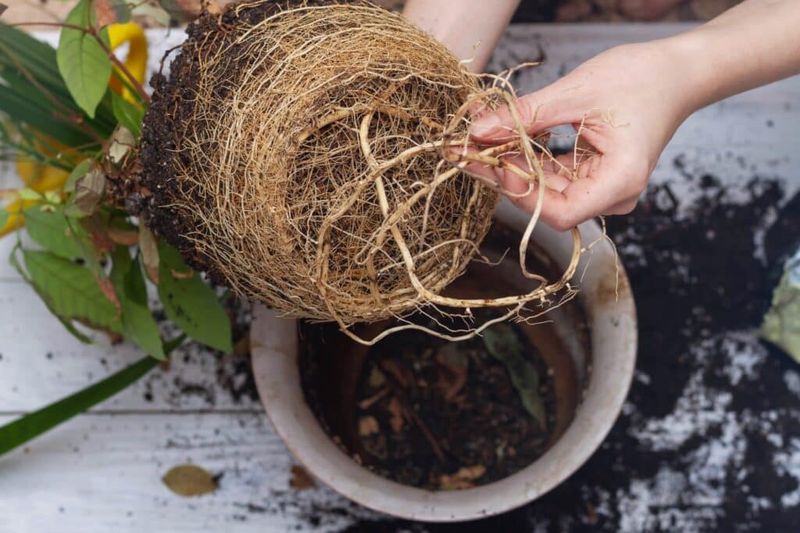
When the symptoms and root-ball inspection both point toward confinement, a careful move into a larger container can give the plant the room it needs to recover and grow. The word “careful” is doing real work in that sentence.
Start by choosing a container that is only moderately larger than the current one. Going from a 2-gallon to a 5-gallon pot is a reasonable step; jumping straight to a 15-gallon container surrounds the existing root ball with a large volume of fresh mix that can stay wet and create root-health problems.
Make sure the new pot has drainage holes. Fill it with a commercial potting mix or another porous, well-draining container medium.
University of Georgia Cooperative Extension’s container gardening guide emphasizes using a well-draining medium rather than heavy garden soil, which can compact and restrict drainage in a pot.
Support the plant by its root ball when you move it, not by its stem. Texas A&M AgriLife’s pepper growing guide and Oregon State’s container guide both support transplanting in the evening or on a cloudy day when possible, which reduces immediate heat and moisture stress on the disturbed roots.
Water the plant thoroughly after planting to settle the mix around the root ball and eliminate air pockets.
If the roots are densely circling, you can gently loosen the outer layer to encourage them to grow outward into the new mix. Keep any loosening limited to what is actually needed.
University of Minnesota Extension’s pepper growing guidance supports careful handling to avoid unnecessary root damage, and healthy roots should not be shredded or aggressively cut without cause.
Stabilize moisture instead of adding rescue fertilizer
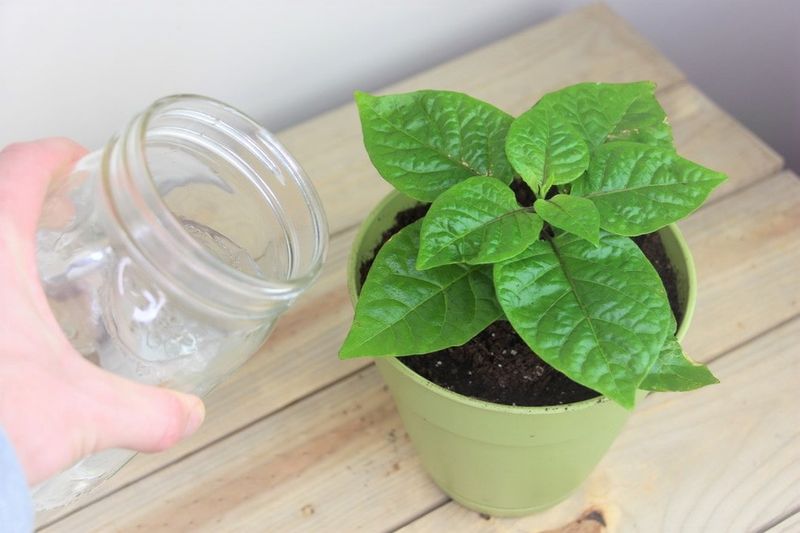
Whether your pepper just moved into a new pot or is staying put, how you manage moisture from here is what actually keeps the roots functional. The goal is potting mix that stays evenly moist without sitting saturated for extended periods.
Check moisture by pressing a finger an inch or two into the mix rather than watering on a fixed schedule. Frequency varies with pot size, growing medium, plant size, wind, and temperature, so a calendar approach will either overwater or underwater depending on the day.
University of Minnesota Extension’s pepper guidance supports watering thoroughly when needed rather than applying small amounts on a fixed routine. Light, repeated surface sprinkling can encourage shallow root development and leave the lower root zone dry, while drought followed by a sudden heavy watering can contribute to flower and fruit drop and increase blossom-end rot risk.
The opposite problem is just as damaging. University of Georgia’s container gardening guide notes that overwatering and poor aeration can cause root problems and plant stunting that look similar to drought stress from the outside.
Poor drainage is not just an inconvenience; it actively deprives roots of oxygen.
Fertilizer deserves a similar measured approach. University of Minnesota Extension’s fertilizing and watering guidance notes that nutrients can leach with frequent irrigation, but excessive nitrogen tends to push lush vegetative growth at the expense of flowers and fruit.
Follow the product label, and resist the urge to apply heavy doses hoping to push the plant past a stall before you have ruled out heat, root problems, and moisture issues.
Check drainage, light, pests, and disease when roots look normal
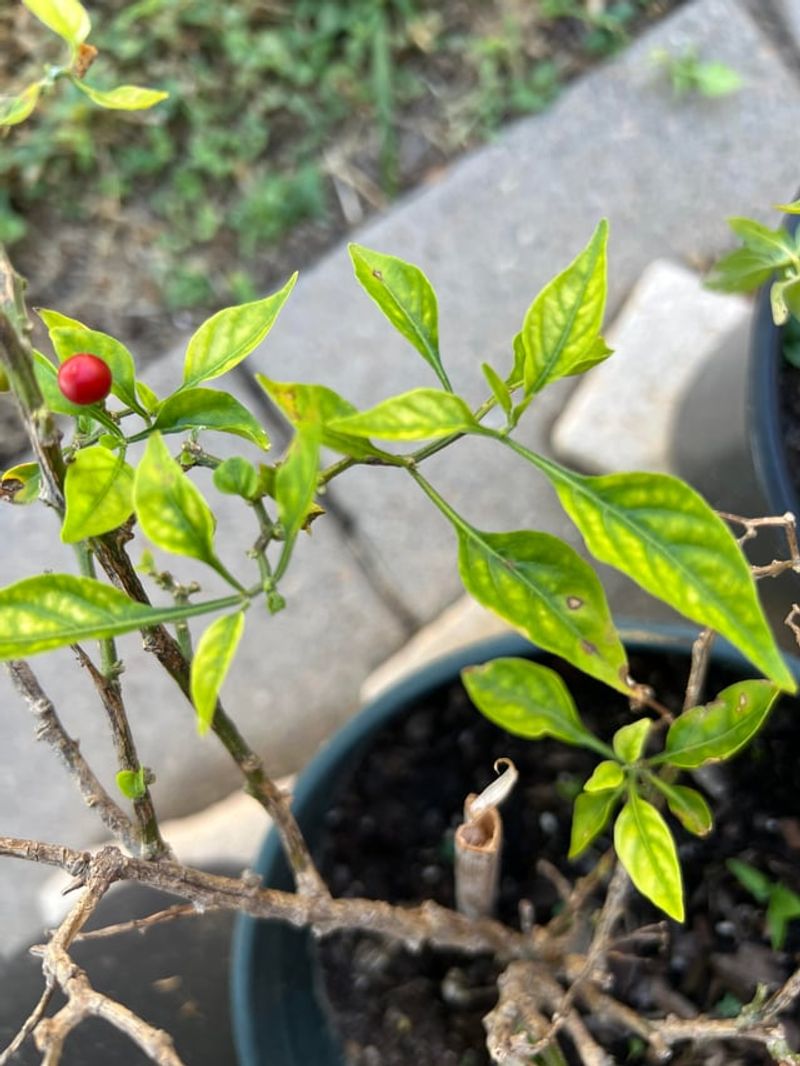
Finding a healthy, uncrowded root ball does not end the diagnosis. Several other problems can cause a container pepper to stay small, stop producing, or look generally unhealthy, and each one calls for a different response than repotting.
Poor drainage is one of the most common hidden causes of stunted container plants. If the potting mix stays waterlogged after watering, or if the drainage holes are blocked or absent, roots can suffocate.
University of Georgia Extension’s container guide points to compacted or collapsed potting mix as another related problem, since old mix can break down and lose the pore space roots depend on for both air and drainage. Replacing spent mix with fresh, porous medium can restore function without a larger pot.
Nutrient imbalances deserve attention too. University of Minnesota Extension’s fertilizing guidance points out that lush foliage with few flowers or poor fruit set can follow excessive nitrogen application.
If the plant looks green and vigorous but is not producing, feeding more is unlikely to help and may make things worse.
Pests and disease require their own investigation. Check the undersides of leaves for aphids, spider mites, or thrips.
Look for unusual spotting, distorted growth, or mosaic patterns on leaves that might suggest a viral infection. Oklahoma State University Extension’s vegetable FAQ and University of Minnesota’s pepper guide both note that visible pest or disease symptoms need targeted responses.
Moving a diseased or pest-damaged plant into a larger pot will not address the underlying problem and may delay treatment.
Match the evidence to the next action
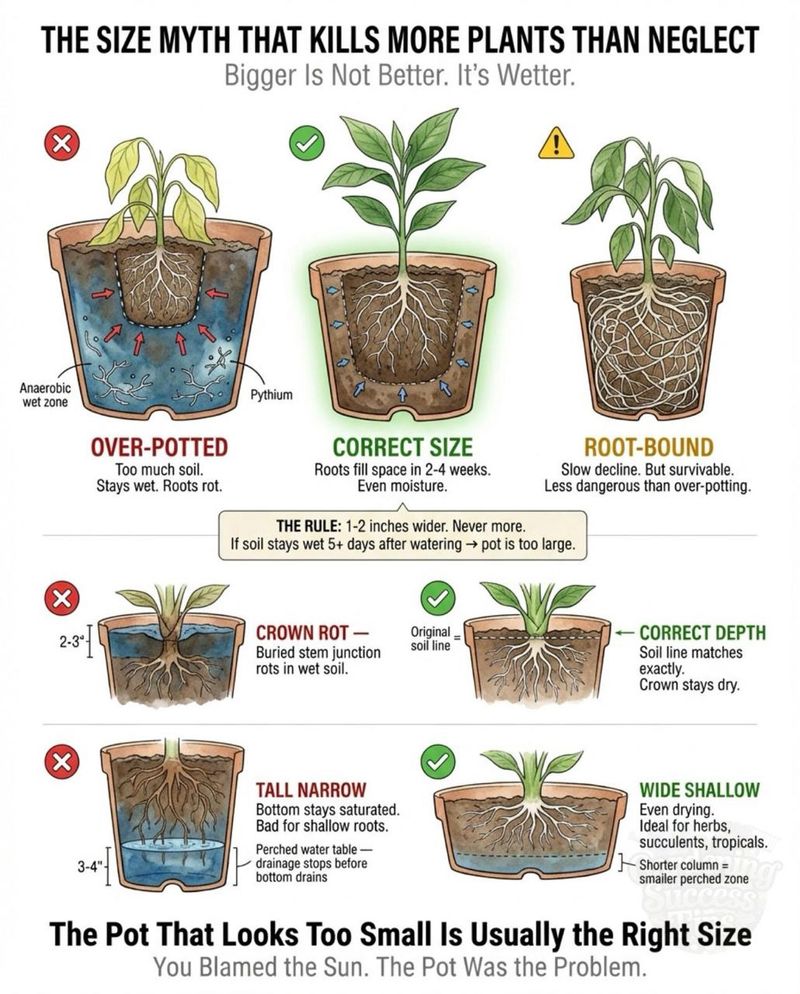
A clear decision path is more useful than a list of possibilities. When an undersized or fast-drying pepper also has a densely circling root ball on inspection, repotting into a moderately larger container with drainage and fresh potting mix is a reasonable next step.
Handle the root ball carefully, transplant during cooler parts of the day when possible, and water thoroughly after settling the plant in.
When roots are not packed but the mix dries sharply between waterings, stays saturated, or smells sour, the fix is moisture and drainage management rather than a new pot. Check that drainage holes are open, consider refreshing old compacted mix, and adjust how you water based on what the mix actually needs.
NC State Extension’s container plant guidance supports addressing drainage and medium quality as primary concerns before moving to a larger container.
When a plant is leafy and growing but dropping flowers during extreme heat, Oklahoma State Extension’s vegetable guidance and University of Minnesota’s pepper recommendations both support waiting for conditions to improve rather than disturbing the root system. Repotting cannot guarantee immediate production, and it cannot reverse heat injury, disease, pest damage, or nutrient problems already in progress.
A suitable container improves the conditions for future growth; what the plant does with that opportunity still depends on what else is going on around it.