
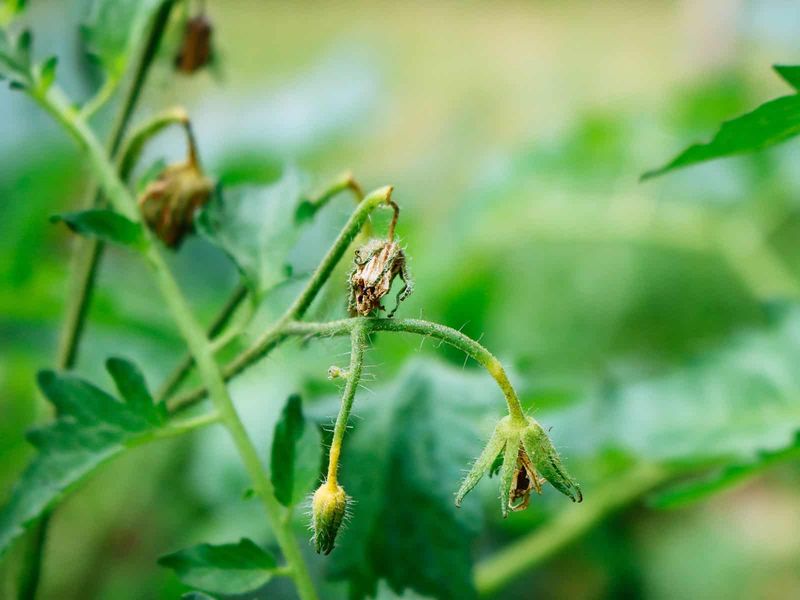
Watching a pepper plant covered in blooms but never producing a single fruit is one of the most frustrating moments in a summer garden. The plant looks perfectly healthy, the flowers keep coming, and then every blossom falls off before a pepper has a chance to form.
For Southern gardeners in Florida and Texas, this is a familiar August heartbreak, and late-summer heat is usually the main reason. Understanding what heat actually does to a pepper plant makes it much easier to respond calmly and take the right steps.
Late-summer heat can drop flowers before the plant looks severely stressed
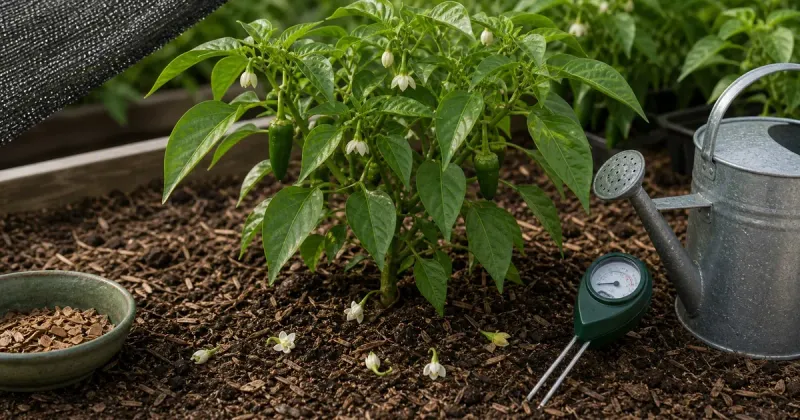
A pepper plant shedding every flower while its leaves stay dark green and its stems look strong is not a contradiction. Hot conditions can disrupt the parts of the plant responsible for making fruit well before the rest of the plant shows obvious or severe stress.
Some leaf curling or slight drooping may appear during the hottest part of the day, but a plant can look mostly fine and still be losing its reproductive capacity to heat.
The approximate risk range that extension programs commonly point to is daytime temperatures near or above 90 to 95 degrees Fahrenheit combined with nighttime temperatures staying in the 70s or higher. University of Maryland Extension guidance on poor blossom and fruit set identifies this kind of sustained heat as a leading cause of flower and fruit failure in peppers.
Texas A&M similarly flags high daytime and nighttime temperatures as a driver of poor pepper fruit set across the state.
These are practical risk ranges, not a precise cutoff that applies equally to every pepper variety or every garden situation. How long the heat lasts, how humid the air is, how well the soil holds moisture, and what kind of pepper you are growing all affect the outcome.
Heat is the leading suspect in late-summer blossom drop, especially in Southern gardens, but it is not the only possible explanation, and ruling out other causes is worth doing before settling on a single answer.
Why heat can ruin fruit set before the plant looks severely stressed
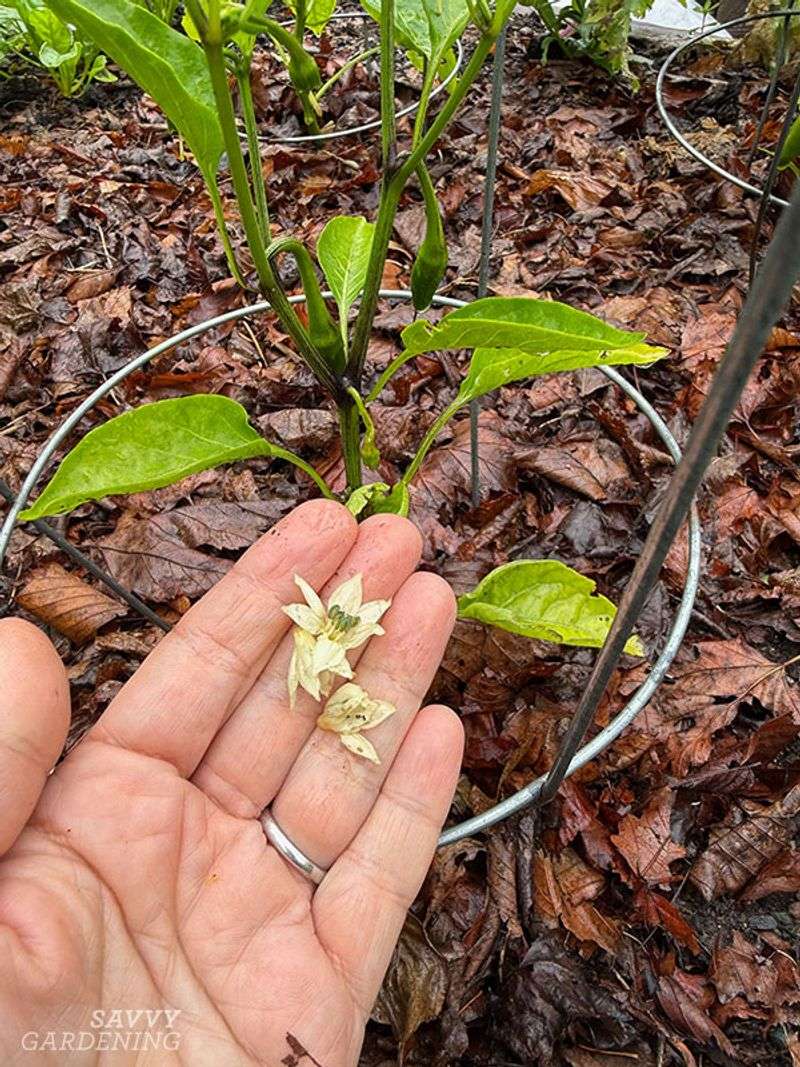
Pepper flowers go through several distinct stages before a fruit can form: pollen develops inside the flower bud, the flower opens and pollen is released, pollination happens, fertilization follows, and then the tiny fruit begins to develop. Heat can interfere at almost any one of these stages, which is why the problem can show up even when the plant looks perfectly healthy from the outside.
Peer-reviewed research on heat stress in bell pepper found that exposure to temperatures around 33 degrees Celsius (roughly 91 degrees Fahrenheit) during sensitive flower-development stages reduced pollen viability and cut fruit set significantly. Critically, heat damage after pollination also sharply reduced fruit set, meaning the window of vulnerability extends beyond the moment the flower opens.
A pepper that was successfully pollinated can still abort if temperatures stay too high in the days that follow.
This explains why attracting more bees, hand-pollinating, or shaking flowers to move pollen around is unlikely to solve the problem during a serious heat spell. Peppers are capable of self-pollination under normal conditions, so lack of pollinators is rarely the issue outdoors.
When pollen itself has been damaged by heat, or when the fertilized ovule cannot develop properly because temperatures remain too high, no amount of additional pollination activity will change the outcome. The fix has to address the heat, not the pollination method.
A temperature log reveals whether the timing fits
One of the most useful diagnostic steps is simple: look up your local temperature records for the past two to three weeks and compare them to when your pepper flowers started dropping. A single hot afternoon is less likely to cause widespread blossom loss than several consecutive days of high heat combined with warm nights that give the plant no relief.
The same bell pepper heat research found that both the duration of heat exposure and the developmental stage of the flower at the time of heat stress affected how many fruits ultimately set.
If your daytime highs have been running near or above 90 to 95 degrees for a stretch of days, and your nights have stayed in the low-to-mid 70s or warmer, the timing almost certainly fits. Oklahoma State Extension pepper production guidance identifies sustained high temperatures as a key factor in poor fruit set, and Iowa State Extension notes that small-fruited and pungent pepper types often handle hot fruit-setting conditions better than bell peppers.
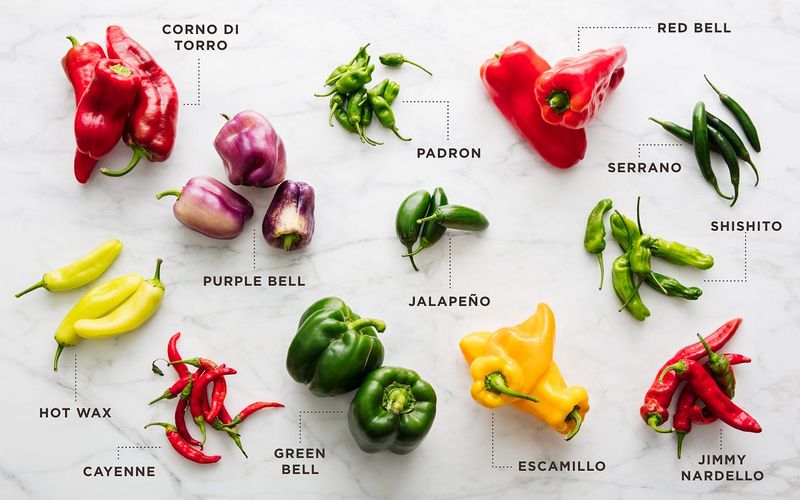
Bell peppers are generally more sensitive to hot fruit-setting conditions than jalapeños, serranos, habaneros, and similar hot types. Texas A&M extension materials point out that jalapeños can often keep producing through hot Texas summers while bell peppers struggle.
That said, cultivar differences within each category are real and substantial, so a heat-tolerant bell pepper variety may perform better than a sensitive hot pepper in the same conditions. If your jalapeños are setting fruit while your bells are dropping every flower, the variety difference is likely part of what you are seeing.
Keep the root zone evenly moist without trying to water away the heat
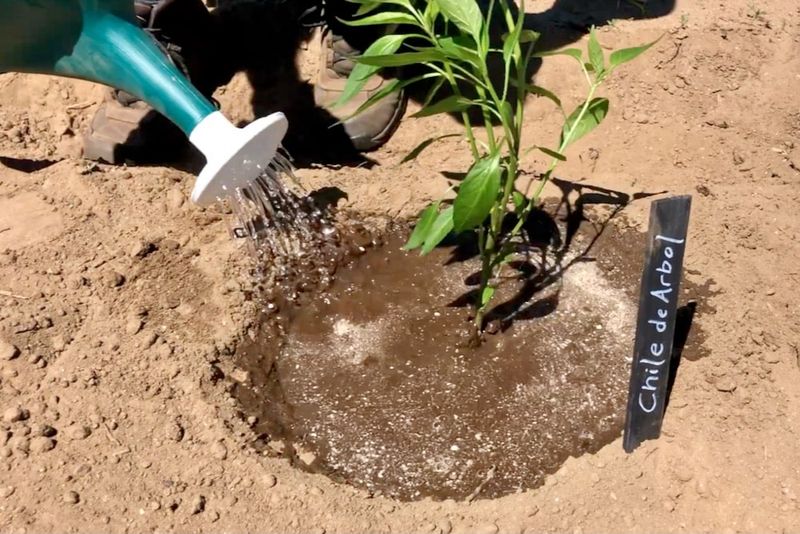
Steady soil moisture will not cancel out heat-damaged pollen, but letting the root zone dry out severely adds drought stress on top of heat stress and makes a struggling plant’s situation much worse. The goal during a heat spell is to keep moisture as even and consistent as practical, which means watering thoroughly enough to wet the full root zone without creating runoff, waterlogging, or saturation.
University of Georgia pepper production guidance emphasizes consistent irrigation as a foundation for healthy pepper development, and University of Minnesota Extension irrigation guidance for vegetables supports the principle of thorough, infrequent watering over frequent shallow applications that wet only the top inch or two of soil. Adjust how often you water based on your specific situation: sandy soil and containers dry out faster than heavy clay beds, and a very hot or windy day pulls moisture out of the soil faster than a cloudy one.
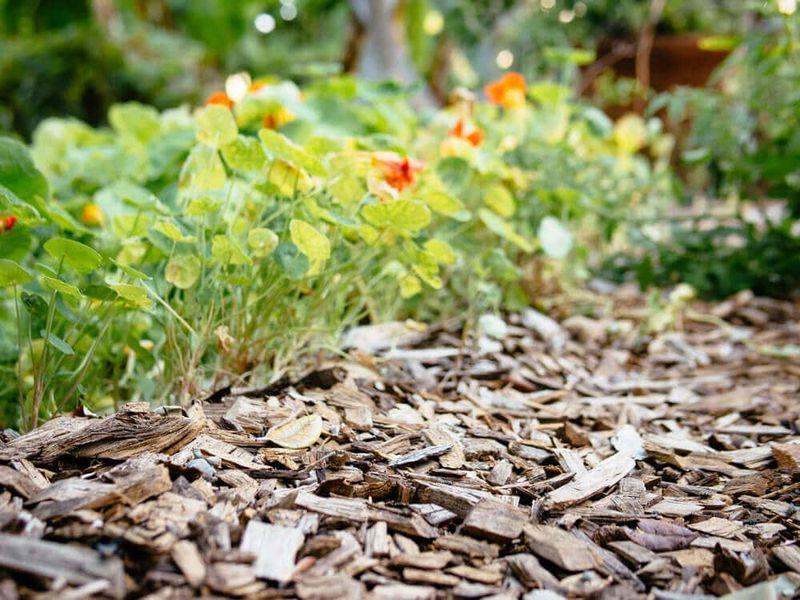
Mulch is one of the most practical tools available for managing soil moisture and temperature during a heat spell. A two-to-three inch layer of straw, shredded leaves, or similar organic material over the root zone slows evaporation, moderates soil temperature swings, and reduces the rapid wet-dry cycling that can stress pepper roots.
UGA Extension guidance on mulching supports keeping mulch a few inches away from direct contact with the stem to avoid rot. Good irrigation and mulch reduce drought stress and help the plant stay as strong as possible through the heat, even if they cannot reverse reproductive damage that has already occurred.
Afternoon protection lowers the extra heat and wind load
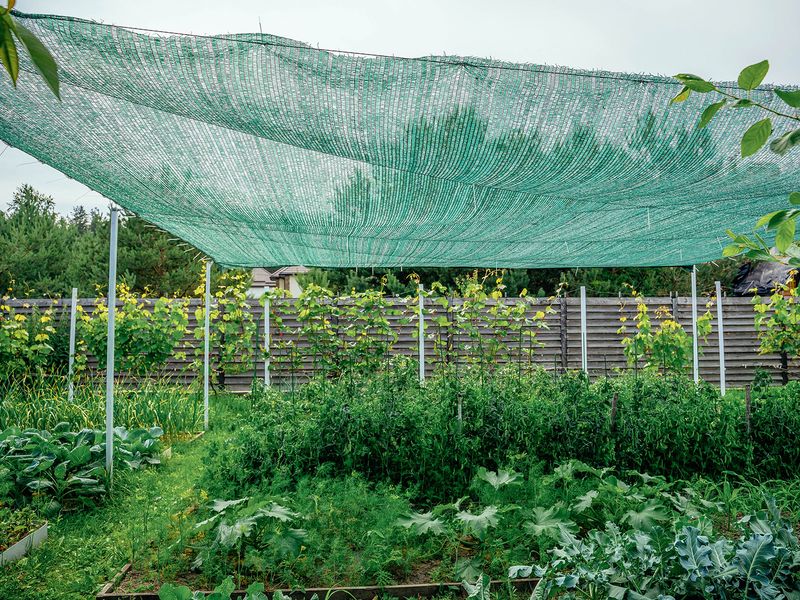
Reducing the peak heat load during the hottest part of the day is a reasonable and practical step, especially for container-grown peppers or plants in fully exposed raised beds. The approach is not to block all sunlight, but to take the edge off the most intense afternoon heat and solar radiation.
A lightweight shade cloth rated for 30 to 40 percent shade, used only during peak afternoon hours and then removed or positioned so the plant still gets morning and early afternoon light, fits this goal well.
University of Florida IFAS extension materials on pepper production document the use of open-shade systems to extend pepper production through summer heat, particularly for green bell peppers that are more sensitive to hot conditions. The key distinction is that an appropriately managed shade structure reduces heat and solar load without putting the plant in deep shade all day.
Peppers still need strong light for photosynthesis and healthy growth, so full-day heavy shade is not the answer and can reduce overall plant vigor and production.
Wind management is a complementary step worth taking when feasible. New Mexico State University extension guidance and North Carolina Extension information on blossom drop both list strong, drying wind as a contributor to flower loss.
A simple windbreak on the side of the prevailing afternoon wind, such as a row of potted plants, a garden fence, or a temporary fabric barrier, can reduce drying and physical stress on flowers without blocking light from above.
Check alternative causes before reaching for a quick fix
Heat is the most common explanation for late-summer blossom drop in Southern gardens, but treating it as a certainty without ruling out other causes can lead to interventions that do not help and may make things worse. Adding large amounts of nitrogen fertilizer when you see flower drop is one of the most common missteps.
Excess nitrogen tends to push leafy, vegetative growth rather than fruit production, and North Carolina Extension guidance on blossom drop notes that hormone sprays marketed for fruit set may cause misshapen peppers and are not a reliable solution for heat-driven drop. Hand-pollinating outdoor peppers is also unlikely to overcome heat-damaged pollen or post-pollination failure, since the problem is not a lack of pollination activity.
Calcium treatments are often suggested online when gardeners see flowers or tiny fruits falling, but calcium management is primarily relevant to blossom-end rot, which is a different problem entirely. University of Florida IFAS guidance on pepper production and UGA Extension information on blossom-end rot both clarify that blossom-end rot appears as a dark, sunken lesion on an already developing pepper fruit, not as a flower or tiny fruit that falls off before forming.
If your peppers are dropping as flowers or very small buds, blossom-end rot is not the cause.
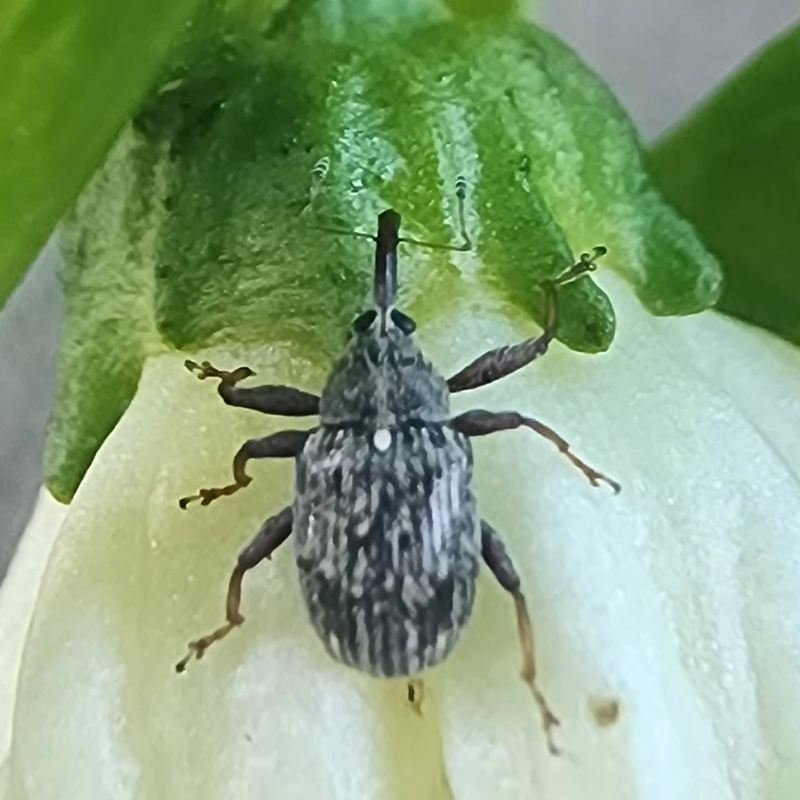
For Florida and Texas readers especially, pepper weevil is an important alternative to consider. University of Florida IFAS pepper weevil information and UC IPM pepper weevil guidance describe how this pest causes buds, flowers, and young fruit to drop in ways that can look like heat damage.
Inspect dropped buds and flowers carefully for tiny punctures, chewed tissue, or small larvae inside. Then inspect retained or fallen young fruit separately for punctures, frass, premature color change at the base, holes, malformed growth, or brown and moldy interiors.
Florida IPM pepper weevil documentation confirms this pest is regionally significant and should be part of any Southern garden diagnosis. Water stress, excess moisture, high humidity, disease, and other pests can also produce similar flower loss, so a thorough look around the plant is always worthwhile before assuming a single cause.
Protect the plant, then wait for temperatures to moderate
The most honest action plan for heat-driven blossom drop is a short list of practical steps followed by patience. Monitor your daytime and nighttime temperatures so you know when the heat spell is actually easing.
Water the root zone thoroughly and consistently according to your soil type, container size, drainage, and the weather conditions on any given day. Keep mulch in place over the root zone to hold moisture and buffer soil temperature swings.
Provide afternoon shade or wind protection where you can, and avoid piling on fertilizer, calcium sprays, or hormone products that are unlikely to address the real problem. North Carolina Extension specifically notes that high-temperature blossom drop generally corrects itself when weather conditions become more favorable, though no one can guarantee a specific recovery timeline or how many peppers the plant will ultimately produce.
New flowers that open after temperatures moderate have a much better chance of setting fruit than those that opened during the peak of the heat.
Keep watching new flowers as conditions change, and if blossom loss continues after the heat breaks, investigate pest damage, disease, or other stress factors before assuming heat is still the culprit. A pepper plant that comes through a Southern summer heat spell with its root system intact and its moisture stable is well positioned to produce a good fall flush – which, for many Southern gardeners, turns out to be the most rewarding harvest of the year.