
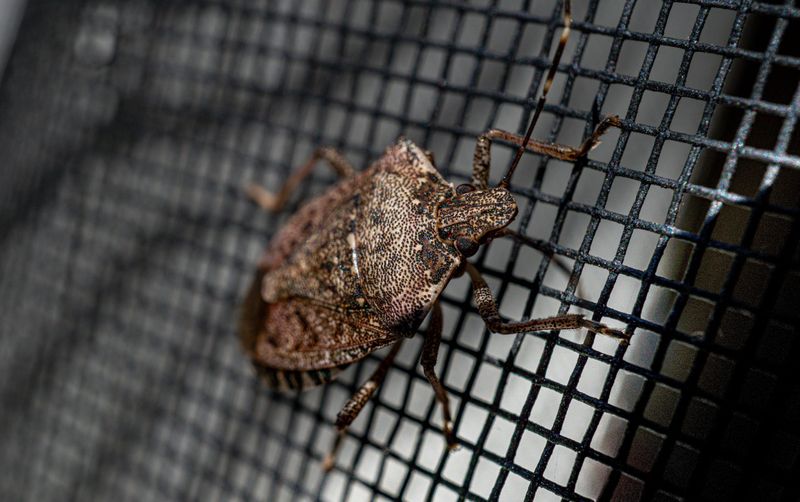
Spotting a stink bug crawling across your living room wall can be unsettling, especially when one turns into several. For North Carolina homeowners, late-season sightings often carry a specific message about what the insect is doing and why your house suddenly looks like a destination.
Understanding that message can save you from reaching for a spray can when a caulk gun and a vacuum are really all you need.
Late-season BMSB movement usually means shelter-seeking, not indoor breeding
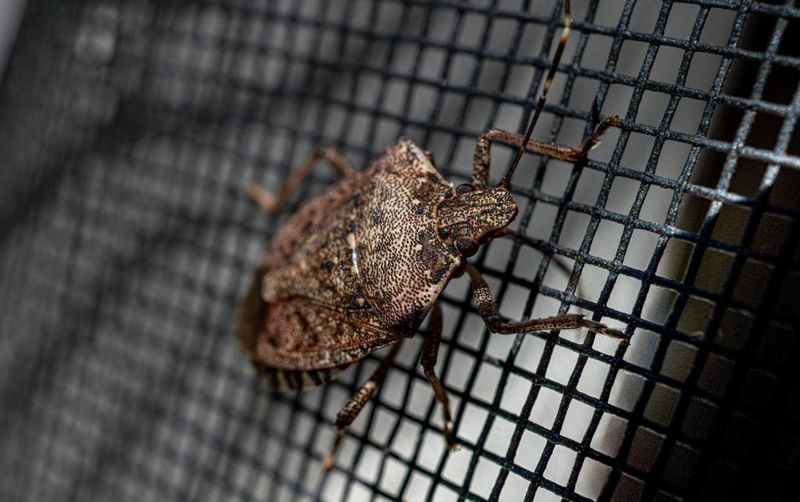
August sightings of stink bugs on plants or structures do not carry the same meaning as a cluster appearing on your siding in late September. For confirmed or strongly suspected brown marmorated stink bugs, the clearest movement toward buildings generally begins in mid-September and runs through October.
Adults gather on sun-warmed exterior walls before squeezing through gaps in screens, vents, window frames, and siding to reach sheltered interior spaces.
Buildings work as a substitute for natural overwintering sites. In the wild, brown marmorated stink bugs tuck into dead trees, logs, bark crevices, and rock shelters to wait out cold weather.
A well-sealed attic, a gap behind window trim, or a wall void offers the same basic protection. NC State Extension’s brown marmorated stink bug guide confirms that adults begin dispersing toward buildings in mid-September and October, often clustering on sun-exposed walls before entering through any available opening.
Earlier summer sightings tell a different story. Adults and nymphs moving around in July or August are more likely feeding and traveling among garden plants, wooded edges, and crops than staging an overwintering invasion.
Treating those two patterns as identical leads to unnecessary spraying.
The reassuring part: brown marmorated stink bugs do not reproduce inside your home, do not eat structural wood, and do not bite, sting, or spread mammalian diseases. That said, a large aggregation hiding in an attic or wall void is still a genuine nuisance.
UC IPM’s stink bug resource notes that dozens or hundreds of overwintering bugs can cause persistent odor when disturbed and may leave staining from excrement. The right response to that situation is exclusion before the bugs arrive, not panic or blanket spraying after they do.
Identify the insect before interpreting the signal
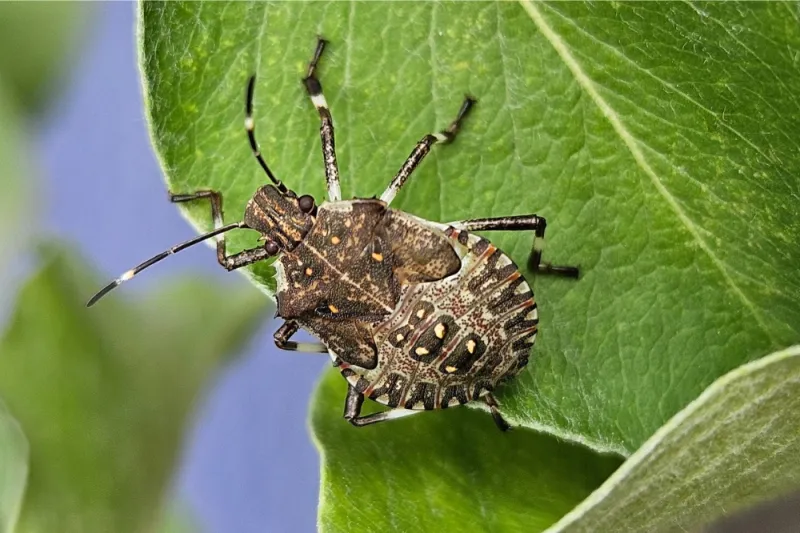
Before drawing any conclusions about overwintering behavior or yard connections, confirm what you are actually looking at. A plain brown, shield-shaped bug on your wall is not automatically a brown marmorated stink bug.
North Carolina is home to native brown, green, and dusky stink bugs, and some of those species are predatory insects that help control garden pests rather than cause problems.
The key markings on a brown marmorated stink bug are the alternating light and dark bands running along the antennae and along the rear edge of the abdomen. Adults measure roughly five-eighths of an inch long.
NC State Entomology’s BMSB FAQ walks through these distinguishing features and explains why body color alone is not enough to separate this invasive species from native look-alikes.
The most practical identification step is to photograph the insect clearly, capturing the antennae and the rear abdominal margin if possible, then submit the image to NC State Extension’s identification service or your county cooperative extension office. That approach avoids the need to handle live specimens without proper containment.
If you do need to collect one for identification, place it in a sealed container, freeze it to kill it, and then transport it, since releasing a captured brown marmorated stink bug outdoors may just send it back to your walls.
Every piece of seasonal advice in this article applies specifically to confirmed or strongly suspected brown marmorated stink bugs. A native predatory stink bug wandering into your home is an occasional visitor, not a harbinger of an overwintering aggregation, and it deserves a different response entirely.
Nearby trees and woods may influence activity without naming a culprit
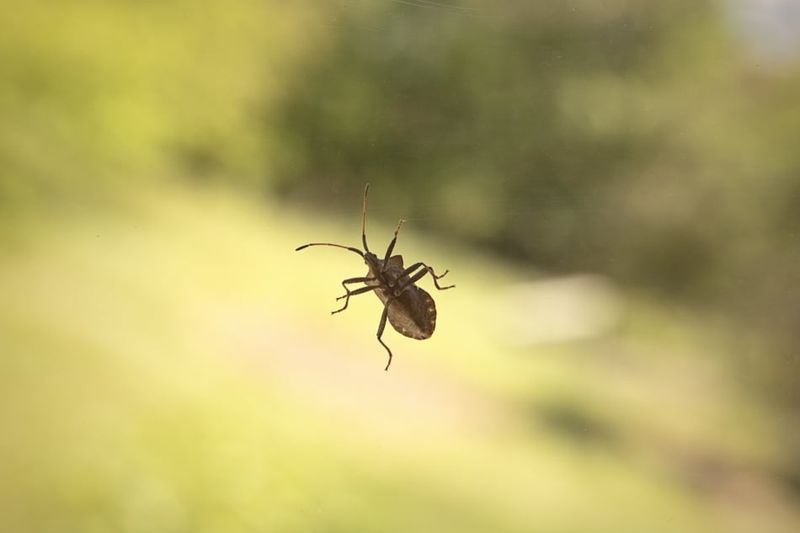
Seeing brown marmorated stink bugs on your walls can make a nearby oak or fruit tree look suspicious, but proximity is an association rather than proof of cause. Adults move freely among landscapes, crops, and structures, and a population feeding in a neighborhood or regional woodlot can send individuals to any building nearby, regardless of what is planted in your specific yard.
That said, wooded edges, landscape margins, and fruiting or seed-producing plants are real habitat. UGA Cooperative Extension’s ornamental landscape management guide notes that BMSB uses an exceptionally broad host range and that adults can travel among properties, making it difficult to pin indoor activity on a single plant or tree at the edge of a yard.
Homes near wooded areas may experience higher activity, but the forest itself is not the sole variable.
Regional context matters here. NC State Extension reported, as of February 2025, that BMSB had been confirmed in 80 of North Carolina’s 100 counties, with the insect more established in the mountains and Piedmont than in the Coastal Plain, where it has not yet become as widely entrenched.
A homeowner in Buncombe County and one in Pender County are not dealing with the same level of background pressure, so advice built around Piedmont conditions does not automatically apply to coastal areas.
Removing all the trees or shrubs around your house based on wall sightings alone is not a sound response. The insect’s host range is so wide that eliminating one or two plants rarely changes regional population levels, and that kind of removal conflicts with the wildlife value those plants provide.
NC State’s stink bug scouting guidance for field crops reinforces that movement from wooded edges or mixed landscapes can concentrate pressure near margins without implicating any single plant as the source.
Inspect food plants instead of treating the whole yard
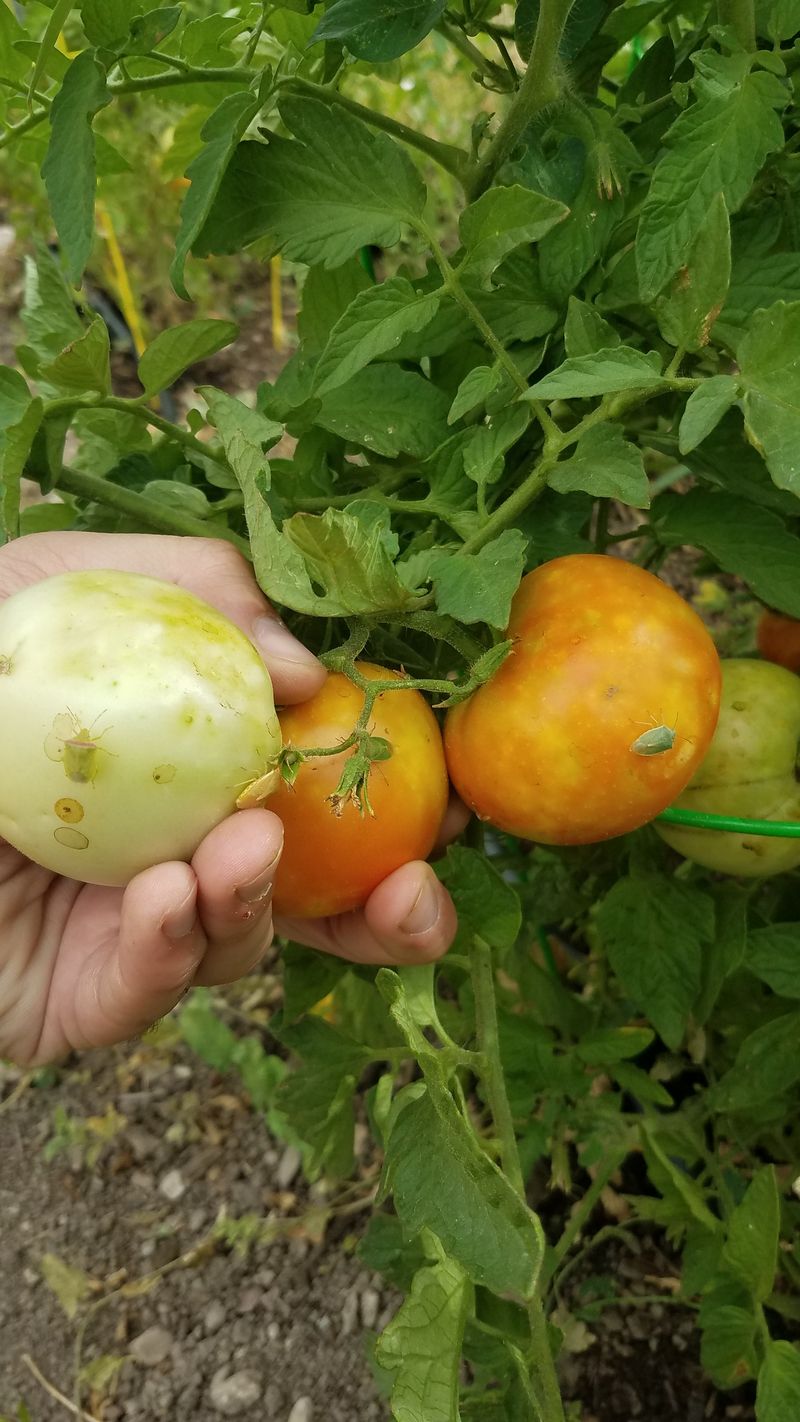
A confirmed BMSB presence near your home is a good reason to walk the garden, not reach for a sprayer. Start with the plants most likely to show feeding activity: tomatoes, peppers, okra, beans, corn, Swiss chard, apples, peaches, pears, plums, and caneberries are among the crops NC State Extension identifies as commonly attacked in North Carolina home gardens and orchards.
Work methodically rather than scanning from a distance. Flip leaves over and check the undersides for adults, nymphs in their various growth stages, and the small, barrel-shaped egg masses that BMSB females lay in clusters of about 20 to 30 eggs.
Developing fruit deserves close attention too. Feeding punctures from BMSB can leave discolored, misshapen, or pithy spots, though the overall vigor of the plant often remains largely intact even when individual fruit is damaged.
Pressure across a single property is rarely uniform. NC State’s stink bug scouting resources note that movement from wooded edges and adjacent landscape margins can create concentrated activity near those boundaries, while plants farther from the edge see less.
Checking the rows or beds closest to tree lines or shrub borders first is a practical way to prioritize your time.
Keep garden monitoring and indoor diagnosis separate in your mind. Finding adults or feeding injury on your tomatoes supports the idea that BMSB is active in your yard, but it does not prove that the garden caused the bugs on your walls.
Both observations point in the same direction, but the indoor movement is driven by seasonal overwintering behavior, not by the presence of any specific food plant. Targeted monitoring of food plants helps you decide whether to protect individual crops with row covers or physical removal, not whether to spray the entire landscape.
Seal entry points before the next autumn movement

Exclusion is the most effective long-term household response to brown marmorated stink bugs, and timing matters as much as technique. The best window for sealing work is after overwintered bugs have left in spring or early summer but before the next mid-September movement begins.
Trying to seal a house while bugs are already clustering on the walls is harder and less effective than completing the work beforehand.
Start with the most common entry routes. Repair or replace torn window and door screens.
Install or replace weather stripping on all exterior doors, including garage doors. Then work through the building envelope: seal cracks around window and door frames, along siding and fascia boards, around attic louvers and vents, and at every point where utility lines, pipes, or faucets pass through walls.
NC State Extension’s BMSB management guidance specifically lists these entry points as primary targets for exclusion work.
For bugs that are already inside, vacuuming is the preferred removal method. Pick them up carefully, then freeze the vacuum bag or its contents before disposal.
UC IPM recommends against crushing stink bugs indoors because the defensive odor can be strong and may attract other bugs. Do not release captured brown marmorated stink bugs outside, since they may simply return to the building.
Dropping them into a container of soapy water is a straightforward alternative to vacuuming for small numbers.
Broad exterior or garden spraying is not the default answer to an indoor entry problem. UF/IFAS notes that unnecessary insecticide applications can harm pollinators, natural enemies, and other beneficial insects without reliably preventing overwintering entry.
Physical exclusion, backed up by targeted removal of individual bugs indoors, is the approach that matches the scale and nature of the problem.
Native landscaping supports wildlife, not guaranteed stink-bug control

Planting more native species around a North Carolina home is a genuinely worthwhile project, but the reasoning should be grounded in what the research actually supports. NC State Extension’s native plant landscaping guide recommends layering canopy trees, shrubs, and ground-level plants matched to local soil moisture, light, and regional growing conditions.
That kind of diverse, site-appropriate planting creates real food and cover resources for birds, pollinators, and other wildlife.
What native plants cannot reliably do is keep brown marmorated stink bugs out of the house. BMSB has been recorded feeding on a very wide range of host plants, including many native and non-native trees, shrubs, ornamentals, fruits, and vegetables.
Some southeastern and North Carolina-associated species, including wild cherry, catalpa, black walnut, and maple, appear on documented host lists alongside cultivated fruits and vegetables. Replacing non-native ornamentals with natives does not create a stink-bug-resistant landscape.
The distinction worth holding onto is the difference between wildlife habitat and pest suppression. UF/IFAS research on BMSB biology acknowledges that natural enemies, including birds, spiders, and parasitoid wasps, attack BMSB eggs, nymphs, and adults.
However, documented control by native predators and parasitoids in the invasive range has generally been low, and diverse plantings cannot be counted on to reduce indoor entry.
NC Wildlife Resources Commission guidance on suburban backyard habitat frames native landscaping around its value to birds, pollinators, and other wildlife, not around pest prevention. That framing is honest and still compelling.
Choosing natives because they support monarchs, bluebirds, and native bees is a sound reason on its own merits. Choosing them to stop stink bugs from reaching the attic sets an expectation the plants cannot meet.
Avoid broad sprays, indoor pesticide misuse, and false biological-control promises
A few management mistakes come up often enough with stink bugs that they are worth addressing plainly. Removing all trees or shrubs near the house is one of them.
Because BMSB uses such a wide host range, UGA Cooperative Extension’s ornamental landscape guide makes clear that eliminating a single plant is unlikely to change regional or neighborhood population pressure. Stripping the yard of trees also removes the habitat value those plants provide to birds and beneficial insects.
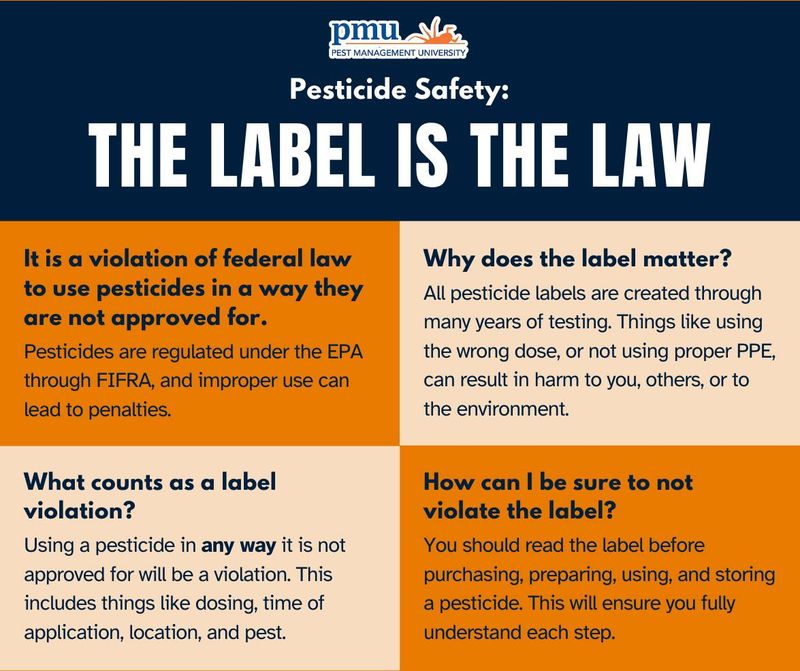
Indoor pesticide misuse is a more serious concern. Every pesticide must be used according to its label, and products labeled for outdoor use must never be applied indoors.
That prohibition covers foggers and any unlabeled household chemical applied to wall voids, attics, or living spaces. EPA guidance on pesticide safety is explicit that label requirements are legally binding, and misapplied pesticides create health risks without solving an overwintering entry problem.
Calendar-based exterior spraying of the whole yard or building perimeter is also not the default answer. UF/IFAS stink bug research notes that broad applications can harm pollinators and natural enemies without reliably preventing autumn entry.
If a targeted perimeter application is being considered, it should follow a specific product label and be timed to the actual overwintering movement window, not applied routinely through the growing season.
Natural enemies do attack brown marmorated stink bugs, and research into biological control, including the samurai wasp, is ongoing. However, none of these natural enemies currently function as a reliable homeowner control method.
A nuisance-level entry problem calls for exclusion and physical removal. Significant garden damage that persists despite monitoring and targeted intervention is a reasonable trigger for consulting a licensed pest management professional rather than escalating to broad spraying on your own.
Use the evidence at the door and in the garden
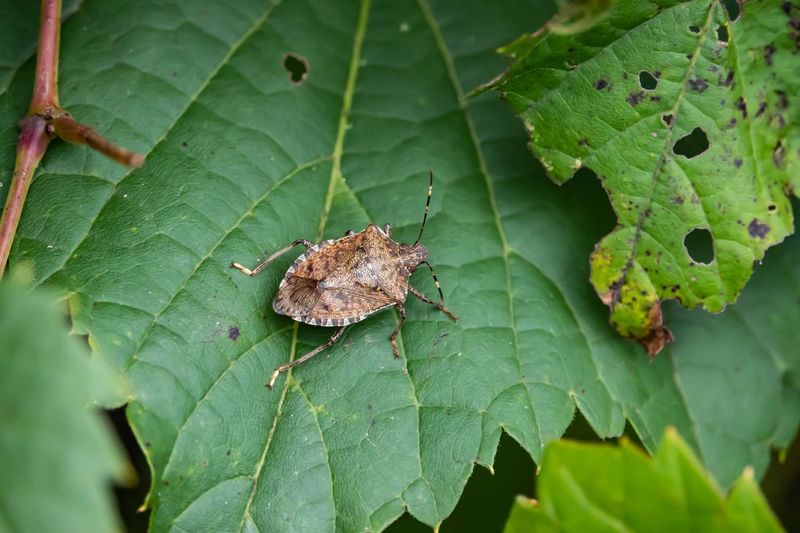
Putting the full picture together starts with a single practical step: identify the insect before acting on any of the seasonal signals described here. The overwintering interpretation applies to confirmed or strongly suspected brown marmorated stink bugs.
A native stink bug on your wall, even a brown one, tells a different story and may not call for any response at all.
Once identification supports BMSB, the action sequence is straightforward. Check food plants, especially those closest to wooded edges, for adults, nymphs, egg masses, and feeding damage on developing fruit.
Seal entry points, including screens, weather stripping, and gaps around vents, pipes, and siding, before mid-September if possible. Remove any indoor bugs by vacuuming or placing them in soapy water rather than crushing or releasing them.
NC State Extension’s full BMSB management guide covers each of these steps in detail for North Carolina conditions.
On the landscaping side, native plants remain a worthwhile long-term investment for North Carolina wildlife and ecological function. NC State’s native landscaping guidance is the right starting point for matching plants to your region, soil, and light conditions.
Just hold that project to what it can honestly deliver: better habitat for birds, pollinators, and native wildlife. The stink bug problem belongs to exclusion and identification, and a yard full of native plants and a well-sealed house are both worth having, each for its own good reasons.