
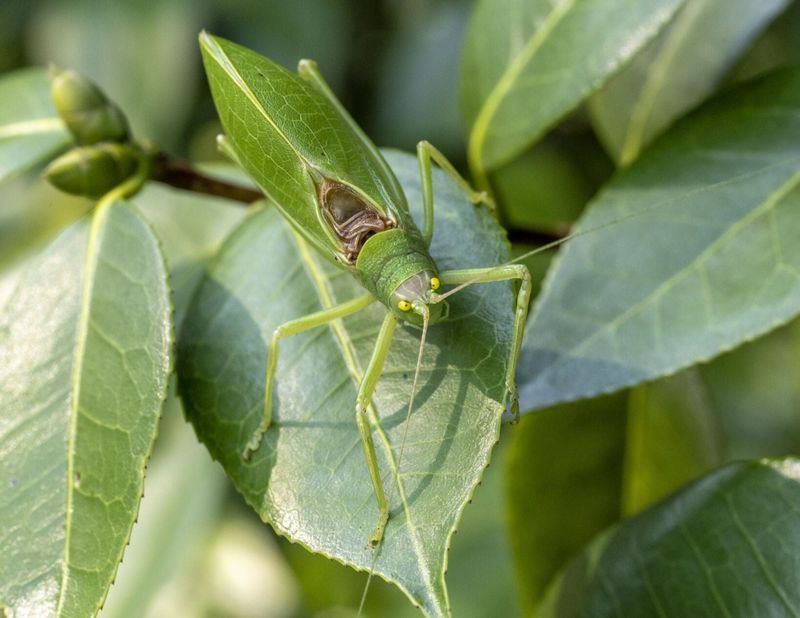
Step outside on a warm North Carolina night in late summer and you might feel like the trees themselves are buzzing. That wall of sound has a source, and if you have correctly identified it as a katydid chorus, it is telling you something specific and far less alarming than the word “takeover” suggests.
Understanding what that sound actually means can help you make smarter decisions about your yard, your plants, and the wildlife sharing your space.
A correctly identified chorus signals mating activity, not a yard-health score
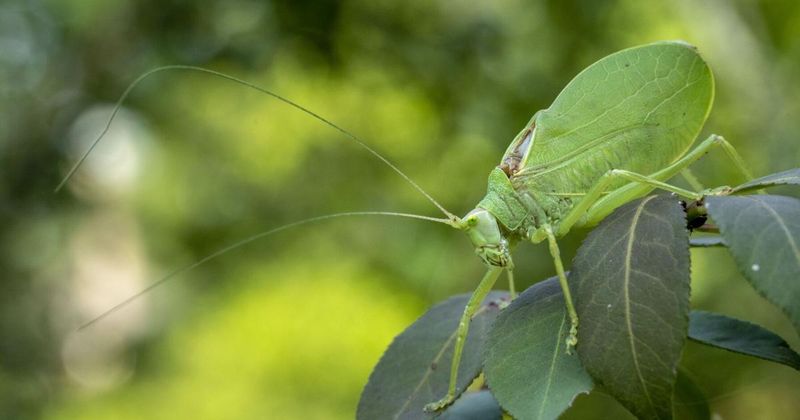
Most people hear the chorus first and start drawing conclusions second, but the sound alone cannot tell you much without a confirmed identification. If you have correctly identified what you are hearing as a katydid chorus, NC State’s General Entomology identification resource for family Tettigoniidae confirms that the call is produced by adult males seeking mates, a behavior tied to the species’ reproductive cycle rather than to any quality of your soil or landscape.
North Carolina is home to a wide range of katydid groups, including true katydids, fork-tailed bush katydids, meadow katydids, and coneheads, each with its own life cycle, habitat preference, and call pattern. A sound coming from your yard at night could belong to any of these, or to another acoustically active orthopteran entirely.
Assigning a species without a visual or acoustic identification is a guess, not a diagnosis.
What you can reasonably infer from a correctly identified chorus is that adult males are present and active under suitable nighttime conditions, and that your yard or the vegetation nearby offers enough cover, food, or shelter to support them. NC State’s Extension Gardener Handbook chapter on insects describes katydids as long-horned orthopterans with chewing mouthparts that use plants for feeding, shelter, and reproduction.
What you cannot infer from the sound alone is that your soil is unusually healthy, that your yard hosts exceptional biodiversity, or that a population surge is underway. Those are separate questions that require separate evidence.
A conspicuous chorus is evidence of seasonal adult calling activity, and that is where the confident interpretation stops.
Why late summer can make some katydid calls more noticeable
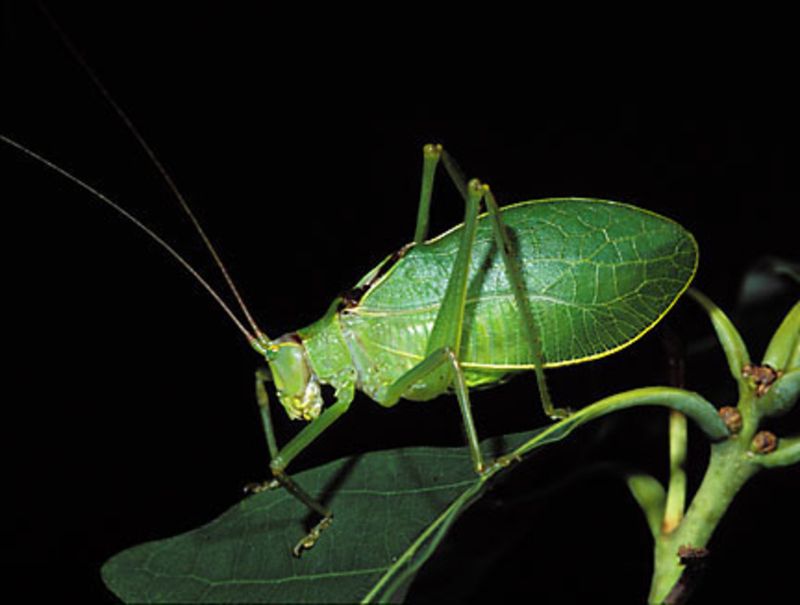
Timing matters, but it is not as uniform as people sometimes assume. For the common true katydid, Carolina Nature’s documentation of the species in North Carolina associates it with the sounds of late summer nights, and University of Arkansas Arthropod Museum records show that adults typically mature and begin calling in July, continuing until heavy frosts end the season.
That developmental arc means many calling adults are reaching peak activity during the same late-summer window when homeowners have their windows open or are spending evenings outside.
Other katydid species follow different schedules. Some begin calling earlier in the summer, others peak later, and local conditions including temperature, rainfall, vegetation density, and regional geography can shift when and how strongly a chorus develops.
A yard in the NC Piedmont may have a noticeably different acoustic season than one in the coastal plain or the mountains, reflecting differences in species composition, microclimate, and plant communities.
Environmental factors also shape what you hear night to night. Warmer temperatures tend to increase calling activity and raise call rates in many orthopterans, as research published in the Annals of the Entomological Society of America on calling songs and auditory tuning in cryptic katydid species illustrates.
A stretch of warm, still nights in late summer can amplify how prominent the chorus seems even without any change in insect numbers.
The practical takeaway is that if the calling seems suddenly louder or more persistent this year, the explanation may be weather, phenology, or the natural maturation of adults, not a population explosion in your yard.
A loud chorus does not prove a population surge
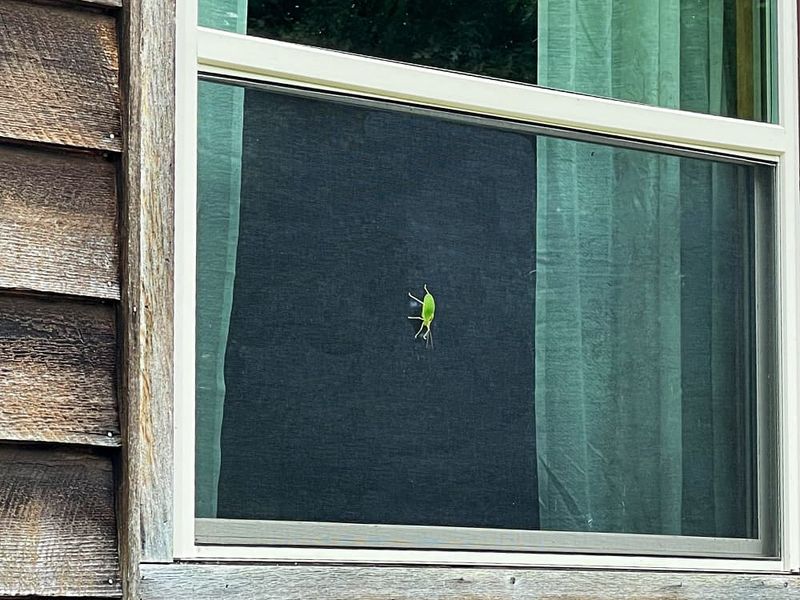
Sound can be genuinely misleading when it comes to estimating insect numbers. Mississippi State University Extension’s profile of the common true katydid notes that a chorus can sound dramatically larger than the actual number of insects responsible for it.
Dozens of males calling from the canopy of a few trees, synchronized or overlapping in their call timing, can fill an entire neighborhood with sound.
Several factors work together to make a modest population seem overwhelming. Trees and shrubs act as amplifiers and reflectors, bouncing calls outward in ways that make the source hard to locate and the volume hard to judge.
Nighttime background noise is lower than daytime noise, so the same chorus that would go unnoticed at noon becomes conspicuous at 10 p.m. Species-specific call frequencies and rhythms can also carry farther or seem louder to human ears than other insect sounds at the same volume.
A genuine population surge requires more than one night of loud calling. Confirming that katydid numbers are actually elevated means comparing this year’s observations with prior years, checking multiple locations across your yard or neighborhood, spotting insects visually in numbers higher than usual, or finding widespread and repeated plant injury that tracks with the sound.
NC State’s Integrated Pest Management guidance consistently frames pest assessment around observed evidence rather than perceived intensity.
When the only evidence is a conspicuous chorus, the most accurate description is exactly that: a conspicuous chorus. Reserve the language of “takeover” or “surge” for situations where the insects themselves are visible in high numbers and the plants show it.
What vegetation and nearby habitat may be offering katydids
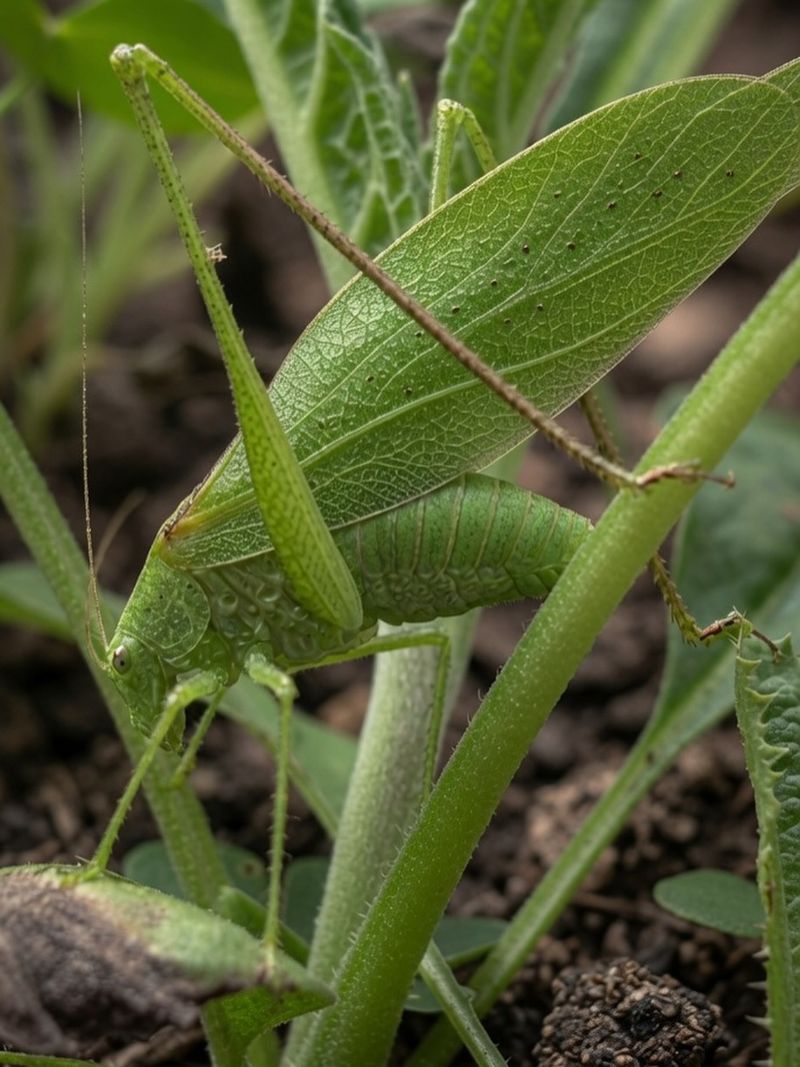
Katydids do not appear in yards at random. Their presence reflects something about what the landscape offers in terms of food, shelter, calling perches, and places to lay eggs.
The NC State Extension Gardener Handbook’s insects chapter describes katydids as plant feeders whose leaflike bodies and long antennae help them blend into foliage, suggesting that dense or layered vegetation is a natural fit for them.
Different species use different parts of the landscape. True katydids favor the canopy of deciduous trees.
Bush katydids tend to stay lower, in shrubs and herbaceous plants. Meadow katydids and coneheads often occupy grassy or weedy areas.
If you have a mix of trees, shrubs, and open plantings, your yard likely offers suitable habitat for more than one group, which could contribute to a richer and more varied chorus without indicating any single species is overrepresented.
Katydids do fit into a wildlife-friendly yard in a meaningful way. They are part of food webs, serving as prey for birds, bats, spiders, and other insectivores that many NC homeowners actively try to attract.
However, their presence is not proof that the landscape is native-plant-rich, pesticide-free, or exceptionally biodiverse. A study published in Bioacoustics examining katydid song diversity and habitat quality found that assemblage-level acoustic patterns, not a single household chorus, showed a relationship with habitat characteristics, and even then, the researchers noted limits to using katydids as small-scale indicators.
A yard that supports katydids almost certainly offers some usable vegetation, and that is a reasonable inference. Extending that observation into a claim about soil health or ecological excellence requires evidence that a nighttime chorus simply cannot provide.
The presence of multiple katydid and cricket species documented across North Carolina is a reminder that the chorus could represent several species with different habitat associations, making a single landscape conclusion even less reliable.
Inspect the plants instead of judging the chorus
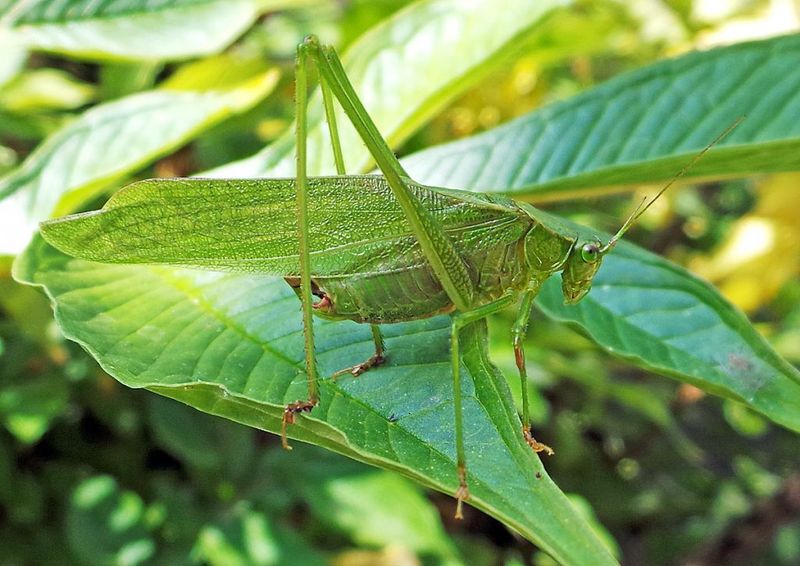
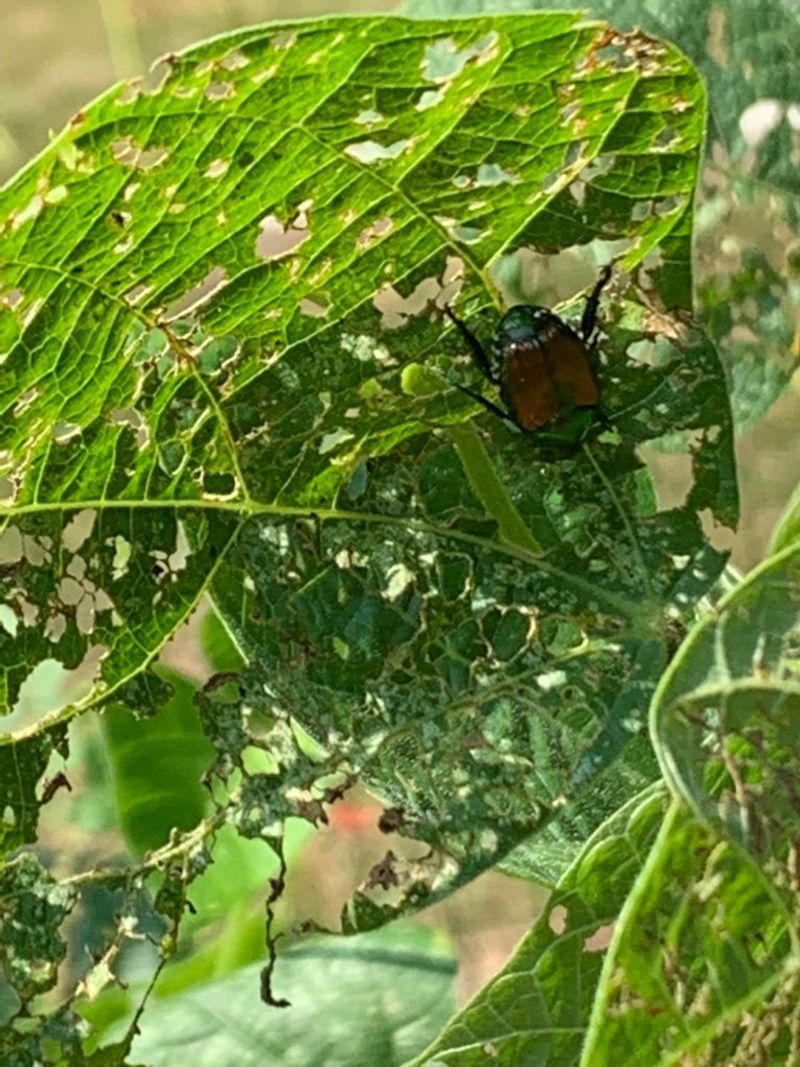
Shifting from listening to looking is the most useful thing a homeowner can do after noticing a katydid chorus. Katydids have chewing mouthparts, and their feeding leaves characteristic marks: irregular holes in the middle of leaves, jagged or scalloped edges, notches cut into leaf margins, or sections of foliage missing entirely.
NC State’s insect handbook notes that this type of chewing damage is typical of orthopterans, and identifying it correctly on your specific plants is the starting point for any sound management decision.
For most home landscapes, the injury stays minor and cosmetic. A few holes in the leaves of a mature oak or an established ornamental shrub are not cause for alarm.
UC IPM’s katydid management guidance recommends no control for katydids on home fruit bushes and trees unless injury has previously been unacceptable, which is a useful benchmark for thinking about proportionality.
Young transplants, newly established shrubs, and fruiting plants deserve closer attention. UF/IFAS Extension’s citrus pest quick guide on the broadwinged katydid documents that some species can damage young citrus fruit, particularly from June through September, though extensive damage is described as rare.
Similar caution applies to other young fruit and tender new growth that cannot afford significant defoliation during the growing season.
Before blaming katydids for any leaf damage, try to photograph or collect the insect you actually see feeding. Ask Extension’s katydid damage guidance reinforces that correct pest identification is the foundation of any effective response.
Slugs, caterpillars, beetles, and other chewers can leave marks that look similar, and treating for the wrong pest wastes effort and may harm beneficial insects in the process.
Start with tolerance, identification, and monitoring
Before reaching for any control, work through a short decision path. First, confirm what you are dealing with.
A correctly identified katydid on a plant that shows meaningful feeding damage is a different situation from a loud chorus with no visible insects and no plant injury. Getting the identification right, whether through a photograph submitted to your local NC Cooperative Extension office or a comparison with online resources, changes every decision that follows.
Next, monitor the affected plant over several days rather than reacting to a single night of noise or a single chewed leaf. NC State’s IPM handbook frames the monitoring step as essential: track whether damage is progressing, staying stable, or already stopping as the season advances.
There is no universal treatment threshold expressed as a certain number of insects per plant, so the practical question is whether the feeding is threatening the plant’s health, reducing fruit quality, or exceeding a cosmetic level you can reasonably accept.
When action on a specific plant is warranted, start with the least disruptive options. Hand-picking visible insects at dusk or after dark, when katydids are active and easier to spot, works well for small plants or high-value specimens.
Covering especially vulnerable young transplants or seedlings with fine insect mesh or row cover can block feeding without any chemical exposure at all.
Good plant care also matters. Appropriate watering, mulching, and fertilization help plants grow vigorously and recover from minor feeding more readily.
UC IPM’s katydid resource supports this approach, noting that healthy, well-established plants typically tolerate the level of feeding that home-landscape katydid populations produce. Think of plant vigor as a resilience factor, not a guarantee that katydids will avoid the plant or that their presence signals something wrong with it.
Why a broad spray is usually the wrong first response
A chorus alone is not a reason to spray. Reaching for a pesticide before confirming that damage is real, ongoing, and exceeding a tolerable level means exposing your yard to unnecessary chemical risk without a clear target or expected benefit.
That sequence, spray first and ask questions later, runs counter to the core logic of integrated pest management.
Homemade remedies are a particular concern. Ask Extension’s guidance on homemade garden sprays for grasshoppers and katydids warns that improvised soap solutions, oils, essential oil mixtures, and similar home remedies can injure plant tissue and may not effectively control the pest.
Without knowing how a specific formulation interacts with a specific plant at a specific concentration, the risk of phytotoxicity is real, and the pest-control benefit is unreliable.
If monitoring confirms that substantial, repeated damage is occurring on a plant where you cannot tolerate the injury, and physical controls have not been sufficient, a properly labeled pesticide may be appropriate. NC State’s IPM guidance requires identifying both the pest and the plant before selecting a product, then following the label precisely for application rate, timing, and any restrictions on use near pollinators or water.
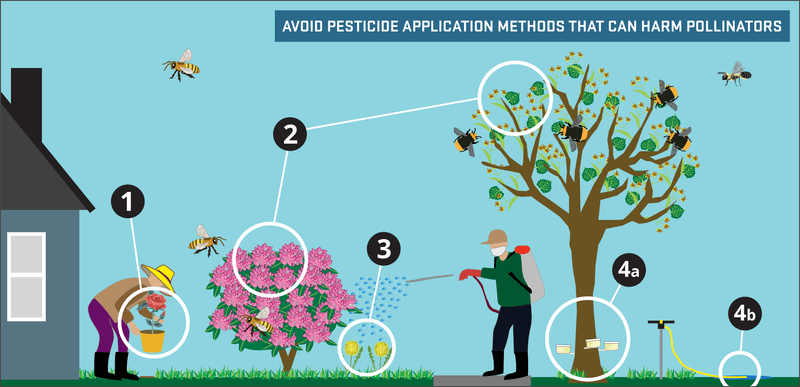
Pollinator exposure is a serious concern during late summer, when bees and other beneficial insects are actively foraging. North Carolina Department of Agriculture guidance for homeowners on pollinator protection and EPA pollinator protection tools and strategies both emphasize reading labels carefully for bee-hazard warnings and avoiding applications when flowering plants are nearby or when bees are actively foraging.
Broad-spectrum spraying can also harm spiders, parasitic wasps, birds, bats, pets, and aquatic organisms downstream, costs that rarely make sense when the original complaint was a sound rather than a documented plant crisis.
Let the seasonal sound guide observation, not panic
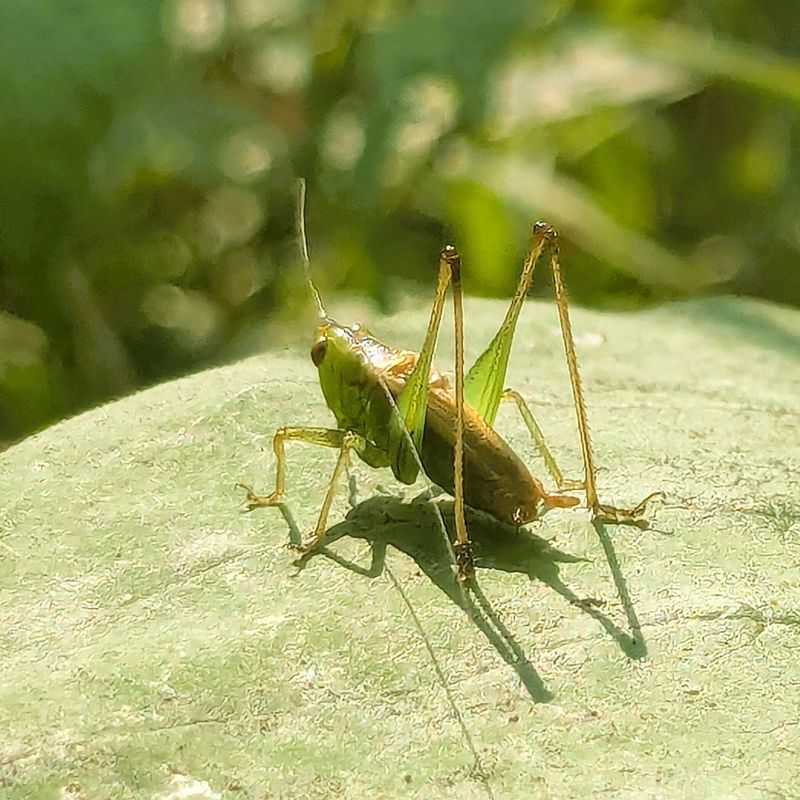
A correctly identified late-summer katydid chorus most reliably signals one thing: adult males are calling as part of seasonal mating activity. That is a normal part of a North Carolina summer, not a confirmed ecological event or a yard emergency.
NC State’s IPM framework consistently points homeowners toward observation and evidence before action, and that principle fits this situation well.
The sequence that serves you best is straightforward. Listen without assuming the worst.
If you want to know more, try to identify what you are actually hearing, using photographs, local extension resources, or acoustic guides. Walk your yard in daylight and check valuable plants for real feeding damage.
Tolerate the minor cosmetic injury that most established plants can handle without complaint. If a specific plant shows repeated, worsening damage that threatens its health or productivity, act selectively on that plant using the least disruptive method that works.
Mississippi State Extension’s profile of the common true katydid puts the chorus in perspective: the sound can seem enormous while the insect population behind it stays modest. Managed with curiosity rather than alarm, that late-summer chorus is less a warning sign than a seasonal marker, the sound of a North Carolina summer doing exactly what it has always done.