
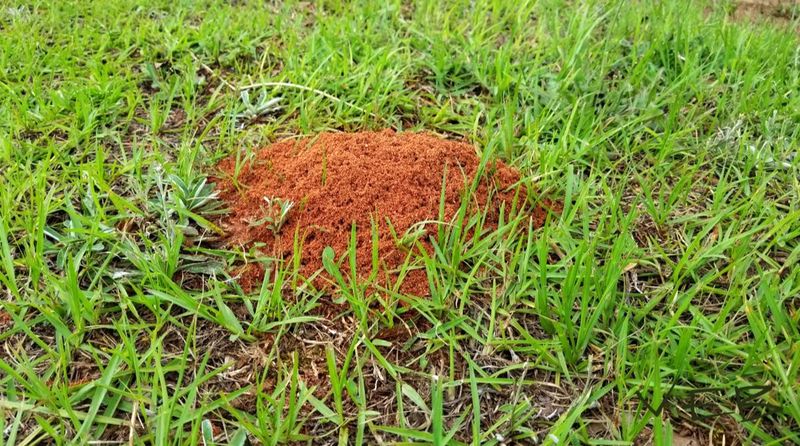
Finding a fresh dirt mound in your garden bed is one of those summer surprises that can stop you mid-step. If the mounds keep coming back, it is easy to wonder whether something is seriously wrong with your soil or your yard.
For North Carolina homeowners, recurring mounds that turn out to be imported fire ants usually point to habitat conditions the ants find useful, not to a broken garden. Understanding what those mounds can and cannot tell you is the first step toward protecting your family, your plants, and the beneficial insects that share your yard.
The mound is a habitat clue, not a soil diagnosis
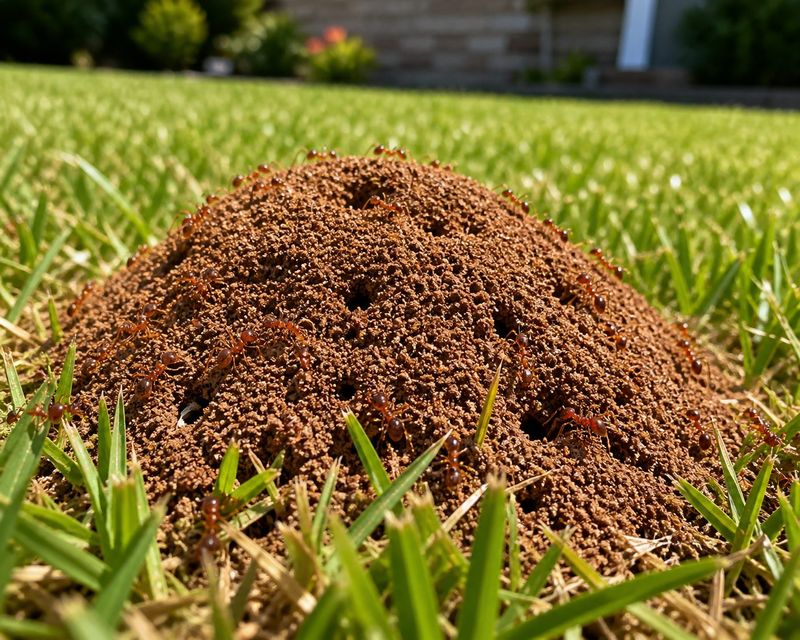
A raised dome of loose soil in a garden bed can set off alarm bells, and the instinct to connect it to a soil problem is understandable. The correction worth making right away, though, is that a confirmed imported fire ant mound is not a readout of your soil’s fertility, pH, compaction level, or overall health.
NC State Extension guidance on managing fire ants in the landscape frames the mound as evidence that one or more colonies have found workable conditions, not that your garden bed is deficient in any measurable way.
What the location can reasonably suggest involves a handful of physical factors. Open, sunny ground warms faster, and fire ants are drawn to warmth.
Bed edges near sidewalks, driveways, raised-bed walls, and foundations absorb and radiate heat, making them particularly attractive spots. Recently cleared or turned soil is easier to excavate, and areas where foraging routes are accessible give workers a practical advantage.
Soil texture matters too: research published in Environmental Entomology on fire ant mound characteristics found that clay soils often support taller, more durable mounds than sandy soils, though both can host established colonies.
What a mound cannot establish is equally important to state plainly. Its presence says nothing reliable about nutrient status, organic matter content, drainage capacity as a chronic condition, or whether the soil is in good or poor shape for growing plants.
Utah State University Extension’s overview of imported fire ants notes that these ants occupy a wide range of soil types and select sites primarily for thermal and structural suitability rather than fertility cues.
One more caution before any interpretation: an unconfirmed mound is just a mound. Other ant species and soil insects can produce dome-shaped soil piles, and the Texas A&M Imported Fire Ant Research and Management Project’s identification guide is clear that shape alone is not enough to confirm the species.
Identification comes before interpretation, and interpretation comes before treatment.
Why summer rain can make old colonies seem new
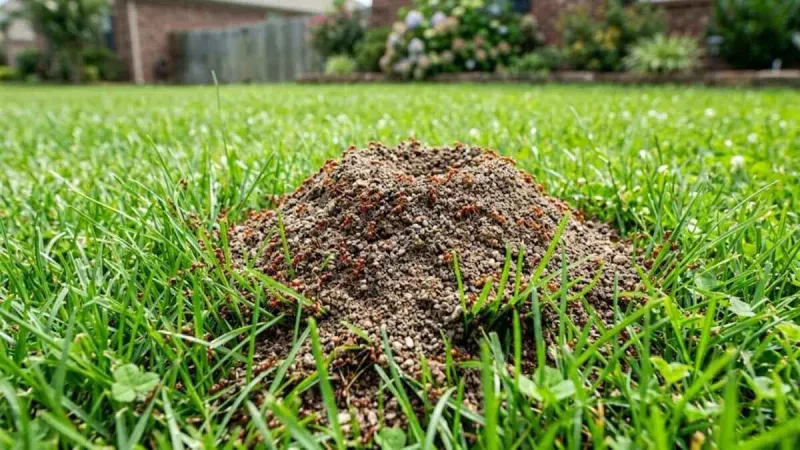
After a heavy summer downpour, it is common to walk outside and find mounds that were not there the day before. The natural conclusion is that a new colony moved in overnight.
More often, the explanation is simpler and less alarming: the colony was already there, underground, and the rain made it suddenly visible.
Heavy rainfall can saturate the underground chambers where fire ants keep their brood and queen. When that happens, workers move upward, repairing or rebuilding the mound closer to the surface to protect the colony.
Texas A&M IPM’s explanation of fire ant behavior after rain describes exactly this pattern: colonies that were present but inconspicuous become highly visible after storms as workers push fresh soil upward and reconnect foraging tunnels. The population did not necessarily surge; the mound just became easier to see.
The opposite is also true. Hot, dry stretches in a North Carolina summer can drive colonies deeper into the soil, where moisture and temperature are more stable.
A study in Environmental Entomology on temperature and season effects on fire ant foraging activity found that extreme heat reduces above-ground foraging, which also reduces mound visibility. Fewer visible mounds during a heat wave does not mean the colony is gone.
The practical takeaway here is to resist treating a post-storm mound as proof of a population explosion. NC State’s fire ants in turf resource reinforces the point that mound activity and colony size are not the same measurement.
Monitoring the area over the following days is useful and worthwhile. Acting on the assumption that every rain-triggered mound represents a new infestation can lead to unnecessary or misdirected treatment.
Confirm the ants before you treat the bed
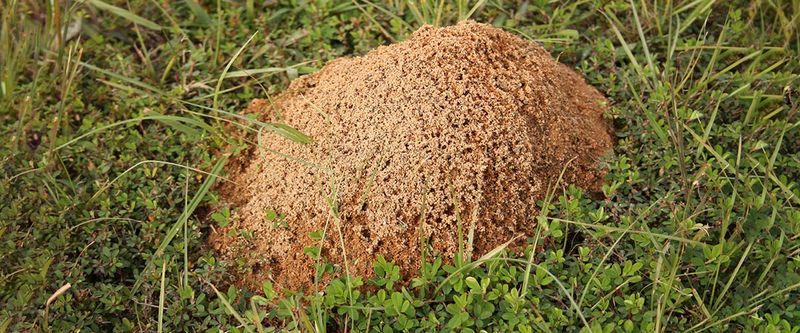
Knowing what to look for keeps you from treating the wrong pest or the wrong location. Red imported fire ant mounds are typically dome-shaped, made of loose or fluffy-looking soil, and have no visible opening at the top.
Workers enter and exit through underground side tunnels rather than a central hole, which is one of the features that sets these mounds apart from some other ant species. The Texas A&M fire ant identification guide describes workers as reddish-brown with darker abdomens and two small nodes between the thorax and abdomen, though worker size varies considerably within the same colony.
These physical clues are useful starting points, not a definitive test. Other ant species and soil-dwelling insects can produce mounds that look similar, and color alone is not a reliable identifier.
NC State’s red imported fire ant page recommends submitting a specimen or photograph to a North Carolina Cooperative Extension office when any doubt remains. That step costs nothing and prevents misidentification from leading to the wrong treatment.
Before doing anything else, stay calm and stay back. Do not kick, rake, dig into, flatten, or otherwise disturb the mound.
Disturbance triggers a rapid, defensive response from workers and can cause the colony to move the queen or establish satellite mounds in nearby locations. NC State Extension’s fire ants in turf guidance is direct on this point: disturbing a mound without a treatment plan in place often makes the situation harder to manage.
To check whether ants are actively foraging, place a small piece of greasy food such as a potato chip or a slice of hot dog near the mound, not on top of it. NC State IPM’s fire ant control guide explains that if workers recruit to the food within roughly five to ten minutes, the colony is actively foraging and bait will more likely be taken up.
A mound with little or no activity may still be occupied, especially during the hottest part of the day, so a morning or evening check gives a more accurate picture.
Read the bed for conditions beyond the mound

Once you have confirmed the mound, its location becomes a prompt for a focused inspection rather than a verdict on the whole bed. Start by noting where the mounds cluster.
Mounds that appear along sunny bed edges, raised-bed walls, sidewalks, driveways, tree bases, foundations, or recently disturbed soil are telling you something about why that specific spot is attractive, not about the garden as a whole.
Soil texture plays a measurable role in how mounds look and hold together. Research in the Journal of Insect Science on the thermal structure of fire ant mounds found that mound construction is closely tied to temperature regulation, with workers adjusting the mound’s shape and height to manage internal heat.
Clay soils, as noted by the Environmental Entomology mound characteristics study, often produce taller and more structurally stable mounds than sandy soils. A large or firm-looking mound does not mean the colony is unusually large or that the soil is unusually problematic; mound dimensions reflect soil texture, moisture, weather, and disturbance history as much as colony size.
The drainage question comes up often when mounds appear after rain, and it deserves a careful answer. A single mound or a rain-related increase in mound visibility is not evidence of a chronic drainage problem.
Improve drainage only when the bed independently shows signs such as persistent standing water after normal rain, slow water infiltration into the soil, sour or anaerobic-smelling soil, root decline in established plants, or repeated unexplained plant loss. NC State Extension’s community food gardening troubleshooting guidance separates drainage issues from pest presence, and the same logic applies here: do not install drainage infrastructure or radically alter a bed’s structure solely because a mound appeared.
A mound beside a heat-absorbing structure such as a driveway or foundation may reflect the warmth and shelter that spot provides, not a single diagnosable cause. Thinking about the location in terms of what it offers the colony, including warmth, access, soil workability, and shelter, gives you a more accurate picture than any single-factor explanation.
Location determines how urgent management becomes
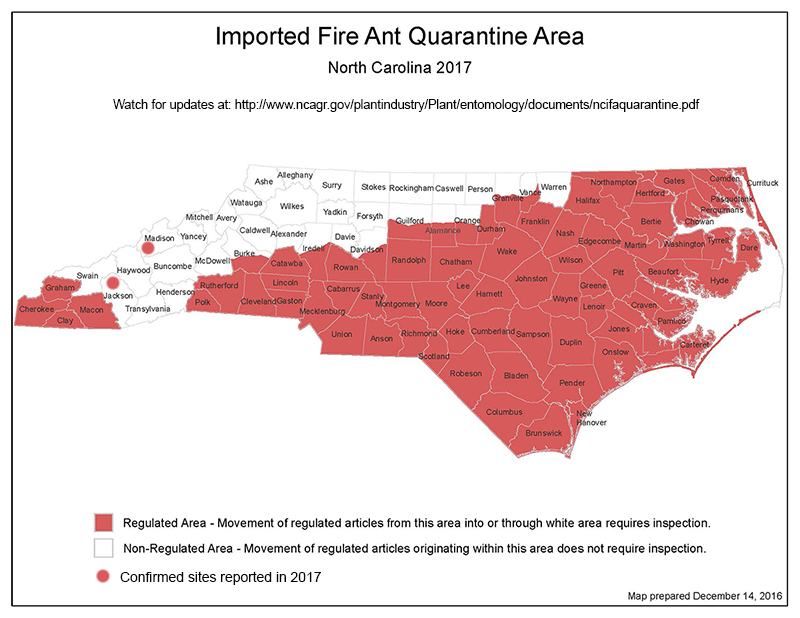
Mound size is not the most useful measure of urgency. A compact, low-profile mound can sit above a substantial underground colony, and a large mound in a remote corner of the yard is a different situation than a small one near a patio chair or a child’s play area.
The more useful questions are: who or what is near this mound, and how likely is contact?
Proximity to high-traffic areas, paths, seating, play equipment, vegetable beds, and anywhere children or pets spend time raises the practical urgency of a confirmed, active mound. Fire ant workers sting rather than bite, and they can sting repeatedly.
CDC guidance on protecting yourself from stinging insects recommends keeping people and pets away from known mounds and treated areas until the situation is resolved.
If ants get on the skin, brush them off promptly with a sweeping motion rather than crushing or squeezing them against the skin. Crushing can trigger additional stinging.
Wash the affected area with soap and water afterward. Poison Control’s guidance on ant stings notes that most reactions are localized: a burning sensation, a raised welt, and a white pustule that forms within a day or so.
Localized swelling, even if it is significant, is not automatically an emergency, though it may be worth a call to a medical provider depending on the extent.
Seek emergency medical care immediately for symptoms that go beyond the sting site: difficulty breathing, swelling of the lips, mouth, tongue, or throat, faintness, widespread hives or other systemic reactions, or chest symptoms. These are signs of a severe allergic response that requires urgent attention.
American Academy of Allergy, Asthma and Immunology practice parameters address insect sting allergy management in detail; anyone with a clinician-prescribed epinephrine plan should follow that plan and seek emergency care after using epinephrine, without waiting to see whether symptoms resolve on their own.
Choose targeted control for the number of mounds
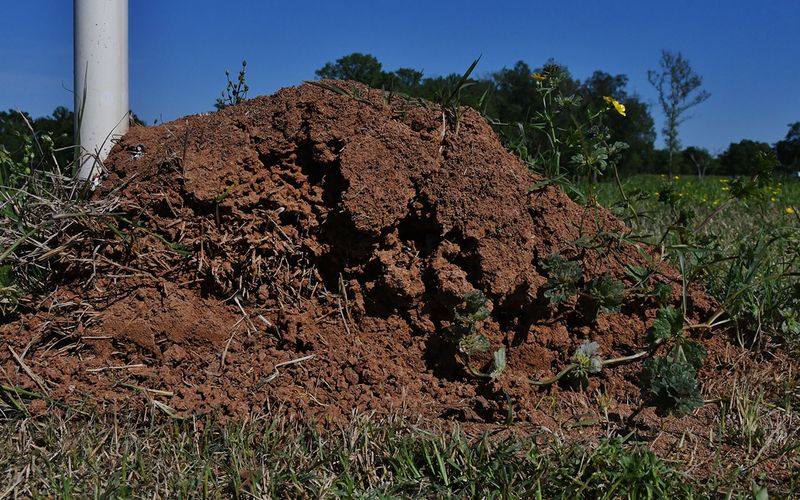
The number of confirmed, active mounds in your yard shapes which management approach makes the most sense. For one or a few mounds, an individual mound treatment is generally the most targeted option.
It concentrates the treatment where the problem is, limits the amount of insecticide applied across the rest of the landscape, and reduces the chance of exposing non-target insects, including native ant species, to unnecessary pesticide contact.
When mounds are numerous and spread across a larger area, a labeled broadcast bait application may be more practical and more efficient than treating each mound individually. The Texas A&M Imported Fire Ant Research and Management Project’s control methods page describes individual mound treatment as particularly suitable for small areas or situations with fewer than roughly 20 mounds per acre.
That figure is a practical guideline from extension research, not a hard threshold that applies universally, but it gives homeowners a reasonable reference point for deciding which approach fits their situation.
Baits and contact drenches work differently and should not be treated as interchangeable. Baits are slower because workers must carry the material back into the colony before it affects the queen and brood.
That slower action is actually part of what makes baits effective at the colony level. NC State Extension’s landscape fire ant management guide and NC State IPM’s controlling fire ants resource both recommend placing bait around the mound rather than on top of it, because foragers use underground side exits rather than a central opening.
Keep bait dry. Do not apply it to wet soil or grass, and check the product label for the window of time before expected rainfall.
Do not combine a contact drench and a bait on the same mound unless the product label and extension guidance specifically support that sequence. A fast-kill drench can kill the foragers that would otherwise carry bait into the colony, undermining the bait’s purpose.
NC State’s fire ants in turf guidance notes that drenches must be applied with the water volume specified on the label so the product can penetrate the mound adequately. Any approximate volume mentioned in extension resources applies only to specific relevant products; the label on the product you are using controls the application rate.
Edible crops make the label part of the decision
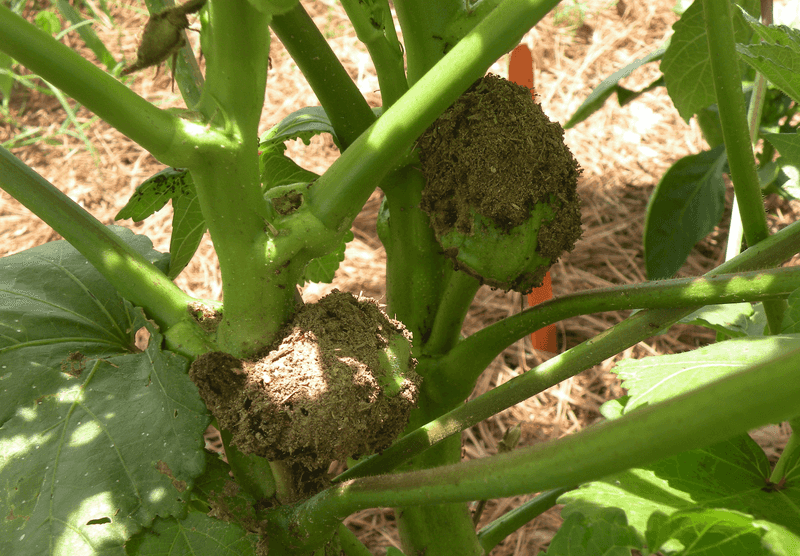
A garden bed with vegetables, herbs, or fruit-bearing plants requires a different level of label scrutiny than a lawn or ornamental border. Many products that are labeled and approved for use in turf or ornamental landscapes are not labeled for use in or around edible crops, and applying them in a vegetable bed can mean using a pesticide in a way that violates the label, which is also a violation of federal law.
The EPA’s Pesticide Product and Label System makes product labels searchable and publicly accessible, so you can verify the approved use sites before you buy or apply anything.
Before treating a mound near or inside a vegetable or herb bed, confirm that the specific product is labeled for that crop area. Then read and follow all preharvest interval instructions, reentry intervals, application rates, and irrigation requirements listed on that label.
NC State Extension’s Pender County fire ant treatment guidance and the NC State TurfFiles fire ant resource both emphasize that the use site printed on the label is not a suggestion; it determines where the product may legally and safely be applied.
Do not assume that products marketed as natural, organic, or botanical are automatically harmless in a food garden. Some botanical insecticides are toxic to pollinators, aquatic invertebrates, or soil organisms at label-compliant rates, and their organic certification does not change that.
Texas A&M’s fire ant control methods overview addresses the range of available options and notes that product selection must account for the specific site and any sensitive organisms nearby.
Individual mound treatment is generally less disruptive to the surrounding bed than a blanket broadcast treatment, because it limits the treated footprint. That advantage is real, but it does not make individual treatment automatically safe in a vegetable bed unless the product is labeled for that location.
Hot water is sometimes suggested as a chemical-free alternative, but NC State Extension notes that hot-water treatments often fail to reach the queen, can injure or kill nearby plant roots, harm beneficial soil organisms, and can cause burns to people applying them. Popular food or beverage remedies including grits, molasses, aspartame, and club soda have been evaluated by extension researchers and found to be ineffective.
Management works best as a monitoring plan
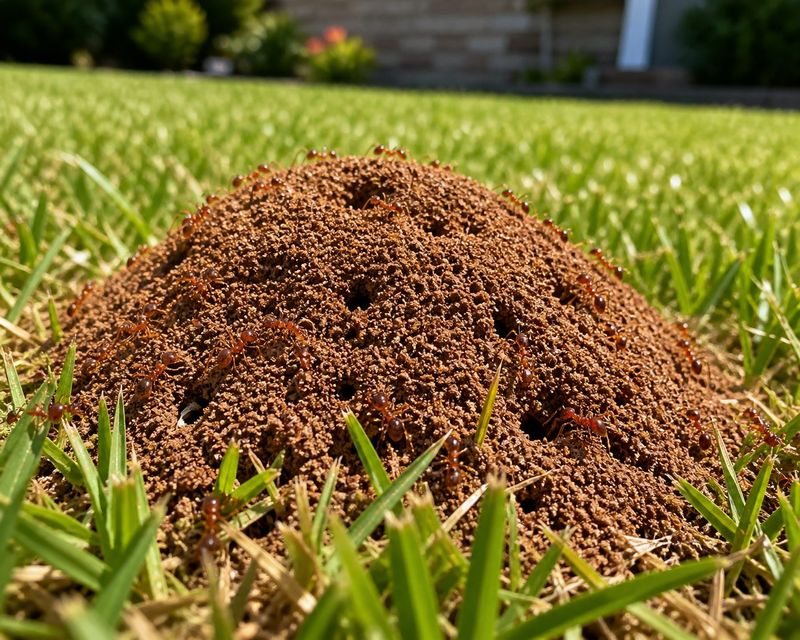
Treating a mound and walking away is rarely the whole job. NC State Extension’s fire ant management guide and the Texas A&M control methods resource both describe fire ant management as an ongoing process rather than a one-time fix.
After treatment, return to the area after several days and check for satellite mounds, which can appear near the original location even when the treatment reduced activity at the treated mound itself.
Reinfestation is a realistic outcome in most North Carolina yards. Nearby colonies can expand into the treated area, and newly mated queens can land and establish new colonies during the warm months.
NC State’s fire ants in turf resource is straightforward on this point: permanent eradication from a home landscape is not a practical expectation. The goal is population reduction and protection of the areas where people and pets spend time.
A repeatable routine keeps the situation manageable without requiring excessive pesticide use. Confirm the insect before treating.
Inspect the bed for independent drainage or disturbance problems that are worth addressing on their own terms. Select the least broad labeled option that fits the number of mounds and the proximity to edible crops, children, pets, and wildlife.
Keep people and pets out of treated areas according to the label’s reentry instructions. Check back after a few days and repeat targeted treatment if new activity appears.
Recurring confirmed fire ant mounds are worth taking seriously as a habitat signal, and they are worth addressing with the right tools in the right order. The mound points to a spot the colony finds useful; identification, label-compliant treatment, and follow-up are what actually address the colony itself.