
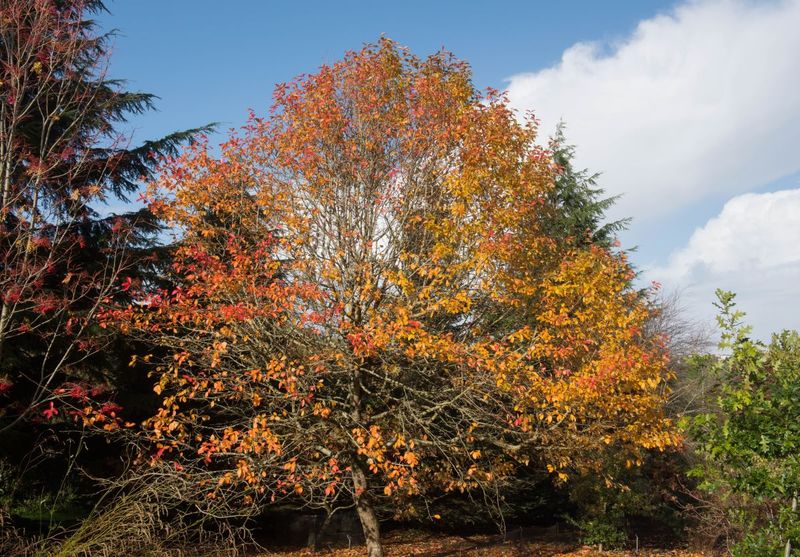
Black gum, also called black tupelo, is a North Carolina native tree that quietly supports wildlife from spring through fall while flashier ornamentals grab all the attention. Its spring flowers draw bees and other insects, its late-summer fruit feeds birds and small mammals, and its fall foliage turns heads with vivid color.
For homeowners with enough open space, this tree can serve as a genuine wildlife anchor in the landscape. Understanding exactly what it offers, and when, helps you use it where it will do the most good.
An often-overlooked native tree with a broader wildlife role
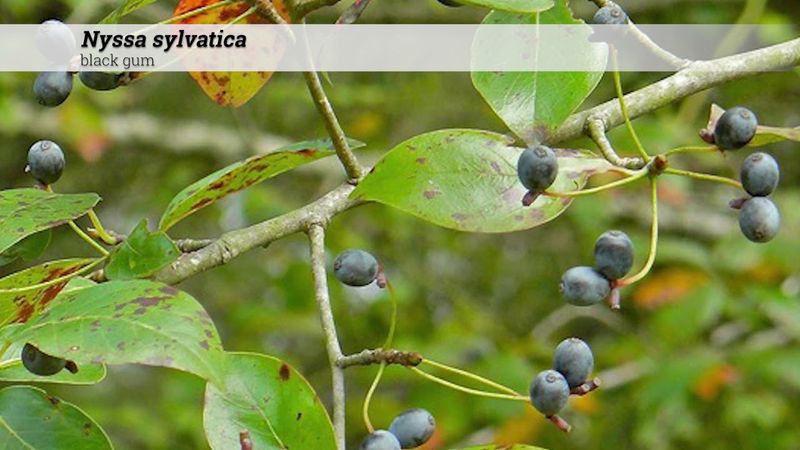
Black gum, or black tupelo (Nyssa sylvatica), grows throughout North Carolina from the Blue Ridge Mountains to the Coastal Plain, making it one of the most widely adapted native trees in the state. Yet many homeowners walk right past it at the nursery in favor of ornamentals with bigger blooms or faster growth.
Calling it overlooked is an editorial observation, not a measured survey finding, but the tree’s combination of wildlife benefits genuinely justifies a closer look.
The key to appreciating black gum is understanding that it supports different wildlife groups at different times of year. NC State Extension’s plant profile describes spring flowers that attract bees and other insects, followed by bluish-black fruit that ripens in late summer and fall for birds and small mammals.
That is seasonal wildlife support across multiple stages, not a single continuous stream of pollinator nectar from spring through fall.
The North Carolina Forest Service also identifies black gum as pollinator-friendly and highlights its fruit value for a range of bird species. Together, these two distinct benefits, spring nectar and fall fruit, make black gum a strong landscape anchor for homeowners whose space and soil fit the species.
Presenting it as a strong option is accurate; calling it the objectively best native tree for every yard would not be.
Spring flowers provide a focused nectar window
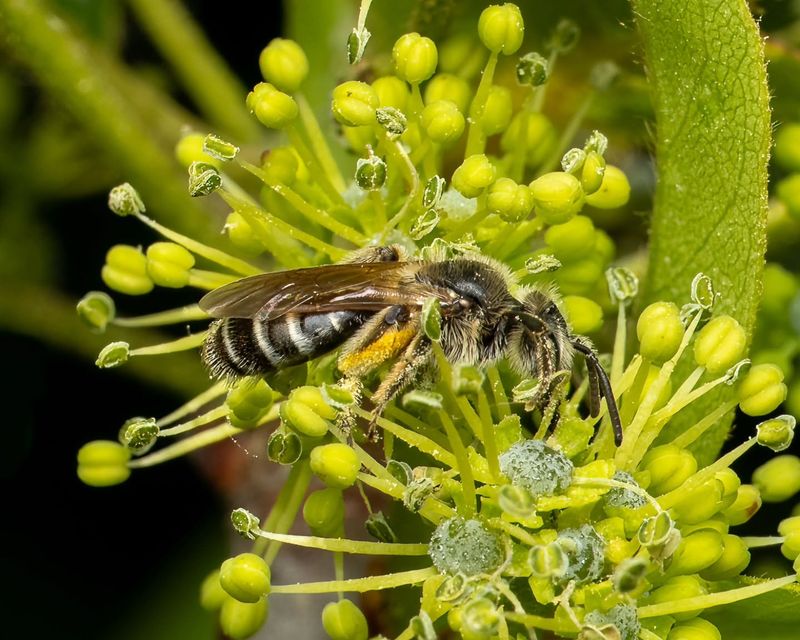
Black gum’s flowers are easy to miss. They emerge as small, greenish-yellow clusters in spring, generally from May through June in North Carolina, without the showy petals that draw attention to dogwoods or redbuds.
What they lack in visual drama, they make up for in practical value: bees actively seek out the nectar, and the NC Forest Service lists black gum as a nectar source for both bees and butterflies during this spring window.
Beekeepers in the Southeast have long valued black gum as a reliable forage tree, and its inconspicuous flowers can be visited by multiple bee species while the tree blends quietly into the background. The USDA Forest Service species review for Nyssa confirms the tree’s insect-pollinated flowers and their role in supporting early-season foragers.
That early forage matters, especially in landscapes where spring bloom options are limited.
What this flowering period does not do is extend nectar availability into summer or fall. Once the bloom passes, black gum transitions to a different kind of wildlife role.
Homeowners who want to support pollinators across the full warm season will need to pair the tree with native flowering plants that bloom during those later months, a point covered in more detail in the planting strategy section below.
Late-summer fruit supports birds and small mammals
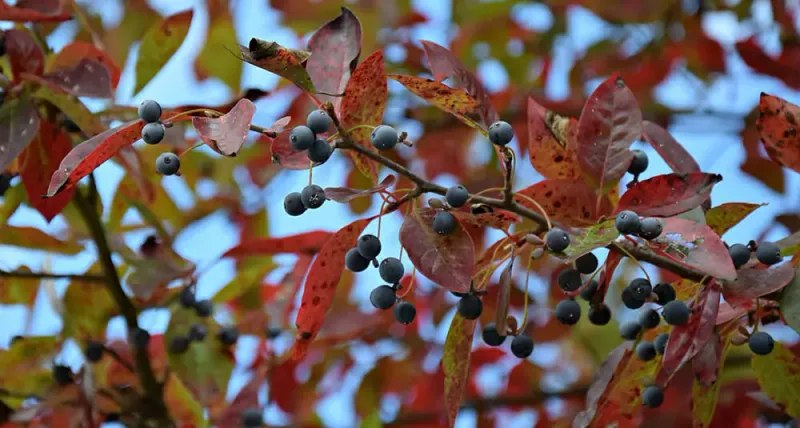
When the flowers fade, female black gum trees shift into a different kind of productivity. Bluish-black drupes, small olive-shaped fruits, ripen from late summer into fall, with availability generally running from approximately August through October according to NC State Extension’s guidance on managing urban habitats for birds.
That timing lines up with fall migration, when many birds are actively building energy reserves for long-distance travel.
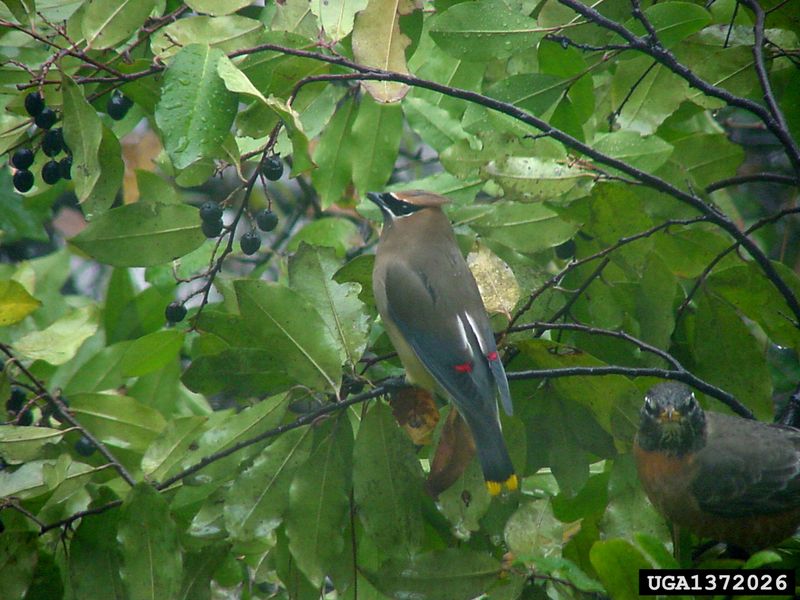
The NC Forest Service documents an impressive list of bird species that eat black gum fruit, including robins, thrushes, cardinals, mockingbirds, blue jays, woodpeckers, and bluebirds. Small mammals also make use of the fruit.
No specific visitors are guaranteed in any given yard, but a fruiting female tree in the right setting can draw noticeable bird activity through the fall months.
Fruit production is not guaranteed on every tree. Black gum is functionally dioecious, meaning male and female flowers typically appear on separate trees.
A female tree generally needs a compatible pollen source nearby to set abundant fruit, though some individual trees carry a mixture of flower types and may fruit with less predictable consistency. When shopping for a black gum specifically for bird value, ask the nursery about fruiting potential and check whether a pollen source is already present in the area.
The NC State plant profile for black gum notes this dioecious characteristic and the variation it introduces into fruit set.
Vivid fall color adds landscape value
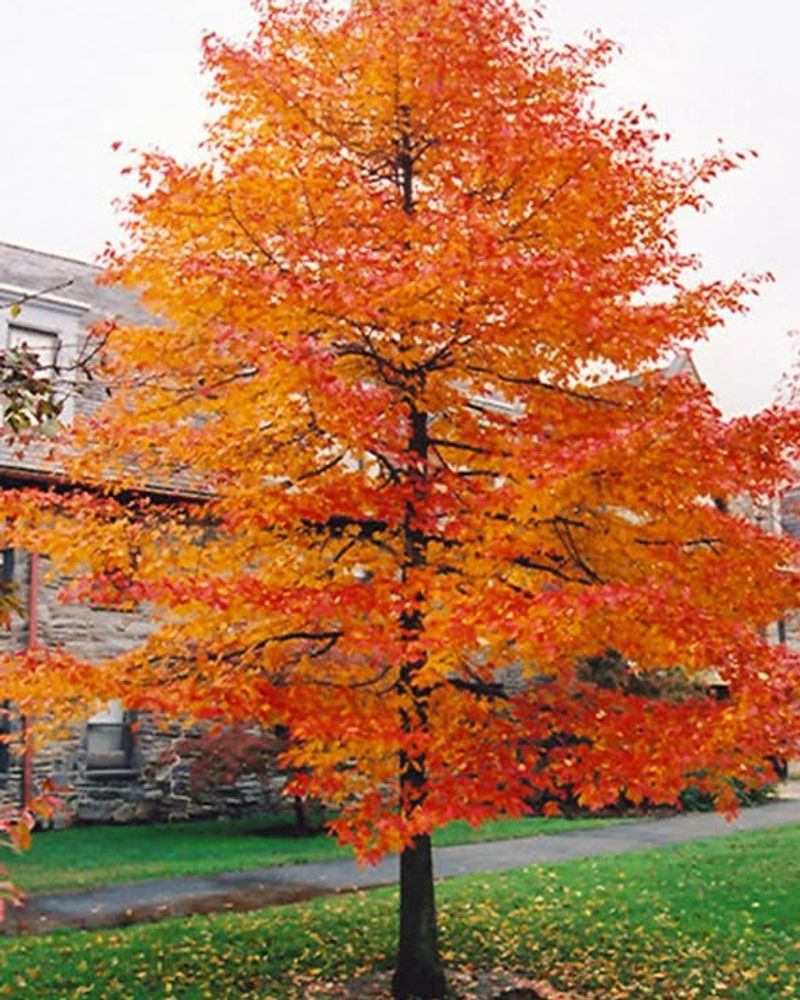
Beyond its wildlife contributions, black gum earns its place in a designed landscape through sheer visual impact in autumn. The foliage is glossy and deep green through summer, which gives it a clean, polished look even before the season turns.
Then, typically ahead of many other native trees, it shifts into fall color that can range from bright yellow and orange to scarlet and deep purple, sometimes all on the same tree.
Exact color varies by individual tree, growing conditions, and the timing of temperature shifts, so a specific hue cannot be promised. What the NC State Extension plant profile does confirm is that black gum is valued ornamentally for this vivid fall display, making it a legitimate landscape choice even for homeowners who weight appearance alongside wildlife function.
The tree tends to color up earlier than many other hardwoods, which can extend the visual interest of a fall yard.
That combination of glossy summer foliage and reliable fall color makes black gum useful at a woodland edge, along a naturalized meadow border, or as a specimen in a large lawn where the full canopy can be appreciated from multiple angles. Its ornamental appeal does not imply superior performance over other native trees with equally strong fall color, but it does mean black gum does not ask you to sacrifice aesthetics for wildlife value.
Choose a site that can hold a full-size tree
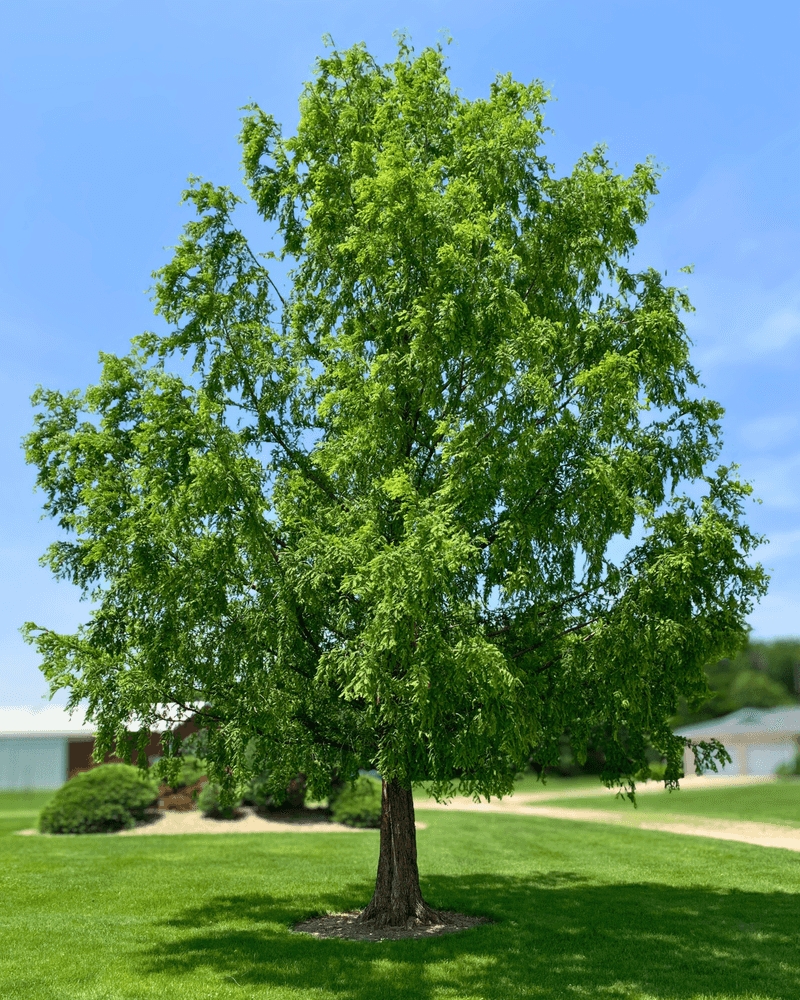
Black gum is not a compact ornamental, and site selection deserves careful thought before you dig. NC State Extension gives a mature height range of roughly 40 to 70 feet, while the NC Forest Service lists 60 to 80 feet at maturity and recommends at least 40 feet of open space for a planted black gum.
Both sources agree this is a substantial tree that needs room to develop without conflict.
Cramped foundation beds, tight patio corners, and locations directly under utility lines are poor choices. A large open lawn, a woodland edge, a rain-garden margin, or a naturalized area gives the tree room to reach its eventual canopy spread without creating future problems for structures, pavement, or power lines.
The slow growth rate means you have time to plan, but planting in the wrong spot creates complications that only compound over decades.
Full sun is the preferred light condition, though black gum tolerates partial shade, particularly at woodland edges. It favors moist, acidic soil, which is common across much of North Carolina’s Piedmont and Coastal Plain.
The species also shows a useful tolerance for variable moisture: it can handle occasional flooding, some drought stress, and sites with imperfect drainage. That range of tolerance does not mean a permanently waterlogged location is appropriate without evaluating whether the specific drainage pattern and soil conditions suit the tree.
When in doubt about a low or wet site, check with a local cooperative extension office or certified arborist before planting.
Establish it correctly from the start
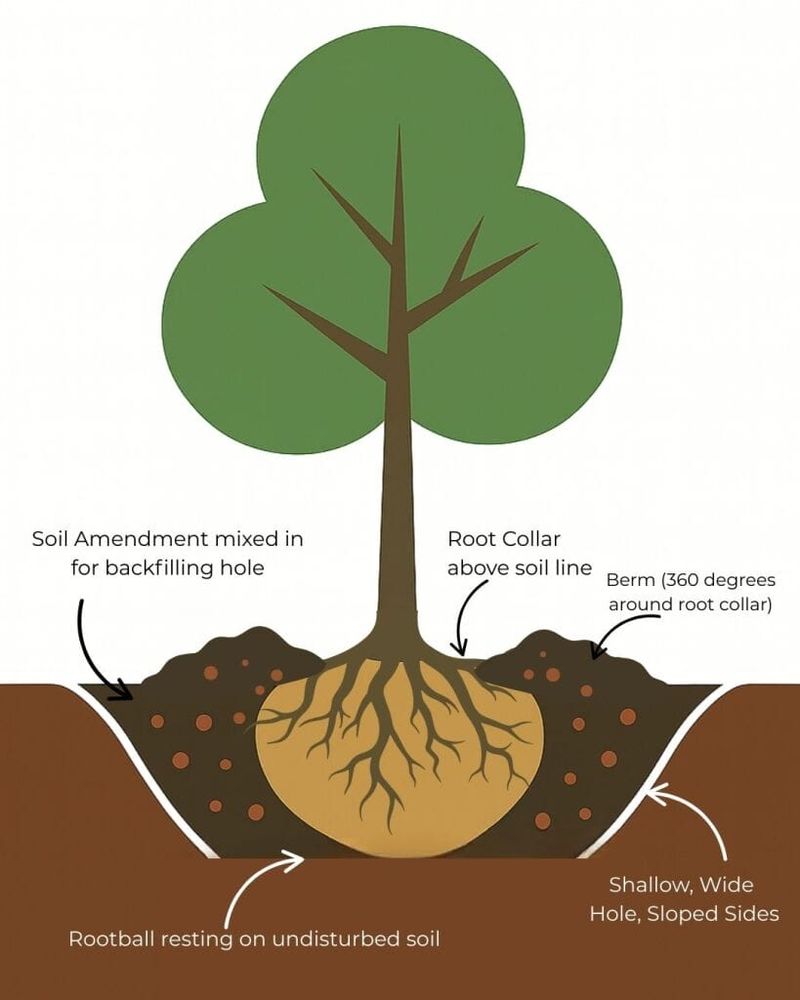
Getting a slow-growing tree off to a strong start matters more than most homeowners realize, because early mistakes can limit the tree’s health for decades. Before amending the soil, test it.
North Carolina’s soils vary considerably across regions, and adding lime or sulfur without knowing the baseline pH can create more problems than it solves. The NC State Extension native plants handbook recommends testing before making amendments, and local extension offices can process soil samples at low cost.
Plant at the correct depth with the root flare, the point where the trunk widens into the root system, visible at or just above the soil surface. Burying the flare encourages trunk decay and long-term decline.
Use the native soil from the planting hole as backfill rather than filling the hole with heavily amended mix; research on tree planting technique supports using native backfill so roots are encouraged to extend outward into the surrounding soil rather than staying confined to an amended pocket.
Watering during establishment is where many trees are lost. Black gum is slow-growing, and its root system takes time to extend beyond the original root ball.
The NC State Woody Ornamentals handbook advises watering newly installed trees several times per week when rainfall is inadequate, then transitioning to deeper, less frequent irrigation as roots establish. Light daily watering keeps the surface moist but does not encourage roots to grow down into the soil profile where they need to be.
Apply approximately 2 to 3 inches of organic mulch over the root zone in a wide ring. Keep the mulch at least 6 inches back from the trunk to avoid the decay and pest problems that come with mulch piled against bark.
Avoid the common mistake of building a mulch volcano around the base. These practices support healthy establishment and reduce the long-term intervention the tree needs, though they do not eliminate all maintenance requirements.
Build a full pollinator season around the tree
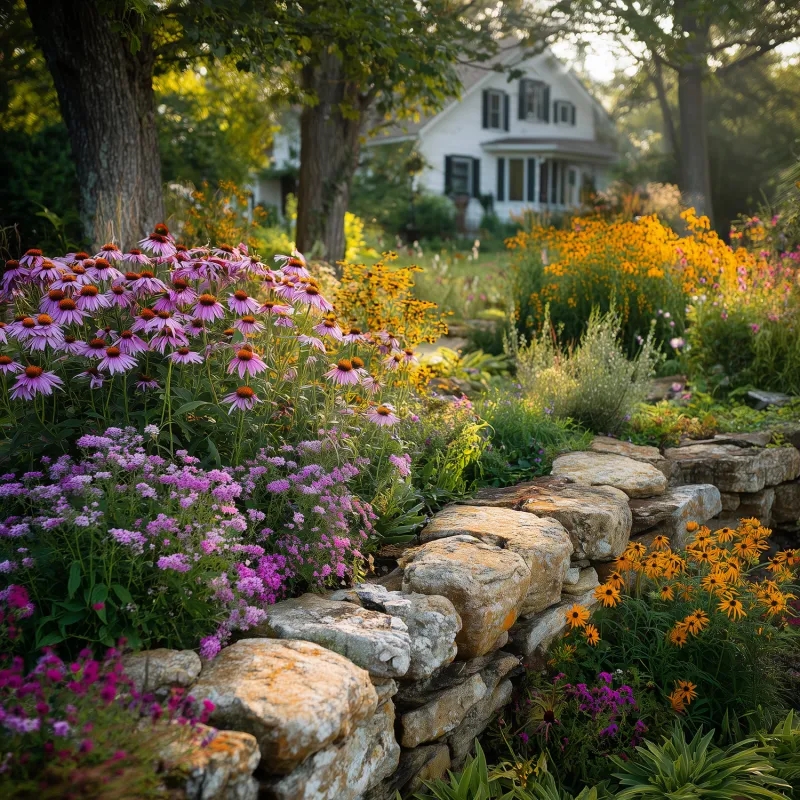
Spring nectar from black gum is genuinely useful, but one tree cannot carry pollinators through an entire season on its own. NC State Extension’s native plants guidance recommends selecting at least three native species with overlapping bloom periods in each season, spring, summer, and fall, to provide dependable forage across the full warm season.
Black gum fits neatly into that framework as the structural anchor that handles spring nectar and later bird food, while surrounding plantings carry the summer and fall nectar load.
For spring companions, consider native serviceberry or wild blue indigo, both of which extend early-season bloom. Summer gaps can be filled with plants like native bee balm, purple coneflower, or mountain mint, all of which are productive NC-native nectar sources that overlap with the period after black gum flowers have finished.
For fall, goldenrod and native asters are among the most valuable late-season nectar plants in the region, and the Xerces Society’s planting guidance for climate resiliency emphasizes fall-blooming natives as especially critical for monarchs, native bees, and other pollinators building reserves before winter.
The goal is a layered planting where black gum anchors the structure and provides canopy-level habitat while the surrounding native plants keep nectar available through the months when the tree itself is not flowering. Framing black gum as the centerpiece of a complete pollinator garden overstates its role; framing it as the backbone of a thoughtfully assembled native planting is accurate and achievable for most North Carolina homeowners with adequate space.
Decide whether black gum fits your property
Black gum is a strong choice for North Carolina homeowners who have adequate open space and want a native tree that contributes spring insect forage, potential late-season bird fruit, and vivid fall color. Once successfully established, it tends to require less routine intervention than many ornamentals, though appropriate care during the establishment years is what makes that outcome possible.
If your property has a large lawn, a woodland edge, or a naturalized area with moist, acidic soil, this tree is worth serious consideration.
Reconsider if your available space is limited, if utility lines run overhead, or if you specifically need a compact tree that fits a smaller planting zone. For those situations, downy serviceberry (Amelanchier arborea) is a potentially more space-appropriate NC native alternative because of its smaller mature size.
Serviceberry also offers early spring nectar, summer fruit for birds, and fall color, though the right choice between the two still depends on your specific site conditions and landscape goals rather than on any universal ranking.
The NC State native plants handbook reinforces that matching the plant to the site is what determines long-term success. Black gum is a wildlife-supporting anchor with real seasonal value, but it works best as part of a broader native planting strategy rather than as a standalone solution.
Plant it where it can grow to scale, pair it with native flowering plants that cover summer and fall bloom, and it will quietly earn its place in the landscape for generations.