
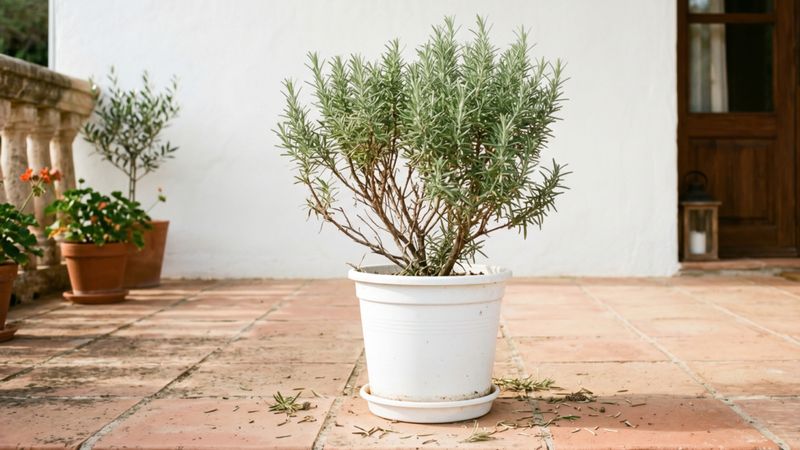
Plenty of gardening tips promise that one plant will solve your pest problems, but the real story is more useful than that. Rosemary is a genuinely excellent choice for a Central Texas porch container because it thrives in heat, handles dry spells, and looks good all year.
What it cannot do is stand guard against cockroaches and rats on your behalf. Pair it with the right prevention habits, and your entryway gets both a better-looking pot and a real line of defense.
Rosemary earns a place on the porch, but not as a pest barrier
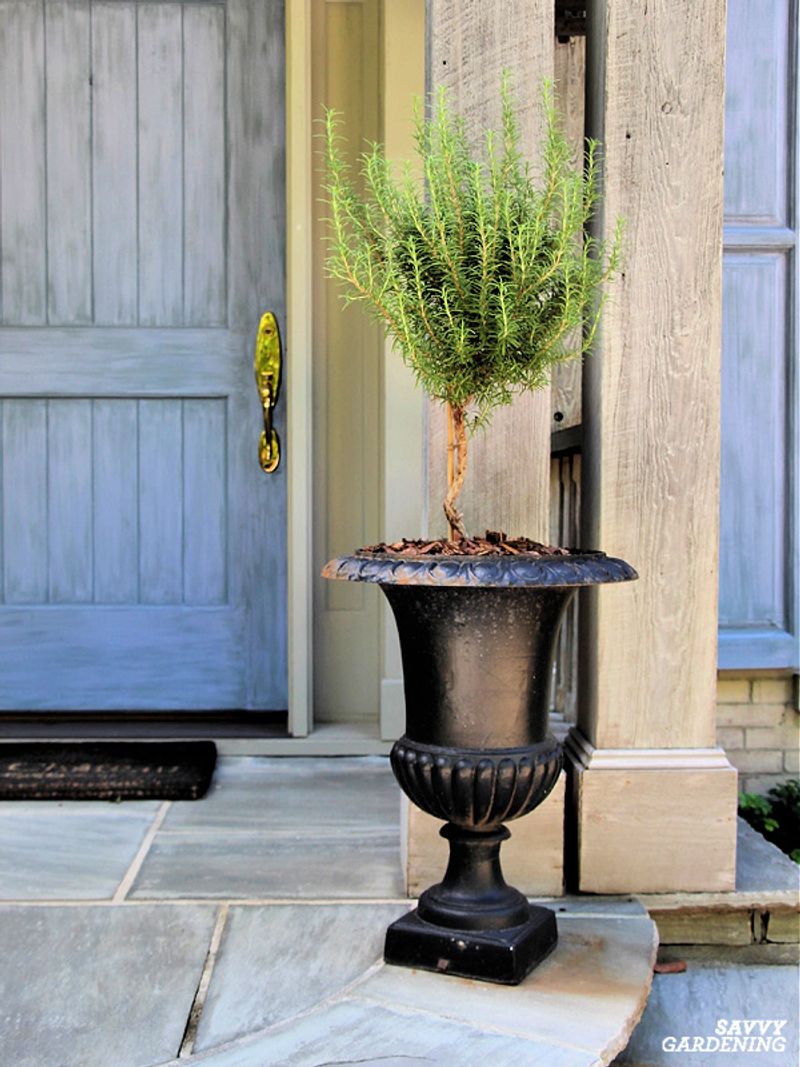
Rosemary deserves a spot on a Central Texas porch for reasons that have nothing to do with pest control. Texas A&M AgriLife’s herb-growing guide identifies rosemary as relatively easy to grow and well suited to containers, which matters a lot when you are working with a concrete slab and a few square feet of porch space.
It handles the kind of dry, full-sun conditions that would stress out most decorative plants, and it stays evergreen through most Central Texas winters.
Beyond its toughness, rosemary pulls double duty in a way few ornamentals can. Snip a few sprigs for roasted chicken or potatoes, and the same plant that greets visitors at your door earns its keep in the kitchen.
UF/IFAS describes rosemary as drought-tolerant, evergreen, and genuinely comfortable in container culture, confirming that its strengths are horticultural, not chemical.
Here is where the popular claim falls apart: none of those practical advantages translate into proven pest-repellent activity from a living plant. A rosemary pot can sit beside your door for years and still not create any kind of chemical shield against cockroaches or rats.
The research that gets cited in repellent-plant articles almost always involves concentrated essential oils tested in controlled laboratory settings, not a container herb growing outdoors in Austin or San Antonio.
That distinction matters because it changes what you should actually do. Rosemary is worth growing for its looks, its culinary value, and its low-maintenance personality in Texas heat.
The pest-prevention side of this equation depends on different tools entirely, and the rest of this article covers both: how to grow rosemary well in a container, and what genuinely reduces cockroach and rat access near your front door.
The research tested essential oils, not a rosemary pot beside the door
A lot of the “repellent plant” conversation traces back to real science, but the science says something narrower than the headlines suggest. A 2002 PubMed study on catnip essential-oil components found that specific compounds repelled adult male German cockroaches in a controlled choice test.
That is a meaningful finding, but the test used defined concentrations of extracted oil, not a living plant sitting on a porch in the open air.
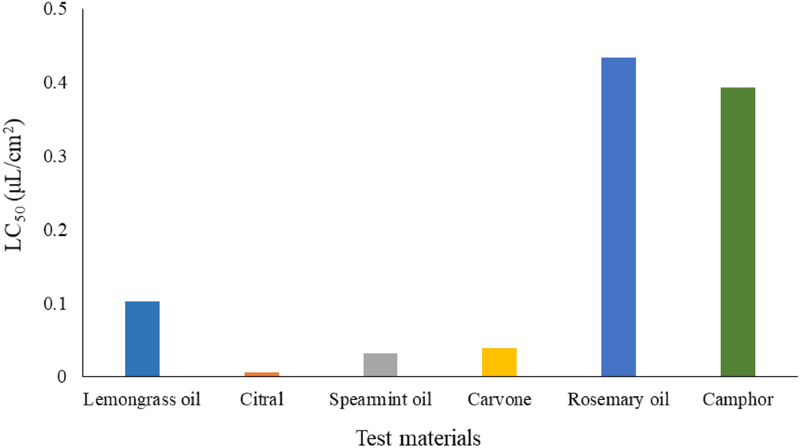
Rosemary shows up in similar research. A separate laboratory study evaluated rosemary essential oil against brown-banded cockroaches, a different species from the German cockroach tested in the catnip work.
The two studies used different oils, different cockroach species, and different testing setups. That brown-banded cockroach study reported activity from the oil in a controlled assay, but the conditions inside a laboratory chamber and the conditions on a warm Texas porch are not the same environment.
A third study examining essential oils against additional cockroach species reinforces the same point: each test is specific to the concentration used, the species tested, the duration of exposure, and the physical setup of the experiment.
An ordinary potted plant releases volatile compounds at a fraction of the concentration found in a prepared essential oil. The leaf surface of a rosemary plant growing in a container is not a diffuser, and the open air of a porch disperses whatever volatile material the plant does release almost immediately.
There is no study located that demonstrates a living rosemary plant placed beside a door creates a chemical boundary that cockroaches will not cross.
A useful standard for evaluating future repellent-plant claims: ask whether the study tested the actual plant or an extracted oil, which cockroach species was used, what concentration was applied, and whether the test took place in a real outdoor setting. If the answer to most of those questions points toward a concentrated oil in an enclosed chamber, the finding does not tell you what a potted herb will accomplish on your front step.
Rats need exclusion and sanitation, not an aromatic plant
Rats operate on a different logic than the repellent-plant conversation usually acknowledges. UC IPM’s rat management guidance states plainly that odor and taste repellents may produce only brief aversion and that no repellent has been found to solve a rat problem for more than a very short time.
That finding covers scented sachets, ultrasonic gadgets, and plant-based odor strategies alike.
Rats are motivated by food, water, and shelter. A Norway rat or roof rat that has found a reliable meal near your porch, whether that is a bag of dog food, a fallen pecan, or an unsecured trash bin, is not going to be deterred by the smell of rosemary growing two feet away.
The plant is simply not a stronger signal than the food source. When the two compete, food wins every time.
What actually determines whether rats use the area near your door is whether you have removed the conditions that make it worth their while. Sanitation, rodent-proofing, and population control are the three pillars that UC IPM identifies as effective.
Sanitation means eliminating accessible food and water. Rodent-proofing means sealing the structural openings rats use to move between the outside and inside of a building.
Population control means using appropriate traps or professional help when signs of activity persist.
Rosemary can absolutely share space with those prevention efforts. A well-kept pot beside a clean, sealed entryway is a fine arrangement.
The problem arises when the plant gets treated as a substitute for the structural and sanitation work, because that substitution leaves the actual attractants and entry points in place. Put the plant where it looks good, then focus your pest-prevention energy on the steps that rats actually respond to.
Grow rosemary for Central Texas porch conditions
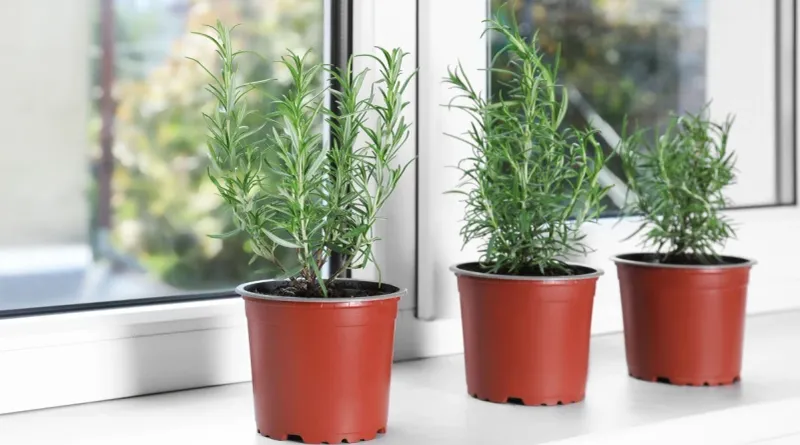
Getting rosemary to thrive on a Central Texas porch comes down to three non-negotiable conditions: full sun, sharp drainage, and restrained watering. UF/IFAS notes that rosemary prefers dry conditions and performs well in containers as long as the roots are not kept constantly wet.
Choose a pot with at least one large drainage hole, use a mix that drains quickly, and let the top inch or two of soil dry out between waterings.
Container selection matters more than many gardeners expect. A heavy terracotta pot breathes well and helps prevent the soggy-root conditions that kill more rosemary plants in Texas than the heat ever does.
Texas A&M AgriLife’s herb guide lists several container-suited varieties, so check the tag or ask your local nursery for a type that stays compact enough for porch-scale containers. A plant that outgrows its pot quickly will need repotting before it declines, which adds maintenance you may not want.
Freeze protection is a real concern that surprises some newer Texas gardeners. Container roots sit above ground level and have no surrounding soil to buffer them from a hard freeze.
Texas A&M’s freeze-protection guidance recommends moving container plants to a protected location or garage when a killing freeze is forecast. The 2021 freeze event reminded Central Texas homeowners that these events, though infrequent, can be severe enough to kill even cold-tolerant herbs when their roots are exposed in an unprotected pot.
One practical placement note: keep the pot positioned where you can see the base of the door and the surrounding wall clearly. A large, bushy plant pushed tight against the door frame can hide gaps, clutter, or moisture that create harborage for pests.
Give rosemary room to look its best and leave the entry zone open enough to inspect and maintain without moving the pot every time.
Seal and maintain the entry zone to reduce cockroach access

Cockroaches are opportunists, and the front porch of a Texas home offers them exactly what they look for: warmth, moisture, shelter, and a path inside. The measures with the strongest practical support start with physical barriers.
Inspect the bottom of your door for gaps wider than a credit card and install a door sweep if one is missing or worn. Check where utility pipes, cables, or hoses enter the exterior wall and seal any opening around them with appropriate caulk or expanding foam.
Indiana’s integrated pest management guidance emphasizes that exclusion and sanitation together form the foundation of cockroach control, far ahead of any chemical or plant-based approach. Illinois Department of Public Health’s cockroach prevention resource adds that removing food, water, and clutter near the structure is essential because cockroaches can survive on very small amounts of organic material.
A forgotten bag of potting soil, a damp saucer under a plant pot, or a pile of cardboard near the door can all provide what cockroaches need to stay comfortable.
Warm climates accelerate the problem. Cockroaches can enter buildings from exterior areas year-round in Central Texas, which means the porch is not just a summer concern.
An integrated pest management program guide reinforces that monitoring activity after making changes is as important as the changes themselves. Set a sticky trap near the door for a week after sealing and cleaning to confirm whether activity has dropped or whether additional work is needed.
Keep the porch surface clean and dry. Sweep away leaf litter, dead insects, and organic debris regularly, because these materials attract cockroaches and provide cover.
Fix any leaking hose bibs or irrigation heads near the entry, since moisture is a primary draw. A tidy, well-sealed porch entrance gives cockroaches fewer reasons to investigate, regardless of what is growing in the pot beside the door.
Remove the food and shelter that keep rats near the door
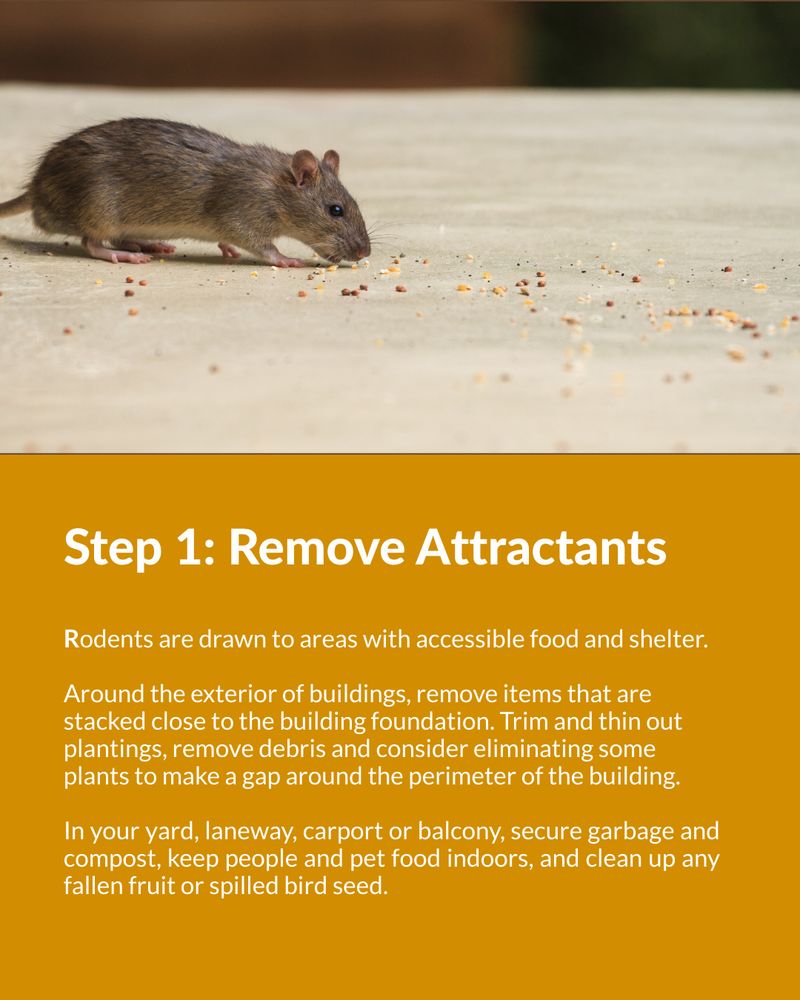
Rats follow resources, and the area around a front door can offer more of those resources than most homeowners realize. Fallen fruit from a nearby tree, a bag of birdseed stored on the porch, a pet water bowl left out overnight, and an unsecured trash bin are each enough to draw rats into the entry zone regularly.
Removing those attractants is the first and most consequential step, because UC IPM’s rat management guidance is clear that no repellent provides the lasting control that sanitation and exclusion do.
Structural sealing comes next. Rats can squeeze through openings roughly the size of a quarter, so gaps that look minor to a homeowner are functional entry points for rodents.
Check where the door frame meets the wall, where pipes or conduit enter the structure, and where the threshold meets the floor. Use hardware cloth, metal mesh, or appropriate sealants rated for rodent exclusion rather than foam alone, since rats can chew through soft materials.
Dense ground cover, stacked firewood, and piled debris near the entry give rats sheltered resting and nesting spots close to the door. Clearing harborage from the immediate entry zone, keeping shrubs trimmed back from the structure, and storing firewood away from the house wall all reduce the appeal of the area.
These are not dramatic changes, but they remove the conditions that allow rats to get comfortable and stay.
When signs of activity persist after sanitation and exclusion work, appropriate snap traps placed along walls and in sheltered runways are a proven next step. If trapping does not resolve the problem within a reasonable period or if the infestation is large, a licensed pest management professional can assess the situation and recommend targeted population control.
A rosemary pot is a pleasant addition to a well-maintained entry; it is not a substitute for any of these steps.
Make the porch part of an integrated pest-management plan

Integrated pest management gives you a repeatable process instead of a one-time fix. CDC’s IPM overview frames the sequence clearly: identify the pest, remove food, water, and shelter, block access, monitor results, and use targeted controls only when monitoring shows they are needed.
Applied to a front porch, that means knowing whether you are dealing with American cockroaches coming in from outside, German cockroaches already established indoors, roof rats in the eaves, or Norway rats at ground level, because each pest points toward different corrective actions.
EPA’s IPM introduction emphasizes that the goal is long-term prevention through a combination of techniques rather than a single product or single intervention. Essential oils, scented sachets, ultrasonic devices, and homemade spray mixtures do not fit that framework, because none of them address the structural and sanitation conditions that allow pests to access and use the area in the first place.
NIEHS guidance on natural pesticide alternatives notes that “natural” does not automatically mean safe or effective, and any pesticide product, plant-derived or otherwise, should be used only according to its approved label around doors, pets, children, and food areas.
The corrected takeaway for a Central Texas homeowner is straightforward. Grow rosemary in a container on your porch because it handles the heat, looks attractive through most of the year, thrives without much water, and gives you something useful to harvest.
Handle cockroach and rat prevention through inspection, sealing, sanitation, monitoring, and targeted control when evidence of activity calls for it.
A porch that is clean, well-sealed, and free of accessible food is a harder place for pests to use, with or without an herb in a pot. The rosemary just makes it a better-looking one.