
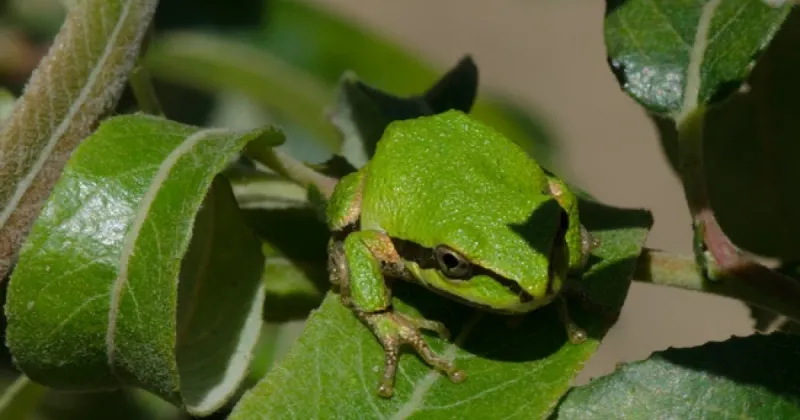
Step outside on a warm California evening and you might spot a small, sticky-toed frog clinging to your garden wall or peering out from under a shrub. Many homeowners assume something must be wrong, or wonderfully right, when these little visitors seem to arrive out of nowhere.
Tree frogs showing up in your yard this summer is worth paying attention to, but the story behind their appearance is more nuanced than a simple good sign or bad sign. Understanding what actually drew them in helps you respond in ways that benefit both your garden and the wildlife sharing it.
A sudden frog sighting points to opportunity, not a diagnosis
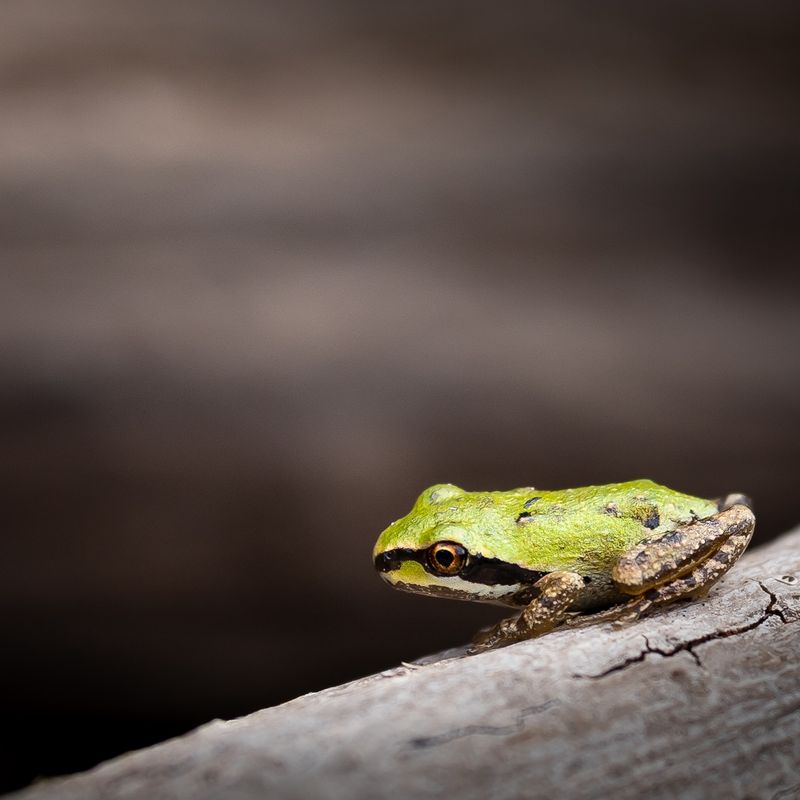
Spotting a treefrog on your garden wall after a summer watering session is not a signal that your yard has a pest crisis brewing underneath the surface. What it most likely means is that your yard briefly offered something useful: a patch of moist soil, a shaded crevice, a shrub dense enough to hide in, and enough crawling or flying insects to make a stop worthwhile.
Frogs are practical animals, and they go where conditions work for them.
Several things can make frogs seem to appear all at once. Recent irrigation or a late rain can cool the soil and create moist hiding spots that were not there the day before.
Seasonal dispersal plays a role too: young frogs that recently completed metamorphosis at a nearby pond, creek, or even a neighbor’s water feature may be spreading out across the neighborhood, and your yard happens to be in their path. Artificial lighting is another factor that often goes unnoticed.
Porch lights and garden fixtures attract moths, beetles, and other flying insects, which in turn attract the frogs that eat them.
As the National Park Service’s profile of California treefrogs notes, these animals use urban areas, low vegetation, shrubs, grass, debris, crevices, and human structures, especially when conditions are wet or when they need protection from heat and dryness. That description fits most California suburban yards on a summer evening.
Frogs do eat insects, spiders, centipedes, and other invertebrates, so their presence can contribute to natural pest suppression. What it cannot do is prove that your garden has an unusually large pest problem or that the frogs arrived specifically because of insects.
According to UC IPM’s seasonal landscape guidance, frogs are best understood as one beneficial predator within a broader garden ecosystem, not a reliable substitute for identifying pests, monitoring plant damage, and using targeted controls when needed.
Not every California frog belongs in the same category
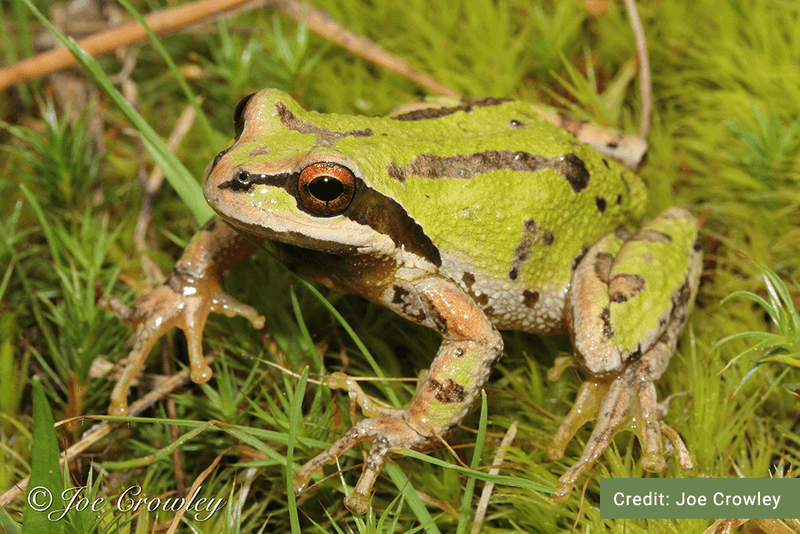
California has more than one kind of small frog that might turn up in a suburban yard, and assuming they are all the same species, all native, or all equally welcome leads to bad decisions. Getting a rough sense of which frog you are looking at matters before you decide whether to encourage it.
The Pacific treefrog, also called the Pacific chorus frog, is the most widespread small frog across California and shows up in a wide range of habitats including urban gardens. Coastal Southern California also has the California treefrog and the Baja California treefrog as regional possibilities.
According to californiaherps.com’s Southern California identification guide, these species are not interchangeable labels, and their ranges, markings, and distinguishing features differ enough that location matters when you are trying to name what you are seeing. A photo alone, without considering where you live and what features you are looking at, may not support a confident identification.
One thing worth knowing is that treefrogs are not necessarily tree-dwellers despite the name. The Pacific treefrog’s species account describes it as chiefly associated with low vegetation, shrubs, grass, and areas near water.
Their sticky toe pads let them climb walls and plants, but finding one on your garden path or under a pot is completely normal.
The more important distinction is between a likely native treefrog and an American bullfrog. Bullfrogs are invasive in California, and they are not a welcome garden visitor.
A frog that looks much larger than your hand, has a broad and powerful body, or produces a deep booming call is worth investigating rather than encouraging. CDFW’s bullfrog invasive species page explains that American bullfrogs prey on native amphibians, other wildlife, and can carry chytrid fungus, which is harmful to native frog populations.
CDFW asks residents to report bullfrog sightings to its Invasive Species Program rather than treating them as beneficial wildlife.
Also worth a brief note: none of the small treefrogs commonly found in California gardens are the California red-legged frog, which is a separate, federally threatened species with its own identification features, habitat requirements, and legal protections. CDFW’s species of special concern list covers that distinction if you want to read further.
What is your garden offering after sunset?
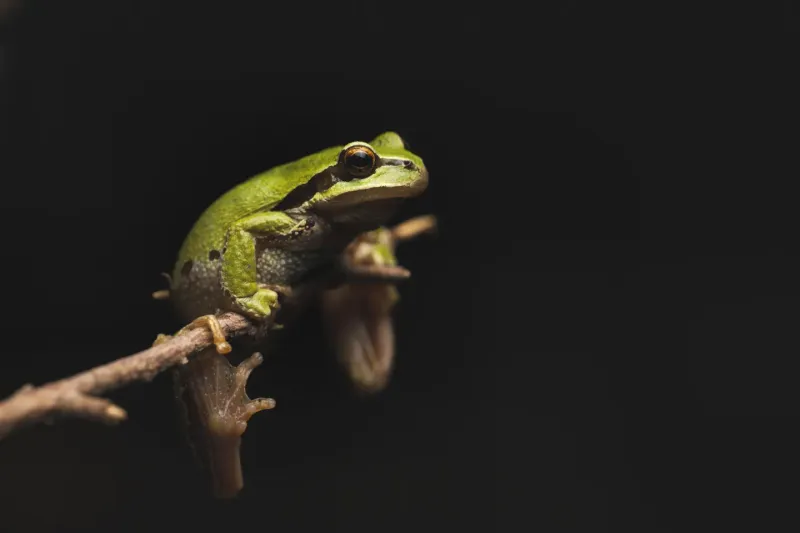
Most frog activity in a California yard happens after dark, which is why many homeowners have no idea the animals are using their space until they happen to step outside at the right moment. Looking at what your garden provides after sunset is a more useful exercise than treating the frogs as a sign that something specific is wrong or right.
Adult treefrogs can shelter away from permanent water for much of the nonbreeding season. The California treefrog’s species account notes that adults can spend considerable time away from water, using moist shelters such as rock crevices, dense vegetation, debris piles, and even buildings.
That means a frog does not need a pond in your yard to find it worth visiting. A drip-irrigated shrub border, a pile of flagstones, a gap under a raised planter, or a patch of thick ground cover can all serve as daytime refuges.
Recent watering or a summer storm can flip conditions quickly. Soil that was dry and warm in the afternoon may be noticeably cooler and more humid by evening, which is exactly what a frog needs.
Insects and spiders become more active in those same cooler, moister conditions, making the garden worth foraging in. None of this means your yard has an unusual insect problem; it means the conditions briefly aligned in a way that made your space usable.
Regional timing matters too. Coastal Southern California treefrogs can be active much of the year but slow down during extreme heat and dryness.
Inland areas, higher elevations, and different rainfall patterns shift the timing of breeding, metamorphosis, and movement. The Baja California treefrog’s account reflects how variable activity patterns can be even within the region.
A simple observation habit helps: note where and when you see frogs. Near the irrigation heads?
Under the porch light? At the base of a specific shrub?
Close to a low spot where water pools briefly? Those details tell you which microhabitats in your yard are actually usable, and that information guides any changes you might want to make.
Make a safer refuge without turning the yard soggy
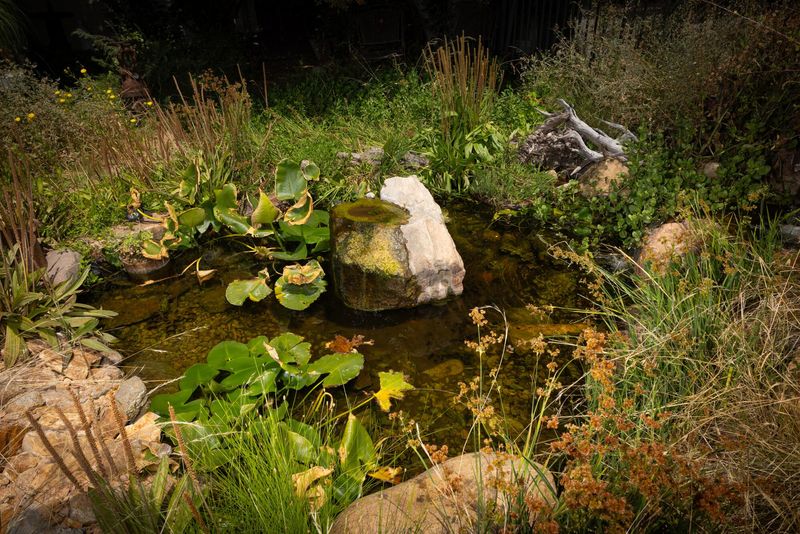
Supporting treefrogs in a California garden does not mean running your irrigation more than your water district allows or turning a corner of the yard into a swamp. Most of what these frogs need already exists in a well-planted suburban yard, and small adjustments to how you manage existing features go further than adding anything new.
Retaining some dense, shaded plant cover is the single most useful thing you can do. A border of native shrubs, a patch of ornamental grasses, or even a cluster of large potted plants can provide the daytime refuge a frog needs.
Leaving a modest amount of natural shelter, such as a flat rock, a small log, or a modest layer of leaf litter in a back corner, adds resting spots without creating a maintenance burden. UC ANR’s wildlife habitat guidance recommends these kinds of structural elements as part of a broader approach to supporting native wildlife in home landscapes.
If you already have a small ornamental pond or are considering one, wildlife usefulness depends on design details more than size. Penn State Extension’s guide to water features for wildlife describes shallow shelves or graduated edges so animals can enter and exit on their own, along with rocks, branches, and water plants that provide cover.
A steep-sided decorative basin with no gradual entry point is effectively useless to a frog. Nearby dense planting gives frogs somewhere safe to retreat during the day.
California’s water-conservation rules and fire-safety requirements are real constraints that vary by location and season. UC Marin Master Gardeners’ habitat creation resource frames wildlife-friendly landscaping within a water-wise context, which is the right starting point for any California homeowner.
Before adding any water feature, check your water district’s current restrictions and, if your property falls in a fire-hazard severity zone, confirm that your planting and water plans are consistent with defensible-space requirements.
The practical priority is improving what you already have before adding anything new. Dense existing plants, a few sheltering objects, and careful irrigation management may be enough to make your yard genuinely usable for local treefrogs through the driest months.
A wildlife pond still needs mosquito management
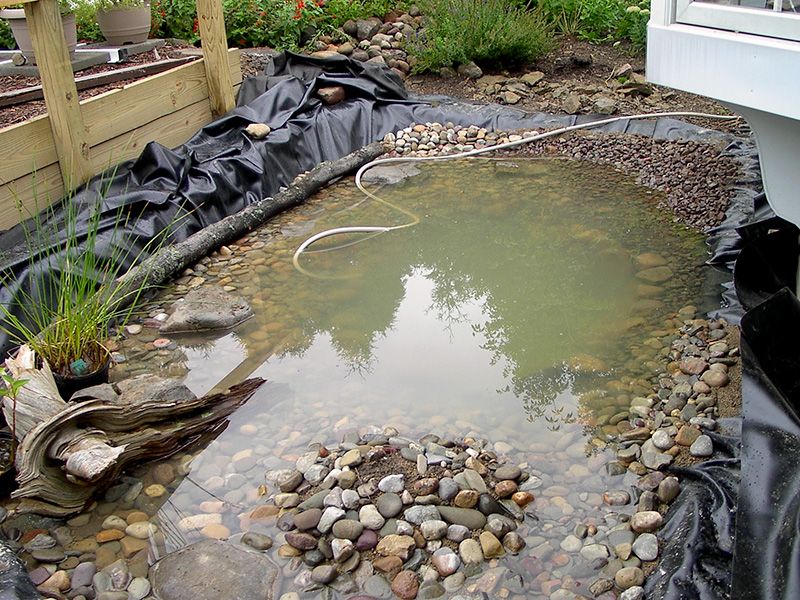
Any standing water in a California yard, from a decorative bowl to a half-barrel pond, can produce mosquitoes if it is not actively managed. The fact that a water feature might attract frogs does not offset that risk, and California’s public health agencies are clear that even small containers of stagnant water can support mosquito breeding.
The California Department of Public Health’s guidance on Aedes mosquitoes emphasizes that eliminating or actively managing standing water is a core prevention measure. That applies to water features intended to support wildlife just as much as it applies to neglected buckets or clogged gutters.
Practical steps for a frog-friendly water feature include keeping the water moving if possible, removing excess floating vegetation that creates still pockets, and inspecting the surface regularly for mosquito larvae. UC IPM’s mosquito management page recommends emptying containers that do not need to hold water, avoiding overwatering that leaves puddles, and using appropriate larval controls when needed, following current local vector-control advice and product labels carefully.
One specific caution: mosquitofish are sometimes suggested as a pond solution, but UC ANR’s mosquito control resource states that mosquitofish are nonnative to California and must not be released into streams, ponds, or lakes. If you use them in a contained backyard pond, they should never enter natural waterways, and any fish introduction should be consistent with your local vector-control district’s guidance.
Releasing mosquitofish into natural water is not a legal or ecologically safe option.
Shallow, accessible water can genuinely support amphibians and other wildlife while still requiring your attention. A water feature that goes unmonitored for a few warm weeks can become a mosquito nursery faster than most people expect.
Build a checking habit into your regular yard routine, especially during the warm months when mosquito development cycles are short.
Let frogs supplement pest management, not replace it
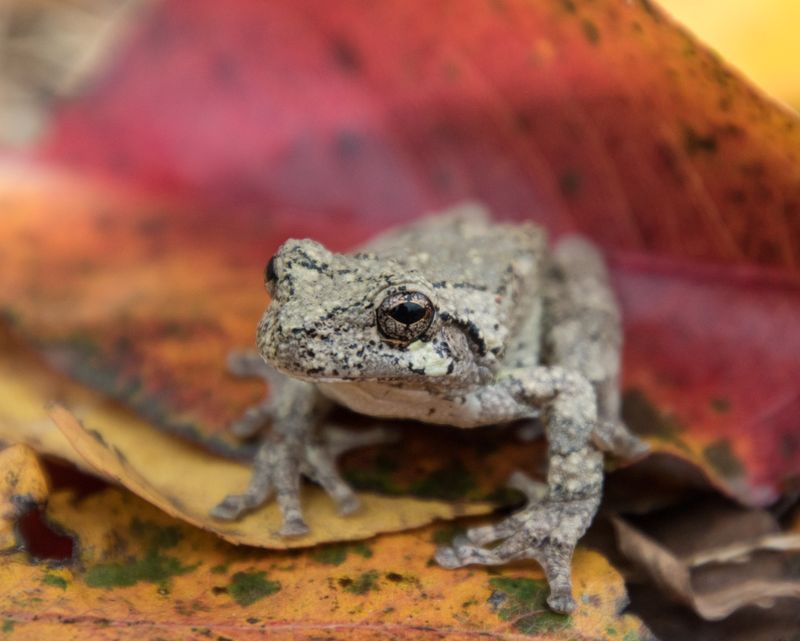
Treefrogs are genuine insect predators. They eat moths, beetles, flies, spiders, centipedes, and a wide range of other invertebrates, and having them in your garden is a reasonable sign that some natural pest suppression is happening.
What frogs cannot do is guarantee that any particular pest stays below a damaging threshold.
Their diet is broad and opportunistic, not targeted. A treefrog sitting near your roses is not specifically hunting aphids, and the NPS California treefrog profile describes their food intake in general invertebrate terms, not as a pest-control service aimed at any named species.
Mosquito larvae, aphid colonies, caterpillar populations, and ant trails will not reliably decline because frogs are present. Treat frogs as a welcome part of the garden food web, not as a fix for a confirmed infestation.
The practical response to actual plant damage is to identify the pest first, then monitor how much harm it is causing, and then choose the least-disruptive control that addresses the problem. UC IPM’s guidance on protecting natural enemies and pollinators outlines this sequence and explains why broad-spectrum pesticide applications often harm the beneficial insects and predators, including frogs, that are already doing useful work in the yard.
Pesticide reduction is the most direct conservation action available to most California homeowners. Amphibians absorb chemicals through their permeable skin in both land and water settings, so exposure can happen without direct contact with a spray.
EPA research on pesticide uptake in frogs shows that risk depends on the specific active ingredient, concentration, life stage, and route of exposure, not every contact is equally harmful, but minimizing unnecessary use lowers risk across the board. Keep applications away from water, avoid spraying before forecasted rain, reduce drift by applying on calm days, and follow label directions.
One current California-specific detail: as of January 1, 2025, certain neonicotinoid products used outdoors on ornamental plants, turf, and trees are subject to new certification and sales restrictions under state law. California DPR’s neonicotinoid Q&A page has current details.
This is worth checking before purchasing familiar products, because some options that were available previously now require a licensed applicator or have changed formulation availability.
Keep the frogs by leaving them where they found safety
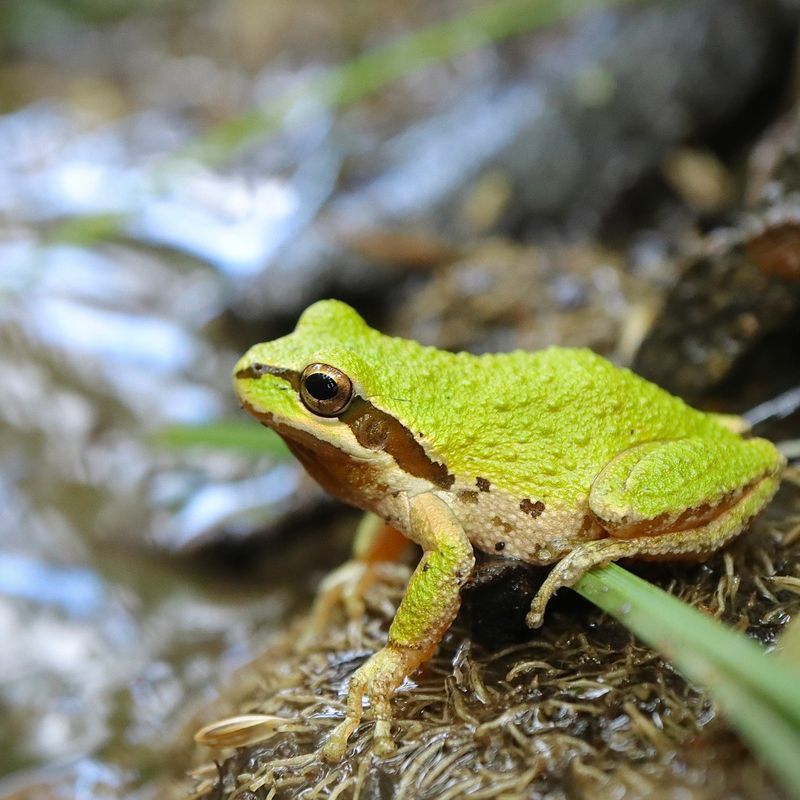
The most common instinct when someone spots a frog in an unexpected place is to pick it up and move it somewhere that seems safer or more suitable. With amphibians, that instinct usually causes more harm than the original situation.
Frog skin is delicate and absorbs substances directly from the environment, including oils, salt, and residues from human hands. CDFW’s amphibian handling guidance notes that rough or unnecessary handling can cause abrasions, tears, and other physical injuries that are not visible but can be serious for a small animal.
Beyond the physical risk, moving a frog from one location to another can transfer pathogens between habitats, including chytrid fungus, which has contributed to amphibian population declines globally.
Releasing a frog into a different pond or yard also places it in a habitat it did not choose, with unknown competitors, predators, and resources. CDFW’s guidance on amphibian translocation is clear that moving frogs between habitats is not a safe or recommended practice for members of the public, and California requires permits for certain collection or possession activities involving native amphibians.
Collecting tadpoles from a local pond or importing frogs to stock a backyard water feature falls into territory that requires proper authorization under state wildlife regulations. CDFW’s permitting information covers what activities require a license or permit.
If a frog is in immediate danger, such as inside a building or in a pool with no way out, the right step is to contact a local wildlife rehabilitator or your regional CDFW office for guidance rather than transporting the animal yourself. And if you spot a frog that is unusually large, broad-bodied, or produces a deep booming call, the response is identification and possible reporting to CDFW’s Invasive Species Program, not habitat enhancement.
CDFW’s American bullfrog page explains how to report a sighting.
The best response is a more usable, less chemical yard
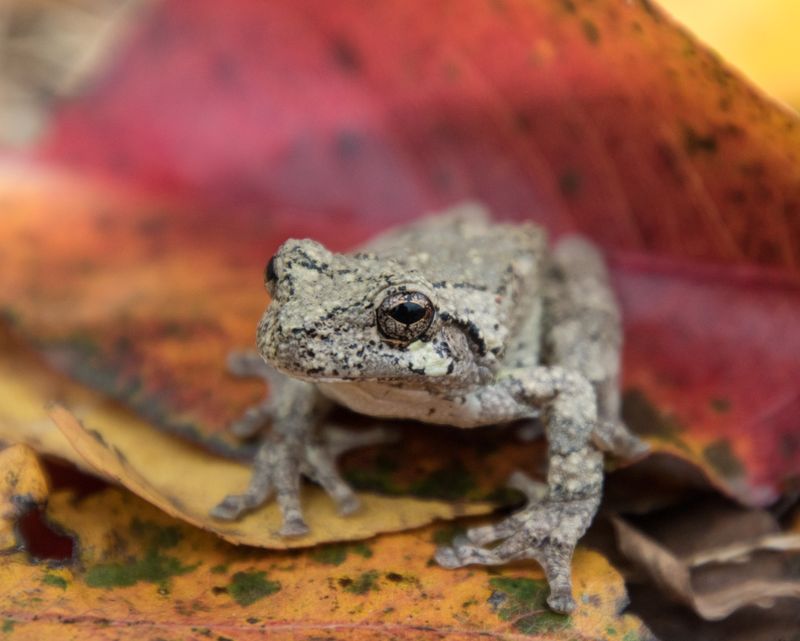
Tree frogs showing up in your California garden this summer most likely found a temporary or recurring combination of moisture, shelter, cooler cover, nearby habitat, and available prey. That combination can shift with the weather, your irrigation schedule, or seasonal movement patterns, which is why the frogs may seem to arrive suddenly and then disappear just as fast.
The action standard that follows from all of this is straightforward. Preserve some shaded, dense plant cover.
Leave a few sheltering objects like rocks or a small log where they will not create a fire hazard. Manage any water features carefully, monitor for mosquitoes, and avoid releasing nonnative fish into natural waters.
Reduce unnecessary pesticide use, prevent runoff and drift, and keep chemicals away from water. When you notice pest damage on plants, identify the pest and use UC’s habitat and IPM frameworks to choose targeted, lower-impact responses.
If you spot an unusually large frog, seek identification before doing anything else. Leave native wildlife where it found safety, and resist the urge to handle, collect, or relocate animals, however well-intentioned the impulse.
CDFW’s translocation guidance is a useful reminder that the most protective thing a homeowner can do for local amphibians is often to simply get out of the way.
A yard that supports native treefrogs does not need a pond, a pest infestation, or any new additions. It needs fewer reasons to leave.