
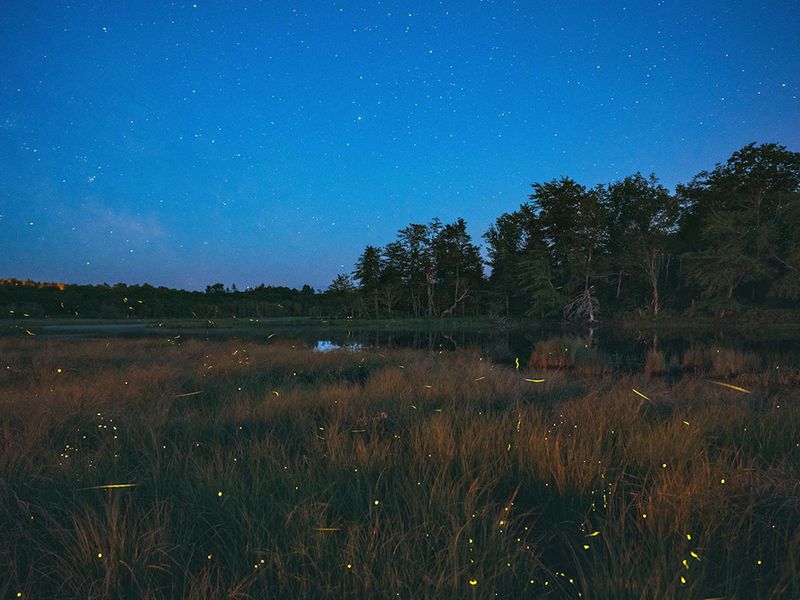
Watching fireflies blink across a dark Texas yard on a warm June evening is one of those simple pleasures that sticks with you. But if those lights have been fading from your neighborhood, the reason is rarely one missing plant.
Creating a partially shaded, consistently moist, pesticide-free corner with native vegetation is the most practical step a Texas homeowner can take to make the yard more firefly-friendly, even though no single planting can guarantee the beetles will return. Understanding what fireflies actually need, and what gets in their way, turns a hopeful garden project into a genuinely useful habitat intervention.
Replace the miracle-corner promise with a habitat plan
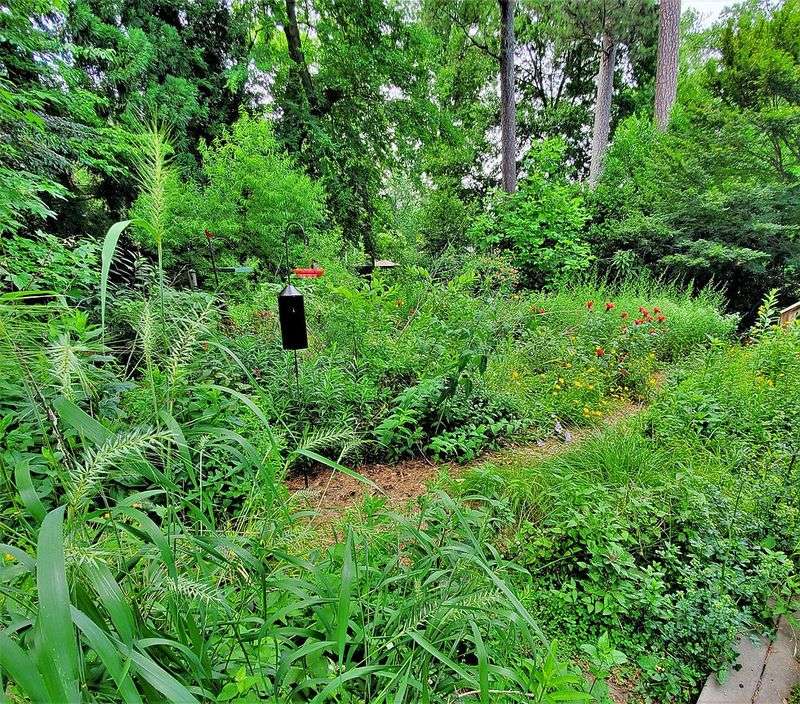
Somewhere between the romantic image of a jar full of fireflies and the reality of a Texas summer yard lies a genuinely useful gardening project. Current conservation guidance does not support the idea that one native grass or a single shaded corner will reliably bring fireflies back, but it does support creating a partially shaded, consistently moist, pesticide-free habitat patch with diverse native vegetation and lower-intensity management.
That distinction matters, because it shifts the project from a magic trick to a practical habitat decision.
The Xerces Society, one of the leading organizations tracking firefly conservation in North America, frames the work as reducing the barriers that make yards inhospitable rather than adding a single attractant. Xerces firefly conservation guidance identifies habitat loss, light pollution, pesticide exposure, and ground disturbance as the main pressures on firefly populations, which means the most effective home response is removing those pressures across a dedicated patch rather than planting one species.
University of Florida guidance recommends allowing yard edges to become shrubby and planting vegetation that shades the soil and preserves moisture, framing the goal as a habitat quality improvement rather than a guaranteed attractant. UF IFAS firefly guidance supports native plant diversity, moisture retention, and reduced disturbance as the combined levers, not a single plant.
Research on congregating firefly species has also found that congregation behavior does not depend on a particular plant species, which reinforces caution about single-plant claims. A study on congregating firefly habitat characteristics found that plant species identity was less important than overall habitat structure and moisture conditions.
The honest version of the title’s promise is this: a diverse native corner, managed with less disturbance and fewer chemicals, may make your yard more suitable for local fireflies. That is still a worthwhile summer project.
Understand what the damp ground layer does for fireflies
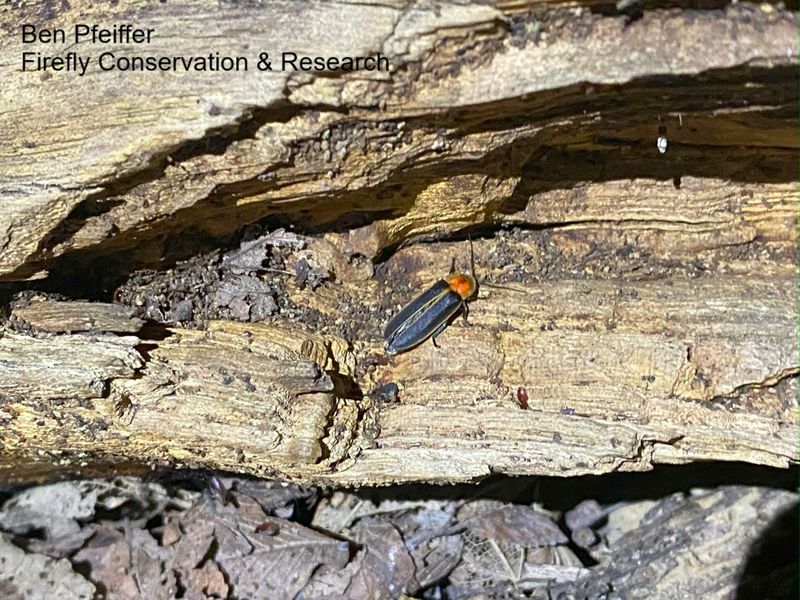
Most of a firefly’s life happens underground or inside decaying plant matter, well out of sight. Depending on the species, larvae may spend one to two years living in soil, leaf litter, damp debris, or rotting wood before they ever produce a single flash as adults.
North American firefly extinction risk assessments confirm that larval habitat requirements vary considerably by species, which is why broadly supportive conditions matter more than optimizing for one firefly type.
During those larval years, fireflies are active predators. They hunt soft-bodied prey including snails, slugs, earthworms, and other small invertebrates living in and around the soil surface.
A moist ground layer supports both the larvae and the prey they depend on, which is why moisture is such a central condition in habitat guidance. Dry, compacted, heavily manicured soil offers little of either.
Native vegetation contributes to that moisture in two practical ways. Taller grasses and shrubs shade the soil surface, slowing evaporation on hot Texas afternoons, and their roots help maintain soil structure that holds water between rains.
UF IFAS firefly habitat recommendations specifically note that shading the soil and preserving moisture are key functions of firefly-friendly vegetation.
The target condition is shaded, moisture-retentive soil with a humid ground layer, not a waterlogged or boggy bed. Plants selected for this corner still need to match local drainage.
Gulf muhly, for example, is a beautiful Texas native that tolerates moist-to-dry conditions but can struggle if its roots stay excessively wet through winter, as Texas A&M AgriLife horticulture notes caution. Getting that balance right starts with choosing the right site before choosing a single plant.
Choose a Texas site that holds moisture without holding stagnant water
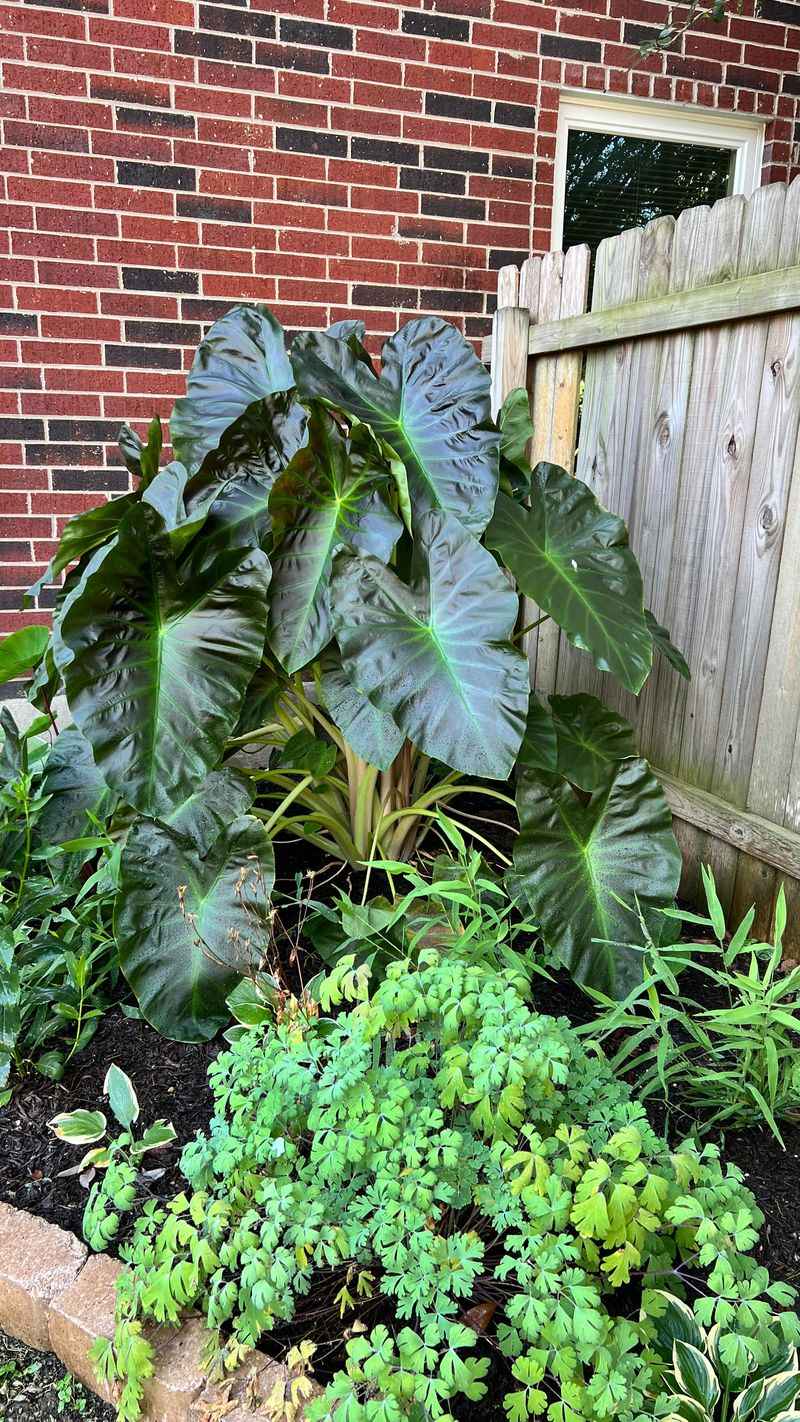
Before buying a single plant, spend a few minutes reading your own yard. The best candidate for a firefly habitat patch is a partly shaded, low-traffic edge where soil can stay naturally or consistently moist between rain events.
Look for spots that dry out more slowly than open lawn areas, such as the north or east side of a fence, beneath a large live oak, or along a drainage swale that does not hold standing water after storms.
A practical site checklist for Texas homeowners covers five questions: How many hours of direct sun does the spot receive? Does water pool there after rain, or does it drain within a few hours?
What is the soil texture, clay-heavy or sandy? Is a hose or rain barrel nearby for establishment watering?
And how close is the nearest outdoor light fixture? Texas Parks and Wildlife Wildscapes tips recommend matching native plants to local sun, soil, and water conditions before planting, which applies directly to site selection here.
A moist habitat patch is meaningfully different from a pond, a bucket of rainwater, a clogged gutter, or a permanently saturated bed. The goal is soil that retains moisture and a ground layer that stays humid, not open water.
Xerces Society home firefly protection guidance is explicit on this point: containers of stagnant water are mosquito habitat, not firefly habitat, and should be removed or emptied regularly.
Once a site is chosen, expect to invest in establishment care. Native plants matched well to a site will eventually need less supplemental water than turf grass, but Texas A&M Earth-Kind landscape guidance is clear that native does not automatically mean low-water or maintenance-free.
Plan on regular watering through the first one to two growing seasons while roots establish.
Build a locally matched Texas plant mix
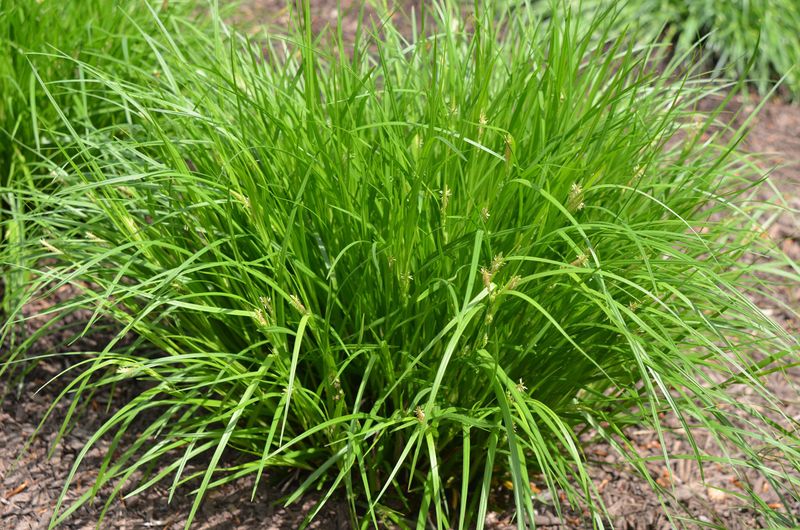
Layered structure does more for firefly habitat than any single named species. A planting that combines native grasses at one height, sedges closer to the ground, flowering forbs in between, and at least one native shrub creates the range of shade, shelter, perches, and leaf litter that current habitat guidance describes as broadly supportive.
Xerces Society coast-to-coast firefly conservation guidance recommends mixed native plantings precisely because varied structure may provide a wider range of moisture, shelter, and litter conditions than a monoculture.
Several grasses appear on firefly habitat plant lists for the Southern U.S. and may be appropriate for parts of Texas depending on your region and site. Eastern gamagrass is a large, moisture-loving native that can work well in low spots or near seasonal drainage areas.
Inland sea oats tolerates shade and moist conditions and produces attractive seed heads that persist through fall. Switchgrass and Indiangrass are both Texas natives that offer height, seed production for wildlife, and good leaf litter as they mature.
Firefly.org’s native plant guidance lists these as components of firefly-friendly habitat in the South, though none should be planted without checking local conditions first.
Texas spans dramatically different climates, soils, and rainfall regimes. A plant that thrives in the Pineywoods of East Texas may struggle in the Hill Country or the Trans-Pecos.
TPWD Wildscapes tips and the Texas A&M Earth-Kind plant selector are the most reliable tools for narrowing plant choices to what actually fits your county, soil type, and water availability.
Native status is valuable, but it is not a shortcut around site matching. A poorly placed native plant will underperform and may require as much intervention as a non-native.
Choose for your specific corner first, then layer in the structure that shade, litter, and moisture conditions require.
Manage the patch for larvae, prey, and ground cover
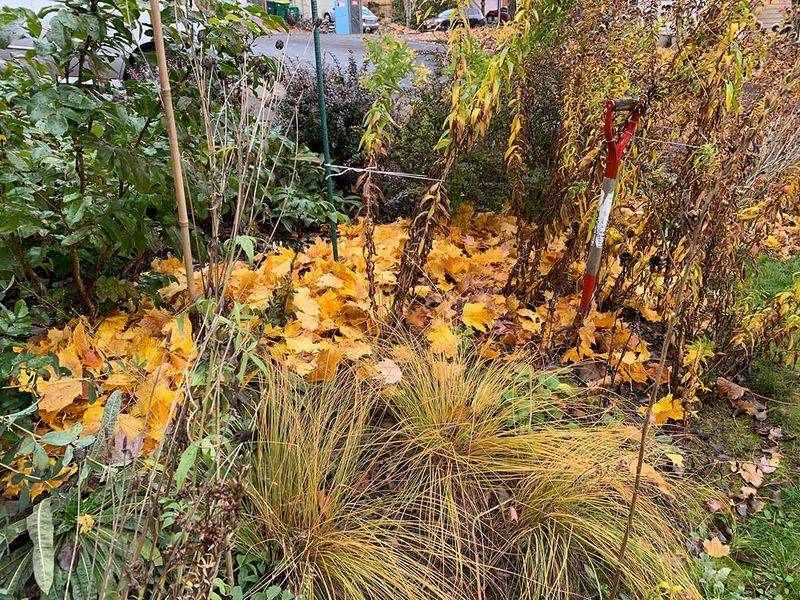
After planting, the most important maintenance decision is what not to do. Leaf litter is not yard waste in a firefly habitat patch; it is the habitat itself.
Fallen leaves, small twigs, and downed wood create the layered ground cover where firefly larvae may shelter, move, and hunt. Removing that material with a rake or a blower strips the patch of its core function, so leave it in place across the low-traffic area you have designated.
Xerces Society firefly conservation guidance specifically recommends leaving at least one low-traffic area with leaf litter, fallen twigs, and some unmowed or lightly mowed vegetation. Ground disturbance from mowing, digging, and foot traffic can harm larvae and flightless females that spend time at or near the soil surface.
Keeping the patch low-traffic is not laziness; it is the management strategy.
Mowing frequency matters too. The firefly corner should be mowed as infrequently as possible, or left entirely unmowed through the active season.
If height management is needed for safety or aesthetic reasons, raise the mower deck and cut no more than one-third of the vegetation at a time, then allow regrowth before cutting again. Firefly.org habitat building guidance warns that frequent, low mowing removes the vegetative structure and ground cover that firefly habitat depends on.
Thick ornamental mulch is a different problem. A heavy layer of shredded wood mulch may interfere with larval movement to and from the soil surface and can reduce the access fireflies and their prey need at ground level.
A light, natural accumulation of fallen leaves and small woody debris is better supported by current guidance than a deeply mulched ornamental bed. During plant establishment, the patch will still need site-specific care including watering and occasional weeding, but the long-term management goal is gradual reduction of disturbance rather than intensive upkeep.
Remove the nighttime and chemical barriers
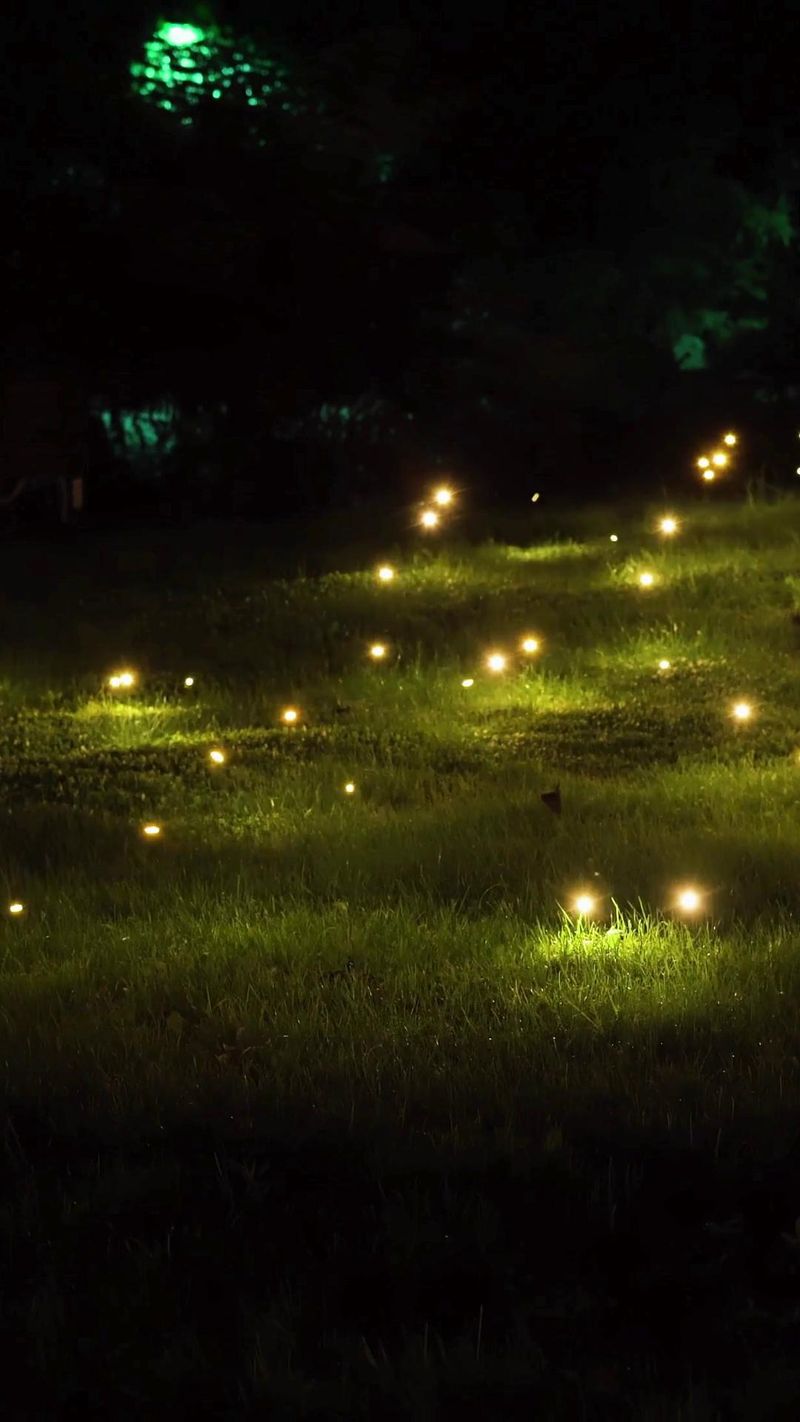
A well-planted, moist, litter-rich corner can still fall short if the surrounding yard works against firefly courtship. Two barriers consistently appear in firefly conservation guidance: artificial light and chemical exposure.
Addressing both is part of completing the habitat, not an optional add-on.
Fireflies communicate almost entirely through light signals. Males flash species-specific patterns while flying; females respond from the vegetation below.
Artificial lighting drowns out those signals and can disrupt mating behavior significantly. A peer-reviewed study published in the journal Insect Science found that artificial light at night measurably reduced firefly courtship and dispersal activity in experimental settings.
Practical steps include turning off nonessential porch and landscape lights during peak firefly hours in late evening, using motion-sensor or timer-controlled fixtures, and choosing shielded lights that direct illumination downward rather than outward.
Chemical exposure is the second barrier. Broad-spectrum insecticides applied to lawns and gardens can affect fireflies directly and can reduce the snails, slugs, and worms that firefly larvae depend on for food.
Molluscicides used to control snails and slugs in garden beds pose a particular concern because they target precisely the prey that larvae hunt. Unnecessary herbicides may also reduce the vegetation structure and ground cover the habitat relies on.
Xerces Society firefly threat documentation identifies pesticide exposure as one of the main pressures on firefly populations, though the evidence for direct effects varies by product and species.
The most defensible approach is to avoid applying broad-spectrum insecticides, molluscicides, and nonessential herbicides in or immediately adjacent to the habitat patch. Xerces conservation-at-home guidance recommends nonchemical pest management strategies near firefly areas, including physical barriers and hand removal for garden pests, rather than broad chemical treatments that may affect nontarget insects and their food sources.
Judge the habitat by better conditions, not guaranteed flashes
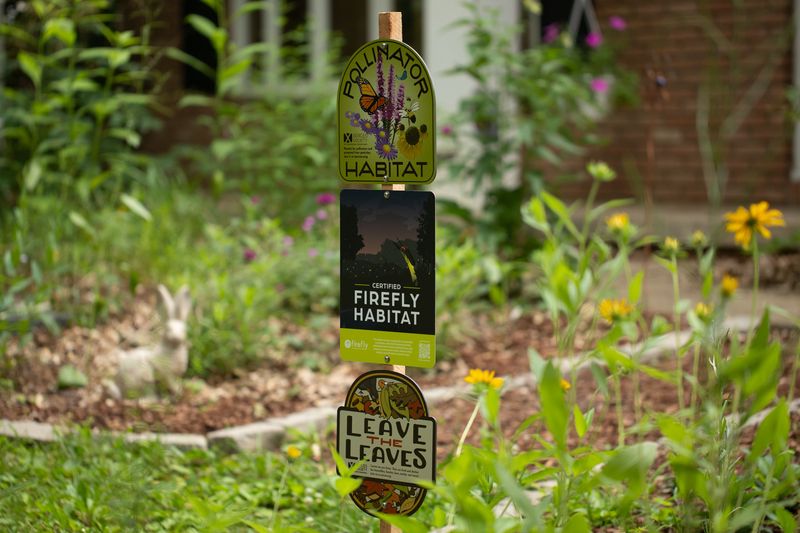
After a season of planting, reducing disturbance, cutting outdoor lights, and avoiding pesticides, the most common question is: where are the fireflies? The honest answer is that a habitat patch improves local conditions but cannot guarantee that adult fireflies will appear, increase in number, or produce the kind of summer display that the title’s image suggests.
Surrounding habitat, regional firefly species, weather, precipitation patterns, temperature, and seasonal timing all influence whether adults are visible on any given night.
Firefly abundance also fluctuates year to year for reasons that have nothing to do with your planting. Research on weather and firefly activity timing has found that precipitation extremes can delay or suppress adult firefly activity even in otherwise suitable habitat.
A dry spring or a late heat spike can shift the timing of adult emergence by weeks, making one season’s observations a poor basis for judging whether the habitat is working.
The absence of visible flashes also does not mean fireflies are absent. Much of the firefly life cycle happens at or below the soil surface, and firefly extinction risk research notes that adults are only seasonally present while larvae may be active for one to two years underground.
A yard that looks empty of fireflies in July may still support larvae through the winter. Patience across multiple seasons is a more reliable measure than a single summer count.
A practical Texas action checklist: select a partly shaded, low-traffic edge; confirm drainage and soil moisture; choose regionally appropriate native grasses, sedges, forbs, and at least one shrub using TPWD Wildscapes resources and the Texas A&M Earth-Kind plant selector; leave leaf litter and woody debris in place; stop mowing the corner or raise the deck significantly; turn off nonessential lights after dark; and avoid broad-spectrum pesticides in and around the patch. Xerces firefly conservation documentation is consistent on one point that holds across all the guidance: the yards most likely to support fireflies are the ones that get quieter, darker, and less disturbed over time, which turns out to be its own kind of reward.