
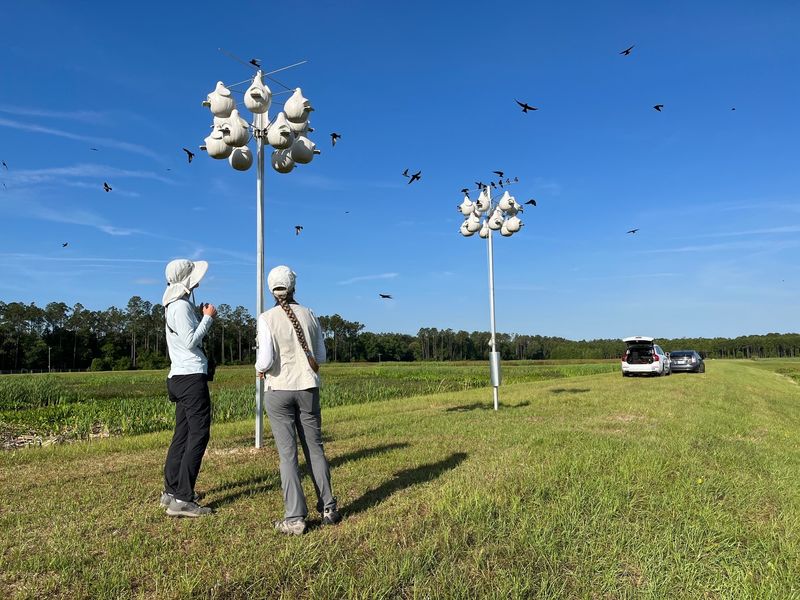
Purple martins are famous backyard flyers, and many Florida gardeners love the idea of having them help with mosquitoes. Plants alone will not guarantee martins, but the right native plantings can make your yard more useful to the insects and open-space hunting these birds need.
Pair these plants with a proper martin house, open flight space, and no broad insect sprays, and your yard becomes a better stop for nature’s own aerial cleanup crew.
1. Firebush
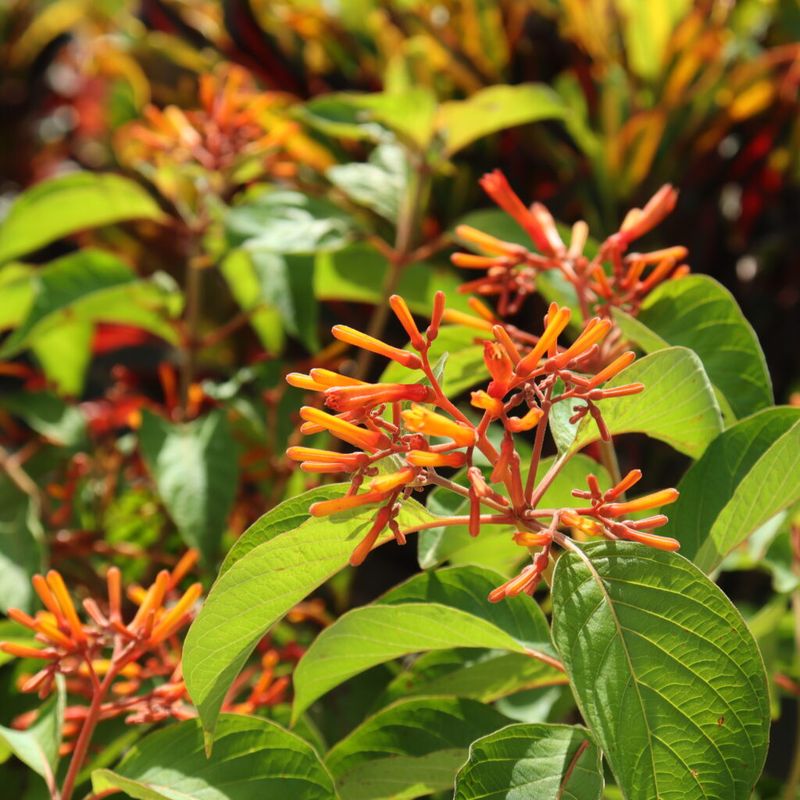
Few Florida shrubs look as busy as firebush on a warm afternoon. Hummingbirds zip in, butterflies hover, bees work the flowers, and later the berries draw fruit-loving birds, giving one plant a whole lot of backyard value.
For purple martins, firebush earns its spot because it helps keep the air alive. Martins catch insects while flying, so a yard with native flowering shrubs, leaf cover, and no routine insecticide use can support more of the flying insect activity they hunt around.
Mosquitoes are not their only food, and usually not their main meal, but a healthy insect web gives martins more reasons to patrol nearby.
Firebush also fits Florida conditions better than many fussy ornamentals. Once established, it handles heat, sandy soil, and dry spells in much of the state, though it appreciates water during long droughts.
In North Florida, winter cold may knock it back, but it often returns from the roots.
Use it along a sunny fence, at the back of a pollinator bed, or near a patio where you can watch the action without crowding a martin house. Keep the area around the martin pole open, since martins prefer clear flight paths, and let firebush work as the lively native food station nearby.
2. Beautyberry
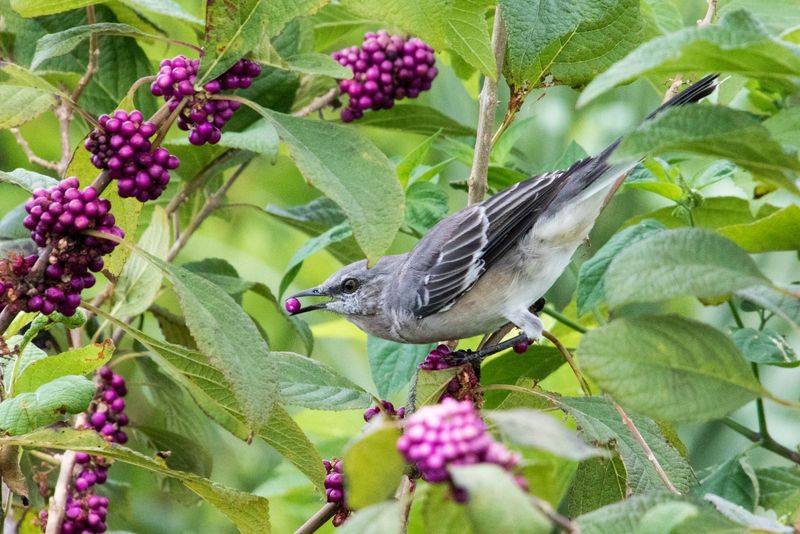
Those electric purple berries look almost too bold to be real, which makes beautyberry one of the easiest native shrubs to recognize. In a Florida yard, it brings color right when many gardens start looking tired from heat and rain.
Beautyberry is different from showier bloom plants because its best wildlife work is split between seasons. Small spring and summer flowers support pollinators and tiny insects, while fall berry clusters feed mockingbirds, cardinals, and other backyard birds.
That steady wildlife traffic is a good sign for a yard meant to support purple martins, because it shows the space is functioning as habitat instead of just decoration.
Martins need open air for hunting, so do not plant beautyberry where it blocks a martin house entrance or crowds the flight zone. Tuck it along woodland edges, side yards, or the back of a loose native hedge, then leave sunny open space nearby.
The shrub’s arching shape looks relaxed rather than formal, which suits natural Florida beds especially well.
Beautyberry is also forgiving for homeowners who are tired of babying plants through sandy soil. It can handle part shade, tolerates Florida humidity, and usually needs only occasional pruning to control size.
If you want a plant that adds purple drama while helping rebuild a bird-friendly yard, this one pulls more weight than its soft appearance suggests.
3. Frogfruit
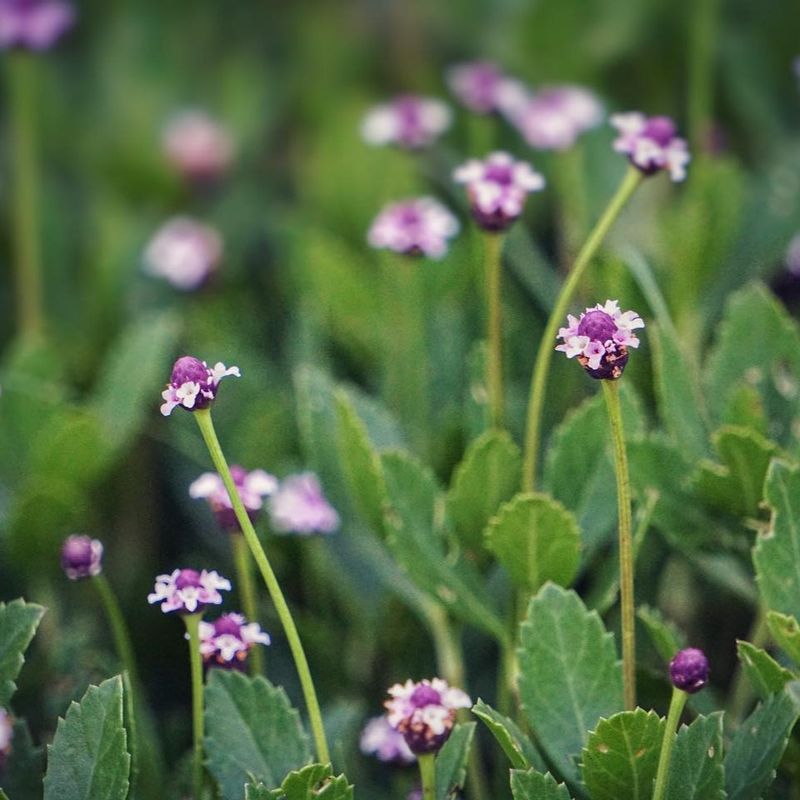
A lawn that buzzes softly at ankle height can be far more useful than a plain patch of turf. Frogfruit, also called matchweed, is a low Florida native groundcover that turns sunny open areas into a small-insect buffet without making the yard feel overgrown.
Its special strength is scale. Big shrubs feed plenty of wildlife, but frogfruit works close to the ground, filling strips along paths, mailbox beds, dry corners, and lawn edges where water often runs off too fast.
The tiny flowers attract small bees, skipper butterflies, and other insects that become part of the broader backyard food chain.
Purple martins still need a clear skyway, and frogfruit helps because it stays low. You can use it near open lawn around a martin house without creating the tall, tangled cover that makes martins uneasy.
That makes it a smart choice for gardeners who want habitat value but cannot give up their open yard layout.
In Florida, frogfruit can take heat, sandy soil, and occasional mowing once established. It may look a little thin during stress, then bounce back when rain returns.
For a mosquito-conscious yard, its best role is not as a magic repellent, but as part of a living, low-spray landscape that welcomes natural insect hunters overhead.
4. Blanketflower
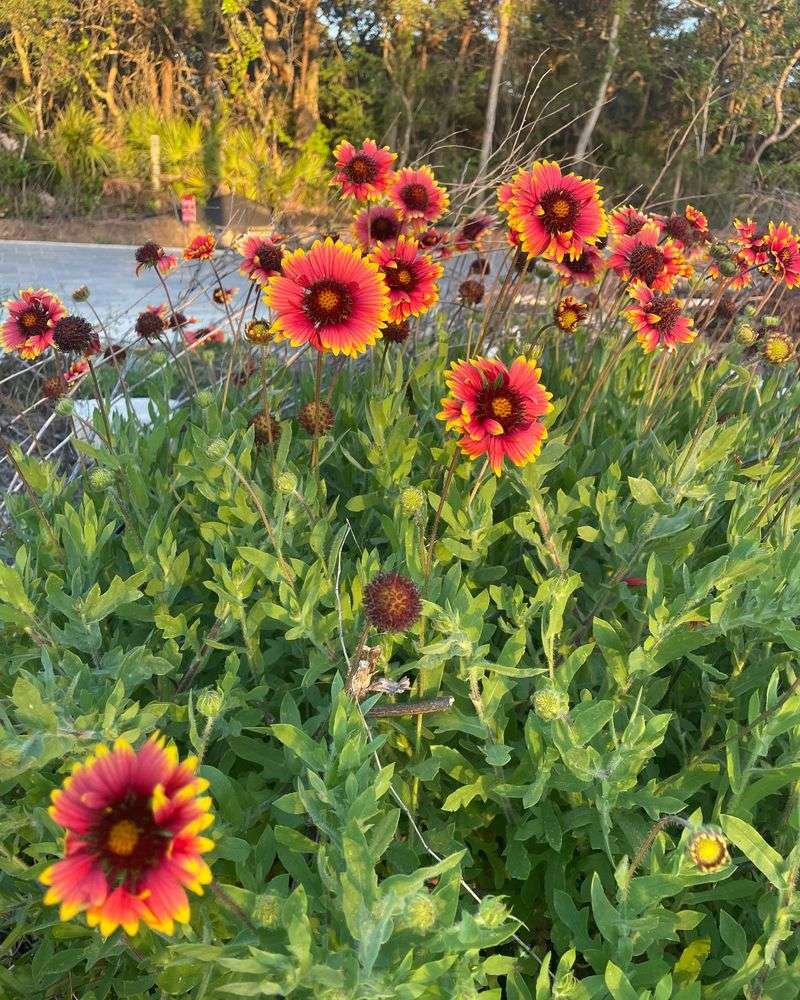
Hot, sandy, and sunny is not a problem for blanketflower. In fact, that is where this cheerful native often looks happiest, throwing red-and-yellow blooms into spots where softer plants might sulk.
Blanketflower belongs on this list because it is one of the easiest ways to add insect activity to exposed parts of a Florida yard. Its daisy-like flowers are simple for butterflies, bees, and other small pollinators to use, and those visitors help create the moving cloud of life that aerial insect-eaters notice.
Purple martins hunt high and wide, but a yard with active native blooms below is usually a better hunting neighborhood than a sterile lawn.
This plant is especially useful near driveways, curb strips, mailbox beds, and other bright areas that bake in afternoon sun. It does not need rich soil, and too much fertilizer can make it floppy.
Good drainage matters, so it is a natural fit for many Florida yards with sandy ground.
Give blanketflower room to reseed if you like a casual cottage look. Deadheading can keep blooms coming, but leaving some seed heads feeds small birds and helps the patch renew itself.
Around a martin setup, plant it in sunny beds outside the pole’s main landing zone so the birds still have open flight space while the flowers keep the insect traffic moving.
5. Seaside Goldenrod
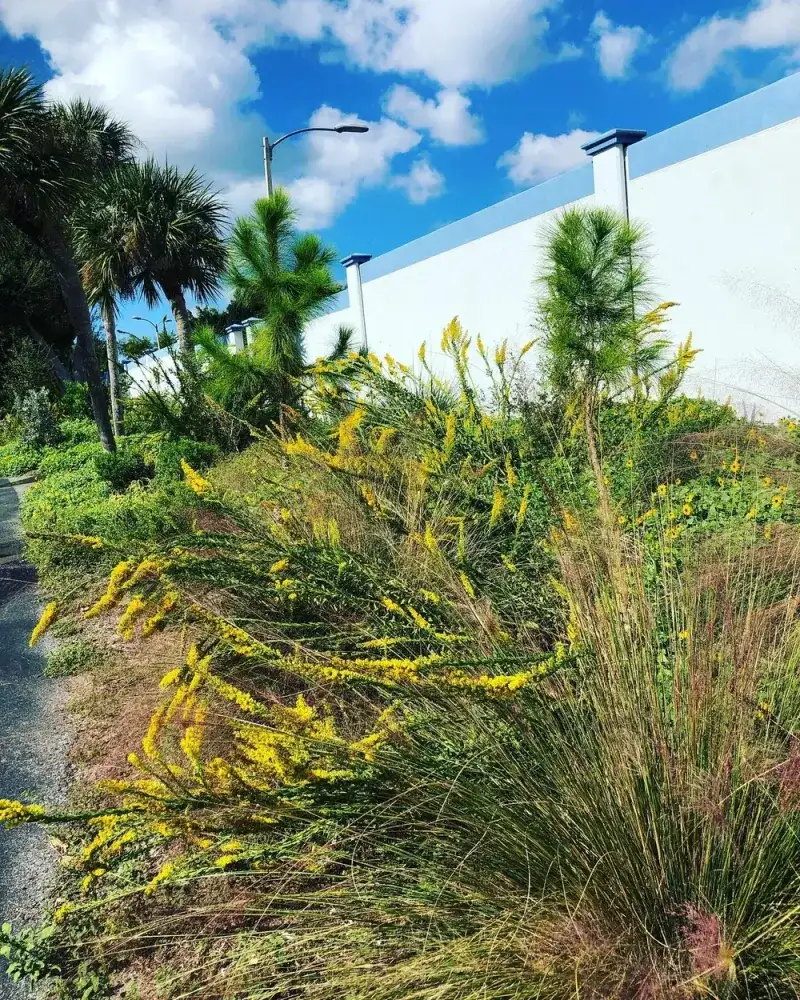
Late-season gardens can go quiet, but seaside goldenrod keeps the pollinator party going when many summer flowers are fading. Its golden plumes light up sunny beds and coastal-style landscapes while offering serious wildlife value.
What makes seaside goldenrod stand apart is timing. In Florida’s long warm season, late nectar and pollen sources help support bees, flies, wasps, beetles, and butterflies after the first big flush of spring flowers has passed.
Purple martins migrate, nest, and feed on flying insects, so keeping insect life strong across the season helps make your yard part of a larger useful habitat.
Do not blame goldenrod for most fall allergies. The pollen is relatively heavy and sticky, carried mostly by insects, while ragweed is usually the sneezy troublemaker.
That little myth has kept too many gardeners from using a tough native plant that can handle sun, sandy soil, salt exposure, and periods of dry weather once established.
Seaside goldenrod is best placed where height is welcome, such as a back border, fence line, or naturalized sunny corner. It can spread, so give it space or edit the patch as needed.
If your goal is a yard that looks alive and gives martins more flying insects to chase, this plant brings late-season fuel when it really counts.
6. Muhly Grass
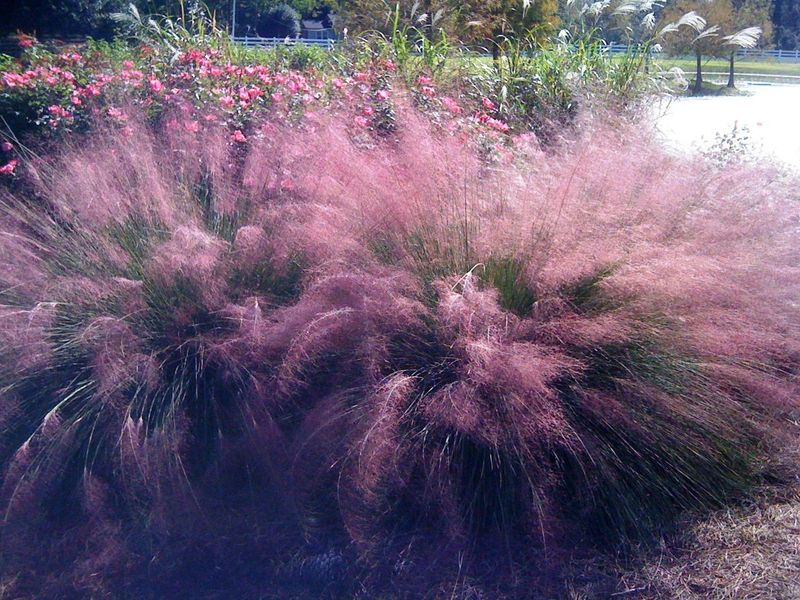
When muhly grass blooms, it looks like a pink-purple cloud landed in the yard. The soft plumes are showy enough for front-yard curb appeal, but the plant is tougher than its airy look suggests.
Muhly grass earns a place here because purple martin habitat is not only about flowers. Native grasses shelter small insects, add seed and cover for wildlife, and create movement without turning the yard into a dense thicket.
Since martins prefer open areas for swooping and gliding, a clump-forming grass like muhly can improve habitat while keeping sightlines clean.
Florida gardeners also get practical value. Muhly grass handles sandy soil, heat, and dry periods once established, and it does not ask for constant trimming or heavy feeding.
Plant it in full sun for the best color and shape. In wetter yards, make sure the spot drains well, because soggy roots can cause trouble.
Use muhly in groups of three or five near patios, along sunny borders, or at the edge of open lawn around a martin house. Cut it back once a year before fresh spring growth, then leave it alone.
The result is a low-maintenance native that gives your yard structure, seasonal color, and a better foundation for the insect life martins depend on.
7. Buttonbush
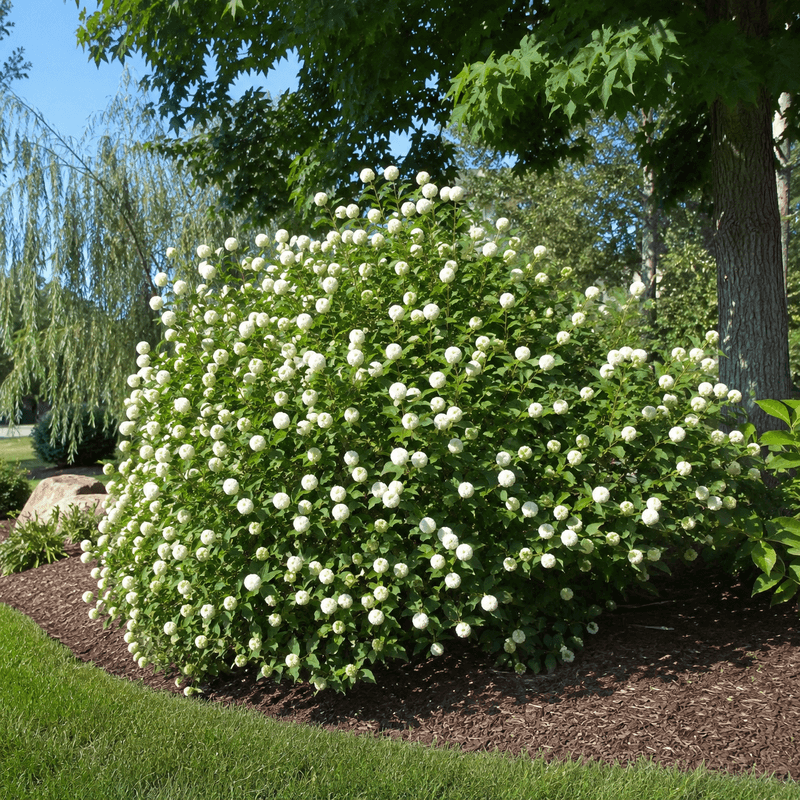
Every wet corner has potential, and buttonbush proves it. Those round white flowers look like tiny pincushions, and pollinators treat them like a neighborhood gathering spot.
Buttonbush is the pick for Florida yards with damp soil, pond edges, swales, rain gardens, or spots that stay moist after summer storms. Many popular landscape shrubs resent wet feet, but buttonbush is naturally suited to low, moist places.
That matters in a state where heavy rain, flooding, and hurricane-season downpours can turn the wrong planting bed into a plant graveyard.
For purple martins, buttonbush supports the wetland side of the food web. Moist areas produce many flying insects, including midges, flies, dragonflies, and yes, mosquitoes.
Martins will not wipe out every mosquito, and standing water should still be managed, but a healthier yard can support more birds, bats, dragonflies, and other natural predators that help keep pests from having the place to themselves.
Plant buttonbush where it has room, because it can become a large shrub. Keep it away from the immediate base of a martin pole if it would block open flight.
Near a retention pond, rain garden, or backyard wet spot, though, it turns a problem area into a wildlife magnet with real Florida toughness.