
Purple martins are flashy backyard birds with a big appetite for flying insects. While plants alone will not create a colony, the right Florida natives can make your yard more inviting by adding perches, insects, shelter, and a healthier habitat around a martin house.
That matters in Florida, where mosquitoes, sandy soil, heat, and storms all shape how a yard works. Planting smart gives your garden more life, more color, and a better chance of becoming a summer stop for these mosquito-snatching birds.
1. Firebush
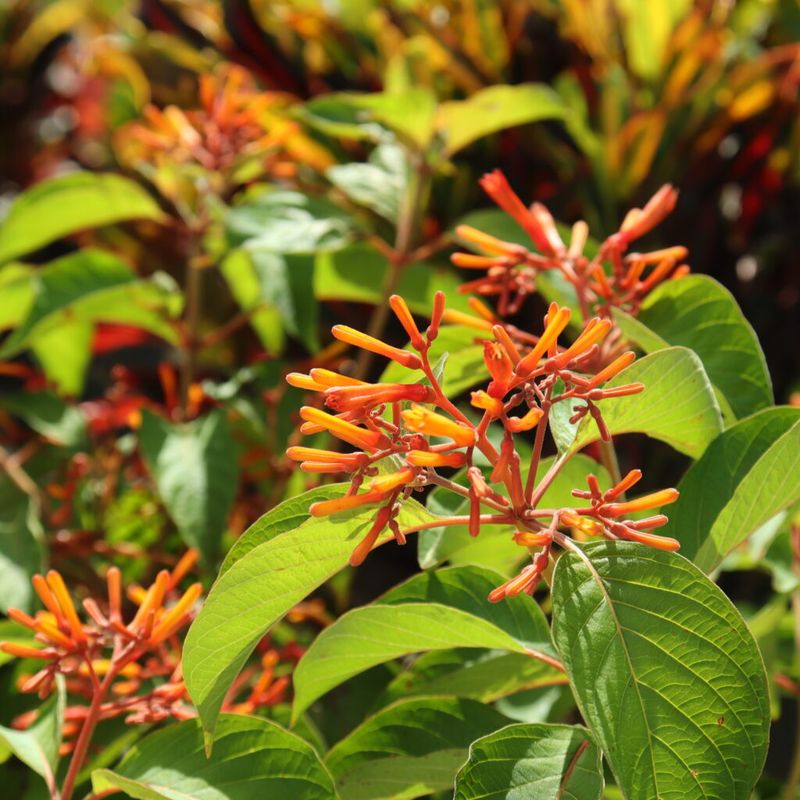
A firebush in bloom looks like it is throwing a tiny wildlife party, and purple martins can benefit from the guest list. Hummingbirds, butterflies, moths, beetles, and other insects visit the flowers, which helps build the flying-insect activity martins hunt above open yards.
For Florida gardeners, firebush is one of the easiest native shrubs to place near the edge of a martin-friendly area. It handles heat, sun, and sandy soil once established, and it can bounce back after hard pruning or storm damage in many parts of the state.
Keep it away from the direct flight path to a purple martin house, since martins prefer open space around their nesting gourds or compartments. A smart spot is along a sunny fence, at the back of a pollinator bed, or beside a patio where it adds color without crowding the airspace.
Firebush earns its place because it brings nonstop warm-season bloom and insect movement. It is not a mosquito trap, but it helps create the kind of lively, chemical-light yard where insect-eating birds have a reason to keep circling.
2. Simpson’s Stopper
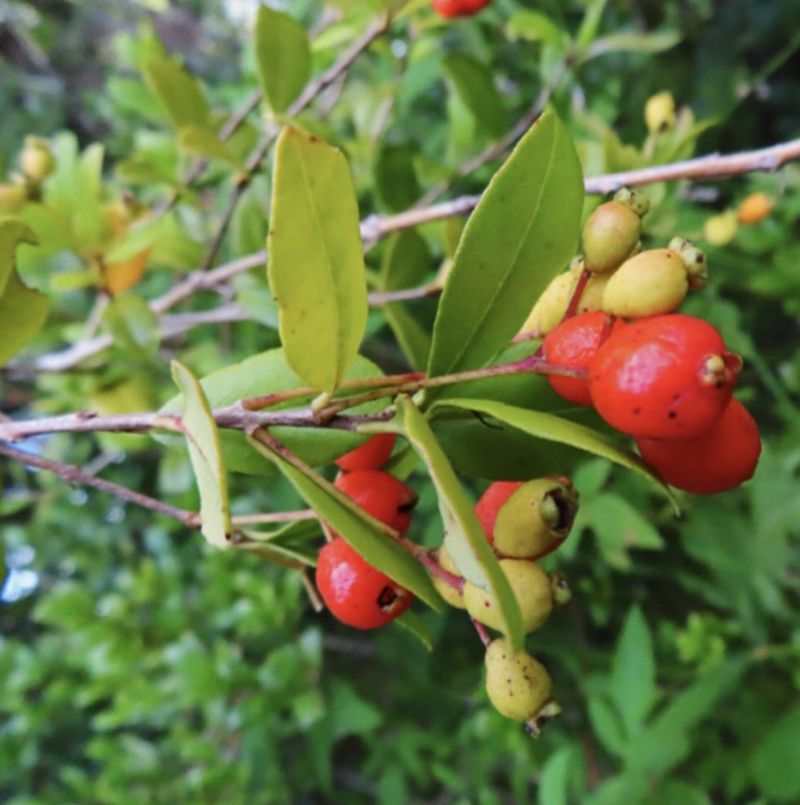
Some plants do their best work quietly, and Simpson’s stopper is one of those steady Florida natives that makes a yard feel settled. Its small white flowers attract pollinators, while its red berries feed many backyard birds during the year.
Purple martins do not come for the berries, but they do use healthy open habitats where flying insects are active and predators are easier to spot. Simpson’s stopper helps by forming a tidy native hedge that supports insects and other birds without turning the center of the yard into a thicket.
In Florida landscapes, it is useful because it tolerates pruning, fits smaller lots, and stays attractive with less fuss than many nonnative hedge plants. It also works well in sandy soil when watered during establishment, then allowed to toughen up.
Plant it as a side-yard screen, a loose boundary behind the martin pole, or a wind-softening hedge that does not block the birds’ runway. Its special value is structure: it frames the yard, supports wildlife, and still leaves the open flight space purple martins need.
3. Beautyberry
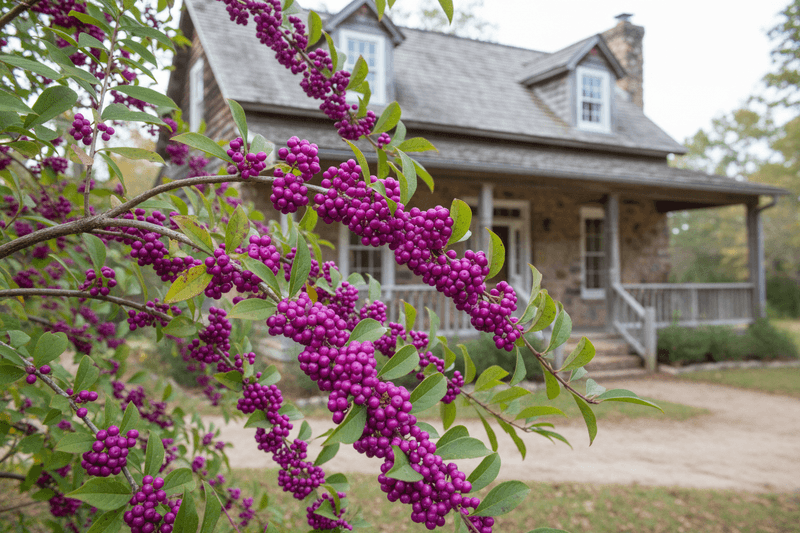
Those bright purple berry clusters can stop a gardener mid-step, especially in late summer when many yards look tired. Beautyberry brings color at the exact time Florida landscapes need a lift, and it adds real wildlife value beyond its good looks.
The flowers are small, but they attract bees, flies, and other small insects before the famous berries appear. More insects in the yard can support the broader food web that makes a property more appealing to aerial insect hunters like purple martins.
Beautyberry is different from the showier bloomers on this list because it shines as a seasonal food station for resident birds. Cardinals, mockingbirds, and other fruit-eating birds may visit, adding motion and sound around the edges of the yard while the martins patrol above.
Give beautyberry a spot with room to arch naturally, such as a back corner, woodland edge, or loose native border. It can be cut back in late winter if it gets leggy, which makes it easier to manage on small Florida lots.
For a martin setup, keep beautyberry low and off to the side. It adds berries, insects, and a wilder feel without interfering with the open approach martins prefer.
4. Walter’s Viburnum
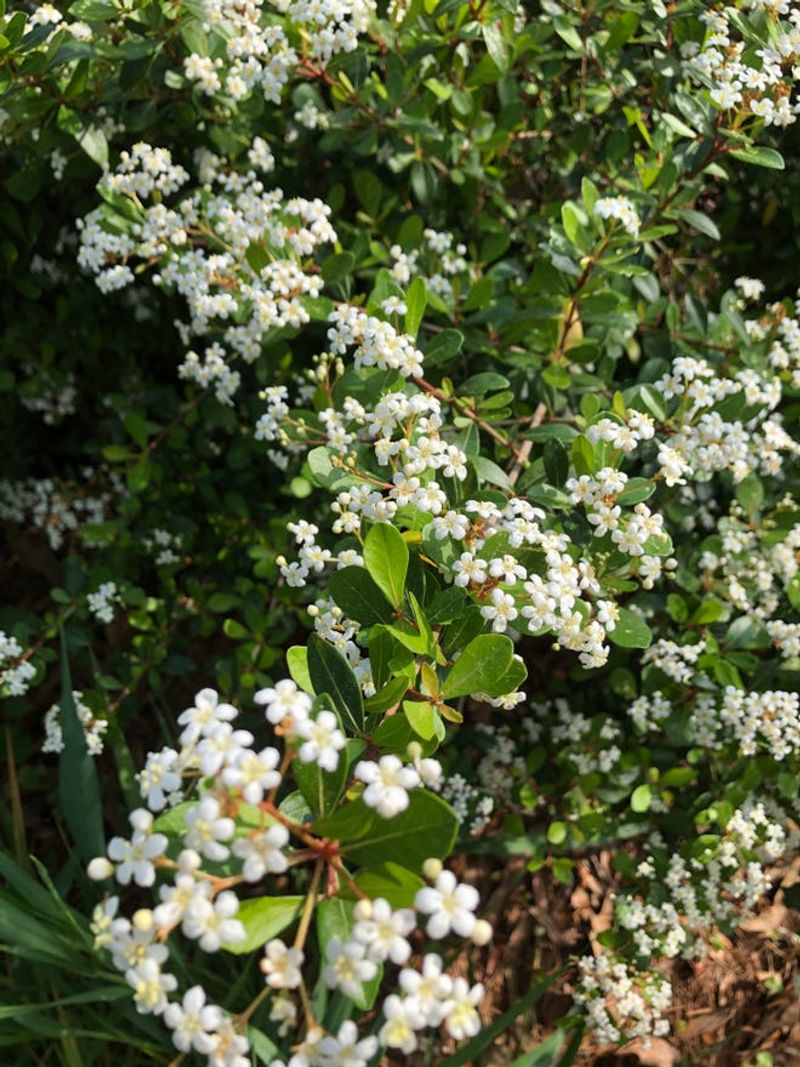
If your yard needs a native plant that can play the role of a polite hedge, Walter’s viburnum is a strong choice. It can be kept clipped for a formal look or allowed to grow looser for a softer wildlife border.
Spring flower clusters attract small pollinators, including native bees and flies. Those insects are part of the airborne buffet that makes a chemical-sprayed, overly sterile yard less useful and a native-planted yard more active.
Walter’s viburnum stands out because it offers cover and nesting structure for smaller birds while still fitting into a neat neighborhood landscape. That is helpful for homeowners who want wildlife value without making the yard look unplanned.
In Florida, use it where you need a screen that can handle heat and regular shaping. It prefers some moisture, so it may need better siting or extra water during establishment in very dry, sandy areas.
Do not plant a tall hedge right around a purple martin house. Martins like broad visibility and clear flight paths, so place Walter’s viburnum along the property line, near a rain garden edge, or behind a bed where it supports insects but does not create a predator perch too close to the colony.
5. Fakahatchee Grass
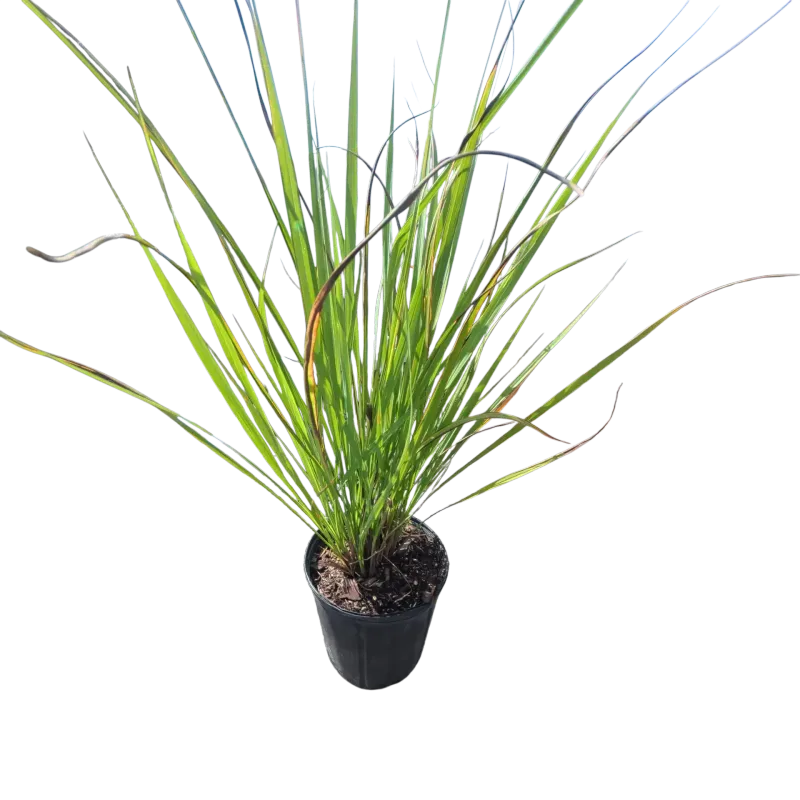
Not every martin-friendly plant needs flowers that steal the show. Fakahatchee grass brings movement, texture, and hiding places for the tiny life that keeps a yard buzzing.
Its large clumps shelter insects, spiders, and other small creatures, especially along pond edges, swales, and damp low spots. Purple martins hunt flying insects in open air, but a yard with native grasses often supports a richer insect community than a clipped lawn alone.
Fakahatchee grass is especially useful in Florida yards that deal with stormwater. Instead of fighting every wet patch, gardeners can use this native grass in rain gardens or low areas where runoff collects after summer downpours.
Give it space, because mature clumps can get broad and dramatic. It looks best as a repeated accent near a pond, along a back fence, or at the edge of a naturalized bed rather than right beside a walkway.
Its reason for making the list is habitat depth. Flowers bring nectar, shrubs bring berries, but native grasses add nesting cover for beneficial insects and help soften the harsh line between open lawn and wildlife planting.
6. Seaside Goldenrod
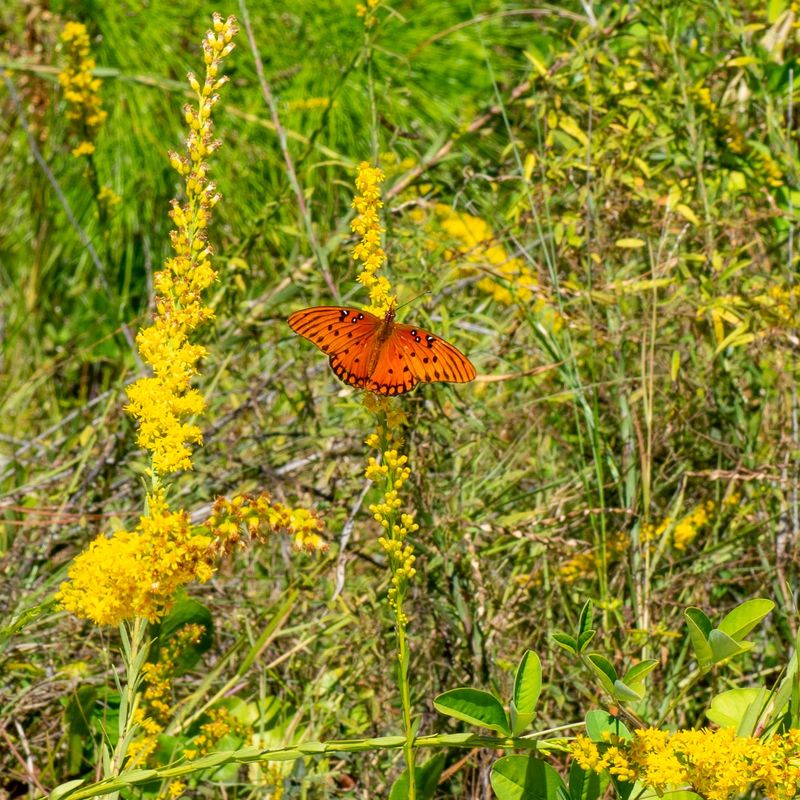
Goldenrod gets blamed for allergies it usually did not cause, which is a shame because Florida yards miss out when gardeners avoid it. Seaside goldenrod is a late-season powerhouse for pollinators, especially when summer is wearing thin and many flowers are slowing down.
Its bright yellow blooms attract bees, wasps, flies, butterflies, and tiny insects that keep the garden active. Purple martins will not perch on the flowers like finches, but the increased insect life helps support a yard that feels alive from ground level to sky level.
Seaside goldenrod is a good fit for sunny, sandy, and coastal-influenced spots, though it still needs sensible placement. It can spread, so use it where a slightly wild patch is welcome, such as a back border, meadow strip, ditch edge, or sunny fence line.
What makes it different is timing. Many homeowners think about martins in spring, but mosquito pressure and flying insects continue through Florida’s long warm season.
Goldenrod keeps feeding pollinators late, which helps the whole habitat stay useful longer.
For a cleaner look, pair it with sturdy grasses or lower native shrubs that can hold the bed together visually. The result is more color, more insects for birds to hunt, and less need for constant replanting.
7. Coreopsis
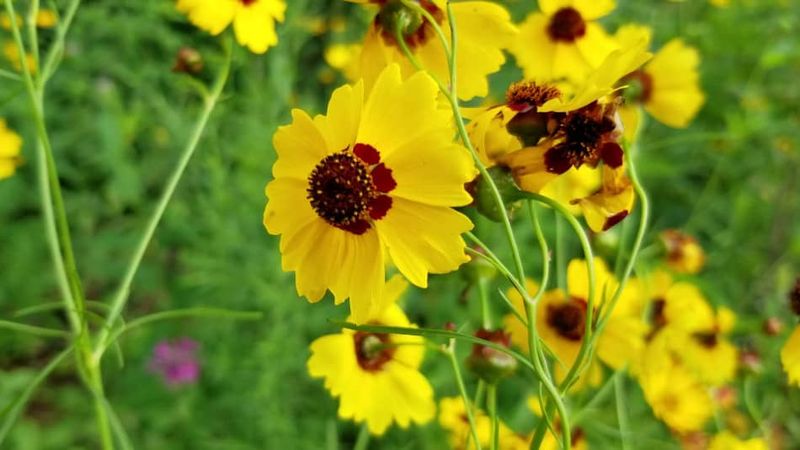
A patch of coreopsis can make a sandy Florida yard look cheerful almost overnight, especially when planted in a sunny sweep instead of one lonely clump. As Florida’s state wildflower, it also gives the garden a strong local identity.
Coreopsis attracts bees, butterflies, flower flies, and other small insects during its bloom season. That matters because a martin-friendly yard should not be treated like an outdoor room that must be empty of bugs.
The goal is balance, with fewer nuisance mosquitoes and more natural predators moving through the space.
Compared with shrubs and grasses, coreopsis is the quick color choice. It can fill bare spots, brighten a front border, or create a meadow-style strip near an open lawn without blocking purple martin flight paths.
Florida gardeners should choose species and varieties suited to their part of the state, then plant in sun with good drainage. In very sandy soil, water new plants until they root well, but avoid making the bed soggy.
Coreopsis earns the final spot because it is approachable. Even a beginner can start with a small bed, skip heavy pesticide use, and create a brighter yard that supports pollinators, which in turn helps attract the aerial hunters people love watching all summer.