
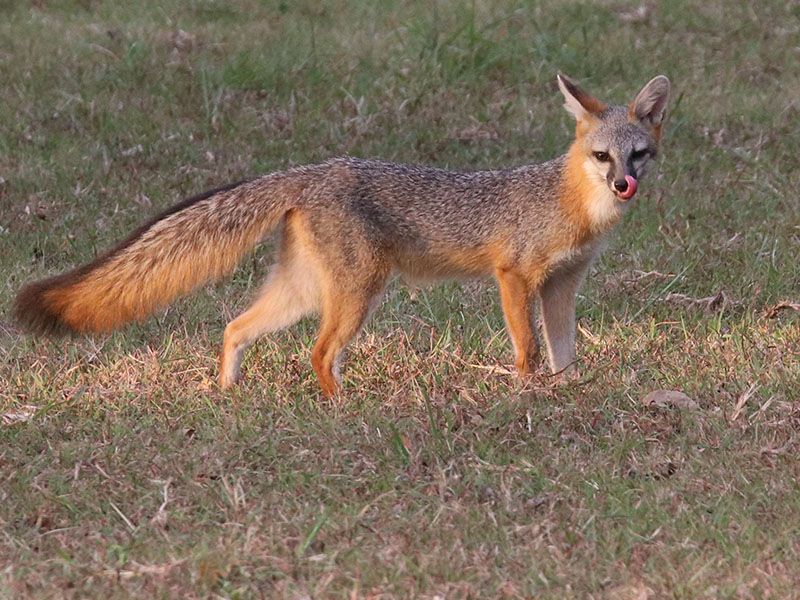
Spotting a gray fox slipping through your yard at dusk is one of those Central Texas moments that stops you in your tracks. These quick, quiet animals do eat rodents, including mice and rats, so it’s natural to wonder whether a fox passing through means fewer rats around the house.
The honest answer is more complicated than that, and knowing what a fox visit actually signals can help you make smarter decisions about both wildlife and pest control. This article breaks down what the science says, what it doesn’t, and what you can actually do to protect your home.
A dusk fox signals habitat use—not falling rat numbers
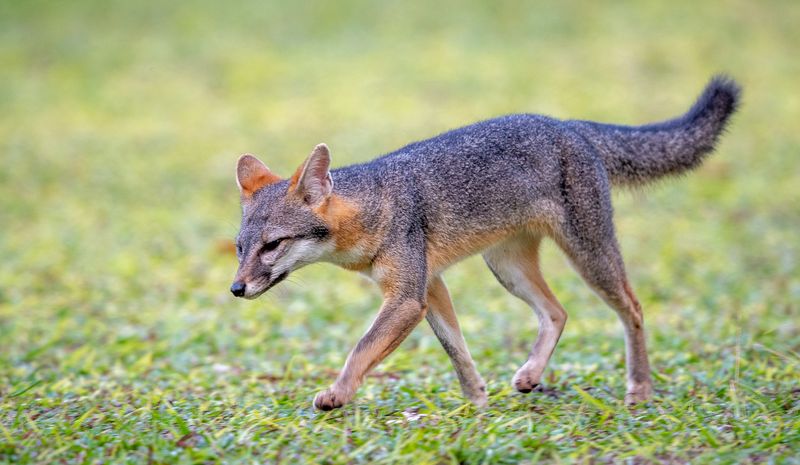
Catching a glimpse of a gray fox moving through your Central Texas yard at dusk is a genuine wildlife moment, but the sighting tells you more about habitat than about your rat situation. Texas Parks and Wildlife describes the gray fox as a wide-ranging species found across most of Texas, favoring chaparral, woodland edges, brushy cover, and rocky country.
When residential neighborhoods grow up near those habitat types, gray foxes sometimes move through yards as part of their normal travel.
A fox at the edge of your property is using the landscape, and the reasons for that visit can be surprisingly varied. Rodents are one possible draw, but so are fruit, insects, birds, eggs, garbage, poultry, available shelter, or simply a familiar travel corridor.
U.S. Forest Service species-review data confirm that gray foxes are generalist omnivores whose movements reflect whatever the local environment offers at any given time.
Seeing one cross your yard does not confirm that rats have declined, and it doesn’t identify rodents as the specific reason the fox stopped by.
Gray foxes are primarily nocturnal, but dusk and occasional daytime appearances are normal and do not signal a problem with the animal. They are also not the only fox-like canid in Texas.
Coyotes, red foxes, and other canids share parts of the state, and misidentification is easy at low light. Texas Parks and Wildlife notes that gray foxes carry a distinctive salt-and-pepper coat, rusty markings along the sides and face, and a black stripe running down the top of the tail to a black tip.
A residential-yard study by the U.S. Geological Survey documented gray foxes using developed properties, confirming that suburban and semi-rural Texas yards do fall within their range.
Confirming the species before drawing conclusions keeps your response grounded in what is actually happening in your yard.
Gray foxes eat rats, but rats are only part of the menu
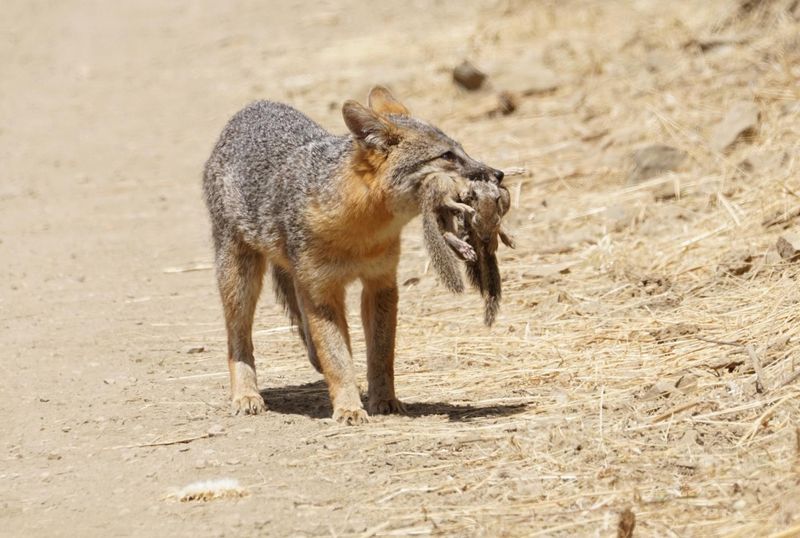
Gray foxes have a reputation as rodent hunters, and that reputation is earned. Florida Fish and Wildlife lists mice and rats among the main foods gray foxes consume, and small mammals broadly appear in diet studies across the species’ range.
But calling a gray fox a rat specialist would be a stretch that the evidence does not support.
The fuller picture is that gray foxes are opportunistic omnivores whose diets shift with what is locally and seasonally available. The U.S.
Forest Service species review documents consumption of rabbits, birds, eggs, insects, acorns, wild grapes, persimmons, and other plant material alongside small mammals. A University of Tennessee study on gray fox ecology in East Tennessee found that diet composition varied considerably across seasons, with plant matter making up a substantial portion during certain periods.
Research from northern Mexico published in Acta Zoologica Mexicana similarly documented a mixed diet that reflected regional food availability rather than a fixed preference for any single prey type.
What this means in practical terms is that a fox crossing your yard may have eaten a rat last night, or it may have eaten a persimmon, a grasshopper, or a bird egg. The sighting itself does not tell you which.
Rodent consumption is part of the gray fox’s ecological role, and that is genuinely useful to the landscape. Treating it as a targeted, on-demand rat-removal service, though, asks more of the animal than the biology supports.
A fox that finds rodents in your yard may return for them, but it may also move on to the next available food source in the next yard over.
Residential-yard research does not show rat suppression
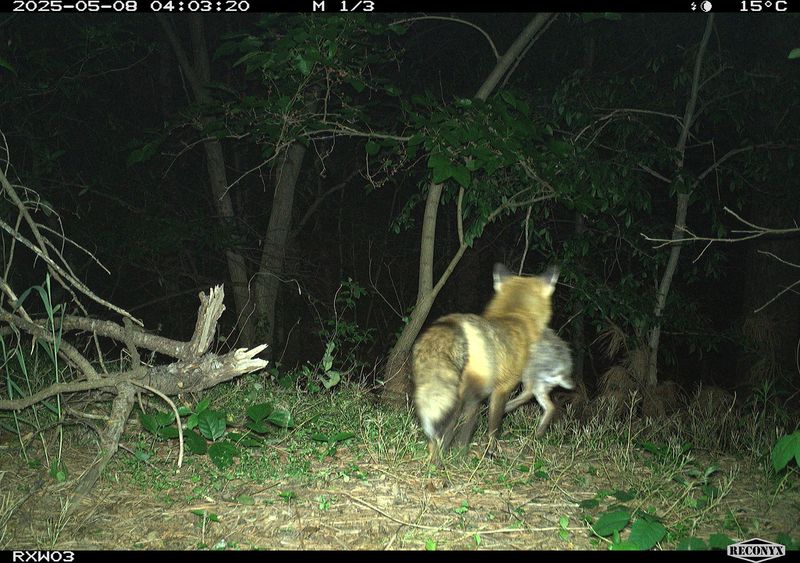
The idea that more fox sightings translate directly to fewer rats around a house is appealing, but the available research does not back it up. A 2024 USGS study on mesocarnivores in residential yards in northwestern Arkansas found that gray foxes did use developed yards and that their relative abundance was actually highest in yards that kept poultry.
That last detail is significant: poultry is a potential conflict and attractant, not a sign that foxes were suppressing rat populations. The study did not measure whether fox presence reduced rat abundance at any of the properties.
The distinction between “foxes eat rodents” and “foxes reduce household rat populations” matters a great deal for homeowners making decisions about pest control. Diet data confirm consumption, but consumption at the individual level does not automatically translate into a measurable drop in rat numbers around a specific house.
Predator-prey relationships at a landscape scale are complex, and a single fox moving through a yard on an irregular schedule is not the same as a sustained population-level pressure on local rodents.
There is also a causation question worth considering. A yard with a heavy rat presence may attract foxes rather than the other way around.
If your property offers abundant prey, cover, or food attractants, you may see more fox activity precisely because the conditions that support rats are already in place. U.S.
Forest Service data on gray fox habitat use reinforce that foxes respond to the full suite of available resources, not to a homeowner’s wish for rodent control. Watching fox frequency at your trail camera is not a reliable way to track whether your rat problem is getting better or worse.
Support safe wildlife passage without baiting foxes
Allowing a healthy gray fox to pass through your yard without disturbing it is the right call, and you do not need to do anything special to make that happen. CDC guidance on wildlife is clear: do not feed wild animals, do not try to tame them, and do not create conditions that cause them to associate people with food.
That means no meat scraps, no pet food left outside, and no bait of any kind set out to draw a fox closer to the house.
Feeding a fox might seem like a harmless way to encourage rodent control, but it tends to produce the opposite of the intended result. Animals that are fed near homes lose their natural wariness, begin to expect handouts, and may become bolder or more aggressive over time.
Humane World for Animals advises against feeding foxes for exactly this reason, noting that habituation increases conflict risk. Food left out for foxes also attracts rats, raccoons, and other animals you probably are not trying to invite.
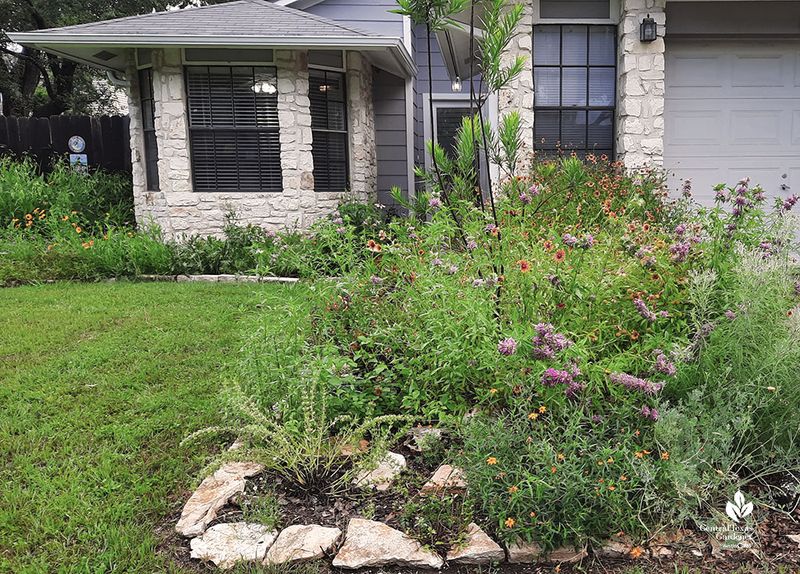
Natural cover, like brush, logs, and dense native vegetation, can support wildlife movement through a property, and Forest Service habitat data confirm that gray foxes use brushy cover as part of their range. The USGS residential-yard study also documented that yard features influence where these animals spend time.
The practical boundary is placement: keep any brush piles, log stacks, or dense plantings away from the house foundation, garage, chicken coop, and children’s play areas. Those same features that might help a fox feel comfortable moving through can also shelter rodents or create hiding spots that increase conflict.
UF/IFAS Extension guidance on landscaping and pest prevention supports positioning dense cover at a distance from structures as a standard risk-management step. A yard that lets wildlife pass through safely is a reasonable goal; baiting predators toward your back door is not.
Seal the house for dependable rat control
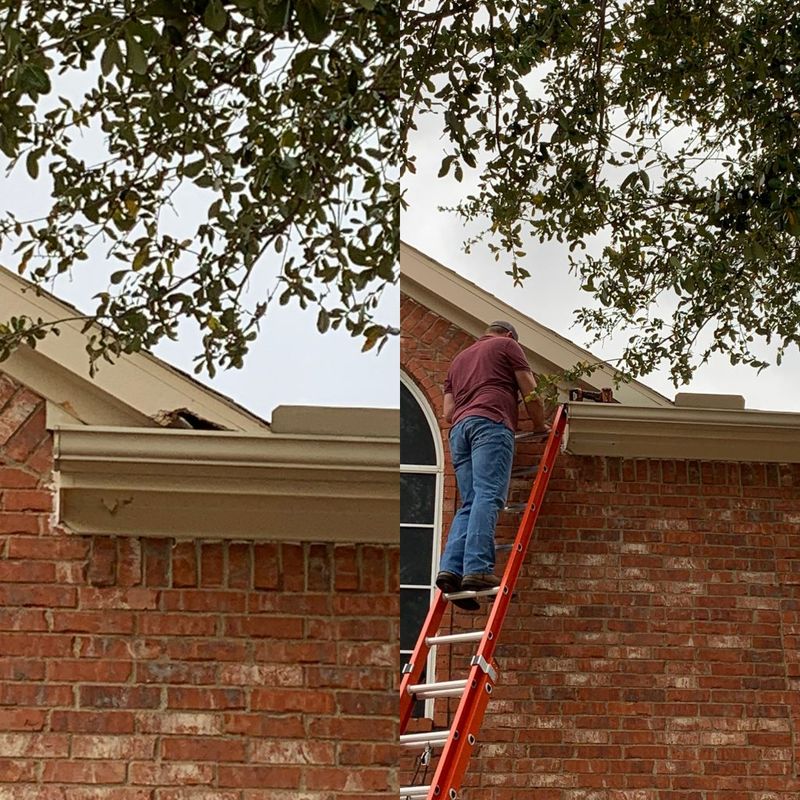
No amount of fox traffic replaces the physical work of making your house hard for rats to enter. The starting point is a thorough inspection of the structure.
CDC guidance on sealing up against rodents recommends checking gaps around foundation sills, door sweeps, utility pipes, vents, garage doors, and where wires or cables enter the wall. Mice can squeeze through an opening roughly one-quarter inch wide, and rats are not far behind.
Any gap you can slide a pencil into deserves attention.
Beyond the structure itself, the yard around the house matters just as much. EPA guidance on preventing rodent infestations highlights that overhanging tree branches are a common route rats use to reach rooflines and attic vents.
Trimming branches that touch or hang over the roof removes a bridge that exclusion tape and steel mesh cannot block. Sheds and outbuildings deserve the same inspection as the main house, since rats that establish in a detached structure will eventually test the paths leading to the home.
Sanitation is the other half of the equation. UF/IFAS Extension and the Texas A&M AgriLife Extension Housing IPM Guide both identify unsecured food and water as primary drivers of rodent pressure near structures.
Secure garbage cans with tight lids, store animal feed and birdseed in metal containers, bring pet food indoors before dark, fix dripping faucets and address standing water, and clear clutter or debris piled against the house. Rats need three things to stay near a structure: food, water, and shelter.
Removing any one of those makes your property far less appealing than the next yard over, regardless of how many foxes pass through.
Manage poison, dens, and conflicts without harming the fox

Rodenticide can be part of a rat-management plan, but it is not a wildlife-neutral tool. When a rat consumes poison bait and is then caught and eaten by a fox, owl, hawk, or other predator, the predator absorbs whatever toxic residue remains in the rat’s body.
EPA’s rodent control pesticide safety review identifies second-generation anticoagulant rodenticides as a particular concern because poisoned rodents can remain mobile for days before dying, giving predators and scavengers repeated opportunities to eat contaminated prey. EPA restrictions on rodenticide products require that residential users apply these materials only in tamper-resistant bait stations and follow product labels strictly.
Ignoring those requirements increases secondary-poisoning risk to the very predators that might otherwise help with rodent pressure.
A gray fox denning under a porch, deck, or shed is a separate situation that calls for patience. Humane World for Animals advises against sealing an active den while kits may still be inside, since that can trap young animals or force the adults to cause damage breaking back in.
The recommended approach is to wait until the family has moved on naturally, then seal the opening with hardware cloth or similar material to prevent re-entry. Mild harassment techniques can sometimes encourage a fox family to relocate on their own, but timing and follow-through matter, and a local wildlife professional can guide that process.
For more serious conflicts, Texas law shapes the options available. Texas Parks and Wildlife nuisance fur-bearing animal regulations state that live foxes may not be transported or sold within, to, or from Texas without department authorization and an approved release-property owner.
Moving a fox yourself is not a legal or practical solution. Local animal control or a licensed wildlife control operator is the right call when a fox becomes a genuine conflict rather than a passing visitor.
EPA anticoagulant risk mitigation guidance further underscores that the broader predator community, including foxes, faces real risk when rodenticides are used carelessly near wildlife habitat.
Know when a fox needs distance and a report
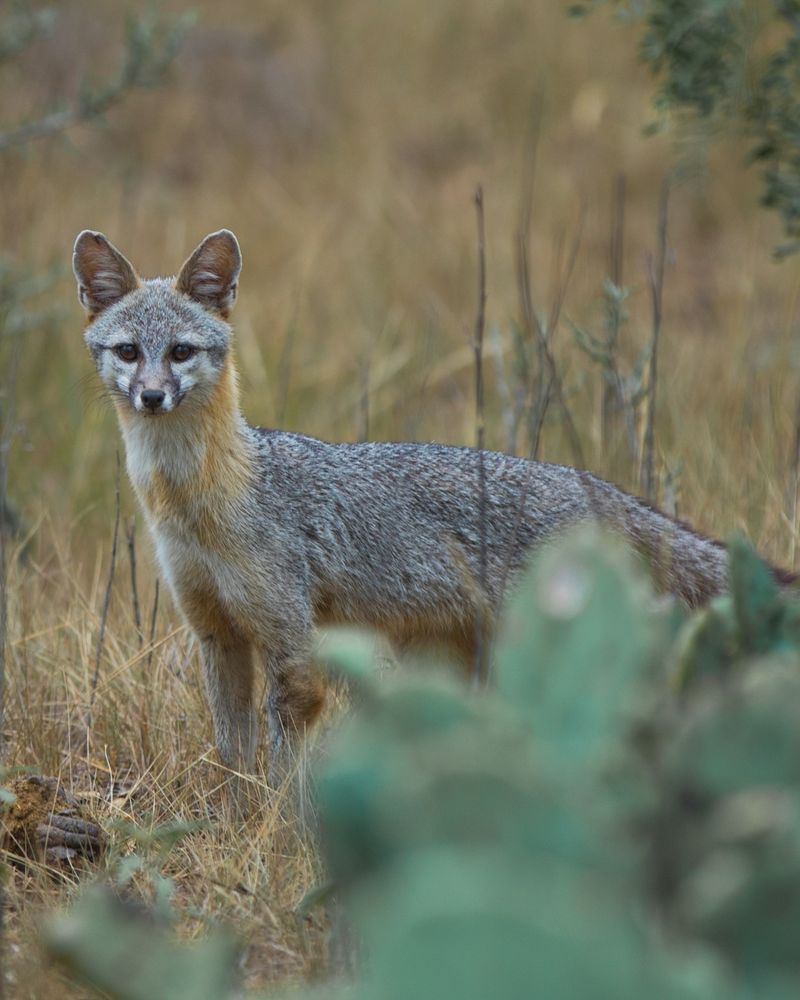
Most gray foxes that move through a Central Texas yard want nothing to do with the people inside. Healthy foxes are alert, wary, and quick to leave when they sense a human presence.
That normal behavior is the baseline to keep in mind when evaluating any fox you observe.
Small pets, poultry, rabbits, and animals left unattended outdoors are in a different category. Gray foxes are not usually a threat to adult dogs, but they are capable predators relative to small animals, and they should never be treated as harmless around vulnerable pets or backyard flocks.
Keep small animals secured, especially at dawn and dusk when fox activity tends to peak. Do not allow any pet to approach or chase a wild fox, both for the pet’s safety and to avoid pushing a cornered animal into defensive behavior.
Daylight activity alone does not mean a fox is sick. Gray foxes are primarily nocturnal, but dusk sightings and occasional daytime appearances fall within the range of normal behavior.
The warning signs that do warrant concern are different: unusual tameness, disorientation, staggering, unprovoked aggression, visible injury, or a failure to flee when a person approaches. Texas DSHS rabies information notes that rabies occurs in wild and domestic animals in Texas year-round, and foxes are among the species that can carry it.
If you observe those behavioral red flags, keep people and pets away and report the animal to local animal control rather than approaching it yourself. CDC rabies prevention guidance and CDC clinical overview of rabies both state that any bite, scratch, or saliva contact with a wild animal requires immediate wound washing with soap and water, followed by prompt contact with a healthcare provider or public-health authority.
Do not wait to see whether symptoms develop before making that call.
Let the fox pass, and make the house hard to enter

A gray fox crossing your Central Texas yard may well be eating rodents as part of its nightly routine. Texas Parks and Wildlife confirms the species is present across most of the state and uses the kinds of brushy, edge habitats that border many residential neighborhoods.
That ecological role is real and worth appreciating. What it cannot reliably do is guarantee fewer rats at your foundation, in your attic, or under your shed.
The two-part response that actually works is simpler than it might sound. First, leave a healthy fox alone: no feeding, no baiting, no attempts to tame or relocate it.
CDC wildlife guidance is consistent on this point, and it applies whether you want the fox around for pest control or simply prefer it to keep moving. Second, address rats directly through the methods that have a demonstrated track record: seal entry points, secure food and water sources, reduce harborage near the structure, and use rodenticides only with tamper-resistant stations and strict label compliance.
CDC sealing guidance gives a practical checklist for that inspection.
A yard that supports natural wildlife movement and a house that is sealed against rodents are not competing goals. They work together, and neither one requires you to treat a passing fox as either a pest or a guaranteed solution.
The fox gets a safe corridor; you get a home that rats cannot easily enter.