
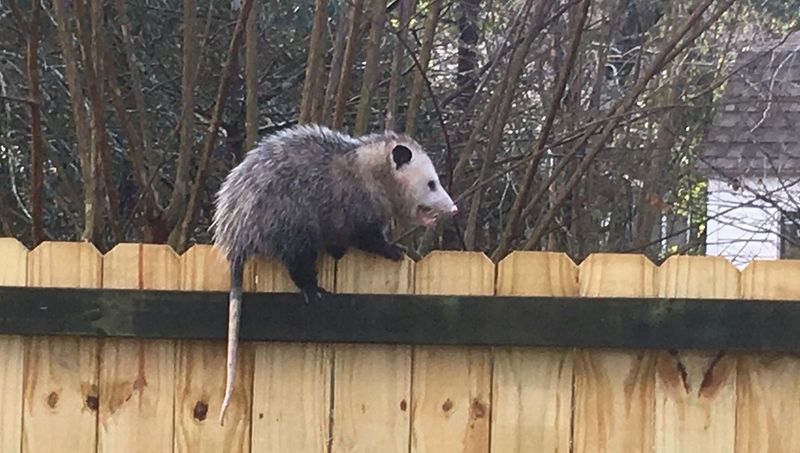
A surprise opossum in the yard can make any Florida gardener stop and stare. The good news is that this quiet night visitor is usually helping more than hurting.
Opossums eat pests, clean up fallen fruit, and rarely want trouble with people or pets. Here is how to handle the visit safely while making your yard work better for you.
1. Stay Calm and Watch From a Distance
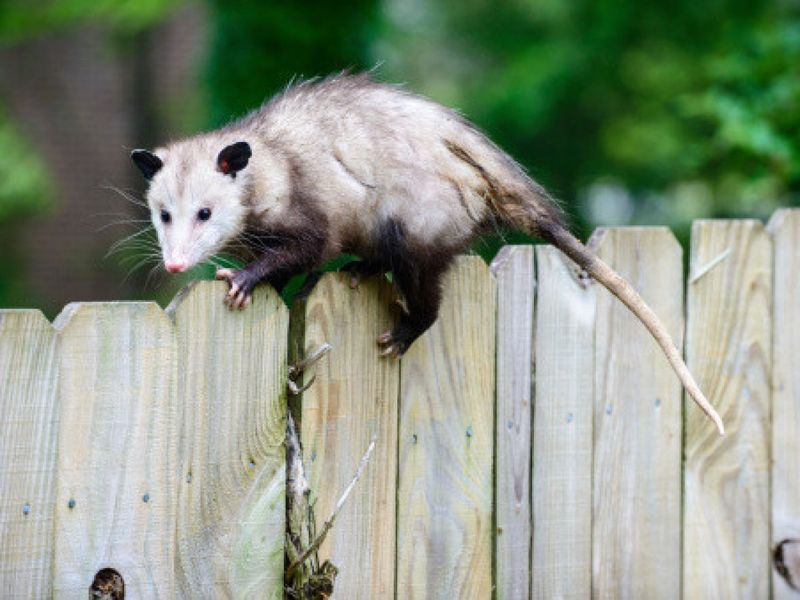
A gray little face by the fence can look shocking at first, especially when it appears under a porch light after dark. Most opossums are just passing through, sniffing for beetles, fallen berries, slugs, or leftover pet food.
They are not looking for a fight, and they usually move along if nobody corners them.
Give the animal space and keep people, dogs, and cats away from it. Opossums have poor eyesight and rely heavily on smell, so sudden movement or loud shouting can make the situation more stressful for everyone.
If you watch quietly from a window or patio, you can often tell whether it is simply foraging or hiding from a threat.
Florida yards are busy after sunset, and opossums are part of that nighttime cleanup crew. A calm response helps you avoid unnecessary panic and keeps the animal from feeling trapped.
In many cases, the best first step is simply to observe, then let the visitor finish its rounds and leave on its own.
2. Bring Pets Indoors Before They Start a Chase
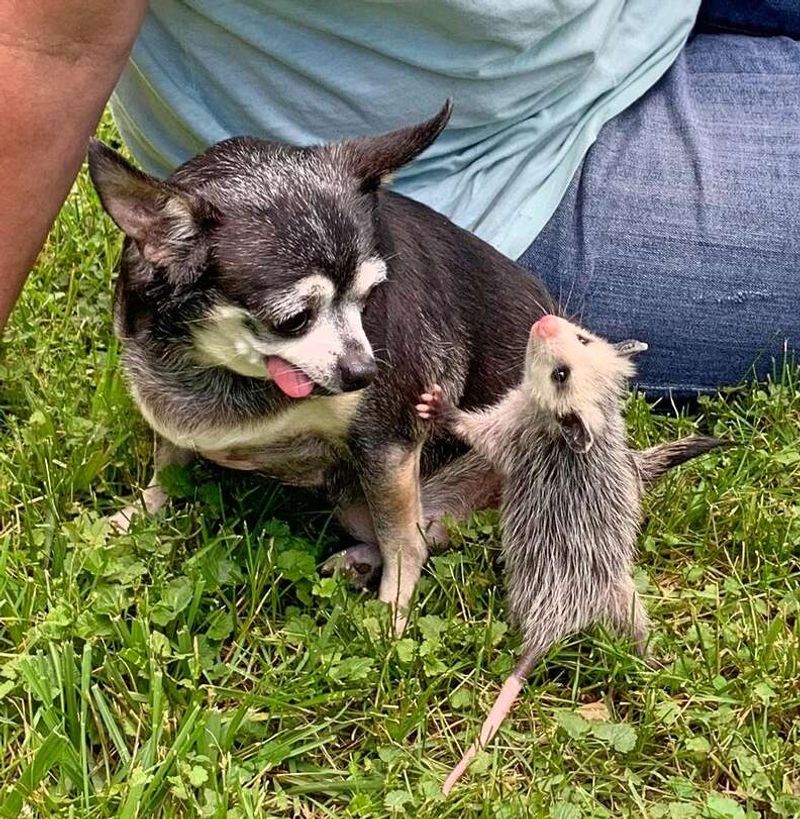
The family dog may think the yard has suddenly become a thrilling adventure zone. An opossum, however, sees a barking pet as a serious threat and may freeze, hiss, drool, or show its teeth to look more dangerous than it really is.
That display is defense, not a plan to attack.
Call pets inside calmly and reward them once they come in. Avoid sending a dog out to scare the opossum away, because a chase can lead to scratches, bites, or a frightened animal wedged under a deck.
Cats should also be kept indoors when wildlife is active, especially at night.
Pet owners in Florida already juggle fleas, mosquitoes, cane toads in some areas, and year-round outdoor temptations. Treating opossum visits as a cue to tighten evening pet routines is a smart habit.
Bring in food bowls, close gates, and do a quick yard check before letting pets out after dark.
If contact does happen, call your veterinarian for advice. Opossums are less likely than many mammals to carry rabies, but any wildlife bite or scratch deserves quick attention.
3. Let It Hunt the Pests You Do Not Want
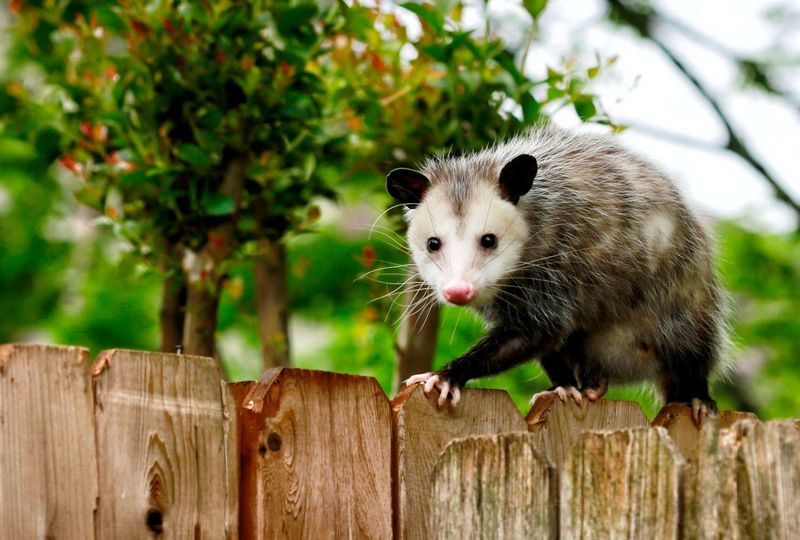
Garden pests do not take the night off, and neither does an opossum. While you sleep, it may be nosing through mulch for beetles, roaches, grubs, snails, and other small creatures that chew leaves or make patios unpleasant.
That is free pest patrol without a spray bottle.
Florida gardeners often deal with long warm seasons that allow insect pressure to build for much of the year. An opossum will not solve every pest problem, but it can be one helpful piece of a lower-chemical yard plan.
Think of it as a quiet helper that works the messy edges, compost area, fence lines, and damp corners where pests often gather.
There is a popular claim that opossums eat huge numbers of ticks. Their exact impact in real yards is debated, so it is better not to count on them as a complete tick-control plan.
Still, their broad diet makes them useful scavengers and insect hunters.
Pair their visits with smart gardening basics. Use mulch properly, avoid overwatering, remove diseased plant debris, and choose Florida-friendly plants that are less stressed by heat and sandy soil.
Healthy gardens attract helpful wildlife while staying easier to manage.
4. Remove Easy Food That Pulls It Too Close to the House
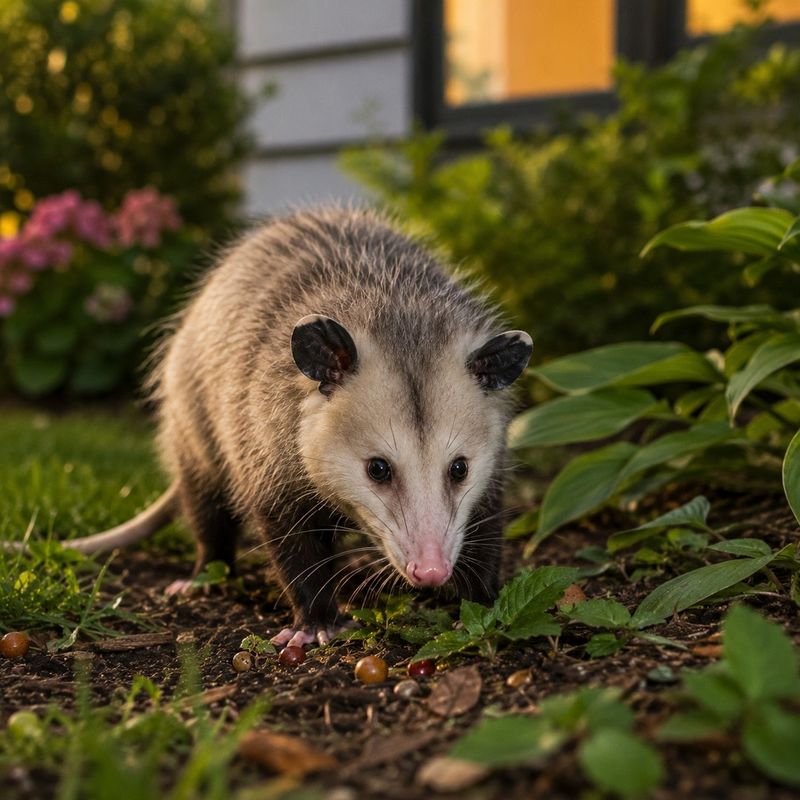
One forgotten cat bowl can turn a casual visit into a nightly reservation. Opossums are opportunistic, which means they follow easy meals such as pet food, open garbage, birdseed piles, fallen mangoes, and scraps near outdoor kitchens.
In Florida, where patios and lanais get heavy use, those food cues add up fast.
Bring pet dishes inside before sunset and use tight lids on trash cans. If you have fruit trees, pick ripe fruit regularly and clean up what drops, especially after windy storms.
Bird feeders can also create a buffet on the ground, so sweep spilled seed or switch to feeder styles that reduce waste.
Removing attractants does not mean making your yard hostile to wildlife. The goal is to keep opossums doing useful foraging in garden beds and natural areas instead of hanging around doors, grills, and garages.
A little cleanup also helps reduce ants, roaches, rats, and raccoons.
For gardeners, this is one of the easiest upgrades with the fastest payoff. Cleaner surfaces, fewer pests, and fewer surprise face-to-face meetings near the back door make the whole yard feel more comfortable.
5. Check for Openings Under Decks, Sheds, and Crawl Spaces
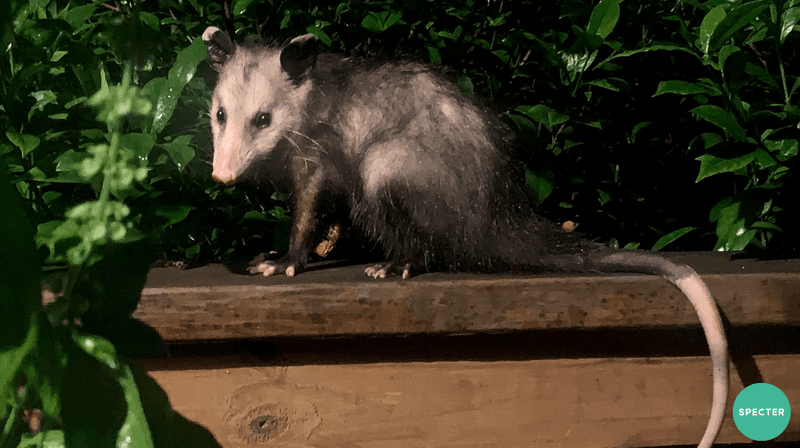
A shed gap the size of a softball can look like a cozy apartment to a tired opossum. These animals do not usually dig elaborate dens, but they are quick to use spaces that already exist.
Under decks, loose lattice, crawl-space vents, and storm-damaged skirting are common hiding spots.
Before sealing anything, make sure no animal is inside. Sprinkle a light layer of flour or sand near the opening and check for tracks after dark, or loosely stuff the hole with newspaper and see if it gets pushed out.
If the space is active, wait until the opossum leaves before closing it.
Florida storm season can create new openings around sheds, fences, and raised structures. After heavy rain or wind, walk the yard and look for shifted boards, washed-out soil, or broken vent covers.
Repairing these spots protects your home from more than opossums, including rats, snakes, and moisture problems.
Use sturdy materials such as hardware cloth, secure lattice, or properly fitted vent covers. Avoid trapping wildlife inside, and call a licensed wildlife professional if you suspect babies are present or cannot confirm the space is empty.
6. Give It a Clear Escape Route
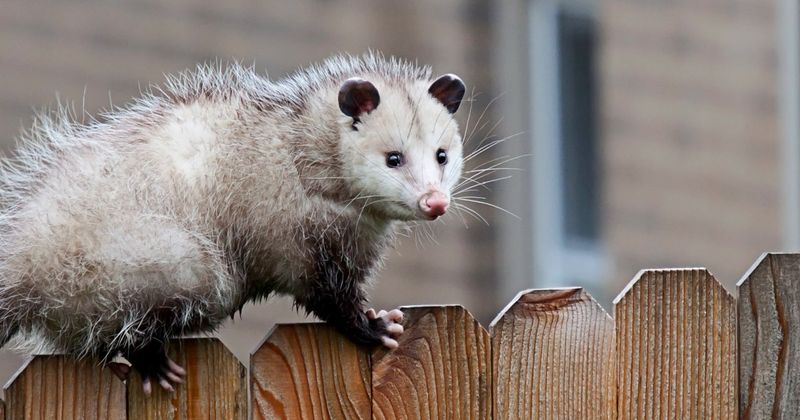
Picture a small animal suddenly finding itself between a fence, a barking dog, and a bright porch light. That is when even a harmless visitor can act dramatic.
Opossums may hiss, sway, drool, or play dead when overwhelmed, but the simplest fix is often giving them a way out.
Open a gate if you can do so safely, turn off unnecessary outdoor lights, and move people and pets indoors. Do not poke the animal with a broom or try to push it along.
Pressure can make it freeze longer, while quiet space lets it choose an exit.
Many Florida yards have privacy fencing, pool screens, narrow side yards, and dense hedges that can accidentally create dead ends. A quick look at your layout helps you understand where wildlife gets stuck.
If an opossum repeatedly ends up trapped, consider trimming a tight hedge opening or adjusting a gate gap so small animals can leave without entering your main living area.
Good escape routes are also helpful during heavy rain and after tropical systems, when wildlife moves around looking for dry ground. A yard that lets animals pass through safely is less likely to turn a simple visit into a stressful standoff.
7. Protect Garden Beds Without Hurting the Opossum
Chewed tomatoes or dug-up mulch can make any gardener blame the last animal seen near the bed. Opossums do eat some fruit and tender scraps, but they are also often investigating insects, worms, or fallen produce.
Before declaring war, use gentle barriers that protect plants without injuring wildlife.
Low fencing, hardware cloth around raised beds, and secure compost lids can reduce messy visits. For strawberries, young greens, or low fruiting plants, lightweight netting may help, but it must be pulled tight and checked often so birds, snakes, and small mammals do not get tangled.
Never use glue traps or poisons for a wildlife issue in the garden.
Florida’s sandy soil can make beds easy to disturb, especially after irrigation or heavy rain. Mulch pathways, firm edging, and raised beds with defined borders can keep the space neater and easier to monitor.
When damage appears, look for tracks, scat, tooth marks, and timing before assuming the opossum is the main culprit.
A practical garden does not need to be sealed off from nature. The sweet spot is protecting high-value plants while allowing useful animals to patrol the edges, leaf litter, and shrub line where many pests hide.
8. Keep Water Features Safe and Easy to Exit
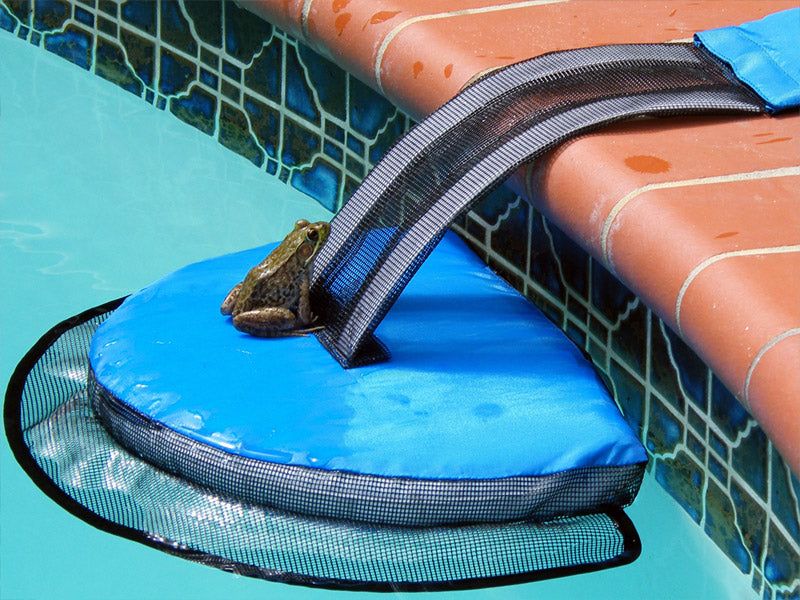
A pool, pond, or deep bucket can become a problem for a thirsty nighttime visitor. Opossums can swim, but steep-sided water features may leave them struggling to climb out.
Florida yards often include pools, rain barrels, drainage areas, and decorative ponds, so exit points matter.
Use a wildlife escape ramp in pools or place a textured board at a gentle angle where an animal could climb out. For ponds, sloped edges, flat stones, or planted shallow areas are safer than slick vertical sides.
Keep buckets, tubs, and empty nursery pots turned over so they do not collect water and trap small animals.
Water safety also supports better mosquito control. Dumping standing water after rain cuts down mosquito breeding spots, while a well-designed pond with movement and balanced planting is easier to maintain.
In Florida’s long warm season, that small routine can make evenings on the patio much more pleasant.
If you find an opossum in a pool and it cannot exit, avoid grabbing it with bare hands. Give it a safe ramp if possible, keep pets away, and contact local animal services or a wildlife professional if it appears weak, injured, or unable to leave.
9. Know When to Call a Wildlife Professional
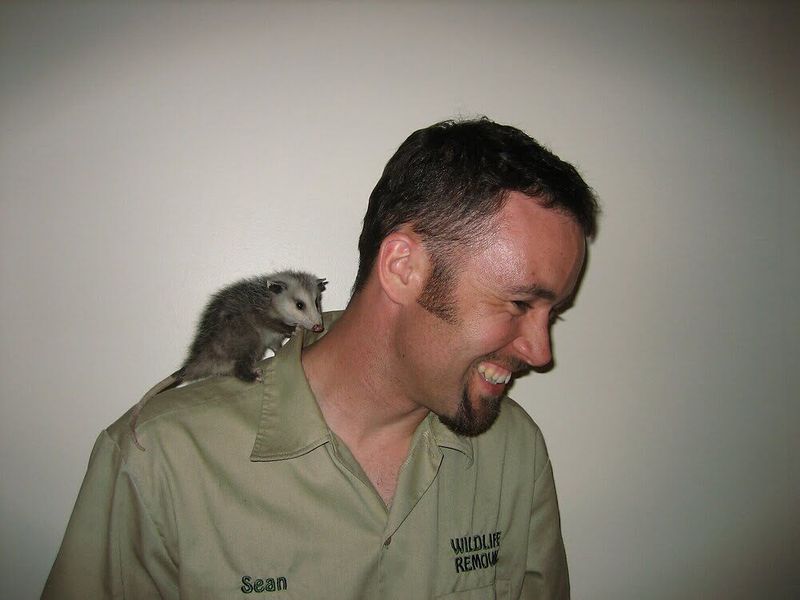
Most opossum visits do not require a rescue mission. Still, a few signs mean it is time to get help rather than guess.
An animal out in full sun for a long time, circling, bleeding, dragging a limb, covered in flies, or unable to move normally should be handled by trained people.
Call a licensed wildlife rehabilitator, local animal services, or a qualified nuisance wildlife professional if the opossum is injured, trapped, or possibly nesting in a structure. In Florida, rules can vary by situation and location, so professional guidance helps you stay humane and legal.
Do not relocate wildlife on your own without checking regulations.
Baby opossums create another special case. Young that are several inches long and walking alone may be independent, but very small babies found on the ground need expert advice.
If a dead adult is found, keep pets away and contact a rehabilitator for instructions, since babies may still be in the pouch.
A good professional will focus on exclusion, repair, and prevention rather than careless trapping. Ask about humane methods, whether dependent young could be present, and how to close entry points after the animal leaves.
10. Make Your Yard Wildlife-Friendly Without Making It Messy
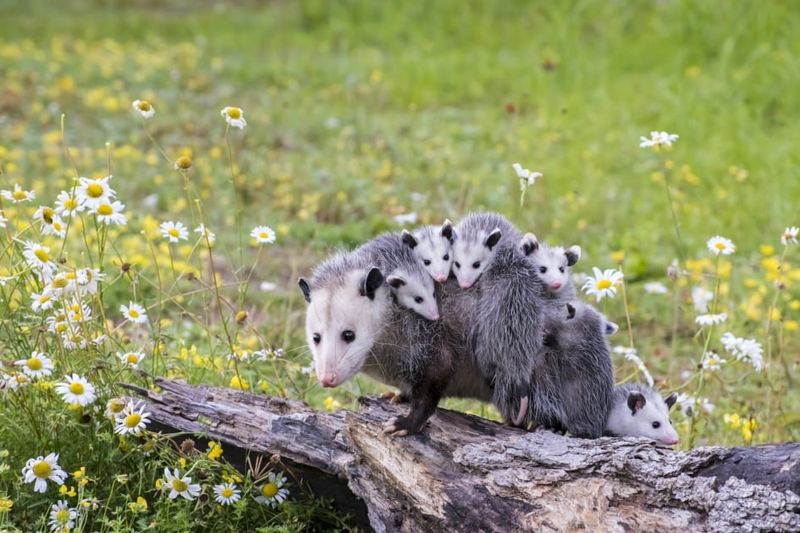
A yard can welcome helpful wildlife and still look polished from the patio. The trick is to place habitat where it belongs, usually along back edges, under trees, or near native shrub borders, while keeping doors, walkways, and dining areas clean.
Opossums appreciate cover, but they do not need your porch to become a den.
Use Florida-friendly landscaping ideas such as native shrubs, leaf litter in tucked-away beds, mulch under trees, and small brush piles in low-traffic corners. These areas support insects, lizards, birds, and nighttime foragers while reducing bare sandy spots.
Choose plants suited to your part of Florida and your light conditions, and lean on UF-IFAS resources when selecting natives or managing wildlife conflicts.
Keep the front entry and outdoor living zones tidy. Store cushions, close storage bins, sweep food crumbs, and avoid stacking clutter against the house.
A clean hardscape paired with planted borders gives you the best of both worlds.
When an opossum shows up, it is often a sign your yard has life in it. With a few smart boundaries, that life can help with pests, enrich the garden, and make your Florida landscape feel healthier without adding much work.