
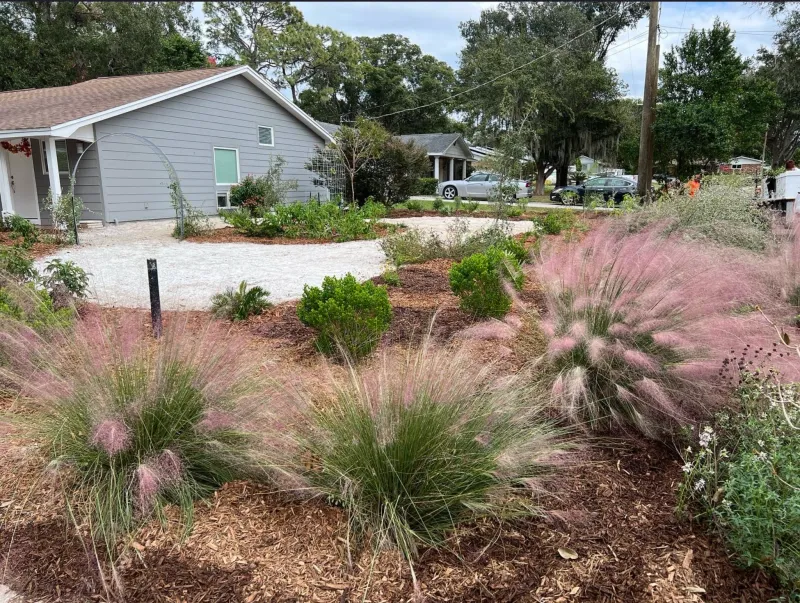
Fall is one of the best times to refresh a Florida front yard because the worst summer heat starts to ease. Native plants can settle in before the next hot season, and many need less water, less fertilizer, and fewer pest treatments once established.
The right picks can add color, attract butterflies and birds, and handle sandy soil without turning yard work into a second job. Here are eight Florida natives that bring curb appeal with very little fuss.
1. Muhly Grass
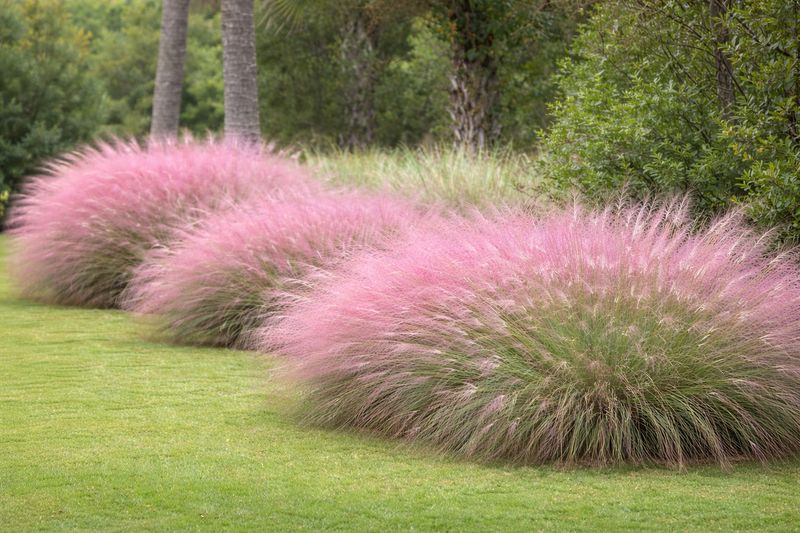
A pink cloud at the edge of the driveway can stop people mid-walk, and that is exactly why muhly grass has become a front-yard favorite in Florida. In fall, its fine green blades send up misty pink to purple plumes that look dramatic without needing fussy care.
Muhly grass is especially useful for homeowners dealing with sandy, fast-draining soil. Once established, it handles drought, full sun, and reflected heat near sidewalks better than many traditional bedding plants.
It also stays neat enough for visible spaces, which matters when you are planting by the mailbox, front path, or entry bed.
Use it in groups of three, five, or more for the best effect. A single plant can look pretty, but a small drift creates that soft, glowing fall look people notice from the street.
Cut the old growth back in late winter before fresh blades return, and that is usually the main chore.
Wildlife gets a quiet benefit too. The clumping habit offers cover for small beneficial insects, and the plant does not ask for constant fertilizer or irrigation to look good.
For a fall front-yard refresh, muhly grass gives you the rare mix of movement, color, and near set-and-forget toughness.
2. Coontie
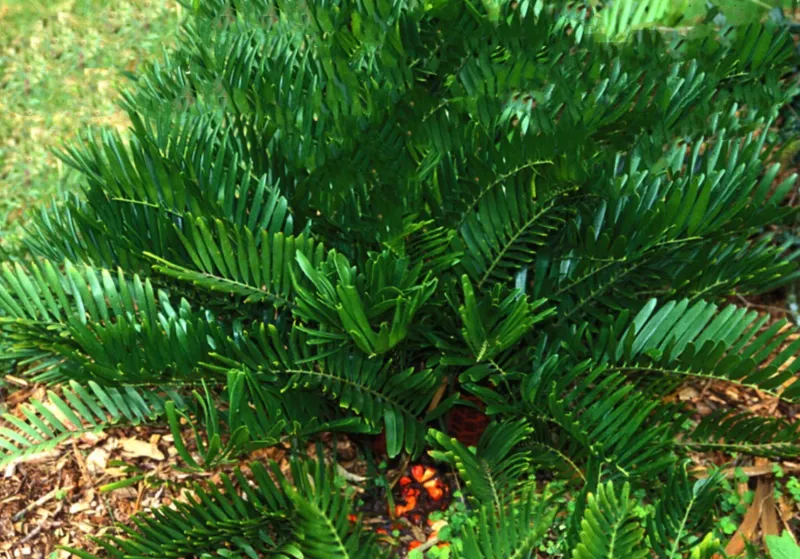
For gardeners who want a polished front bed without weekly trimming, coontie brings the calm, clean look of a small cycad with almost no drama. Its glossy, fern-like leaves stay attractive through much of the year, giving entry plantings a steady green backbone.
Coontie is one of Florida’s oldest native landscape plants, and it is well matched to the state’s sandy soils. It works in sun or part shade, though it often looks freshest with a little afternoon relief in hotter inland yards.
Near a porch, under open palms, or along a foundation, it gives structure without growing into a maintenance problem.
The standout reason to plant coontie is wildlife value. It is the larval host plant for the Atala butterfly, a small black butterfly with bright blue and orange markings.
If caterpillars chew the leaves, do not panic, healthy plants usually rebound, and the butterfly show is part of the reward.
Coontie is also a smart swap for high-maintenance tropical-looking plants that need more water or protection. Space plants so air can move around them, mulch lightly, and avoid burying the crown.
After that, it mostly asks to be left alone.
3. Firebush
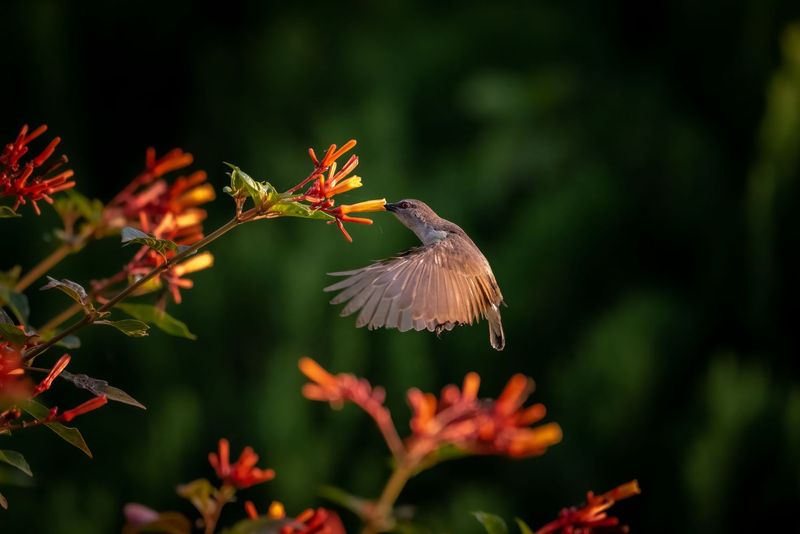
Hummingbirds have a way of making a yard feel alive, and firebush is one of the easiest native plants for inviting them close to the front porch. Its orange-red tubular flowers glow through warm weather and often keep going into fall, especially in frost-free parts of Florida.
Firebush earns its place because it brings height, color, and wildlife action in one shrub. In South and Central Florida, it can become a loose, colorful screening plant.
In cooler North Florida spots, winter may knock it back, but it often returns from the roots when warm weather comes back.
Give it sun for the heaviest bloom, and plant it where its relaxed shape has room to breathe. It is not the best choice for a tiny formal hedge that needs sharp edges.
Instead, use it at a corner of the house, behind lower grasses, or near a walkway where butterflies and hummingbirds can visit at eye level.
Once established, firebush is more forgiving than many showy flowering shrubs. It tolerates periods of dryness, does not demand rich soil, and usually looks better with light shaping rather than constant pruning.
For a front yard that needs color without trays of annuals, firebush feels like a practical shortcut.
4. Beautyberry
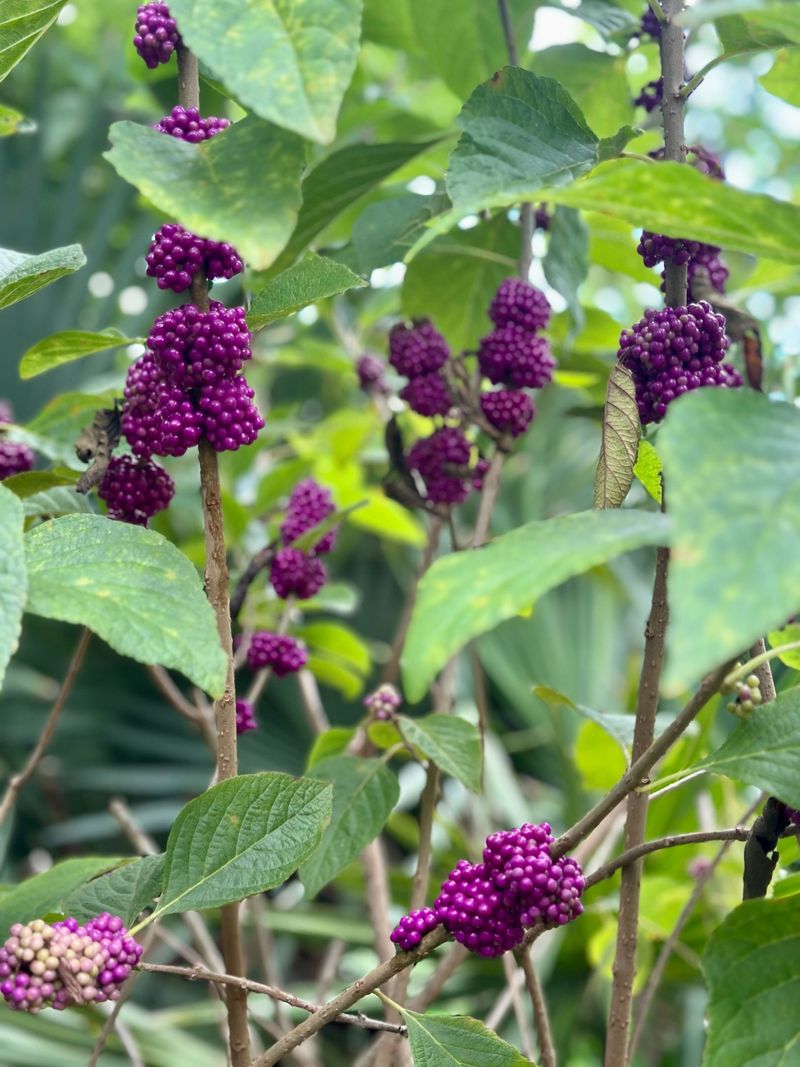
Purple berries wrapped around bare-looking stems can seem almost too bright to be real, but beautyberry pulls off that fall trick every year. While many front yards are fading, this native shrub adds jewel-toned clusters that birds notice quickly.
Beautyberry is different from the other plants on this list because its strongest season is not about flowers. Small spring and summer blooms support pollinators, then the berries become the show.
Mockingbirds, cardinals, and other birds may feed on them, making the shrub useful as well as pretty.
Plant beautyberry where its arching habit can look natural rather than cramped. It fits well at the back of a mixed bed, along a side yard that still shows from the street, or near a simple fence line.
In part shade, it often has a woodland softness, while more sun can encourage heavier fruiting if moisture is adequate.
Maintenance is simple, but timing helps. Many gardeners cut it back in late winter because berries form on new growth, and that keeps the plant from getting too leggy.
Skip heavy fertilizing, which can push leaves at the expense of the tidy, berry-filled look that makes beautyberry so memorable.
5. Blanket Flower
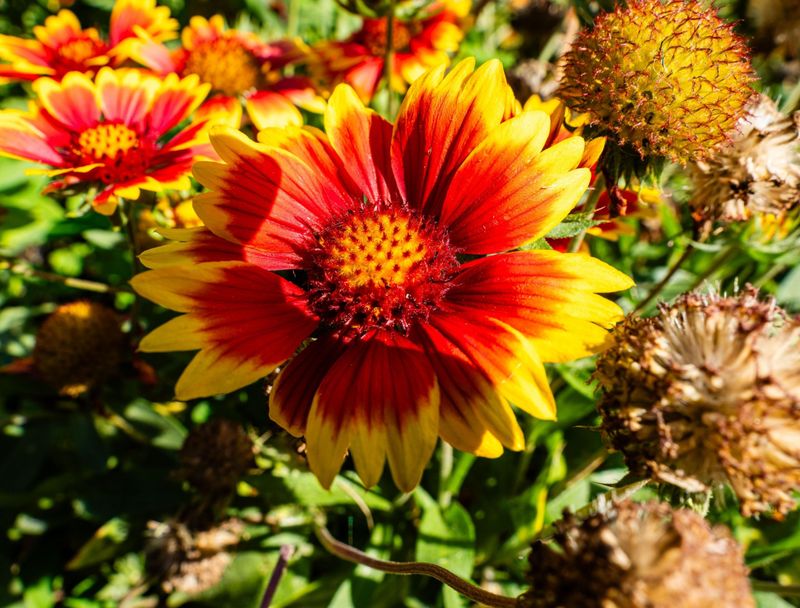
Some front yards need a cheerful plant that does not sulk when the hose gets forgotten, and blanket flower fits that job beautifully. Its red, orange, and yellow daisy-like blooms look sunny and casual, almost like a little roadside wildflower patch brought home.
Blanket flower stands out because it is a low-growing color plant for hot, open spaces. Many Florida natives bring shrubs, grasses, or greenery, but this one gives flower power near the front edge of a bed.
It is a strong choice along walkways, mailbox beds, and dry corners where richer, thirstier flowers struggle.
Sandy soil is not a problem as long as drainage is good. In fact, overly wet or heavily amended beds can shorten its life, so resist the urge to baby it.
Full sun keeps the plant compact and bloom-heavy, while occasional deadheading can freshen the display if you enjoy light puttering.
Pollinators are another reason to make room for it. Bees and butterflies visit the bright blooms, and seed heads can feed small birds if left in place.
Blanket flower may behave like a short-lived perennial or reseed lightly, so think of it as an easy color maker rather than a stiff, permanent shrub.
6. Simpson’s Stopper
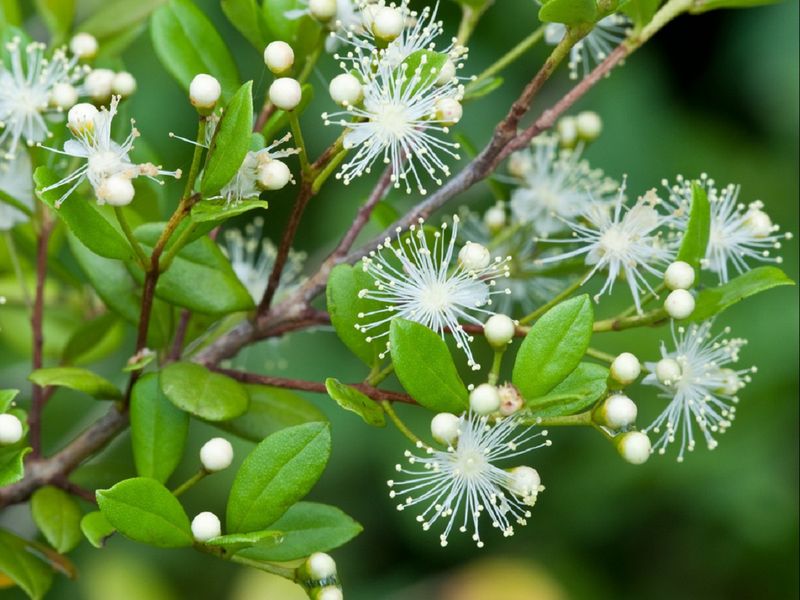
A good front-yard shrub should not make you chase it with pruners every weekend. Simpson’s stopper brings the tidy evergreen look many homeowners want, plus small white flowers and red-orange berries that make it more interesting than a plain green hedge.
Its best use is structure. While softer plants come and go around it, Simpson’s stopper can frame a porch, screen a utility area, or create a gentle property-line planting.
It has a naturally dense habit, so it can look refined with occasional shaping instead of constant shearing.
Florida gardeners also appreciate its toughness. It handles sun to part shade, tolerates many soil types, and can work in coastal-influenced landscapes once established.
In spots where storms bring wind and salt exposure, choosing resilient native shrubs can reduce the cycle of replacing weak plants after rough weather.
The flowers are fragrant up close, and birds may feed on the berries. That gives the plant a quiet wildlife role without turning the front yard messy.
If you want a native replacement for more generic hedge plants, Simpson’s stopper offers curb appeal, habitat value, and a steady presence through fall and beyond.
7. Frogfruit
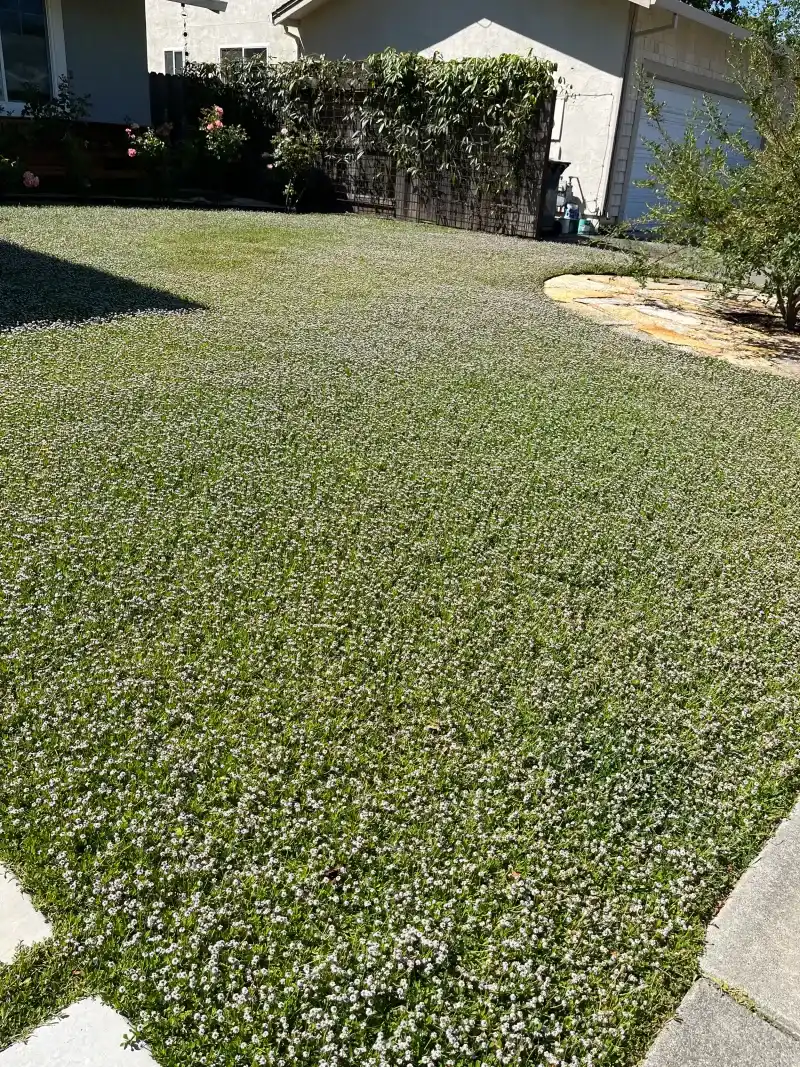
Not every front yard needs more mulch and shrubs. Frogfruit is the little native groundcover that can soften bare soil, creep between stepping stones, and give pollinators tiny flowers close to the ground.
Frogfruit is different because it works almost like a living mat. It stays low, spreads by runners, and can fill gaps where turf looks thin or where bed edges need a softer finish.
In some yards, it can even be part of a lawn-alternative mix, especially in lower-traffic areas.
Small white to lavender flowers attract butterflies and bees, and the plant is a host for several butterfly species. That makes it a smart pick for homeowners who want wildlife value but do not have room for another large shrub.
It can look charming near a driveway strip, around a mailbox, or at the sunny edge of a rain garden that drains well.
Give frogfruit sun to part sun and avoid treating it like a delicate bedding plant. It may thin in deep shade or under heavy foot traffic, but it rebounds well when placed in the right spot.
For Florida gardeners tired of bare sandy patches, frogfruit turns problem ground into something useful and alive.
8. Dune Sunflower
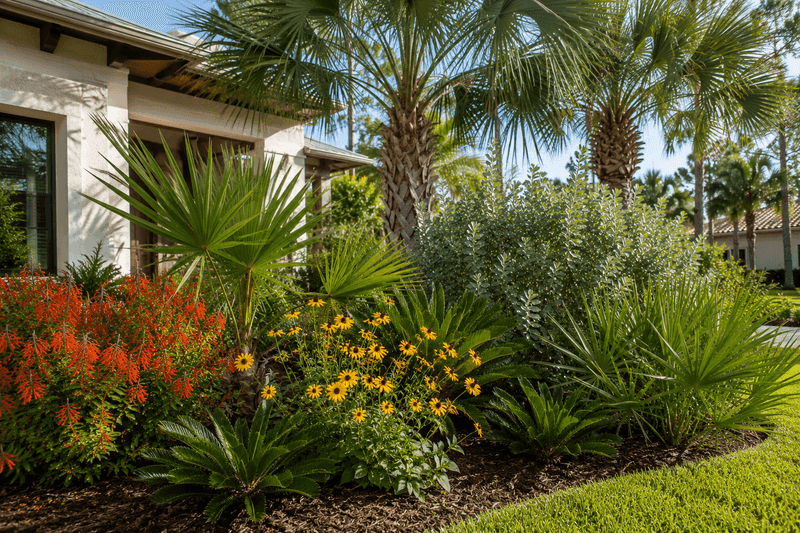
Yellow flowers spilling along a curb can make a front yard feel instantly happier, and dune sunflower does that with very little pampering. It has a relaxed, beachy look that suits Florida’s sandy soils and sunny neighborhoods.
Dune sunflower is especially valuable for homeowners who want fast coverage. It spreads wider than many small flowering plants, helping cover open ground, reduce bare patches, and tie a bed together.
In coastal and sandy inland yards, that spreading habit can be a feature rather than a flaw.
Use it where a casual edge makes sense, such as along a driveway, in a sunny island bed, or in front of taller native shrubs. It is not the plant for a clipped formal border, but it shines in natural, low-water landscapes.
Bees and butterflies visit the bright blooms, adding movement without extra work from you.
Good drainage is key, and too much irrigation can make it less sturdy. Trim it back when it gets rangy, especially after a heavy bloom cycle, and it can flush out again.
For fall planting, dune sunflower gives quick curb appeal while staying true to Florida conditions instead of fighting them.