
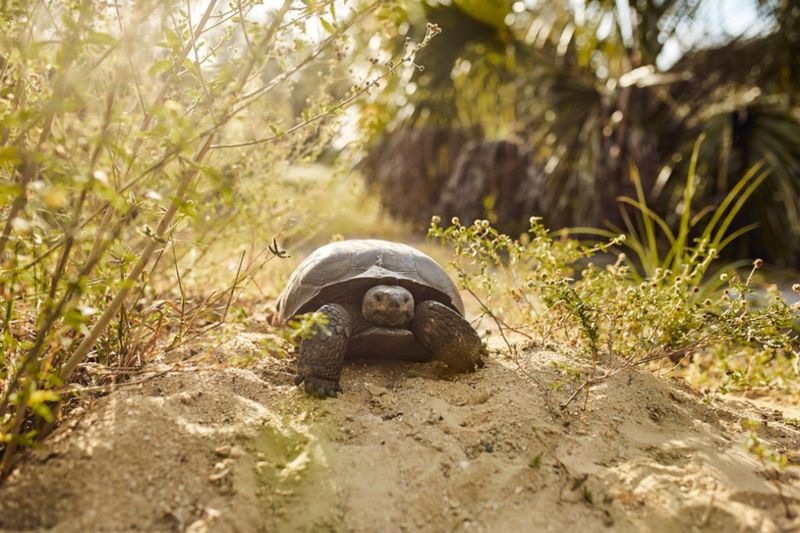
A gopher tortoise in the yard can feel like a tiny piece of old Florida has wandered home. These slow-moving reptiles depend on sunny, sandy places with low plants they can eat and open ground where they can dig.
For Florida gardeners, the right native plants can make a yard more useful for wildlife and easier to care for. But gopher tortoises are legally protected, so knowing what to plant and what not to disturb matters.
1. Wiregrass
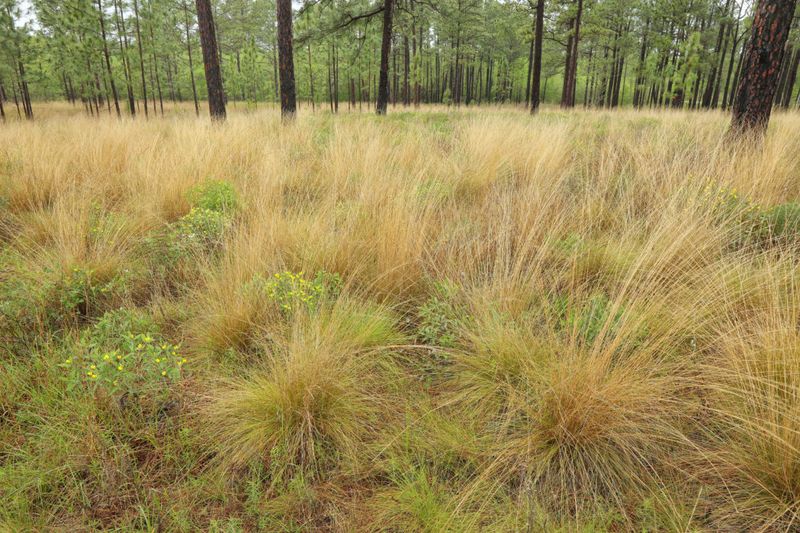
A yard with wiregrass has the quiet look of old pine flatwoods, and that is exactly why it belongs near the top of a gopher tortoise friendly planting plan. Wiregrass grows in tidy, fountain-like clumps and leaves open patches of sand between plants, which suits tortoises far better than a thick, lush lawn.
Gopher tortoises feed on many low-growing grasses and herbs, and wiregrass helps create the kind of open, sunlit structure they use in natural habitat. It is also tough in Florida’s sandy, fast-draining soil once established, making it useful for gardeners who want a lower-input landscape.
Plant it in sunny spots away from heavy foot traffic, especially along natural borders, pine-straw beds, or lawn-reduction areas. Avoid piling mulch deeply around it, since tortoises need bare or lightly covered soil for movement and burrow access.
If a tortoise digs nearby, pause before changing anything. In Florida, gopher tortoises and their burrows are protected by state law, and relocation or burrow disturbance requires proper authorization from the Florida Fish and Wildlife Conservation Commission.
2. Gopher Apple
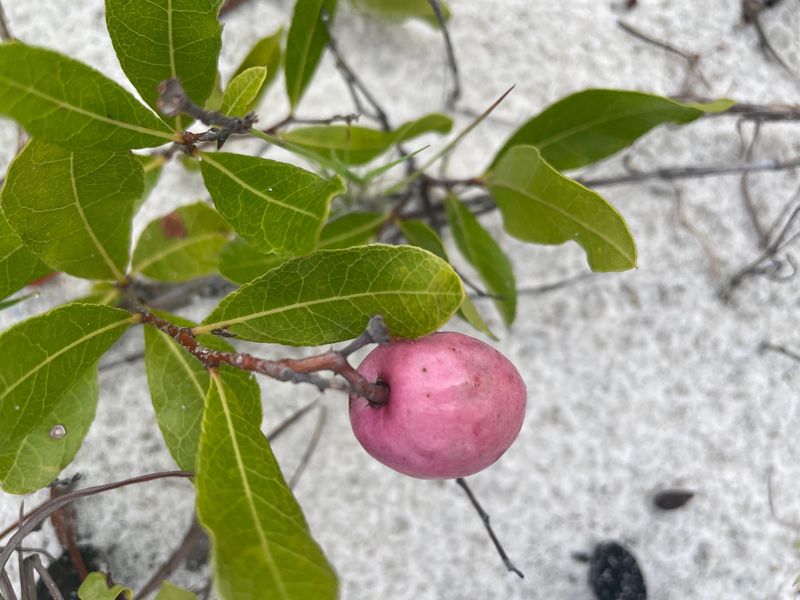
Small leaves, low stems, and a name that gives away its wildlife value make gopher apple a natural fit for this list. In many sandy Florida sites, it creeps close to the ground and forms a soft, edible mat rather than a tall, showy display.
For gopher tortoises, gopher apple is valuable because it is a native food plant often found in the same dry uplands where tortoises live. For homeowners, it can work as a low groundcover in hot, exposed areas where thirstier ornamentals struggle.
Use it in sunny, sandy beds, along the edge of a natural area, or in a low-maintenance strip where mowing is awkward. It will not give you the instant carpet look of turf, but that slower, looser habit is part of what makes it wildlife friendly.
Legal protection becomes especially important with this plant because it may encourage tortoise activity close to paths, driveways, or building areas. Never block, fill, collapse, or dig into a burrow, even if it appears quiet.
Burrows can shelter tortoises and many other animals, and state rules treat them as protected habitat.
3. Prickly Pear Cactus
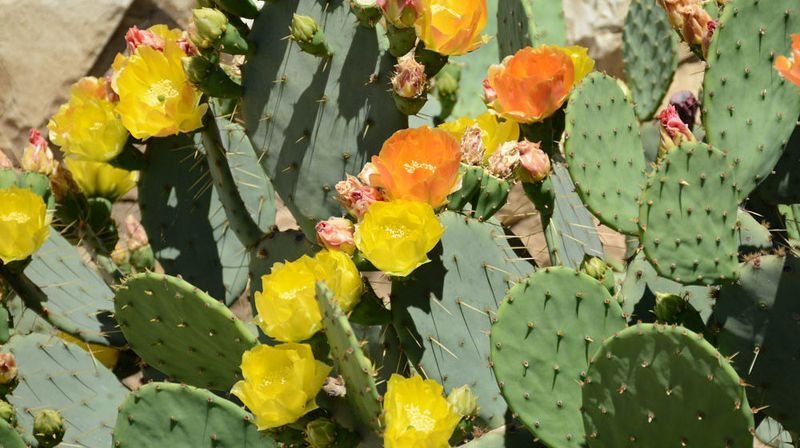
Prickly pear brings a little drama to a dry Florida bed, with flat pads, bright flowers, and a toughness that feels made for hot sand. Gopher tortoises eat the pads, flowers, and fruits, somehow managing a plant that most people approach with gloves.
Native prickly pear is especially useful in yards that already have dry, sunny, well-drained conditions. It gives structure without needing rich soil or frequent watering, and it can fit beautifully into a scrub-style planting with grasses, wildflowers, and open sand.
Place it where people and pets will not brush against it. A back border, sunny wildlife corner, or dry slope is often better than a narrow walkway.
The spines and tiny glochids can irritate skin, so careful placement matters in family gardens.
When tortoises feed around prickly pear, enjoy the visit from a distance. Feeding, handling, moving, or trying to pen in a wild gopher tortoise can create problems.
Florida law protects the animal, and the safest homeowner rule is simple: plant habitat, then let the tortoise make its own choices.
4. Frogfruit
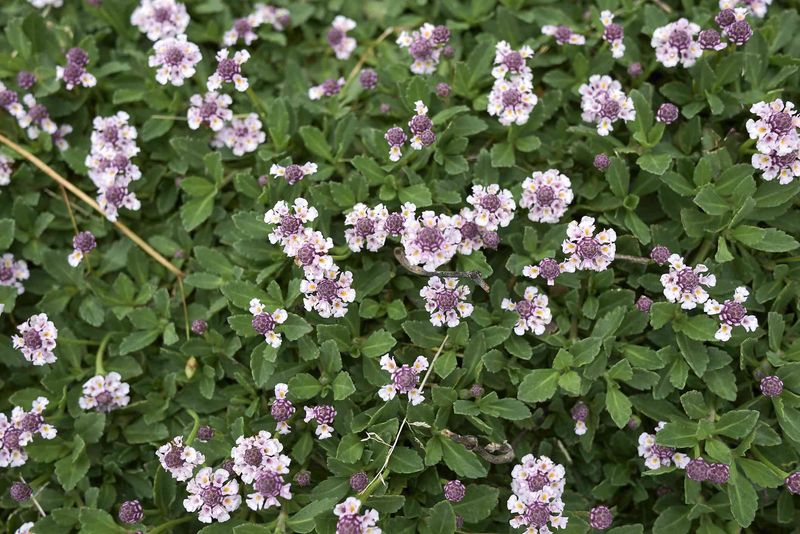
Frogfruit is the kind of plant that makes a wildlife lawn feel possible. It stays low, handles sun, produces tiny flowers for pollinators, and can soften the look of sandy open ground without turning the yard into a dense green wall.
Gopher tortoises need a mix of low plants for grazing, and frogfruit can be part of that living salad bar. It is not just useful for tortoises, either.
Bees and small butterflies visit the flowers, so one planting can support several layers of backyard wildlife.
Try frogfruit in lawn edges, between stepping stones, or in a sunny strip where turf thins out every summer. It may spread when happy, but in a Florida-friendly design that can be a benefit, especially where you want fewer bare weeds and less mowing.
Keep any known burrow entrance open and sunny. If frogfruit or other groundcovers creep too close, trim lightly by hand rather than using heavy equipment near the burrow apron.
The law protects both the tortoise and its burrow, so gentle maintenance is the right approach.
5. Sunshine Mimosa
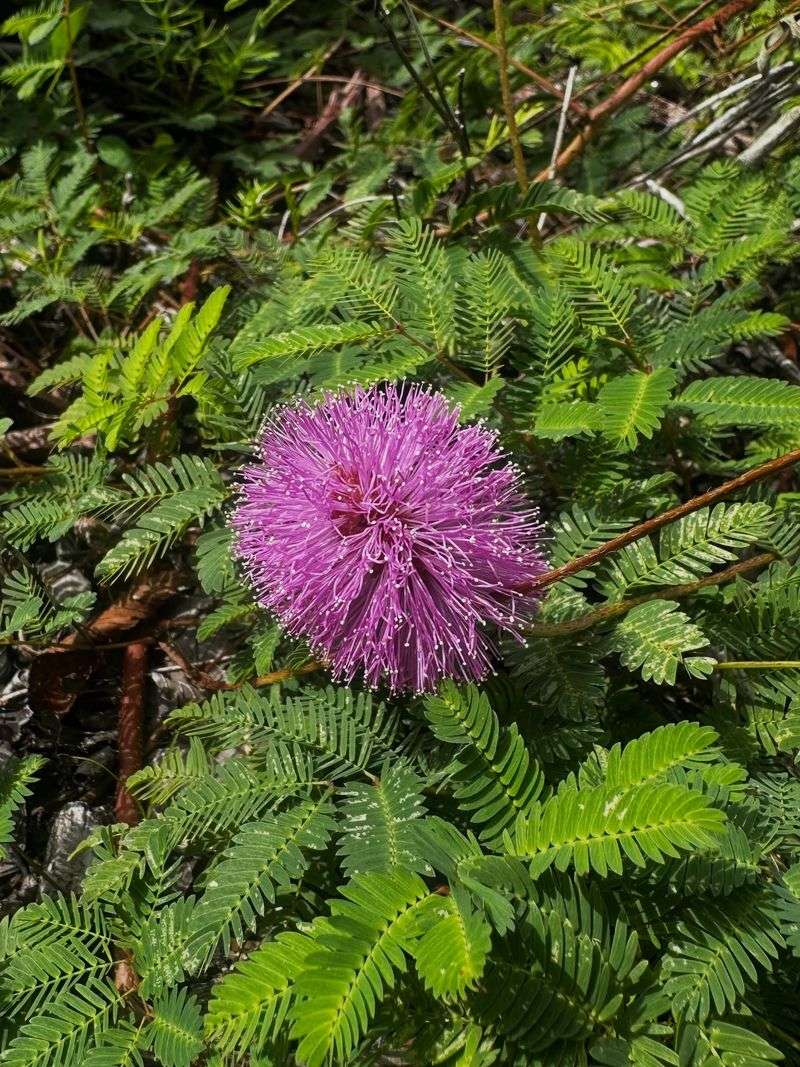
Pink puffball blooms make sunshine mimosa feel more playful than practical at first glance, but it earns its place in a Florida yard. It is a native, low-growing plant that can help replace thirsty turf in sunny areas while keeping the landscape attractive from the sidewalk.
Gopher tortoises browse a wide range of herbaceous plants, and sunshine mimosa can add tender native growth to a tortoise-friendly planting. It also fixes nitrogen, which is a handy trait in Florida’s lean sandy soils.
Gardeners often use it as a lawn alternative or as a groundcover in hot strips near driveways, mailboxes, or front beds. Give it sun and room to spread, and avoid pairing it with aggressive nonnative groundcovers that can smother open habitat.
Because sunshine mimosa can make a yard more inviting to wildlife, plan before installing fences, patios, or major beds. If a gopher tortoise has already settled in, contact the Florida Fish and Wildlife Conservation Commission or a qualified professional before any work that might affect the burrow.
Good plants do not cancel legal responsibilities.
6. Partridge Pea
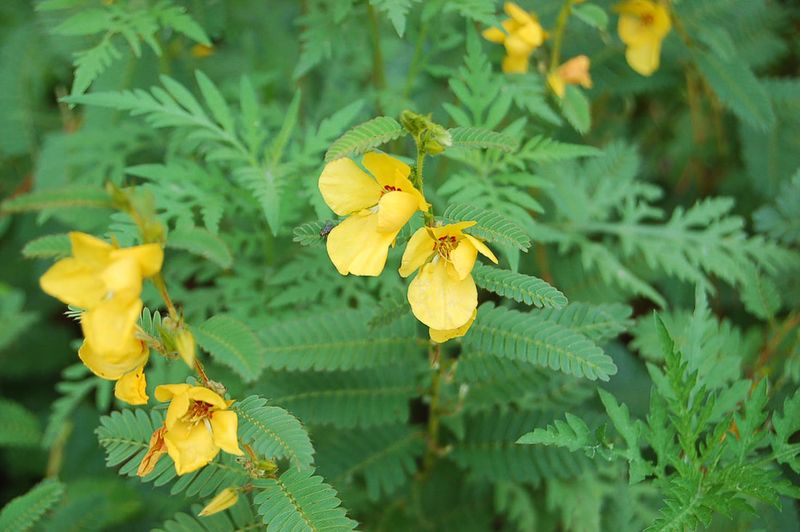
A burst of yellow partridge pea can make a sandy patch look intentional almost overnight. This native annual often pops up in sunny, disturbed, well-drained places, which makes it a smart choice for homeowners converting tired turf into a more natural Florida planting.
Partridge pea adds flowers, seed, and leafy growth to the yard. It supports pollinators, can reseed in open soil, and contributes to the low, mixed vegetation that gopher tortoises use for foraging.
Sow it in sunny beds, along a meadow edge, or in a backyard habitat strip where a little seasonal change is welcome. It may look delicate, but it is well matched to heat and lean soil once it has the right start.
One caution: do not turn a tortoise burrow area into a heavily cultivated flower bed. Light seeding nearby is different from digging, tilling, or reshaping the burrow apron.
If the tortoise is present, garden around the protected space with care and avoid any activity that could collapse the tunnel underground.
7. Blanketflower
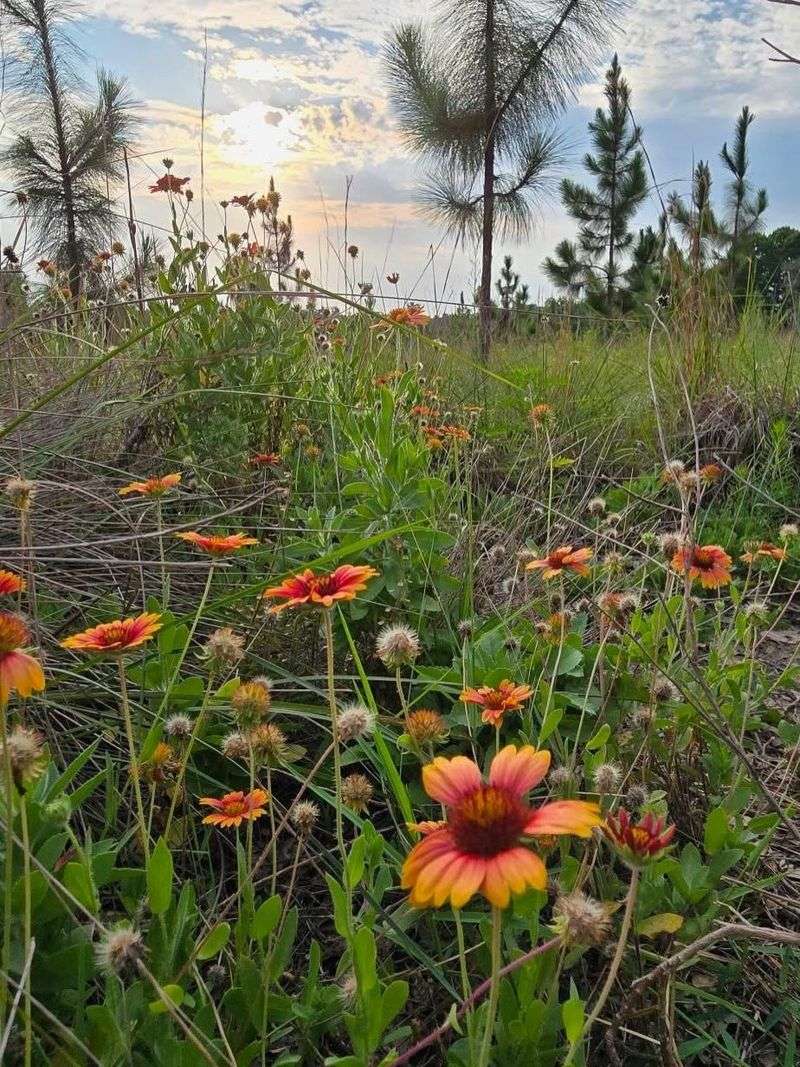
Blanketflower looks cheerful enough for a front bed, yet it has the rugged personality needed for Florida’s dry, sunny sites. The red, orange, and yellow blooms bring strong curb appeal without asking for rich soil or constant attention.
For a gopher tortoise friendly yard, blanketflower is useful because it fits the open, sunny, low-water planting style these animals often move through. It also draws pollinators, giving homeowners an extra payoff beyond tortoise habitat.
Plant it in clusters where the soil drains quickly, such as coastal gardens, sandy borders, mailbox beds, or the sunny edge of a natural area. Cut back tired stems if needed, but leave some seedheads if you want a looser, self-renewing look.
Legal issues usually appear when people try to tidy too aggressively. A burrow entrance may look like an inconvenient sandy hole, but it is not a yard defect to repair.
If blanketflower beds are near a burrow, use hand tools carefully and keep irrigation, edging, and hardscape work away from the protected area unless you have proper guidance.
8. Narrowleaf Silkgrass
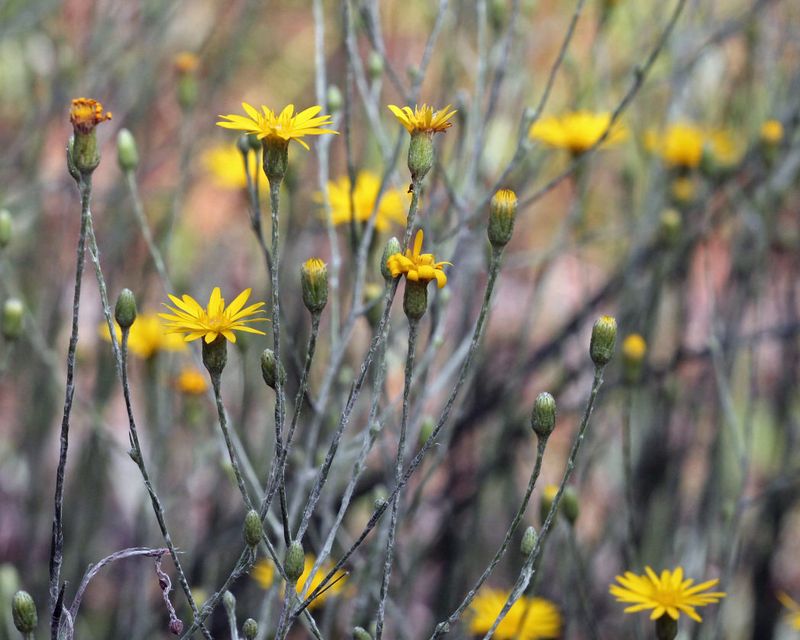
Silvery leaves give narrowleaf silkgrass a soft glow in harsh sun, which is a welcome trick in a Florida landscape. It looks refined enough for a designed native bed, but it still belongs to the dry upland plant community gopher tortoises know well.
This native wildflower is a good choice when you want texture, not just bloom color. Its narrow leaves and modest flowers mix well with wiregrass, blanketflower, partridge pea, and other sun-loving natives.
Use it in sandy, open beds where irrigation is limited and drainage is sharp. It is especially helpful in naturalistic plantings that need plants of different heights without becoming shady or overgrown at ground level.
Gopher tortoises rely on sun-warmed, open spaces, so avoid planting dense shrubs right over likely travel routes or burrow entrances. If a tortoise has established a burrow, the surrounding area should be treated as sensitive habitat.
Florida’s protections are not just about the animal you see above ground, but also the long tunnel it depends on for safety from heat, cold, predators, and fire.
9. Lopsided Indiangrass
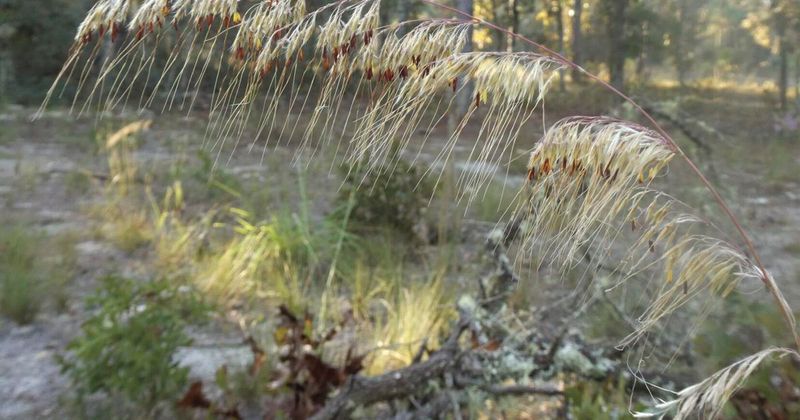
When a breeze moves through lopsided Indiangrass, the yard suddenly feels less like a lawn project and more like a small piece of prairie. Its arching seedheads add height and motion while still leaving the ground layer more open than a wall of shrubs.
Gopher tortoises do best in sunny habitats with grasses, wildflowers, and space to move. Lopsided Indiangrass helps build that structure, especially in larger yards, rural properties, or neighborhood edges that back up to natural land.
Give it full sun and sandy to well-drained soil. It can be used in meadow-style strips, around storm-tough native beds, or behind lower plants where it provides seasonal texture without high water use.
Before mowing or cutting back native grass areas, walk the site and look for burrow openings. A gopher tortoise burrow usually has a half-moon shape with a sandy apron at the entrance.
If you find one, shift maintenance away from that area and seek official guidance before any construction, grading, or relocation plans. The presence of attractive native grasses does not make it legal to manage the tortoise yourself.
10. False Rosemary
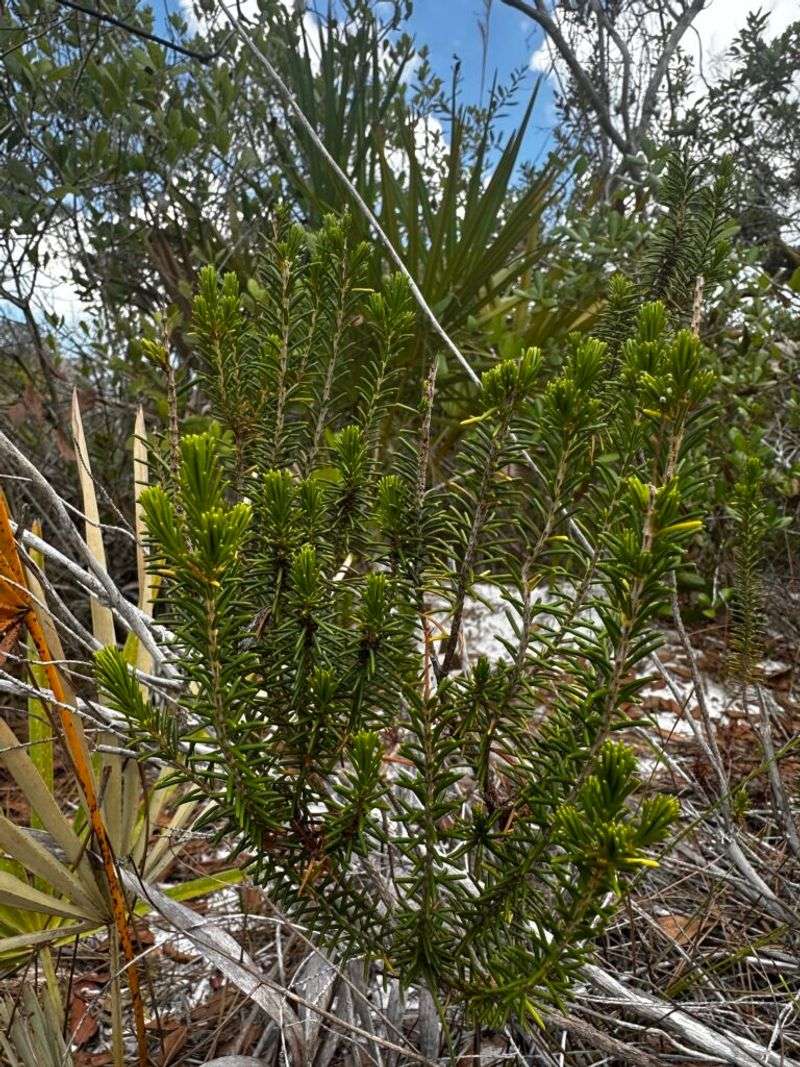
False rosemary has the clean, aromatic look many gardeners want near patios and paths, but it is far more Florida-specific than a generic herb border. This native shrub thrives in dry, sandy scrub conditions and brings pale flowers that pollinators appreciate.
Unlike the lower forage plants on this list, false rosemary earns its spot by adding light structure to a tortoise-friendly yard. It can frame open sandy patches without turning the area into dense shade, which is important because gopher tortoises need warm, sunny ground.
Plant it in very well-drained soil, especially in scrub-style beds with prickly pear, wiregrass, gopher apple, and other drought-tolerant natives. Avoid overwatering or enriching the soil too much, since many scrub plants perform best when conditions stay lean.
Keep shrubs set back from active or possible burrow entrances. Roots, irrigation lines, edging, and repeated digging can all create trouble near a protected burrow.
If a tortoise appears after your native planting fills in, enjoy the sign that your yard is functioning as habitat, then manage the area with the legal respect this threatened species requires.