
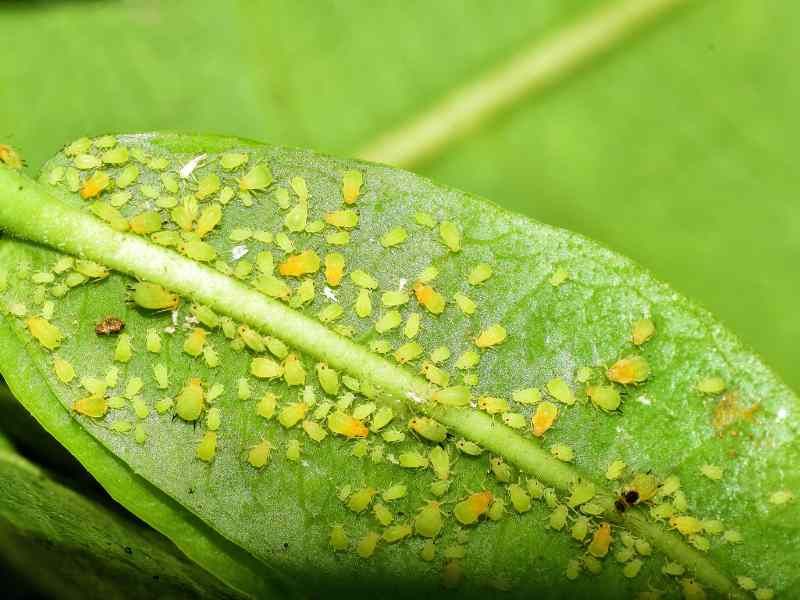
Late summer in the South can turn a thriving cucumber vine into a sticky, curled-up mess almost overnight. Tiny aphids cluster on tender stems and leaf undersides, sucking out plant sap and leaving behind a shiny, sugary residue that signals trouble.
A strong spray of plain water is often the fastest and safest first move you can make, though keeping aphids in check takes a repeatable routine rather than a single cure.
Confirm aphids before you treat the cucumber vine
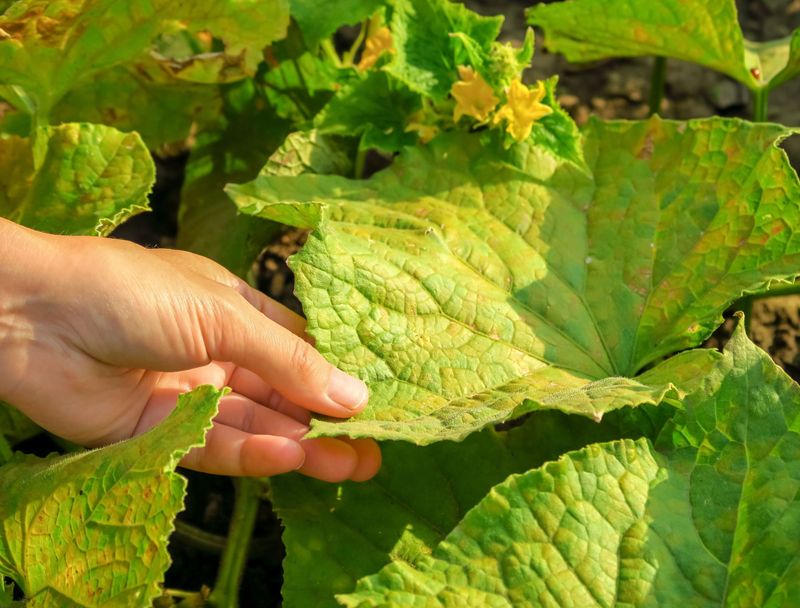
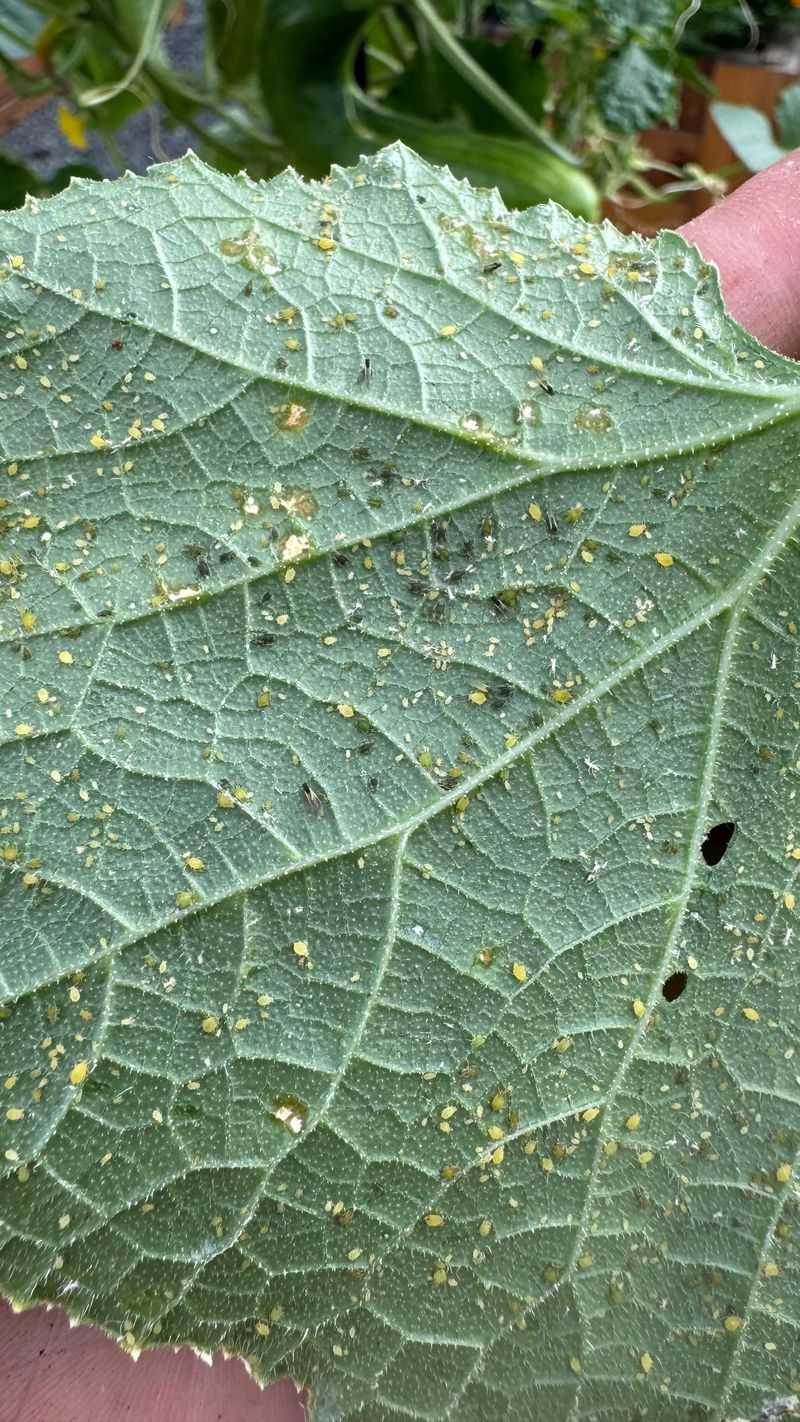
Knowing exactly what you are looking at before reaching for the hose or any product is the step most gardeners skip. Aphids are small, soft-bodied insects, usually pear-shaped, and they come in shades of green, yellow, black, or even pinkish-white depending on the species.
University of Minnesota Extension describes them as sap-feeders that gather in clusters on tender new growth, along stems, and especially on the undersides of leaves, which is where most gardeners miss them on a quick glance.
Heavy feeding over time can cause leaves to curl inward, turn yellow, or look puckered and stunted. You may also notice a shiny, sticky coating on leaves or nearby surfaces, which is honeydew, a sugary byproduct of aphid feeding.
Honeydew can support a dark coating called sooty mold and attract ants, but its presence alone does not mean the plant is in serious danger.
Before treating for aphids, check carefully for other signs that point to a different pest. Fine webbing stretched between leaves and stems usually means spider mites, not aphids.
Stippled, bronzed, or speckled yellowing across a leaf surface, tiny moving specks, or almost no visible insects at all are other clues that the culprit may be something else entirely, and University of Georgia Extension notes that several cucumber pests can produce similar-looking symptoms. The water-spray recommendation in this article applies specifically after you have confirmed an aphid colony, not to every yellowing cucumber leaf.
Late-summer heat can accelerate the buildup
Southern summers do not ease up in August, and aphid populations often do not either. Many aphid species reproduce at a remarkable pace during warm months, with females capable of giving birth to live young without mating at all.
University of Minnesota Extension guidance on heat and garden pests notes that rapid reproduction cycles mean a small colony can grow into a large one surprisingly fast when conditions favor it.
Heat also affects the cucumber plant itself. A vine that is already stressed by high temperatures, irregular watering, or poor soil moisture has fewer resources to push through pest pressure the way a well-watered, vigorous plant might.
That combination, fast-reproducing aphids plus a heat-stressed host, can make late-summer infestations look worse than they actually are, or can genuinely worsen them when the plant cannot keep pace.
Winged aphids add another layer of difficulty. Extension aphid research explains that winged forms develop and migrate to new plants when colonies become crowded, meaning a vine that looked clean yesterday can carry a fresh infestation tomorrow.
This is exactly why a single spray, no matter how well aimed, rarely ends the problem for good. Repeated scouting after any treatment is the only reliable way to know where things stand.
Start with a firm spray of plain water
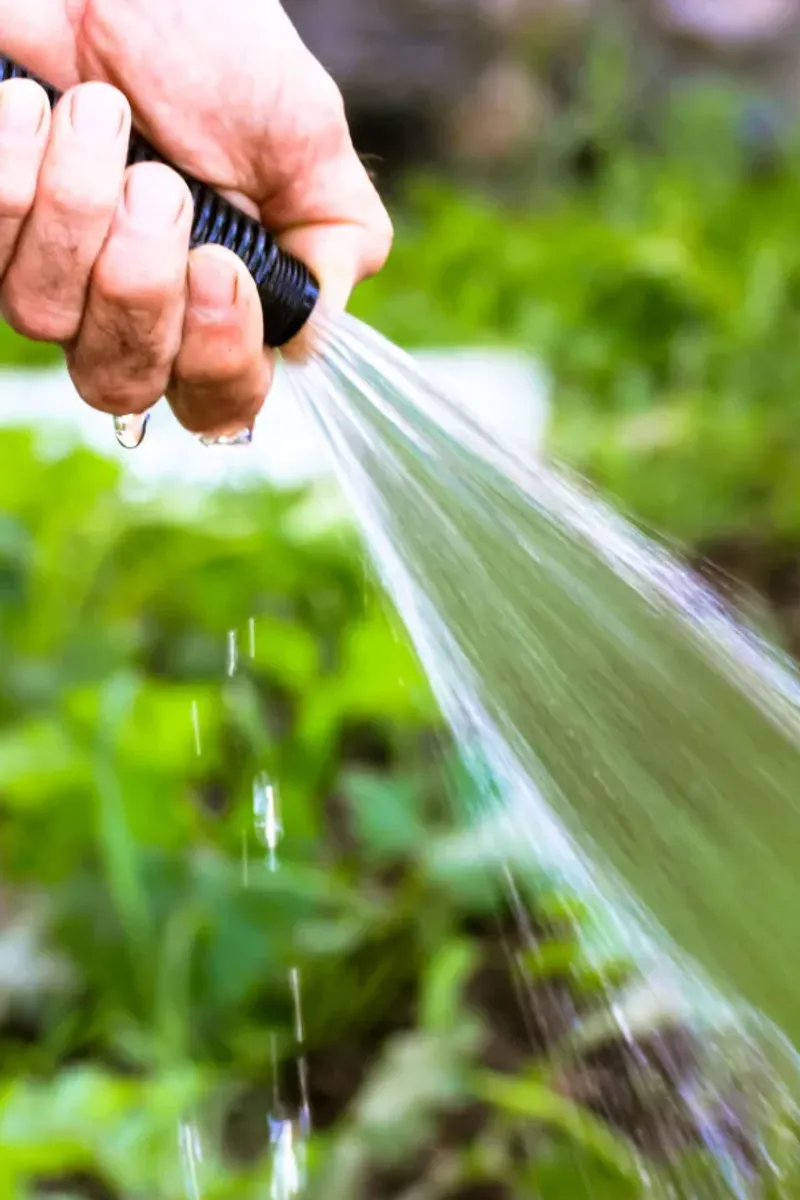
Before opening any product, grab the garden hose. A firm, steady stream of water aimed directly at aphid colonies is the fastest first response for an established cucumber vine, and it works better than many gardeners expect.
University of Minnesota Extension and UC IPM both describe water sprays as a practical, low-risk method for knocking aphids off sturdy plants, with many of the dislodged insects unable to return to the plant once they fall.
Technique matters more than force. You want a stream strong enough to dislodge insects without tearing cucumber leaves, snapping tender stems, or blasting flowers off the vine.
Work your way along new growth first, then move to stems and the undersides of older leaves where colonies tend to be densest. Holding the nozzle at an angle makes it easier to reach the undersides without bending the vine awkwardly.
Water leaves no pesticide residue on fruit or foliage, and it generally does not harm lady beetles, parasitoid wasps, or other beneficial insects visiting the plant. University of Georgia cucurbit guidance reinforces that physical removal is a reasonable early option for manageable pest pressure on cucurbits.
That said, water cannot stop new aphids from arriving on the vine, so treat this as a fast, clean first step rather than a permanent solution.
Rescout the vine instead of expecting one spray to finish the job
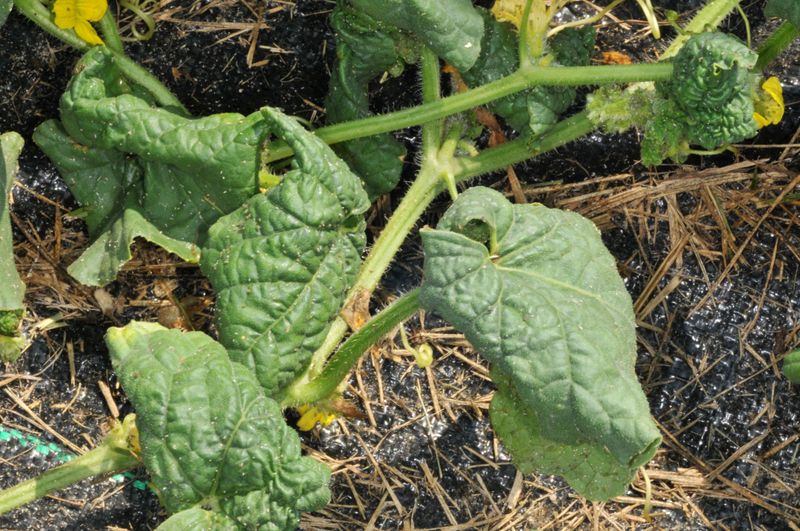
Checking the vine again after spraying is not optional. Water dislodges a lot of aphids, but it cannot reach insects tucked inside tightly curled leaves, and it provides zero protection against new arrivals.
UC IPM points out that aphids sheltered inside curled or folded foliage can escape contact treatments entirely, which is why rescounting a day or two after treatment tells you far more than the spray itself does.
When you scout again, focus on the same spots you treated: leaf undersides, tender growing tips, and any leaves that are still curled or puckered. If a leaf is badly distorted and densely packed with aphids that you cannot reach effectively, removing it and disposing of it away from the garden bed is a practical option.
Oklahoma State University Extension includes leaf removal among reasonable mechanical controls for garden pest management.
A vigorous, well-watered cucumber plant can often tolerate a light or moderate aphid population without major setbacks. Further action makes more sense when you see the numbers climbing, when leaves are curling or stunting, when the plant looks wilted despite adequate water, or when honeydew is coating most of the foliage.
A Florida cucurbit management guide references a range of roughly 5 to 10 melon aphids per leaf as a decision point for some cucurbit crops, but that figure reflects a specific crop and pest combination and should not be used as a precise rule for every home garden in every Southern state.
Use labeled insecticidal soap only when aphids persist
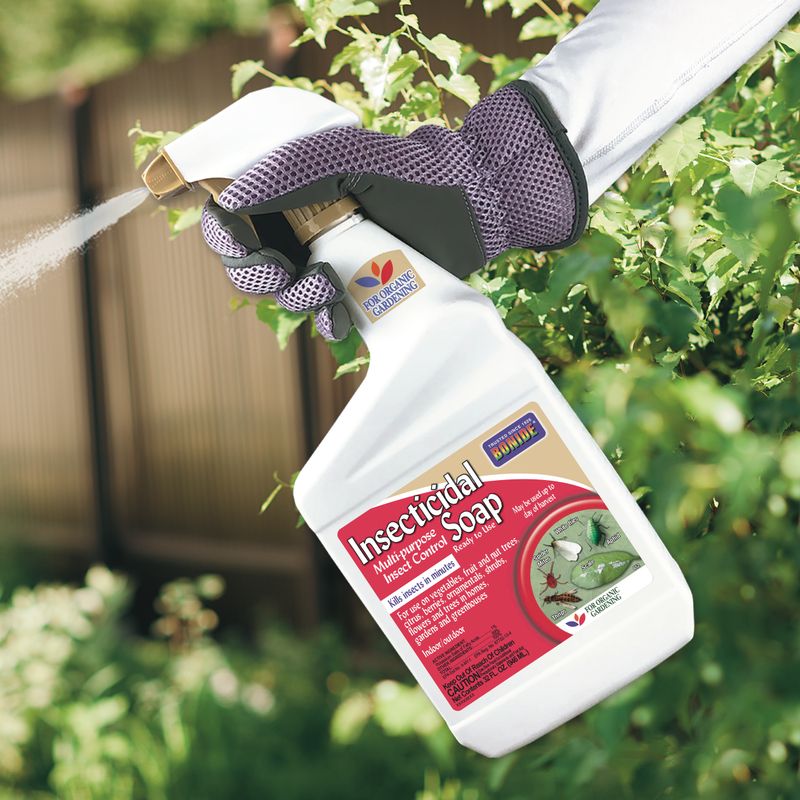
When aphids keep returning after repeated water sprays or the population is clearly growing despite your efforts, a commercially prepared insecticidal soap labeled for aphids and cucumbers or vegetables is the most defensible next step. University of Florida IFAS guidance on insecticidal soaps explains that these products work by direct contact with the insect’s soft body, disrupting its cellular membranes.
If the spray does not physically reach an aphid, it does not affect that aphid.
Thorough coverage is the key to getting results. That means wetting the undersides of leaves where aphids cluster, coating stems, and reaching into new growth without leaving dry patches.
Once the spray dries, it provides little or no residual protection, so a second application according to the product label may be necessary if populations rebound. Colorado State University Extension confirms this contact-only limitation and notes that repeat applications are often part of managing aphid populations with soap.
Household dish soap or liquid detergent is not a substitute for a registered insecticidal soap product. Dish detergents contain additives, fragrances, and surfactants that are not formulated or tested for plant safety, and using them can damage cucumber foliage.
Always choose a product with clear label language covering aphids and cucumbers or vegetables, and follow EPA pesticide label requirements by reading and following all dilution, application timing, pre-harvest interval, and reapplication instructions on that specific product. No soap treatment guarantees aphids will not return.
Avoid heat and sun when applying soap or oil
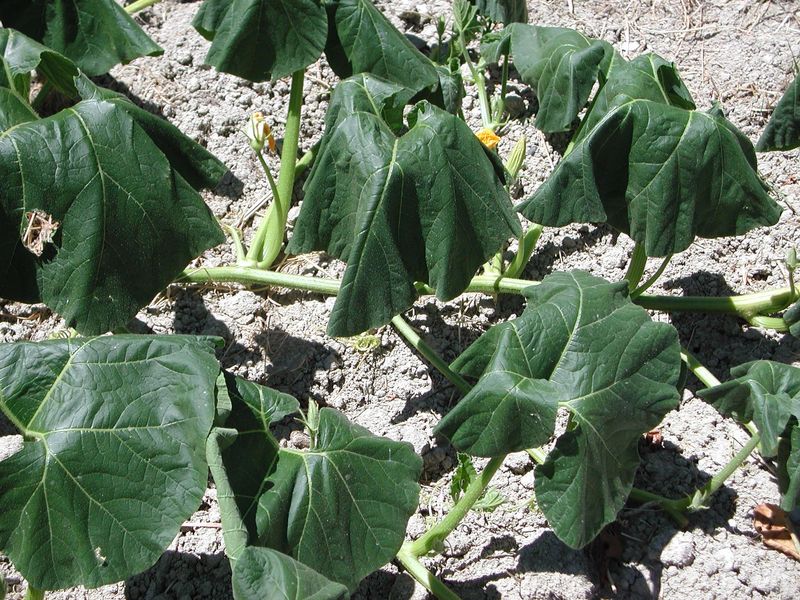
Southern gardeners face a timing problem that gardeners in cooler climates rarely think about. Applying insecticidal soap or horticultural oil during full sun, on a wilted vine, or when temperatures are around or above 90 degrees Fahrenheit increases the chance of burning or otherwise damaging cucumber foliage.
UC IPM aphid management guidance specifically advises against applying soap to heat-stressed or drought-stressed plants, and that warning is especially relevant in Florida and Texas from July through September.
Early morning, before the sun is fully overhead and temperatures are still manageable, is generally the safest window for soap applications in hot weather. If morning is not possible, late evening works as a second option.
University of Florida IFAS insecticidal soap guidance recommends testing a small area of foliage first and checking it after one or two days for any sign of leaf injury before treating the whole plant.
Neem oil and other horticultural oils carry similar heat-related risks and are not automatically a better option for late-summer cucumber aphid problems. Registered product labeling for some soap and oil products includes specific temperature and plant-condition limits that override any general advice.
Read the label for the product you have in hand, apply only when aphids are present and conditions are within the label’s stated limits, and never assume that a product safe in spring will behave the same way on a parched vine in August heat.
Conserve natural enemies and avoid unnecessary escalation
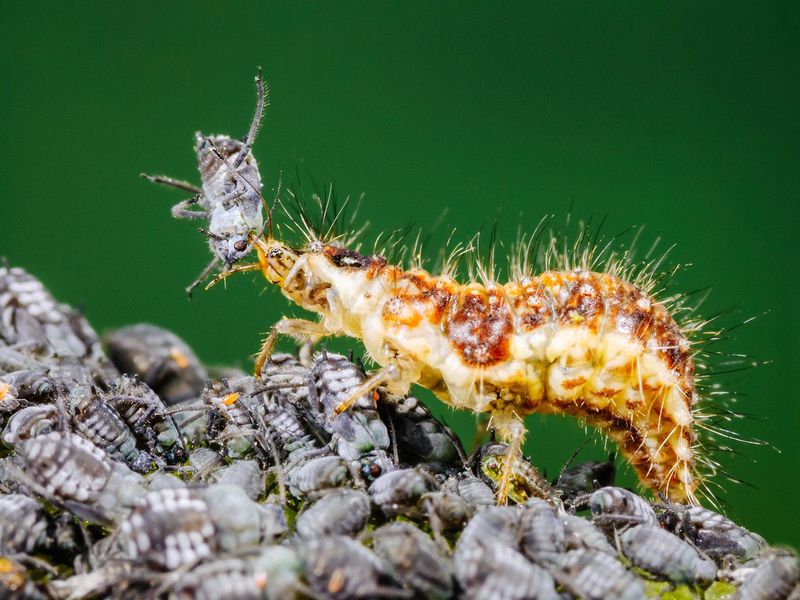
One reason water and targeted soap are worth trying before anything stronger is what they leave behind. Lady beetles, lacewing larvae, syrphid fly larvae, and parasitoid wasps all feed on or parasitize aphids, and a garden that supports those insects has built-in help that no spray can fully replicate.
University of Minnesota Extension notes that these natural enemies can reduce aphid populations over time, though they rarely eliminate a large colony instantly.
Purchased ladybugs are often promoted as a quick fix, but most released adults disperse within a day or two and do not stay on the treated vine long enough to make a measurable difference. Keeping the beneficial insects already in your yard is far more reliable than importing them.
Broad-spectrum insecticides, the kind that kill a wide range of insects on contact, can wipe out predators and parasitoids along with the aphids, leaving the vine more vulnerable to future infestations. University of Florida IFAS cucurbit pest management resources and Texas A&M AgriLife vegetable insect management guidance both caution that broad-spectrum products can contribute to secondary pest outbreaks and select for resistance.
Fertilizer choices also matter more than many gardeners realize. Excess nitrogen pushes out lush, soft new growth that aphids find especially attractive.
UF IFAS integrated pest management guidance reinforces that avoiding over-fertilization is a straightforward cultural step that can make cucumber vines less appealing to aphid colonies in the first place.
Persistent distortion may point to virus, stress, or another pest
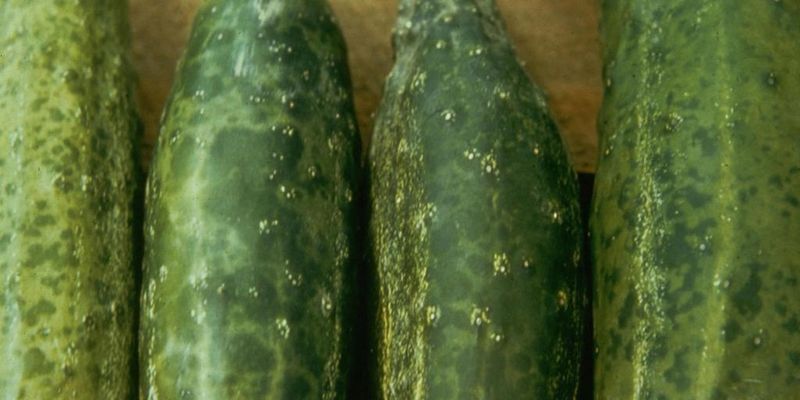
Not every cucumber problem that looks like a heavy aphid infestation actually is one. Widespread mosaic patterns on leaves, fruit that comes out misshapen or streaked, or growth that stays severely distorted even after aphid populations drop are all reasons to reconsider the diagnosis.
University of Florida IFAS cucurbit virus resources describe how cucumber mosaic virus and related cucurbit viruses can produce exactly these symptoms, and no amount of aphid spraying will reverse tissue that is already infected.
Aphids can transmit some cucurbit viruses within seconds of beginning to probe a plant, before a contact insecticide has any chance to kill them. UF IFAS aphid-transmitted virus guidance explains that this nonpersistent transmission style means controlling aphids may reduce feeding damage but cannot reliably prevent virus spread once infected aphids are moving through the garden.
Treating aggressively for aphids while ignoring the possibility of viral disease leads to frustration and wasted effort.
Heat stress, spider mite feeding, nutrient imbalances, and other cucurbit pests can also produce yellowing, leaf curl, or stunted growth that mimics aphid damage. University of Georgia Extension cucurbit pest identification resources and University of Minnesota aphid guidance both recommend confirming the actual cause before committing to a spray program.
When symptoms continue or worsen after you have addressed aphids, step back and look at the whole plant rather than reaching for a stronger product.
Manage aphids with a repeatable routine, not a permanent fix
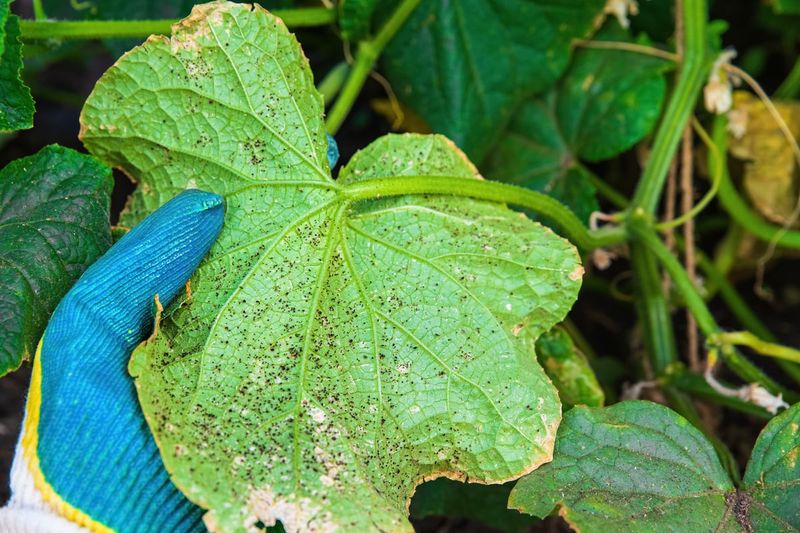
The most useful mindset shift for dealing with late-summer cucumber aphids is treating control as an ongoing routine rather than a one-time event. Start by confirming you actually have aphids, not spider mites, heat stress, or something else entirely.
Then knock them back with a firm water spray aimed at leaf undersides, new growth, and stems, and check the vine again a day or two later to see what survived or arrived.
If populations climb again or damage increases, move to a commercially labeled insecticidal soap for cucumbers or vegetables, apply it only when aphids are present and conditions are safe, and follow the product label for every detail including timing, dilution, and harvest intervals. University of Minnesota Extension and UC IPM both frame aphid management as exactly this kind of repeatable monitoring-and-response cycle rather than a guaranteed cure.
University of Florida IFAS insecticidal soap guidance reinforces that contact treatments require follow-up scouting because reinfestation remains possible.
Protect the foliage by avoiding applications during heat or drought stress, and protect beneficial insects by skipping broad-spectrum products when narrower options can do the job. Aphids are persistent, but so is a gardener who checks the vine regularly and responds early.
A cucumber that gets consistent attention handles late-summer pest pressure far better than one that gets a single heroic treatment and then gets ignored.