
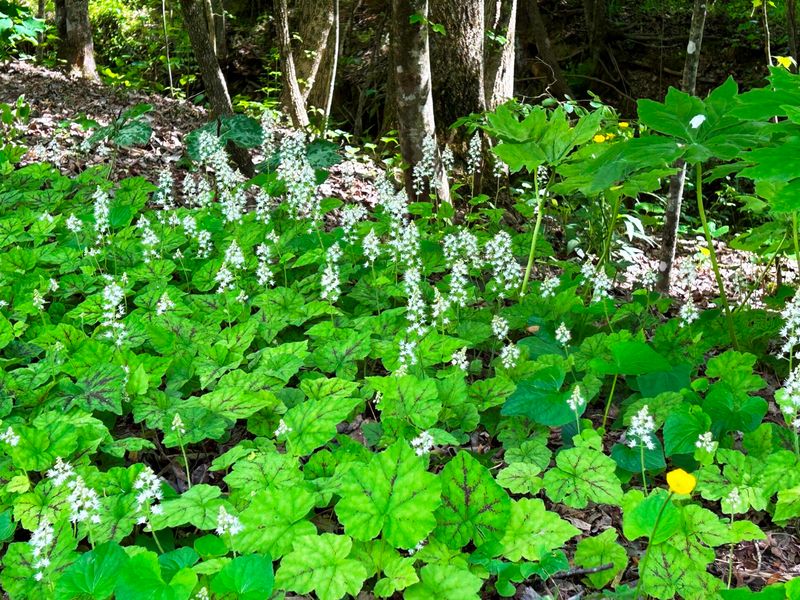
Hostas get all the attention in shady yards, but they melt in North Carolina’s sticky summers and get chewed to lace by slugs and deer. The good news is that our own native plants handle deep shade and thick humidity without complaint, and they feed the birds, bees, and butterflies that belong here.
Swapping in these tough natives means less watering, less fussing, and a yard that does right by the land. Here are nine North Carolina natives that fill those dim corners better than any hosta ever could.
1. Christmas Fern
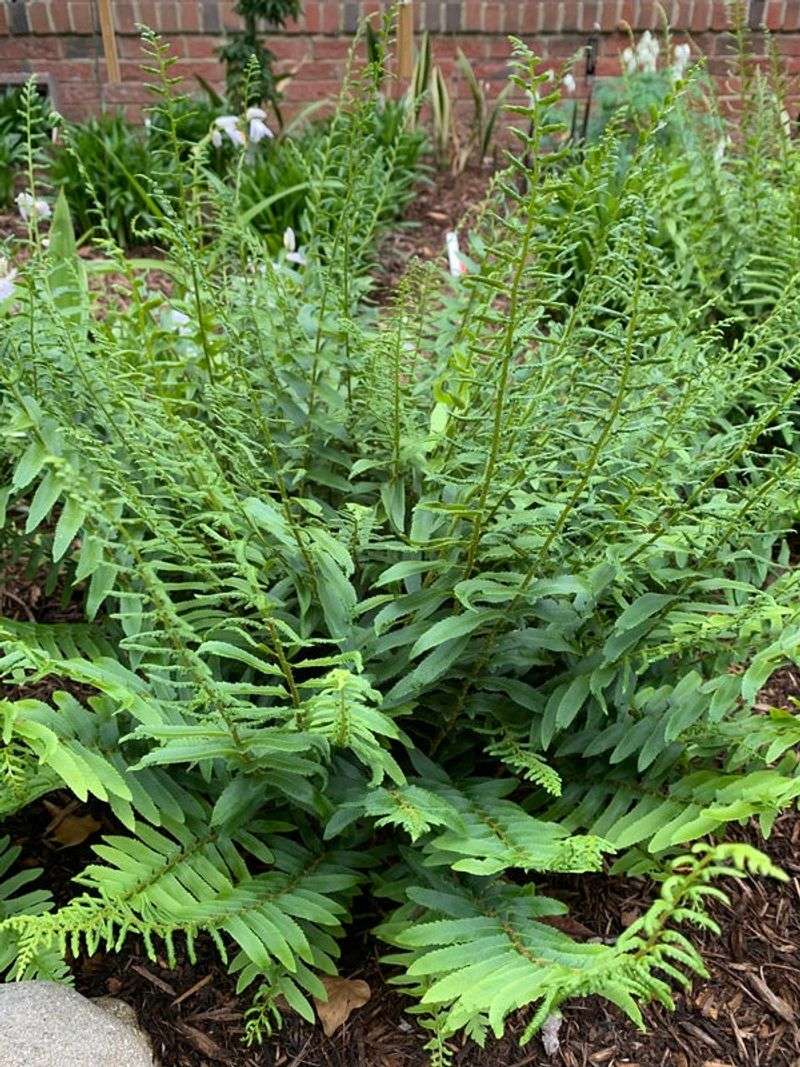
Named for the fact that its fronds stay green straight through December, the Christmas fern is the workhorse every shady Carolina yard needs. While hostas flop and yellow by August, this fern keeps its glossy leathery leaves crisp no matter how muggy it gets.
It grows in tidy clumps about two feet wide, so you can line a shaded path or tuck it under trees where nothing else wants to grow. The tough evergreen fronds also give ground beetles and other beneficial insects a place to shelter over winter.
Deer tend to leave it alone, and once it settles in, you can basically forget about it. No slug damage, no midsummer collapse, just steady green from one holiday season to the next.
2. Wild Ginger
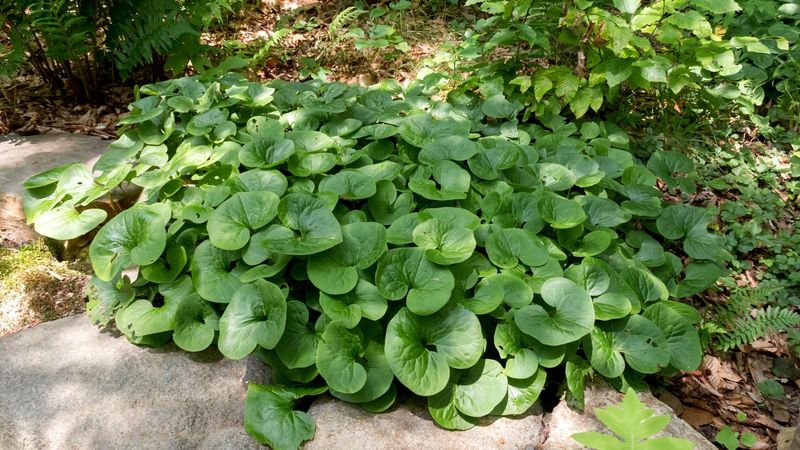
Run your fingers along a broken stem of wild ginger and you’ll catch a warm, spicy scent that explains the name, even though it isn’t the ginger you cook with. Those heart-shaped leaves lie flat and low, knitting together into a soft carpet that smothers weeds in the darkest corners.
Deep shade is exactly where it thrives, the kind of spot where hostas turn leggy and pale. It asks for rich, moist soil and almost nothing else from you.
Hidden down near the ground, its odd little maroon flowers bloom in spring and get pollinated by ground crawlers like ants and beetles. It’s a quiet, easygoing groundcover that spreads slowly and rewards patience.
3. Foamflower
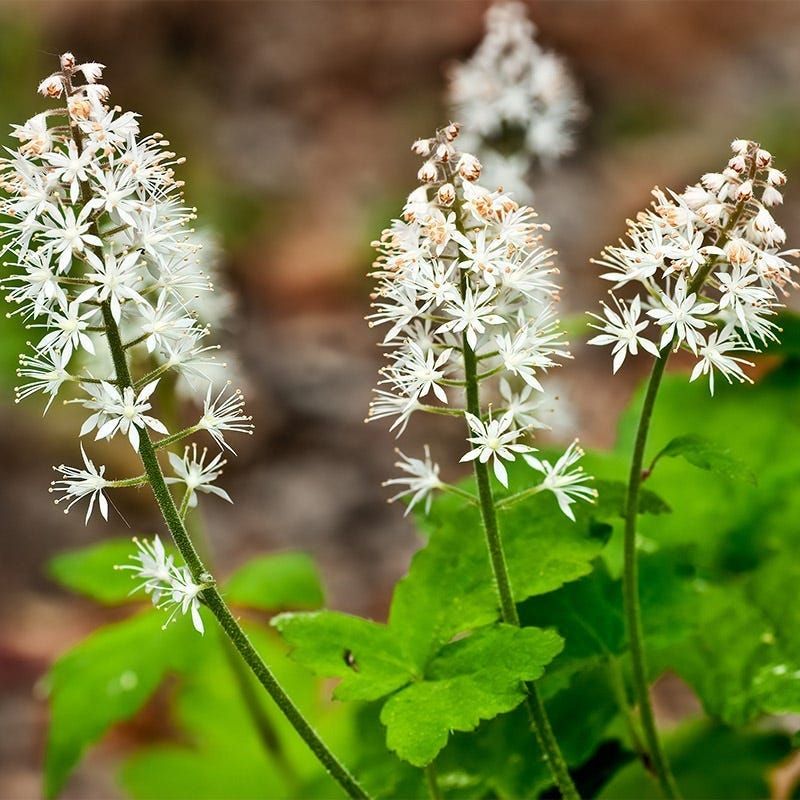
Come April, foamflower sends up frothy spikes of tiny white blooms that hover over the leaves like little clouds, hence the name. Bees and early pollinators go straight for them when not much else is flowering yet.
The maple-shaped leaves stay handsome all season and many types blush red in fall, giving you far more color range than a plain green hosta clump.
Happy in the moist, shaded soils of the Piedmont and mountains, it spreads gently by runners to fill a bed without taking over. Pair it with ferns and you’ve got a lush woodland look that shrugs off humidity and never needs babying.
4. Green and Gold
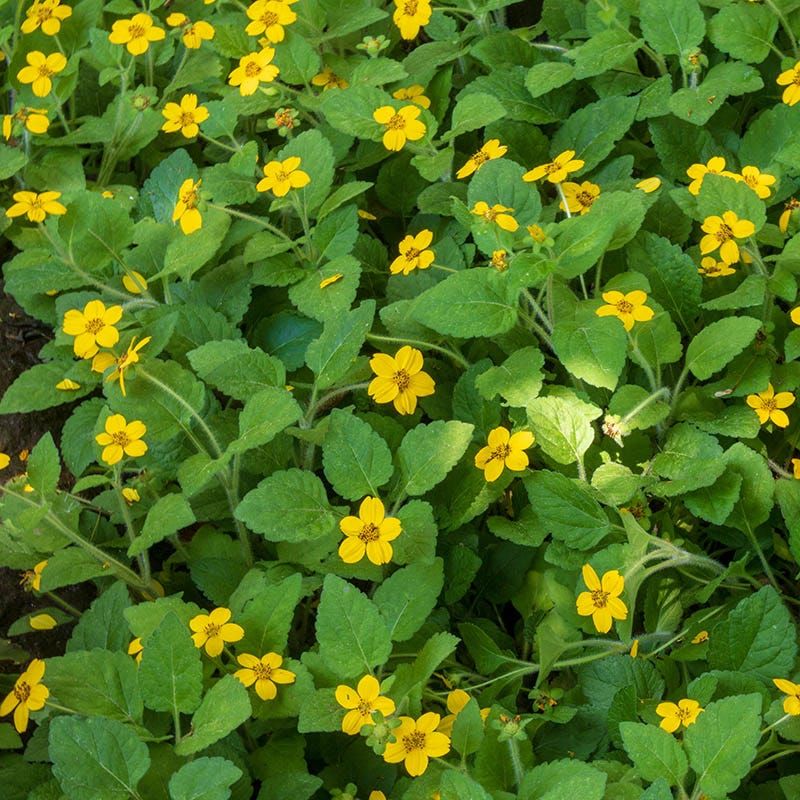
Bright yellow, star-shaped flowers scattered over low green foliage make green and gold look like a splash of sunshine even in a dim corner. It’s one of the longest-blooming natives you can plant, often flowering spring through fall in a mild year.
Growing only a few inches tall, it creeps outward to blanket bare ground under shrubs and trees. That makes it a smart, low-effort fill where you’d otherwise fight bare mulch and weeds.
Small native bees visit the cheerful blooms all season long. Between the constant color and the wildlife it feeds, green and gold earns its spot far more than a foliage-only hosta.
5. Heuchera (Coral Bells)
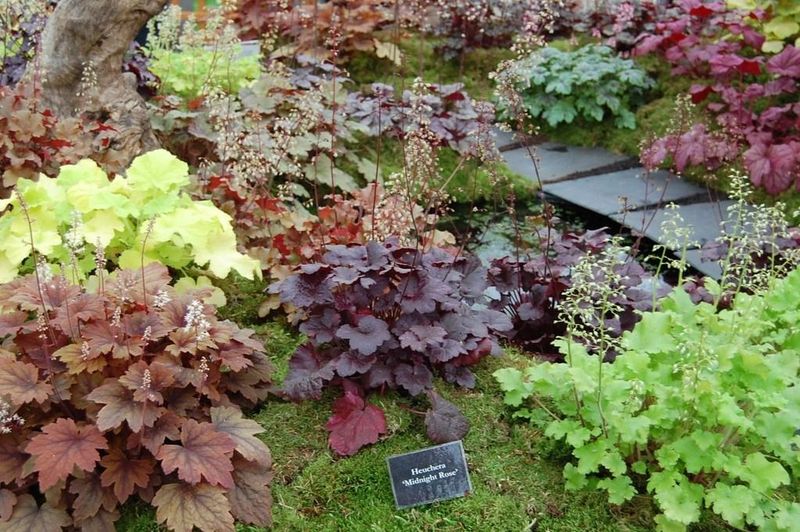
If you crave the leafy mound shape of a hosta but want it bulletproof, native heuchera is your answer. Its ruffled mounds come in greens, silvers, and bronzes, holding their looks through the swampiest July.
Thin wands of tiny bell-shaped flowers rise above the leaves in late spring, and hummingbirds stop by for a drink. The foliage stays evergreen in much of the state, so beds don’t go bare in winter.
Rock outcrops and shaded slopes are its natural home, which means it laughs off the humidity that rots fussier plants. Slugs skip it too, so you get all the mounded charm with none of the chewed-up leaves.
6. Cinnamon Fern
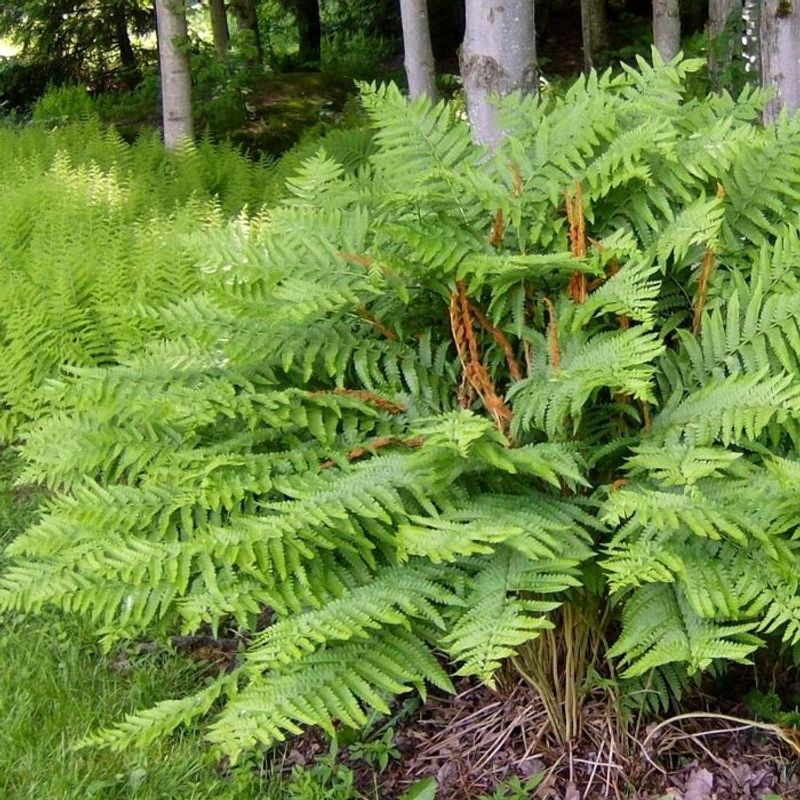
For a bold, dramatic presence in the shade, few natives match the cinnamon fern. It throws up tall arching fronds around three to five feet high, with rusty cinnamon-colored spikes in the center that give it its name.
Wet, shady spots that stump most plants are exactly where it excels, including boggy edges and low corners across the coastal plain. If you’ve got a soggy shaded area, this fern turns a problem into a showpiece.
Birds pluck the fuzzy fibers from its stems to line their nests in spring. Big, tough, and unbothered by heat, it fills vertical space no hosta could ever reach.
7. Woodland Phlox
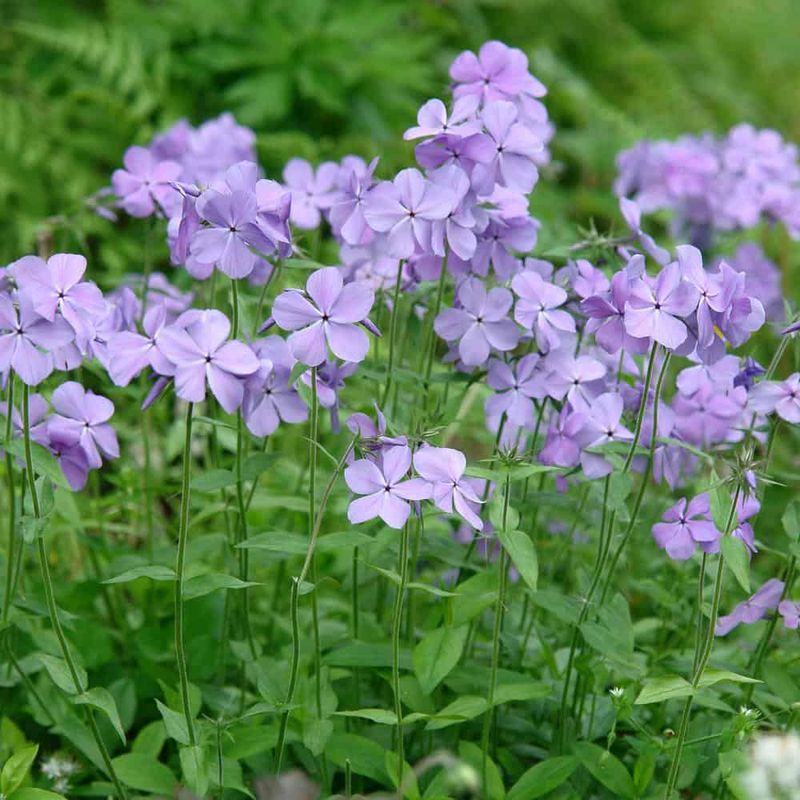
Nothing beats the sight of woodland phlox lighting up a shady bed with drifts of soft blue-lavender in spring. The blooms carry a sweet fragrance that drifts on warm evenings.
Butterflies, moths, and early bees flock to the flat-topped flower clusters when few other nectar sources exist. That makes it a genuine early-season lifeline for pollinators.
Growing about a foot tall, it settles into moist, humus-rich shade and comes back reliably every year. After the flowers fade the low foliage stays put as a mat, so you get color and coverage from a plant that actually feeds your yard’s wildlife.
8. Solomon’s Seal
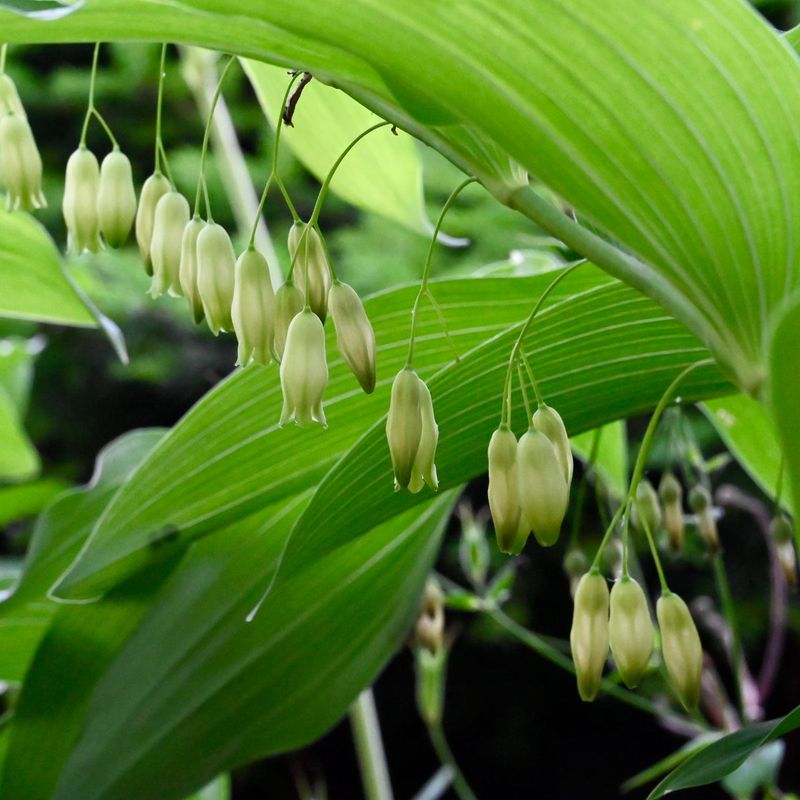
Graceful is the only word for Solomon’s seal, with its long arching stems hung underneath by rows of dainty white bells. Bend one over and you’ll spot the flowers dangling in a neat line like little lanterns.
Those arching stems bring height and elegant motion to a shade bed, a shape hostas simply can’t offer. In fall the leaves turn a soft golden yellow before dropping.
Bumblebees crawl up under the blooms to reach the nectar, and later the plant sets dark berries that birds enjoy. It spreads slowly by underground stems, filling in deep shade without any pushiness or extra work from you.
9. Green and White Alumroot
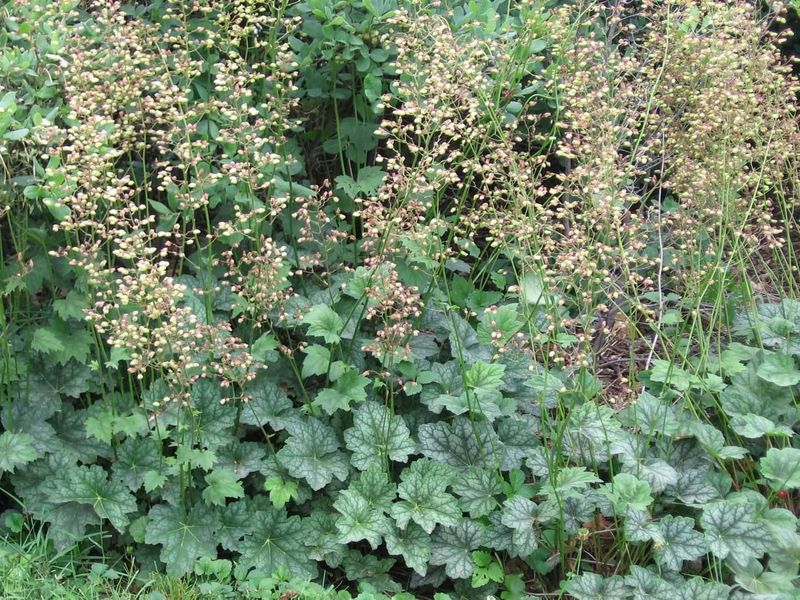
A close cousin to coral bells, alumroot brings a rugged, understated toughness that suits the wildest shaded corners. Its rounded lobed leaves form solid mounds, and tall airy stalks of tiny greenish-white flowers rise above them in early summer.
Native to shaded rock ledges and forest floors, it copes with dry shade and poor soil far better than a thirsty hosta. Once established, it barely needs watering even during a dry, sticky Carolina August.
Small bees and beneficial flies work the modest blooms, and the evergreen foliage anchors a bed through winter. If you’ve struggled with a stubborn dry-shade spot, this is the low-effort native that finally fills it.