
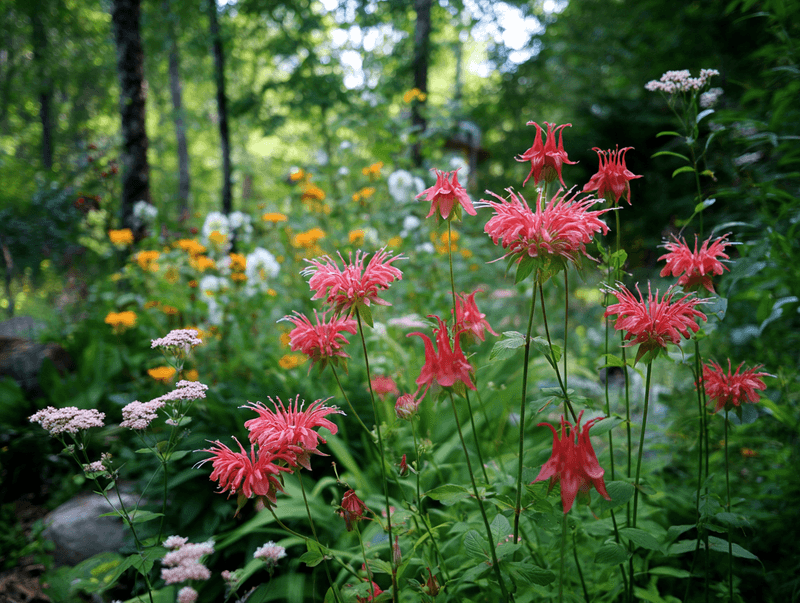
Coneflowers get all the attention, but they often fade just when North Carolina summers get brutal. The good news is that our state is home to tough native perennials that keep blooming when the heat cranks up, feeding pollinators and giving your yard color for months.
Best of all, these plants shrug off drought, need almost no fussing, and support the local wildlife that keeps your yard healthy. Here are nine natives that outlast coneflowers and keep your beds buzzing right through the dog days.
1. Black-Eyed Susan (Rudbeckia fulgida)
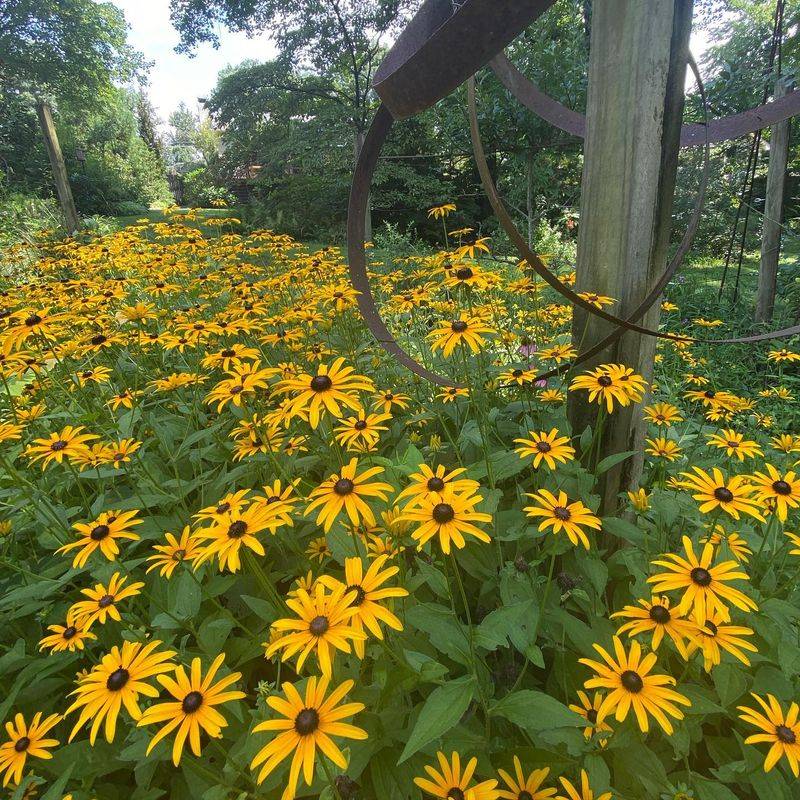
Ask any Piedmont gardener what keeps glowing when July turns miserable, and black-eyed Susan almost always comes up first. The variety ‘Goldsturm’ throws out cheerful gold petals from midsummer straight into fall, easily outlasting the fading coneflowers nearby.
What makes it a standout is stamina. While other flowers wilt in the afternoon sun, this one holds strong in clay soil, dry spells, and the muggy air that defines a Carolina summer.
Bees and small butterflies work the flowers all day, and once the blooms fade, goldfinches show up to pick apart the seed heads. Leave those seed heads standing through winter and you get free food for birds plus a little architecture in the sleeping garden.
It spreads politely, so you can share clumps with neighbors year after year.
2. Blazing Star (Liatris spicata)
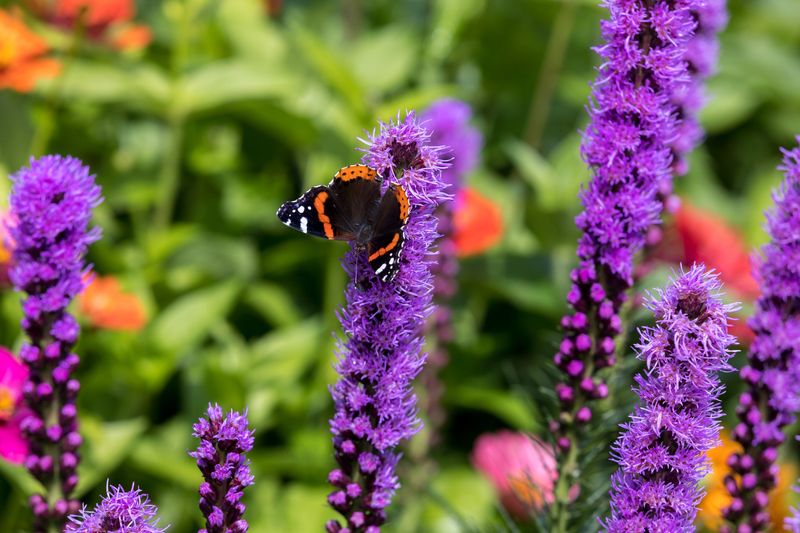
Picture a row of fuzzy purple wands standing tall above the border, and you have blazing star doing its thing in the thick of summer. Unlike most spike flowers, it opens from the top down, which stretches the show out for weeks.
Monarchs treat these blooms like a filling station on their long journey, and swallowtails aren’t far behind. If your goal is a yard that both looks alive and actually helps native pollinators, few plants pull double duty this well.
Liatris grows from a corm and handles drought like a champ once it settles in. Plant it in full sun with decent drainage and it rewards you with vertical drama that coneflowers just can’t match.
Fun bonus: the seed heads feed songbirds later in the season, so the giving doesn’t stop when the purple fades.
3. Butterfly Weed (Asclepias tuberosa)
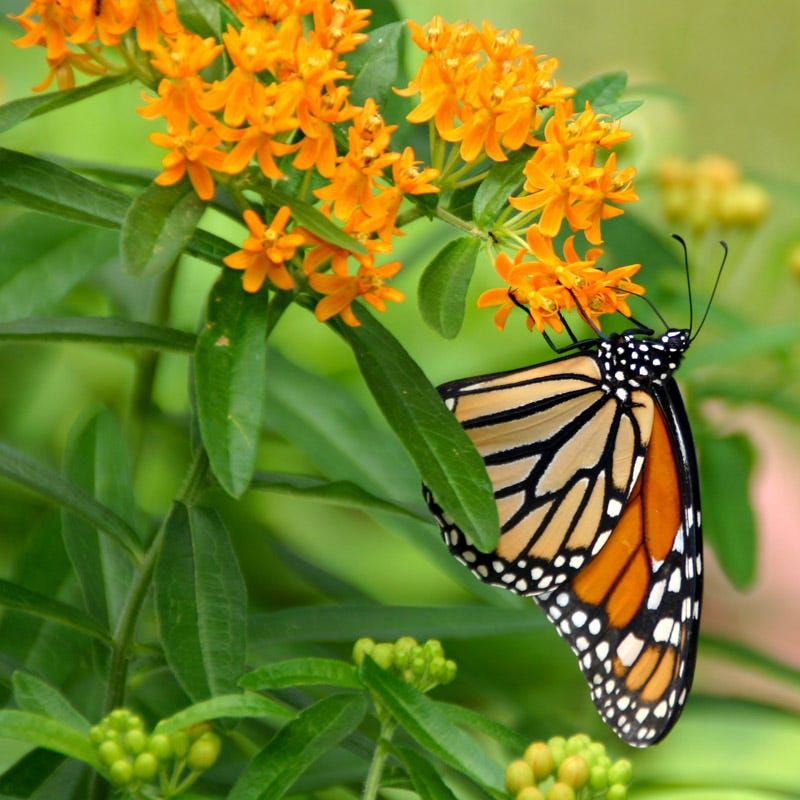
Few natives light up a dry, sunny spot like butterfly weed, with its almost neon-orange flower clusters. It thrives in the poor, sandy soils of the coastal plain where fussier plants give up.
Here’s why it earns a spot: it’s a milkweed, which means it’s a nursery for monarch caterpillars. Planting it is one of the simplest things a homeowner can do to support the migrating monarchs that pass through North Carolina every year.
The blooms run from early summer into the hotter months, and pollinators of every stripe crowd the flat flower heads. Once established, it wants to be left alone.
Deep roots let it find water when the rain stops, so you won’t be dragging a hose around.
Skip the fertilizer and the babying. This tough native does best when you plant it and mostly forget about it.
4. Purple Coneflower’s Cousin: Threadleaf Coreopsis (Coreopsis verticillata)
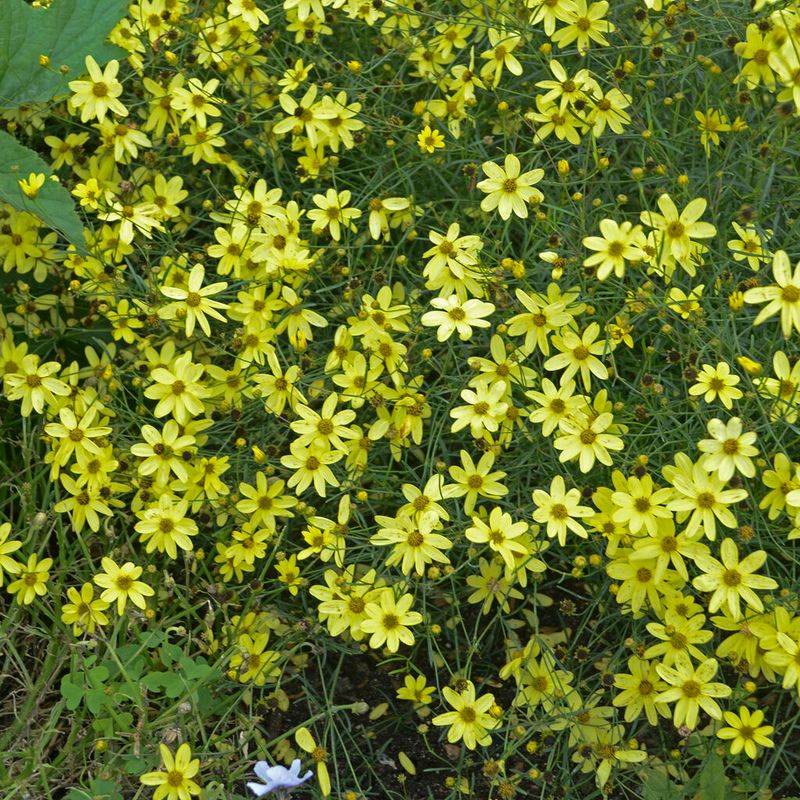
If you want a flower that simply refuses to quit, threadleaf coreopsis is your plant. The variety ‘Moonbeam’ covers itself in soft yellow daisies from late spring until frost, giving you months of nonstop color.
Its lacy, ferny foliage is a nice change from the coarse leaves of coneflowers, and it forms a tidy mound that never flops over in a storm. A quick shearing in midsummer keeps the blooms coming even harder.
Small native bees and hoverflies love the dainty flowers, and it holds up beautifully in the heat and humidity of central North Carolina.
Low water needs, deer that mostly ignore it, and a bloom season longer than almost anything else on this list make it a workhorse for busy homeowners.
5. Cardinal Flower (Lobelia cardinalis)
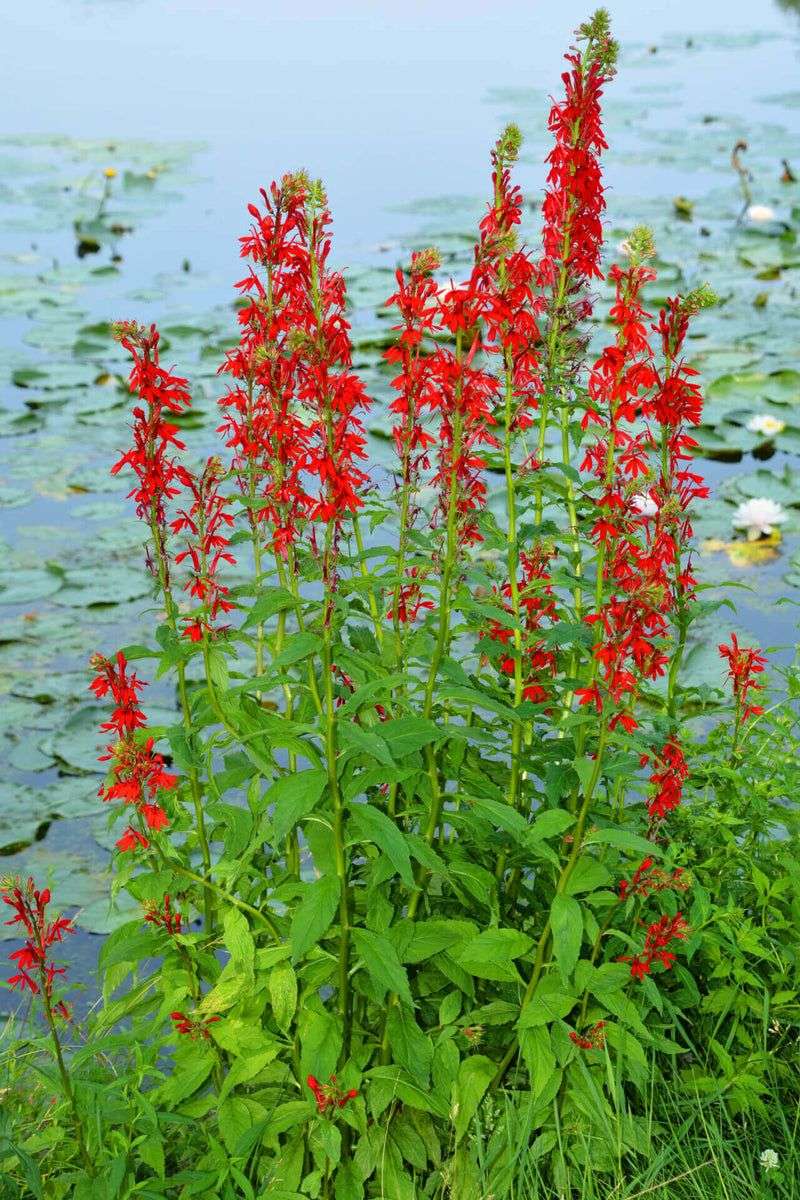
There’s nothing subtle about cardinal flower, and that’s exactly the point. Its blazing scarlet spikes shoot up in mid to late summer, right when a lot of gardens start looking tired.
Got a soggy spot where nothing else grows? This is your answer.
It loves damp soil along creek edges, rain gardens, and low areas of the yard that stay wet, making it a smart fix for a problem corner.
Ruby-throated hummingbirds are practically obsessed with the tubular red flowers, so planting a patch guarantees a front-row seat to their aerial shows all season.
It’s a short-lived perennial, but it reseeds itself readily, so a small planting can keep the color rolling year after year with almost no work from you.
6. Joe-Pye Weed (Eutrochium purpureum)
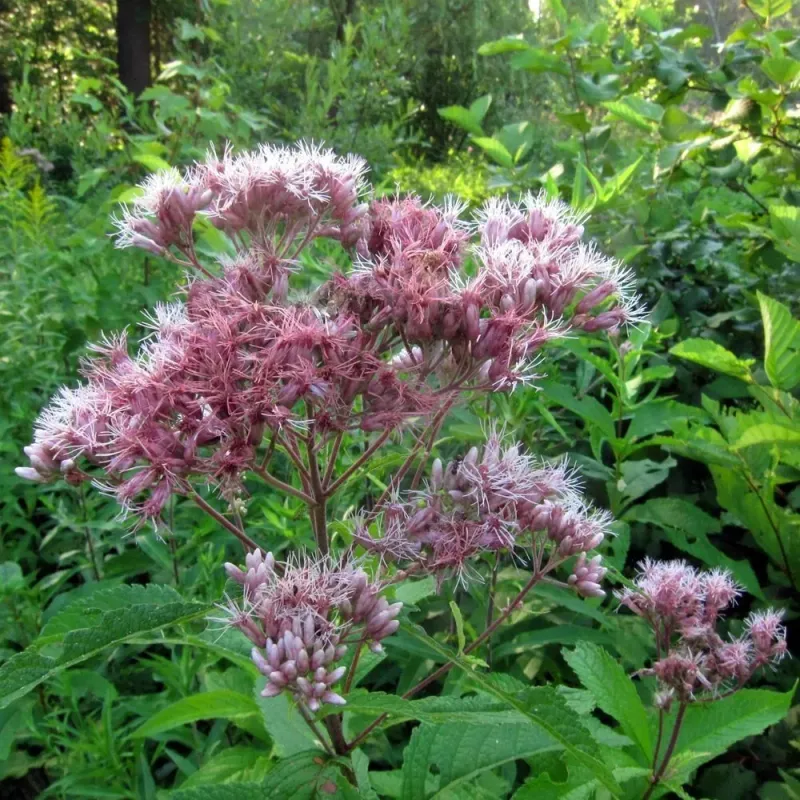
Standing head and shoulders above the crowd, Joe-Pye weed brings big, dusty-rose flower clusters to the back of the border in late summer. It can reach six feet or more, giving your yard some serious presence when many perennials are winding down.
Butterflies swarm the domed blooms, and on a warm August afternoon you might count a dozen swallowtails at once feeding on a single stand.
Despite the old-fashioned name, it’s a refined addition to a native planting, and it does best in moist to average soil in the mountains and Piedmont. Once it’s rooted in, it handles heat without missing a beat.
The name traces back to an old herbal healer, and the plant carries that folk history right into your modern pollinator garden.
7. Wild Bergamot (Monarda fistulosa)
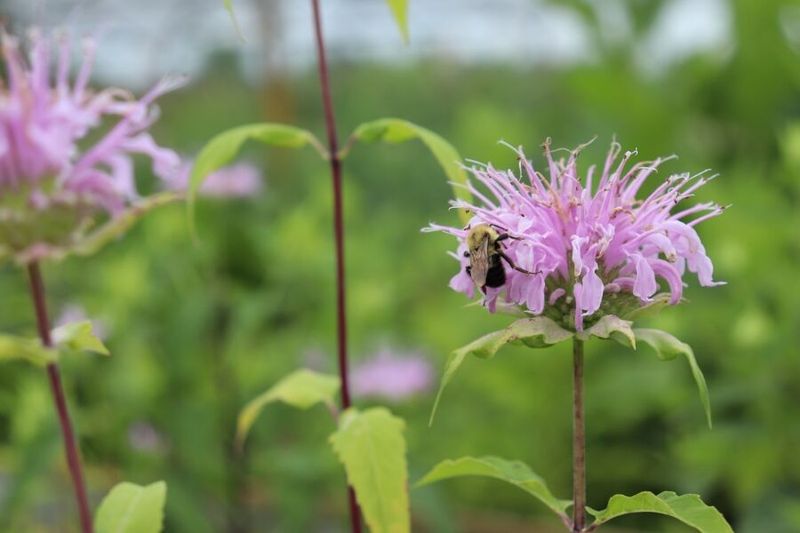
Crush a leaf of wild bergamot and you’ll catch a spicy, minty scent that tells you instantly this is bee balm’s tougher wild cousin. The shaggy lavender flowers bloom through the peak of summer heat.
Pollinators can’t stay away. Native bees, butterflies, and even hummingbird moths crowd the blooms from morning to dusk, making it one of the busiest plants in the whole bed.
Unlike the fussy garden bee balms that melt with mildew, this native shrugs off dry conditions and poor soil, spreading gently to fill a sunny patch. Good airflow keeps the foliage clean.
The minty oils in the leaves may help deter browsing deer, which is one more reason it belongs in a low-effort North Carolina yard.
8. Swamp Sunflower (Helianthus angustifolius)
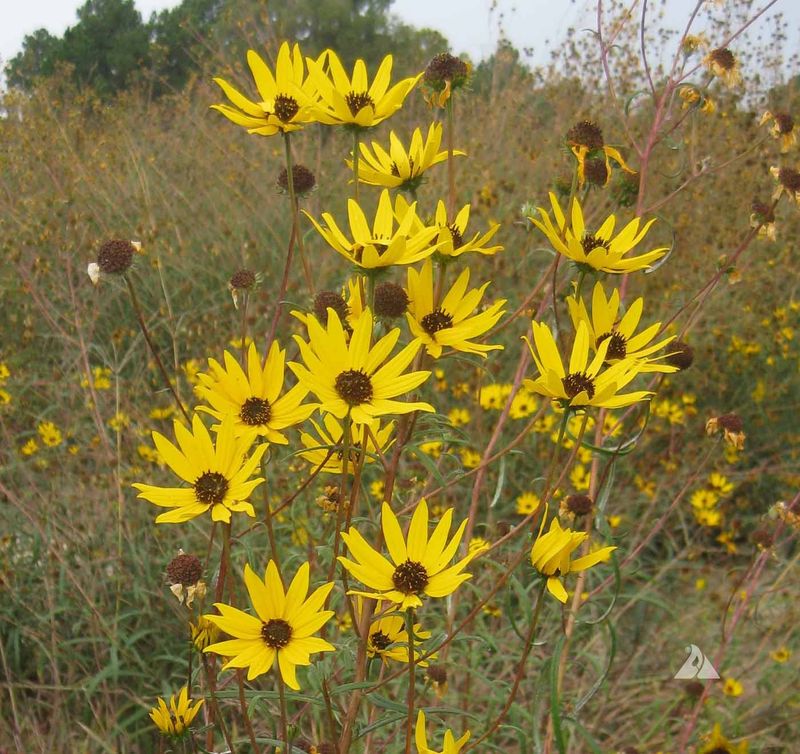
Just when everything else is calling it quits, swamp sunflower explodes into a golden wall of blooms. This late bloomer waits until early fall to put on its show, extending your color season long past when coneflowers have gone to seed.
It can tower to eight feet, so give it room at the back of a bed or use it as a temporary living screen. Cut it back in early summer if you want a shorter, bushier version that won’t lean.
The timing is a gift to wildlife. Late-season bees load up on pollen before winter, and songbirds mob the seed heads once the petals drop.
Wet spots, clay, coastal humidity, none of it fazes this plant. For a big, cheerful finish to the growing year, few natives compete.
9. Aromatic Aster (Symphyotrichum oblongifolium)
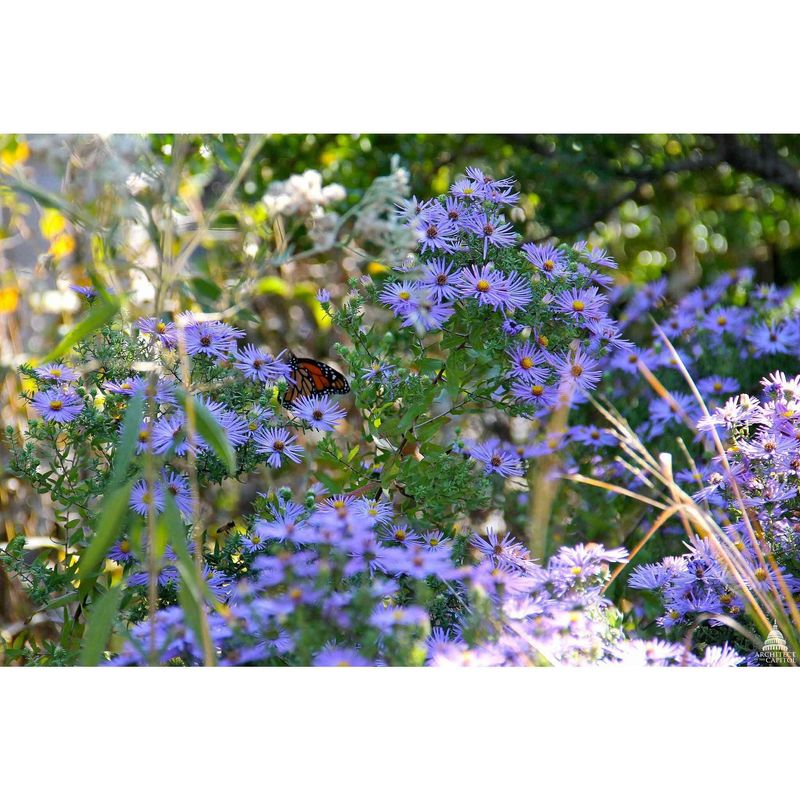
Saving one of the best for last, aromatic aster carries the garden right to the edge of frost with clouds of purple-blue daisies. When most flowers are long gone, this one is just hitting its stride.
Brush against the foliage and you’ll notice a pleasant herbal fragrance, which happens to make it less appealing to nibbling deer.
Its real value is timing. As one of the last nectar sources of the year, it feeds migrating monarchs and late bees stocking up for winter, filling a gap most gardens leave wide open.
It forms a neat, drought-tough mound that handles the sandy soils of the coastal plain and the clay of the Piedmont equally well. Plant it with the golden fall bloomers and you get a knockout combo that keeps your yard alive with wings until the cold finally arrives.