
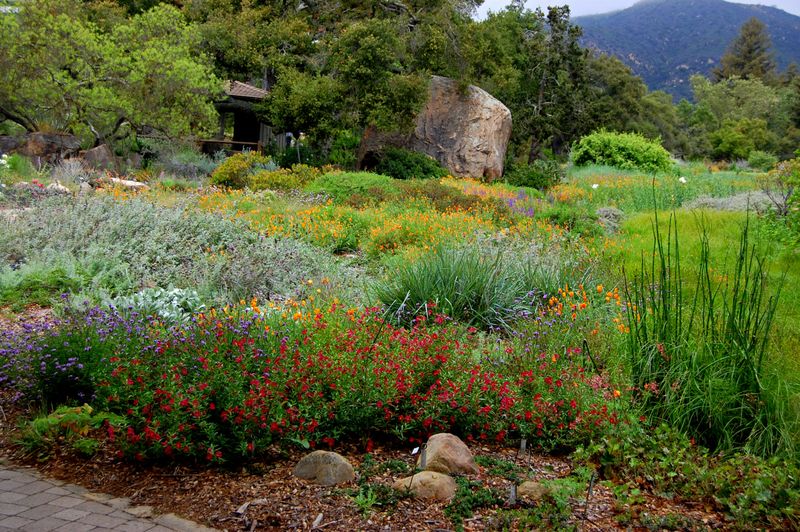
August in California can feel like the sun turned up the dial and forgot to turn it back down. The good news is that some plants were born for this weather and actually thrive without you dragging out the hose every evening.
These California native shrubs handle blistering heat, months of no rain, and dry soil like it is no big deal. Plant a few of these and you get a yard that stays alive, feeds pollinators, and saves you money on your water bill all at once.
1. Toyon (Heteromeles arbutifolia)
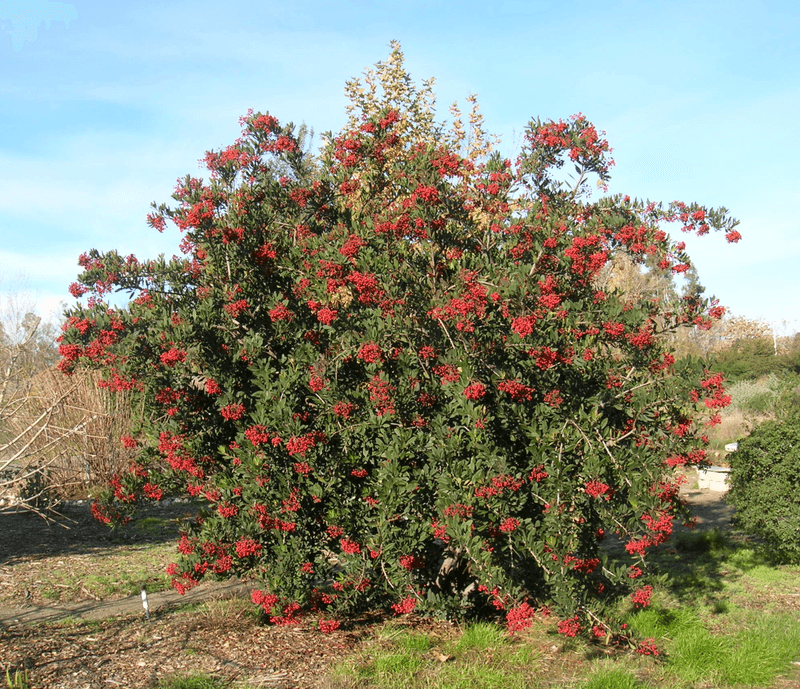
Ask any old-timer about the plant that gave Hollywood its name and they will point at Toyon. Its bright red winter berries once blanketed the hills near Los Angeles, and the shrub is as tough as they come.
Once its roots settle in during the first year, Toyon asks for nothing from you in August. It shrugs off triple-digit heat, keeps its glossy leaves looking fresh, and never begs for a drink.
Birds absolutely love it. Cedar waxwings and mockingbirds swarm the berries in fall and winter, so you get a living bird feeder that also holds a fire-prone hillside together.
It works beautifully as a large screening shrub or a small multi-trunk tree near a fence line.
2. Manzanita (Arctostaphylos species)
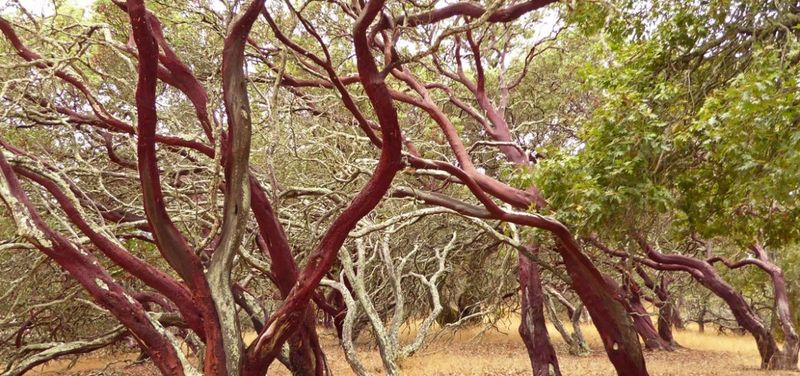
Few plants earn a double-take like Manzanita, with its smooth, twisting bark the color of polished mahogany. That sculptural trunk alone makes it a conversation piece in any front yard.
Built for the long California dry season, Manzanita stores its energy and cruises through August without a single supplemental watering once established. In fact, too much summer water is one of the fastest ways to kill it, so neglect is a feature here, not a flaw.
Bees find its little urn-shaped winter and early-spring flowers irresistible, and native bumblebees especially rely on that early bloom. Choose a low-growing groundcover type for slopes or a taller variety for a striking specimen near the porch.
3. California Lilac (Ceanothus species)
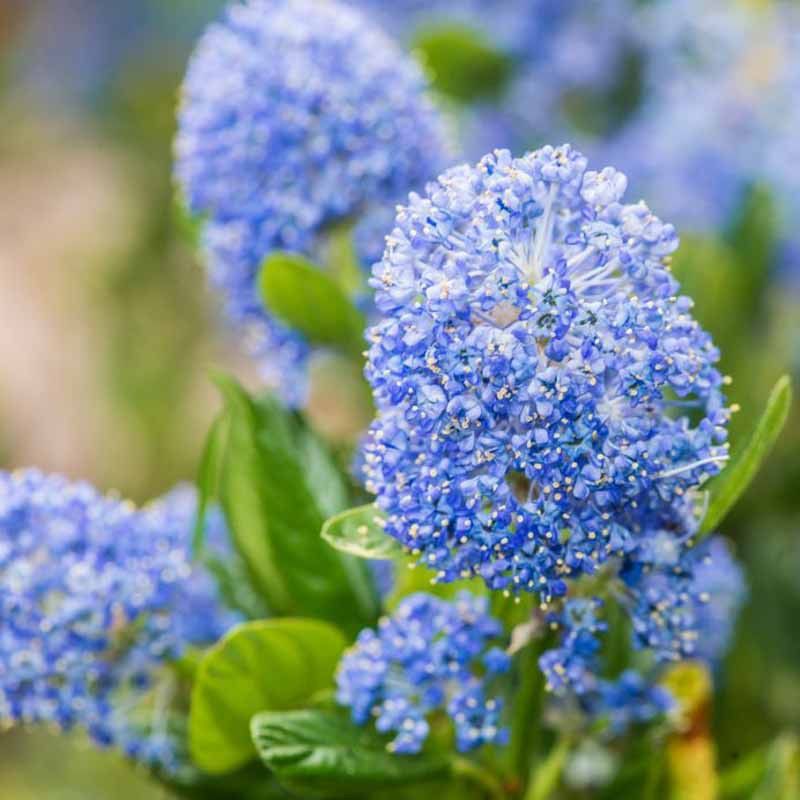
When Ceanothus blooms, entire hillsides turn electric blue and the air practically hums. It is one of the showiest natives you can plant, and it does the work without much help from you.
Come August, this shrub is unbothered. Deep roots pull moisture from far below the surface, so it keeps its evergreen leaves while thirstier plants wilt and crisp around it.
Pollinators treat a blooming Ceanothus like a buffet. Native bees, butterflies, and hoverflies show up in droves during spring, and the seeds later feed quail and finches.
One heads-up worth knowing: Ceanothus tends to be short-lived, often around ten to fifteen years, but the color payoff in the meantime is more than worth the trade. Give it a sunny, well-drained spot and leave the hose in the garage.
4. Cleveland Sage (Salvia clevelandii)
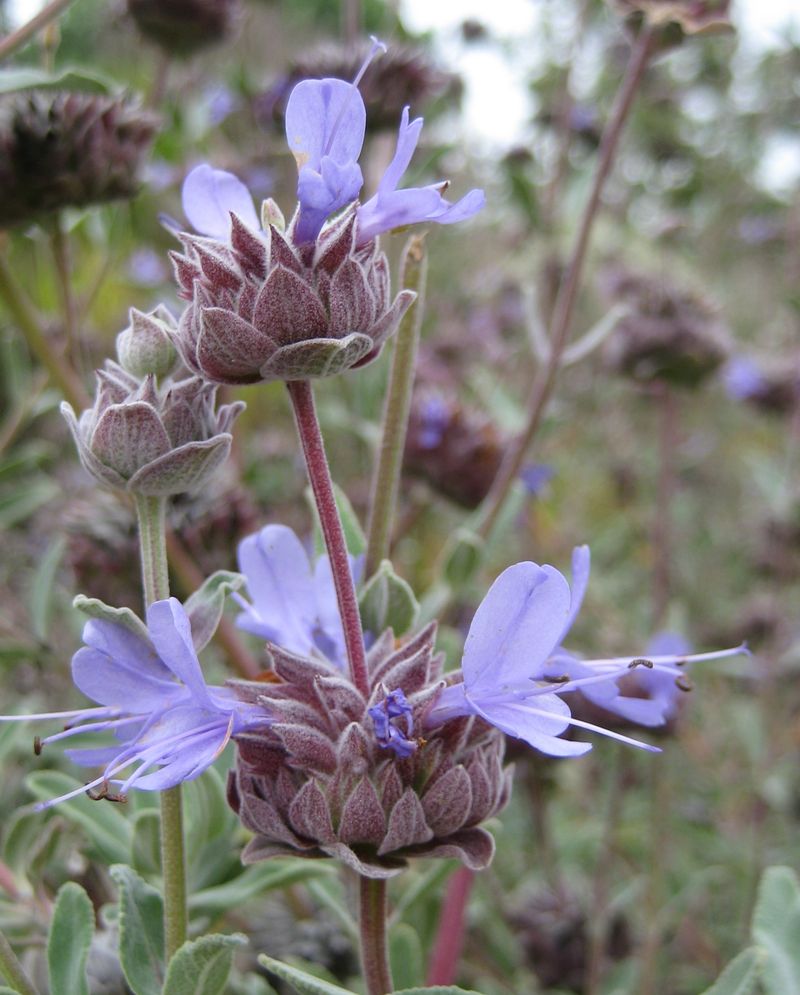
Brush past a Cleveland sage on a hot afternoon and the whole garden suddenly smells like a mountain trail. That intense fragrance is your first clue this plant belongs in a dry California yard.
Heat is where it shines. The silvery leaves reflect harsh sun, and the plant slows down gracefully in peak summer instead of collapsing, needing zero extra water once it is rooted in.
Hummingbirds and native bees flock to its stacked purple flower whorls in late spring. Even after the blooms fade, the dried seed heads add sculptural interest and feed birds through fall.
Fun bit: the aromatic oils that make it smell so good also make it far less appealing to deer, which is a quiet win for hillside gardeners.
5. Flannel Bush (Fremontodendron californicum)
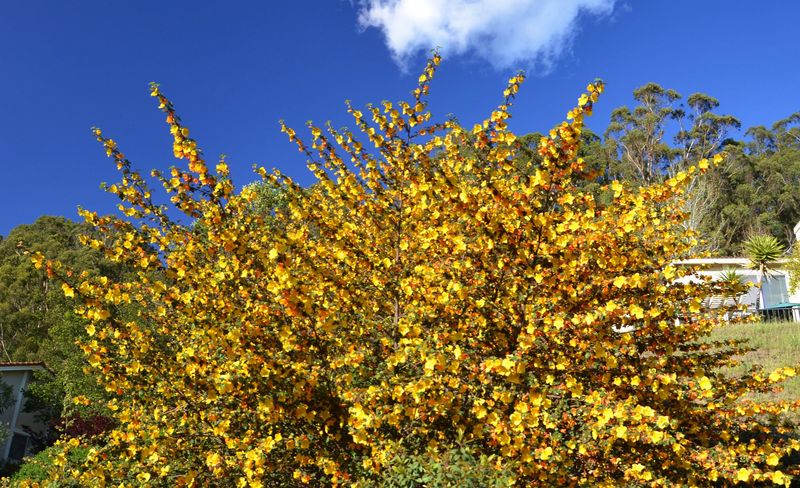
Picture a shrub so covered in glowing yellow blooms that it looks like it swallowed the sun. That is Flannel Bush in spring, and it pulls off the whole show on rainfall alone.
Drought is its comfort zone. This is one of the most water-averse natives around, and August heat barely registers for it, so the golden rule is simple: do not water it in summer once it is established.
The fuzzy leaves and stems can irritate skin, so plant it where you will admire it more than touch it. Give it plenty of room and excellent drainage on a slope, and it will reward you with an unforgettable spring display and steady visits from native bees.
6. Coffeeberry (Frangula californica)
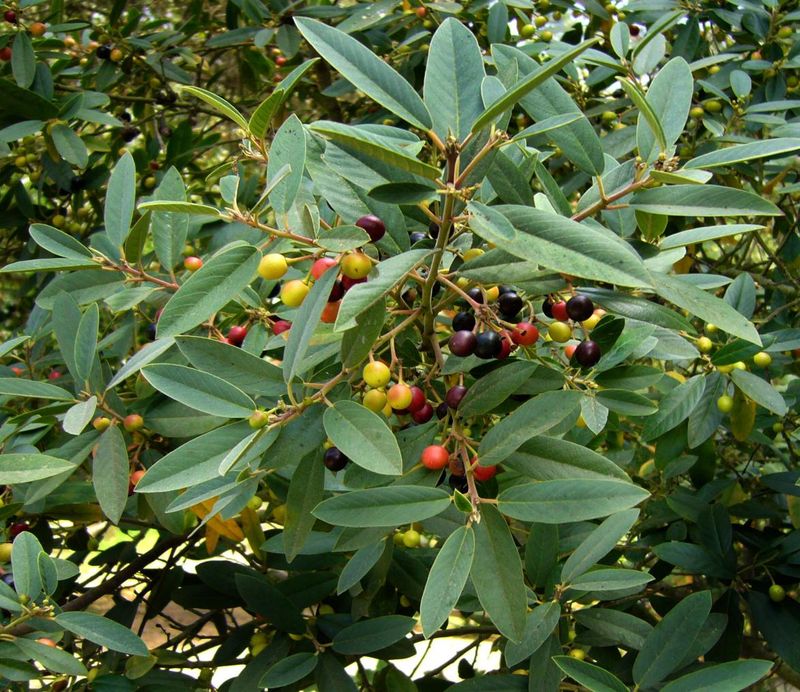
Reliable is not always exciting, but Coffeeberry makes dependable look good. Its clean, glossy foliage holds up all summer without fuss, giving beds a polished green backbone.
Heat and drought roll right off it. Once settled, it needs no summer irrigation and adapts to sun or partial shade, which makes it one of the easiest natives for beginners to trust.
The berries put on a slow color show, shifting from green to red to deep black, and birds gobble them up along the way. Compact varieties like Eve Case stay tidy near walkways, while larger forms make a solid privacy hedge.
Despite the name, the berries are not coffee, but early settlers thought the seeds resembled coffee beans, and the nickname stuck.
7. Bush Poppy (Dendromecon rigida)
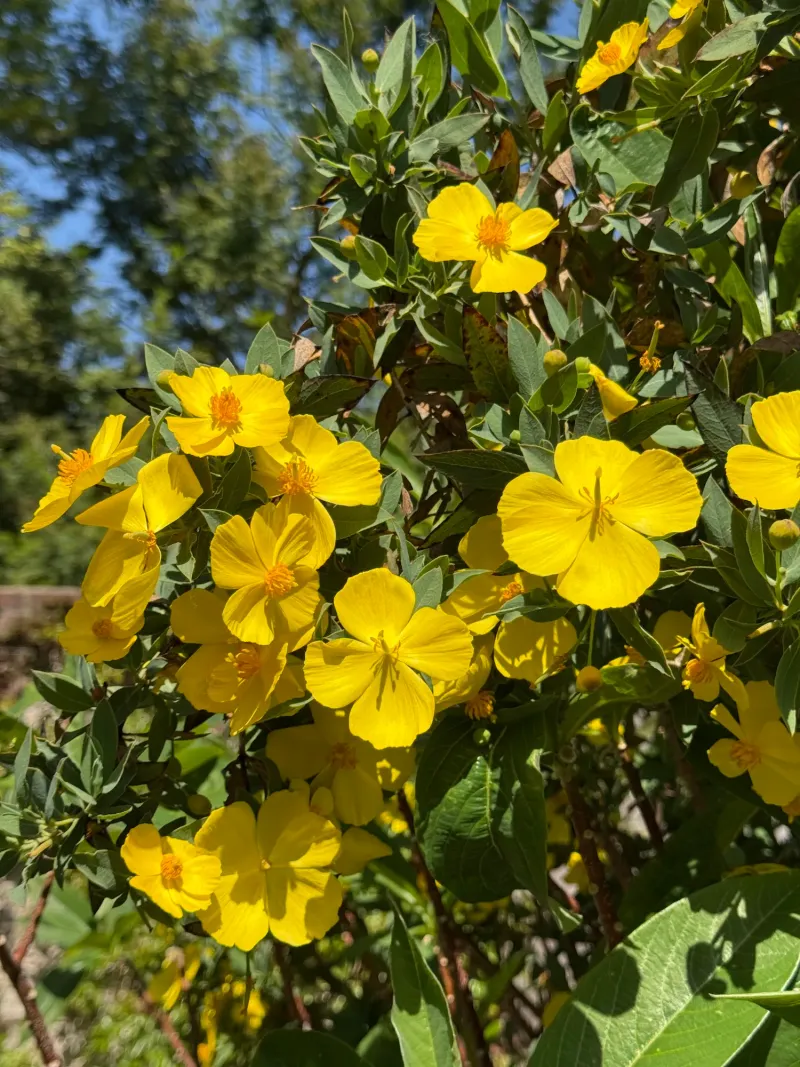
Bright as a highlighter and just as hard to ignore, the Bush Poppy scatters cheerful yellow blooms across dry slopes where little else wants to grow. It practically dares the heat to do its worst.
Poor, rocky, bone-dry soil is exactly where it feels at home. Summer water is unnecessary and can even shorten its life, so this is a true plant-it-and-forget-it native for tough spots.
The blue-gray leaves give it a cool, sculptural look even when it is not blooming, and pollinators seek out the sunny flowers in spring. If you have a bare, sun-blasted bank that always looks sad by August, this is the shrub that finally fixes it.
8. White Sage (Salvia apiana)
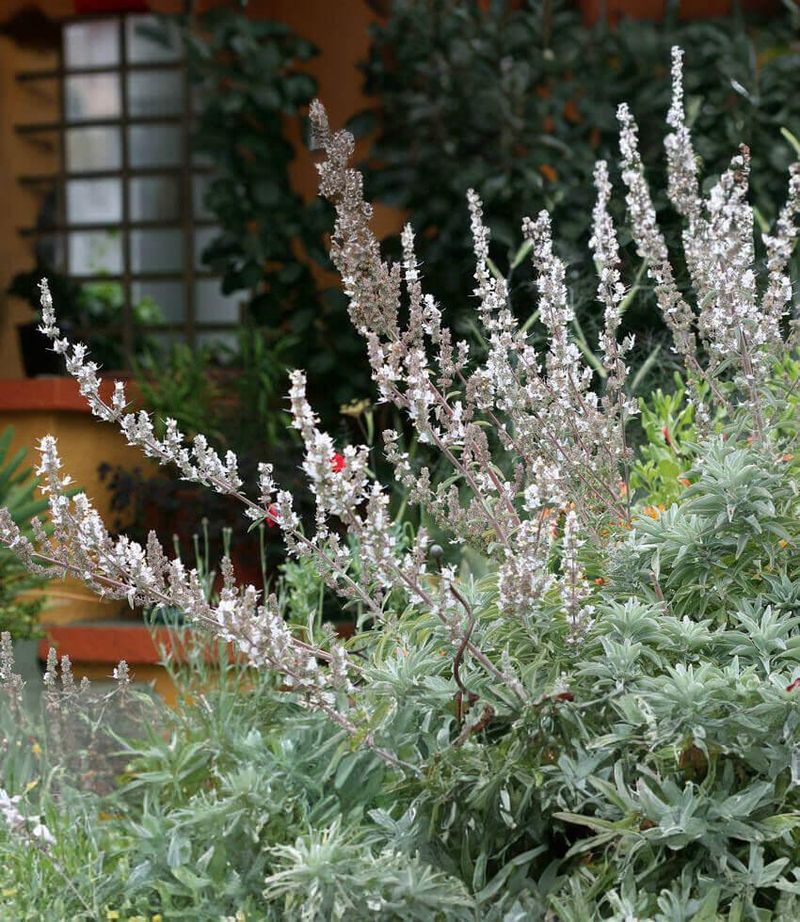
The silvery-white leaves of White Sage almost seem to glow, giving a dry garden a soft, moonlit quality even under a punishing midday sun. It is a plant with real presence.
Reflective foliage is its secret weapon against heat, bouncing sunlight away and conserving moisture so it never needs a summer drink once established. It genuinely prefers to be left alone in the dry months.
Bees adore it, which is right there in its species name, apiana, meaning of the bees. Tall flower spikes rise well above the leaves in early summer and buzz with activity.
Give it sharp drainage and full sun, keep the hose away, and this fragrant, ceremonial plant will anchor your water-wise beds for years.
9. Chamise (Adenostoma fasciculatum)
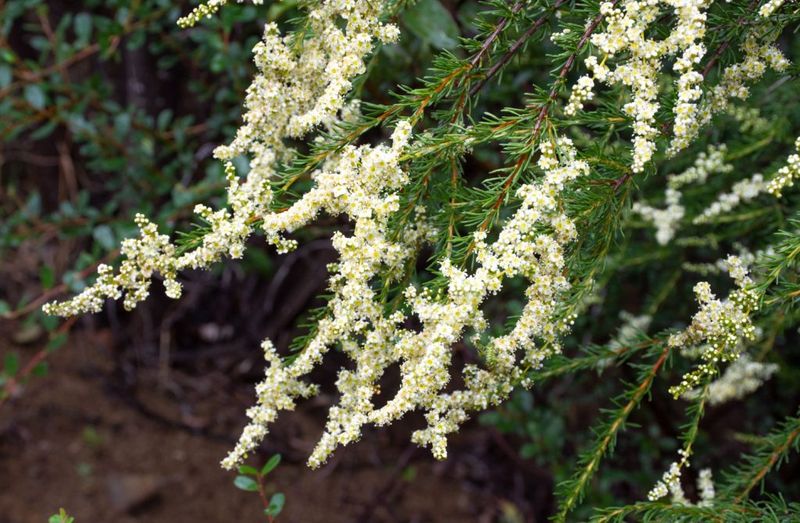
If California chaparral had a mascot, Chamise would win the vote. It covers huge stretches of dry hillside precisely because it can survive conditions that flatten most plants.
Endurance is its whole personality. The fine, needle-like leaves lose very little water, and the shrub sails through the hottest, driest August with no help at all, making it a workhorse for erosion control on slopes.
Small creamy flowers cover it in late spring and draw in native bees and other beneficial insects. It clips neatly into an informal hedge or gets left wild to hold a bank together.
One practical note for fire-zone homeowners: Chamise is flammable, so keep it well outside your defensible-space clearance around the house and enjoy it lower on the property.
10. Sugar Bush (Rhus ovata)
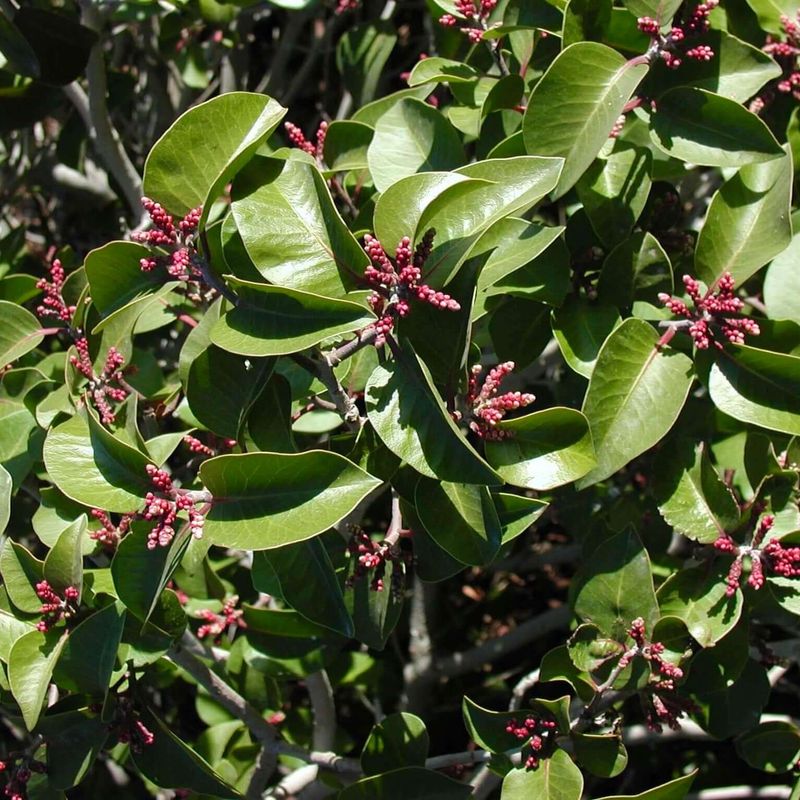
Handsome and unfussy, Sugar Bush earns its keep with big, leathery leaves that stay a rich green through the worst of summer. It looks lush even when the calendar says it should not.
Drought is no obstacle. Deep roots and thick, waxy foliage let it coast through August heat without a drop of extra water, and it takes reflected heat from walls and driveways in stride.
Its dense, rounded shape makes it one of the best native choices for a real privacy screen or windbreak, and the pinkish flower buds feed pollinators before giving way to reddish fruit that birds enjoy.
Because it is thick and green rather than resinous and dry, it is also a gentler choice near structures in fire-aware neighborhoods when spaced and maintained properly. Plant it once and enjoy a green wall that basically raises itself.