
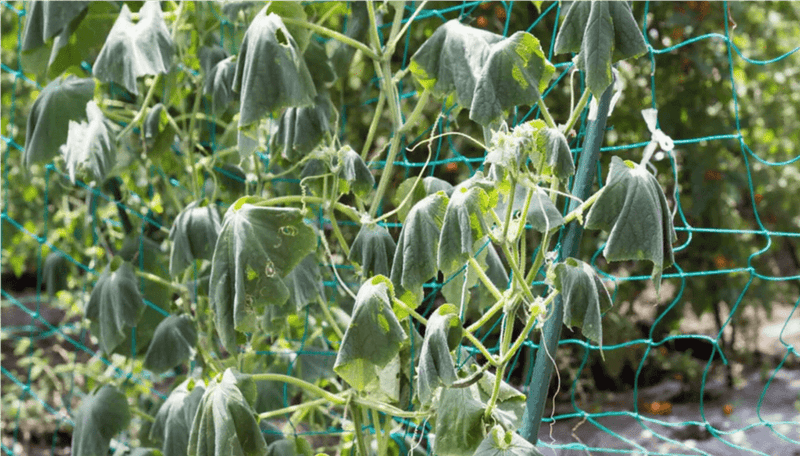
Cucumber vines in Florida and Texas yards can look perfectly green and healthy while quietly stopping fruit production during a summer heat stretch. The leafy growth fools a lot of gardeners into thinking the plant just needs more fertilizer, but the real trouble is usually somewhere else entirely.
Understanding what heat actually does to cucumber flowers and pollinators can save you from a fix that makes the problem worse.
Heat can interrupt cucumber fruiting before the vine looks sick
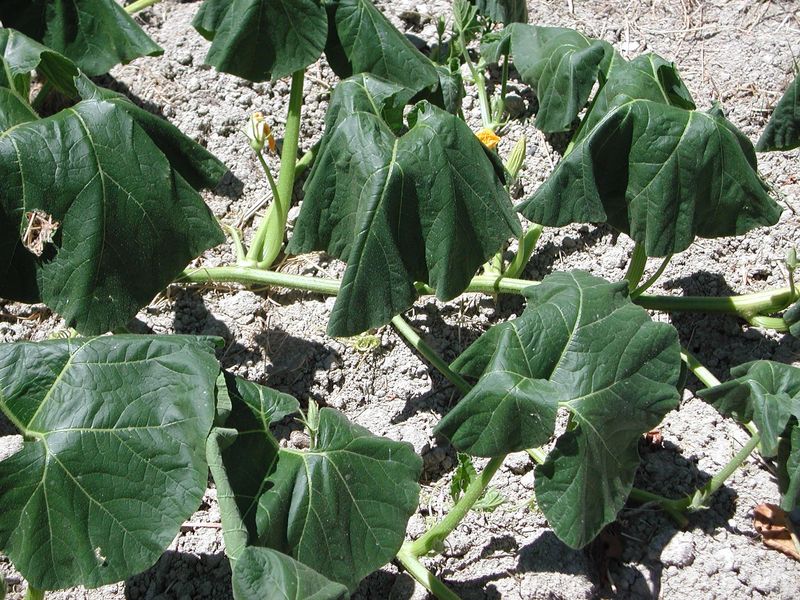
A cucumber vine can stay full and green while quietly shutting down fruit production, and that disconnect catches a lot of Southern gardeners off guard during a long heat stretch. The foliage keeps growing because photosynthesis can continue even when reproductive processes are struggling.
Lush leaves are not proof that the plant is thriving in every way, and they are definitely not proof that it needs more fertilizer.
Heat affects cucumber fruiting through several separate pathways, and more than one can be happening at the same time. Oklahoma State University’s cucumber production guide notes that high temperatures can shift plants toward producing more male flowers, reduce pollen viability, and interfere with normal fruit set.
Bee and pollinator activity often drops sharply during the hottest parts of the day, which cuts down on the pollen transfer that most cucumber varieties depend on to produce fruit.
Daytime temperatures climbing into the 90s and nights staying in the high 70s are practical warning ranges worth watching, but they are not a universal trigger point where every cucumber vine stops. Cultivar, humidity, how long the heat has lasted, irrigation consistency, plant age, and how many pollinators are active all shape the outcome.
OSU Extension’s summer fruiting guidance frames these as conditions that can begin to reduce fruit set rather than an automatic cutoff.
Heat can also cause flower drop or young-fruit abortion after what looked like successful pollination. A flower that appears to set can still shrivel and fall if temperatures stay extreme or soil moisture becomes inconsistent.
These are separate problems from a nutrient shortage, and reaching for a fertilizer bag before sorting out which pathway is actually causing the failure can make recovery harder, not easier.
Inspect the flowers before you reach for fertilizer
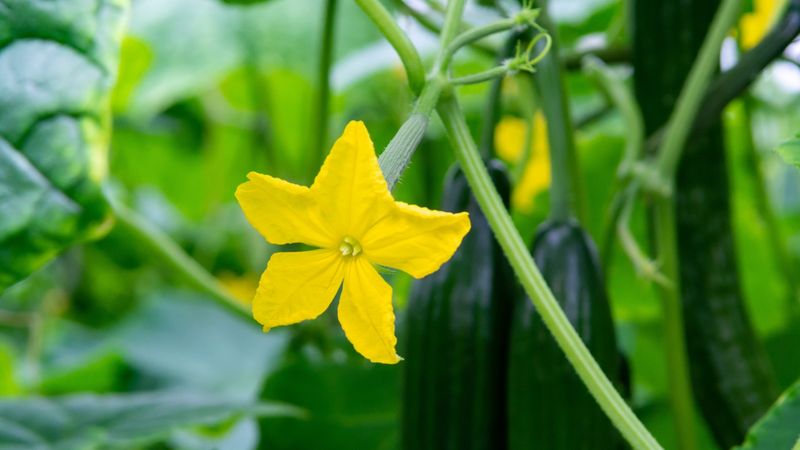
Before blaming nutrition, take a close look at what the flowers are actually doing. Cucumber plants produce separate male and female blooms on the same vine.
Female flowers carry a small, cucumber-shaped swelling behind the petals – that tiny proto-fruit is the ovary, and only female flowers can develop into cucumbers. Male flowers attach directly to the stem with a thin stalk and no swelling behind them.
Iowa State Extension’s cucumber flowering guide points out that early-season flowering often skews heavily male, which is completely normal and can make it look like the plant is refusing to produce when it is just working through its natural sequence. Patience here matters.
If female flowers are opening but shriveling, dropping, or turning into misshapen or hollow cucumbers, that is a signal to investigate pollination and stress conditions rather than immediately adding fertilizer.
Morning hand-pollination is a reasonable short-term test to see whether pollen transfer is the limiting factor. Collect pollen from a freshly opened male flower using a clean, soft brush or simply pull off the male flower and use it directly.
NDSU Extension’s pollination guide recommends dabbing that pollen onto the stigma inside an open female flower, then marking the stem so you can track whether that fruit develops over the next several days.
Hand-pollination is a diagnostic step, not a cure. If heat has damaged pollen viability or is causing young fruit to abort after setting, transferring pollen by hand will not fully solve the problem.
What it can tell you is whether pollen availability and transfer were part of the issue, which helps you prioritize the right response.
Reset moisture and heat conditions first
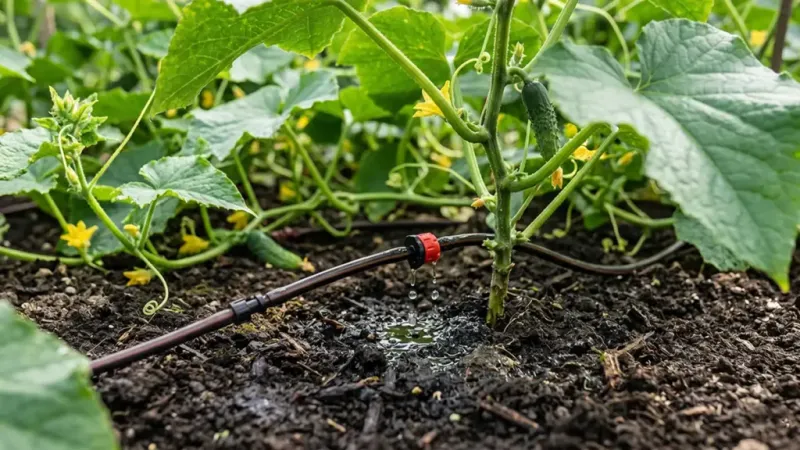
Correcting moisture and heat stress is the right first move, ahead of any fertilizer decision. Check the root zone by pushing a finger two or three inches into the soil near the base of the plant.
If it comes out dry, the vine needs water before anything else. Fertilizer applied to drought-stressed roots can cause salt injury that compounds the problem rather than solving it.
Water deeply enough to wet the full root area rather than giving the soil a light sprinkle. UGA Cooperative Extension’s home gardening guide uses approximately 1 to 1.5 inches of water per week as a general vegetable benchmark, but that figure needs adjustment for your specific situation.
Sandy soils common across much of Florida drain quickly and may need smaller, more frequent applications. Containers dry out faster than in-ground beds.
Rainfall, plant size, and extreme heat all change the math, so let actual soil moisture guide your schedule rather than a fixed calendar rule.
Mulch is one of the most practical tools available during a heat stretch. Spreading roughly 2 to 4 inches of suitable mulch material around cucumber plants – kept a few inches back from the stem – slows evaporation, moderates soil temperature, and reduces the swing between wet and dry that stresses roots and contributes to flower drop.
UGA recommends keeping mulch clear of direct stem contact to avoid rot.
Temporary afternoon shade is worth considering when heat is extreme. UMN Extension’s heat gardening guidance mentions 30 to 40 percent shade cloth during peak heat as a general vegetable option, though this is not a cucumber-specific Southern prescription.
Too much shading reduces photosynthesis and can block pollinators, so use it selectively during the worst afternoon hours rather than covering plants all day. UC IPM’s cucumber growing tips also note that consistent moisture management is central to keeping fruiting cucumbers productive during stress periods.
Read a lush vine as a warning against excess feeding, not a diagnosis
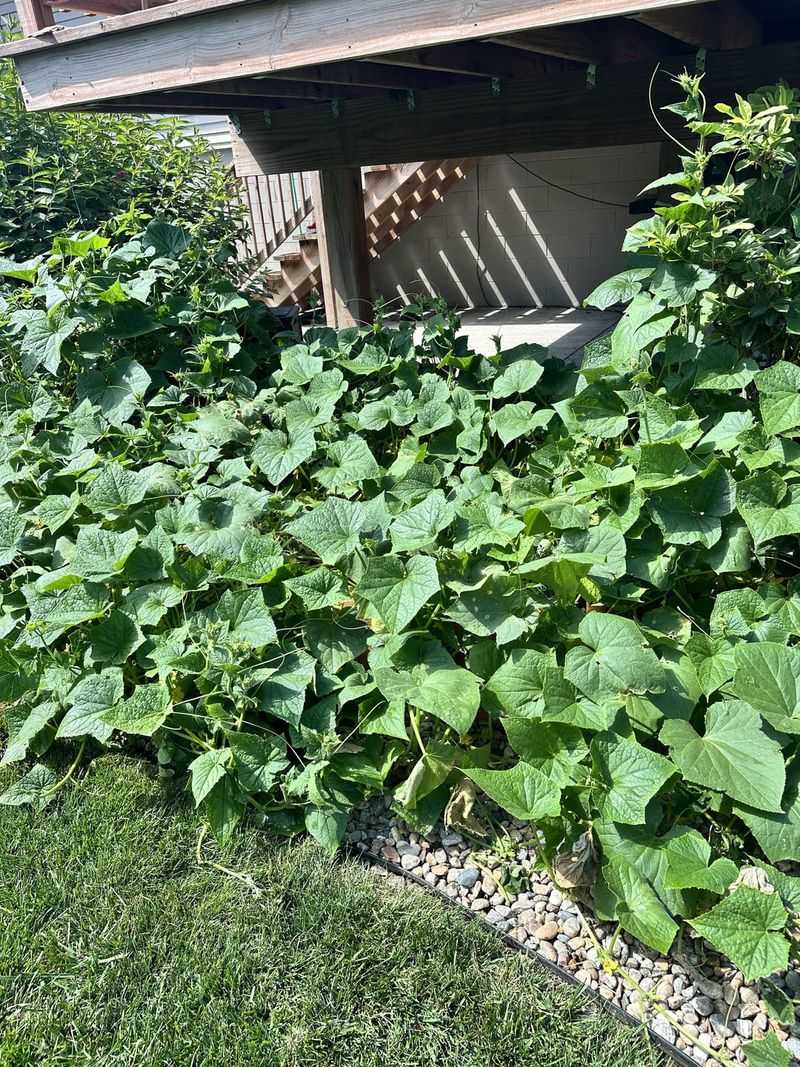
A cucumber vine covered in deep-green leaves and long runners can look like a gardening success, but during a heat-related fruiting slowdown it is actually a reason to pause before adding more fertilizer. That kind of growth pattern, with plenty of foliage and very few female flowers, can reflect heat-altered flower production or excessive nitrogen already in the soil.
Adding more high-nitrogen fertilizer to a vine that is already lush risks pushing even more leaf growth while doing nothing to help fruit set.
UGA’s home cucumber guide specifically warns that overfertilizing encourages vine growth and retards fruiting, which is the opposite of what a stalled vine needs. The key word there is “overfertilizing.” This is not a reason to assume the vine has too much nitrogen right now; it is a reason to gather evidence before adding more.
Check your fertilizer history, look at the soil-test results if you have them, and compare the vine’s behavior to the heat and moisture conditions it has been living in.
A pale, weak, or stunted vine tells a different story, but even then, appearance alone cannot identify the cause. Yellowing leaves can point to drought, waterlogging, root damage, disease, pests, or actual nutrient shortage.
Virginia Tech’s plant problem diagnosis guide emphasizes looking at which leaves are affected, the pattern of yellowing, and what the growing conditions have been – not just color alone.
A soil test through your local Extension service gives you the clearest picture of what is actually available in the root zone. Without that information, you are guessing at a moving target, and guessing wrong with fertilizer during a heat event tends to create more problems than it fixes.
Feed only when evidence points to a real fertility need
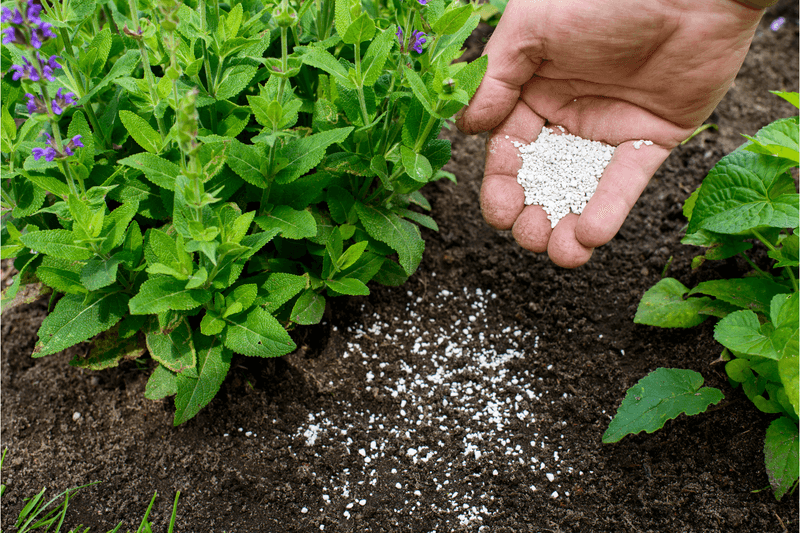
There is a narrow circumstance in which adding fertilizer during a heat-related fruiting slowdown makes practical sense: the vine looks pale or weak, new growth has slowed noticeably, and either a soil test or your fertilizer history suggests the soil is running low on nutrients. Even then, moisture stress needs to be corrected first.
Applying fertilizer to drought-stressed roots increases the risk of salt injury, and a damaged root system cannot take up nutrients efficiently regardless of what you add to the soil.
UGA’s cucumber guide recommends side-dressing nitrogen after bloom begins, placed about 6 inches from the plant base and covered with soil or watered in according to the product label. That rate and placement guidance applies to UGA’s recommended products and bed conditions, not to every fertilizer on the market.
Concentration, granule size, soil type, and irrigation method all affect how much to apply, so the product label is the appropriate reference for your specific situation – not a copied handful-per-plant figure from an unrelated source.
Phosphorus and potassium are not automatic bloom boosters to add whenever fruiting slows. UF/IFAS research on cucumber nutrition in Florida supports adding those nutrients when soil tests show genuinely low levels, not as a standard emergency treatment.
Excess phosphorus can accumulate in the soil and contribute to nutrient imbalances over time, which creates a longer-term problem in exchange for an unproven short-term benefit.
If you are gardening in Florida’s sandy soils especially, Extension guidance on drought and plant stress reinforces that fertilizing during dry or heat-stressed conditions without adequate soil moisture can cause more harm than help. Restore consistent moisture first, confirm that a real fertility gap exists, then apply a modest, label-directed amount if the evidence supports it.
Support recovery by protecting pollinators and managing the fruit load
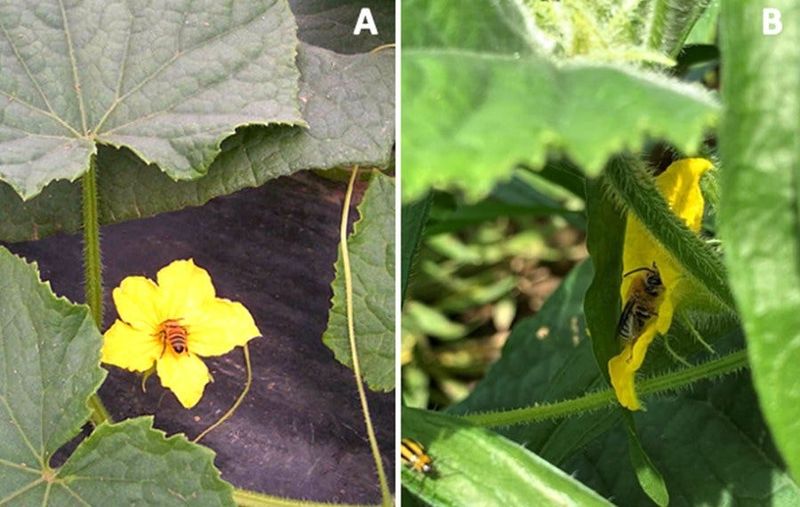
Two practical steps that often get overlooked during a fruiting slowdown are harvesting aggressively and keeping pollinators safe. Cucumbers left on the vine past their prime send a signal that slows the plant’s push to produce more fruit.
Colorado State Extension’s cucurbit guide notes that fruit remaining on the vine can reduce continued production, so checking the plant every day or two and removing anything oversized or yellowing is a simple way to encourage the vine to keep setting new cucumbers once conditions improve.
Pollinators are the other half of the equation. Bees are the primary vehicle for moving cucumber pollen from male to female flowers, and anything that reduces their activity around your plants directly reduces fruit set.
Unnecessary insecticide applications during flowering are one of the most common ways home gardeners accidentally undermine their own harvest. Iowa State Extension’s cucumber FAQ specifically advises avoiding insecticides while flowers are open.
If a genuine pest problem requires treatment, use a product that is legally labeled for both the pest and the crop, read and follow the full label, and apply it in the early morning or evening when pollinators are not actively foraging. Timing matters as much as product choice.
Protecting the bees working your cucumber flowers during a heat stretch costs nothing and can meaningfully support new fruit set once temperatures moderate.
Judge the reset by the next flowers, not an instant harvest
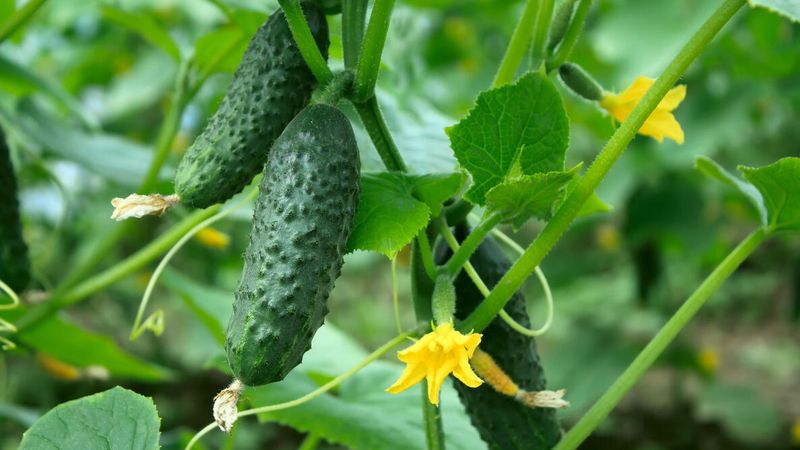
Recovery from a heat-related fruiting slowdown shows up in stages, not all at once. The first sign to watch for is new female flowers opening and staying attached rather than shriveling.
After that, look for small ovaries beginning to swell behind those flowers and then slowly elongating into recognizable cucumbers over several days. A renewed harvest follows once those fruits reach usable size, which can take a week or two depending on the variety and conditions.
Variety plays a bigger role in this monitoring process than many gardeners realize. Standard seeded cucumber varieties depend on bee activity and pollen transfer, so the hand-pollination and pollinator-protection steps described earlier apply directly to them.
Parthenocarpic varieties, which can set fruit without pollination at all, follow different rules – they may begin producing again as heat moderates without any intervention around pollination. University of Alaska Fairbanks Cooperative Extension’s greenhouse cucumber guide explains parthenocarpic and gynoecious types in detail; gynoecious cultivars produce mostly female flowers and may actually require a pollenizer plant nearby to set fruit at all.
NDSU’s pollination guide reinforces that even successful hand-pollination cannot guarantee fruit if heat continues to damage pollen or cause young cucumbers to abort after setting. Shade and appropriate feeding can support the plant as conditions improve, but neither can reverse flowers that already failed during the worst of the heat.
The most honest measure of a successful reset is a vine that starts setting and holding new fruit consistently – and that outcome depends on cooler nights and steadier moisture at least as much as anything you apply to the soil.