
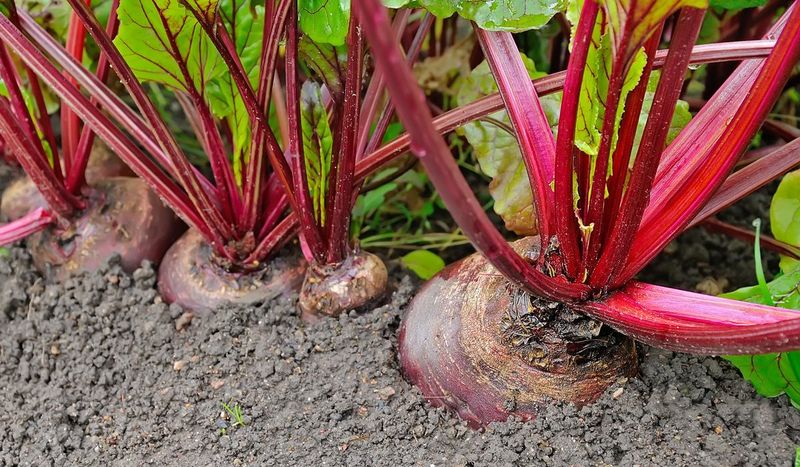
Fall beets grown in North Carolina can reward patient gardeners with roots that are more tender and better flavored than anything pulled from a summer garden. The key is timing your sow so the roots bulk up as the air cools, rather than fighting through weeks of punishing heat.
Getting that timing right depends on where you live in the state, how you prep the seedbed, and how you manage the crop from planting to harvest.
Fall beet timing depends on where you garden in North Carolina
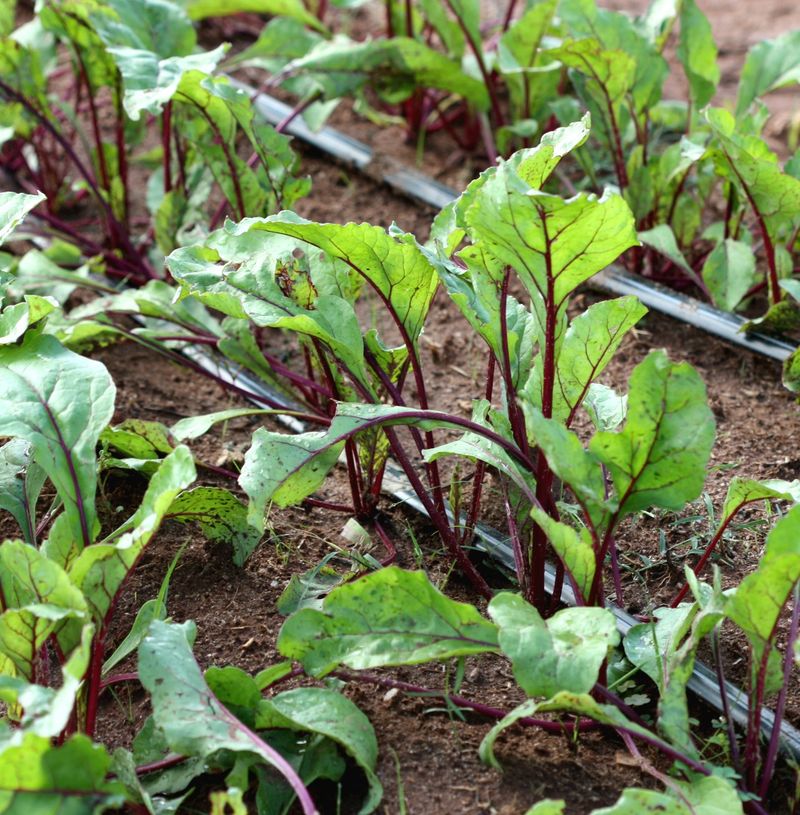
Where you live in North Carolina matters more than the calendar date when it comes to seeding fall beets. NC State’s central North Carolina planting calendar lists beets as a fall-seeded crop with approximately 55 to 60 days to harvest, with early to mid-August as a practical starting window for many Piedmont gardeners.
The eastern North Carolina calendar shows a similar August-to-September sowing range, giving coastal-plain gardeners a window that may extend a week or two later than the Piedmont.
Mountain gardeners face a different situation. Higher elevations in western North Carolina experience cold weather earlier in autumn, so planting 10 to 20 days ahead of the Piedmont schedule is often the smarter move.
NC State’s vegetable gardening guidance notes this regional variation and reinforces why a single statewide sowing date cannot serve every garden in the state.
The logic behind all of these windows is the same: you want beet roots to develop and fill out while daytime temperatures are trending downward, not climbing. A crop forced to mature through prolonged summer heat tends to produce tougher, less flavorful roots.
Giving beets the chance to size up as nights cool is the practical goal, and the August-to-early-fall window is the tool for getting there, adjusted for your corner of the state.
Plan the harvest window, not a frost deadline
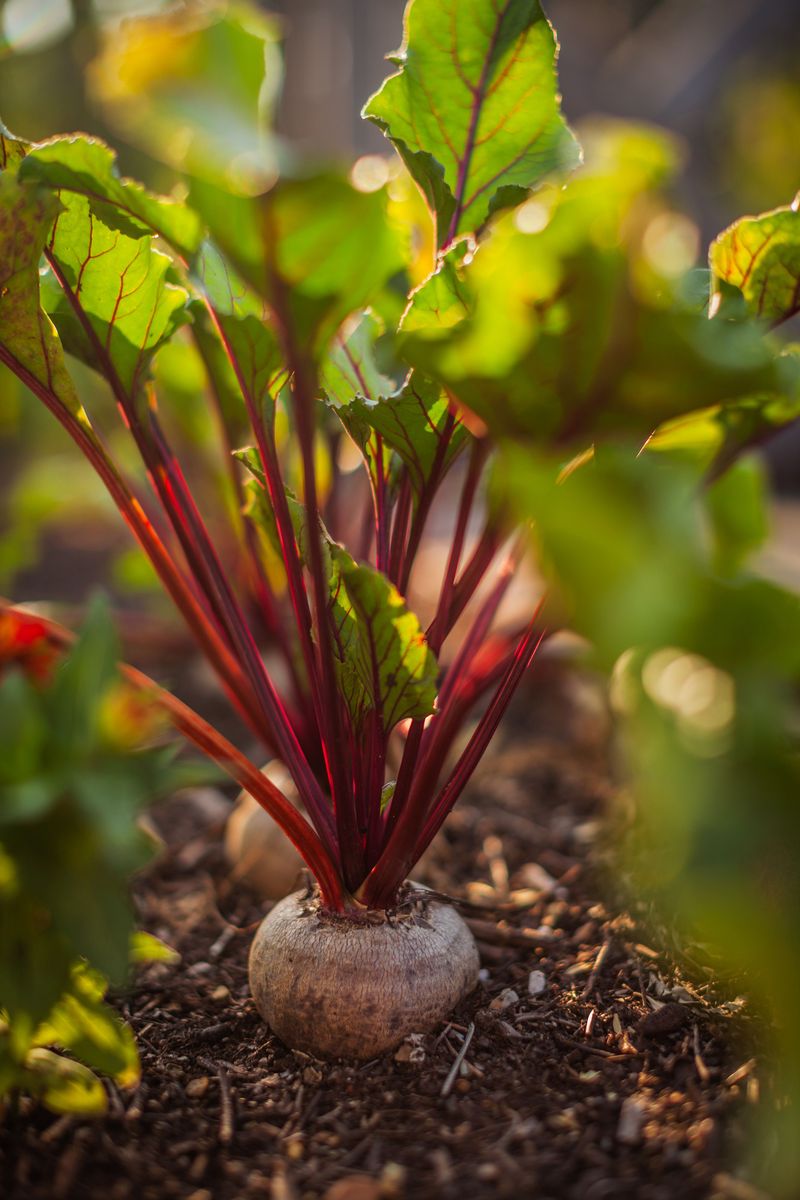
Rather than watching the forecast for the first frost and working forward, productive fall beet planning runs in the opposite direction. Pick the harvest period you want, count back roughly 55 to 60 days, and that target range becomes your sowing window.
The NC State calendars for central and eastern North Carolina use this approximate range as a planning baseline, not a fixed guarantee.
Several factors can stretch that window. Late-summer soil stays warm, and beet seed germinating in heat can take longer to establish than seed sown in cooler conditions.
Dry spells, compacted soil, or a slow-starting cultivar can all push the actual harvest date a week or more beyond the textbook estimate. Adding a buffer of seven to ten days to your count-back calculation gives the crop room to handle those real-world delays without leaving you scrambling.
Frost is worth knowing about as a risk marker, not as a required ingredient. A frost does not need to occur for beets to taste good, and a late sowing that catches cold weather before the roots develop will likely yield edible greens but undersized bulbs.
NC State’s vegetable gardening handbook frames fall planting around the expected cold-weather window for your region, which is a more reliable anchor than any single frost date. Plan for the harvest you want, seed accordingly, and let the cooling season work in your favor.
Direct-sow beets and thin them for usable roots
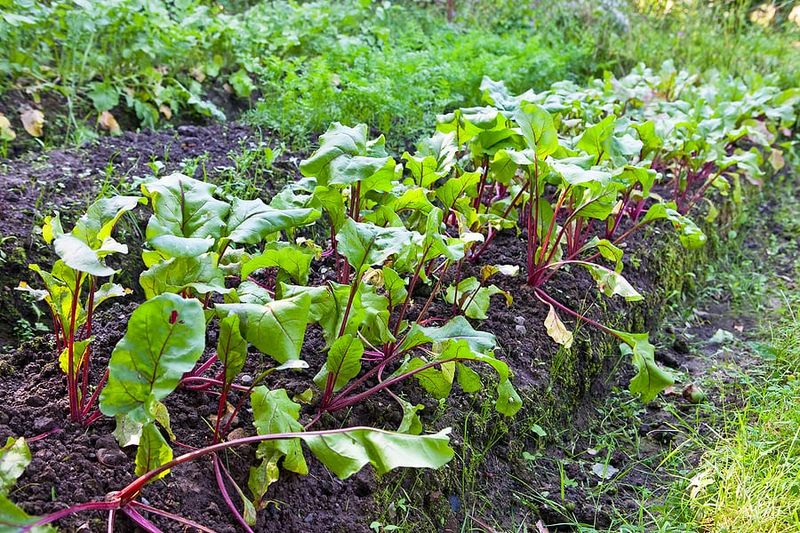
Beets belong in the ground from seed, not started in trays and transplanted. Root crops generally develop better when they are never disturbed after germination, because even minor root disturbance early in development can produce misshapen or stunted bulbs.
University of Illinois Extension explains that beets are best grown from seed sown directly where the plants will mature, a practice that keeps the developing taproot undisturbed from the start.
Sowing depth and spacing matter more than many gardeners expect. The Southeastern U.S.
Vegetable Crop Handbook recommends placing beet seed about 1/2 to 3/4 inch deep, at a rate of roughly 15 to 18 seeds per foot of row, with rows spaced 15 to 20 inches apart. That initial density is intentional, because germination rates vary and you want enough seedlings to thin from rather than gaps in the row.
Here is the part many first-time beet growers overlook: what looks like a single beet seed is actually a dried fruit that often contains two or more embryos. Several seedlings can sprout from a single planted unit, which means even a moderately sown row can become crowded fast.
Thinning to about 3 inches between plants is not optional tidying. Crowded beets compete for nutrients and space, and the roots simply will not develop into anything worth harvesting.
Thin early, thin decisively, and eat the thinnings as baby greens rather than letting them go to waste.
Protect germination from late-summer heat and drought
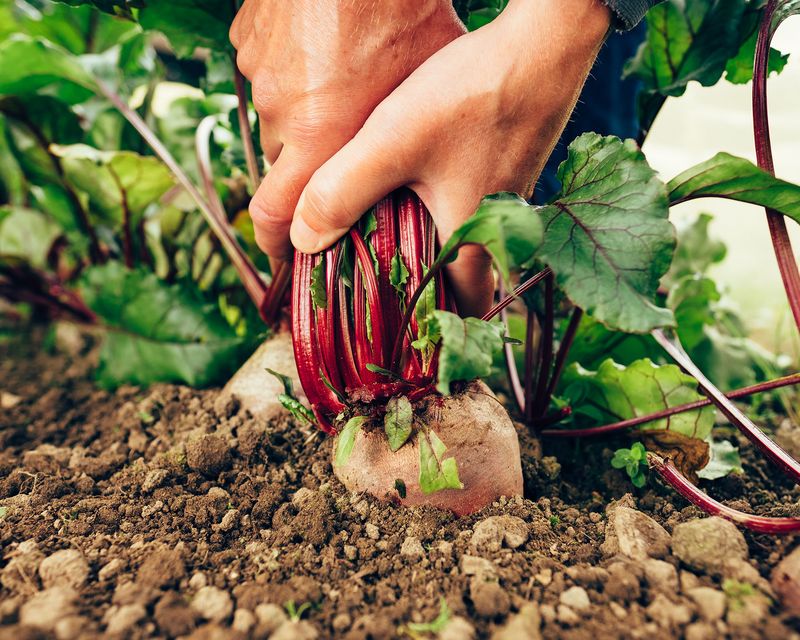
August in North Carolina is not gentle. Soil temperatures can stay well above comfortable germination range for days at a stretch, and a seedbed that dries out between waterings will stall or kill emerging beet seedlings before they have a chance to establish.
Beet seed typically takes about 10 to 14 days to germinate, and keeping the soil surface consistently moist throughout that window is the single most important job during establishment.
One practical technique involves laying a light physical cover over the seeded row immediately after sowing. Burlap, a few sheets of newspaper, or even a flat board placed over the bed can slow surface evaporation and moderate soil temperature.
NC State’s vegetable gardening handbook mentions this approach for fall direct seeding, with a firm instruction to remove the cover as soon as seedlings begin to push through. Leaving it in place too long blocks the light the seedlings need and can cause damping off.
Shade cloth stretched over the bed during the hottest part of the day offers another layer of protection once seedlings are up. Even 30 to 40 percent shade can reduce the intensity that young transplants face during establishment.
The Southeastern U.S. Vegetable Crop Handbook emphasizes fertile, deep, well-drained soil as the foundation for beet development, and loose soil helps roots form a regular shape rather than forking around compaction.
Utah State University Extension notes that heat and water stress can produce woody, lower-quality roots, a reminder that inconsistent irrigation does not just slow growth but can change the texture of the finished product. University of Illinois Extension similarly connects irregular moisture with cracked or tough roots.
Water steadily, mulch around seedlings once they are a few inches tall, and treat the establishment phase as the most hands-on stretch of the entire growing season.
Cooling temperatures may improve beet flavor
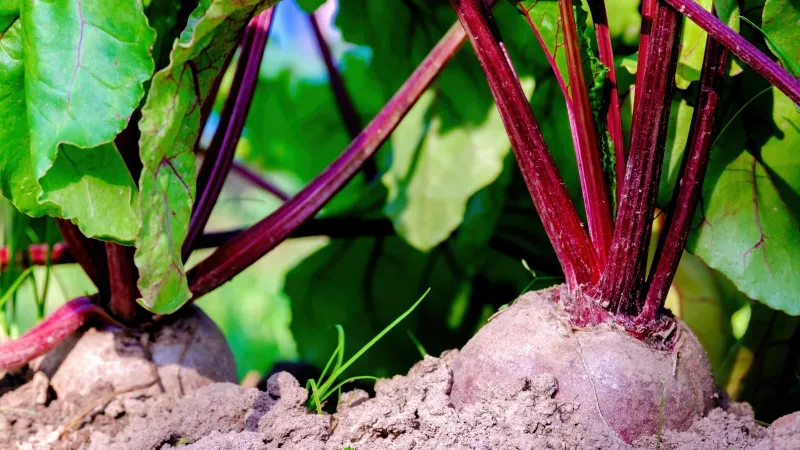
Beets are cool-season crops, and that classification carries real flavor implications. Utah State University Extension states that beets taste best after exposure to several weeks of cool, frosty weather, while heat and water stress tend to push roots toward a woody, less pleasant texture.
The practical takeaway is that a beet crop maturing in October or November simply has a better environment for developing good flavor than one finishing up in July.
Penn State Extension’s season-extender guidance supports a similar conclusion, and Penn State’s fall succession planting resource notes that root crops like beets can become sweeter after autumn frost, with quality generally suffering when cool-season crops are grown through excessive heat. Describing the benefit as more tender, better-flavored roots is accurate and honest.
Promising candy-level sweetness from every frost is not.
The science behind this is worth understanding in plain terms. Garden beets already contain significant amounts of soluble sugars, especially sucrose, before any cold weather arrives.
When temperatures drop, the plant’s metabolism shifts in ways that can influence sugar balance and tissue protection. Research published in Frontiers in Plant Science examining cold-triggered responses in Beta vulgaris tissue describes a complex interplay involving sucrose, raffinose, respiration, and reactive oxygen species, not a simple process where starch converts directly into sugar.
Much of that research focuses on commercial sugar beet rather than the smaller garden varieties most home growers plant, so the results are directionally useful but not a one-to-one match for your backyard crop.
Cultivar, root size, moisture consistency, soil quality, and how long the plant has had to mature all shape the final flavor alongside temperature. A well-grown beet harvested at the right size from a well-watered fall bed may taste noticeably better than a summer beet regardless of whether frost has occurred.
Cool conditions help, but they work best on a crop that was already set up to succeed.
Harvest tender roots before severe freezing
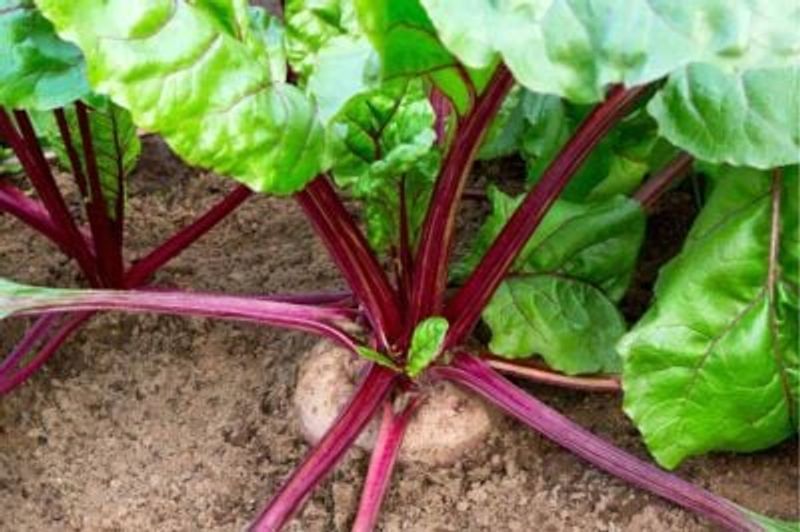
Knowing when to pull beets is as important as knowing when to plant them. Roots around 1 1/2 to 2 inches in diameter are generally at their best for eating.
Utah State University Extension places good eating size in that range and notes that smaller roots tend to be more tender and may carry a sweeter flavor, while oversized roots can turn fibrous and lose appeal even if they look impressive.
You do not need to clear the entire bed at once. Staggered harvesting, pulling the largest roots first and leaving smaller ones to continue developing, stretches the season and gives you fresh beets over several weeks rather than a single overwhelming harvest.
Young beet greens pulled during thinning or early harvesting are also worth eating, with a mild flavor similar to chard. Colorado State University Extension supports this staged approach and confirms that both roots and greens are usable at various points in development.
A light frost settling over a mature beet bed is not cause for alarm. Mature beet roots tolerate cool conditions and some frost without significant damage, and that same cool weather may coincide with the flavor improvements described in the previous section.
A hard freeze is a different matter. Research published in Plants journal examining abiotic stress responses in cultivated beets indicates that freezing injury can damage root tissue and reduce quality.
Repeated freeze-thaw cycles are particularly hard on exposed roots.
The practical rule is straightforward: harvest or protect your beets before severe freezing is forecast. Mulching heavily with straw can extend the harvest window by insulating the soil, but it is not a guarantee against deep freezes.
When temperatures are expected to drop hard, get the roots out of the ground and into storage rather than gambling on the crop surviving in place.
Use timing and steady care to improve the fall harvest
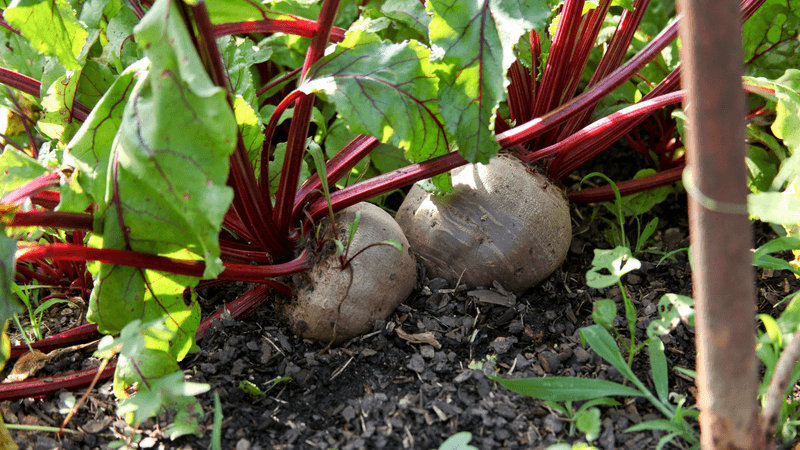
Pulling a successful fall beet crop together comes down to a short sequence of decisions made in the right order. Start by identifying your region in North Carolina and adjusting the sowing window accordingly, earlier for western mountain gardens, mid-August for much of the Piedmont, and potentially a bit later for the coastal plain.
From there, count back roughly 55 to 60 days from the harvest period you want, add a buffer for slow germination or heat delays, and you have your target sowing date.
Direct-sow into fertile, loose, well-drained soil, keep the seedbed evenly moist through emergence, and thin promptly to about 3 inches between plants once seedlings are established. Consistent irrigation through the growing period matters as much as timing, since dry spells can undo good planting decisions.
NC State’s central NC planting calendar and the NC State vegetable gardening handbook both frame fall beet success around these foundational steps.
Harvest roots while they are still in the tender 1 1/2 to 2-inch range, and get them out of the ground before any severe freeze threatens the bed. Utah State University Extension reinforces that cool growing conditions and appropriate harvest size, not a single sowing date or one lucky frost, are what give a fall beet crop its best shot at real flavor.
A beet grown with steady care through a cooling North Carolina autumn is simply a better beet.