
Squirrels and chipmunks can turn a thriving Southern garden into a mess of dug-up bulbs, stripped berries, and raided bird feeders almost overnight. For gardeners in Florida and Texas, where warm seasons stretch long and backyard wildlife pressure runs high, protecting edible crops and seedlings from these persistent raiders is a real challenge.
The good news is that a layered plan combining scent-based repellents, attractant removal, and physical barriers can make a meaningful difference, even if no single smell will guarantee these animals stay gone for good.
First, identify which squirrel is raiding the garden
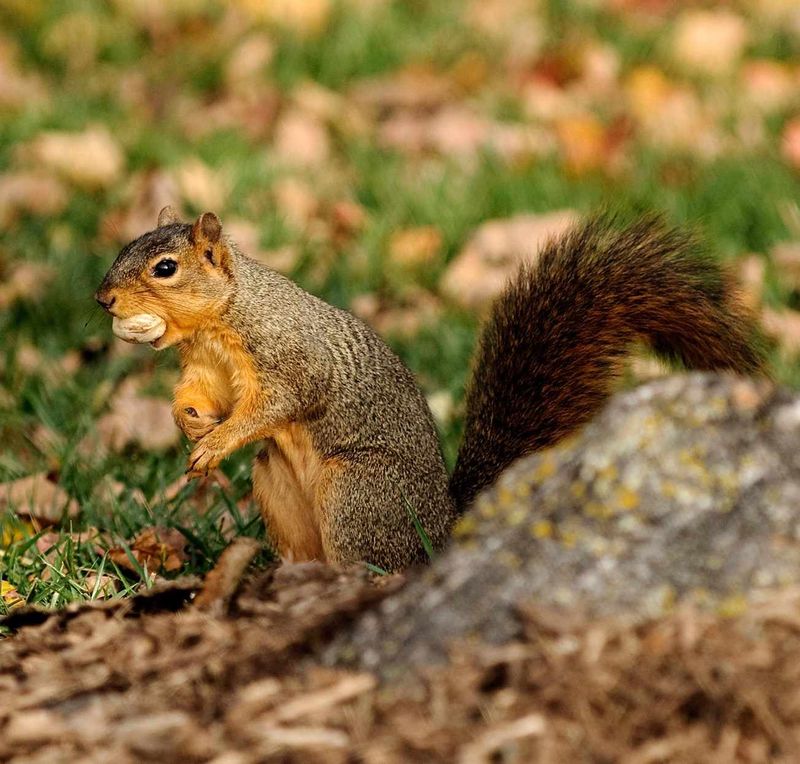
Knowing exactly which animal is causing damage shapes every decision that follows, from the barrier you install to the surfaces where a repellent makes sense. Tree squirrels, such as the fox squirrel and gray squirrel common across Florida and Texas, are primarily aboveground climbers.
Penn State Extension’s tree squirrel guidance notes they commonly damage gardens by eating planted seeds, mature fruit, corn, berries, nuts, and vegetables, and they may also chew bark, raid bird feeders, and push toward attics or rooflines. In Texas, AgriLife Extension identifies pecans, berries, birdseed, vegetables, and building entry points as frequent conflict areas.
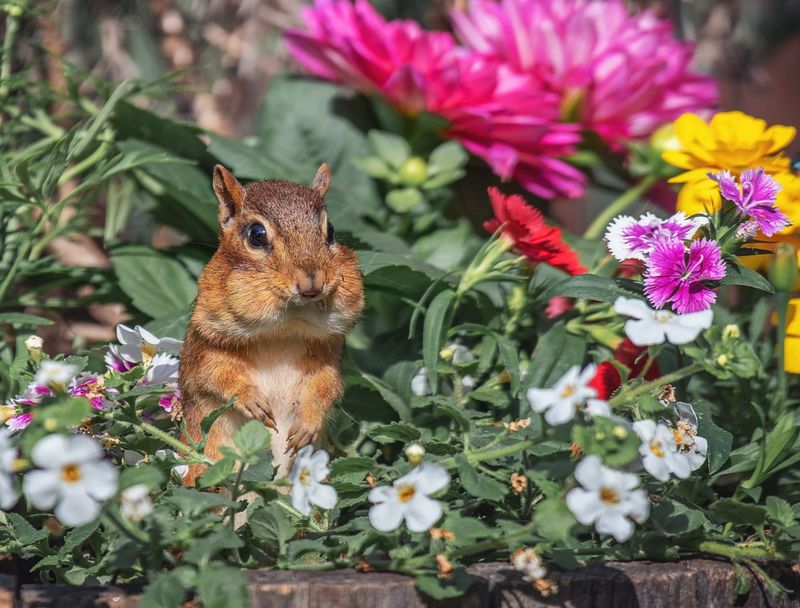
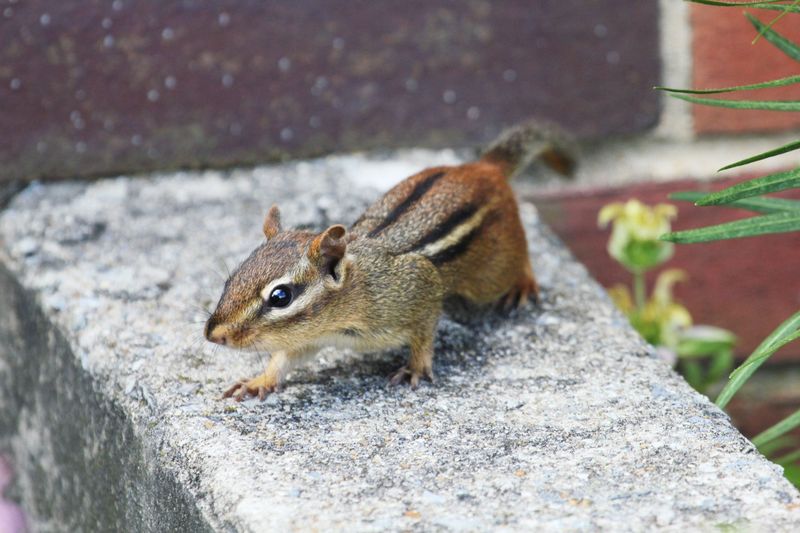
Chipmunks behave differently. These small, ground-oriented animals spend most of their time at or below the soil surface, using burrows that often appear near patios, stairs, retaining walls, and foundations.
Penn State’s chipmunk guidance lists bulbs, seeds, seedlings, fruit, vegetables, flowers, birdseed, and pet food among their targets. Although chipmunks can climb, their primary threat to a Southern garden is from below and at ground level.
A barrier built for a climbing squirrel will not reliably stop a burrowing chipmunk, and a ground-level deterrent aimed at chipmunks may do nothing for a squirrel dropping in from an overhead branch. Matching the response to the actual raider is the first step toward protecting what you have planted.
A strong odor may discourage feeding without removing the attraction
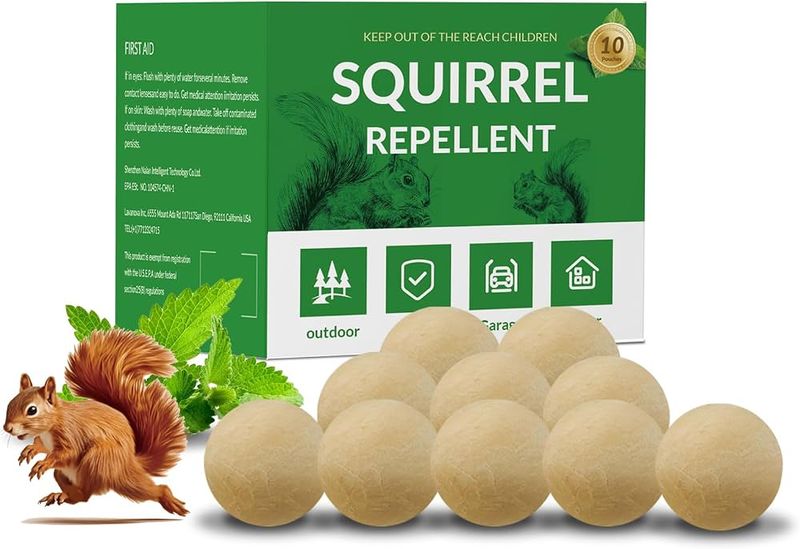
Scent-based and taste-based products are not the same thing, and understanding that difference helps set realistic expectations. Area repellents attempt to create an odor or perceived fear barrier around a space, discouraging animals from approaching.
Contact repellents are applied directly to plant surfaces and work by making those surfaces smell or taste unpleasant when an animal investigates.
UF/IFAS guidance on deterrents for nuisance wildlife explains that repellent effectiveness depends on food availability, animal abundance, prior feeding habits, plant growth stage, and how consistently the product is reapplied. When squirrels or chipmunks are under pressure to find food, or when a garden bed is loaded with tender seedlings and ripe produce, the pull of that food can easily outweigh an unpleasant odor nearby.
Weather matters, too. Rain and irrigation can wash repellents off treated surfaces faster than most gardeners expect, shortening the window of any protection.
Habituation is another real factor: animals that have been feeding in the same spot for weeks may become less responsive to a new smell over time, especially when the food reward remains constant. Repellents work best as a temporary layer alongside documented attractant removal and physical exclusion, not as a stand-alone fix.
Look for labeled odor- or taste-based repellent ingredients
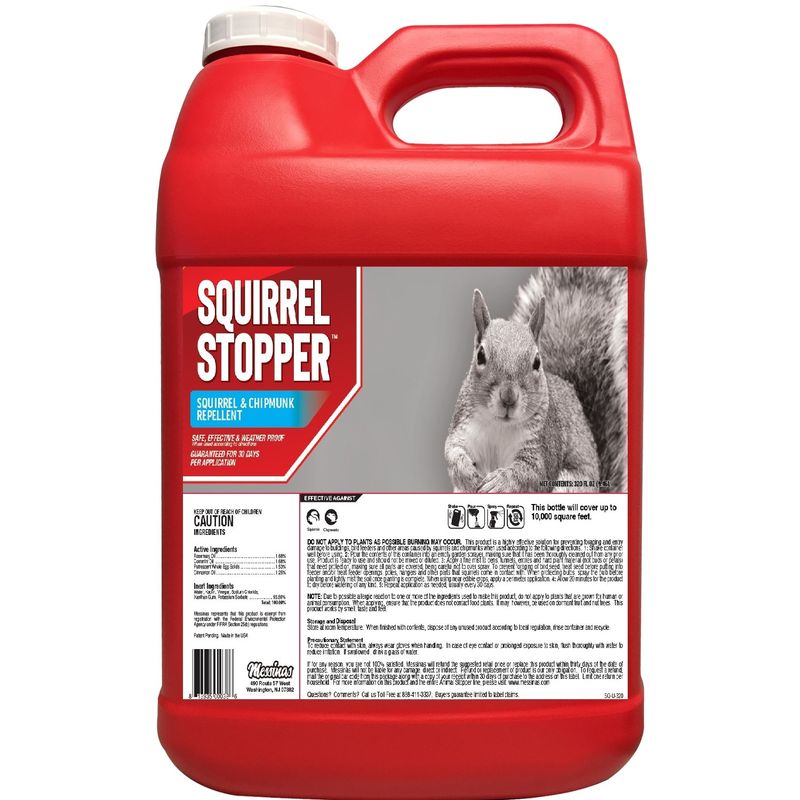
Commercial repellents for squirrels and chipmunks typically rely on a handful of active ingredients: capsaicin, garlic, peppermint, egg solids, and in some cases predator-odor compounds. UF/IFAS lists products using these ingredients for various nuisance mammals, including squirrels and chipmunks, while making clear that the list is not an endorsement and that results vary with conditions.
Seeing an ingredient on a product shelf does not guarantee it will work in your yard under your specific wildlife pressure.
Capsaicin stands out as a relatively well-supported option among these ingredients because it can work through both scent and taste aversion at the same time. Penn State Extension notes that capsaicin-based products may be used on fruit trees and vegetable crops, but only when the label specifically permits that crop, plant stage, and application site.
Calling capsaicin the strongest or most effective ingredient overall goes beyond what the evidence currently supports, so treat it as a promising choice rather than a guaranteed one.
Garlic- and peppermint-based commercial products also exist and may help under some conditions, but this is not the same as saying that a homemade garlic spray or a few drops of peppermint oil scattered around the garden perimeter will deliver consistent results. Formulation, concentration, application method, and label compliance determine whether a product is appropriate for a given use.
Always match the product to the target pest, the surface, and the specific crop or area before applying anything.
Reduce the garden’s documented food attractions today
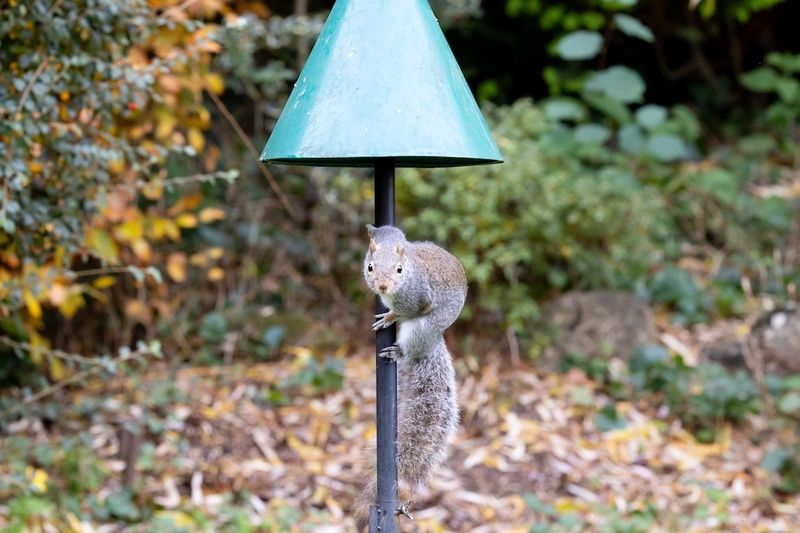
Before reaching for a repellent, removing the food sources that draw squirrels and chipmunks in the first place gives any scent-based product a much better chance of making a difference. Spilled birdseed is one of the most commonly overlooked attractants.
The Internet Center for Wildlife Damage Management’s chipmunk guidance specifically identifies bird feeders as a primary draw, and reducing spilled seed addresses the underlying attraction rather than just masking it with an odor.
Accessible pet food left outdoors works the same way. Both squirrels and chipmunks will return reliably to any predictable food source, so bringing pet bowls inside or securing them in covered containers removes one more reason for repeat visits.
Penn State’s chipmunk resource and their tree squirrel guidance both point to these documented food sources as part of a practical control strategy.
Covering vulnerable beds with hardware cloth or appropriate netting is the next same-day step. Apply a labeled repellent only to the surfaces and crops the product label specifically permits, and check those restrictions carefully before spraying anything near edible plants.
Removing attractants first means a repellent has less competition to overcome.
Physical barriers protect crops more reliably than odor alone
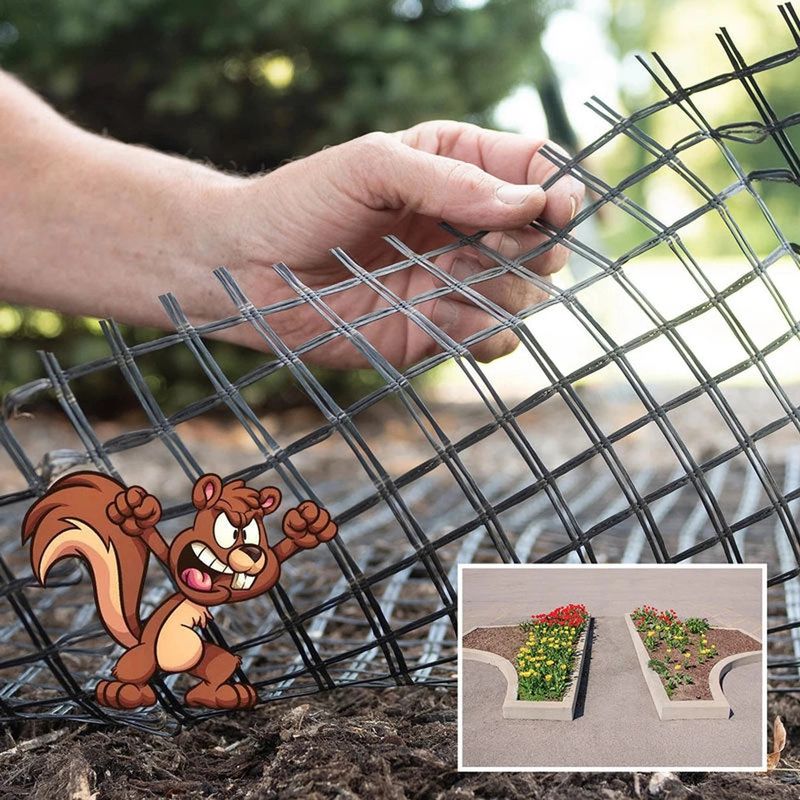
Hardware cloth and appropriate netting consistently rank among the most dependable tools for protecting Southern garden beds, bulbs, berries, and seedlings from wildlife. UGA Cooperative Extension’s guide to resolving nuisance wildlife conflicts recommends hardware cloth with 1/4- to 1/2-inch mesh for chipmunks and other small diggers, installed roughly 1 to 2 feet high and buried 6 to 12 inches in the soil to block burrowing access.
For bulb beds, Penn State’s chipmunk resource recommends covering planted areas with 1/4-inch hardware cloth and extending it at least 1 foot beyond the planting margins to prevent animals from digging around the edges. University of Minnesota Extension’s bulb-planting guidance supports this approach as a practical way to protect newly planted bulbs from small mammals.
Tree squirrels require a different strategy because they approach from above. Oregon State University’s squirrel resource recommends wire cages or other barriers for garden beds and fruit crops, and Penn State identifies exclusion as the most effective method for controlling squirrel damage around buildings.
For climbing animals, overhead access points and overhanging branches that give squirrels a route into a protected area need attention alongside any ground-level barrier. A well-installed physical barrier keeps working through rain, high wildlife pressure, and reapplication gaps that would otherwise leave a scent-only defense exposed.
Reapplication determines how long a repellent can help
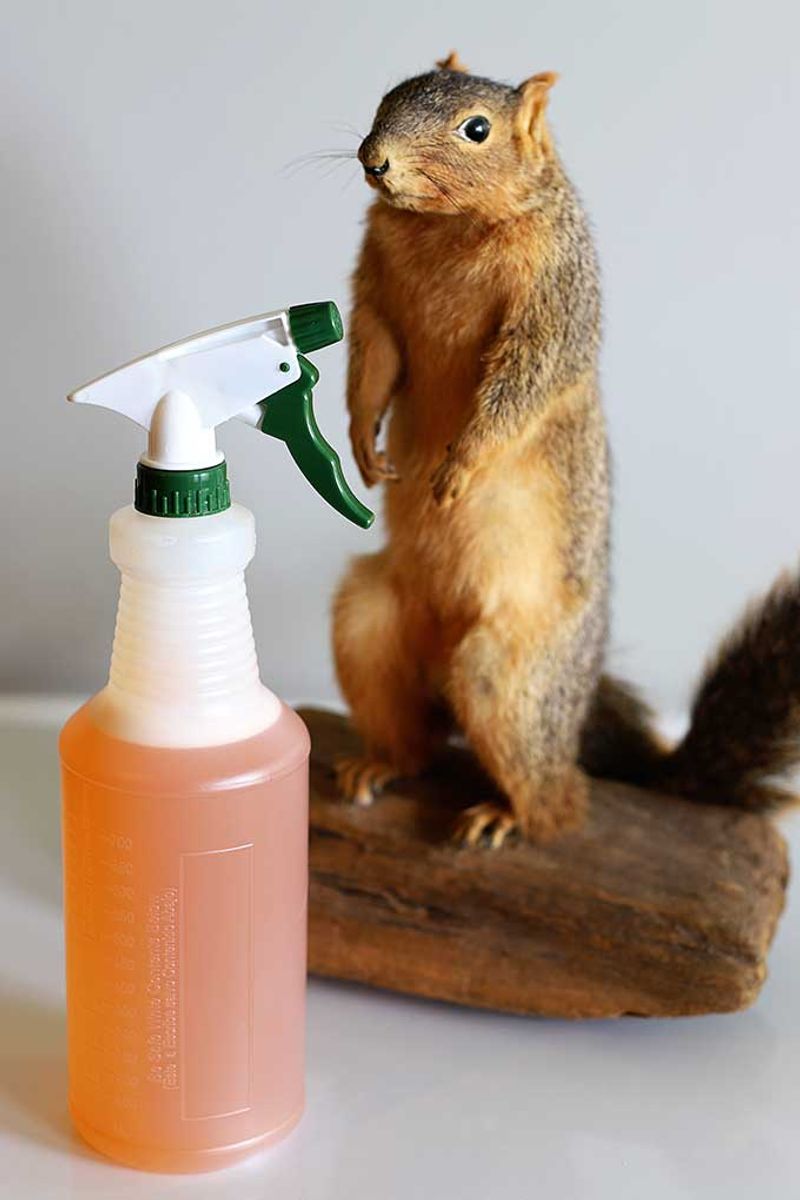
Even a well-chosen, properly labeled repellent stops working the moment it washes away or breaks down on treated surfaces. Mississippi State University Extension’s vertebrate pest control guide notes that wet weather often washes repellents away and that multiple applications are frequently necessary to maintain any deterrent effect.
In the Southern U.S., where summer storms and regular irrigation are common, this means repellents can lose their effectiveness faster than the label’s stated interval might suggest.
Oregon State’s squirrel guidance offers a practical benchmark: some products may need reapplication roughly every two weeks or after heavy rain, depending on what the specific label directs. The label is the controlling document, so always check it for the manufacturer’s required interval rather than relying on a general rule.
Skipping reapplication when wildlife pressure and food availability remain high is one of the most common reasons a repellent program fails to deliver even the temporary protection it can provide.
Keeping a simple log of application dates and rainfall can help Florida and Texas gardeners stay ahead of the schedule. An odor or taste barrier that fades unnoticed gives animals a window to return and re-establish feeding habits, making subsequent treatments less likely to work well.
Avoid shortcuts that create risk or false confidence
Coffee grounds, citrus peels, vinegar, Irish Spring soap, and human hair are widely repeated home remedies for squirrel and chipmunk control, but the authoritative extension and university sources reviewed for this article did not establish reliable, species-specific garden performance for any of them. Treating these as proven defenses can lead gardeners to skip the steps that actually make a difference.
UF/IFAS guidance on natural pest-management products cautions that efficacy, residue tolerance, and long-term health data are not established for many natural and essential-oil-based products, meaning that “natural” does not automatically mean safe for plants, pets, children, pollinators, or edible crops.
Mothballs deserve a specific warning. The National Pesticide Information Center explains that mothballs are pesticides designed for clothes moths in sealed, airtight containers.
Used outdoors, they have little or no demonstrated effect as animal repellents and can expose people, pets, and wildlife to pesticide vapor. The EPA’s pesticide labeling guidance makes clear that using a pesticide in a manner inconsistent with its label may violate federal law.
Ultrasonic devices are another common shortcut. The Internet Center for Wildlife Damage Management states that no frightening devices are effective for chipmunk control.
Predator urine products, such as bottled fox or coyote urine, fall into uncertain territory. One peer-reviewed study found that red fox and raccoon scents reduced gray squirrel removal of butternuts under test conditions, but the authors described management value as requiring further exploration.
An extension expert responding to a direct question about predator urine said they would not expect urine alone, without actual predator interaction, to reliably deter squirrels in a home garden setting.
Build a layered defense instead of chasing a guaranteed smell
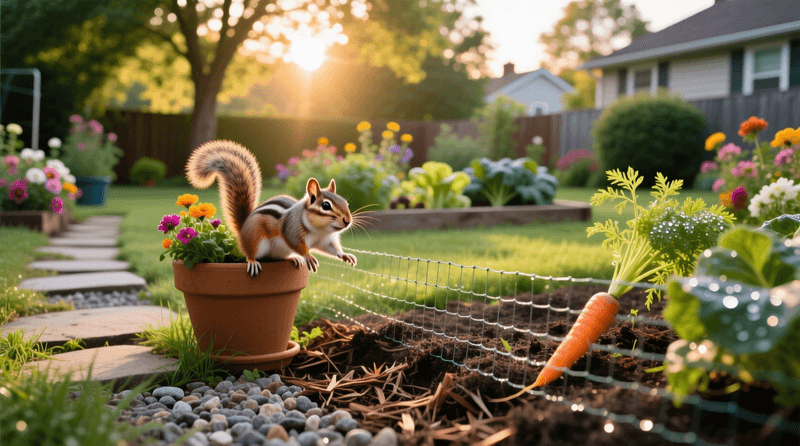
A practical defense starts with a clear-eyed look at the raider. Confirming whether you are dealing with a climbing tree squirrel or a burrowing chipmunk shapes every step that follows, from the mesh size and burial depth of your barrier to the surfaces where a labeled repellent makes sense.
Once the animal is identified, removing spilled birdseed and accessible pet food eliminates the documented attractants that keep wildlife returning regardless of what a repellent smells like.
From there, install the right physical barrier for the pest: buried hardware cloth for chipmunks and small diggers, wire cages or overhead-access controls for tree squirrels. UGA Cooperative Extension and Penn State Extension both rank exclusion among the most dependable long-term methods.
A labeled odor- or taste-based repellent, applied only to surfaces and crops the label permits and reapplied on schedule, can add a temporary extra layer of deterrence alongside that physical defense. UF/IFAS is direct that repellents may reduce visits or feeding temporarily, but should not be treated as a stand-alone solution.
The goal here is not to eliminate every squirrel or chipmunk from the Southern landscape, which is neither realistic nor necessary. Protecting specific beds, bulb plantings, berry patches, and seedling areas with a combination of barriers and labeled repellents is a winnable objective, and that kind of targeted, layered approach is what the evidence actually supports.