
Your tomato and cucumber plants work hard all summer, and the soil under them works even harder. When that soil runs low on food, you see yellow leaves, bitter fruit, and blossoms that drop before they set.
The good news is that what you feed the ground this year can pay you back with stronger plants and bigger harvests next season. Here are 16 simple soil boosters that Southern gardeners, from Texas clay to Florida sand, can start using right away.
1. Finished Compost
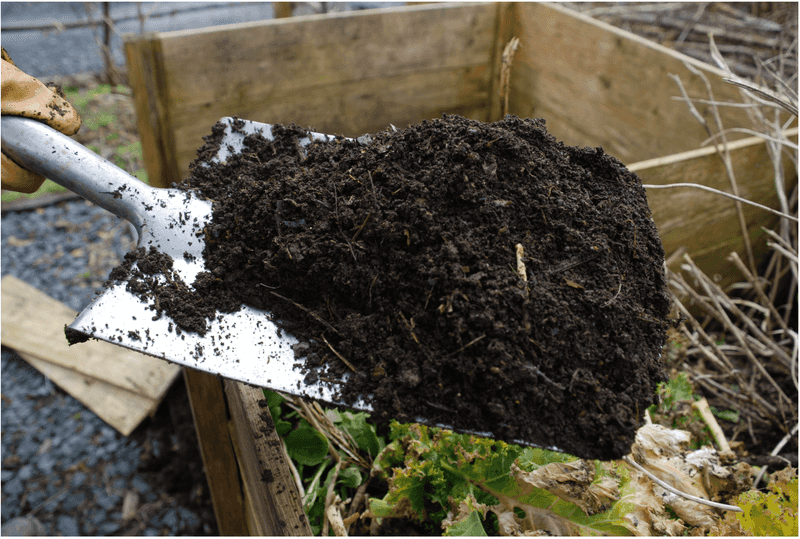
Ask any old-timer with a backyard full of tomatoes what their secret is, and odds are they will point to a black, crumbly pile in the corner. Finished compost is the closest thing gardeners have to an all-purpose soil fix.
It feeds plants slowly while improving how the ground holds water and air.
For Southern beds, that matters a lot. Sandy Florida soil drains so fast that nutrients wash away, while Texas clay can turn into a brick in July.
Compost may help both by loosening clay and giving sand something to grip moisture with. Tomatoes and cucumbers often respond with deeper roots and steadier growth through the heat.
Spread one to two inches over your beds in fall after you pull spent vines, then work it in lightly or leave it on top. By spring planting time, soil life will have pulled much of it down for you.
Homemade compost from kitchen scraps and yard waste works fine, and bagged versions are a good backup. Just make sure it smells earthy, not sour.
Sour compost is unfinished and can rob nitrogen from young transplants for a few weeks.
2. Aged Chicken Manure
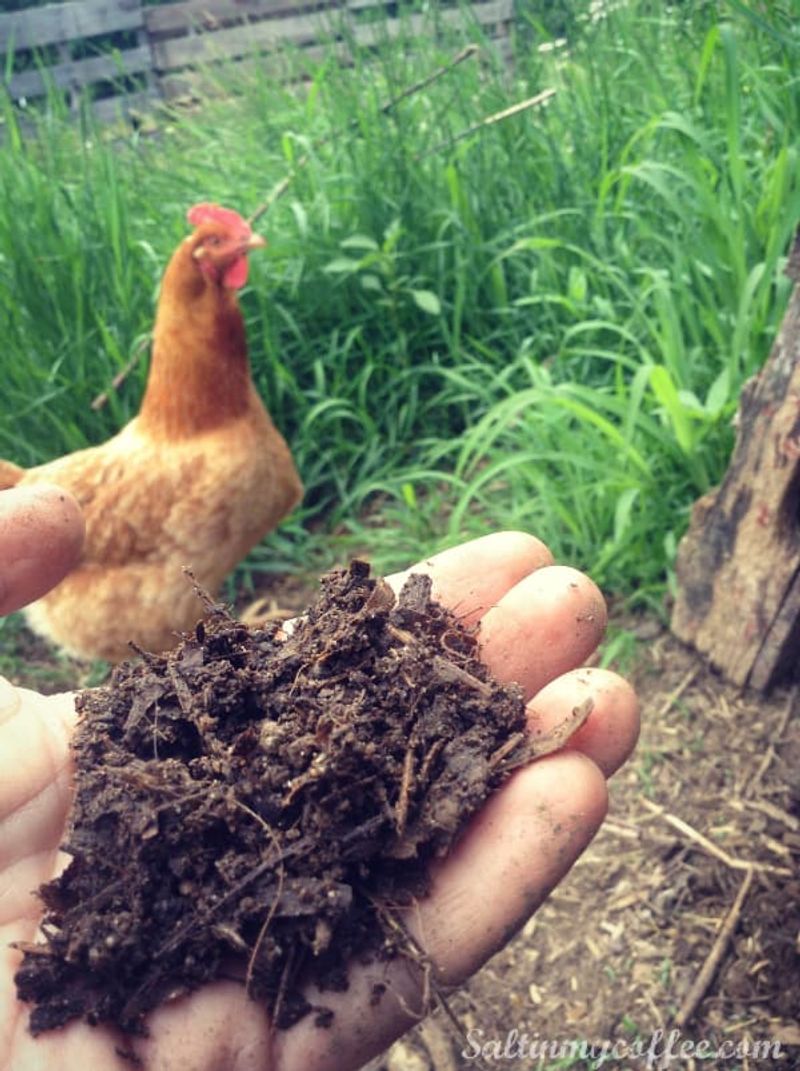
Backyard hens hand you one of the richest fertilizers around, free of charge, every single day. Chicken manure carries more nitrogen, phosphorus, and potassium than most other animal manures.
That punch is exactly why it needs time to mellow before it touches your plants.
Fresh droppings are hot enough to scorch tender cucumber roots. Let them age in a pile with bedding straw or pine shavings for at least six months, or hot compost them first.
Fall is the ideal time to add aged manure, since winter rain and soil microbes finish the job before spring transplants go in.
Used well, it can lead to lush vines and plenty of fruit. Used heavily, though, it may push leafy growth at the expense of tomatoes, so keep it to a thin layer, roughly a quarter inch across the bed.
Food safety counts too. Avoid letting fresh manure touch anything you plan to eat, and wash hands after handling it.
If you do not keep chickens, a neighbor with a flock may gladly let you haul some off, and bagged pelleted versions are sold at most Southern feed stores.
3. Crimson Clover Cover Crop
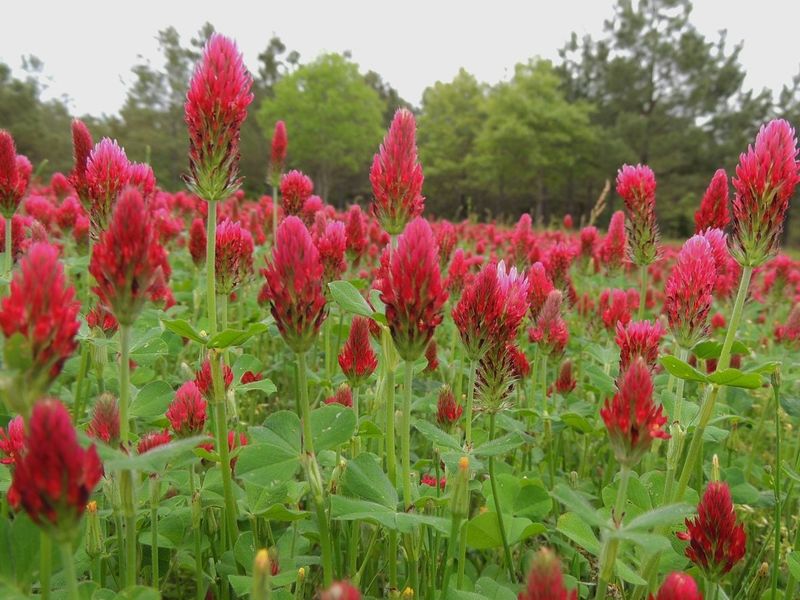
Picture a winter garden bed glowing red with blooms in March. Crimson clover pulls off that show while quietly building nitrogen for your summer crops.
Tiny nodules on its roots hold bacteria that take nitrogen from the air and store it in the soil.
Sow seed in October or November across empty tomato and cucumber beds. Across much of Texas and the Gulf states, it grows through the mild winter and flowers in early spring, feeding bees along the way.
About three weeks before planting, cut it down and let it wilt on the surface or turn it in lightly.
Research suggests a good stand of clover can supply a meaningful share of the nitrogen a tomato crop needs, though results vary with soil and weather. Either way, roots that once held the bed together leave behind channels that help water soak in.
In South Florida, winters can be warm enough that clover struggles, so a quick buckwheat or cowpea stand may suit you better. Elsewhere in the South, crimson clover is cheap, pretty, and about as easy as cover crops get.
4. Cowpeas as a Summer Cover Crop
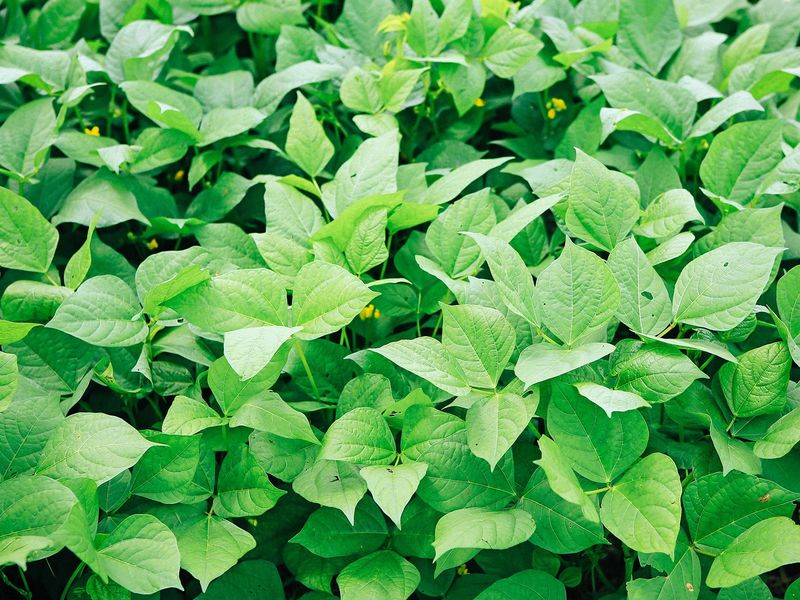
Florida gardeners know the truth: midsummer is often too hot and wet for tomatoes. Instead of leaving beds bare and weedy, plant cowpeas.
They thrive in brutal heat and give back more than they take.
Like clover, cowpeas are legumes, so they partner with soil bacteria to capture nitrogen. They also shade the ground, which can cut down weeds and keep soil from baking.
Some varieties are bred to fight root-knot nematodes, the tiny pests that cause swollen, knotty roots on tomatoes.
Sow in June or July after spring crops fade. In about 60 days, mow or chop the plants and let them break down before fall tomato and cucumber planting in late August or September.
You can even pick a few peas for supper first.
Thick stands work best, so scatter seed generously. A light rake to cover them and a good soaking is usually all they need.
By fall, you will likely notice softer, darker soil that crumbles in your hand, a clear sign the hot-season break paid off.
5. Shredded Leaves
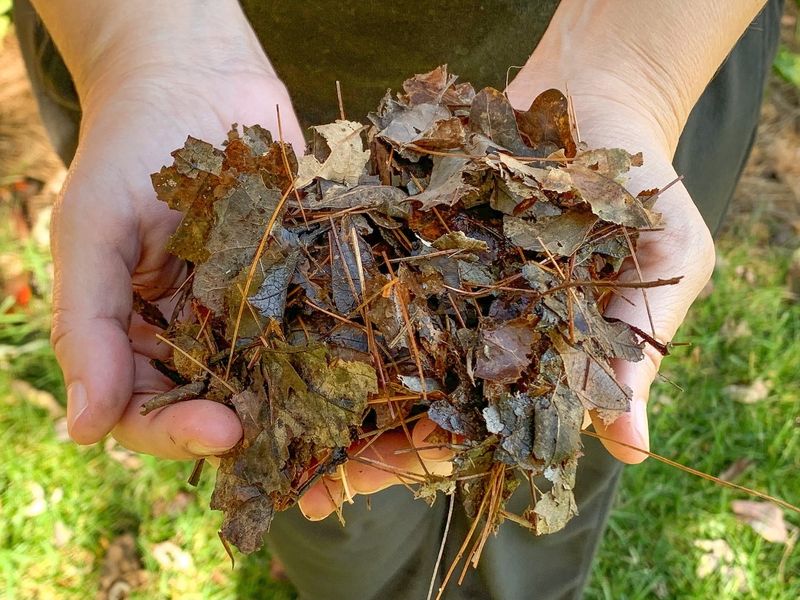
Every fall, neighbors bag up pure gold and set it on the curb. Shredded leaves are one of the easiest, cheapest ways to feed next year’s vegetable beds.
Trees pull minerals from deep in the ground, and those minerals end up in their leaves.
Whole leaves can mat down and block water, so run them over with a mower first. Spread a three to four inch layer across empty beds in late fall.
Earthworms come up to feed, dragging bits of leaf down and leaving behind rich castings.
By spring, much of the layer will have shrunk into dark, soft material. Push any leftovers aside to plant, then pull them back around your tomatoes as mulch.
Leaf mulch can help keep soil cooler and more evenly moist, which may reduce blossom end rot that comes from uneven watering.
Live oak leaves, common in Texas and Florida, break down slowly because they are tough and waxy. Shredding helps a lot.
Mixing them with grass clippings speeds things along too. Skip leaves from black walnut trees, since they contain a compound that can harm tomatoes.
6. Worm Castings
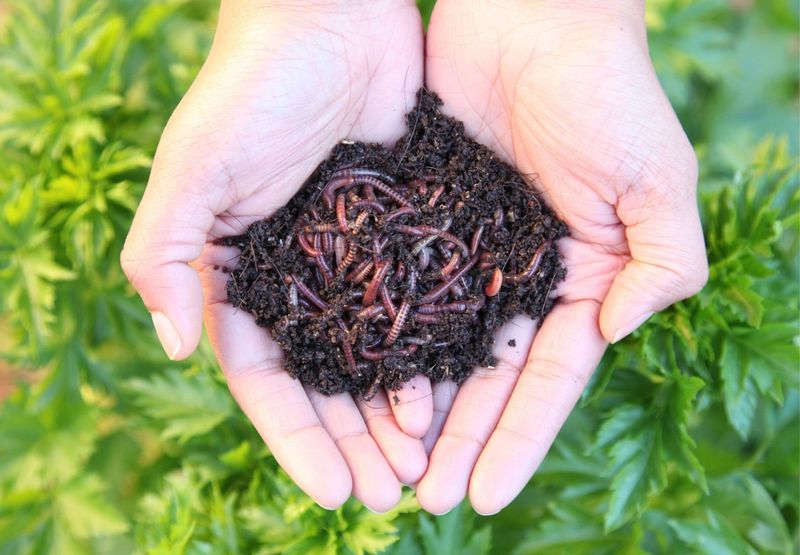
Worm poop sounds silly until you see what it does for seedlings. Worm castings are fine, dark, and gentle, and they carry nutrients in a form plants can use right away.
They also hold a busy crowd of helpful microbes.
Unlike strong manures, castings will not burn roots. That makes them a great pick for mixing into planting holes or seed-starting mix.
A handful under each tomato or cucumber transplant gives young roots a soft landing.
Gardeners also add castings to beds in fall to boost soil life before winter. Some studies suggest castings may help plants resist certain pests and diseases, though the effect is modest and not a cure.
Think of them as support, not a shield.
You can buy bags, but making your own is fun. A small bin of red wigglers in a shady spot, fed kitchen scraps, turns out castings all year.
In Southern heat, keep the bin out of direct sun and in a garage or under a porch when summer temperatures climb past 90. Worms cook fast, so shade is everything.
7. Used Coffee Grounds
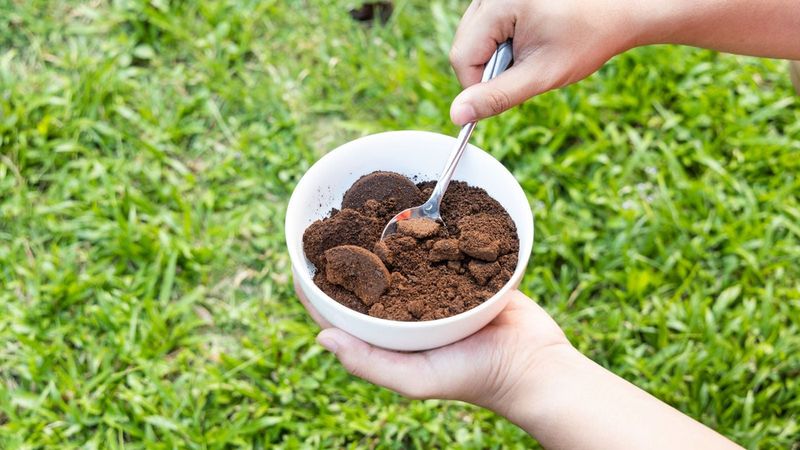
That morning cup can do double duty. Used coffee grounds carry a little nitrogen plus small amounts of other nutrients, and coffee shops often give them away by the bucket.
Here is the catch: grounds work best as a compost ingredient, not a thick mulch. Piled deep around plants, they can clump into a crust that sheds water.
Some research also shows heavy amounts may slow the growth of certain seedlings. Mixed into compost or scratched lightly into fall beds, though, they break down nicely and feed worms.
Many people think grounds make soil very acidic. Brewed grounds are actually close to neutral, since most of the acid ends up in your cup.
Tomatoes and cucumbers like soil around 6.0 to 6.8, so a moderate amount should not throw things off.
A good rule is to keep grounds to about a quarter of your compost pile. Toss filters in too, since paper breaks down easily.
In Florida’s sandy soils, adding grounds along with leaves and compost can help build the organic matter those beds badly need for holding moisture.
8. Crushed Eggshells
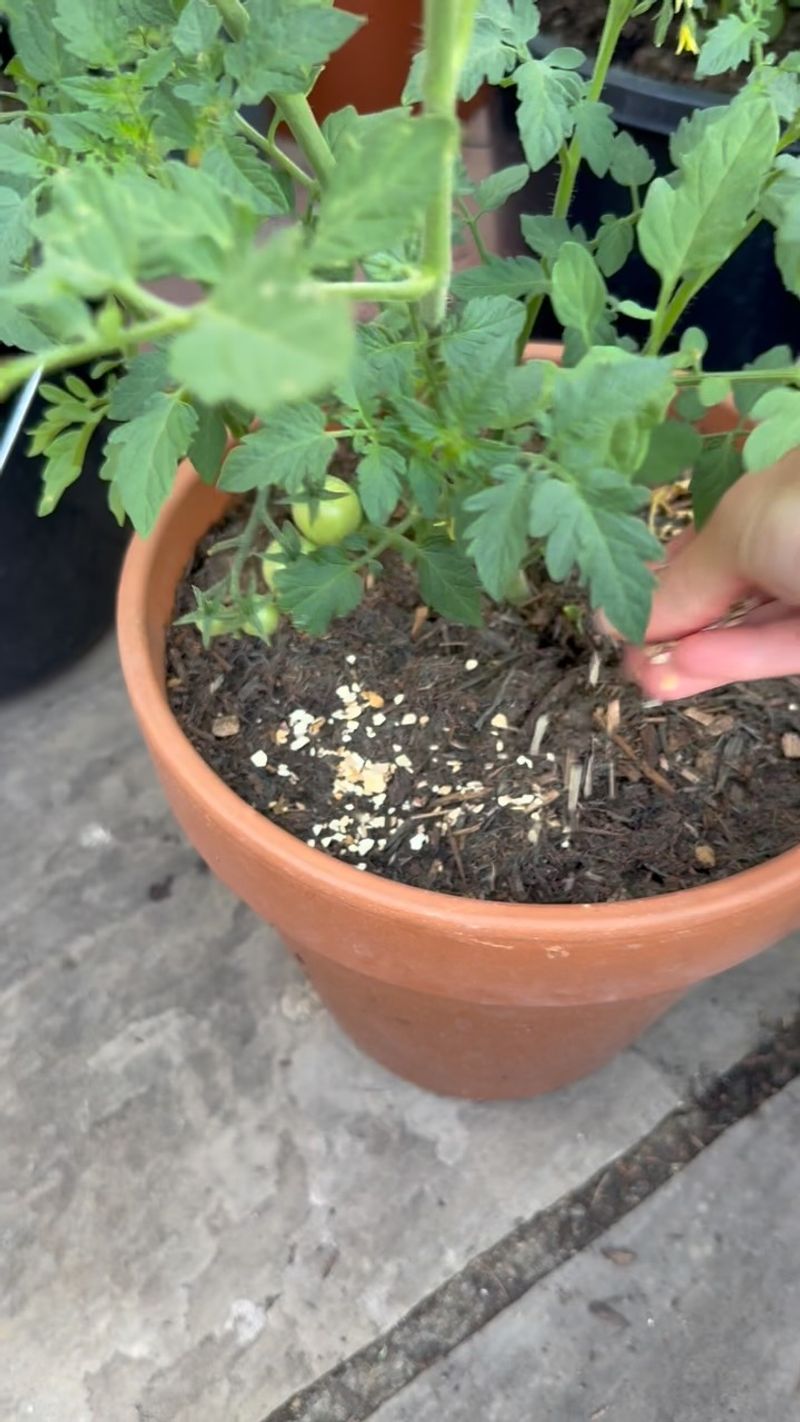
Grandma probably tucked eggshells under her tomatoes, and she was onto something, sort of. Eggshells are mostly calcium carbonate, and tomatoes need calcium to build healthy fruit.
Lack of calcium reaching the fruit is linked to blossom end rot, those sunken black patches on the bottom.
The honest truth is that whole shells break down very slowly. Tossed in at planting, they will not help this year’s crop much.
That is why they belong on a long-term list. Crush them fine, or better yet grind them to powder, and add them to beds in fall.
Over time, they slowly add calcium to the soil. Keep in mind that most blossom end rot actually comes from uneven watering, not missing calcium.
Steady moisture and mulch matter more than any shell.
To prep, rinse shells, let them dry, and bake them briefly so they crumble easily. A blender or coffee grinder turns them to dust.
Save them all winter in a jar. Many gardeners in Texas and Florida also notice the gritty bits seem to bother slugs a little, though results are mixed.
9. Banana Peels
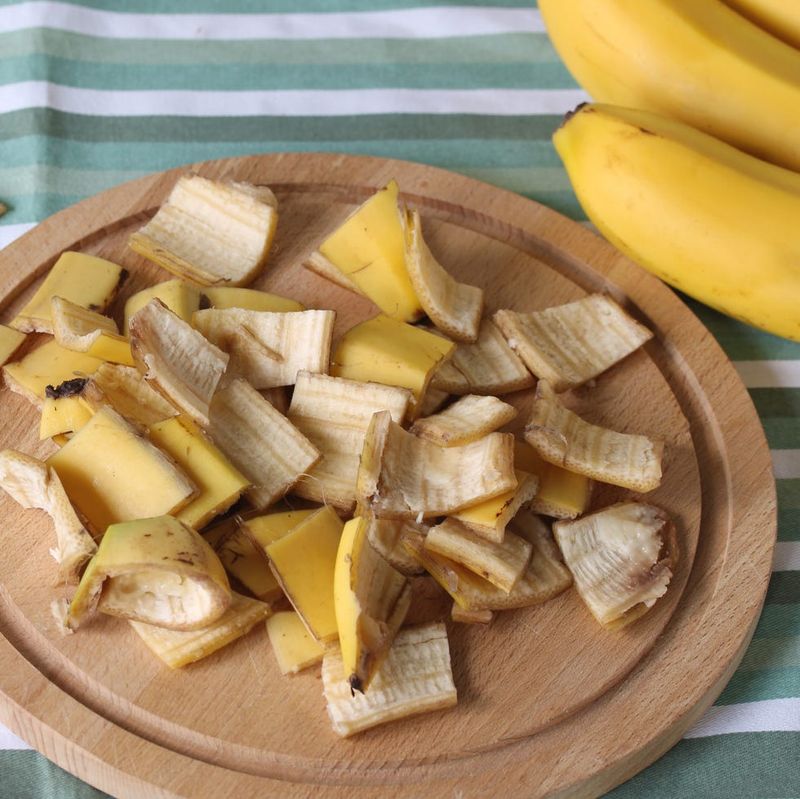
Bananas are famous for potassium, and so are their peels. Potassium helps tomatoes and cucumbers move water, build sugars, and produce flavorful fruit.
Tossing peels into the garden sounds like an easy win, and with a little care, it is.
Burying whole peels right next to plants can attract fruit flies, raccoons, and the occasional curious dog. They also take a while to rot.
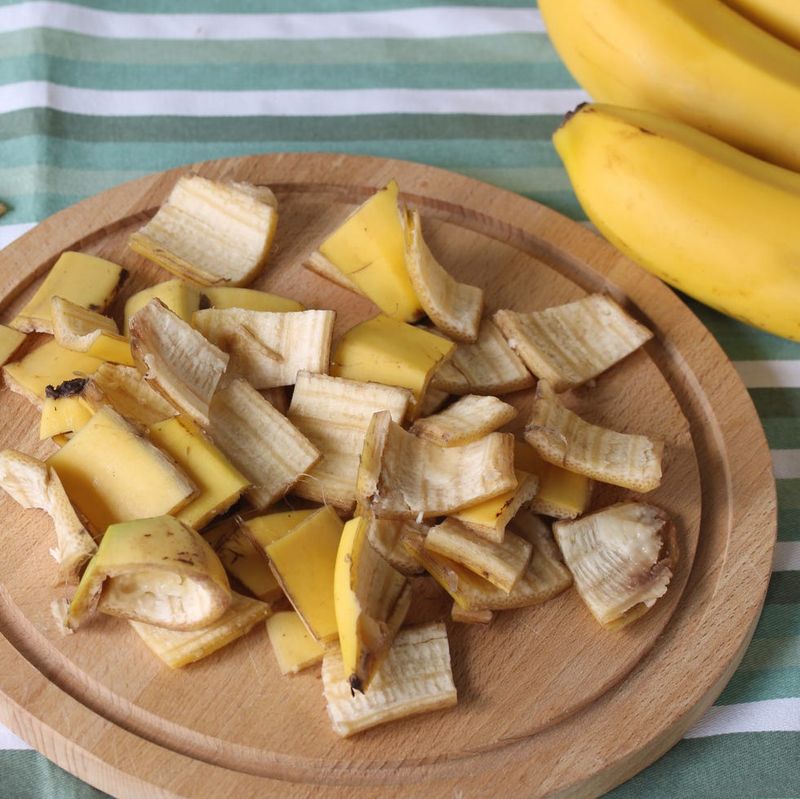
Your better move is chopping peels into small pieces and adding them to compost or burying them in empty beds over fall and winter.
By spring, they will have melted into the soil. The potassium boost is modest, since peels are mostly water, so do not count on them alone to fix a real shortage.
Paired with compost and other scraps, they help round out the menu.
One fun trick is drying peels in the summer sun, then crumbling them into flakes you can sprinkle into planting holes. In humid Florida, a low oven or dehydrator works better since peels may mold outside.
Whatever method you pick, nothing from your fruit bowl has to go to the landfill.
10. Kelp Meal
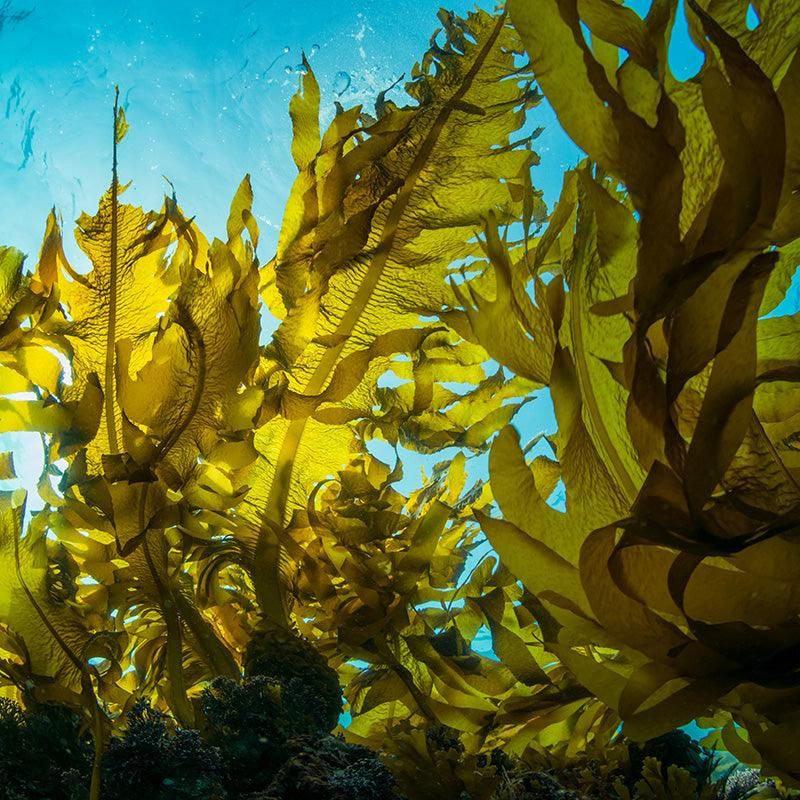
Seaweed has been feeding coastal gardens for centuries. Farmers in Ireland and Scotland once hauled it up from beaches by the cartload.
Today, dried and ground kelp meal brings that ocean boost to any backyard.
Kelp is not high in the big three nutrients. Where it shines is trace minerals, things like iron, zinc, and manganese, plus natural plant growth compounds.
These may help roots develop and help plants handle stress such as heat, which matters a lot in a Texas July.
Work about a cup per 10 square feet into beds in fall or early spring. It breaks down over several months, so fall timing gives it a head start.
Liquid kelp sprayed on leaves is another option during the season if plants look tired.
Expect support rather than miracles. Gardeners often report greener leaves and steadier growth, but results depend on what your soil already has.
A soil test can show whether trace minerals are actually low. Kelp meal also smells fishy for a day or two after spreading, so warn the family before they head out to the patio.
11. Bone Meal
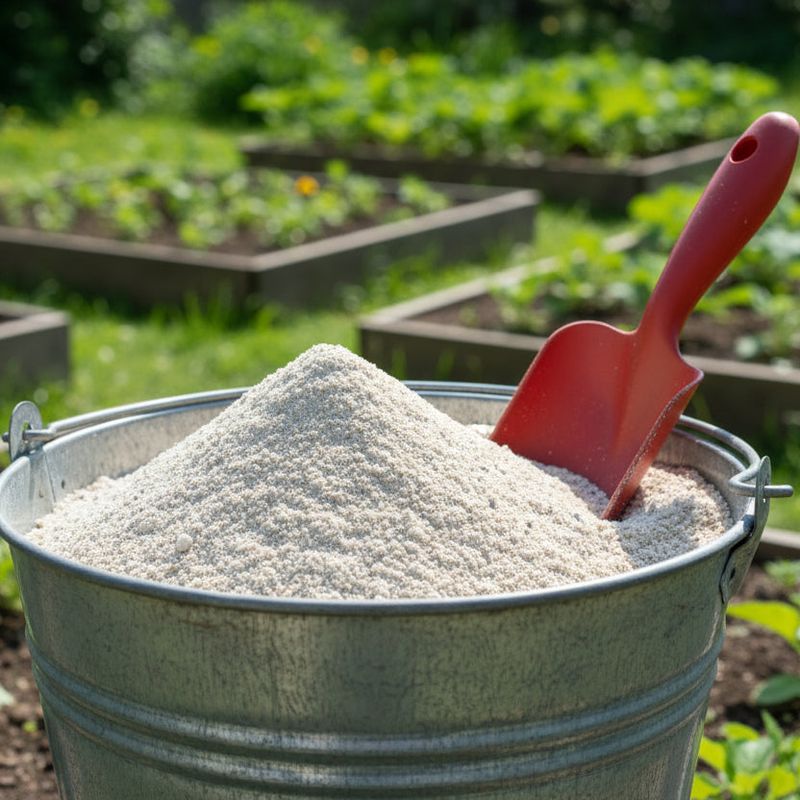
Strong roots and lots of flowers start with phosphorus, and bone meal is one of the classic sources. Made from ground animal bones, it also delivers calcium.
Both nutrients matter for tomatoes setting fruit and cucumbers putting out blooms.
Phosphorus moves very slowly in soil. It stays close to where you place it and becomes available over weeks to months.
That is why fall or early spring is the right time to add bone meal, mixing it into the root zone before planting.
Here is the important part. Many Southern soils, especially in parts of Florida, already hold plenty of phosphorus.
Adding more can wash into lakes and springs and cause algae problems. A soil test from your county extension office is cheap and will tell you if you need it at all.
Also, bone meal works poorly in very alkaline soil, common across much of Texas, since high pH locks phosphorus up. If your soil tests low and slightly acidic, a few tablespoons per planting hole is plenty.
Keep bags sealed, because dogs love the smell and may dig.
12. Wood Ash
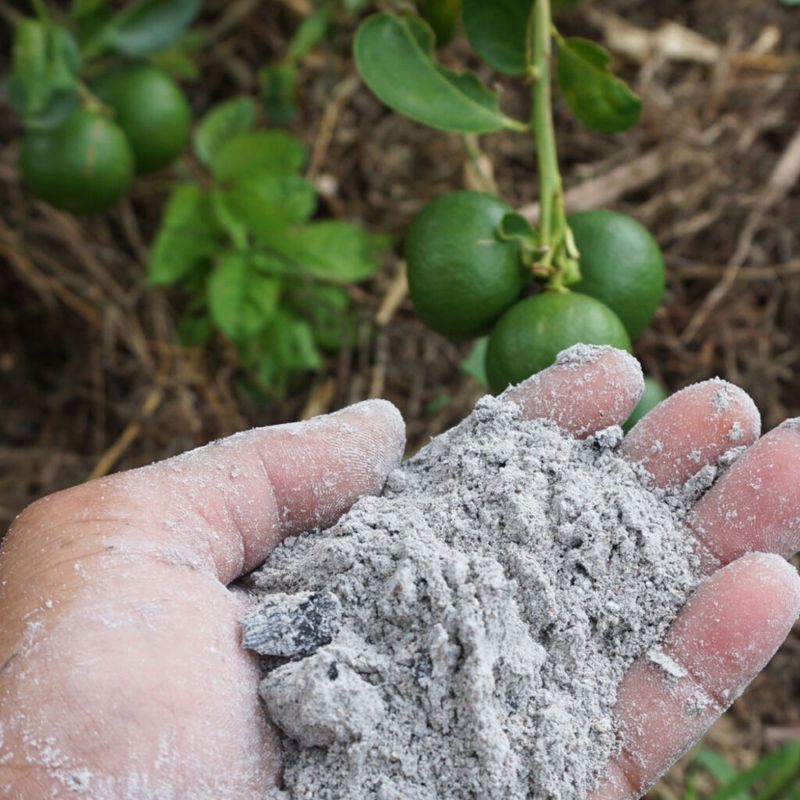
Winter fires leave behind a bucket of gray powder that most folks dump in the trash. Wood ash, though, carries potassium and calcium, both handy for fruiting plants.
Used carefully, it can feed next year’s beds.
Ash also raises soil pH, acting a lot like lime. That makes it useful for acidic soils, such as some sandy beds in Florida and East Texas.
On the flip side, much of central and west Texas already has alkaline soil, and adding ash there may push pH too high for tomatoes.
Check pH first. If your soil sits below about 6.0, sprinkle ash lightly over beds in winter, around five pounds per 100 square feet at most, and rake it in.
Rain will carry it down by spring.
Only use ash from untreated hardwood. Skip anything from charcoal briquettes, painted lumber, or trash fires, since those can carry harmful chemicals.
Keep ash away from potatoes, which tend to get scab in higher pH soil. And always let ashes sit for several days in a metal can first.
Hidden embers can stay hot surprisingly long.
13. Grass Clippings
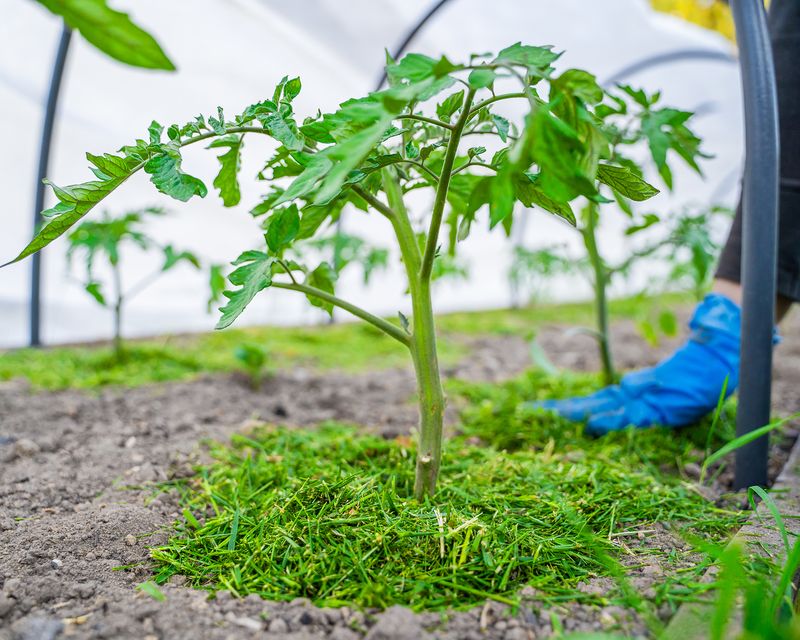
Mowing season in the South runs nearly year round, so the supply of grass clippings never really ends. Fresh clippings are loaded with nitrogen, the nutrient that fuels green, leafy growth.
Rather than bagging them for the curb, put them to work.
Spread thin layers on empty beds in fall, mixed with leaves, and they will break down quickly. During the season, dried clippings make a nice mulch around tomatoes and cucumbers.
Keep layers to an inch or two, since thick wet piles get slimy, smelly, and hot.
As they rot, clippings release nitrogen back into the soil, often feeding the next crop. Mulching with them also helps hold in moisture during long dry stretches, which is a big deal in Texas summers.
Be careful with one thing. Never use clippings from lawns treated with weed killers.
Some broadleaf herbicides stay active in grass for months and can curl and twist tomato leaves badly, even after composting. If you use a lawn service, ask what they spray.
St. Augustine and Bahia clippings from untreated yards are perfectly safe and a free feast for your soil.
14. Fish Emulsion
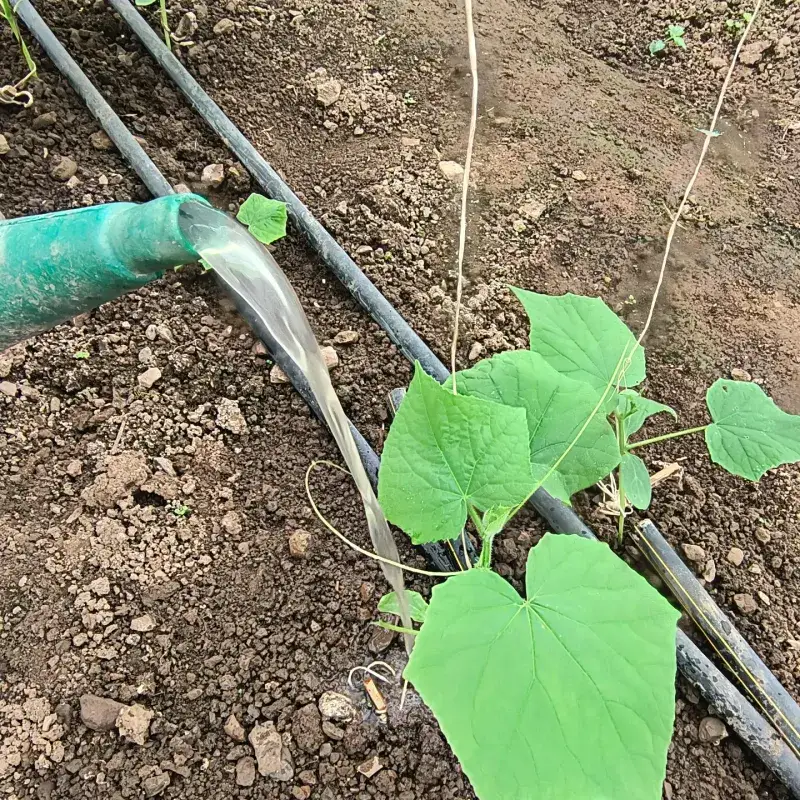
Hold your nose for this one, because the payoff is worth it. Fish emulsion is a liquid fertilizer made from fish scraps, and it feeds plants fast.
Mixed with water and poured at the base, it gives tomatoes and cucumbers a quick nitrogen lift.
So why include it on a next-season list? Because it also feeds the soil microbes that keep beds healthy year after year.
Regular light doses during the growing season can keep plants strong late into fall, and healthier plants leave behind more roots and residue to break down.
Many Florida and Texas gardeners grow a second tomato crop in fall. A dose of fish emulsion every two weeks can help those plants push through the shift in season.
Follow the label rate, often around a tablespoon per gallon, since too much can burn leaves.
Apply in the cool of morning or evening, not under harsh midday sun. Expect the smell to fade within a day.
Cats and raccoons may come sniffing at first, so water it in well. Some brands come deodorized, if your patio sits close to the garden.
15. Alfalfa Meal
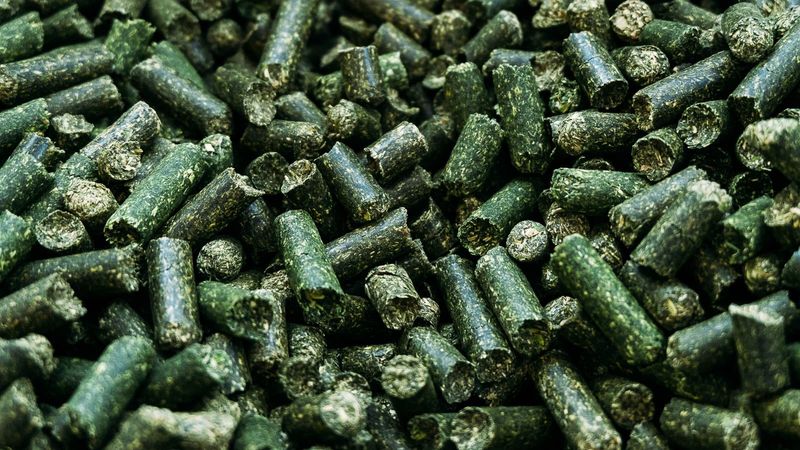
Horse owners have long known alfalfa as a premium feed, and garden soil seems to agree. Alfalfa meal, or plain rabbit food pellets without additives, offers balanced nitrogen plus a natural growth compound called triacontanol.
That compound has been studied for its potential to boost plant growth, though results in home gardens vary. What is clear is that alfalfa breaks down quickly and wakes up soil life.
Worms and microbes swarm to it, and that busy activity improves soil structure over time.
Spread about two to five pounds per 100 square feet in late winter, a few weeks before tomato transplants go in. You can also add a handful to compost piles to heat them up.
Rose growers swear by it, and vegetable growers are catching on.
Look for plain pellets at feed stores, where they are usually cheaper than garden brands. Wet pellets swell and crumble, so scratching them into damp soil works well.
In humid Southern weather, they can mold on top if left exposed, so cover them lightly with mulch or soil. Your beds will smell faintly like hay for a few days.
16. Biochar
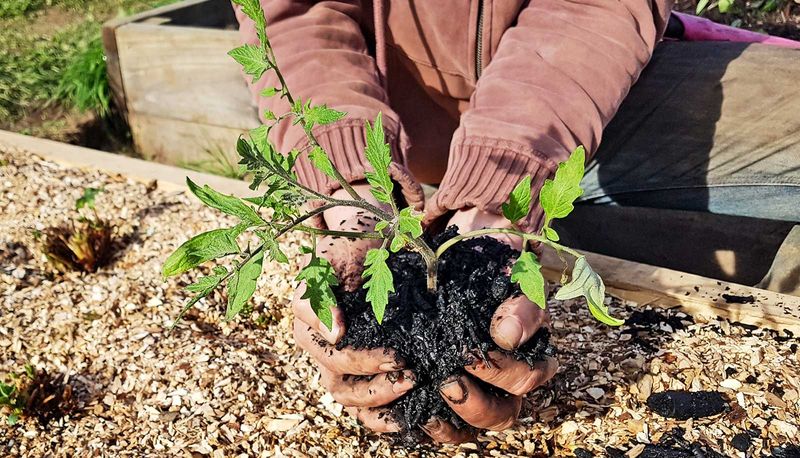
Centuries ago, people in the Amazon basin added charcoal to their soils, creating dark earth that remains fertile today. Biochar is the modern version, a special charcoal made by heating wood or plant material with little oxygen.
Biochar does not feed plants directly. Instead, its tiny pores act like a sponge, holding water and nutrients that might otherwise wash away.
That makes it especially interesting for sandy Florida beds, where fertilizer seems to vanish after every summer storm.
Raw biochar can actually soak up nutrients at first, so charge it before use. Mix it with compost or soak it in diluted fish emulsion for a couple of weeks.
Then work it into beds at about five to ten percent of the soil volume.
Because biochar lasts for many years, one application can keep helping season after season. That long life is what earns it a spot here.
Results vary by soil type, and research is still growing, so think of it as a long-term investment. Avoid using leftover grill briquettes, which contain additives and are not the same thing at all.