
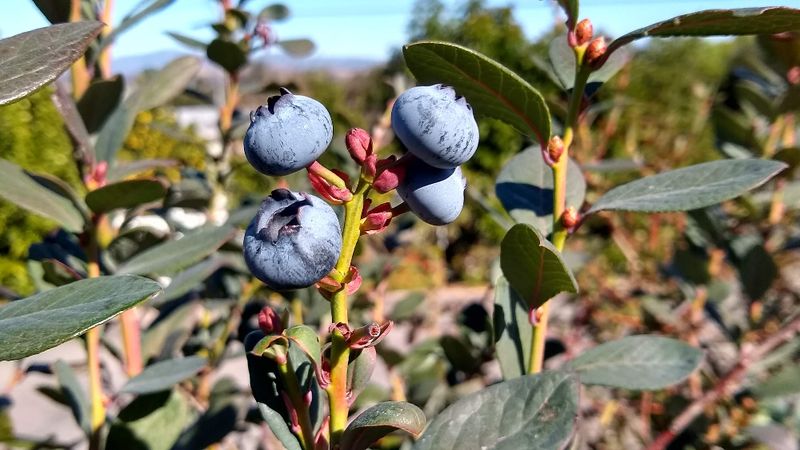
Blueberry plants are one of those backyard crops that reward you for paying attention to them at the right moment. For many Southern California gardeners, that moment arrives soon after the last berry comes off the bush, when a few well-placed cuts can reshape the plant for a stronger season ahead.
Knowing which cuts to make, which wood to keep, and whether postharvest pruning even fits your plant type can make the difference between a thriving bush and one that struggles year after year. This guide walks you through the whole process, from deciding whether your plant is ready to understanding what pruning can and cannot deliver.
Does postharvest pruning belong on your bush?
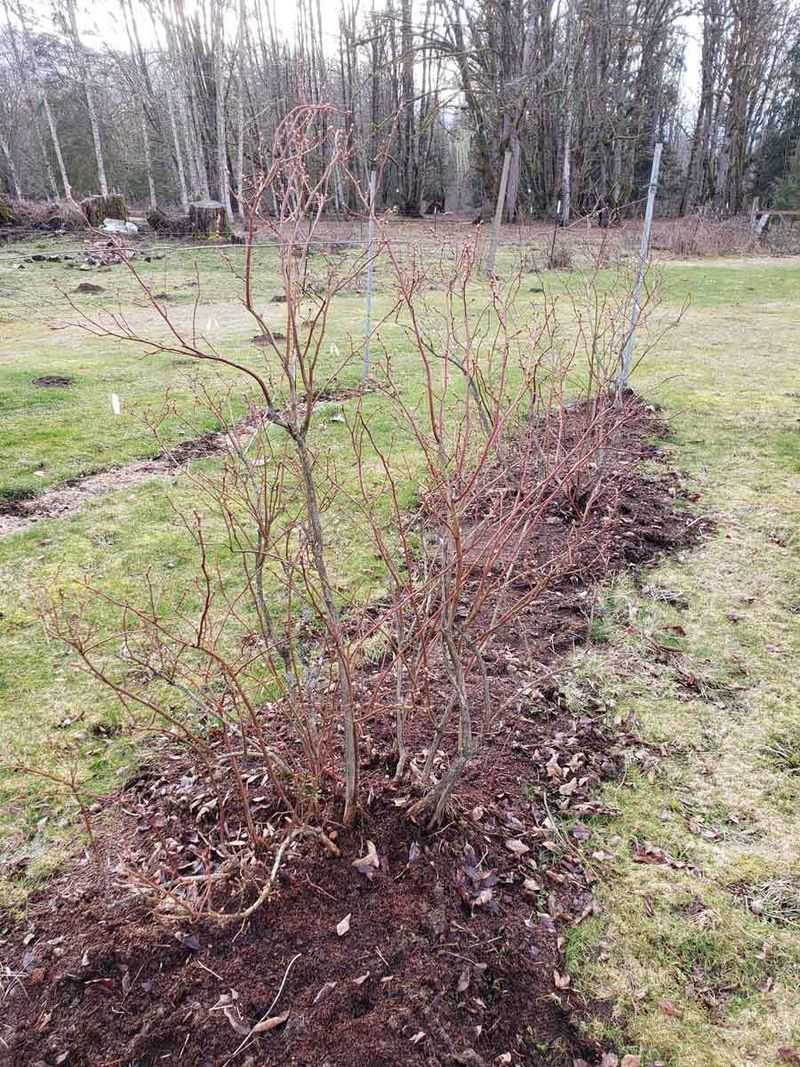
Timing is everything with blueberry pruning, and the first question to ask is not “what do I cut?” but “should I be cutting at all right now?” The answer depends on your plant type, where you live in California, and whether your harvest has actually finished.
Evergreen Southern Highbush blueberries, the type most commonly grown in warmer California areas like San Diego, Orange County, and the inland valleys of Southern California, behave differently from deciduous types grown in colder northern climates. UC Cooperative Extension San Diego County specifically recommends pruning these evergreen plants in late spring or early summer, soon after harvest ends, rather than waiting for a dormant season that may never arrive in mild coastal conditions.
Adapted cultivars for Southern California include ‘Sharpblue,’ ‘Misty,’ ‘Star,’ ‘Emerald,’ ‘O’Neal,’ ‘Southmoon,’ ‘Rebel,’ and ‘Jewel,’ with harvest windows that vary by microclimate.
If you garden in the Sacramento region or other parts of inland Northern California, the calculus shifts. Sacramento-area guidance from UC Master Gardeners generally emphasizes winter or early spring for major structural pruning, when plants are dormant and cuts are easier to assess.
In July, their guidance suggests only selective heading of long, bare shoots rather than a full postharvest overhaul.
The practical rule across all California regions is this: prune soon after your harvest ends, not because the calendar says a particular month. A Southern California coastal gardener whose plants finished fruiting in April or May is well-positioned for a late-spring postharvest prune.
A Sacramento gardener whose plants are still producing, or who already missed the postharvest window, may be better served by waiting until winter for major cuts. Matching pruning time to plant type, local climate, and the actual end of your harvest is the foundation every other step depends on.
Build a balanced bush instead of a bare framework
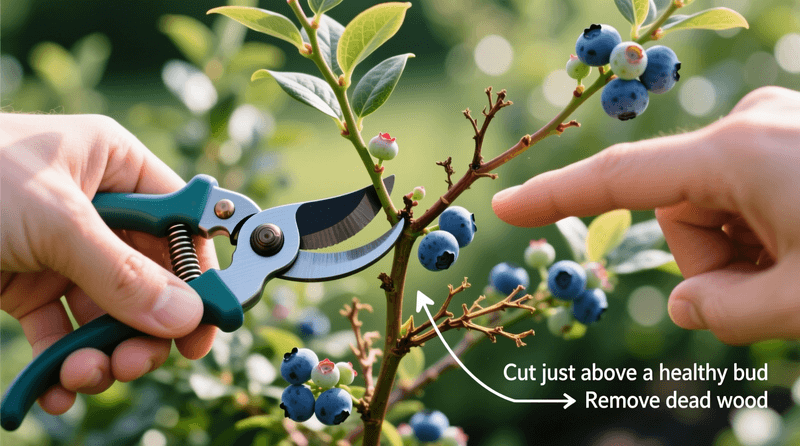
Before picking up the pruners, spend a few minutes just looking at your bush. A productive blueberry plant is not a wall of identical old stems, and it is not a bare crown with one or two young shoots struggling to fill the space.
What you want to see, and what you are working toward, is a plant carrying a range of cane ages: vigorous new shoots coming up from the base, some intermediate-age canes in their prime fruiting years, and a smaller number of older canes that still contribute but are beginning to slow down.
UC ANR guidance for growing blueberries in the Sacramento region recommends maintaining branches roughly one to five years old as the productive core of an established bush. The oldest canes, those that are thick, gnarled, and producing only sparse or weak growth at their tips, are candidates for eventual removal.
But removing all of them at once would gut the plant’s capacity for the coming season.
Young plants, generally those in their first two or three years in the ground, need almost no structural pruning beyond removing dead, damaged, weak, or poorly placed growth. Their energy should go into establishing roots and building a framework, not recovering from heavy cuts.
University of Minnesota Extension notes that blueberries fruit primarily on one-year-old or previous-season wood, which means cutting too aggressively into previously fruited wood can remove exactly what the plant needs for next spring’s crop.
The decision to remove any cane should rest on three things: its age relative to the rest of the plant, how vigorous and well-placed it is, and whether keeping it serves the bush’s balance. A branch that carried berries this year is not automatically a candidate for removal if it is still healthy and well-positioned.
Use cane age, vigor, and placement as your guide, not simply whether a branch fruited.
Clear out wood that cannot earn its space
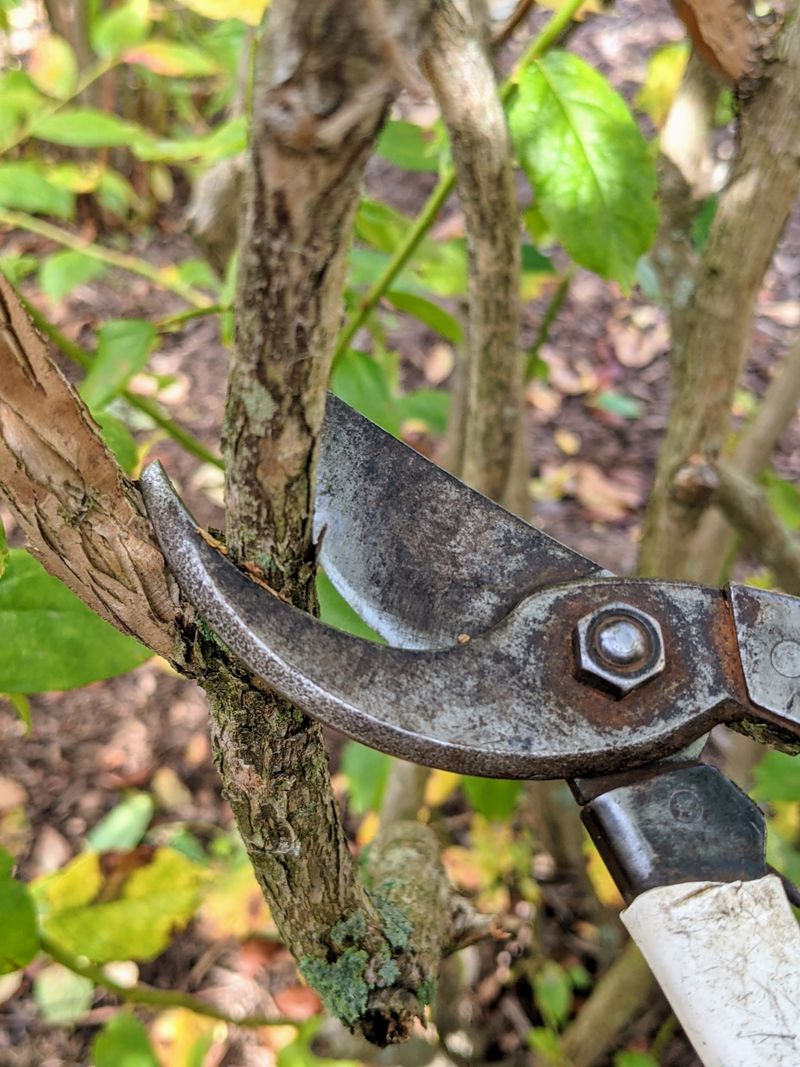
Every pruning session on a blueberry bush should start the same way: walk the plant and remove anything that clearly does not belong before making a single structural decision. Dead branches, broken stems, diseased wood, crossing limbs that rub against healthy canes, low-growing shoots that trail along the ground, and thin twiggy growth that will never produce a meaningful crop all come out first.
These cleanup cuts are not optional extras. Removing dead and damaged wood reduces hiding spots for pests and disease.
Cutting out crossing branches prevents bark wounds that invite infection. Lifting low-growing shoots off the soil improves airflow around the base of the plant and reduces the chance of fungal problems in California’s occasional humid stretches.
UC ANR’s Sacramento blueberry guide specifically lists low branches and weak growth as targets for removal alongside older canes, because these cuts open the canopy and improve light penetration without requiring major height reductions.
Tool preparation matters as much as the cuts themselves. Sharp, clean, sanitized pruners make cleaner cuts that heal faster and require less force, reducing fatigue during a long pruning session.
UC Master Gardeners of Orange County recommend cleaning and sanitizing pruning tools before working on each plant to limit disease transmission between bushes. A quick wipe with a diluted bleach solution or rubbing alcohol between cuts is a good habit when you spot any diseased wood.
Summer pruning in California also means working in heat, and personal safety deserves the same attention as plant care. Schedule this work for early morning or late afternoon when temperatures are lower, bring water, and take regular breaks in the shade.
CDC guidance on heat and outdoor workers advises stopping activity and moving to a cool location immediately if you feel weak, faint, or overheated. A well-pruned bush is not worth a heat-related illness.
Renew established canes gradually
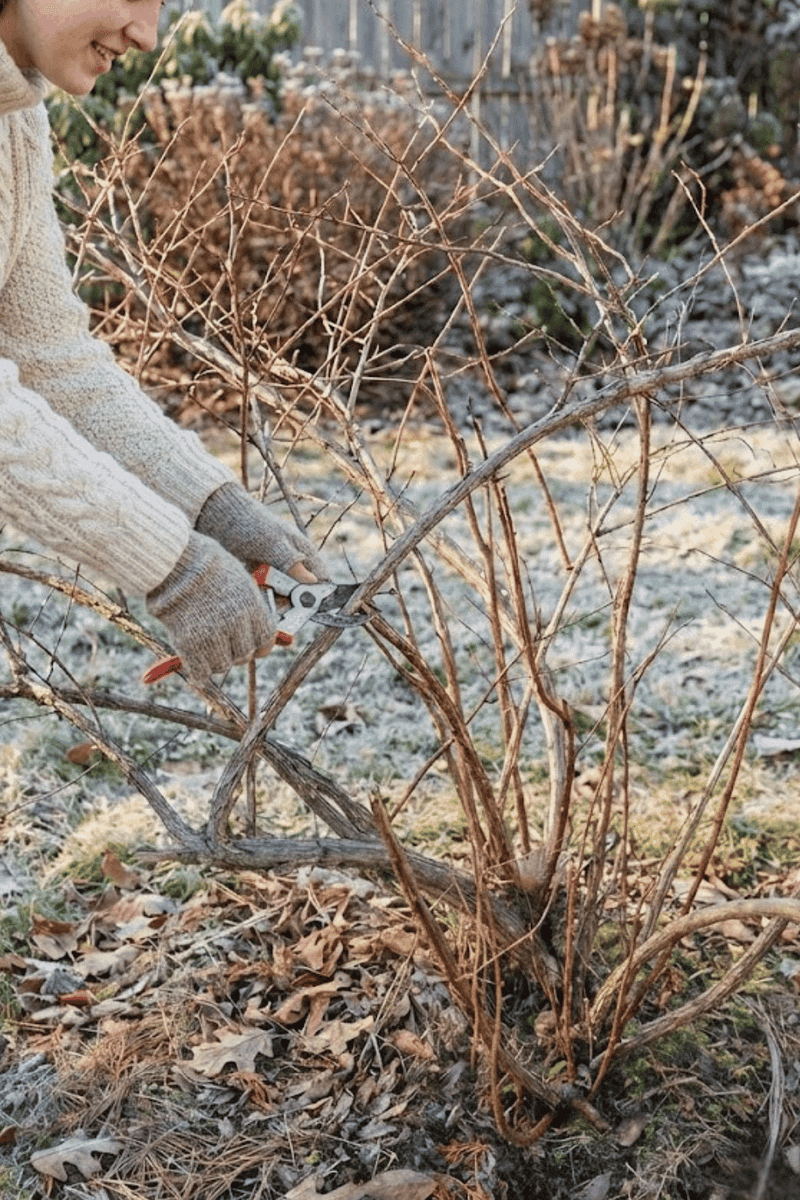
Once the dead, damaged, and weak wood is gone, you can look at the remaining structure and decide which of the oldest canes have earned their retirement. Renewal pruning is the practice that keeps an established blueberry bush productive over many seasons, and the key word is gradual.
You are not resetting the plant; you are nudging it toward a better balance of ages.
UC ANR’s Sacramento blueberry guide describes removing one or two of the oldest canes each year as a sustainable renewal pace for home-garden plants. Other extension programs use percentage-based guidance as a rough benchmark: Texas A&M AgriLife Extension recommends thinning about 20 percent of aging rabbiteye canes at ground level annually for established plants, while UF/IFAS guidance on Southern Highbush blueberry pruning suggests removing roughly one-quarter of the oldest canes once plants are approximately four to five years old.
These figures are reference points, not rigid formulas, and they apply to established plants with a reasonable number of canes to work with.
Identifying the right canes for removal is easier once you know what to look for. The oldest canes tend to be the thickest and darkest, with bark that has roughened or begun to peel.
Their upper portions may show only sparse lateral shoots or produce small, lower-quality fruit. Cut these at or near ground level, or back to a strong lower cane if a partial cut makes more sense for the plant’s shape.
At the same time, protect the new crown shoots that are pushing up from the base. These are the future productive canes of the bush.
UC Sacramento guidance recommends keeping no more than two of the healthiest new crown canes when too many emerge, removing the weaker or poorly placed ones rather than all of them. Removing every vigorous new shoot in the name of tidiness is one of the most common and costly mistakes a home gardener can make.
The amount of renewal cutting that fits your plant depends on its age, how crowded it is, how vigorous the growth has been this season, and whether it is a Southern Highbush, rabbiteye, or another type. When in doubt, err on the side of removing less and assessing the results before the next season.
Use light heading cuts on long, bare shoots
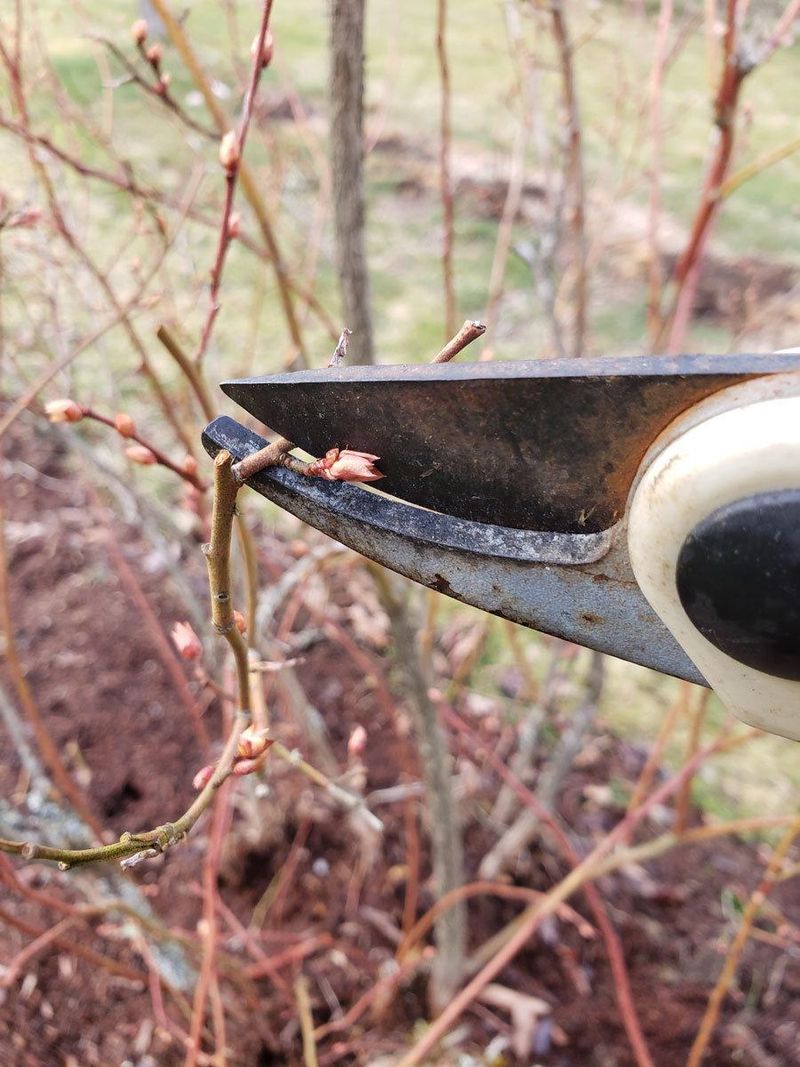
After cleanup and renewal cuts are done, you may notice a few shoots that are unusually tall, bare along most of their length, and poorly branched near the base. These are candidates for a light heading cut, which is a very different operation from shearing the whole plant or copying commercial hedging practices.
UC Master Gardeners of Sacramento County advise that a long shoot with little lower branching can be cut back by about half to encourage side branching and increase the potential for fruiting the following spring. The logic is straightforward: a shoot that is all height and no lateral structure contributes little fruit compared to one that has been encouraged to branch lower down.
Tipping an extremely vigorous shoot is also mentioned as an option in detailed Sacramento pruning notes.
The critical distinction is between selective heading of individual problem shoots and whole-plant shearing. Commercial blueberry growers in Florida sometimes use mechanical hedgers to reduce plant height and sides across entire rows of Southern Highbush blueberries after harvest, following specific timing and dimension guidelines developed for their cultivars and climate.
UF/IFAS Southern Highbush pruning guidance even notes that some cultivars, like ‘Chickadee,’ may not regrow well after standard hedging and are better served by light tipping. California home gardeners should not treat those commercial dimensions, or that level of severity, as a universal backyard prescription.
What works in a Florida production field for a specific cultivar does not automatically translate to your San Diego or Sacramento garden.
Keep vigorous new basal shoots intact unless they are weak, crossing, or poorly placed. These shoots are not the same as the long, bare problem shoots described above, and removing them indiscriminately takes away the replacement growth the plant needs.
Think of heading cuts as a targeted tool for a specific structural problem, not a general finishing step applied to the whole bush.
Support regrowth with water and suitable soil
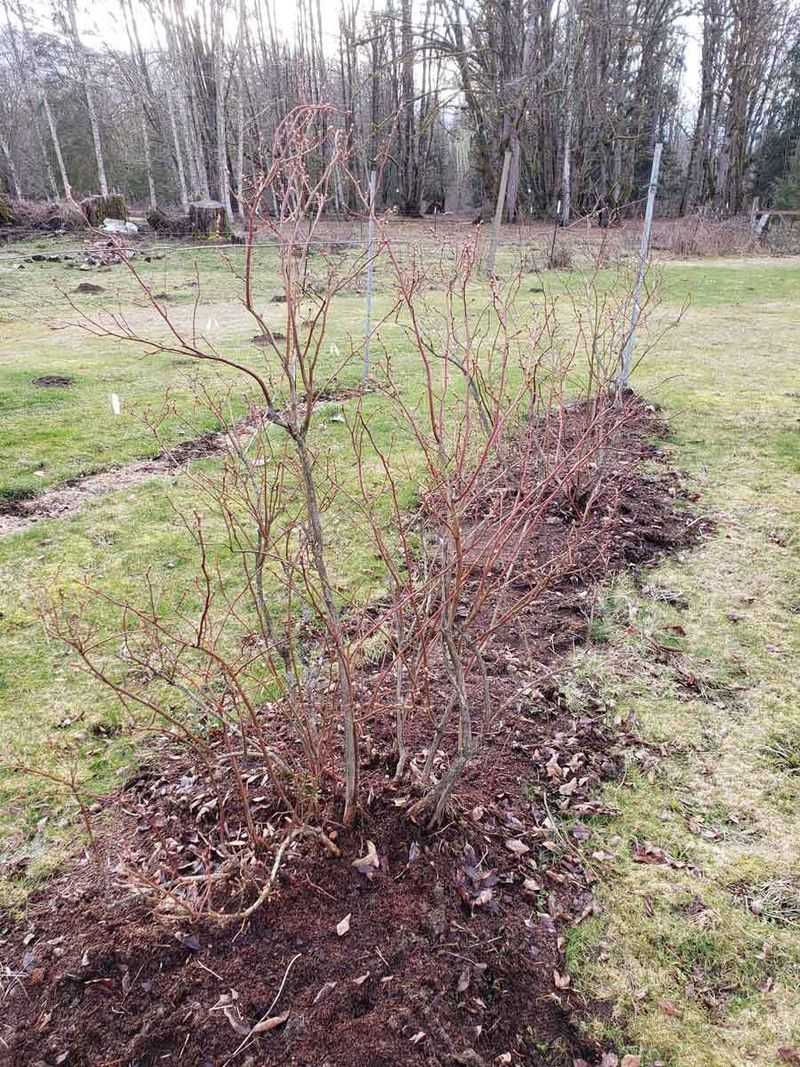
Pruning opens up the plant and signals it to push new growth, but that growth needs resources to develop. Water is the most immediate concern, especially in California’s warm, dry summers, and blueberries are shallower-rooted than most fruit plants, which means they dry out faster than you might expect.
UC ANR’s Sacramento blueberry guide recommends consistent moisture in the root zone combined with good drainage, and it highlights mulch as a practical tool for slowing evaporation and keeping roots cooler during hot spells. A two-to-four-inch layer of wood chips or pine bark applied around the base of the plant, kept a few inches away from the crown, can make a noticeable difference in how quickly the soil dries between waterings.
Texas A&M AgriLife Extension notes that sandy soils dry faster and may need shorter, more frequent irrigation cycles compared to heavier soils, a consideration relevant to some Southern California coastal and valley sites as well.
Soil acidity is equally important and often overlooked. UC Master Gardeners of Sacramento County place the target soil pH for blueberries around 4.5 to 5.5, while some UC materials suggest an ideal range as low as 4.0 to 5.0.
At pH levels above 5.5, blueberries struggle to take up iron and other nutrients even when those nutrients are present in the soil, leading to yellowing leaves and reduced vigor that no amount of pruning can fix.
Pruning cannot compensate for problems that live outside its scope. Cultivar suitability for your specific microclimate, adequate cross-pollination from a compatible nearby plant, heat stress during bloom or fruit set, pest pressure from insects or birds, and disease issues in the canopy or root zone all influence how much fruit a plant ultimately produces.
A well-pruned bush in poorly acidified soil with inconsistent water will still underperform a less carefully pruned bush that has its basic growing conditions right. Get the aftercare in order, and the structural work you did with the pruners has a real chance to show results.
Expect a better-balanced plant, not a guaranteed bigger crop
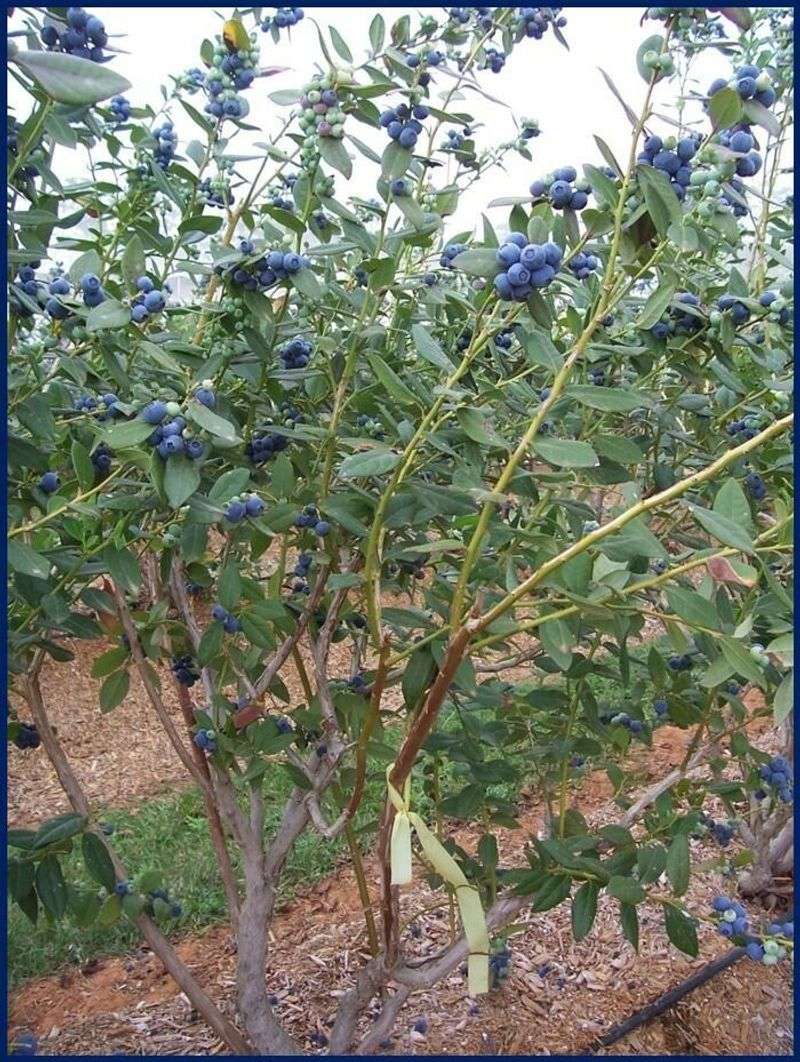
Postharvest pruning done well produces a cleaner, better-organized bush with improved light penetration through the canopy, a healthier mix of cane ages, and a framework that is better positioned to carry a reasonable crop load the following season. Those are real, useful outcomes worth working toward.
A guaranteed doubling of next year’s harvest is not among them.
A controlled study of summer pruning in ‘Tifblue’ rabbiteye blueberry found that June pruning did stimulate secondary shoots and that buds on those shoots later differentiated into flower buds. However, the study found no significant differences in yield or fruit quality among the pruning treatments tested.
That finding does not mean pruning is pointless; it means the structural and developmental benefits of pruning do not reliably translate into a measurable increase in total harvest weight. The study also involved rabbiteye blueberries, not the evergreen Southern Highbush cultivars common in Southern California, so its results cannot be applied directly to every California garden situation.
UF/IFAS guidance on Southern Highbush pruning frames the benefits of postharvest pruning as improved canopy structure, better light distribution, stimulation of replacement wood, and management of crop load and fruit size, not a promise of a heavier total harvest. These are meaningful improvements for a bush that has become crowded, unbalanced, or dominated by aging canes.
UC Cooperative Extension San Diego County does describe a possible smaller fall fruiting season for some evergreen Southern California plants after early postharvest pruning, but frames it as a conditional possibility tied to specific mild microclimates and cultivars, not a dependable second harvest. A correctly timed, moderate prune gives your bush a stronger foundation to work from next season.
That is a promise the evidence actually supports, and for a well-grown California blueberry, it is more than enough reason to make the cuts.