
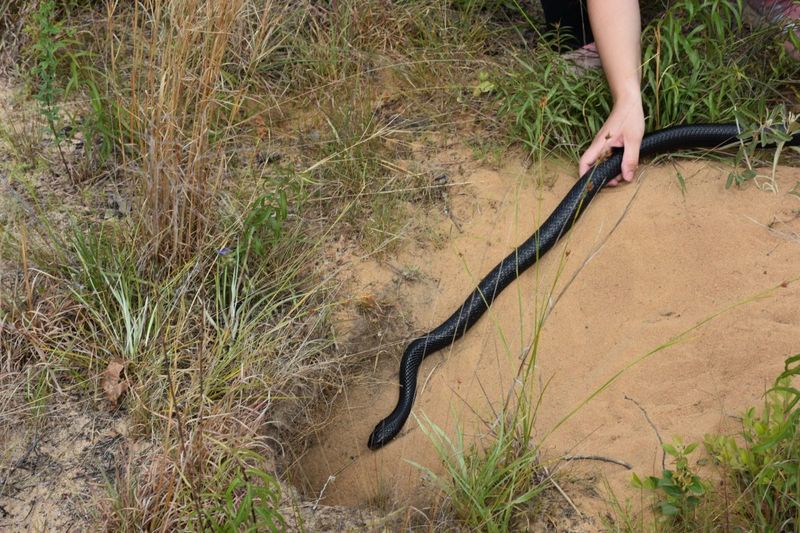
A big storm rolls through, the yard is soggy, and then you spot a snake where you did not expect one. Many Florida homeowners have had that moment, and it can feel alarming.
Understanding what rain may change for snakes can help you stay calm and stay safe. Here is what the science says, what it does not say, and what to do next.
Flooding can make snakes easier to see
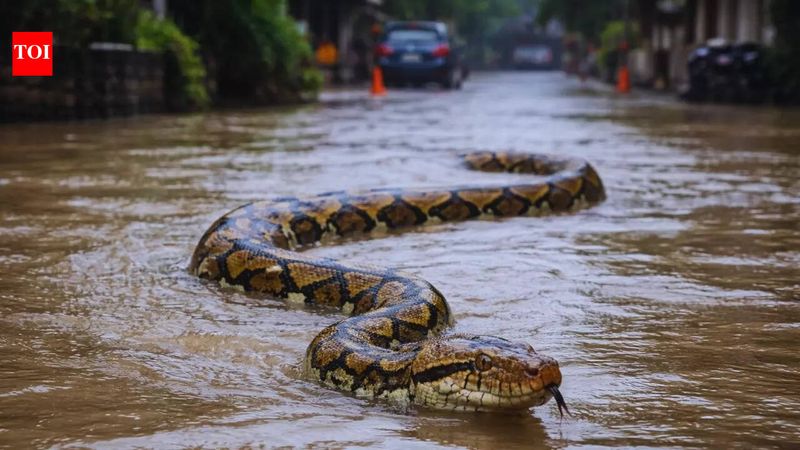
Florida Fish and Wildlife says snakes are more likely to be seen when water levels are higher after a storm. Floodwater can push some snakes out of the places they normally stay.
It can also leave them exposed on the few dry spots that remain.
Moving to higher, drier ground or finding shelter is one possible response. UF/IFAS Extension notes that animals may seek higher ground and cover during wet periods.
Texas A&M AgriLife Extension adds that floods commonly displace snakes, which may look for food and shelter near damaged buildings. Those are possible outcomes in affected areas.
They are not guaranteed after every downpour, and a snake is not making a planned trip toward your house.
You may have heard that storms flood the burrows snakes hide in. That picture does not fit Florida very well.
Snakes here live in many kinds of places, including leaf litter, brush, wetlands, and the edges of ponds. Some use underground spaces, but many do not, so there is no single hiding place that a storm floods.
The practical takeaway is simple. After heavy rain, higher water may make a snake you would normally never notice suddenly easy to spot.
Treat any snake you see with distance and respect, and keep reading for a safe routine to follow.
A home sighting does not prove a porch-bound pattern
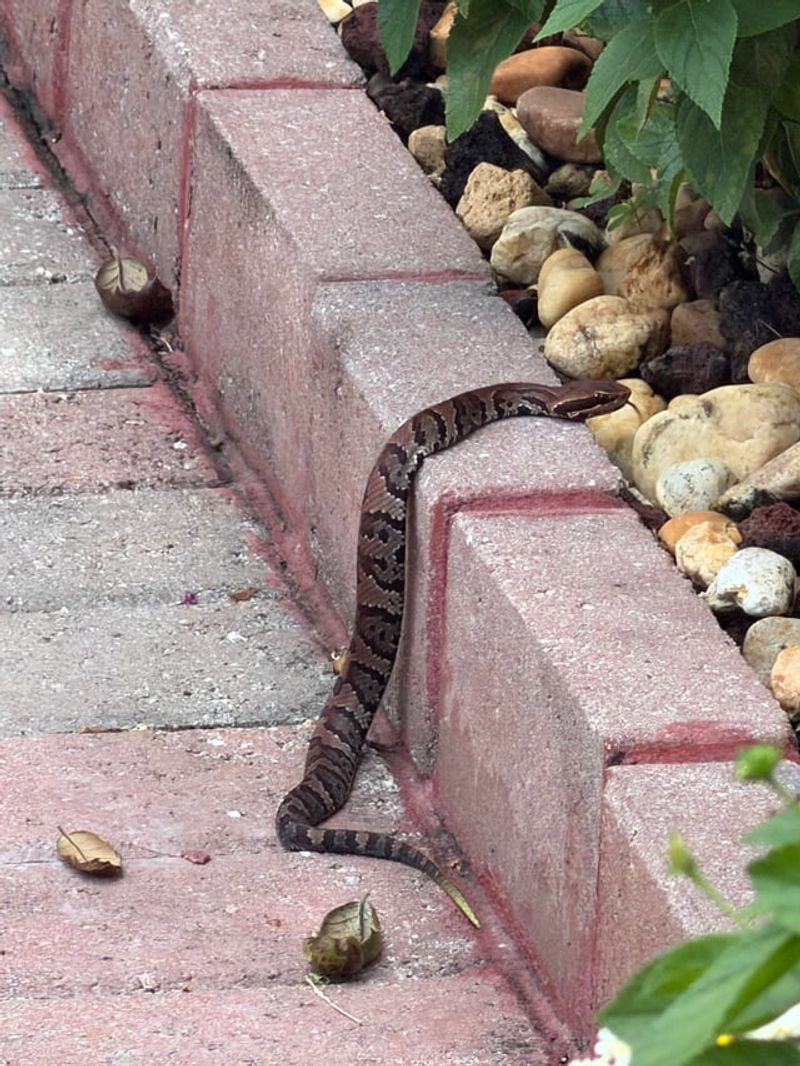
Seeing one snake near your house feels like proof that more snakes are around. It is not.
A sighting tells you a snake was visible at that moment, not that the local population grew. Water, cleared cover, and bright open ground can all change how easy a snake is to notice.
FWC links higher post-storm water with snakes being more visible. That is about visibility, not about snakes seeking out people or porches.
No source reviewed shows that displaced snakes routinely end up on porches, in garages, or in garden beds. Those places are plausible spots for an encounter, but they are not a proven destination.
Snake habits also vary a lot by species. The UF/IFAS residential guide describes different snakes in different settings, such as leaf litter, mulch, potted plants, or near water.
There is no single hideout they all share.
One Everglades road study offers a useful caution. Researchers tracking snakes crossing roads found movement linked to rainfall and air temperature, but not to water-table level.
The results apply to the species and sites surveyed. They do not predict what will happen around homes across Florida.
Fall activity can also explain some encounters
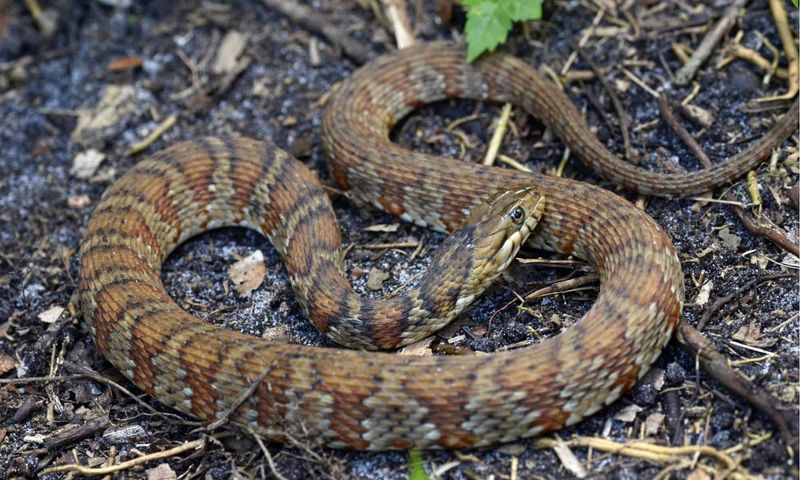
Rain is not the only reason a snake may turn up in October. Season matters too.
A UF/IFAS Extension article from Escambia County in the western Panhandle describes more encounters with some water-associated snakes in wetter conditions. It also notes that fall breeding activity can bring some species out into the open.
That gives you two possible explanations that can overlap. Wet weather may put some snakes in view, and fall activity may keep some of them moving.
Either one can lead to a surprise sighting.
Keep the limits in mind. That account comes from one part of the state, and it does not show a statewide pattern.
It also cannot prove that a particular storm caused a particular sighting.
If you see a snake on a damp fall morning, you do not need to guess at the cause. Simply give it room.
A snake crossing a lawn in autumn may just be on the move for its own reasons.
Check the yard by looking, not reaching
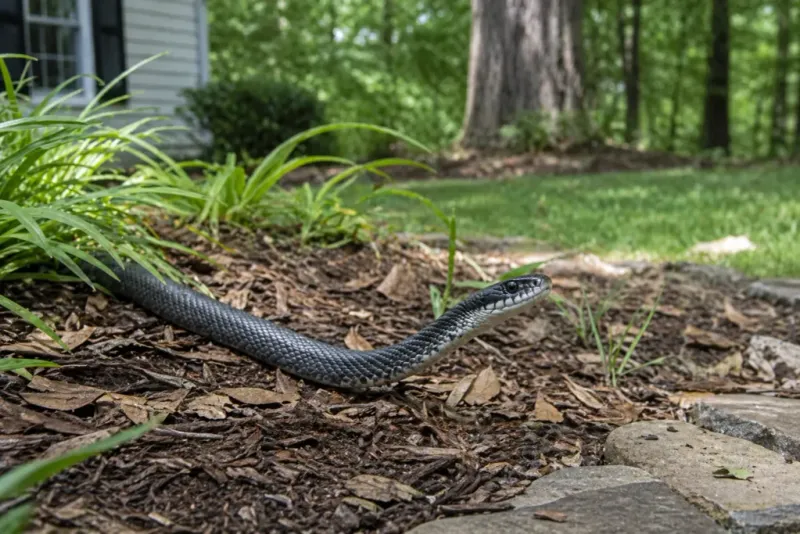
Cleanup after a storm is a good time to slow down. Debris piles, tall grass, and wet leaf litter hide a lot of ground from view.
FWC advises leaving snakes alone, wearing thick boots in tall grass, and keeping hands and feet out of places you cannot see.
Start with your eyes. Scan the ground before each step, and pause at the edge of grass or a pile of limbs.
Look along the base of steps, under the lip of planters, and around the edges of mulch before you set a foot or hand down.
Next, use a tool. Texas A&M AgriLife Extension recommends turning over debris with a tool instead of reaching underneath.
A long rake or hoe works well. Lift from the far side and stand back.
The goal is to notice and avoid a snake, not to hunt for one. If you find one, stop, step back slowly, and let it leave.
Wear gloves for lifting branches, but do not count on them as protection from a bite. Bring children and pets inside while you work.
Reduce cover and prey around the home
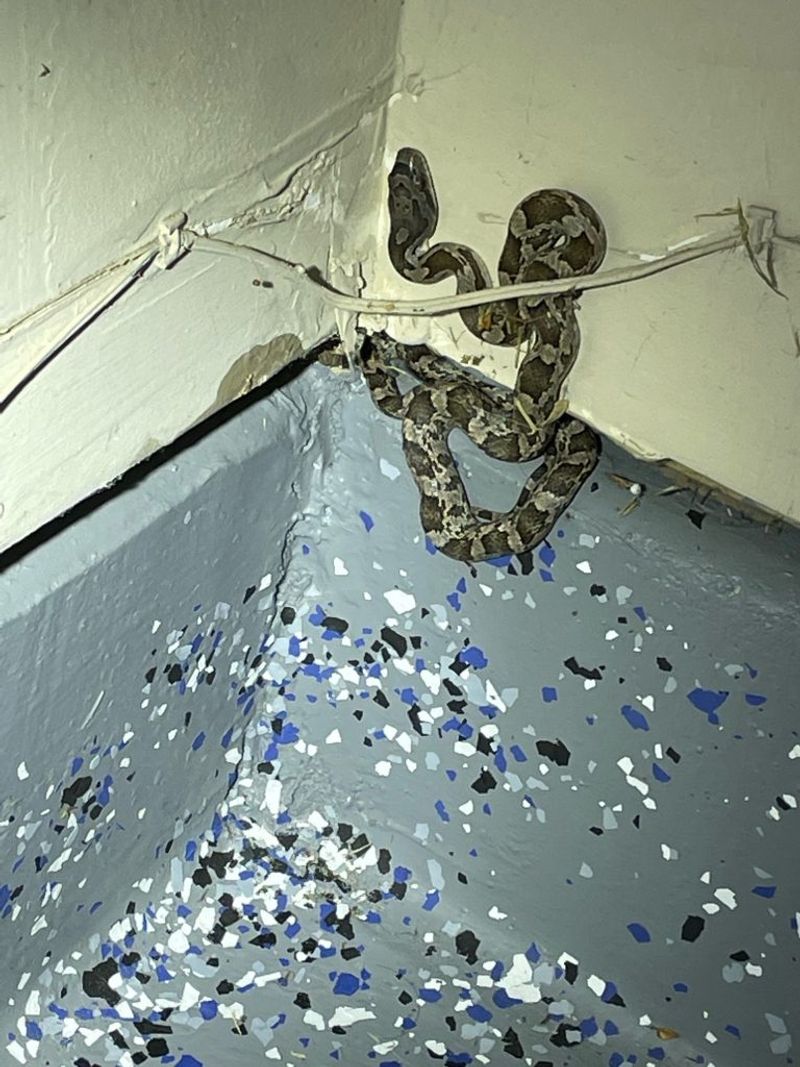
Snakes visit places that offer shelter and food. You can take away some of both.
UF/IFAS guidance on living with snakes points to clearing brush and debris near the house, and its prevention guide covers closing off spaces around buildings.
Try this short list:
- Haul away storm debris, wood piles, and tangled brush near the house.
- Keep pet food and bird seed in tightly closed containers.
- Watch for signs of rodents, since they can draw snakes.
- Seal gaps around doors and other building openings.
If rodents keep showing up, a professional may help. UF/IFAS offers a guide to selecting a pest control service.
Skip the sprays, powders, and kitchen-cabinet remedies. UF/IFAS says repellents and home remedies are not a scientifically established way to control snakes.
These steps lower the appeal of your yard, but they cannot promise a snake-free property.
Give snakes space and treat a suspected venomous bite as an emergency
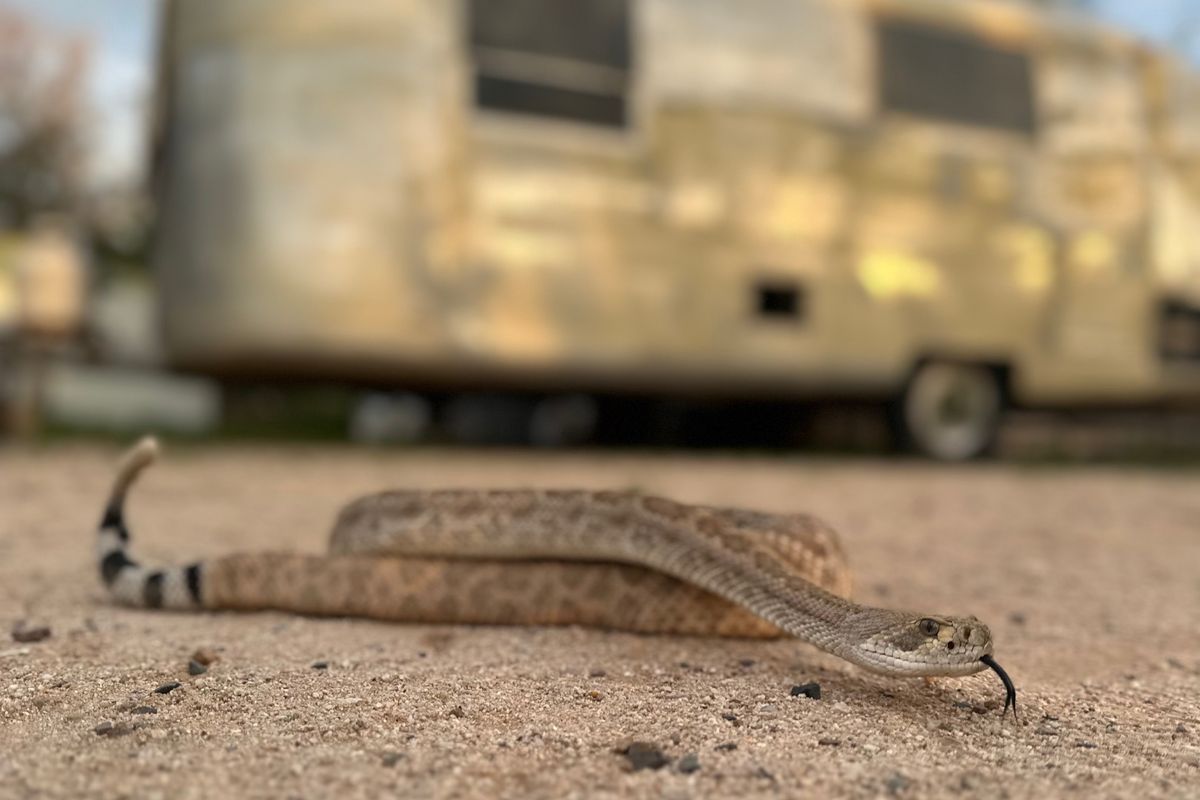
When you spot a snake, back away slowly and give it room to leave. Bring children and pets inside.
Do not poke, corner, or try to move it. FWC explains that Florida has about 50 native snake species, six of them venomous.
Most are not venomous, but those numbers do not let you judge a snake by sight alone.
Identification is tricky, and the UF/IFAS residential snake identification guide shows how many look-alikes there are. If you cannot name a snake with confidence, do not handle it.
Do not assume it is harmless, and do not assume it is dangerous. Call a qualified wildlife professional or your local Extension office if one keeps appearing near the house.
A suspected venomous bite is an emergency. UF/IFAS advises calling 911 promptly.
Do not try to catch or kill the snake. Do not apply a tourniquet or ice, and do not try to suck out venom.
Keep the person calm and still while help is on the way.
A snake after a storm is usually just a neighbor looking for a dry spot. Your job is simple: leave room, and let it go on its way.