
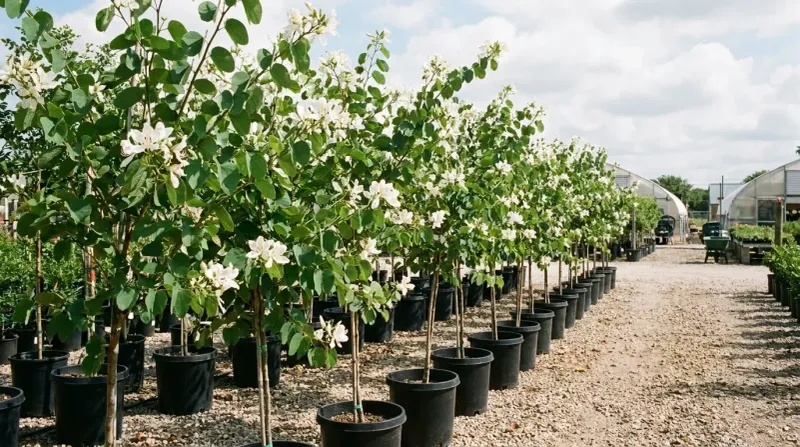
Walk into most big-box garden centers in Texas and you will find the same few trees stacked by the door. The trees that handle triple-digit heat, caliche soil, and watering limits are often missing.
A handful of Texas nurseries grow the oaks, maples, and flowering natives that really belong here. If you want a yard that thrives instead of just surviving, these places are worth the gas money.
1. Native American Seed and Nursery Partners in Junction
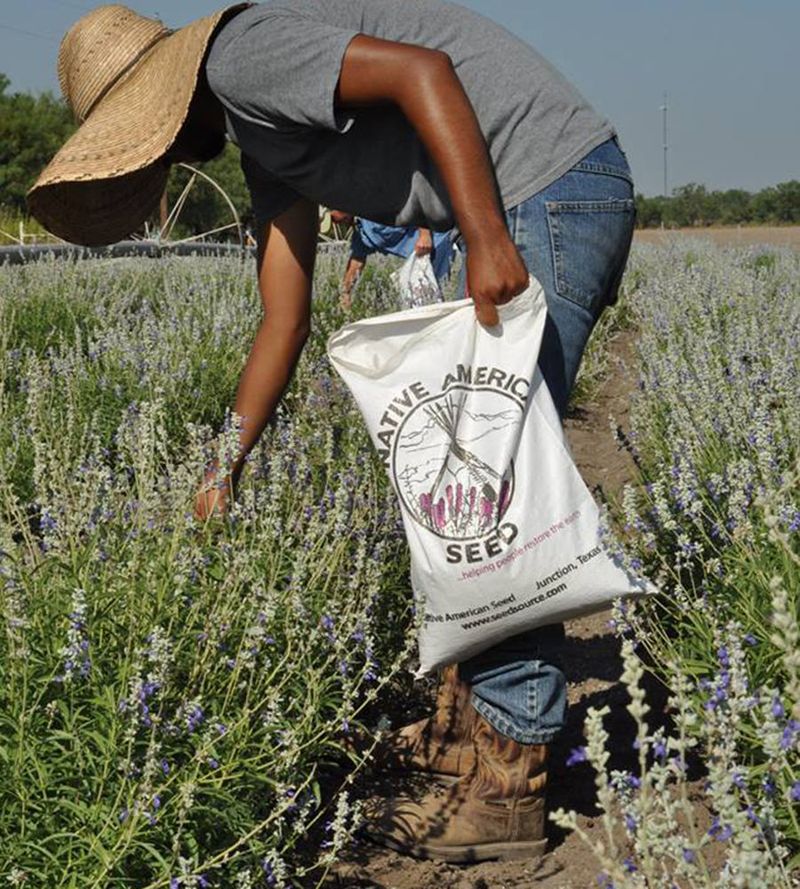
Out where the Llano River cuts through limestone, the folks at Native American Seed have spent decades helping Texans rebuild prairie. They are best known for seed mixes, but the Junction area makes a great anchor for a Hill Country plant trip.
Grassland restoration is their heart, and it shows in every conversation.
Why make the drive? You can talk with people who actually know which wildflowers and grasses pair well under young native trees.
That pairing matters, because a bare ring around a new oak bakes in July.
Call ahead before you go, since availability of walk-in shopping can change by season. Pick up a pollinator mix to sow under your new trees in fall, when Texas planting really pays off.
2. Barton Springs Nursery in Austin
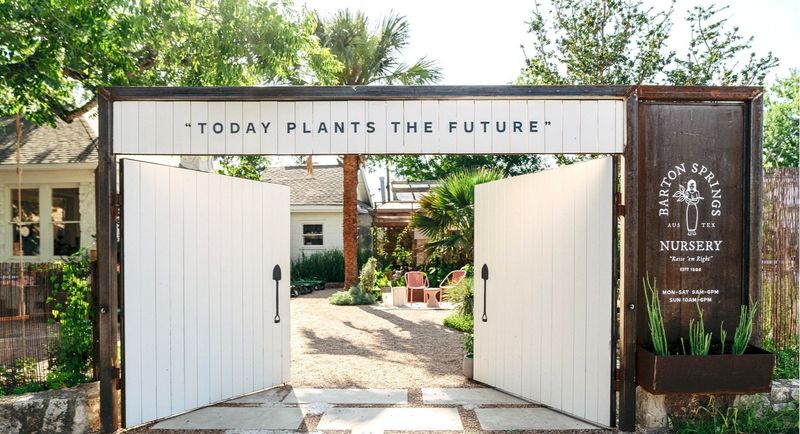
Ask an Austin gardener where they found their Mexican plum, and odds are good the answer is Barton Springs Nursery. The place feels like a neighborhood institution, with shaded aisles and staff who garden on the same tough blackland and limestone soils you do.
Their tree selection leans hard into Central Texas natives. Look for cedar elm, Lacey oak, Texas redbud, Eve’s necklace, and escarpment black cherry.
Plenty of these are tough to find at chain stores, and when they do show up, they are often grown out of state.
A smart tip: go on a weekday morning in October or November. Fall is prime tree-planting season in Texas, because roots can settle in before summer heat returns.
3. Natives of Texas in Kerrville
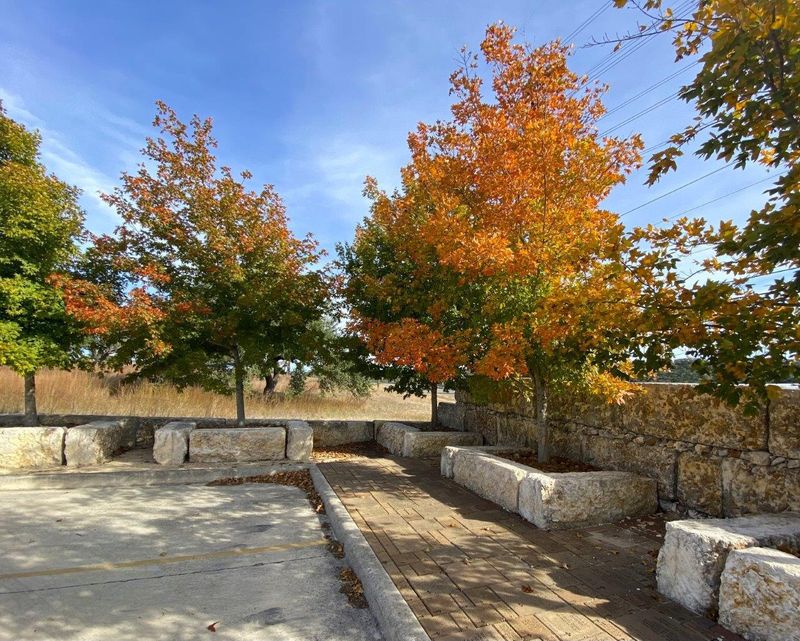
Hunting for a Texas madrone or a bigtooth maple? Kerrville has long been a go-to stop for Hill Country natives that most garden centers skip entirely.
Natives of Texas built its reputation on growing plants suited to thin, rocky, alkaline soil. That focus means the trees you take home may already be adapted to the conditions that kill many imported nursery stock.
Think Texas persimmon, Mexican buckeye, and Lacey oak alongside the showier maple.
Fun fact: bigtooth maples give Lost Maples State Natural Area its famous fall color, and this is the same species. Pair the nursery with a November drive to see the trees in the wild, then plant your own.
Check current hours before heading out.
4. The Natural Gardener in Austin
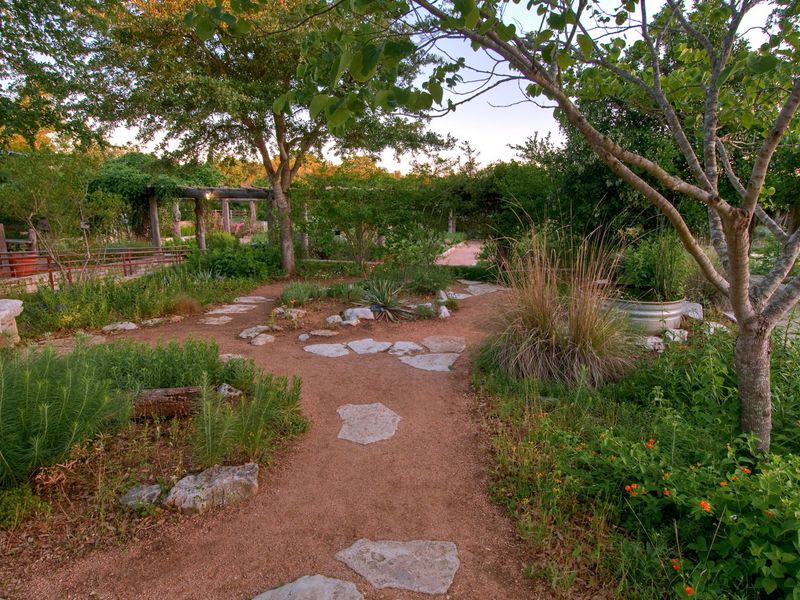
Part nursery, part outdoor classroom, The Natural Gardener feels like a field trip for grown-ups. Demonstration beds wind across the property, so you can see how native trees and shrubs actually look once they mature.
That visual payoff is the big reason to come. Seeing a full-grown desert willow or Texas mountain laurel helps you decide where it belongs in your yard before you buy.
The organic focus is a bonus for wildlife lovers. Compost, mulch, and soil amendments here can help new trees handle dry spells.
Bring a wagon, because you will likely leave with more than you planned.
5. Casa Verde Nursery in San Antonio
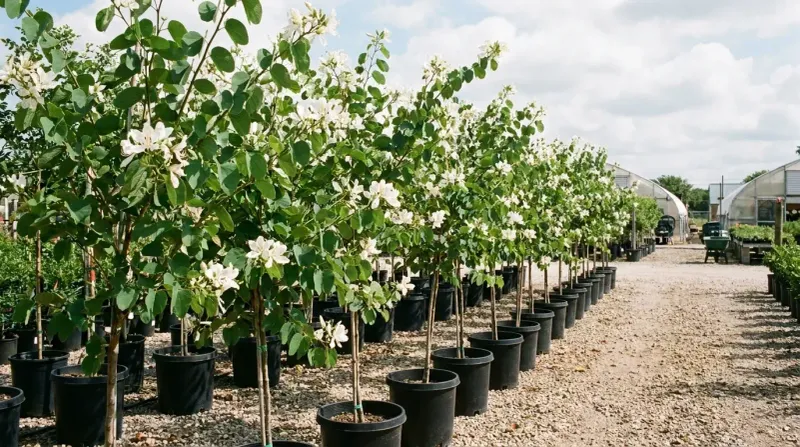
South Texas heat is its own beast, and San Antonio growers know it well. Nurseries in the Alamo City tend to stock trees that big-box buyers rarely order, like Texas ebony, anacacho orchid tree, and Mexican olive.
Casa Verde has been a local favorite for gardeners chasing these heat-loving options. The anacacho orchid tree alone can be worth the trip.
Its white, butterfly-like blooms appear in spring, and it handles drought once established.
Inventory shifts through the year, so call ahead about specific species. Ask staff how each tree handles your watering restrictions, since San Antonio rules can affect how often you can water new plantings.
6. Weston Gardens in Fort Worth
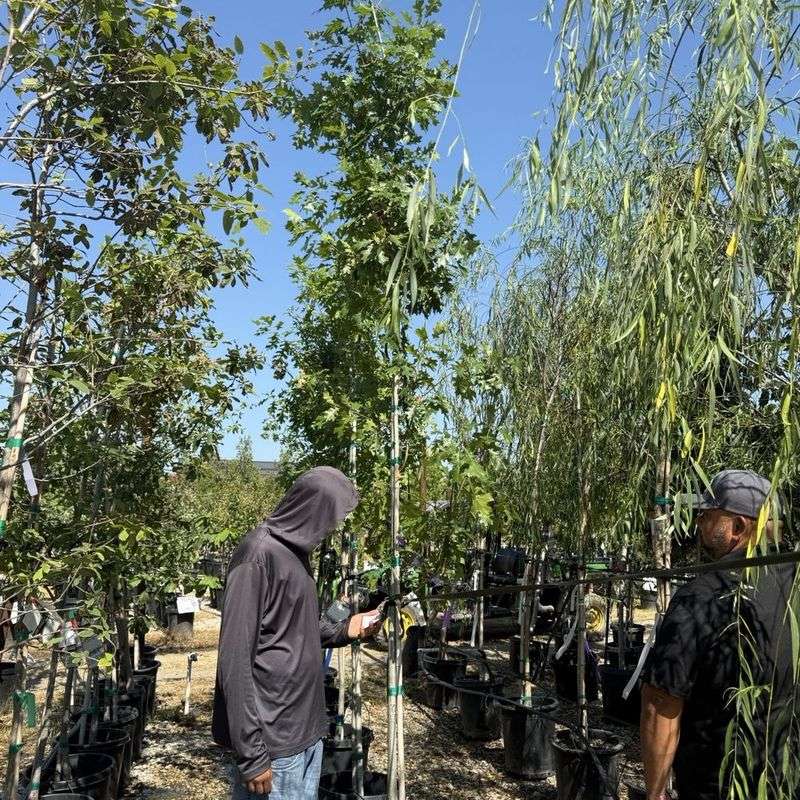
Some nurseries feel like stores. Weston Gardens feels more like wandering through a friend’s sprawling backyard that happens to sell plants.
North Texas gardeners deal with heavy clay, late freezes, and blazing August afternoons all in one year. Trees like Shumard oak, chinquapin oak, Texas red oak, and Carolina buckthorn tend to shrug off that mix.
These are the kinds of species worth asking about here.
The display gardens double as a planning tool. You can picture a mature oak shading your west-facing windows, which may help cut summer cooling bills.
Plan a full morning and bring a hat.
7. Lady Bird Johnson Wildflower Center Plant Sales
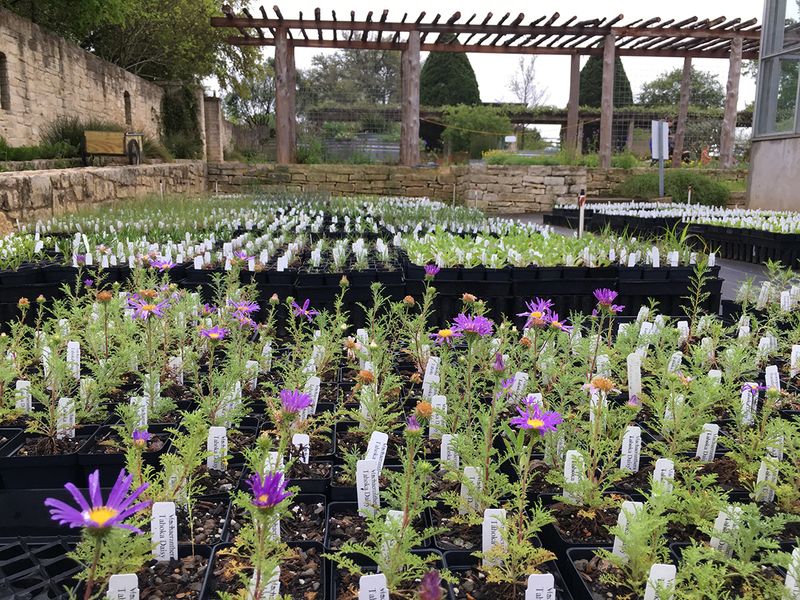
Lady Bird Johnson once said she wanted to keep the land looking like Texas. Her Wildflower Center carries that mission forward, and its seasonal plant sales are a native gardener’s holiday.
Unlike a regular nursery, the sales are limited events, usually held in spring and fall. Vendors and the center bring species you may never see elsewhere, including rare oaks, native hollies, and unusual understory trees.
Members often get early access, so a membership can pay for itself.
Arrive early with a list and a backup list. Popular trees can sell out fast.
Afterward, stroll the gardens for ideas on how to pair your new tree with native grasses and flowers.
8. Buchanan’s Native Plants in Houston
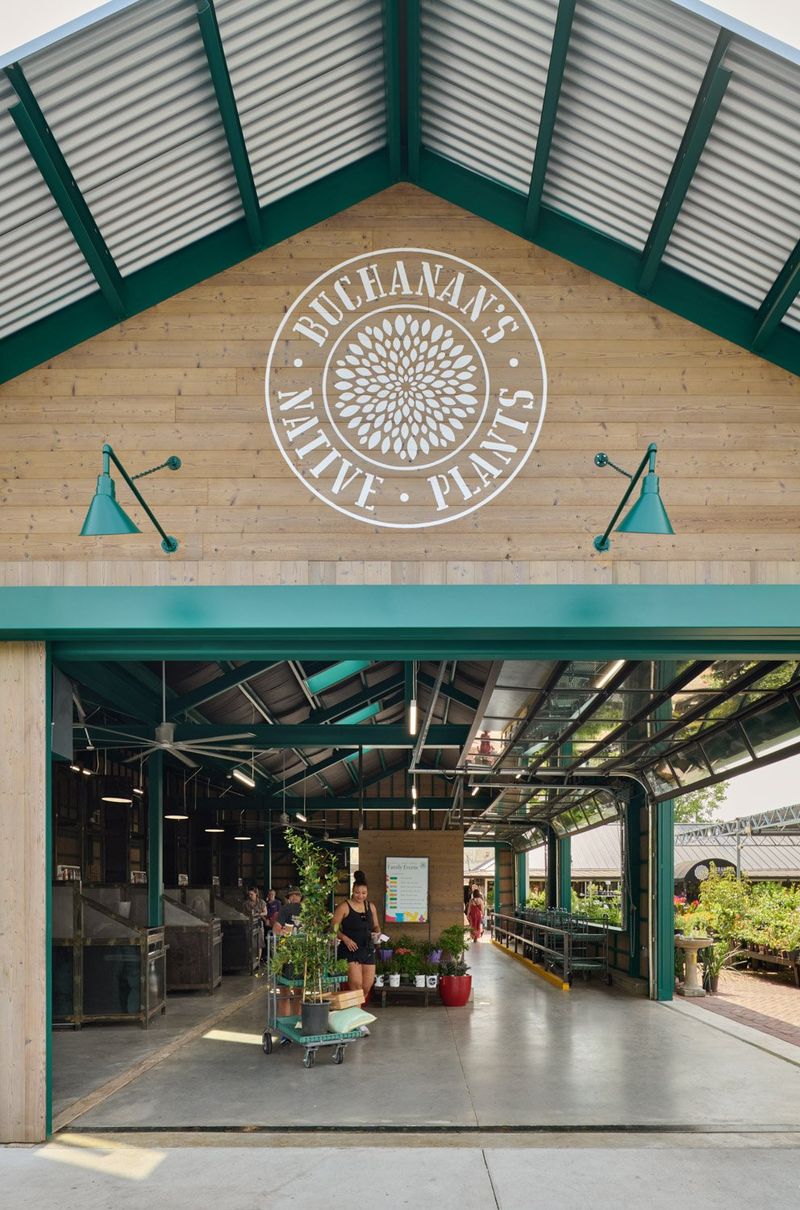
Gulf Coast gardening plays by different rules. Houston yards fight soggy clay, tropical rains, and hurricane winds, not just heat.
Buchanan’s, tucked into the Heights, has served Houston gardeners for years with natives that fit those conditions. Ask about possumhaw holly, which lights up winter with red berries for birds, and swamp red maple for wetter spots.
Coastal live oak and bald cypress are also worth discussing.
Here is a storm-season tip: deep-rooted natives may stand up to wind better than fast-growing exotics like Bradford pear. Plant in fall so roots have months to anchor before the next hurricane season.
9. Rainbow Gardens in San Antonio
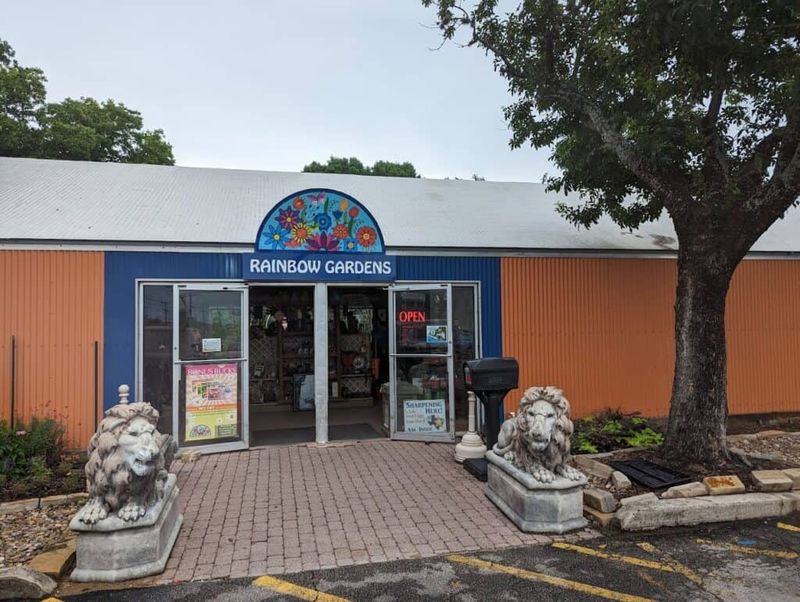
Picture a Texas mountain laurel in March, dripping with purple blooms that smell like grape soda. Rainbow Gardens is one of the San Antonio stops where you can often find this beloved native in good sizes.
With multiple locations, it is easier to reach than some rural nurseries. Selection is broad, so it works well for families who want both native trees and other yard supplies in one trip.
Look closely at tags and ask where trees were grown. Locally grown stock may adjust faster to South Texas soils.
Mountain laurel grows slowly, so buying a larger specimen can give you blooms sooner.
10. Texas Discovery Gardens Plant Sales in Dallas
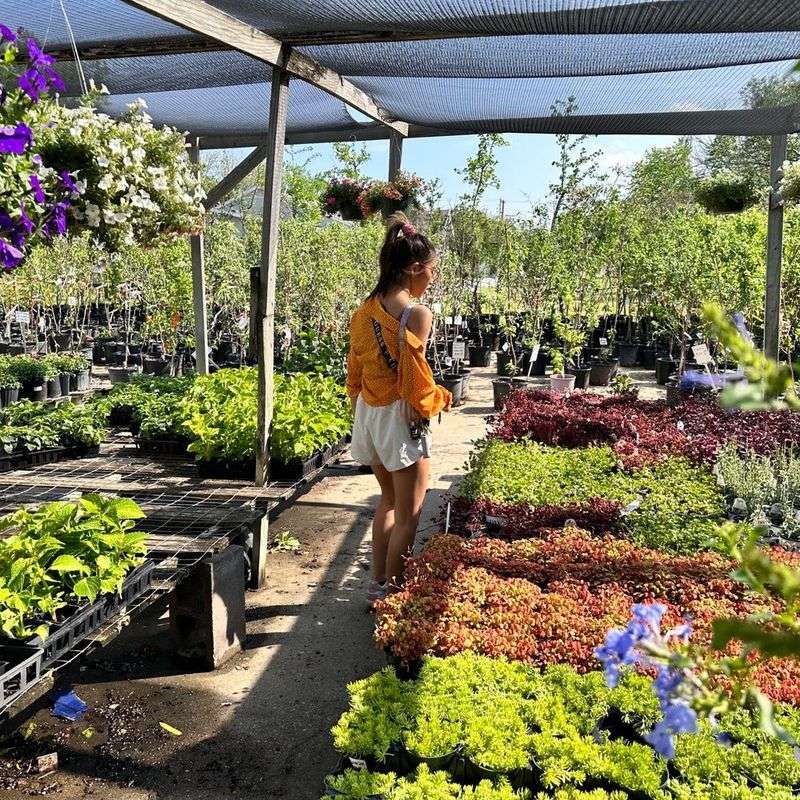
Monarchs, swallowtails, and hairstreaks all need host plants, and some of the best hosts are trees. Texas Discovery Gardens in Dallas’s Fair Park celebrates that link at its native plant sales.
The focus here is wildlife. You can find trees like hackberry, which feeds several butterfly caterpillars, and Mexican plum, an early nectar source for bees.
Volunteers often share which insects and birds each tree supports.
Sales usually happen in spring and fall, so check the calendar. Pair a new host tree with native flowers, and your yard can become a busy stop for pollinators all season long.