
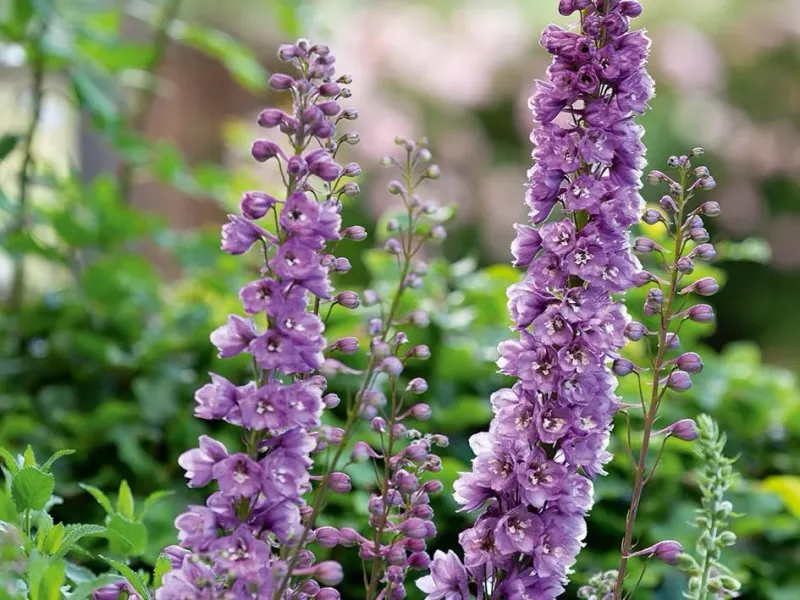
When your delphinium flowers start fading, it can feel like the garden season is winding down too early. The good news is that one simple pruning step taken right now can tidy the plant, remove old stalks, and possibly encourage a smaller second round of blooms before the season ends.
Getting that cut right matters more than most gardeners realize, and the details make a real difference in how the plant responds. Southern gardeners especially need to know what this action can and cannot deliver before the summer heat takes over.
Remove the spent flower spike first
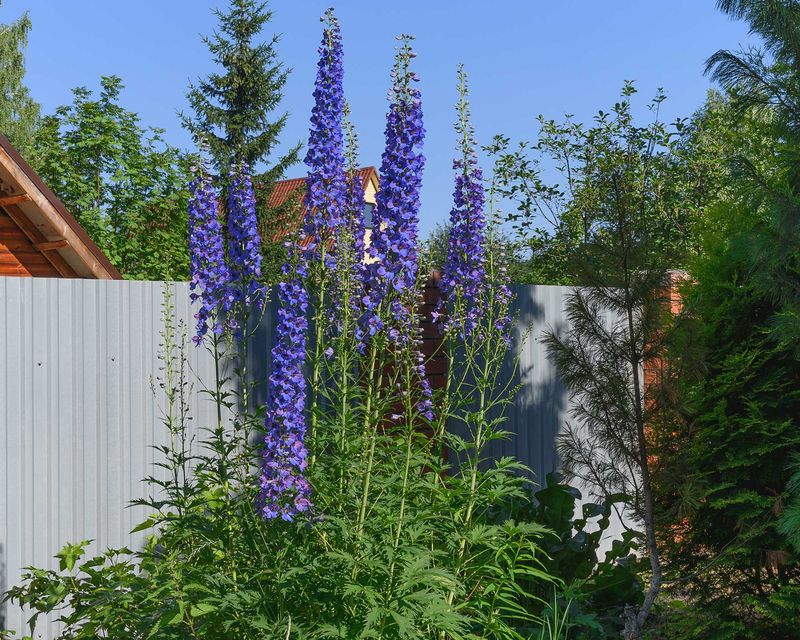
Once a delphinium’s flowers have clearly faded and the petals are gone, removing the finished flower spike is the right move. According to the RHS perennial delphinium growing guide, cutting away spent stalks tidies the plant, removes old unsightly material, and reduces the opportunity for seed production that the plant would otherwise spend energy on.
Removing the spike promptly may also support additional flowering growth. The plant no longer has to put resources toward a finished stalk, and that shift can nudge it toward producing new growth lower down.
Keep the recommendation narrow here: you are removing the flower stalk, not promising yourself a showstopping display next spring. Iowa State University Extension guidance on deadheading ornamentals confirms that removing faded blooms is a practical step for encouraging continued flowering, while acknowledging that outcomes depend on the plant and conditions.
The cut is worth making right now, but its benefits belong mostly to this season.
Make the cut at the right place
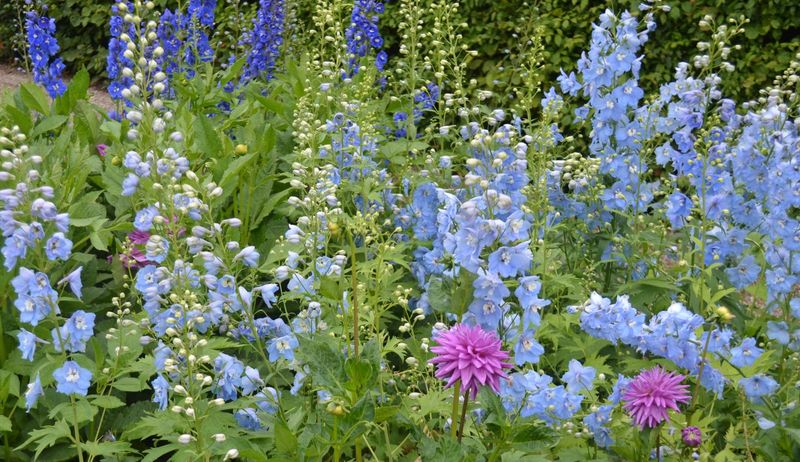
Timing and placement both matter when you cut. Wait until the flowers on the spike have fully faded rather than cutting while any buds still remain.
Then follow the flower stalk downward toward the base of the plant.
In most cases, you will cut the stalk just above the crown and the basal leaves that sit close to the ground. The RHS growing guide for perennial delphiniums explains that the stalk should come down to that basal level, leaving the low leafy rosette intact.
That cluster of foliage is doing real work for the plant even after the flowers are gone.
There is one important exception to the base-cut rule. If you can clearly see a healthy lower side shoot developing partway up the stalk, cut just above that shoot instead of all the way down to the crown.
Leaving an actively growing side shoot gives the plant a ready-made pathway for new flowering growth. If no side shoot is visible and healthy, go ahead and cut down to just above the basal leaves.
Avoid adding fertilizer at this stage unless your soil has already been tested and found deficient; the sources reviewed here do not support a universal fertilizer push immediately after cutting.
Leave healthy basal leaves in place
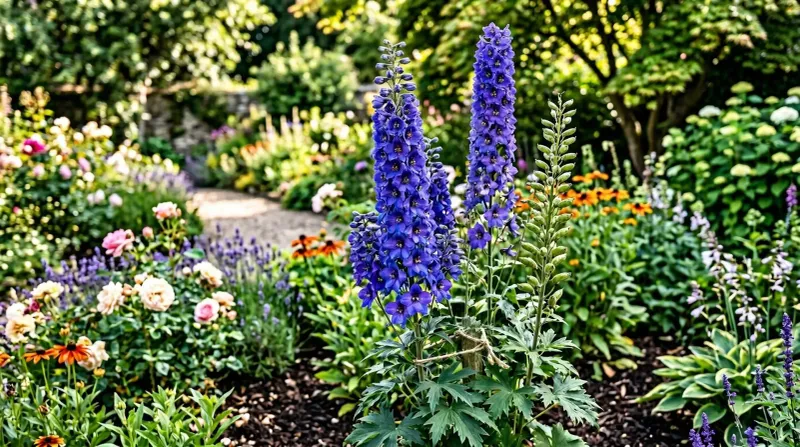
Deadheading a delphinium means removing the spent flower stalks, not stripping the whole plant down to bare soil. That distinction matters more than it might seem at first glance.
The basal foliage, the low leafy growth that stays close to the crown, keeps photosynthesizing and supporting the plant’s recovery after blooming. RHS guidance is clear that healthy basal leaves should remain in place after the flower stalks come off.
Routine leaf cleanup is a later task, not something to do immediately after the flowers fade.
For gardeners in climates where delphiniums behave as perennials, wait until the foliage naturally declines on its own or until after frost before tidying it away. Cutting it too early removes the plant’s ability to build energy reserves for the coming months.
The exception is foliage that is diseased or heavily damaged. Leaves showing signs of rot, blight, or severe mildew should come off sooner rather than later, but that is a response to a problem, not standard post-bloom cleanup.
Expect a possible second flush, not a promise
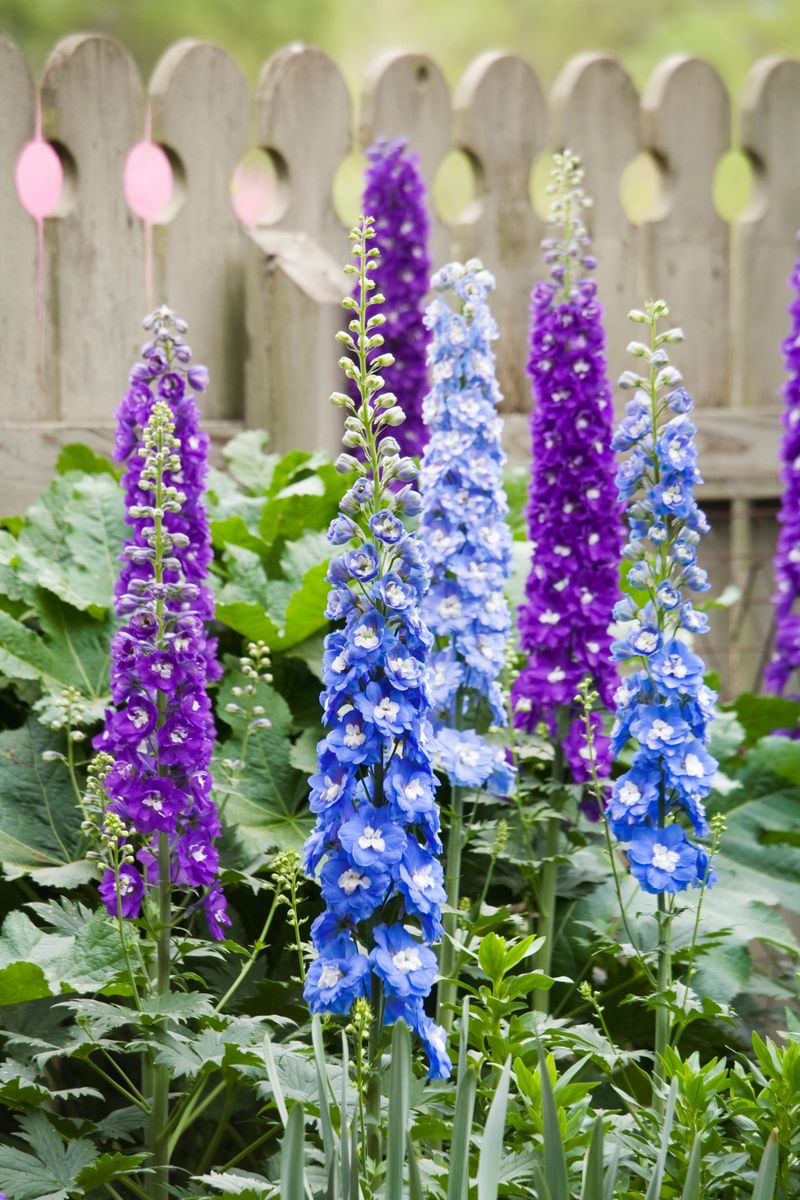
After the spent stalks come off, some delphiniums will put out a second round of blooms later in the same growing season. That follow-up flush is the most realistic near-term payoff from deadheading, and it is worth knowing what to expect from it.
Iowa State University Extension notes that delphiniums can produce additional flowers after the original stalks are cut back, and similar guidance appears from Washington State and North Carolina Extension programs. The language used across these sources is careful: delphiniums “can” or “may” rebloom, not that they always will.
The second display tends to be shorter and less full than the first. Stalks may not reach the same height, flower clusters may be smaller, and the overall effect is usually more modest.
Cultivar matters a great deal here. Some varieties are more reliably repeat-blooming than others, and Washington State University Extension guidance on herbaceous landscape plants cautions that only some perennials respond to cutting back with true rebloom.
Set your expectations around a pleasant bonus rather than a guaranteed repeat performance.
Deadheading cannot guarantee next year’s flowers
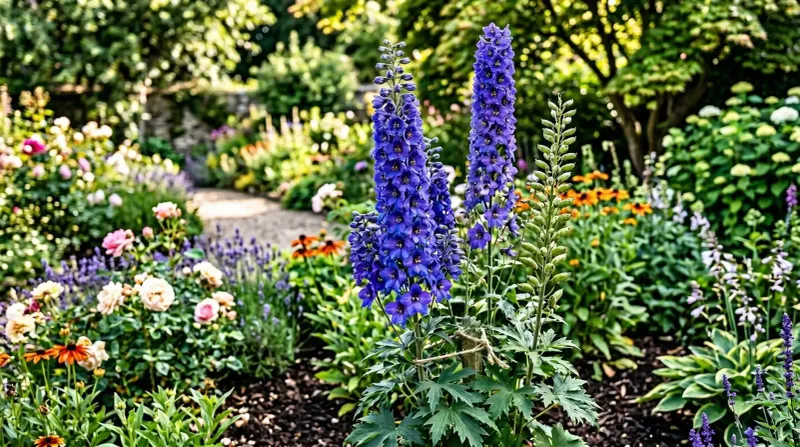
The original framing of this topic deserves a direct correction. Removing spent delphinium spikes is a useful action, but cutting those stalks alone does not guarantee a stronger display the following year.
That claim is too broad to hold up across different plants, climates, and growing conditions.
Penn State Extension’s guidance on pruning herbaceous plants supports post-bloom cutting for encouraging repeat flowering within the current season, while evidence that deadheading alone produces stronger delphinium blooms the following year remains limited. The factors that actually shape next year’s performance include cultivar, plant age, drainage quality, available moisture, soil fertility, disease pressure, and summer temperatures.
A delphinium that is aging, growing in poorly drained soil, fighting off crown rot, or baking through a hot Southern summer will not be rescued by a well-placed pruning cut. North Carolina Extension’s delphinium profile notes that these plants can be difficult to maintain in humid summer climates, underscoring how much site conditions outweigh any single management action.
The cut is still worth making for cleanup and the chance of same-season rebloom, just not as a tool for engineering a bigger show twelve months from now.
Cool conditions give delphiniums a better chance
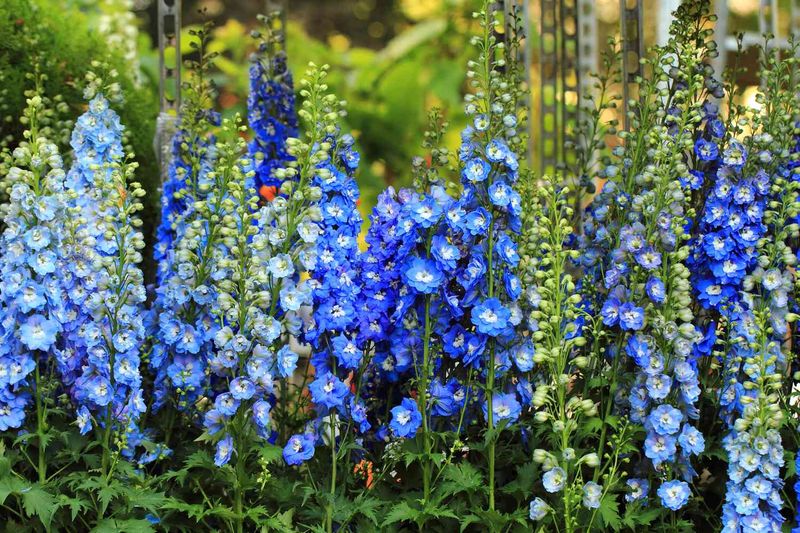
Delphiniums are cool-season performers. They put on their best show when temperatures are moderate and nights are still relatively cool, which is why the advice to deadhead for a second flush works more reliably in some parts of the country than others.
For Florida gardeners, the situation is particularly clear. UF/IFAS guidance on delphinium describes the plant as technically perennial but generally grown as a winter annual in Florida.
It blooms during cooler weather and fades as summer heat rises. Cutting the spent spikes of a Florida delphinium is still a reasonable tidying step, but it cannot promise a stronger second-year display when the plant is being grown on a seasonal basis and summer conditions make perennial survival unlikely.
Texas and other warm Southern locations require case-by-case judgment rather than a blanket rule. Local heat levels, humidity, drainage, air movement, and whether the specific cultivar suits the site all matter more than any general regional advice.
North Carolina Extension notes that delphiniums can be difficult south of USDA Zone 7 in humid summer climates. In hot sites, afternoon shade and excellent drainage may do more to support the plant than the pruning cut itself.
Realistic expectations about what delphiniums can tolerate in your specific location will serve you better than optimism based on cooler-climate results.
Support regrowth and respond to disease
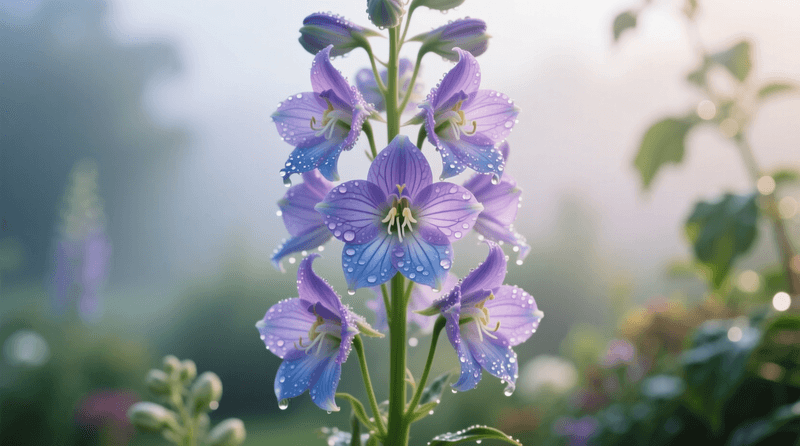
After removing the spent spikes, the plant needs consistent moisture to support any new growth that follows. Water at the base of the plant during active regrowth rather than using overhead irrigation, which can leave foliage wet and create conditions that favor disease.
Delphiniums are vulnerable to a range of problems including crown rot, stem rot, leaf spot, blight, and powdery mildew. North Carolina Extension’s plant profile highlights good drainage and adequate air circulation as important factors in keeping these problems in check.
Soil that stays persistently wet around the crown is one of the fastest ways to lose a delphinium regardless of how well you timed your pruning cut. Additional detail on specific fungal and bacterial problems appears in Penn State Extension’s delphinium disease resource, which covers the range of pathogens that can affect these plants.
When you spot diseased or badly damaged foliage, remove it rather than leaving it in the bed. Dispose of infected debris according to local guidance rather than composting it, since composting may not eliminate all pathogens.
Clean your pruning tools after working on any plant showing signs of disease. University of Minnesota Extension guidance on cleaning and disinfecting garden tools explains practical methods for reducing pathogen spread between plants.
Sanitation reduces risk but cannot eliminate every disease threat, so keep monitoring the plant through the rest of the season.
Prune with gloves and protect people and pets
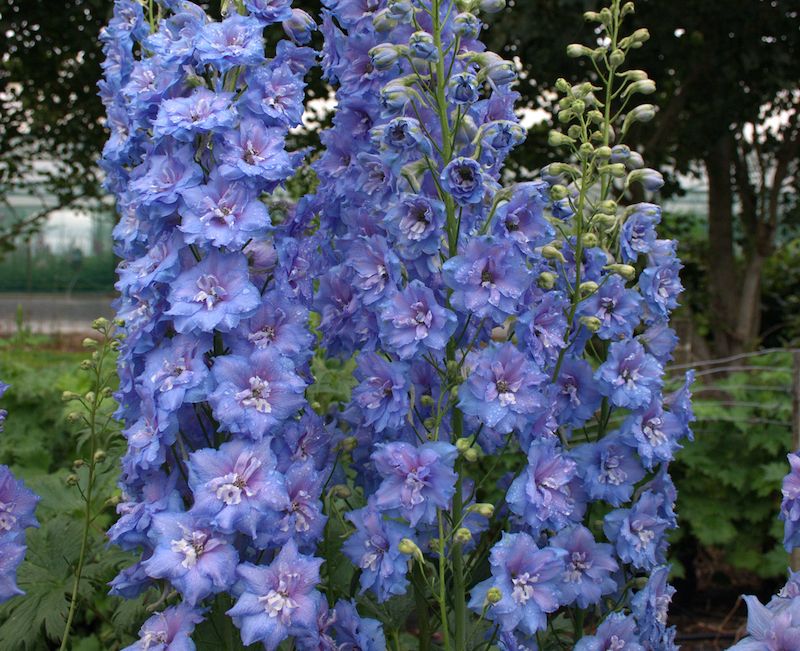
Gloves are not optional when you work with delphiniums. The foliage can irritate skin on contact, so bare hands are a poor choice even for a quick pruning session.
Keep a dedicated pair of garden gloves near wherever you store your pruning shears so the habit is easy to maintain.
Beyond skin irritation, all parts of the delphinium plant can be poisonous if eaten. The RHS notes the skin-irritation risk, and UF/IFAS confirms that delphinium contains toxic compounds that can cause serious illness or death in both people and animals if ingested.
The plant being ornamental does not make it safe to handle carelessly or leave within reach of children or pets.
After pruning, gather the clippings promptly and place them where children and pets cannot access them. Do not leave cut stalks or leaves on the ground in a play area or anywhere a curious dog or child might investigate.
Treat the debris with the same care you would give any toxic garden plant.
Use the cut as a reset, not a guarantee
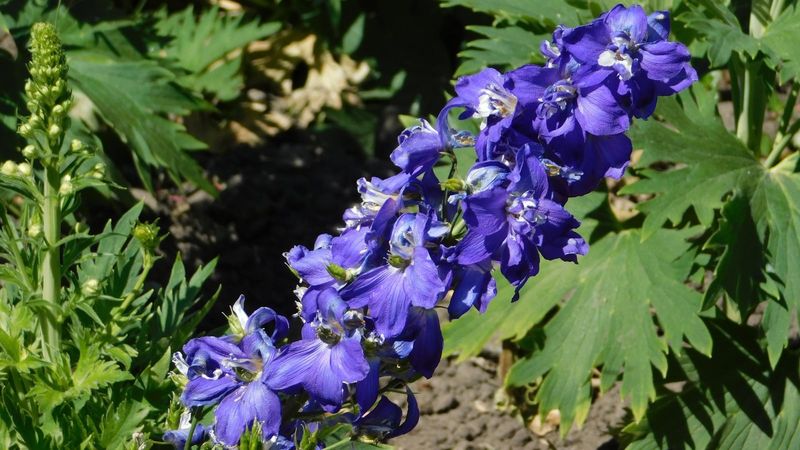
Removing faded spikes, preserving healthy basal leaves, providing steady moisture without waterlogging the soil, and pulling diseased material promptly are the practical steps that follow a delphinium’s first bloom. That sequence covers what the plant actually needs right now.
The most defensible benefit from that work is a possible smaller same-season rebloom, supported by RHS guidance and Penn State Extension. Next year’s result will depend far more on plant identity, overall health, drainage, and climate than on any single pruning decision made today.
UF/IFAS guidance is a useful reminder that some Southern sites simply may not support reliable perennial performance from delphiniums, and no amount of careful deadheading changes that underlying reality. The cut resets the plant for what comes next; what actually comes next is shaped by everything else the plant is living with.