

Okra shows up in nearly every North Carolina summer garden, and most folks assume it’s all about frying up those green pods. But plenty of gardeners across the Piedmont and coastal plain keep planting it year after year for reasons that have nothing to do with what ends up on the dinner plate.
From feeding pollinators to shading tender crops, okra earns its spot for surprising jobs. Here are the real reasons this tall, tough plant keeps coming back to NC backyards every single summer.
1. Its Flowers Feed Bees and Native Pollinators
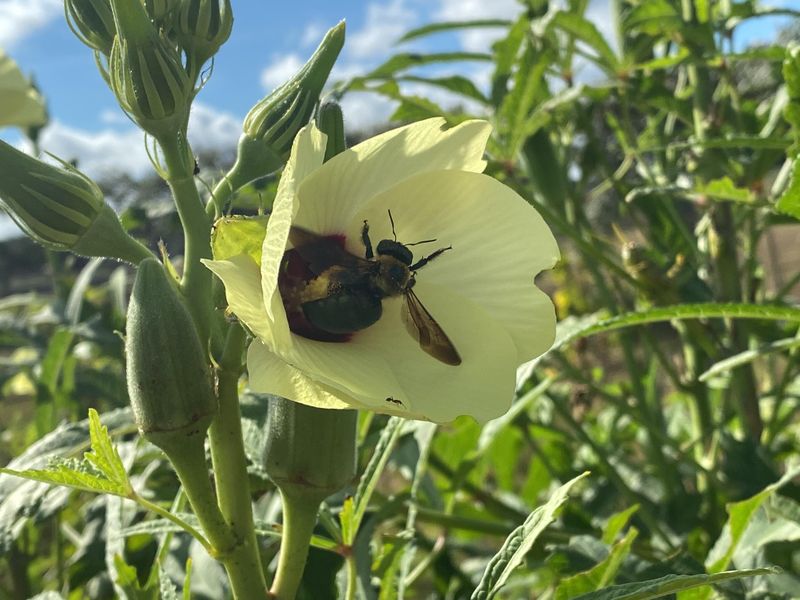
Long before you notice a single pod, okra puts on a quiet show that pollinators can’t resist. Each pale yellow bloom, marked with a deep maroon throat, opens for just a day and pours out nectar that draws bees, hoverflies, and even the occasional butterfly.
For NC homeowners trying to support native wildlife, a row of okra becomes a working buffet from midsummer straight through the first cool nights. Bumblebees especially love crawling into those wide blossoms.
Because okra flowers continuously, it fills the gap when spring blooms fade and fall flowers haven’t started yet. That steady supply may help keep your yard’s pollinator population fed during the hottest, hungriest stretch of the season.
2. It Acts as a Living Sunshade for Tender Crops
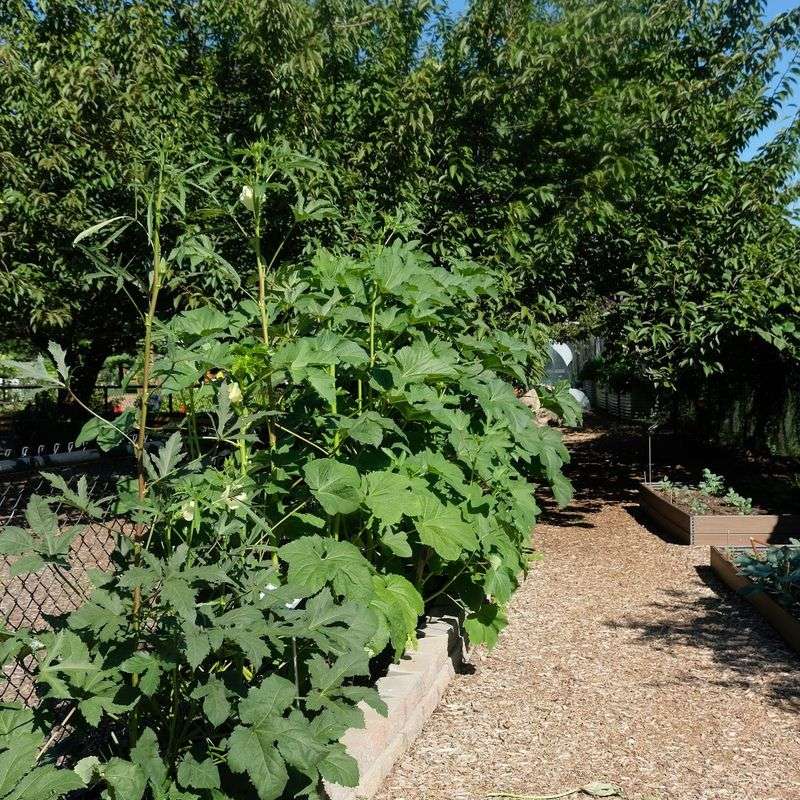
Some vegetables simply can’t take a full blast of North Carolina July sun, and that’s where okra quietly steps in. Growing four to six feet tall, it throws just enough afternoon shade to keep lettuce, cilantro, and young greens from bolting or scorching.
Gardeners plant a row on the west side of a bed specifically to protect the fussier crops behind it. The okra soaks up the punishing heat while your salad greens hang on a few weeks longer.
It’s a low-effort trick that saves you from rigging up shade cloth. One planting does double duty, working the same way a small tree would but on a schedule that matches your summer garden perfectly.
3. It Handles Heat and Drought When Everything Else Wilts
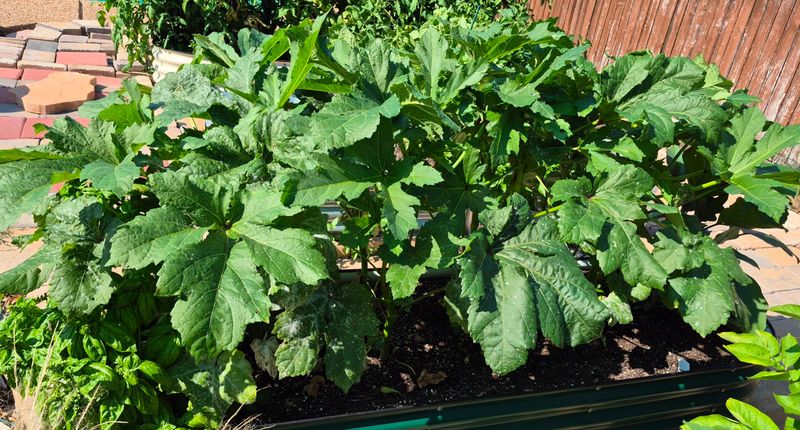
While tomatoes flop and beans give up in a heat wave, okra just keeps standing tall. This is a plant that actually thrives in the sticky, sweltering conditions that make most NC summers feel endless.
Its deep roots pull moisture from far below the surface, so it shrugs off dry spells that would flatten thirstier crops. For homeowners who don’t want to babysit a garden with the hose every evening, that toughness is a huge draw.
Planting something that stays green and upright through August gives the whole garden a backbone. Even if you never picked a pod, having a reliable survivor in the bed keeps the space looking alive.
4. Its Tall Stalks Create Instant Garden Structure
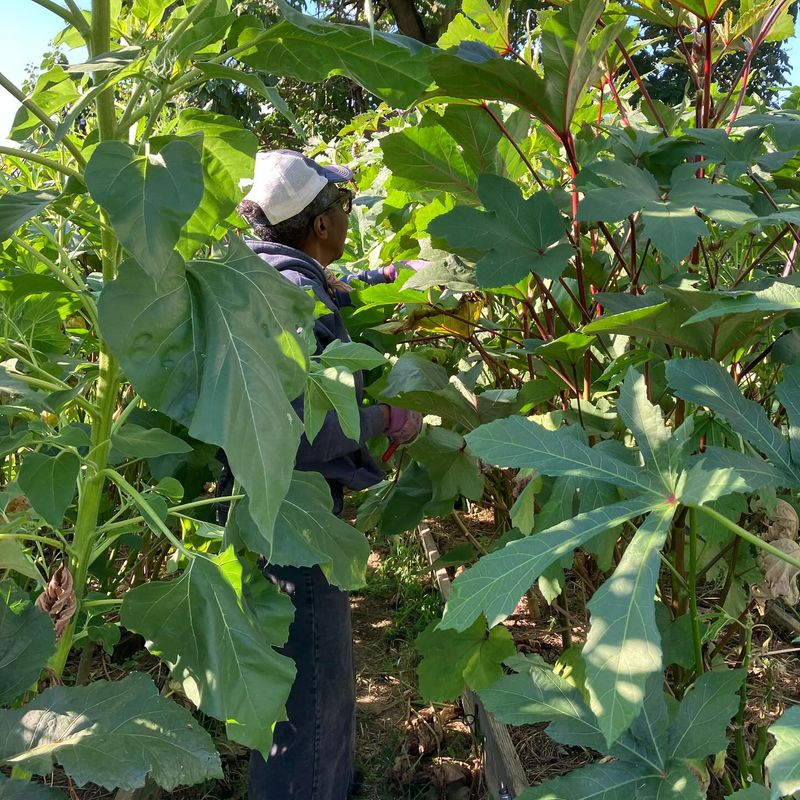
Think of okra as the garden’s answer to a privacy hedge you plant fresh each spring. Those sturdy, upright stalks with big lobed leaves add height and structure that a bed of low crops just can’t offer on its own.
Landscapers know that vertical layers make a space feel finished, and okra delivers that look without any expensive shrubs. A back row of it frames shorter plants and gives the eye something to follow.
By late summer, some varieties tower overhead and read almost like small trees. For a yard that needs a quick, temporary green wall, few edible plants pull it off this easily.
5. The Pods Turn Into Free Fall Decorations
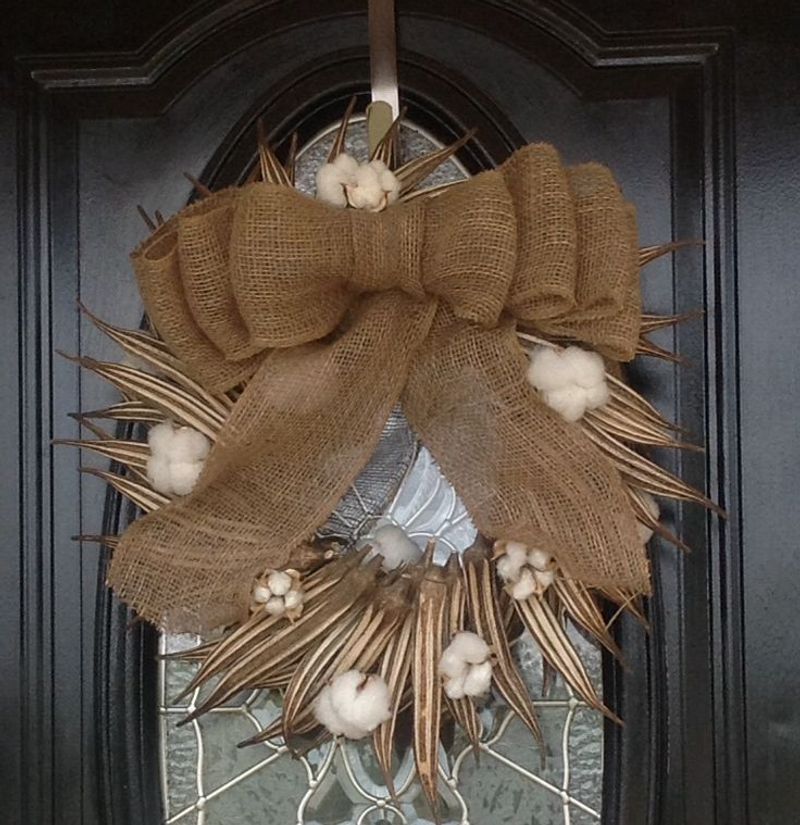
Leave a few pods on the plant past their eating stage and something magical happens. They dry into hard, woody brown pods that folks across NC snip for wreaths, dried arrangements, and rustic fall decor.
Crafters prize those pods because they hold their shape for years and take paint or glitter beautifully. A single plant left to mature can supply a whole autumn’s worth of decorating material.
So while your neighbor buys pods at a craft store, you can grow your own for nothing. It’s the kind of thrifty, hands-on payoff that makes okra worth the space even after the kitchen harvest ends.
6. It Loosens and Improves Heavy Clay Soil
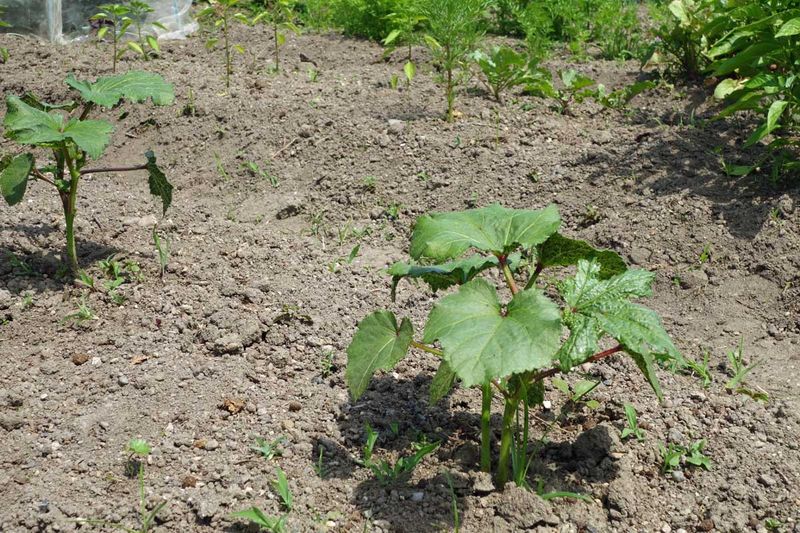
Anyone who has fought North Carolina’s stubborn red clay knows how hard it is to work. Okra’s deep taproot pushes down through that dense soil, breaking up compaction and opening tiny channels for water and air.
When the season ends, chopping the roots and leaving them to rot adds organic matter right where it’s needed. Over a few years, that steady action can leave a bed noticeably crumblier and easier to plant.
Gardeners who rotate okra through tough spots use it almost like a natural tiller. It quietly does the heavy lifting underground while you enjoy everything happening above the surface.
7. It Draws Beneficial Insects That Fight Pests
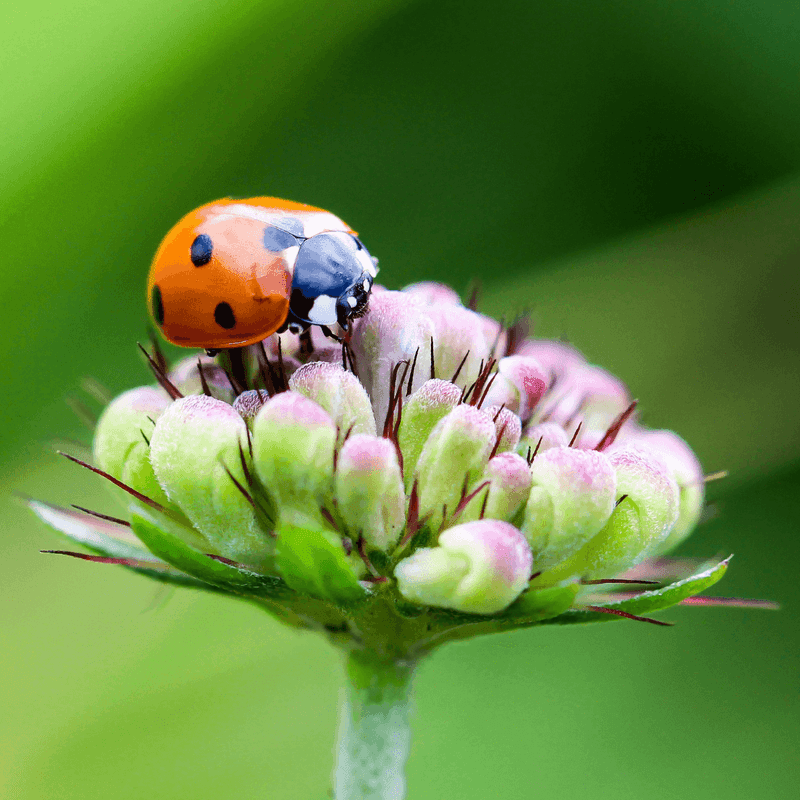
Here’s a bonus most people overlook: okra can serve as a home base for the good bugs. Its leaves and stems attract ladybugs, lacewings, and parasitic wasps that hunt down aphids and other troublemakers.
By hosting these helpers, okra may support a healthier balance across the whole garden, cutting down on the pests that chew through your other crops. That means fewer reasons to reach for a spray bottle.
For NC families who want a yard that protects itself naturally, that ripple effect matters. Planting okra becomes one small move toward a garden where beneficial insects do the patrolling for you.
8. It Keeps a Family Tradition Alive

For a lot of North Carolina gardeners, dropping okra seeds in the ground is less about food and more about memory. Grandparents grew it, parents grew it, and planting a row each June keeps that thread stretching across generations.
There’s something grounding about tending the same crop your family always has. Kids learning to poke seeds into warm soil are picking up a story that started long before they did.
Even folks who don’t love eating okra plant it just to feel that connection. In that sense, the plant carries a kind of value no grocery store could ever put on a shelf.
9. It Provides Late-Season Seeds for Birds
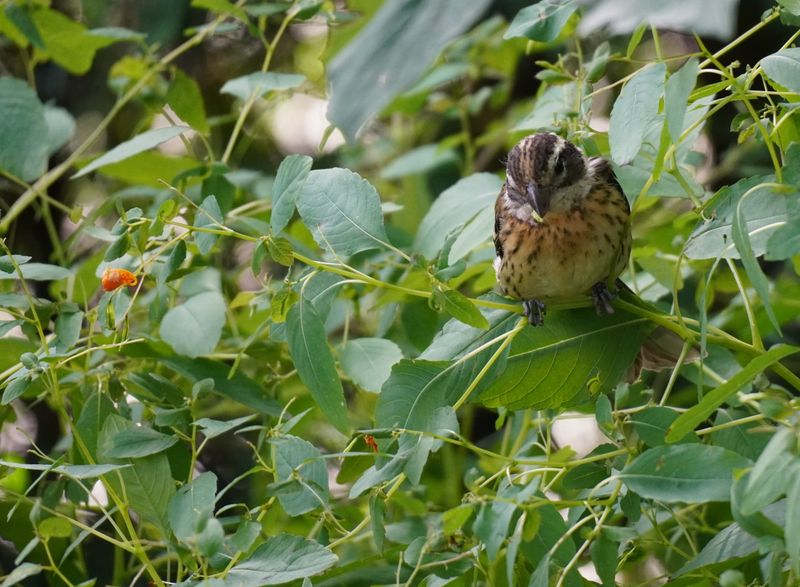
When you let those final pods dry out and crack open, the seeds inside become a snack for hungry backyard birds. Cardinals, finches, and other NC songbirds will pick through split pods once easier food gets scarce in fall.
Leaving a few plants standing through the cooler months turns your garden into a tiny feeding station. It’s a simple way to support native wildlife without buying a single bag of seed.
Gardeners who care about doing right by the land love this quiet handoff. The okra fed you all summer, and now it feeds the birds, closing out the season with one last useful job.