
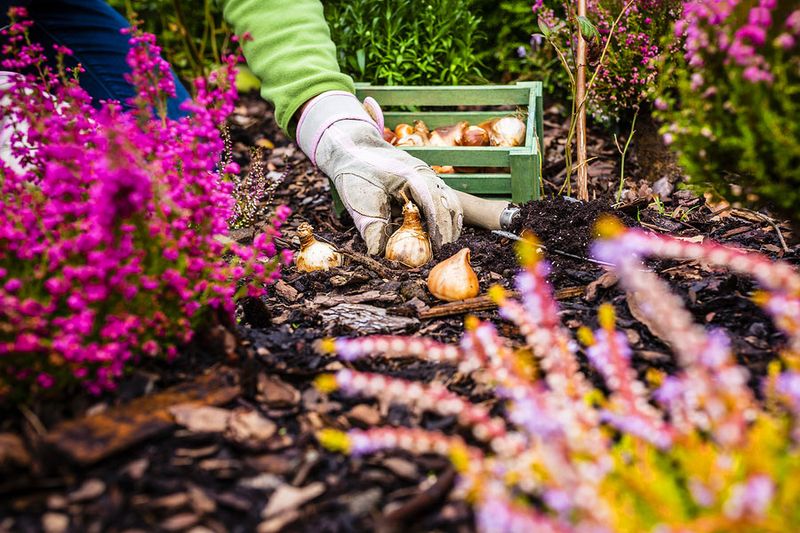
Fall color in a Southern garden does not happen by accident, and the window to plan it is genuinely short. The tricky part is that “plant everything now” is not the right advice for every flower on your list.
Some cool-season plants will struggle if you rush them in while the soil is still hot, while others need to go in soon so roots have time to settle before cold weather arrives. Knowing which category each plant falls into is what separates a bed full of color from a bed full of regret.
Plan fall color now without treating the deadline as universal
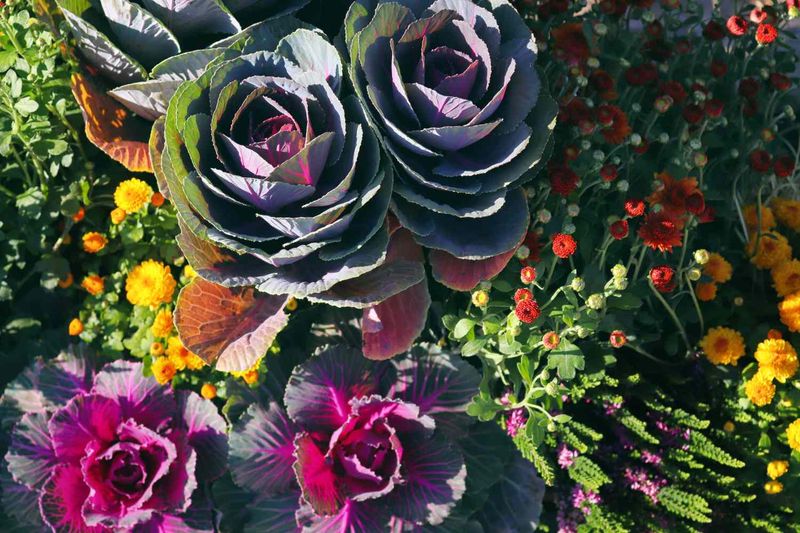
Urgency is real, but it has limits. The fall-color window matters most for cool-season annuals like pansies, violas, snapdragons, dianthus, calendula, ornamental kale, and flowering cabbage.
These plants need enough time after the heat eases to develop strong root systems before cold weather settles in, and planting too late can leave them small and poorly established when you need them most.
What the urgency does not mean is that every fall flower must go into the ground this week, regardless of where you live or what you are planting. Texas A&M AgriLife Extension guidance on seasonal color places fall annual planting generally in late September through October as temperatures cool, not in the peak of summer heat.
Rushing heat-sensitive cool-season plants into warm soil can cause them to stretch, look leggy, or simply stall until conditions improve.
The smarter move right now is to make your plant selections, check local nursery availability, and identify your planting windows by crop and location. University of Georgia Extension’s pansy guide specifically warns that early planting in warm conditions can produce stretched, weak plants.
Meanwhile, UF/IFAS research on snapdragons in Florida shows that high temperatures in early fall can stunt plants and limit blooming entirely. Plan now, but let the crop and your local thermometer control the planting date.
Match cool-season plants to the cooling window
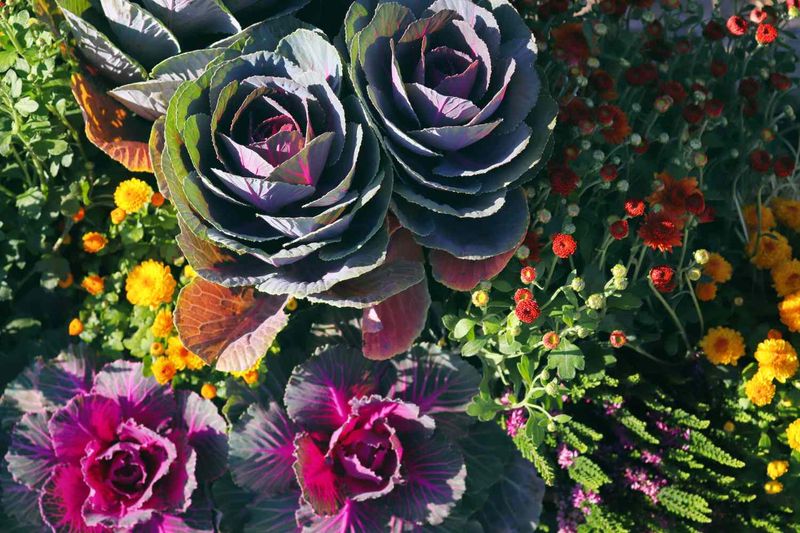
Not every plant at the garden center right now belongs in your fall bed at the same time. Pansies, violas, snapdragons, dianthus, and calendula are all cool-season performers that thrive once summer heat backs off.
Ornamental kale and flowering cabbage belong in this group too, though their real contribution is richly colored foliage rather than blooms. Grouping them together mentally helps you schedule purchases and installations around the same cooling trend.
The plants you want to clear out before this group goes in are the warm-season holdovers: marigolds, vinca, celosia, and gomphrena. Mississippi State University Extension’s guide to cool-season bedding plants draws a clear line between these two categories, and crossing it by planting cool-season flowers before warm-season ones have finished can crowd beds and create confusing results.
Pull the summer plants when they start declining, amend the bed if needed, and then bring in the cool-season replacements.
For pansies specifically, the University of Georgia documents a preferred soil-temperature range of approximately 45 to 65 degrees Fahrenheit for healthy growth. That guidance is pansy-specific, not a universal rule for every cool-season crop.
Snapdragons, dianthus, and calendula each have their own temperature preferences and tolerance ranges. Use the pansy range as a useful reference point for one plant, and check crop-by-crop when making decisions for the rest of your fall lineup.
Adjust planting windows across Texas, Georgia, Mississippi, and Florida
The South is not one gardening climate, and treating it as one is how gardeners end up with stressed plants or missed seasons. Texas alone spans enough geography and climate variation that Texas A&M AgriLife Extension recommends county-level guidance rather than a single statewide date.
North Texas gardeners generally begin planting pansies and dianthus when temperatures start cooling in late September, while Central and South Texas may need to wait longer as heat lingers further into the season.
Georgia follows a clearly tiered schedule based on region. University of Georgia Extension’s pansy planting windows run from September 15 through October 1 in North Georgia, October 1 through 15 in Middle Georgia, and October 15 through November 1 in South Georgia.
Planting earlier than recommended in Georgia’s warmer zones tends to produce leggy, stretched plants that never develop the compact, floriferous habit gardeners want.
Mississippi gardeners can look forward to a productive fall-through-winter season for pansies and snapdragons, with some blooms appearing in fall and stronger displays often developing as temperatures stabilize. Mississippi State University Extension confirms that these plants can deliver color across multiple seasons when timed well.
Florida operates on its own schedule entirely. UF/IFAS research on snapdragons shows that high temperatures in late spring, summer, and early fall can stunt plants and prevent blooming, making late fall through early spring the productive window for most of the state.
Central Florida container flower trials classify pansies and snapdragons as fall-through-early-spring choices, not candidates for an August installation.
Choose mums when you need color immediately
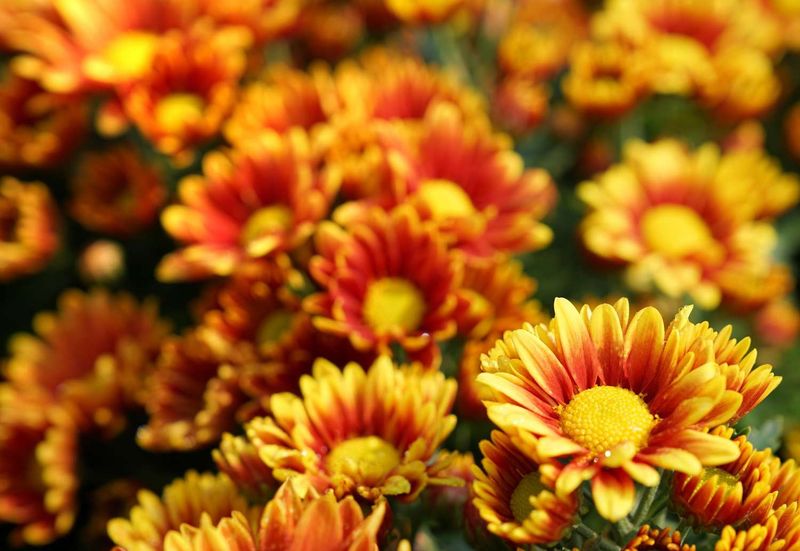
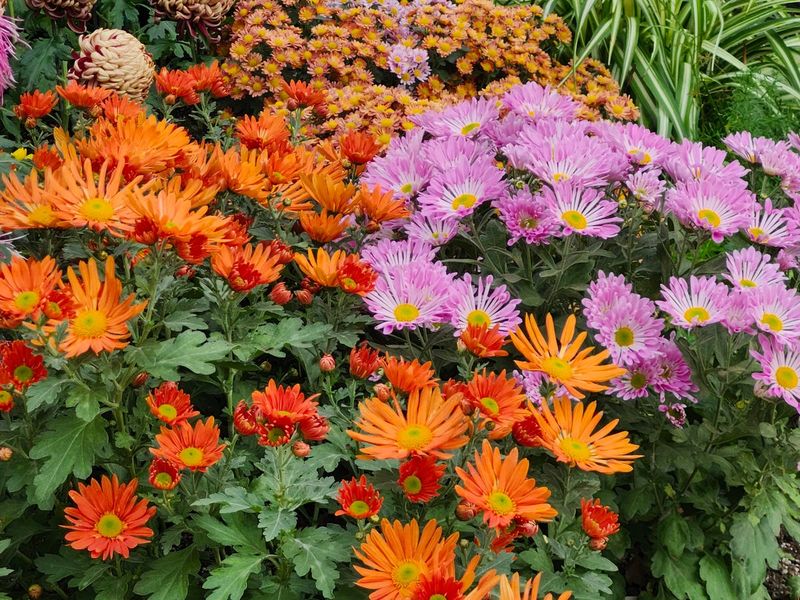
Mums solve a different problem than newly planted bedding plants. Garden centers sell them already budded or in full bloom, which means you can carry one home today and have a finished-looking fall display by tomorrow.
That immediacy is the main reason they dominate porch steps and entry beds every September and October across the South.
Getting the longest possible show from a mum starts at the point of purchase. Mississippi State University Extension’s guidance on fall mums recommends choosing plants that have many tight buds with only a few open flowers, giving you more blooming time ahead rather than behind.
Full sun and well-drained soil are non-negotiable: at least six hours of direct sun daily keeps plants performing. Additional MSU guidance emphasizes consistent moisture, especially during warm spells, since water stress can slow or stop flowering quickly.
The harder conversation is about what happens after fall. University of Illinois Extension’s perennial mum guide explains that spring planting generally gives mums more time to develop roots before winter, improving their odds of coming back.
A fall-planted, already-blooming mum may survive, but it is less reliable as a perennial than one established earlier in the year.
One more factor worth knowing: mums are short-day plants, meaning shortening nights trigger flowering. University of Illinois Extension’s mum care article notes that nearby porch lights, streetlights, or other night lighting can interfere with flower initiation in some cultivars, though the effect depends on light intensity, duration, and the specific plant.
Plant and water for dependable establishment
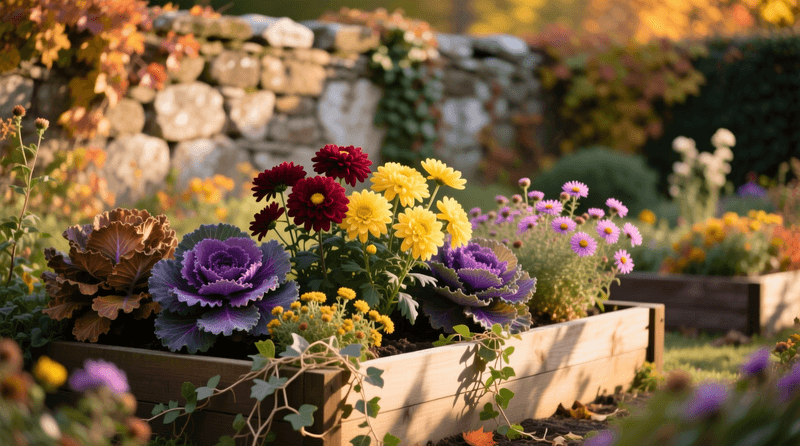
Good establishment comes down to a short list of basics done consistently. Before anything goes in the ground, match each plant to its actual sun exposure, drainage situation, and current outdoor temperatures.
A snapdragon that needs full sun will struggle in a partly shaded spot no matter how well you water it, and a pansy planted in soggy soil is already fighting an uphill battle.
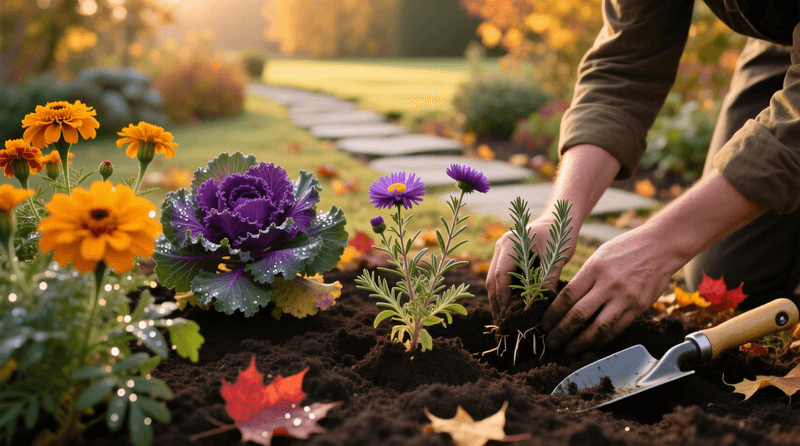
Set each transplant at the same depth it was growing in its nursery container. Planting too deep can rot stems; planting too shallow exposes roots.
Texas A&M AgriLife Extension’s seasonal color guidance and UGA’s pansy establishment recommendations both support thorough watering at planting time, followed by consistent moisture while roots are spreading into surrounding soil. Avoid letting the root zone dry out completely, but also avoid keeping it waterlogged.
Where drainage is a persistent problem, raised beds or containers can make a real difference. MSU Extension’s mum care advice applies broadly here: well-drained conditions protect roots from rot during heavy fall rains that are common across the South.
For visual impact, grouping plants in masses of five or more of the same variety generally creates a stronger effect than scattering single plants across a wide bed. Skip universal fertilizer and deadheading promises: those decisions depend on the specific plant, the cultivar, and what your bed actually needs.
Give fall-sown plants time to bloom on their own schedule
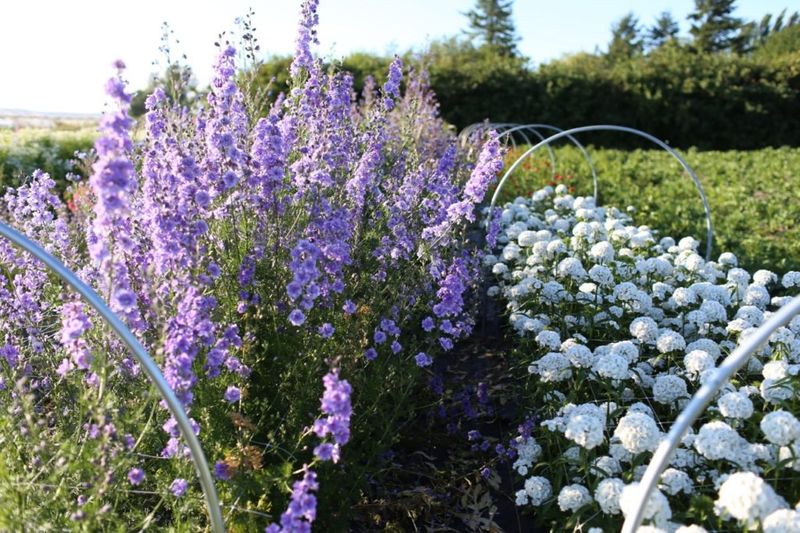
Seed-started plants operate on a completely different timeline from the transplants at your local nursery, and mixing them up leads to mismatched expectations. Calendula, larkspur, poppies, and certain wildflowers are often direct-seeded into beds in fall across the South, where they germinate, establish slowly through the cooler months, and then bloom in winter or spring rather than in October.
That later payoff is the point, not a shortcoming.
For gardeners who want to start their own transplants from seed, timing matters precisely. University of Georgia Extension’s seed-starting guide advises beginning transplants six to eight weeks before the planned outdoor installation date, which means the math needs to work backward from your local frost window and target planting date.
Pansies and snapdragons can be started from seed, but most Southern gardeners find nursery transplants more practical for fall installation.
Wildflowers add another layer of nuance. Many need direct seed-to-soil contact to germinate properly, and some native species benefit from winter cold stratification before they will sprout reliably.
UGA Extension’s fall pollinator planting guidance supports fall seeding of regionally appropriate natives as a sound strategy for future seasons.
Asters and goldenrods belong in a separate category entirely. Pollinator Partnership’s late-season lifelines resource highlights these natives as valuable fall nectar and pollen sources, but newly planted specimens may not put on a substantial display until they are well established.
UGA Extension’s fall gardening resource collection treats them as longer-term investments rather than quick seasonal color.
Use frost information and crop tolerance to make the final call
Local frost information is the most useful scheduling tool most Southern gardeners never actually use. Average first-frost and first-freeze dates give you a concrete endpoint to work backward from, helping you figure out how much establishment time each plant realistically has before cold weather arrives.
National Weather Service data for North and Central Georgia shows average first freeze dates ranging from mid-October to mid-November depending on location, which means the planting window can vary by weeks within a single state.
In Florida, the contrast is even sharper. National Weather Service South Florida climate information places the average first freeze in South Florida generally in late December, giving gardeners a much longer warm-season runway before cool-season plants become appropriate.
Florida Panhandle gardeners, by contrast, can expect first frost in early to mid-November, much closer to the Georgia experience.
Cold tolerance also varies by species. Pansies and ornamental brassicas generally handle light freezes better than many tender annuals, but no “cool-season” label guarantees survival through every freeze event, particularly when wet soil, wind, or an unusually hard cold snap is involved.
Planting after a first frost is not automatically a failure: outcomes depend on species, plant size, local temperatures after planting, and whether the plant is being used for immediate decoration or long-term growth. The 2023 USDA Plant Hardiness Zone Map helps assess perennial winter survival, but it does not replace local frost dates or real-time weather when you are deciding whether this week is the right week to plant.
Use all of these tools together rather than relying on any single one.
Make the timing decision that fits your garden
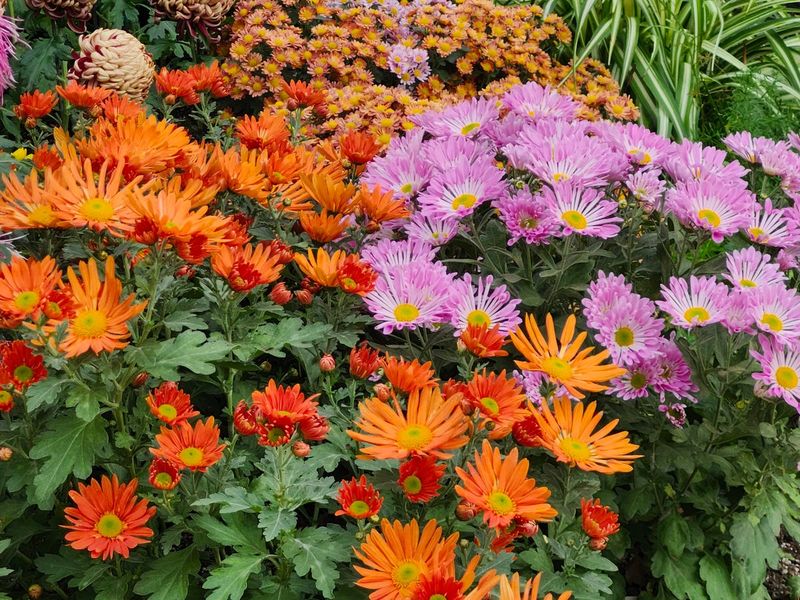
Four categories, four timing strategies. When local heat is easing and soil conditions are right, cool-season bedding plants like pansies, dianthus, snapdragons, and ornamental brassicas are your best bet for fall and winter color with a good establishment window ahead of them.
Texas A&M AgriLife Extension and UF/IFAS snapdragon research both reinforce that timing these plants to actual temperature conditions beats following a fixed calendar.
When the priority is a finished-looking display right now, budded mums are the practical answer. MSU Extension confirms they deliver immediate impact that newly planted seedlings simply cannot match.
For gardeners willing to wait, fall-sown annuals and fall-planted native perennials like asters build toward a stronger winter or spring display while also supporting pollinators through a season when other food sources are scarce.
Plan now, but plant on the crop’s terms. The calendar is just a starting point.