
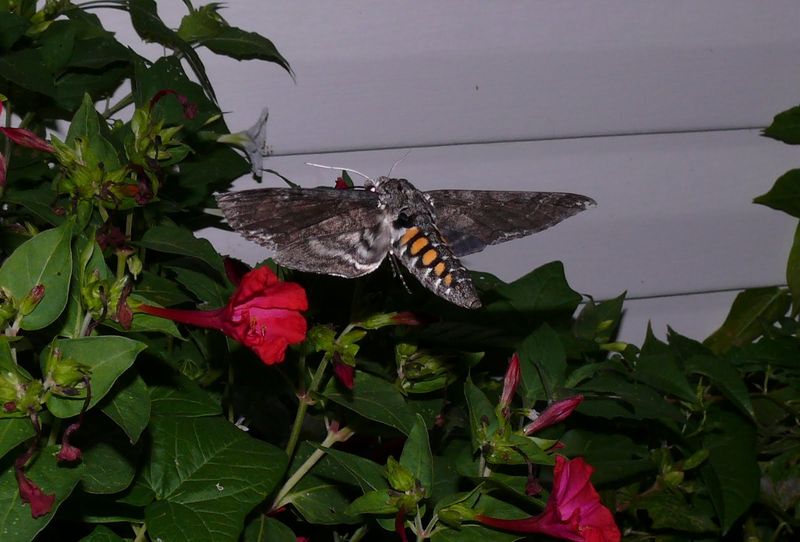
Picture a small, fast visitor hovering at a flower just as the light fades. Many North Carolina gardeners spot one and wonder what it is and why it came.
Sphinx moths do visit yards, but when they show up depends on the species. Knowing what a sighting can and cannot tell you helps you make small yard changes that actually help nighttime pollinators.
Sphinx moths do not all arrive at dusk
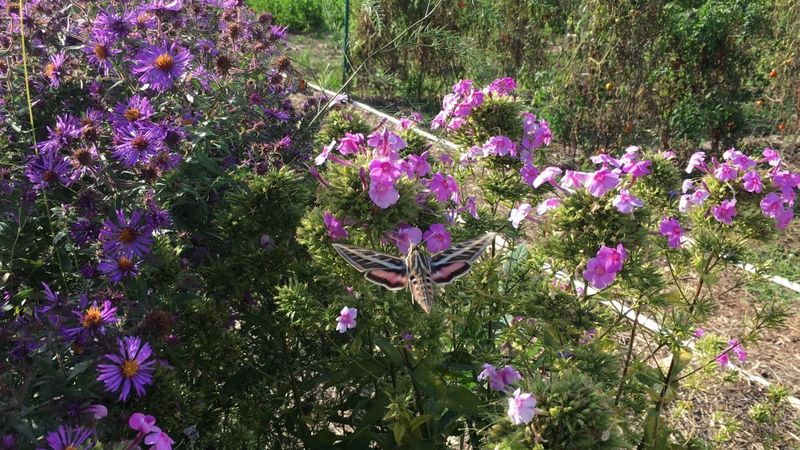
A moth hovering over your flowers at sunset is a real sight, and it may well be a sphinx moth. Still, dusk is not a universal schedule.
Some sphinx moths fly at dusk or dawn, others are active later at night, and some fly by day, according to the Missouri Department of Conservation.
North Carolina examples show the range. NC State Extension says rustic sphinx moths usually fly well after dusk, so a gardener watching at sunset could easily miss them.
In its banded sphinx account, NC State says adults sip nectar in the evening and at night. Keep in mind that NC State notes both of those pages have not been peer reviewed, so the details apply to those species, not to every sphinx moth.
Then there is the nickname problem. “Hummingbird moth” is a popular label for sphinx moths that are big, quick, and hover like a bird. It is not a precise species identification, and several different moths can fit that description.
A dusk sighting is a nice clue, but it does not mean the same moth, or any moth, returns to your yard on a regular schedule. Treat each sighting as a single observation, and note the time, the place, and the flower.
Sphinx moths can carry pollen while feeding
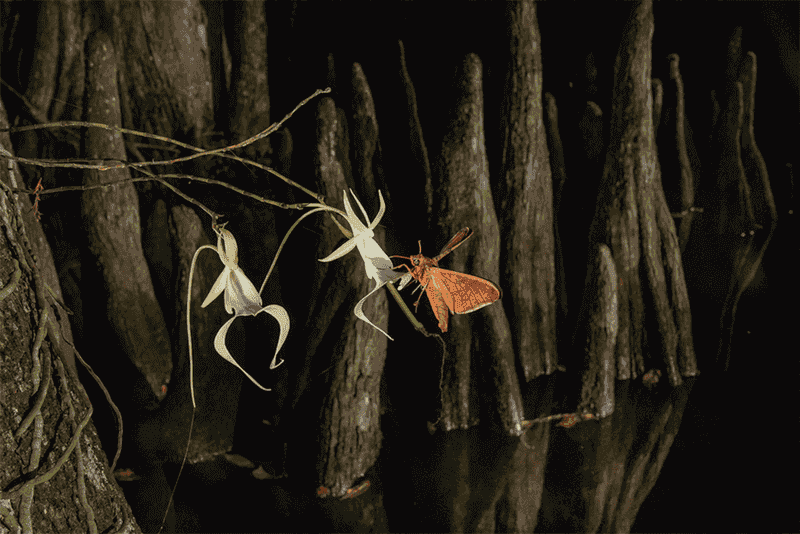
Adult sphinx moths of many species drink nectar through a long, tube-like proboscis. As they feed, pollen can rub off on their bodies and travel to other blooms, as UF/IFAS Extension describes.
That makes them genuine nighttime pollinators, though not every visit moves pollen.
Their flight style is why gardeners notice them. Many sphinx moths hover in front of a flower while feeding, which is the behavior behind the hummingbird comparison, as Missouri’s conservation field guide notes.
Hovering near a bloom is easy to spot even in fading light.
Here is the catch. A moth at a flower tells you it visited.
Hovering or simply being there does not prove it drank nectar. You can say it fed when you see the proboscis uncoiled and reaching into the bloom.
A flashlight with a red filter or a phone video can help you check without bothering the moth.
Also keep in mind that species differ in which flowers they use. A moth that works one plant in your yard may ignore another, so one neighbor’s experience may not match yours.
What one flower visit can—and cannot—tell you
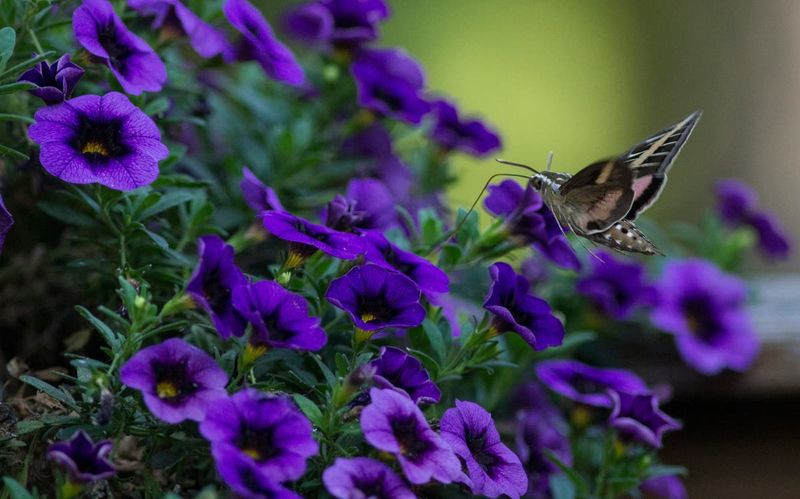
Say you spot a moth at your flowers one evening. What you can honestly say is that the moth visited that bloom.
That is useful, and it shows the plant is part of the moth’s night.
What you cannot say from one look is just as important. You cannot say it drank nectar unless you saw it drinking.
You cannot say pollen reached a receptive flower, that the bloom will set seed or fruit, or that the moth prefers that plant over others. UF/IFAS describes pollen transfer during feeding in general terms, not as something a single sighting confirms.
So how do you read a sighting well? Jot down the date, the time, the weather, the plant, and what the moth was doing.
Was it hovering, landing, or reaching in with its proboscis? A few notes over a season show patterns that a single glimpse cannot.
This habit keeps your conclusions honest and makes your yard a better learning space. Your notes can show which blooms get visits and when, without claiming more than you saw.
Common evening primrose offers a documented local example
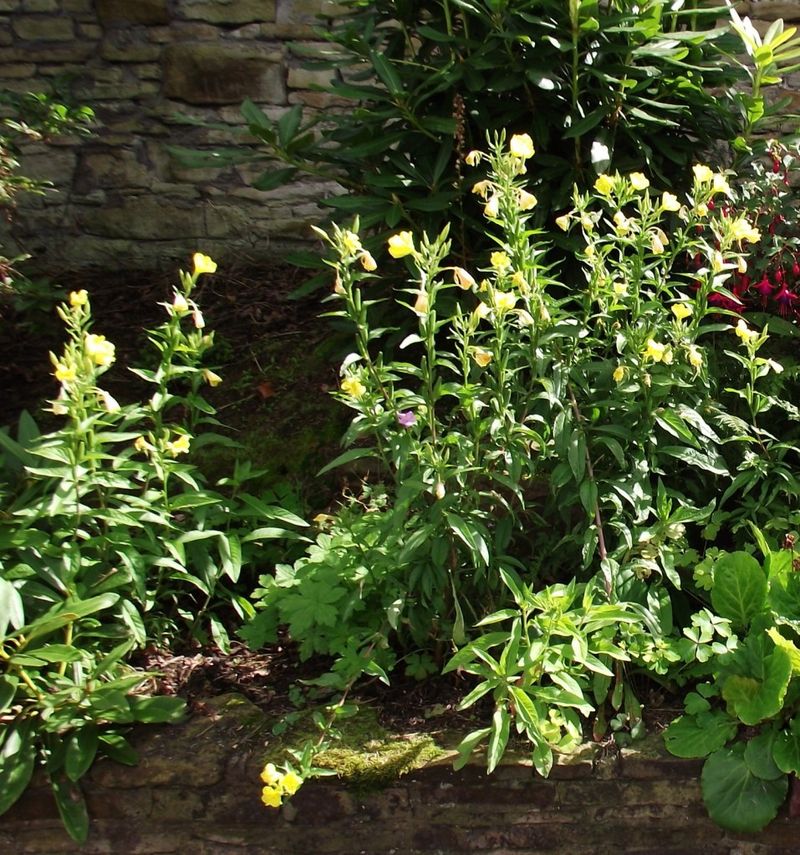
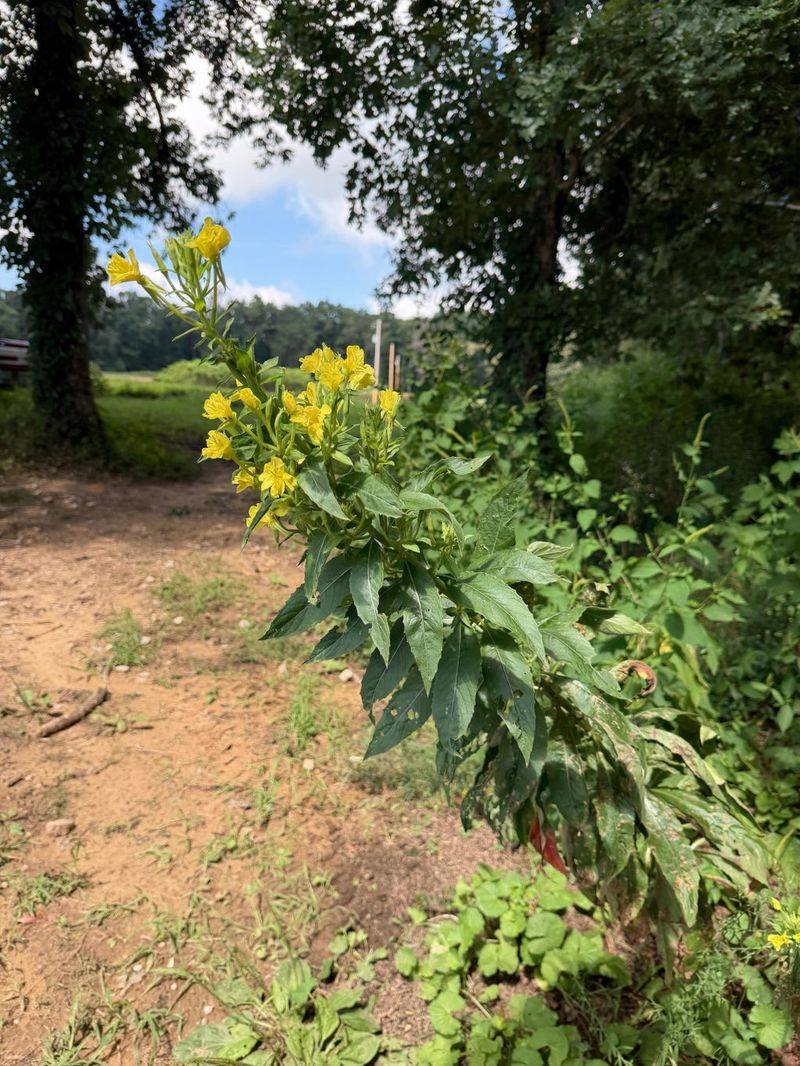
If you want one North Carolina plant to try, common evening primrose (Oenothera biennis) is well documented. According to the NC State Extension Gardener Plant Toolbox, its flowers open at dusk, carry a mild lemon fragrance, and are visited by night-flying moths.
It grows across the Coastal Plain, Piedmont, and Mountains, so it fits yards in every part of the state.
Go in with realistic expectations. This is a tall biennial, listed at roughly 5 to 7 feet, and it readily self-seeds.
In a tidy bed it can become somewhat weedy, so give it a back corner, a meadow edge, or a wild patch where seedlings are welcome.
As a biennial, it grows as a leafy rosette the first year and sends up flower stalks the second. Letting some seedlings come up each year helps you keep blooms going.
Pull extras early if they pop up where you do not want them.
It is also not a moth-only plant. NC State notes bees fertilize its flowers in the morning before they close.
That makes it a good all-day resource, but it also means a bee on the bloom says nothing about moths, and the reverse is true too.
It is one useful example, not a guaranteed sphinx moth magnet.
Choose nighttime forage without expecting a guarantee
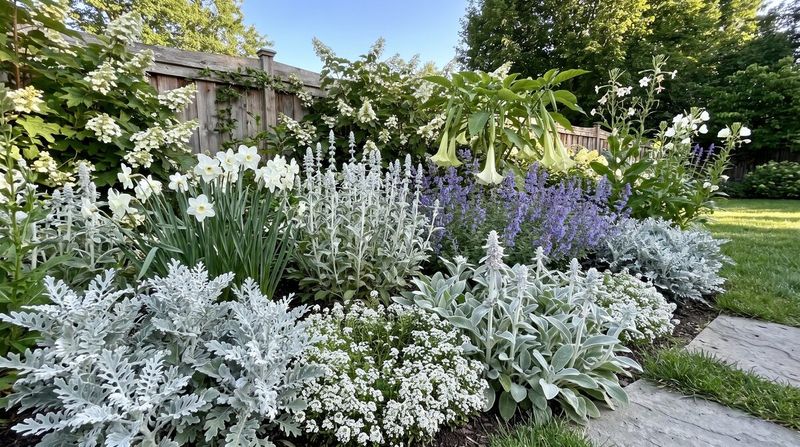
Evening primrose points to a broader idea: flowers that open late and smell sweet may serve night visitors. Pale or white blooms stand out in low light, which is why they show up in a moon-garden approach, as described by Conserving Carolina.
Treat these as helpful features, not a promise that sphinx moths will arrive.
Species differ in their flower choices. NC State reports that rustic sphinx moths visit a broad range of night-blooming flowers, including deep-corolla blooms.
That claim is specific to that species, and it does not describe every sphinx moth, since field guides show sphinx moths vary in size, timing, and habits.
The practical move is to plant a sequence rather than one star plant. Pick a few night-opening, fragrant natives with different bloom times so something is open from spring through fall.
Mix in some flower shapes, including tubular ones, to suit moths with different tongue lengths.
Put them near a porch or patio seat where you can watch quietly in the evening. Then let your own observations tell you which plants earn their space.
Reduce unnecessary outdoor lighting where practical
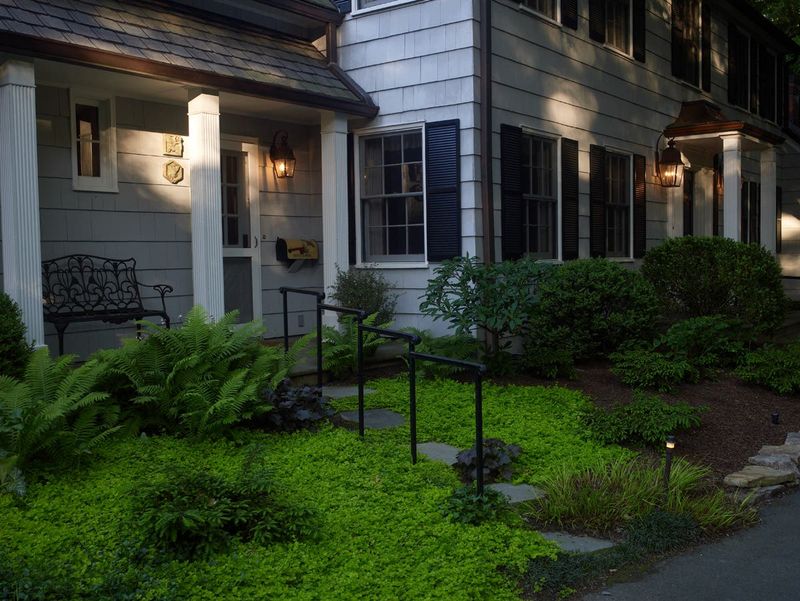
One of the easiest steps costs nothing: switch off lights you do not need. The U.S.
Fish and Wildlife Service says artificial light can draw nocturnal pollinators away from plants and disrupt feeding or mating.
Moths circling a bright bulb are not visiting your flowers. Turning off a decorative floodlight, adding a timer, or using a motion sensor can cut the hours your yard glows.
Aim any needed fixture downward and keep it near the area it serves.
Keep expectations modest. A scientific review of nocturnal moth pollination cautions that light effects can vary and remain hard to predict in specific communities.
Dimming your yard will not guarantee more moth visits.
It is still a sensible, low-effort choice, especially around the blooms you hope night visitors will use. Keep safety lighting where you truly need it, and let the garden beds stay darker.
Identify caterpillars before deciding what to do
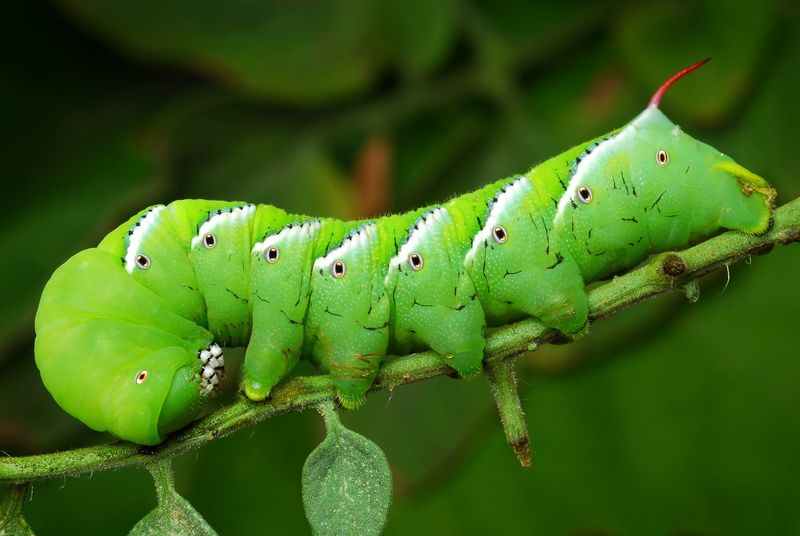
Adult moths sip nectar, but their caterpillars eat leaves, and host plants vary by species. As a supported example, NC State lists evening primrose among banded sphinx caterpillar food plants, while adults visit flowers for nectar.
So the same plant can serve moths in two different ways.
If you find a hornworm, do not reach for a spray right away. Identify it first, then look at the actual damage.
Some sphinx caterpillars can harm crops or ornamentals, as UF/IFAS notes, but many cause little trouble. A few chewed leaves are very different from a stripped plant.
NC State calls the rustic sphinx a sporadic pest and advises against prophylactic insecticide. If damage is truly heavy, hand-picking a few caterpillars is a low-risk option to consider first.
Do not spray at dusk because bees are gone. Moths may be foraging then, and a federal pollinator guide notes that nighttime applications can still harm moths.
If you ever do use a product, follow the label and avoid exposing nighttime pollinators.
Treat a sighting as a reason to observe
Start with simple watching. Note which flowers a moth visits and when, and write it down.
If you add evening primrose, make sure its tall, self-seeding habit suits your yard, and turn off extra lights, as the U.S. Fish and Wildlife Service suggests for nocturnal pollinators.
A sighting shows a visit. It is not confirmed feeding unless you saw the moth drink, and it is not a pollination score or proof of a favorite plant.
The best evidence in your yard is the patient kind, gathered one quiet evening at a time.