

Waking up to find your favorite plants chewed down to nubs is heartbreaking, and deer are usually the culprits doing it under the cover of darkness. The good news is that deer have incredibly sensitive noses, and certain strong smells can make them turn around and leave your garden alone.
Below you will find eight powerful scents that may help keep deer away from your yard. Try a few and see which ones work best in your corner of the South.
1. Garlic
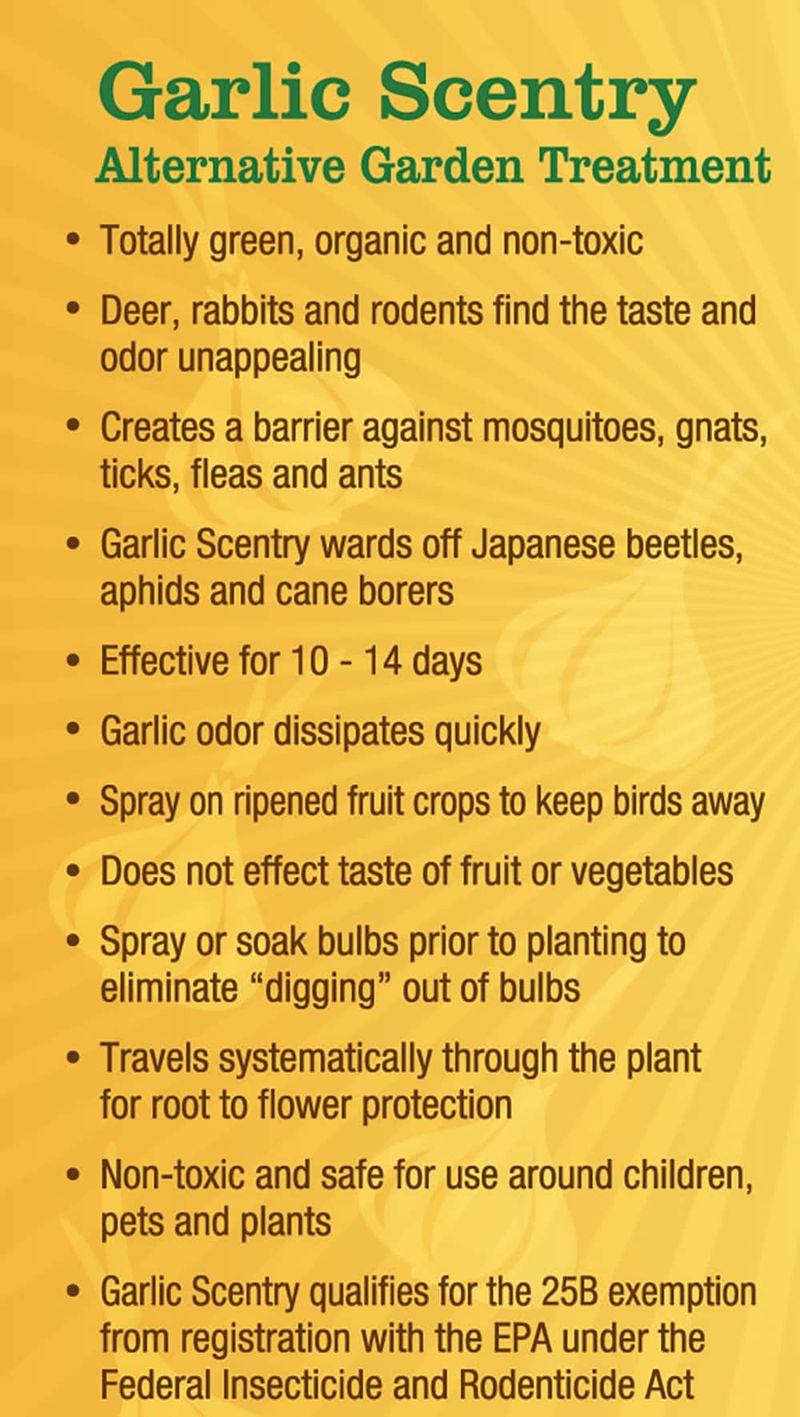
Nothing clears a room quite like the pungent punch of fresh garlic, and deer feel exactly the same way. That sharp, sulfur-heavy odor overwhelms their delicate sense of smell and signals danger long before they take a bite.
Southern gardeners love garlic because it does double duty. You can plant cloves right along the edges of your vegetable beds, where the growing bulbs release scent into the soil and air throughout the warm season.
For a quicker fix, crush several cloves, steep them in water overnight, then strain and spray the liquid around your tomatoes, peppers, and cucumbers. Reapply after heavy rain, since our Florida and Texas downpours wash it away fast.
Hanging small mesh bags of chopped garlic near prized plants can also create a smelly barrier that deer prefer to avoid. It will not guarantee a deer-free yard, but many gardeners notice far less overnight nibbling.
Fun bit: garlic has been used as a folk pest repellent for centuries, long before modern sprays existed. Cheap, easy, and already in your kitchen, it is a smart first line of defense.
2. Rotten Eggs

It sounds gross, and honestly it is, but a rotten egg spray is one of the most trusted deer deterrents around. The rotten-egg smell mimics the odor of a decaying animal, which triggers a deer’s natural fear of predators nearby.
Here is the clever part: while the scent is strong enough to send deer running, it fades quickly for human noses once it dries. That means you can protect your beds without ruining your own time on the porch.
Whisk a few eggs into a gallon of water, let the mixture sit for a day or two, then spray it on and around vulnerable plants. Avoid coating anything you plan to eat directly.
Many commercial deer repellents actually list putrescent egg solids as their main ingredient, so the homemade version taps into the same proven idea. Reapply every week or two, and after big rains.
Because it works on instinct rather than taste, egg spray often keeps deer away even when they are hungry during our long dry spells. Give the batch time to ripen for the strongest effect.
3. Peppermint
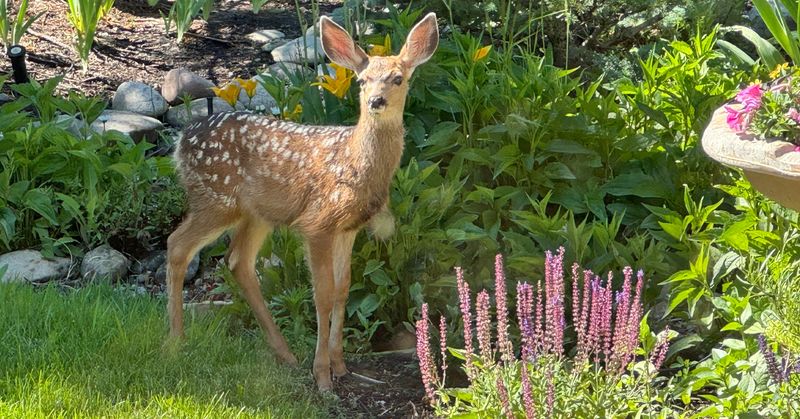
Cool and refreshing to us, peppermint is downright offensive to a deer’s nose. The strong menthol scent masks the smell of tasty plants and creates an invisible wall of aroma deer would rather not cross.
Growing peppermint around your garden borders gives you a living repellent that smells wonderful every time you brush past it. Just keep it in pots or contained beds, because mint spreads aggressively in our warm Southern soil.
Prefer a spray? Mix ten to fifteen drops of peppermint essential oil with water and a small squirt of dish soap, then mist it onto leaves and along pathways.
The bonus here is that peppermint helps discourage other pests too, including certain insects and rodents that love to raid vegetable beds. That makes it a hardworking multitasker for busy gardeners.
You will need to refresh the spray often since the oil evaporates in heat, but the pleasant smell makes reapplying feel less like a chore. Tuck cotton balls soaked in the oil near entry points for an extra layer of protection your neighbors will actually envy.
4. Human Hair

Believe it or not, the clippings from your last haircut might be the cheapest deer deterrent you own. Human scent lingering in hair signals to deer that people are close by, and people mean potential danger.
Ask your barber or hair salon for a bag of sweepings, since they usually toss it anyway. Stuff small handfuls into mesh bags, old pantyhose, or breathable sacks.
Hang these little scent packets from stakes or low branches around the plants you most want to protect, spacing them every few feet. The idea is to surround your garden with the smell of humans.
Freshness matters, so swap out the hair every few weeks and especially after rain, which weakens the odor quickly. Scattering loose hair directly around plant bases works too, though it disappears faster.
Old-timers in the South have leaned on this trick for generations, long before store shelves filled with sprays. It costs almost nothing, recycles something you would throw away, and gives skittish deer one more reason to keep walking.
Results vary from yard to yard, but it is worth trying.
5. Lavender
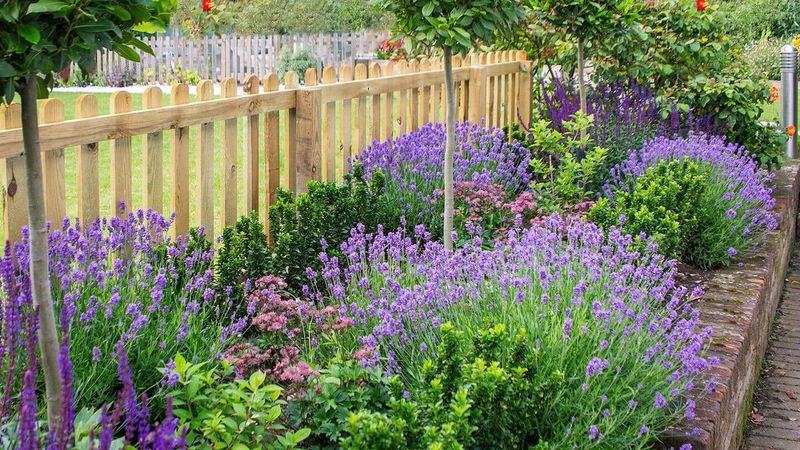
Gardeners adore lavender for its dreamy purple blooms and calming fragrance, but deer take one sniff and steer clear. The strong floral-herbal scent is simply too intense for their sensitive noses to enjoy.
Planting lavender as a border around beds gives you beauty, pollinators, and protection all in one tidy package. Bees and butterflies flock to it while deer keep their distance, a rare win-win for Southern yards.
Heat and sunshine actually make lavender happier, so it thrives in Texas and much of Florida when given well-draining soil. Soggy roots are its only real enemy, so avoid overwatering.
Because deer tend to avoid strongly aromatic plants, ringing your vegetables or roses with lavender can shield those tastier targets. Think of it as a fragrant fence that also boosts curb appeal.
You can even snip and dry the stems to scatter their scent indoors or refresh outdoor spots. Low upkeep, drought-tolerant, and gorgeous in bloom, lavender proves that keeping deer away does not have to mean an ugly garden.
It may not stop the hungriest deer, but it helps.
6. Soap (Irish Spring)
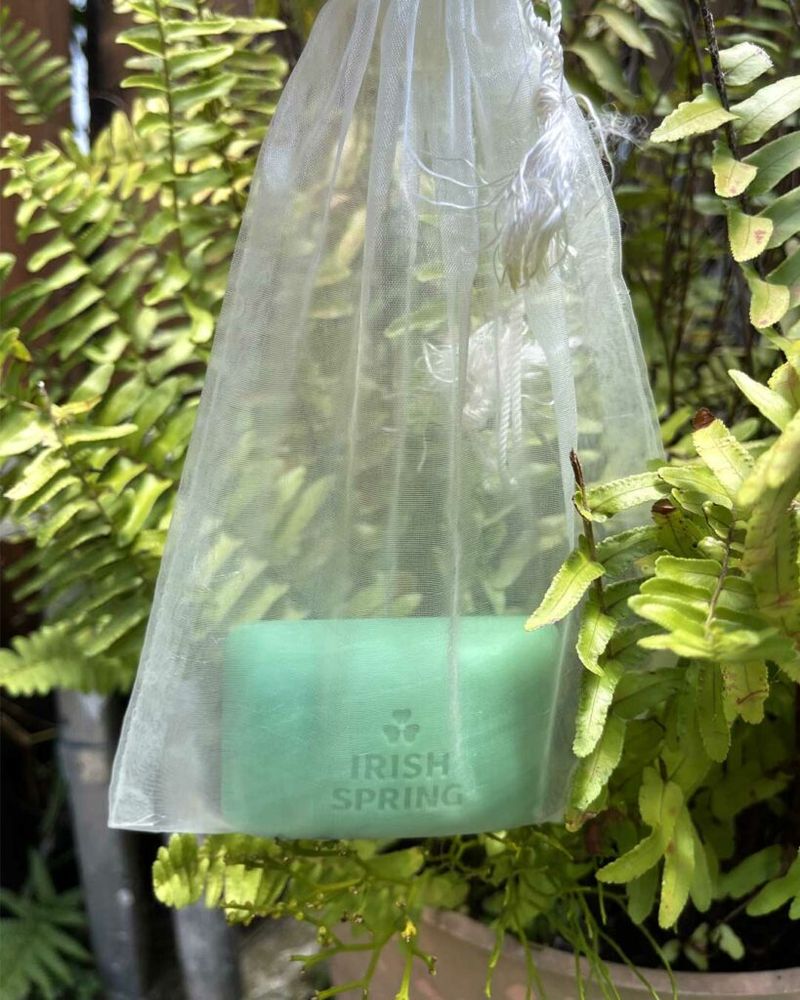
Here is a trick that feels almost too simple: a plain bar of heavily perfumed soap can help chase deer off your property. Strongly scented brands like Irish Spring give off a fragrance deer find unpleasant and unnatural.
Grab a few bars, cut them into chunks, and drop the pieces into mesh bags or old socks. Hang these around the perimeter of your garden, roughly three to four feet apart for the best coverage.
Some gardeners skip the bags entirely and just place chunks directly in flower beds or along fence lines. Either way, the goal is a ring of soapy scent that deer would rather not push through.
Rain slowly melts the soap, so check your bars every few weeks and replace them when they shrink down. The stronger the fragrance, the better the results tend to be.
Cheap, long-lasting, and available at any grocery store, soap is a favorite for gardeners who want fast protection without mixing sprays. It may not deter a truly determined herd, but for casual overnight browsers it can make a real difference around vulnerable plants.
7. Marigolds

Cheerful and golden, marigolds might look like pure decoration, but their pungent scent secretly works overtime. That distinct musky odor bothers deer and several garden pests, making these blooms a tough little guardian.
Southern gardeners plant them everywhere for good reason. Marigolds shrug off heat, bloom for months, and fill beds with color from spring straight through fall in Florida and Texas.
Tuck them among your tomatoes, peppers, and squash to create pockets of scent that discourage nibbling. Many folks plant a full border of them as a fragrant, flowering shield around the whole vegetable patch.
Beyond deer, marigolds are famous for helping repel certain nematodes and insects in the soil, which is why so many old vegetable gardens included them. One plant, several benefits.
They are also budget-friendly and easy to grow from seed, so you can fill a lot of space without spending much. While no flower fully guarantees a deer will pass by, marigolds stack the odds in your favor while brightening every bed they touch.
Deadhead spent blooms to keep the color and scent going strong all season.
8. Predator Urine (Coyote or Fox)
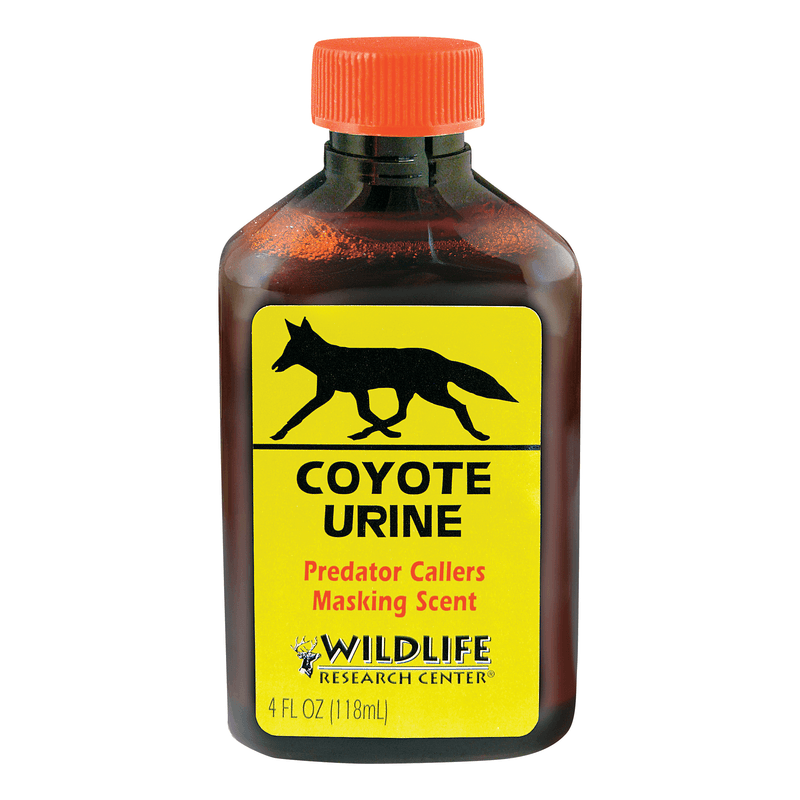
Fear is a powerful motivator, and nothing scares a deer like the scent of a hungry predator. Coyote or fox urine tells a deer that a dangerous hunter has been prowling nearby, and instinct sends it running.
You can buy predator urine in liquid or granule form at most garden centers and online shops. Sprinkle or spray it around the edges of your yard to create a scent barrier deer strongly want to avoid.
Because it targets deep survival instincts rather than taste, this method often works even when deer are extremely hungry during dry spells. That makes it one of the more reliable options on this list.
Reapplication is key, since rain and sun break down the scent within a week or two. Focus on the perimeter and the paths deer typically use to enter your property.
It does carry a strong barnyard smell right after application, so place it away from patios and windows. A little planning goes a long way.
For gardeners battling persistent overnight raids, predator urine can be the extra edge that finally convinces the herd to graze somewhere else.