
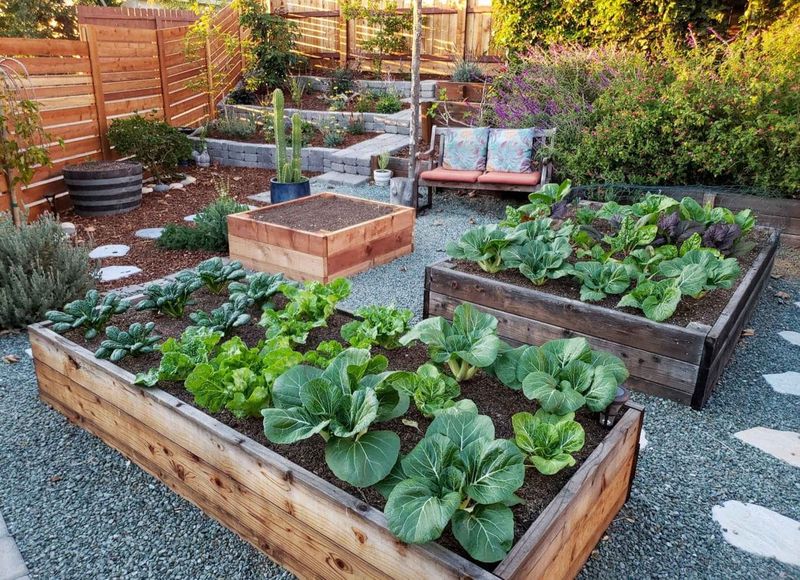
Raised beds are one of the easiest ways to grow food in the South, but not every vegetable loves that loose, warm soil. Some crops explode with growth while others sulk, rot, or bolt before you get a single harvest.
Knowing which is which saves you money, time, and a lot of frustration. Here are the vegetables that reward you in a raised bed and the ones better left in the ground or a big pot.
1. Tomatoes (Thrive)
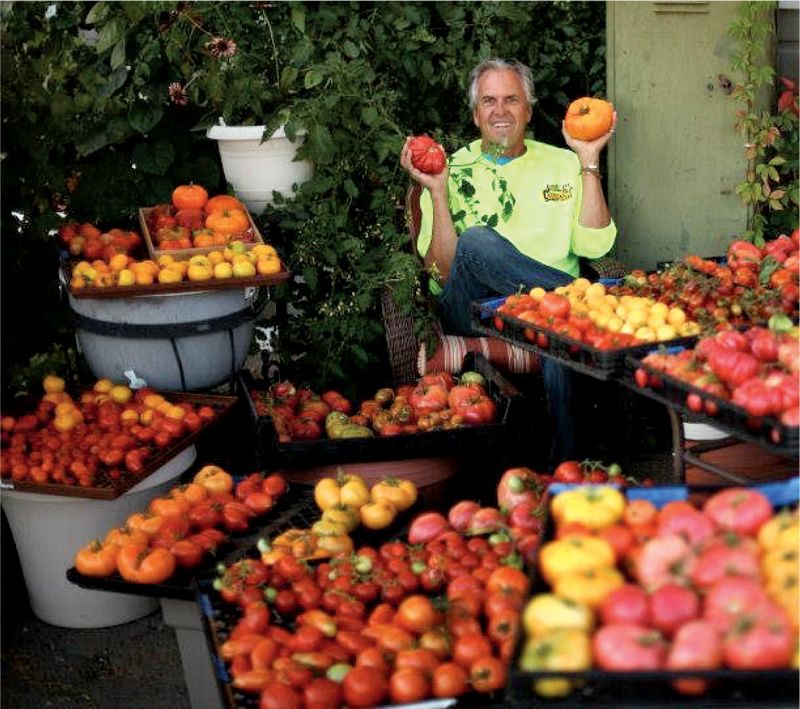
Few crops love a raised bed quite like tomatoes do. The loose, fast-draining soil warms early in spring, and that extra warmth gives roots a head start that translates into earlier fruit.
Drainage matters here more than almost anything. Tomatoes hate wet feet, and raised beds drain off heavy Florida and Texas rains before roots suffocate.
That single benefit can mean the difference between healthy plants and ones lost to root rot.
Give each plant a sturdy cage or stake, since vines climb fast in warm weather. Space them at least two feet apart so air moves freely and leaves dry quickly, which helps reduce fungal trouble common in humid Southern summers.
Mulch the surface to keep soil moisture steady. Raised beds dry faster than ground soil, and uneven watering can crack fruit or trigger blossom end rot.
Feed lightly once flowers appear, and water deeply at the base rather than overhead. Do that, and a single raised bed can hand you baskets of tomatoes from late spring straight through fall.
2. Peppers (Thrive)
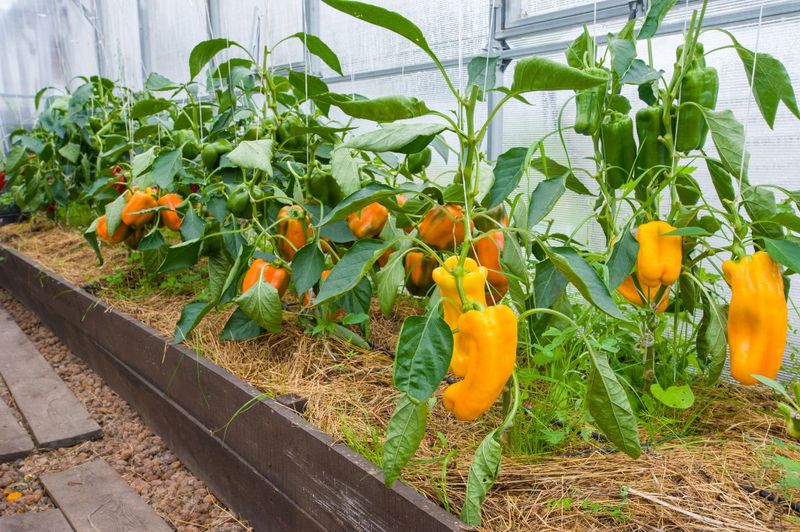
Peppers practically beg for the conditions a raised bed provides. They crave heat, and the elevated soil holds warmth long after the ground below has cooled, keeping these tropical natives happy through a long Southern season.
Because peppers have shallow, sensitive roots, they respond beautifully to the fluffy, rock-free soil you get in a good bed. Roots spread easily, and plants stay sturdy enough to hold up a heavy load of fruit.
Drainage protects them too. Peppers sitting in soggy soil drop their blooms and stall, so the quick runoff after a summer downpour keeps them producing instead of pouting.
Space plants around eighteen inches apart and let them lightly shade each other. That close spacing actually protects the fruit from sunscald during brutal July afternoons in Texas and Florida.
Keep water consistent and add a little mulch to hold moisture. A steady drink prevents the bitter, thin-walled peppers that come from stress.
From sweet bells to fiery jalapenos, peppers reward raised bed gardeners with months of colorful, crunchy harvests well into fall.
3. Lettuce and Leafy Greens (Thrive)
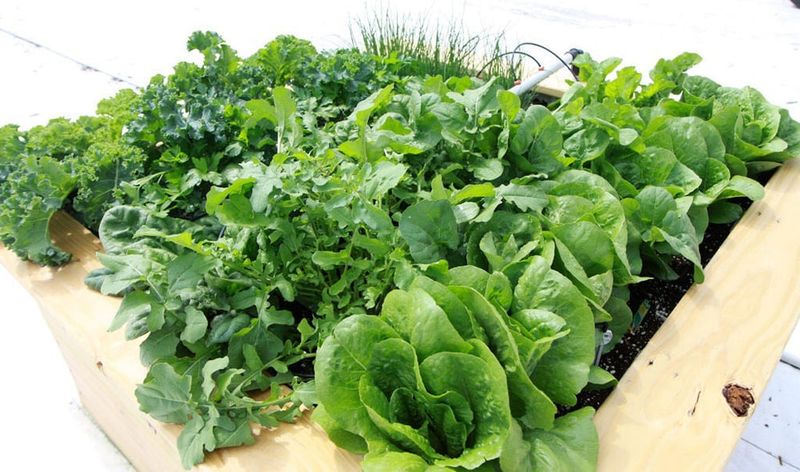
Salad lovers, this one is for you. Lettuce and tender greens like arugula and mustard settle happily into raised beds because their shallow roots never have to fight compacted clay.
The loose soil lets you sow seeds thickly and thin as you go, giving you baby greens in weeks. Raised beds also warm up early, so you can plant a fall or late-winter crop while the ground is still cold and wet.
Drainage keeps leaves from sitting in mud after rain, which cuts down on the slimy rot that ruins ground-grown greens. Cleaner leaves mean less washing and fewer hiding spots for slugs.
Heat is the real enemy here, not the bed itself. In Florida and Texas, grow greens in the cool shoulder seasons and give them afternoon shade as temperatures climb, or they will bolt and turn bitter fast.
Keep the soil evenly moist, since raised beds dry quickly and stressed greens taste sharp. A light shade cloth stretched overhead can extend your harvest by weeks.
With quick turnaround and easy picking, greens are a raised bed staple.
4. Bush Beans (Thrive)
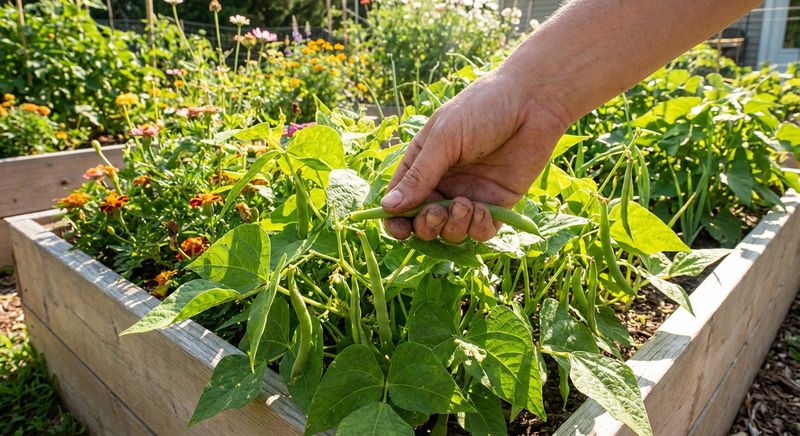
Reliable and forgiving, bush beans might be the easiest win a new raised bed gardener can score. They sprout fast, need almost no fussing, and reward you with pods in about two months.
Beans actually improve the bed while they grow. Their roots partner with soil bacteria to pull nitrogen from the air, gently feeding the soil for whatever crop follows them.
The warm, loose soil of a raised bed speeds germination, and good drainage keeps seeds from rotting during those soggy Southern spring storms. Cold, wet ground is the usual reason bean seeds fail, and a bed sidesteps that problem.
Sow them directly where they will grow, since beans dislike being transplanted. Space seeds a few inches apart and let the plants form a leafy, self-supporting patch that shades out weeds.
Pick often to keep the plants cranking out more. The more you harvest, the harder they work.
In the heat of a Florida or Texas summer, plant successive rows every few weeks for a steady supply. Few crops give beginners such a dependable, generous return.
5. Radishes (Thrive)
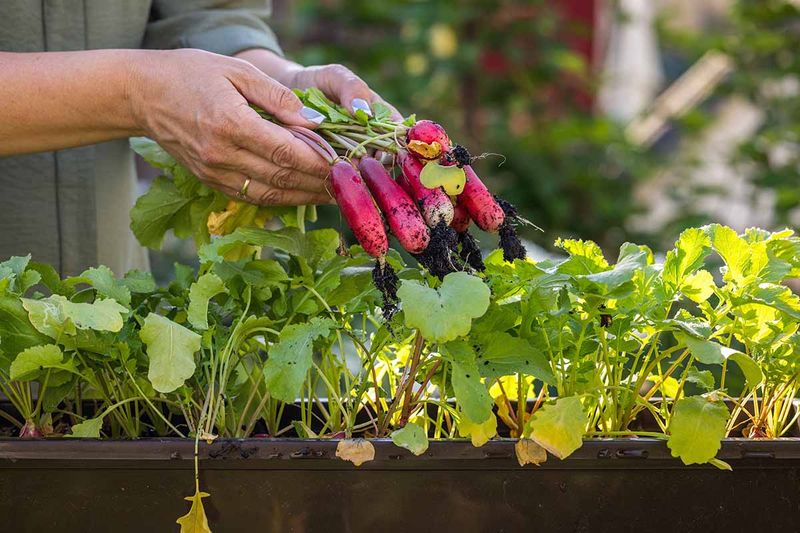
Impatient gardeners, meet your new favorite crop. Radishes race from seed to harvest in as little as three or four weeks, making them the instant gratification of the vegetable world.
Loose raised bed soil is exactly what these roots need to swell into round, crisp bulbs. In hard or rocky ground, radishes turn forked and woody, but in fluffy bed soil they form clean, tender roots every time.
Because they mature so fast, radishes make a brilliant space filler. Tuck seeds between slower crops like tomatoes, and you will harvest the radishes long before the bigger plants need the room.
They also mark your rows. Their quick sprouting shows you where slower seeds are planted, which helps you avoid accidental weeding of your carrots or beets.
Sow them in the cooler parts of the Southern year, because summer heat makes them turn spicy and sends them to seed. Keep the soil evenly moist for the mildest flavor.
Water regularly and thin the seedlings so each root has breathing room. With almost no effort, radishes deliver a fast, satisfying harvest.
6. Carrots (Thrive)
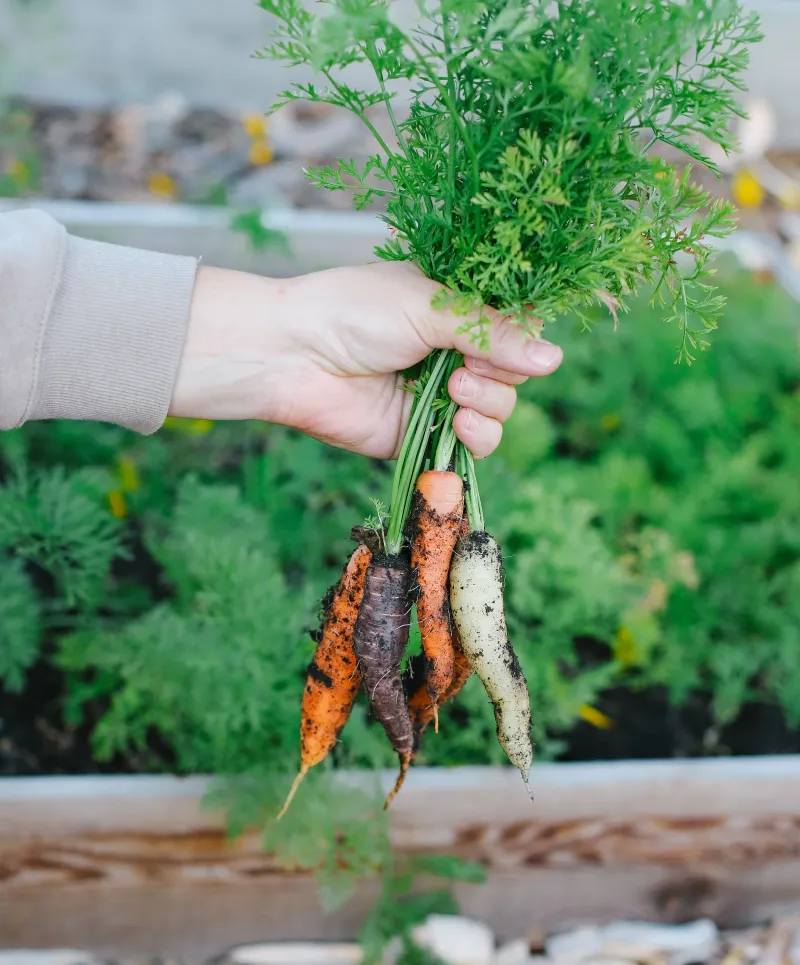
If your ground soil is heavy clay, carrots in a raised bed will feel like a small miracle. These roots demand deep, soft, stone-free soil, and a well-filled bed delivers exactly that.
In compacted or rocky earth, carrots twist, split, and stub out short. But in the loose column of a raised bed, they slide straight down and grow long, smooth, and sweet.
Aim for a bed at least ten to twelve inches deep so the roots have room to stretch. Sift out any clumps before sowing, since even small obstacles cause forking.
Carrot seeds are tiny and slow, so keep the surface consistently damp until they sprout. A light sprinkle of fine mulch or a board laid over the row helps hold that moisture in fast-draining beds.
Thin the seedlings ruthlessly. Crowded carrots stay skinny and tangled, while properly spaced ones bulk up nicely.
In the South, plant them for fall and winter harvests when the cooler weather actually sweetens the roots. Frost improves their flavor rather than harming it.
Patience pays off with a truly satisfying crop.
7. Corn (Skip)
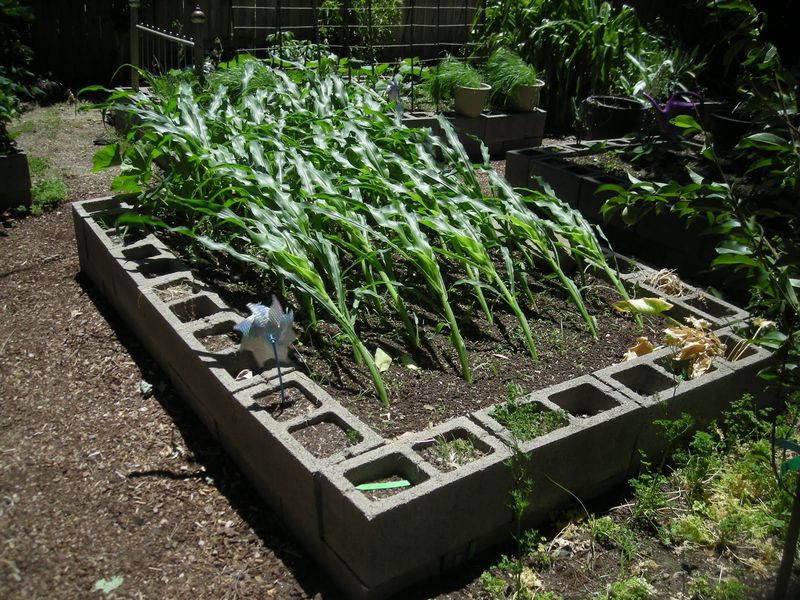
Corn looks tempting, but it turns most raised beds into a losing bet. The plants grow tall and greedy, and a standard bed simply cannot hold enough of them to matter.
Here is the catch few gardeners realize: corn is wind-pollinated and needs to be planted in blocks, not single rows, to fill out the ears. A little bed rarely fits enough stalks to pollinate properly, leaving you with sad, half-empty cobs.
Corn is also a heavy feeder that drinks nutrients and water fast. In a confined bed, it can starve out everything nearby and still underperform.
Those towering stalks cast heavy shade too, which can stunt shorter crops sharing the space. You end up sacrificing a whole bed for a handful of ears.
Wind is another problem. Tall stalks in a raised bed catch summer storms and topple, and Southern thunderstorms are no gentle breeze.
If you truly want homegrown corn, dedicate a large in-ground block instead. For raised beds, your square footage earns far more from tomatoes, peppers, or beans.
Skip the corn and save the space.
8. Pumpkins and Winter Squash (Skip)
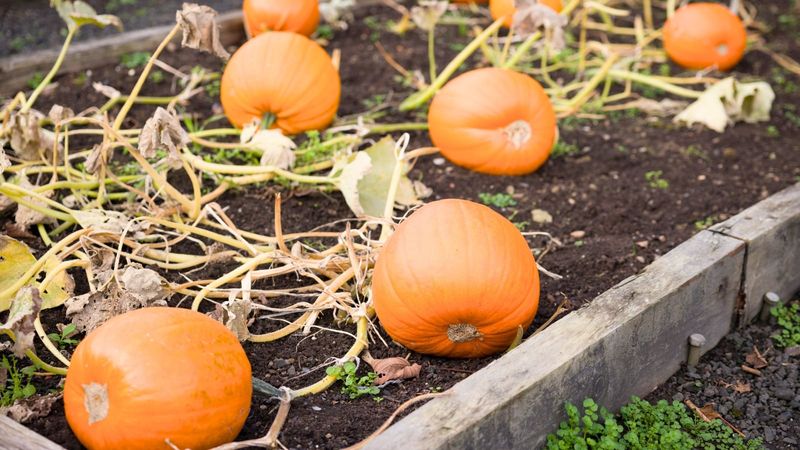
Nothing swallows a raised bed faster than a pumpkin vine. What starts as one innocent seedling becomes a monster that sprawls fifteen or twenty feet, smothering every other plant in its path.
The vines root as they run and demand enormous space, sun, and water to size up a single fruit. A raised bed gives them nowhere to go but over the sides and across your yard.
Pumpkins are also heavy feeders that will drain the rich soil you worked so hard to build, leaving little for anything else. All that effort for maybe two or three pumpkins is a rough trade.
In the humid South, the sprawling foliage stays damp and invites powdery mildew, which can flatten the whole vine before harvest. Crowded bed conditions only make that worse.
The weight of maturing fruit can also crush neighboring plants and spill awkwardly over the frame.
Better to let pumpkins ramble across an open patch of ground or along a fence with a sturdy trellis. Keep your valuable raised bed real estate for compact, high-yield crops that respect the boundaries you built.
9. Potatoes (Skip, Mostly)
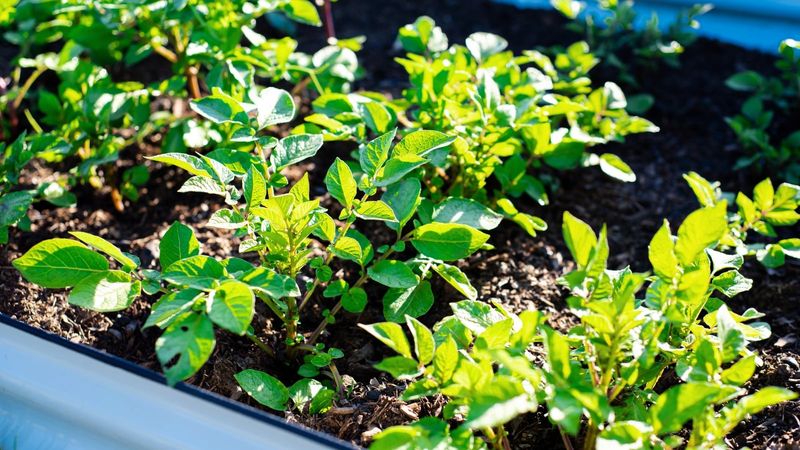
Potatoes stir up plenty of debate, but in a typical raised bed they often disappoint. The trouble is depth and the constant hilling these tubers require to keep producing.
As potato plants grow, you need to keep mounding soil over the stems so new tubers form and stay hidden from light. In a bed already filled to the brim, there is nowhere to pile that extra soil.
They also hog the entire bed for months, tying up prime space that faster crops could turn over two or three times. The yield rarely justifies giving up a whole season of that square footage.
Potatoes can carry soil diseases too, and once those settle into your precious bed mix, they linger and threaten future crops like tomatoes.
In the warm South, they also want cool soil to set tubers, and raised beds heat up quickly, which can cut your harvest short.
If you love homegrown spuds, grow them in a dedicated grow bag or a deep container you can hill and dump easily. Save the raised bed for crops that earn their keep faster.
10. Melons (Skip)

Watermelons and cantaloupes sound like the dream Southern harvest, yet they punish a raised bed the same way pumpkins do. These vines ramble aggressively and need serious room to produce sweet, full-sized fruit.
One plant can stretch across an entire bed and keep going, elbowing out anything trying to grow alongside it. You lose the whole space for a handful of melons.
The fruit is heavy, and hoisting a growing watermelon inside a compact bed is awkward at best. Left on the frame edge, they can crack or fall.
Melons are also thirsty and hungry, pulling water and nutrients that your other crops need. In a small bed, that competition leaves everyone stressed.
Humidity in Florida and Texas makes the dense foliage prone to mildew, and cramped beds trap moisture that fuels disease.
They do love heat, so the South can grow them beautifully, just not in a raised bed. Give melons a sunny in-ground patch where the vines can roam freely and fruit can rest on warm earth or straw.
Your beds will thank you.
11. Artichokes (Skip)
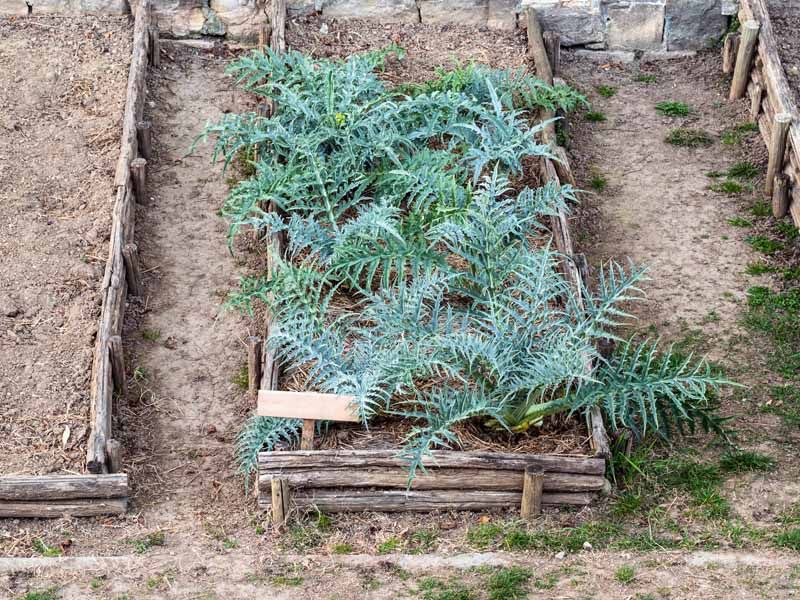
Artichokes are gorgeous, architectural plants, but they are poor tenants for a raised bed in most Southern gardens. A single plant balloons into a four-foot-wide clump that hogs space for a very small edible payoff.
They are perennials that want to stay put for years, which locks up your bed rotation. Most raised bed gardeners want to swap crops each season, and an artichoke refuses to cooperate.
Climate is the bigger issue here. Artichokes prefer cool, mild conditions and often struggle to set good buds in the hot, humid stretches of Florida and Texas, where they either bolt or barely produce.
Their sprawling leaves also shade out neighbors and trap humid air, which invites aphids and rot in muggy weather.
For the amount of room one plant claims, you could grow dozens of servings of peppers, beans, or greens instead.
If artichokes charm you, tuck one into a large ornamental corner or a roomy dedicated bed where its size becomes a feature, not a burden. Your productive raised beds deserve crops that pull their weight every single season.
12. Asparagus (Skip)
Asparagus is a wonderful crop with one dealbreaker for busy raised bed gardeners: it demands patience measured in years, not weeks. You plant it, then wait two or even three seasons before you can harvest a single spear.
During that long wait, the asparagus permanently occupies the bed. It is a perennial that resents disturbance, so you cannot rotate other vegetables through that space season after season.
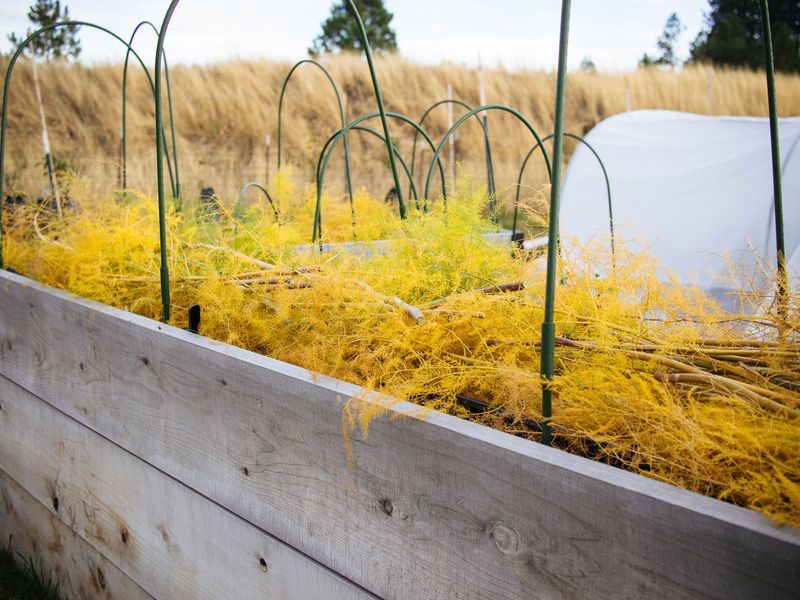
The plants also sprawl into tall, ferny growth that can top five feet, shading everything around them and claiming far more room than the harvest returns in a small bed.
In much of the warm South, asparagus can be finicky about the winter chill it likes for a strong dormancy, making results unpredictable in Florida especially.
Once established it can produce for years, which sounds appealing, but that same longevity ties up prime, well-drained bed soil that could grow several quick, generous crops each year.
If you adore asparagus, build it a dedicated permanent bed off to the side where it can settle in for the long haul. Keep your main raised beds free for fast, flexible, season-to-season producers.