
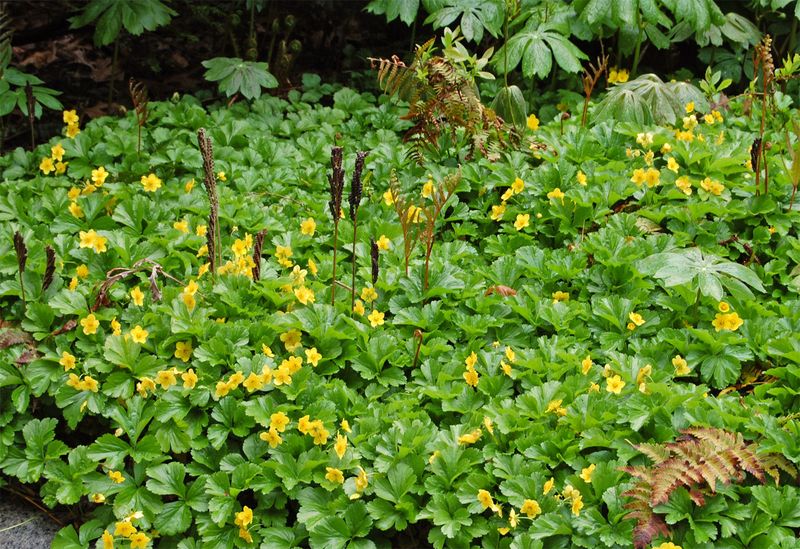
If you have a shady corner where grass just gives up, you are not alone. Lots of North Carolina yards have those bare, dusty patches under trees and along the north side of the house.
The good news is that our state is full of tough native plants that thrive in exactly those spots, and they beat liriope by feeding local birds, bees, and beneficial critters. Here are ten forgotten NC natives that carpet deep shade, need almost no fuss, and help you do right by your yard.
1. Green and Gold (Chrysogonum virginianum)
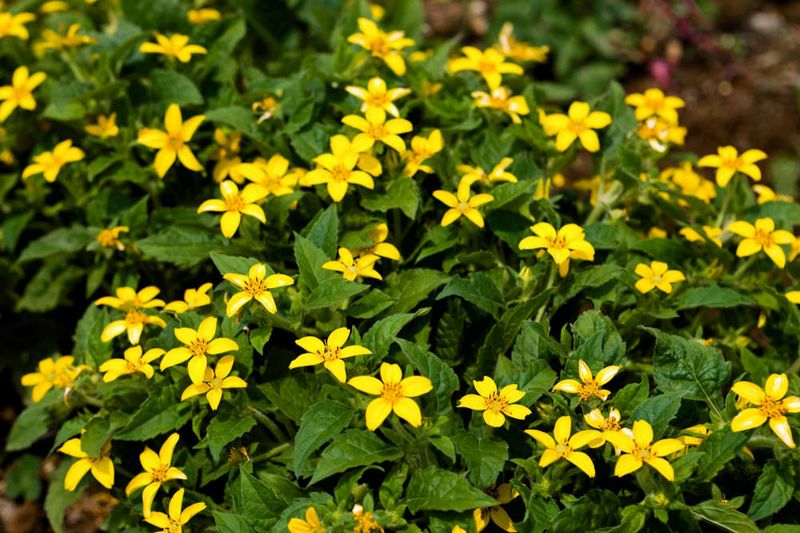
Picture a low mat of soft green leaves dotted with cheerful yellow stars, and you have green and gold. It blooms in spring, then keeps tossing out flowers on and off into fall, which is more color than liriope ever gives you.
Native across the NC Piedmont, it spreads politely by runners to fill in bare shade without taking over. It stays only a few inches tall, so it works as a living carpet under dogwoods or along a woodland path.
Pollinators love those early flowers, giving small native bees a meal when little else is blooming. Give it moist, well-drained soil and part to full shade, and it will reward you for years.
2. Foamflower (Tiarella cordifolia)
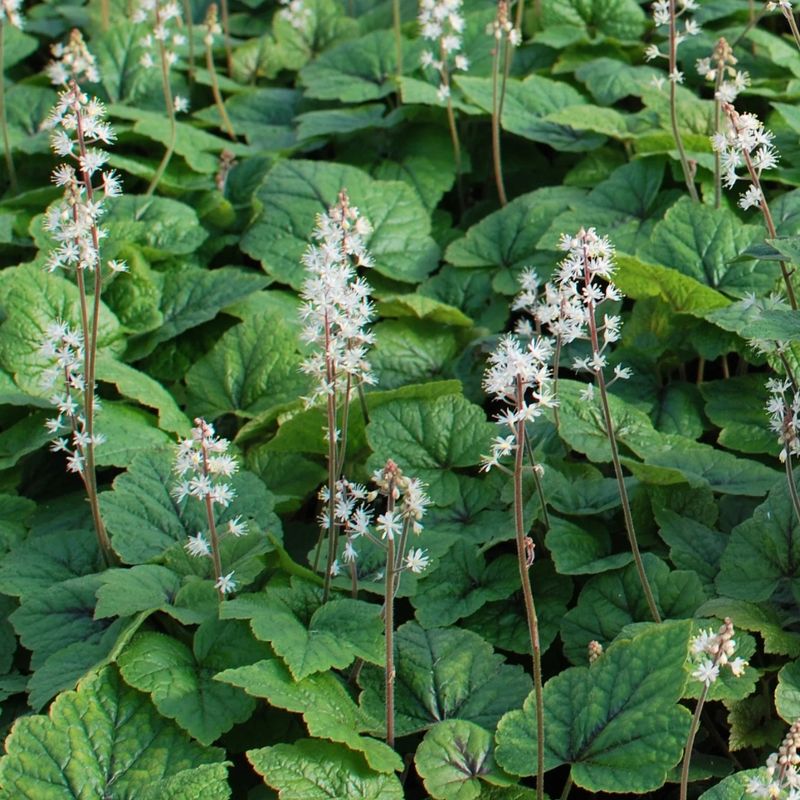
Come April, foamflower sends up airy spikes of tiny white blooms that look like frozen bubbles floating over the leaves. It is one of the prettiest things you can plant in a spot too dark for grass.
A mountain and Piedmont native, it forms tidy clumps of heart-shaped, often maroon-veined foliage that stays handsome all season. Many types spread by runners, knitting together into a soft groundcover.
Early bees and other pollinators visit the flowers, so you are feeding wildlife while filling shade. It loves rich, moist woodland soil and appreciates a layer of leaf mulch to stay happy.
3. Wild Ginger (Asarum canadense)
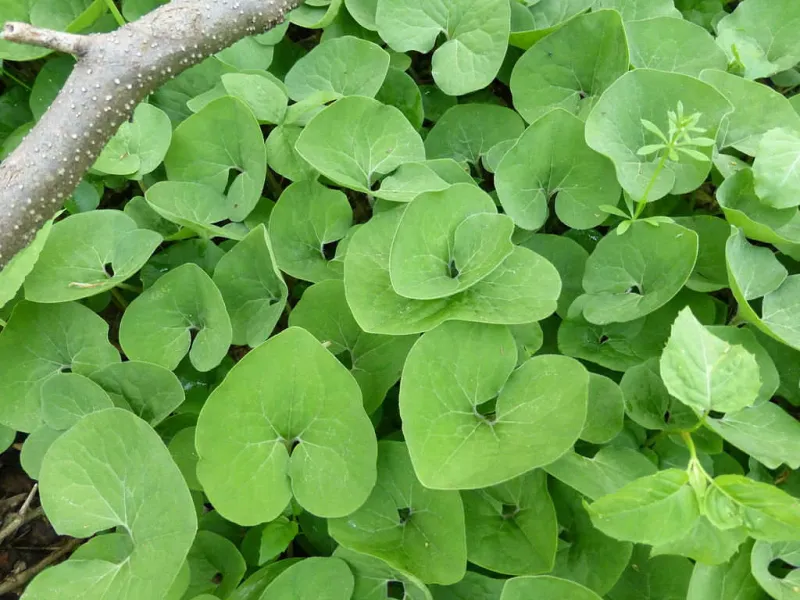
Run your fingers along the roots of wild ginger and you will catch a warm, spicy scent that early settlers actually used as a seasoning. The plant itself is grown for its big, glossy, heart-shaped leaves.
Those overlapping leaves create a lush green quilt that smothers weeds in deep shade, exactly where turf refuses to grow. Odd little maroon flowers hide down at soil level, pollinated by ground beetles and flies.
It spreads slowly by creeping roots, so it stays where you want it. Plant it in rich, moist soil under big hardwoods and let it blanket the ground beneath.
4. Partridgeberry (Mitchella repens)
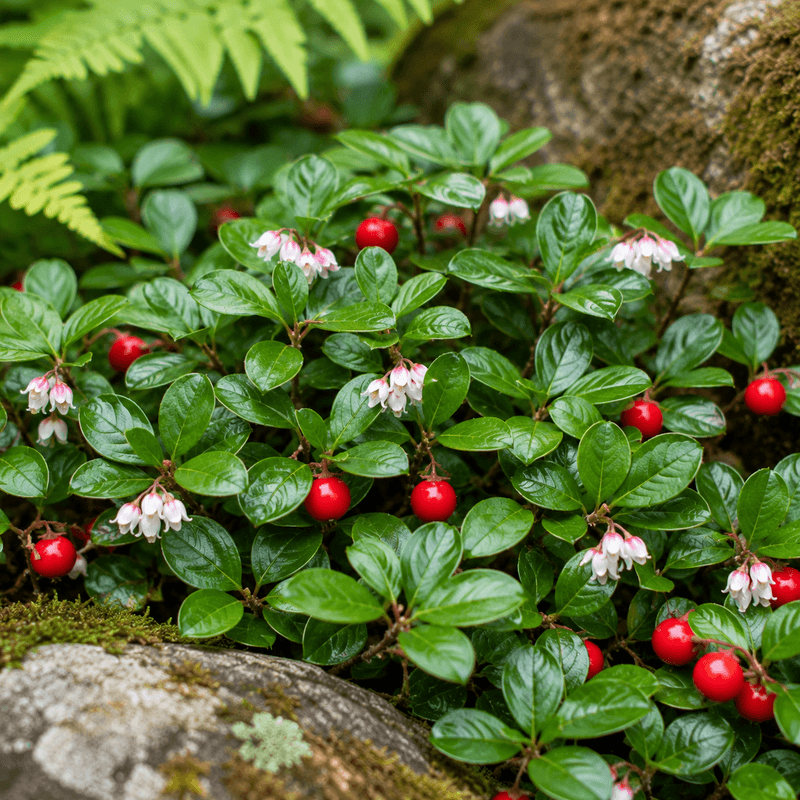
Tiny, glossy, and studded with red berries in fall, partridgeberry looks like something a woodland fairy would plant. It hugs the ground in a delicate, ankle-high mat that laughs at deep shade.
Native throughout North Carolina, this evergreen trailer weaves between rocks and tree roots where nothing else survives. Paired white flowers in summer give way to bright red berries that ground-feeding birds happily eat.
Because it stays so short and creeps slowly, it is perfect for small shady pockets and woodland edges. Keep the soil acidic, moist, and topped with pine straw, and it will thrive quietly for years.
5. Allegheny Spurge (Pachysandra procumbens)
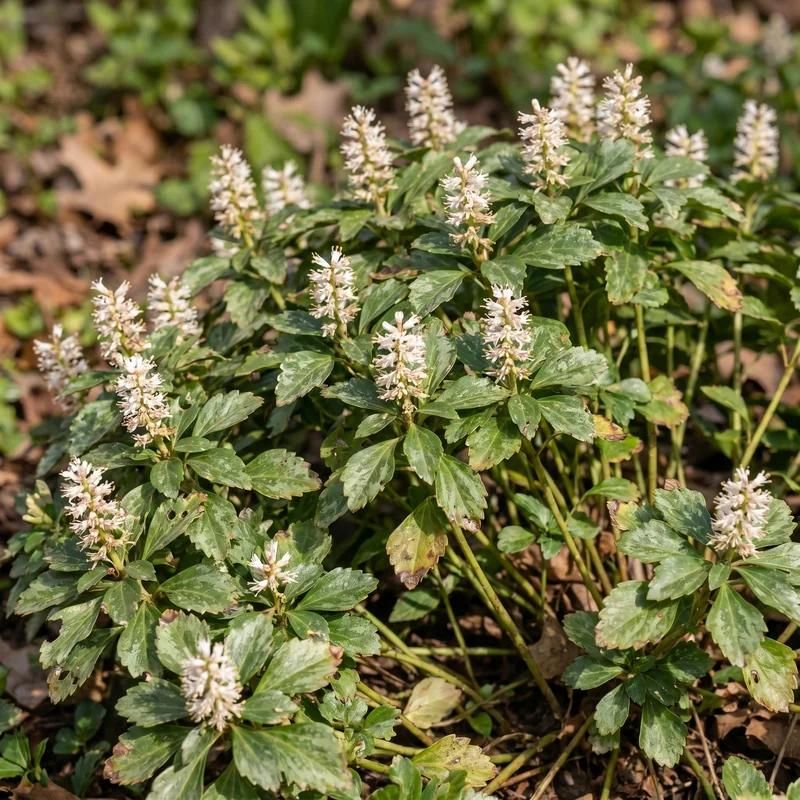
Most folks know the imported Japanese pachysandra, but its native southern cousin is the one you actually want. Allegheny spurge has mottled blue-green leaves that pick up silvery and bronze tones as the seasons turn.
In early spring, short bottlebrush spikes of fragrant white flowers appear before the new leaves fully open. It forms a slow, well-behaved clump instead of running wild like the invasive version.
Swapping the imported pachysandra for this native gives you the same neat, weed-blocking cover while keeping your yard true to NC. Plant it in rich, shady soil and enjoy foliage that looks good in every season.
6. Creeping Phlox (Phlox stolonifera)
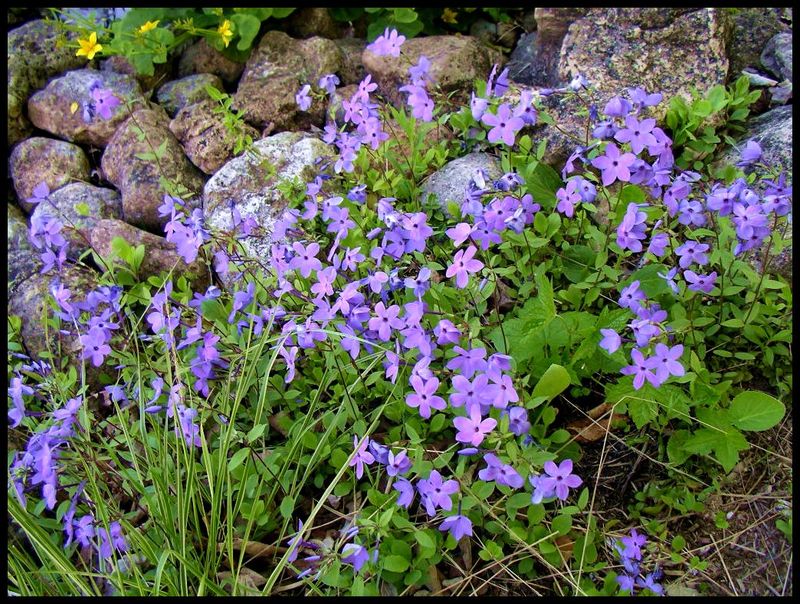
For a spring show that stops visitors in their tracks, creeping woodland phlox delivers a low haze of lavender, pink, or blue blooms. Unlike the sun-loving moss phlox, this one is built for shade.
A mountain and Piedmont native, it spreads by surface runners to form a soft, fragrant mat under trees and along slopes. The flowers pull in early butterflies and native bees looking for nectar.
After the spring flush, it settles into a tidy green carpet that holds soil on shady banks. Give it moist, humus-rich ground and dappled light, and it fills in faster than you would expect.
7. Golden Ragwort (Packera aurea)
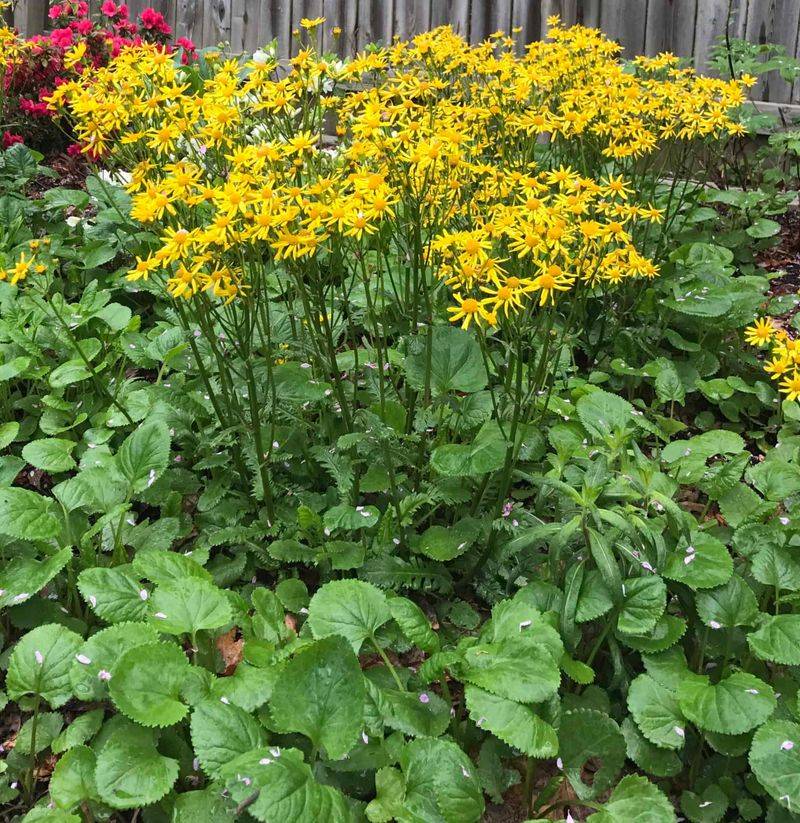
Talk about a workhorse, golden ragwort spreads fast and cheap to fill in those problem wet-shade spots. Rounded evergreen basal leaves stay put year-round, then send up bright yellow daisy-like flowers in spring.
It is native statewide and happy in damp, low areas where grass rots and liriope sulks. Those spring blooms are a magnet for early native bees and other pollinators.
Because it self-sows and creeps, it colonizes bare ground quickly, so give it room to roam. If you have a soggy shady corner begging for cover, this is one of the easiest natives to establish.
8. Christmas Fern (Polystichum acrostichoides)
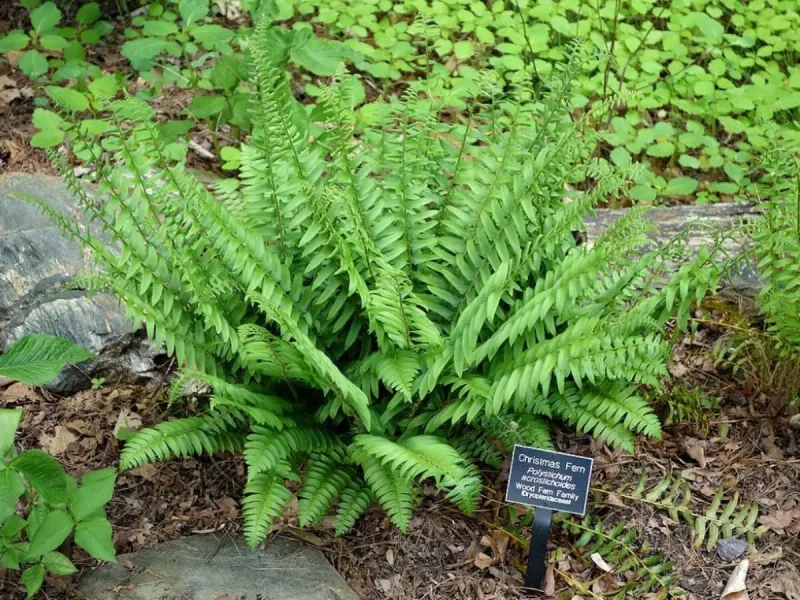
Named because its leathery fronds stay green right through the holidays, Christmas fern brings cover to shade even in the dead of winter. It is one of the most dependable evergreen natives in the state.
Plant several in a drift and their arching clumps overlap into a rich, textured groundcover that holds soil on shady slopes. Deer tend to leave it alone, which is a real bonus in NC.
The dense fronds shelter salamanders, insects, and other small woodland creatures at ground level. Tuck it into dry to moist shade, forget about it, and enjoy greenery when everything else has gone brown.
9. Green and Gold’s Neighbor: Heartleaf Golden Alexanders’ Cousin, Alumroot (Heuchera americana)
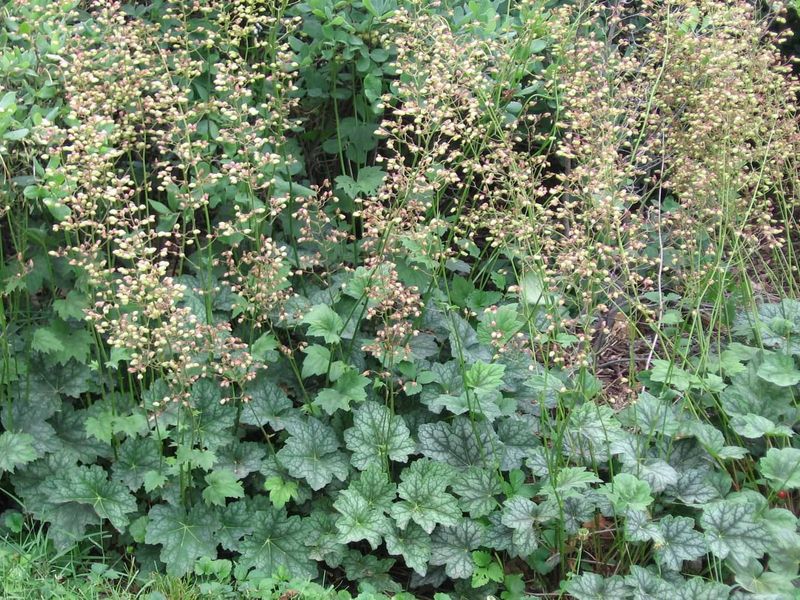
Before the fancy colored heucheras took over garden centers, our native alumroot was quietly holding down the shade. Its mounds of rounded, marbled leaves come in green, silver, and bronze without any breeding required.
Found across the NC Piedmont and mountains, it tucks neatly into rocky, shady ground where grass never had a chance. Tall wands of tiny greenish flowers rise in late spring and draw in small pollinators.
Grouped together, the leafy mounds form a durable, semi-evergreen cover that shrugs off drought once established. It is a handsome, native answer for that dry shade under eaves and trees.
10. Green Woodland Sedge (Carex pensylvanica)
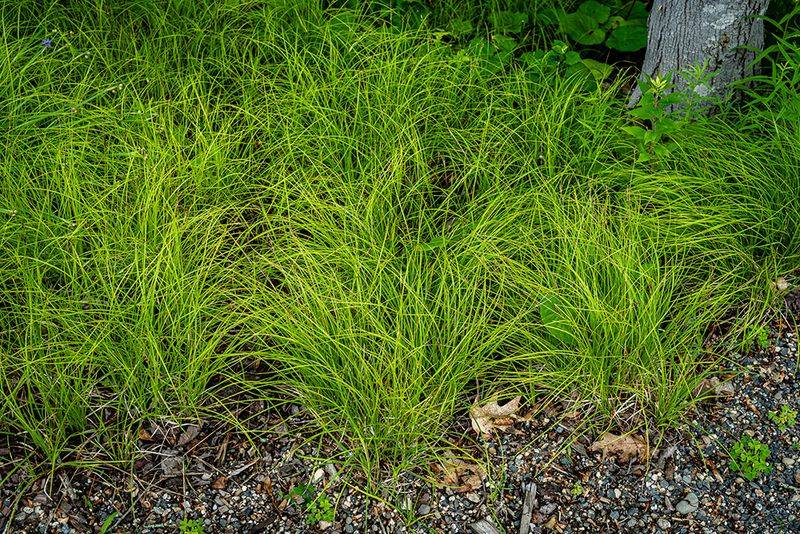
If you truly miss the look of a lawn in the shade, Pennsylvania sedge is the closest native you will find. Its fine, arching blades create a soft, flowing carpet that ripples like a meadow in the breeze.
This gentle spreader thrives in dry to average shade across NC, exactly where fescue thins out and dies. You can leave it natural and shaggy or mow it a few times a season for a tidier, lawn-like feel.
It supports native insects and skipper butterflies whose caterpillars feed on sedges, so your no-mow patch actually pulls its weight for wildlife. Swap out the struggling turf for this and you get a green shade lawn that practically cares for itself.