
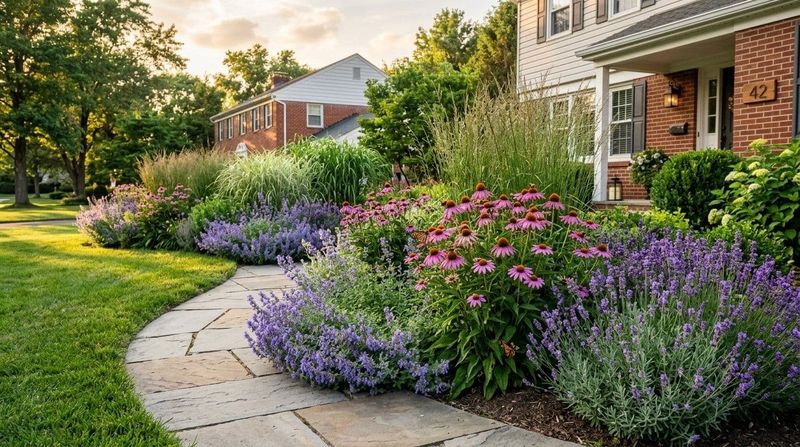
If you have ever walked outside to find your flower beds nibbled down to the stems, you know how frustrating deer and rabbits can be. The good news is that some perennials come with natural defenses these animals tend to avoid, like strong scents, fuzzy leaves, or bitter tastes.
Filling your garden with the right plants can save you a lot of heartache and replanting. Here are nine tough, good-looking perennials that hungry critters usually leave alone.
1. Lavender
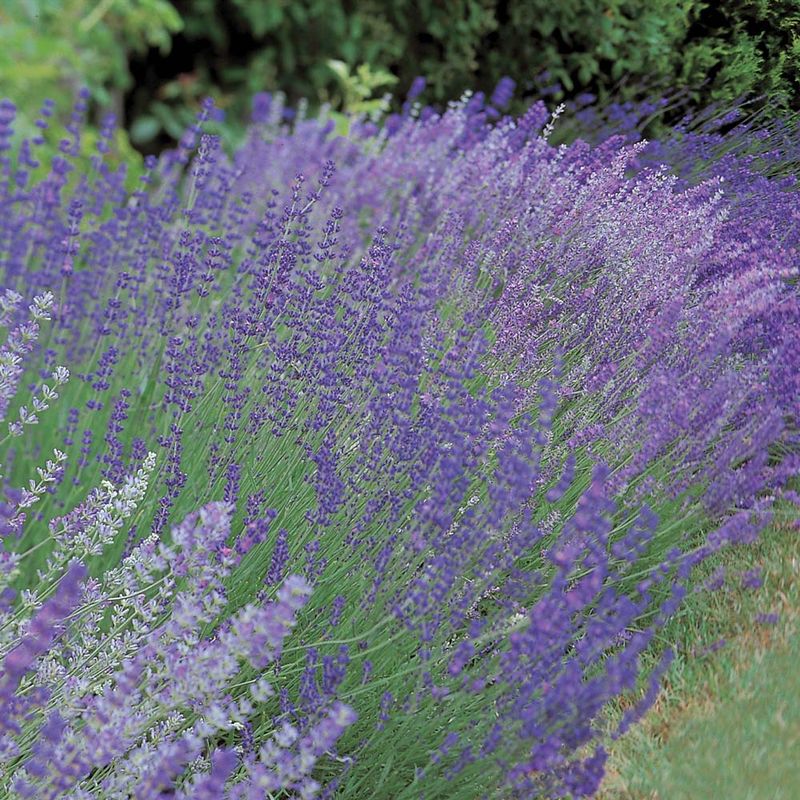
Few plants pull double duty quite like lavender. The silvery leaves and purple flower spikes smell wonderful to us, but that same strong fragrance is exactly what sends deer and rabbits looking elsewhere for a snack.
Animals rely heavily on scent to find tender greens, and lavender’s oils overwhelm their noses. That makes it one of the most reliable picks for beds that keep getting grazed.
It also loves heat and dry soil, which suits Southern yards from Texas to Florida beautifully.
Plant it in a spot with full sun and soil that drains fast, since soggy roots are its only real weakness. Once established, it shrugs off drought and rewards you with blooms bees and butterflies adore.
Fun fact: lavender has been used for centuries to freshen linens and calm nerves, so a few dried stems indoors are a nice bonus. Trim it back after flowering to keep the plant bushy.
For borders, walkways, or anywhere you want fragrance without pest damage, lavender may be the easiest confident choice on this list.
2. Russian Sage
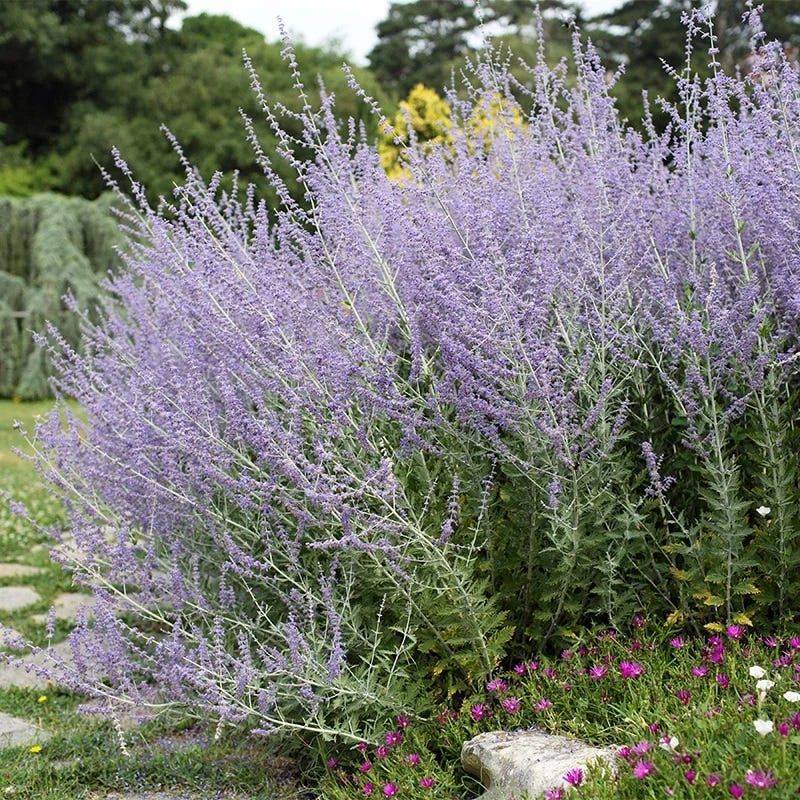
Picture a cloud of soft blue-purple haze floating above your beds all summer long. That is Russian sage, and it happens to be a plant deer and rabbits rarely bother.
The secret lies in its aromatic, slightly resinous foliage. Brush against it and you get a sage-like scent that critters find off-putting, so they tend to move right past it.
Better yet, it thrives in blazing heat and poor soil, making it a natural fit for Southern gardens that bake through long summers.
Give it full sun and room to spread, because a happy Russian sage can reach several feet tall and wide. It needs almost no fussing once its roots settle in, and it laughs at drought.
The airy texture works beautifully behind shorter perennials or as a soft backdrop along a fence. Pollinators flock to the tiny flowers, adding movement and life to the garden.
Cut the stems back in late winter to encourage fresh growth. If you want big impact with almost zero maintenance and no grazing worries, this one earns its spot.
3. Salvia
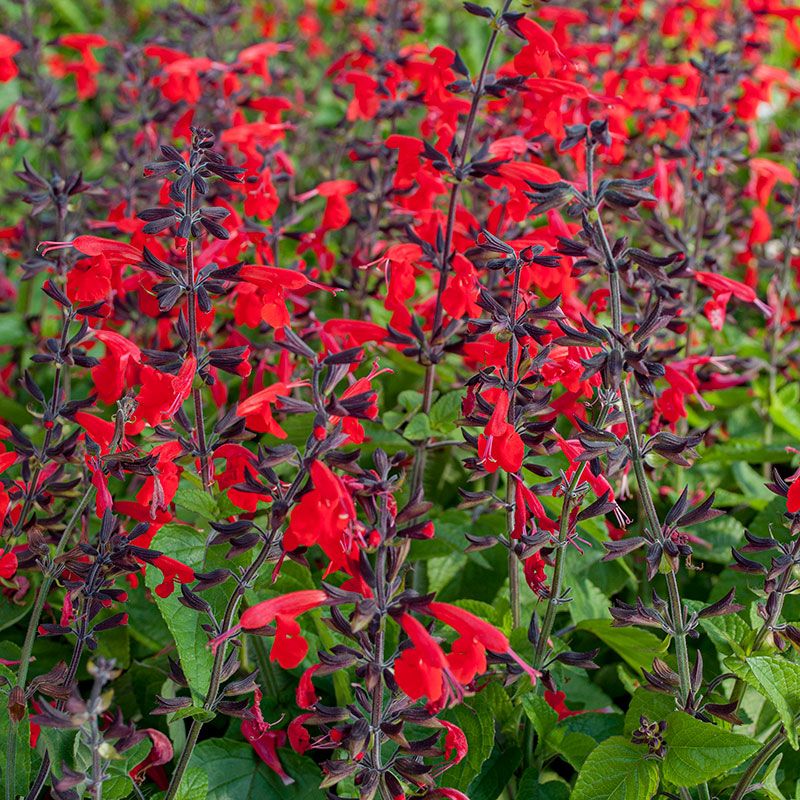
Hummingbirds treat salvia like a favorite diner, yet deer and rabbits usually give it the cold shoulder. That combination makes it a standout for anyone tired of replanting nibbled beds.
The leaves carry a musky, minty scent that grazing animals dislike, which helps protect the colorful flower spikes rising above them. You will find salvia in reds, purples, blues, and pinks, so there is a shade for nearly any garden plan.
Heat and sun are its happy place, and many varieties bloom from spring straight through fall in warm Southern climates. Once established, it handles dry spells without complaint, asking only for occasional deadheading to keep flowers coming.
Try tucking it near a porch or patio where you can watch the pollinator parade up close. It pairs nicely with other tough perennials and fills gaps quickly.
There are annual salvias too, but perennial types like autumn sage return year after year in mild regions. For dependable color, wildlife appeal, and built-in critter resistance, salvia may be one of the smartest additions you can make.
4. Yarrow
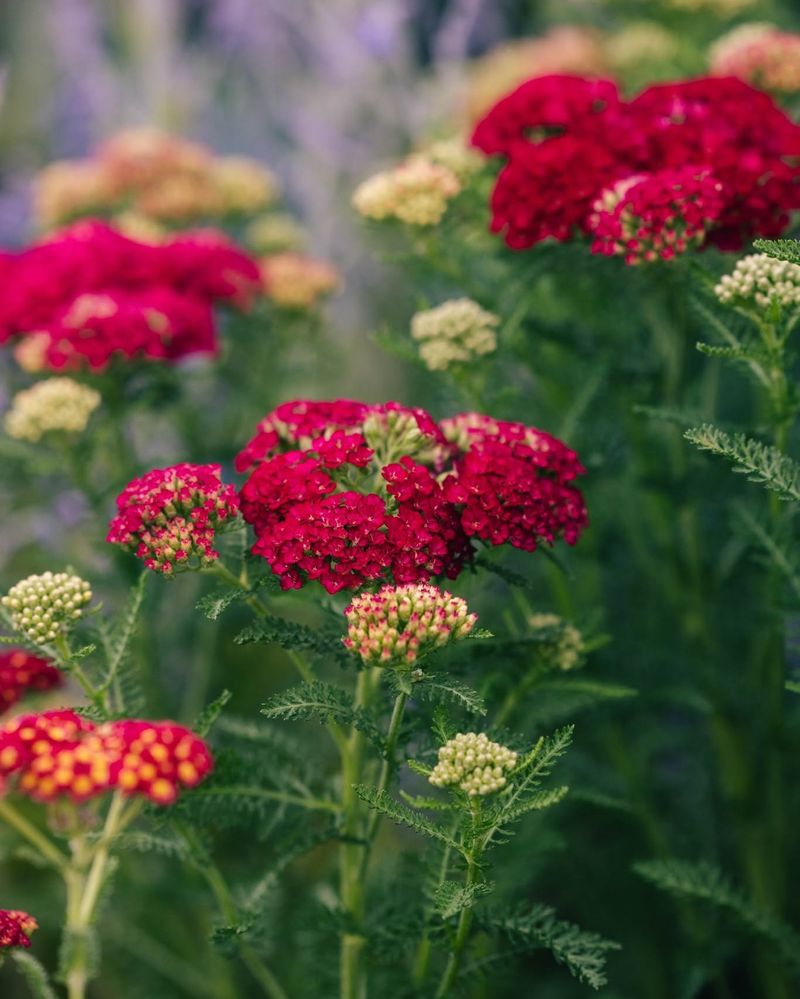
Tough as nails and pretty as a wildflower, yarrow keeps blooming when other plants throw in the towel. Its flat flower clusters and ferny leaves add texture, while its strong herbal scent tends to keep deer and rabbits at a distance.
The feathery foliage feels a bit medicinal to grazing animals, so they usually skip it in favor of softer greens. That leaves you with clouds of yellow, pink, white, or red flowers that last for weeks.
Yarrow spreads happily in poor, dry soil and full sun, which describes plenty of Southern yards. It is drought-friendly once rooted and needs very little care beyond a midseason trim.
Here is a neat bit of history: soldiers long ago used yarrow to help slow bleeding on wounds, earning it old nicknames tied to battlefields. In the modern garden, it simply attracts butterflies and beneficial bugs.
Because it can spread, give it space or divide clumps every few years. For a meadow feel, mix several colors together.
When you want easy, cheerful blooms that critters ignore, yarrow delivers.
5. Bearded Iris
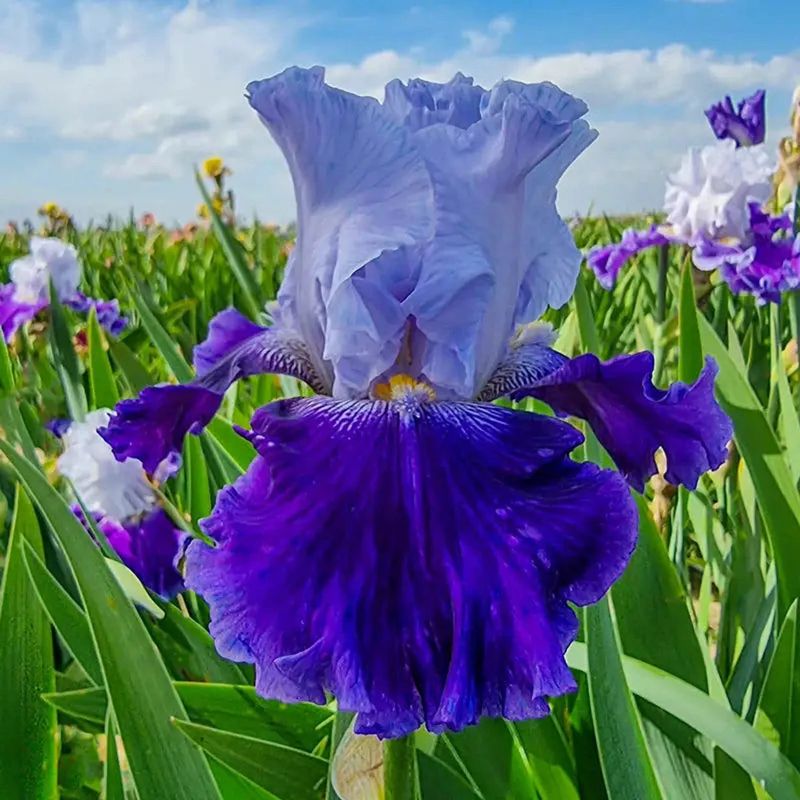
Elegance meets toughness in the bearded iris, a spring showstopper that rabbits and deer generally leave alone. Those ruffled, almost orchid-like blooms sit atop sturdy sword-shaped leaves, and the plant grows from thick underground rhizomes.
Animals tend to avoid iris because the foliage and roots taste bitter and slightly toxic to them. That built-in defense means your dramatic blooms usually survive intact, even in a yard with heavy critter traffic.
Bearded iris loves sun and well-drained soil, and it is remarkably forgiving of neglect. Plant the rhizomes shallow, with their tops barely peeking above the soil, so they can bask in warmth.
Colors run the full rainbow, from deep purple to soft peach, and some varieties even rebloom in fall. They multiply over time, giving you free plants to spread around or share with neighbors.
Every few years, dig and divide crowded clumps to keep them blooming strong. The tall flowers make wonderful cut arrangements too.
If you crave big, artful color in spring without offering a buffet to wildlife, bearded iris fits the bill.
6. Catmint
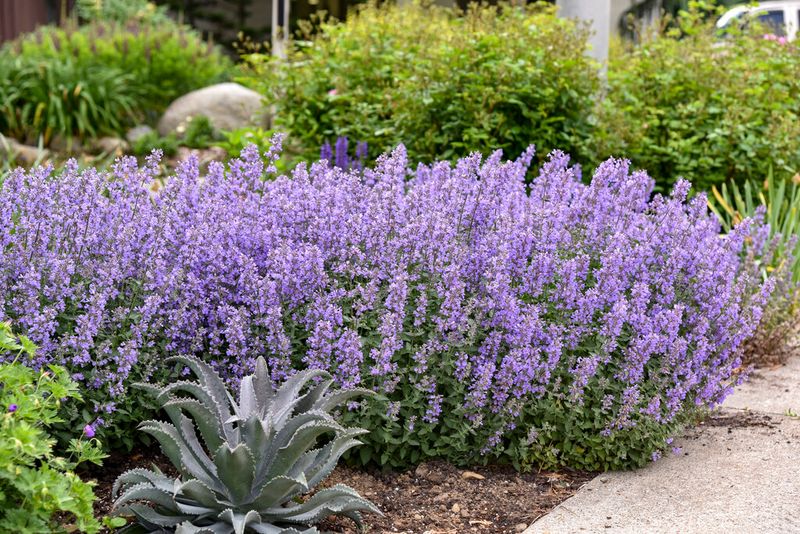
Do not let the name fool you into thinking only cats enjoy this plant. Catmint forms tidy mounds of gray-green leaves topped with a long-lasting haze of lavender-blue flowers, and its minty aroma tends to keep deer and rabbits away.
The scent that some cats find irresistible is the very thing that grazing animals dislike. That gives catmint a quiet superpower in the garden, protecting itself while looking soft and romantic along borders.
It thrives in sun and tolerates dry, lean soil like a champ, which makes it a natural for hot Southern beds. Bloom time stretches for months, especially if you shear it back after the first flush.
Bees and butterflies swarm the flowers, so it earns its keep as a pollinator magnet. The tumbling habit looks lovely spilling over a walkway edge or softening the front of a bed.
Unlike its cousin catnip, ornamental catmint stays neater and blooms longer. It rarely needs babying once established.
For a fuss-free filler that keeps critters out and pollinators in, catmint is hard to beat.
7. Lamb’s Ear
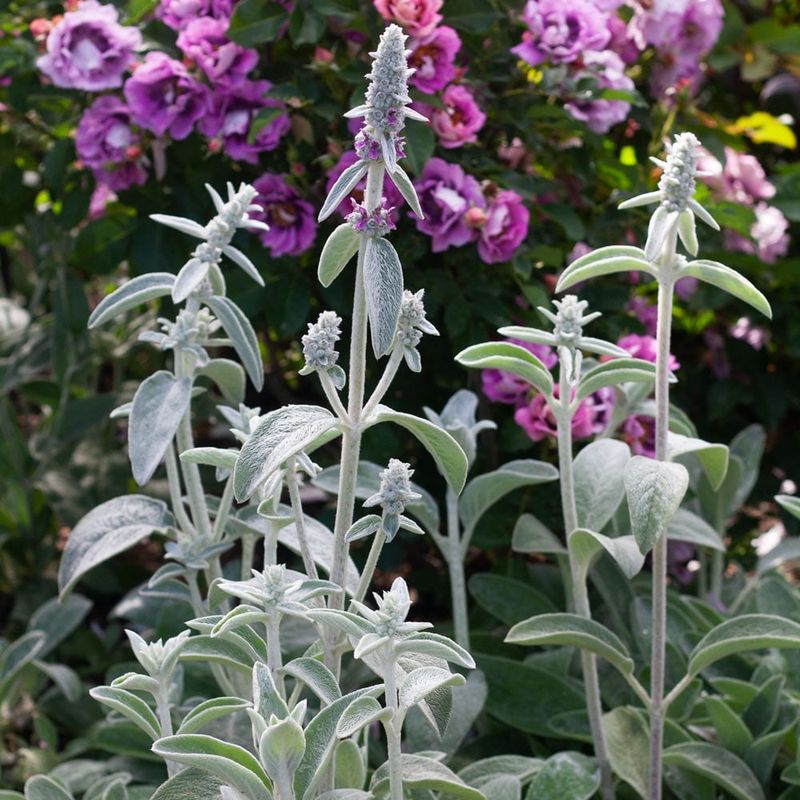
Reach down and touch lamb’s ear and you will understand its name instantly. The leaves are so soft and velvety that they beg to be petted, yet that fuzzy texture is exactly why deer and rabbits pass it by.
Animals dislike the woolly coating on the foliage, so this silvery groundcover stays untouched while adding a cool, moonlit shimmer to your beds. It works as a living edge, softening borders and pathways with its pale color.
Full sun and dry soil suit it perfectly, and it spreads slowly to fill in bare spots without taking over. Heat and drought barely faze it once it settles in.
Children often love running their fingers across the leaves, making it a friendly plant for family gardens. In summer it sends up tall spikes with small purple flowers that bees enjoy, though many gardeners grow it just for the foliage.
Trim away any tattered leaves in spring to keep it looking fresh. For texture, contrast, and critter-proof coverage in tricky spots, lamb’s ear brings a soft touch that pests refuse to sample.
8. Coneflower (Echinacea)
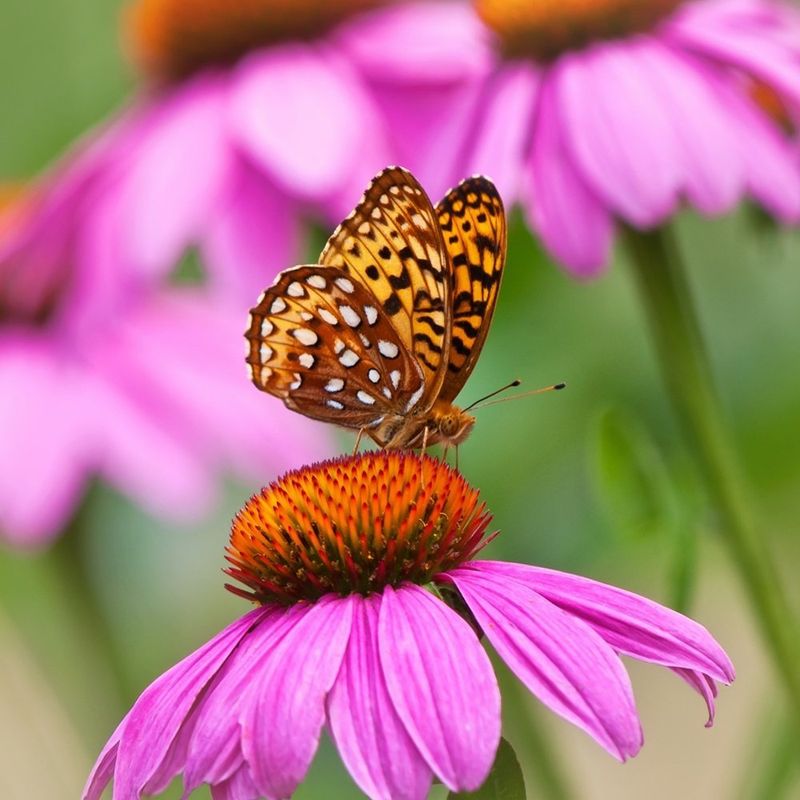
Native prairies gave us the coneflower, and this sturdy bloomer has earned a loyal following for good reason. The daisy-like flowers with raised, spiky centers stand up to heat, drought, and, happily, most grazing critters.
Deer and rabbits tend to skip coneflowers because the leaves are coarse and a little bristly, not the tender greens they crave. That leaves you with weeks of pink, purple, orange, or white blooms that butterflies and bees can hardly resist.
Plant them in full sun and just about any well-drained soil, and they will reward you with minimal effort. Once their roots dig in, they handle dry Southern summers without much watering.
Leave the seed heads standing into fall and winter, and you may attract goldfinches hunting for a meal. That extra wildlife value makes coneflower a favorite for habitat-friendly yards.
Echinacea has a long history in herbal remedies, often linked to immune support. In the garden, it simply keeps performing season after season.
For long-lasting color that shrugs off pests and feeds pollinators, coneflower deserves a front-row seat.
9. Daffodils
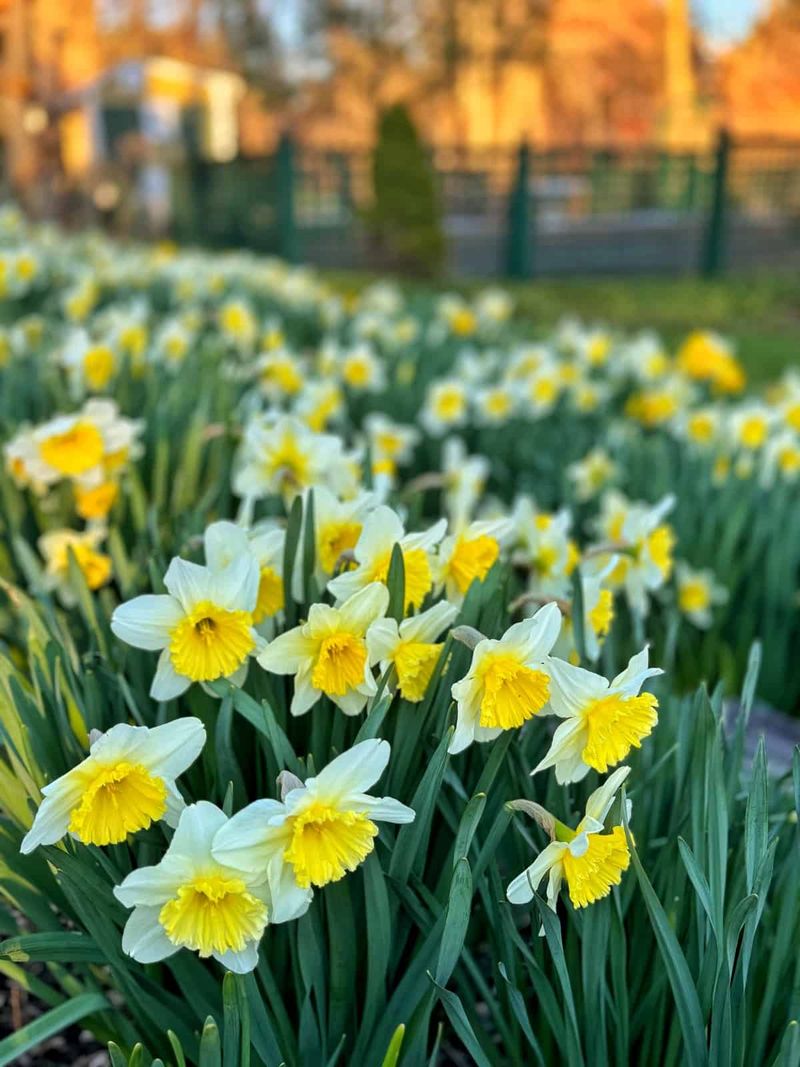
Nothing says the growing season has arrived quite like a cluster of sunny daffodils. Beyond their cheerful faces, they carry a hidden perk: deer and rabbits almost never eat them.
The bulbs and leaves contain compounds that taste bitter and are mildly toxic to grazing animals, so critters give them a wide berth. That makes daffodils a dependable choice for beds that keep getting raided by hungry wildlife.
Plant the bulbs in fall in a sunny to partly shaded spot with soil that drains well. In warmer Southern zones, look for varieties suited to milder winters so they bloom reliably each spring.
Once in the ground, they multiply on their own, returning year after year with almost no help from you. Tuck them among other perennials, and they will fill early gaps before summer plants take over.
A clever trick: planting daffodils around tulips or other tasty bulbs can help shield those neighbors from nibbling. Let the foliage yellow naturally after blooming so the bulbs store energy for next year.
For easy, critter-proof spring cheer, daffodils are a classic that never disappoints.