
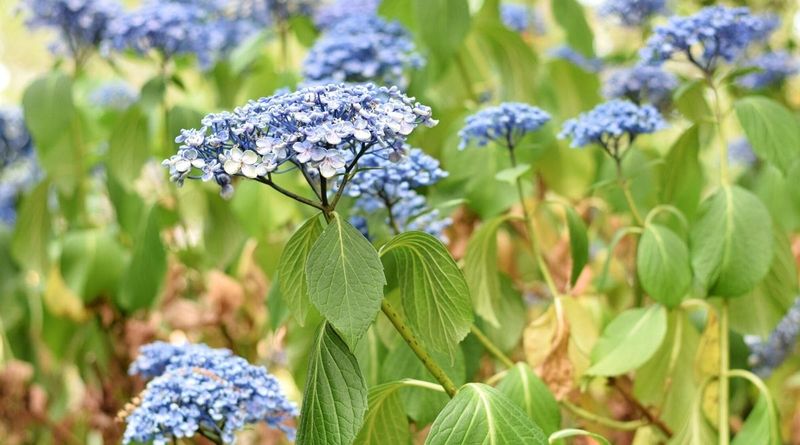
Hydrangeas are one of the most beloved shrubs in Southern gardens, but when yours produces only a handful of tiny, floppy flower clusters, the frustration is real. The good news is that small or sparse blooms usually point to a fixable problem – and the fix starts with knowing what type of hydrangea you have.
Correct, type-specific pruning is often the key troubleshooting step, especially when poorly timed cuts have removed flower-bearing wood, but light, water, drainage, and cultivar traits all play important roles too.
Small, sparse, and floppy blooms point to different problems
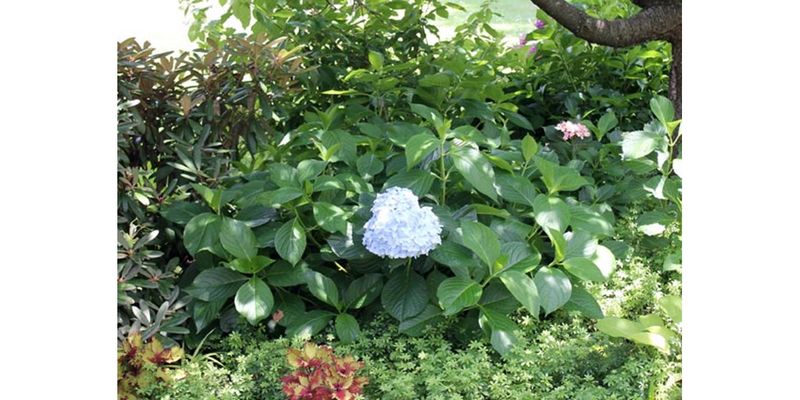
Not every disappointing hydrangea has the same problem, and treating them all the same way is where many gardeners go wrong. University of Maryland Extension guidance on hydrangea problems points out that few flower heads, small flower clusters, and large but floppy heads are three separate symptoms that often trace back to different causes.
Lumping them together leads to the wrong fix.
Few flower heads are most commonly linked to wrong-time pruning, winter or late-frost damage, excessive shade, deer browsing, or too much nitrogen in the soil. Small flower clusters, on the other hand, may reflect cultivar genetics, insufficient light, water stress, weak young stems, or overcrowding.
Large but floppy heads are usually a stem-strength issue rather than a sign that the plant needs more fertilizer.
Maryland’s pruning guidance and University of Illinois Extension research on native hydrangea trials both reinforce that pruning is one important variable, not the only one. Before reaching for the loppers, spend a few minutes looking at the plant as a whole: count the flower heads, note whether the stems are sturdy or weak, and think about what happened to the shrub over the past year.
Identification and honest diagnosis come first.
Identify the hydrangea before choosing a pruning window
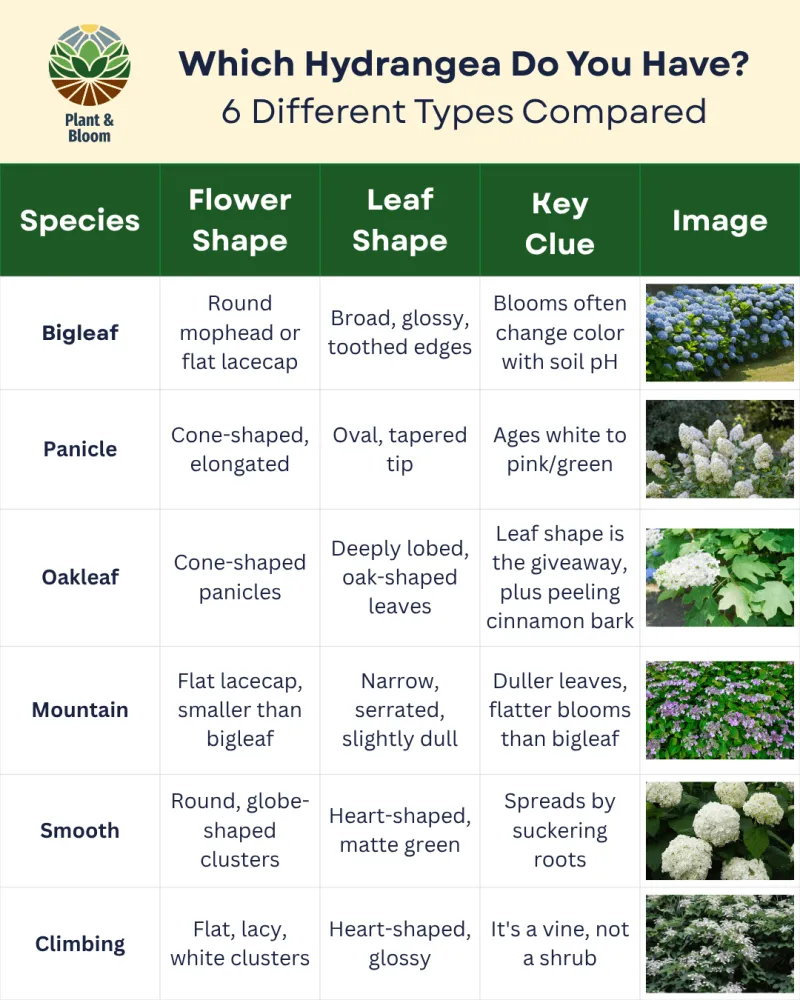
Leaf shape and flower form are your quickest identification tools. Broad, large leaves paired with rounded mophead or flat lacecap flower clusters suggest a bigleaf or French hydrangea.
Leaves with a distinctive lobed, oak-like outline and cone-shaped flower clusters point to an oakleaf type. Rounded, softball-sized clusters on upright stems lean toward smooth hydrangeas, while tall, cone-shaped clusters on vigorous stems indicate panicle hydrangeas.
Why does this matter so much? Because UGA Extension’s identification guide explains that bigleaf and oakleaf types generally set next season’s flower buds on stems produced the previous year – those are called old-wood bloomers.
Smooth and panicle types produce their flower buds on new growth each season. Pruning at the wrong time for the wrong type can remove those buds entirely, leaving you with a lush, leafy shrub that simply refuses to flower.
Visual identification is a solid starting point, but it is not always the complete answer. Penn State Extension’s bloom-failure resource and UConn Extension’s hydrangea factsheet both note that some reblooming cultivars, including certain bigleaf types, can flower on both old and new wood.
When you know the cultivar name, look it up and confirm its flowering behavior before deciding on a pruning approach.
Protect old wood on bigleaf and oakleaf hydrangeas
Bigleaf and oakleaf hydrangeas build next season’s flower buds on stems that grew the previous year. Those buds form in late summer and early fall, which means that any pruning done from fall through early spring has a real chance of cutting them off before they ever open.
The result is a plant that looks perfectly healthy and leafy come spring but produces almost no flowers.
University of Maryland Extension’s pruning guide and UGA’s bigleaf hydrangea publication both advise pruning these types immediately after flowering, when the spent clusters are fading but new buds have not yet set. At that point, you can safely remove spent flower stems, cut out dead or damaged canes, and thin any wood that is genuinely weak or very old without sacrificing next year’s display.
Routine fall cleanup cuts and enthusiastic late-winter tidying are the most common reasons old-wood bloomers disappoint year after year. WSU Hortsense’s failure-to-bloom fact sheet also flags winter cold and late-spring frosts as bud killers, even when pruning timing is correct.
Penn State Extension adds that florist hydrangeas purchased for Easter or Mother’s Day are often greenhouse-grown bigleaf types whose buds are particularly vulnerable to winter injury after being planted outdoors. A plant can be completely healthy and still fail to bloom because a single cold event damaged the buds months earlier.
Use the later pruning window for new-wood bloomers
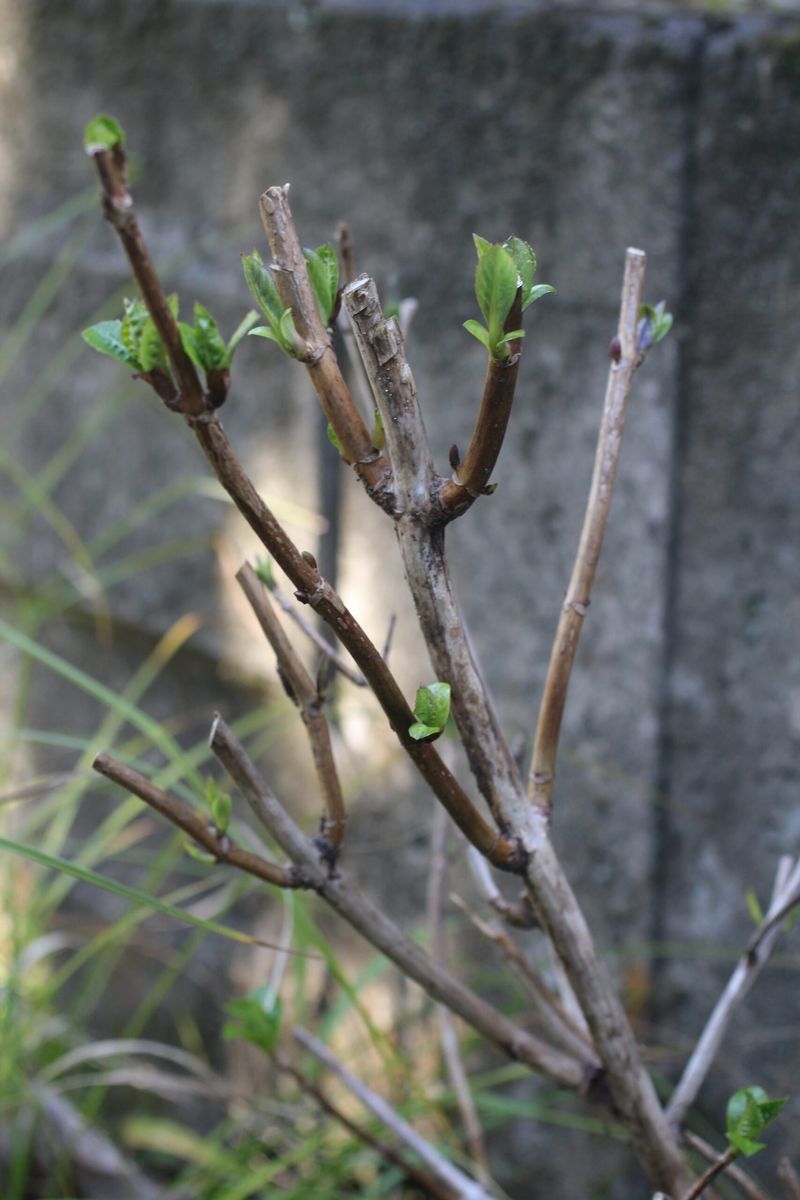
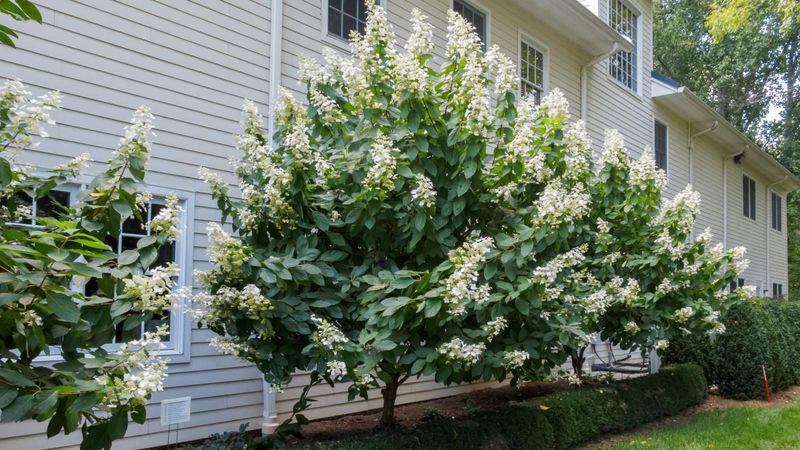
Smooth hydrangeas and panicle hydrangeas operate on a different schedule. Because they produce flower buds on new growth each season, pruning during dormancy or in late winter and early spring removes only old wood – the buds that will actually carry this year’s flowers have not formed yet.
That timing flexibility is one reason these types are often recommended for gardeners who want a more forgiving pruning window.
Maryland Extension and UC IPM’s hydrangea resource both note that moderate or selective pruning on new-wood bloomers can sometimes result in fewer but larger flower clusters. That can be a welcome improvement when a plant is producing many small heads on crowded stems.
The tradeoff is real, though: fewer stems means fewer total clusters, so the plant may look less full even if individual flowers are bigger.
Hard pruning – cutting every stem nearly to the ground – is often described as standard practice for smooth hydrangeas, but UConn Extension recommends leaving roughly 18 to 24 inches of framework on some smooth types rather than going all the way down. Extremely low cuts can push very vigorous, slender new growth that cannot support the weight of large flower heads, causing the stems to flop over by midsummer.
Leaving some woody structure gives the plant a sturdier base to build on.
Thin selectively when you accept the flower-count tradeoff
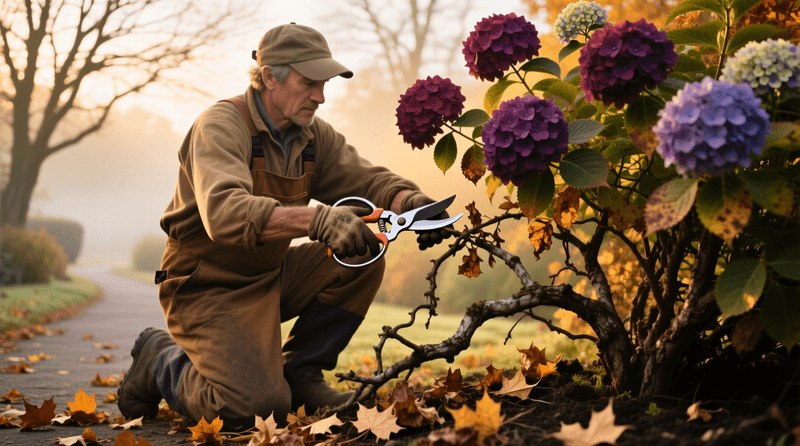
Selective thinning is a more measured approach than a full haircut, and it tends to produce better results without the risks of cutting too hard or at the wrong time. Start by removing anything that is clearly dead, damaged, or crossing through the center of the plant in a way that blocks light and airflow.
Those cuts almost never hurt the plant and often help it right away.
After clearing the dead and damaged wood, step back and look at the stem density. UC IPM and University of Maryland Extension both acknowledge that reducing the number of stems on some hydrangeas can direct more of the plant’s energy into the remaining flower heads, sometimes producing larger clusters.
Better light penetration and improved air circulation are real benefits of opening up a crowded shrub.
The tradeoff needs to be stated plainly: fewer stems can mean fewer total flower heads, even if the ones that remain are larger. Thinning is not a formula that reliably increases both bloom size and bloom count at the same time.
Approach it as a structural improvement – removing what is weak or crowded – rather than as a guaranteed path to a more abundant display.
Fix light, water, and drainage before blaming the pruners

Pruning at the right time helps, but a plant sitting in the wrong spot will keep disappointing you regardless of how carefully you cut. For most hydrangeas in hot Southern climates, morning sun and afternoon shade is a safer general recommendation than full sun all day.
UF/IFAS Gardening Solutions notes that bigleaf hydrangeas in Florida perform best with some shade, particularly in the afternoon, and that French hydrangeas are best suited to North and Central Florida where winters are relatively cooler. Deep shade reduces flowering, but a hot, fully exposed location brings its own set of stresses.
Panicle hydrangeas generally tolerate more direct sun than bigleaf types, though local heat, humidity, and soil conditions still matter.
UGA’s bigleaf hydrangea guide recommends regular moisture in well-drained soil as a baseline. Afternoon wilting during Georgia or Florida summers does not automatically mean the plant is thirsty – check the soil a few inches down before watering again.
UF/IFAS Bay County Extension points out that hydrangeas can wilt from heat stress even when soil moisture is adequate.
Soggy, poorly drained soil is just as damaging as drought. Alabama Cooperative Extension and UGA’s ornamental plant care bulletin both caution against overwatering and planting too deeply, which can contribute to root problems and reduced performance.
No single prescription covers every Florida or Texas yard – species, cultivar, local heat, shade availability, soil type, and water source all shape what actually works in a given location.
Reject fertilizer and color remedies as universal bloom cures
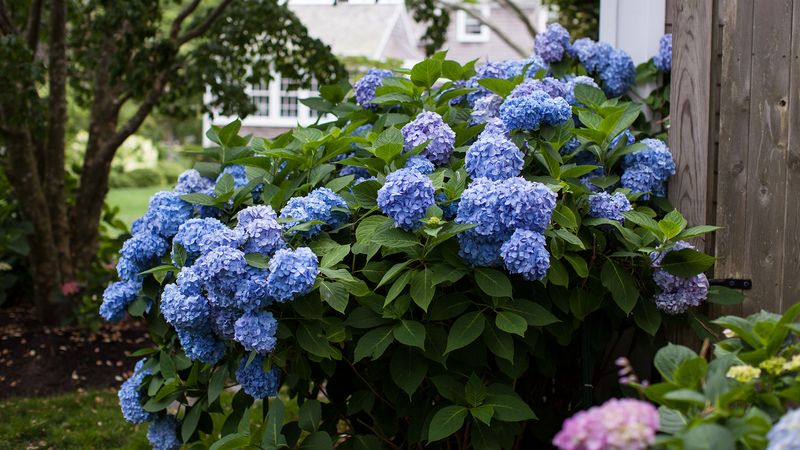
When blooms are sparse, many gardeners reach for a fertilizer or a soil amendment, hoping a quick fix will trigger a better display. The problem is that the most popular remedies often address the wrong issue entirely.
Excess nitrogen is a common culprit behind lush, leafy hydrangeas that barely flower at all. University of Maryland Extension’s problem guide lists high nitrogen as a reason for poor bloom production, and the fix there is restraint, not more fertilizer.
Soil pH is a popular topic in hydrangea conversations, but UMass Extension’s color and fertilizing guide makes clear that pH changes primarily affect flower color in bigleaf and mountain hydrangeas – not whether any hydrangea produces large or abundant blooms. Panicle, smooth, and oakleaf types do not respond to pH the same way.
Aluminum sulfate is sometimes recommended to shift color toward blue, but UMass and Penn State Extension both warn that applying it in excess or without a soil test can injure or burn roots. Use it only with label-directed amounts and after testing.
Coffee grounds, citrus peels, and kitchen scraps are not a dependable substitute for a measured amendment program, and none of them has a reliable track record for enlarging hydrangea blooms. Deadheading spent flowers may encourage faster reblooming in cultivars already capable of repeat flowering, but it does not convert a non-reblooming type into one that reflowers.
UConn Extension and UF/IFAS Bay County both note that Endless Summer-type cultivars can bloom on both old and new wood, which gives them more opportunities to rebloom after pruning mistakes or winter damage – but their performance still depends on cultivar, light, moisture, and how well the plant is established.
Match the cut to the plant, then set realistic bloom expectations
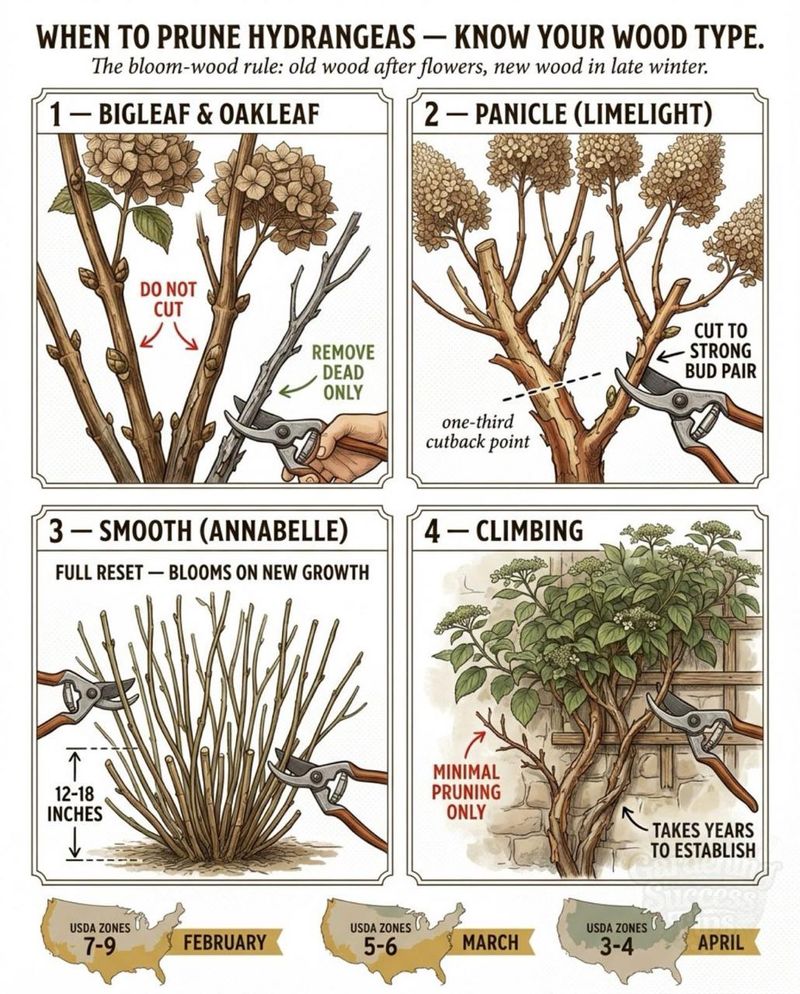
The practical path forward starts with identification. Know whether your plant is an old-wood or new-wood bloomer, check the specific cultivar when you can, and let that information set your pruning window.
UGA Extension’s identification resource is a reliable starting point for matching the plant to its pruning timing.
From there, prune selectively rather than aggressively, protect old wood on bigleaf and oakleaf types, and thin overcrowded stems rather than cutting the whole shrub hard. Then turn your attention to the site: correct light, consistent moisture in well-drained soil, and restrained fertilizer use address problems that no amount of pruning can fix.
Maryland Extension’s problem guide is worth bookmarking for ongoing diagnosis.
Pruning at the right time prevents avoidable bud loss and improves plant structure, but it cannot guarantee a spectacular display if the cultivar, site, or climate is working against you. A hydrangea that finally blooms the way you hoped is usually the result of several things going right at once, not one dramatic intervention.