
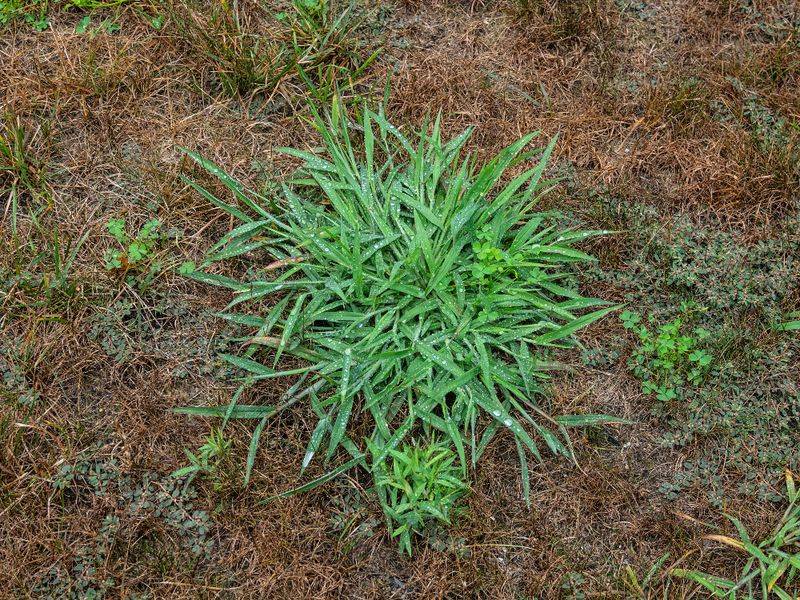
Crabgrass has a talent for coming back stronger every summer, no matter how many treatments you throw at it. For Southern homeowners in Florida and Texas, where warm seasons stretch long and lawns take a beating, this weed can feel genuinely unbeatable.
The good news is that understanding why it keeps returning puts you in a much better position to push back. The answer has less to do with finding a stronger acid and more to do with timing, turf management, and a realistic plan across multiple seasons.
Crabgrass returns because each season leaves more seeds behind
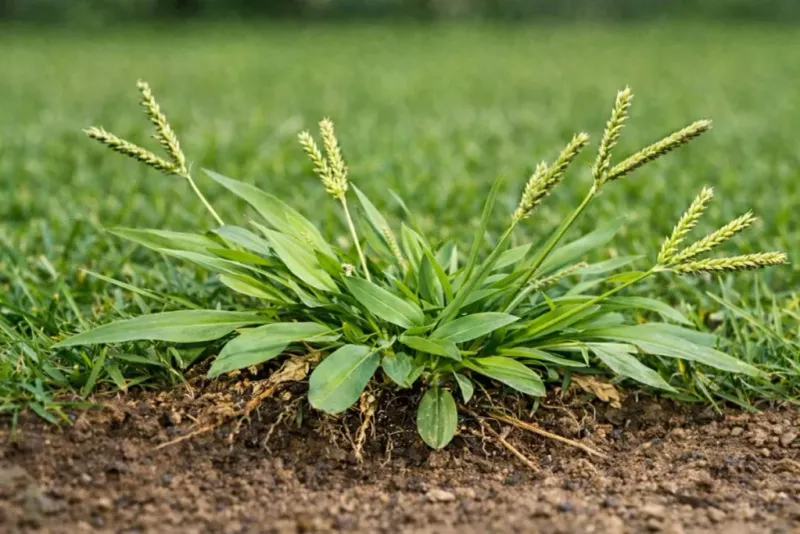
Most homeowners assume that once crabgrass dies off in the fall, the problem is over for the year. What actually happens is the opposite: every plant that completes its life cycle deposits a fresh wave of seeds into the soil before the first cold snap arrives.
Crabgrass is a warm-season annual, which means it sprouts in spring, grows aggressively through the heat of summer, produces seed, and then dies when temperatures drop.
The seeds it leaves behind do not disappear. They accumulate in what researchers call a soil seed bank, a buried reserve that waits out the winter and germinates the following spring when conditions are right again.
University of Minnesota Extension notes that a single crabgrass plant can produce up to 150,000 seeds, which explains why a small patch treated in July can still produce a large infestation the next June.
Killing emerged plants in summer reduces the immediate eyesore but does not empty the seed bank already built up from previous years. A one-time treatment, no matter how thorough, cannot reach seeds already sitting in the soil.
That reality is why a multi-season approach matters far more than finding a stronger product to use once.
An acidic treatment can mean a spray or a soil change
When someone mentions an “acidic fix” for crabgrass, they usually mean one of two very different things. The first is spraying acetic acid directly onto emerged weed foliage.
The second is deliberately lowering the lawn’s soil pH to make conditions less hospitable for crabgrass. Both ideas sound logical, but they work differently and carry different risks.
The soil-acidification approach has a significant problem at its foundation: crabgrass is not particularly fussy about pH. University of Georgia Extension documents crabgrass growing across a soil-pH range of approximately 5.5 to 7.5, which covers most of the range homeowners would realistically target.
Acidifying the soil is not a dependable way to control this weed because the weed simply tolerates acidic conditions.
Beyond the ineffectiveness, unnecessary acidification can actively harm the desirable grass you want to keep. UGA’s soil fertility guidance and Penn State Extension’s turfgrass liming resource both explain that excessive soil acidity reduces nutrient availability and can impair root growth in desirable turf.
Change soil pH only after a soil test identifies a documented need, not as a homemade weed remedy.
Vinegar burns contacted leaves without reliably killing established crabgrass
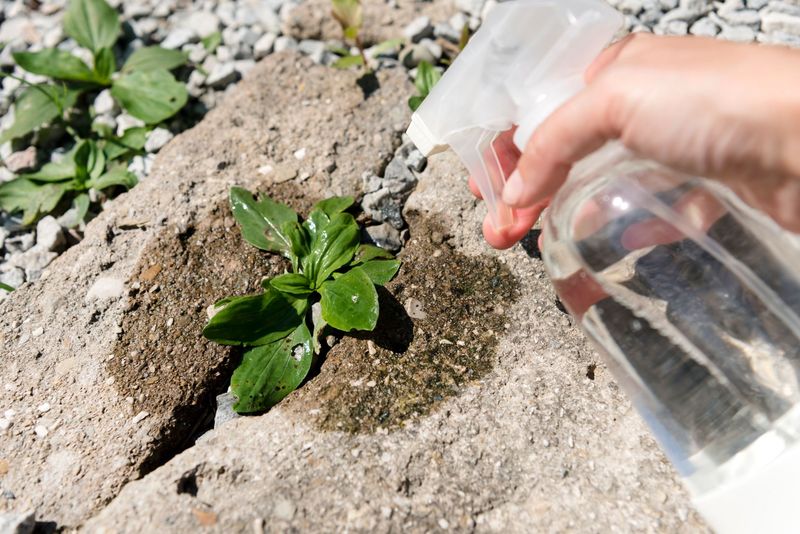
Acetic acid has a fast and visible effect on plant tissue, which makes it tempting to reach for a bottle of vinegar when crabgrass appears. The burn happens quickly and looks dramatic.
The problem is that the chemistry behind that burn does not translate into reliable, lasting control of established plants.
Acetic acid acts as a nonselective contact herbicide. It destroys the plant tissue it directly touches, but it does not move through the plant’s vascular system and generally does not reach or kill the roots.
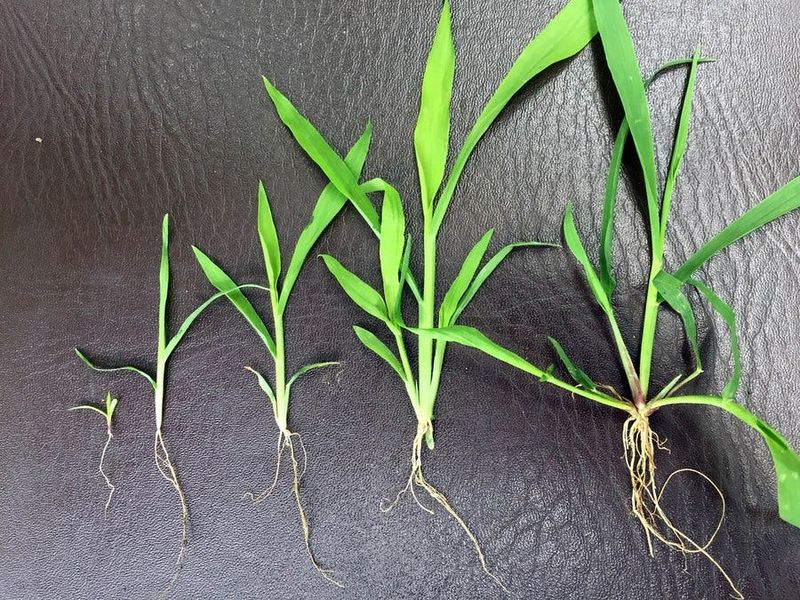
Young, newly germinated annual weeds with minimal root development are more vulnerable. Once crabgrass has been in the ground for several weeks and developed a stronger root system, the plant can recover after a surface burn, and repeated applications may be needed to see any meaningful reduction.
Research on large crabgrass found only 28 to 45 percent control from 20 percent acetic acid under the tested conditions, as documented in USDA ARS research. NPIC’s acetic acid guidance also notes that vinegar performs less effectively on grasses than on broadleaf weeds, which puts crabgrass in an especially resistant category.
A treatment that scorches the top of the plant while leaving a functioning root system below is not the permanent answer the title of this article hints at.
Treat acetic acid as a narrow, label-directed option
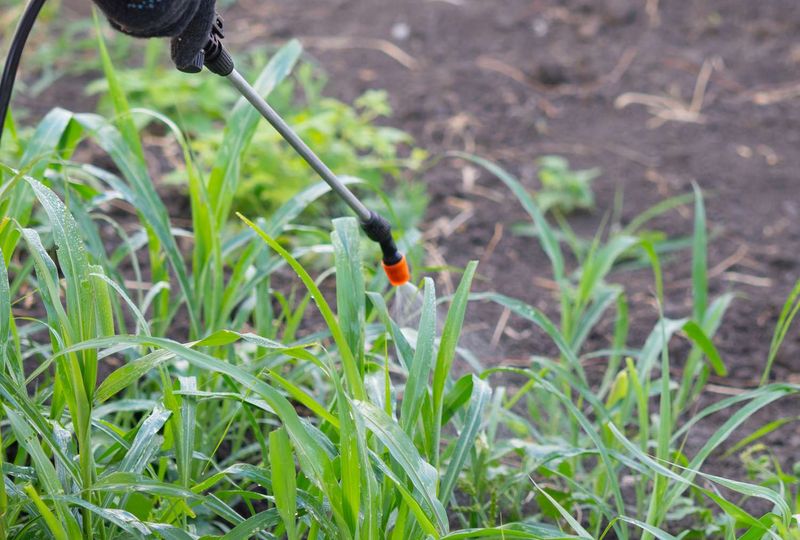
Understanding what acetic acid cannot do does not mean it has no place at all in a homeowner’s toolkit. The key is using it only where it actually fits.
Targeted spot treatment in non-lawn areas, such as cracks in a driveway, gravel paths, or bare soil where no desirable plants are present, is a more appropriate application than broadcasting it across turf.
Broadcasting acetic acid over a lawn is a poor idea because the product is nonselective. It cannot distinguish between crabgrass and the bermudagrass, St. Augustinegrass, or centipedegrass you want to protect.
UGA Extension’s weed management guidance reinforces that acetic acid can damage ornamental plants, vegetables, and any other vegetation the spray contacts.
Concentration matters more than most homeowners realize. Household vinegar is usually about 4 to 6 percent acetic acid.
Horticultural products are commonly 20 percent or higher and present a much greater risk of severe eye and skin injury. These are not interchangeable products, and stronger is not simply better.
NPIC and EPA minimum-risk pesticide guidance both advise choosing a product registered for herbicidal use and following its label precisely, including protective equipment requirements.
Skip the improvised recipes entirely. Adding salt to vinegar can injure turf and nearby plants, persist in soil, and create future planting problems, as noted in UF/IFAS pest management guidance and Penn State Extension.
Dish soap additives are also not standardized for herbicide use. A label on a registered product exists for a reason.
Properly timed preemergence treatment helps prevent new seedlings
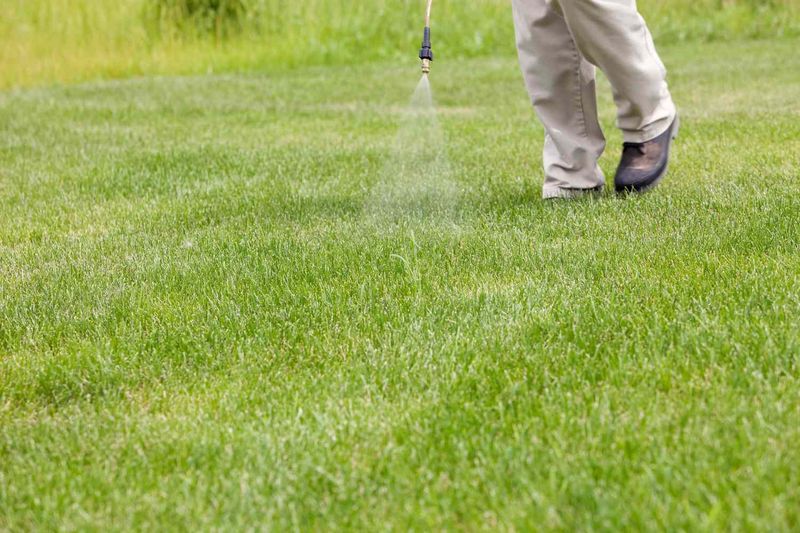
Preemergence herbicides are the main preventive chemical tool against crabgrass, but they work only when applied at the right moment. These products create a barrier in the soil that disrupts germination.
Once crabgrass has already sprouted and established itself, preemergence products offer no rescue benefit for those existing plants.
Timing is tied to soil temperature rather than a fixed calendar date. Penn State Extension specifies that crabgrass germination commonly begins when soil temperatures reach approximately 55 to 58 degrees Fahrenheit in the upper inch for four to five consecutive days.
Texas A&M turfgrass guidance uses a similar 55-degree benchmark at roughly two inches of depth. Applying too early gives the barrier time to break down before peak germination; applying after germination begins misses the window entirely.
Regional timing examples give a rough starting point. UF/IFAS suggests approximately early February in South Florida, mid-February in Central Florida, and early March in North Florida.
Texas A&M Extension gives mid-February for South Texas, early March for North and Central Texas, and mid-March for the Panhandle. These are regional estimates, not universal application dates, and local soil temperature readings should take priority.
Common UF/IFAS-listed preemergence options include dithiopyr, pendimethalin, and prodiamine, but no single product suits every lawn. Turf species tolerance, label restrictions, and the requirement to water the product into the soil as directed all affect results.
Check the label carefully and consult local extension guidance before purchasing.
A dense lawn reduces the openings crabgrass needs
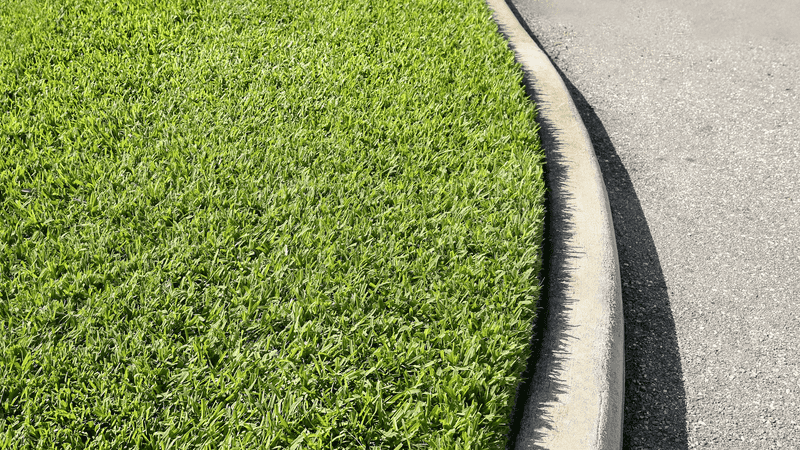
Chemical treatments alone rarely solve a recurring crabgrass problem because they do not address the conditions that let crabgrass thrive in the first place. Thin, patchy turf leaves bare soil exposed to sunlight, and crabgrass seedlings are exceptionally good at colonizing those gaps.
A dense lawn that shades the soil surface gives new seedlings far less opportunity to establish.
Mowing correctly is one of the most practical ways to build that density. Cutting grass too short stresses the turf, thins the canopy, and invites weeds.
UF/IFAS crabgrass management guidance emphasizes following the recommended mowing height for your specific grass and removing no more than one-third of the leaf blade at any single mowing.
Those heights vary significantly by species, which is why identifying your turf before setting the mower deck matters. UF/IFAS Florida lawn care guidance lists approximately 0.5 to 1.5 inches for bermudagrass, 1.5 to 2 inches for centipedegrass, 2.5 to 4 inches for St. Augustinegrass depending on cultivar, and 2 to 2.5 inches for coarse zoysiagrass.
Mowing St. Augustinegrass at a bermudagrass height, for example, would thin the canopy and give crabgrass exactly the opening it needs.
Sound watering, fertilization, and aeration practices support turf density as well. A lawn that is actively healthy and growing at the right height competes better against crabgrass than one that is stressed and sparse, regardless of what herbicide program is in place.
Handle existing crabgrass before it produces more seed
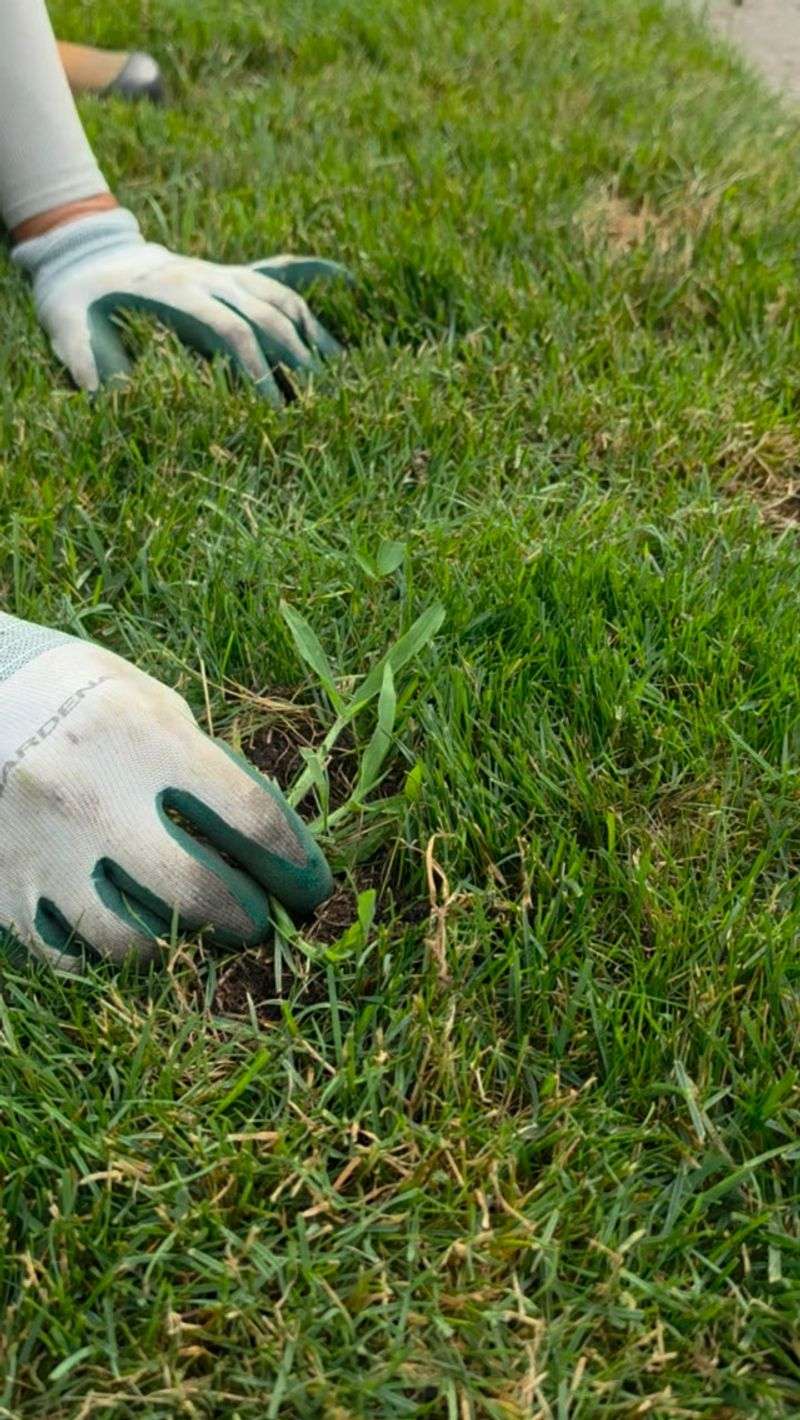
When crabgrass is already growing in the lawn, the priority shifts to limiting how many seeds it contributes to next year’s problem. Hand-pulling small patches before seedheads mature is practical and effective for limited infestations.
Get the roots out cleanly, and dispose of the pulled plants away from the lawn so any developing seeds do not drop back into the soil.
Mowing is a less reliable rescue tool than most homeowners expect. University of Minnesota Extension and UF/IFAS weed identification guidance both note that crabgrass has a low, spreading growth habit that allows it to escape the mower blade.
Mowing after seed production has already begun can spread seed rather than eliminate it.
Postemergence herbicide options exist but require careful selection. Texas A&M Extension cautions that postemergence crabgrass control can be inconsistent, particularly on large, established plants.
Before selecting any product, identify your turfgrass species. Some postemergence options that work on bermudagrass or zoysiagrass can cause serious injury to other lawn types.
One specific warning deserves emphasis: Texas A&M’s herbicide selection guide explicitly states that quinclorac should not be applied where St. Augustinegrass is present. St. Augustinegrass is one of the most common lawn types across Florida and coastal Texas, so this is not an edge-case warning.
Always read the product label and check with your local cooperative extension office before applying any postemergence herbicide.
Build a multi-season plan instead of searching for a stronger acid
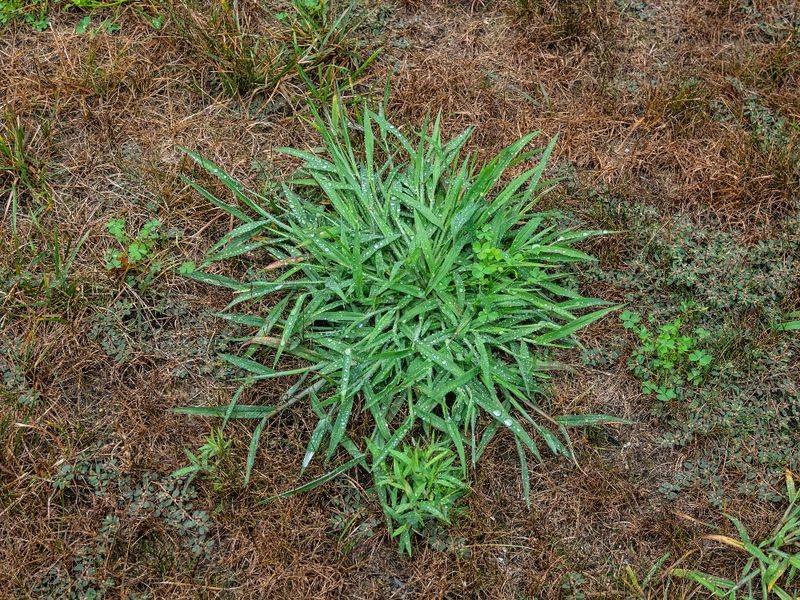
Crabgrass pressure builds over years and retreats over years. There is no single treatment that empties the seed bank or prevents every seedling from germinating.
The most reliable long-term approach combines several practices that each reduce pressure a little, adding up to meaningful improvement across two or three seasons.
Start by removing small existing plants before seedheads mature, using hand-pulling for manageable patches and a suitable labeled postemergence product only after confirming your turf species. Apply a preemergence herbicide near your local germination window when soil temperatures approach 55 degrees Fahrenheit, following the product label for watering requirements and application limits.
Penn State Extension and UF/IFAS both frame preemergence treatment as a tool that helps prevent the next wave of seedlings, not a guarantee of a crabgrass-free lawn.
Acetic acid can provide a limited surface burn on contacted foliage, but it does not eliminate established roots or the seed bank below. Soil acidification is not a substitute for this plan.
Keep the mower at the correct height for your turf species, maintain healthy lawn density, and accept that the goal is reducing crabgrass pressure over successive seasons rather than achieving instant eradication. University of Minnesota Extension puts it plainly: with a weed that can leave up to 150,000 seeds per plant in the soil, patience and consistency matter more than the strength of any single treatment.