
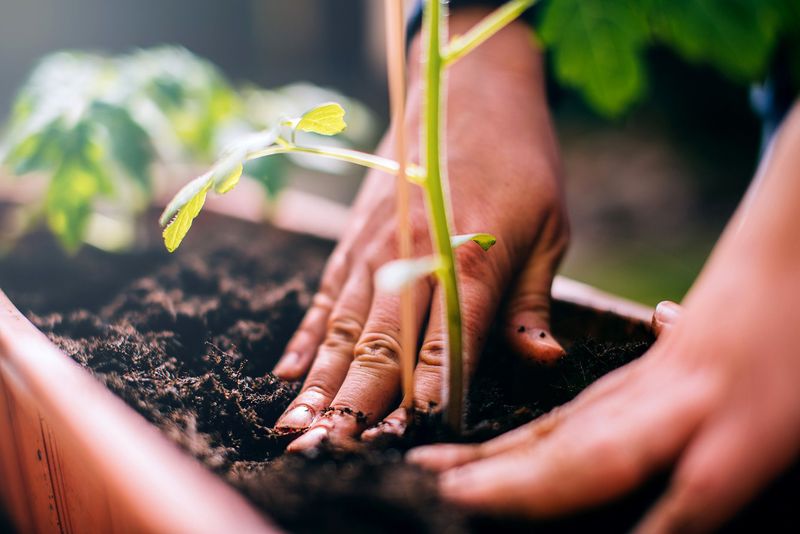
That tired soil sitting in your empty containers after a long Southern growing season still has plenty of life left in it. Instead of dumping it out, you can refresh and reuse it to save money and cut down on waste.
In warm states like Florida and Texas, where the gardening year barely slows down, keeping good soil in play makes a real difference. Here are nine easy ways to give your old potting mix a second chance.
1. Mix in Fresh Compost to Recharge Nutrients
By the end of a busy season, your potting mix has been drained of most of the good stuff plants crave. Tomatoes, peppers, and cucumbers are hungry feeders, and they leave the soil worn out and low on nutrients.
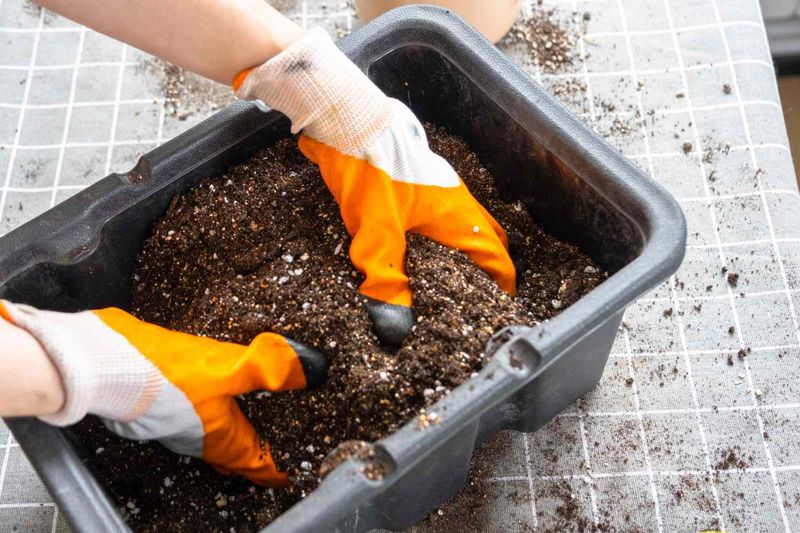
Adding a few generous scoops of finished compost is the simplest fix. Compost restores organic matter, feeds the tiny microbes that keep soil healthy, and improves how well moisture spreads through the mix.
Aim for roughly one part compost to three parts old soil, then stir it together until the color looks even and dark. Homemade compost works great, but a bagged version from the garden center does the job too.
In Florida and Texas, where heat speeds up how fast nutrients break down and wash away, this quick boost can make the difference between struggling plants and thriving ones. Give the refreshed mix a good watering and let it sit for a day or two before planting.
Your fall lettuce, herbs, or cool-season greens will settle right in and often bounce back faster than they would in a brand-new bag.
2. Sift Out Old Roots and Debris
Old root balls, dead stems, and chunks of last season’s plants love to hide in used potting soil. Left behind, they can rot, invite pests, or block roots from spreading out the way they should.
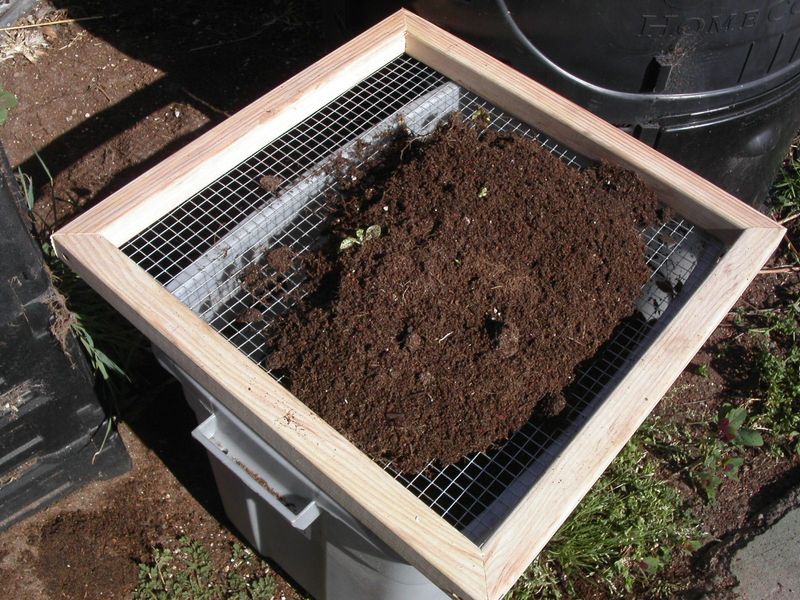
Running your soil through a simple screen clears all that clutter fast. A piece of hardware cloth stapled to a wooden frame works perfectly, or you can even use an old kitchen colander for smaller batches.
Shake the soil through, and watch the tangled leftovers collect on top while clean, fine mix falls below. Toss those scraps into your compost pile so nothing goes to waste.
Sifting also breaks up compacted clumps, which matters a lot in humid Southern climates where soil packs down and holds too much water. Loose, airy soil drains better and keeps roots from sitting soggy.
Once you have a clean pile, it is ready to blend with compost or fresh mix. Think of it as clearing the deck so your next round of plants has room to breathe and grow without fighting through last season’s mess.
3. Solarize It to Kill Pests and Disease
Sometimes the reason a plant failed is still lurking in the dirt. Fungus, harmful bacteria, weed seeds, and pest eggs can survive in used soil and cause trouble for your next crop.
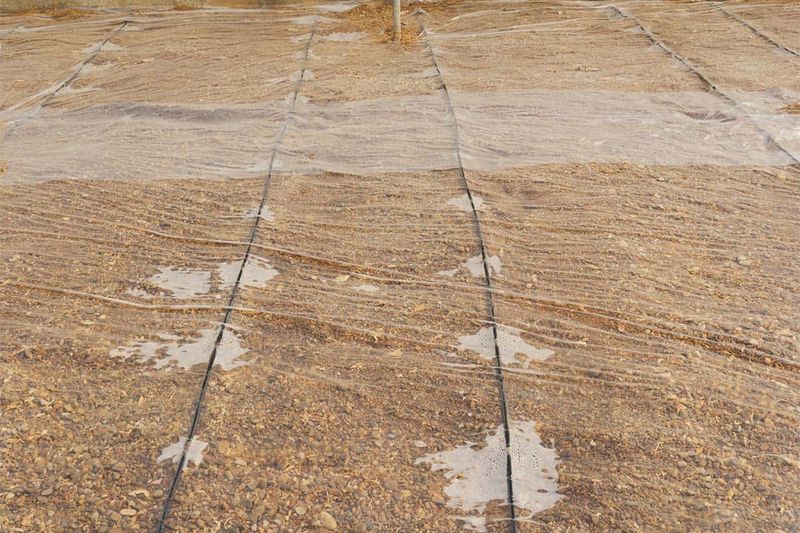
Solarizing uses nothing but sunshine to clean it up. Spread the damp soil in a clear plastic bag or a shallow tray covered in plastic, then set it in full sun for four to six weeks.
The trapped heat climbs high enough to wipe out many of the troublemakers hiding inside. In Florida and Texas, where late summer and early fall bring blazing sun, this method may work even faster than in cooler regions.
Give the soil a light dampening first, since a little moisture helps the heat travel through the mix and reach deeper spots. Keep the plastic sealed tight so the temperature stays cranked up.
When the time is up, you are left with a much cleaner base to work with. It is a chemical-free way to reset soil that let you down, and it costs nothing but a bit of patience and a few weeks of good weather.
4. Blend With New Potting Mix
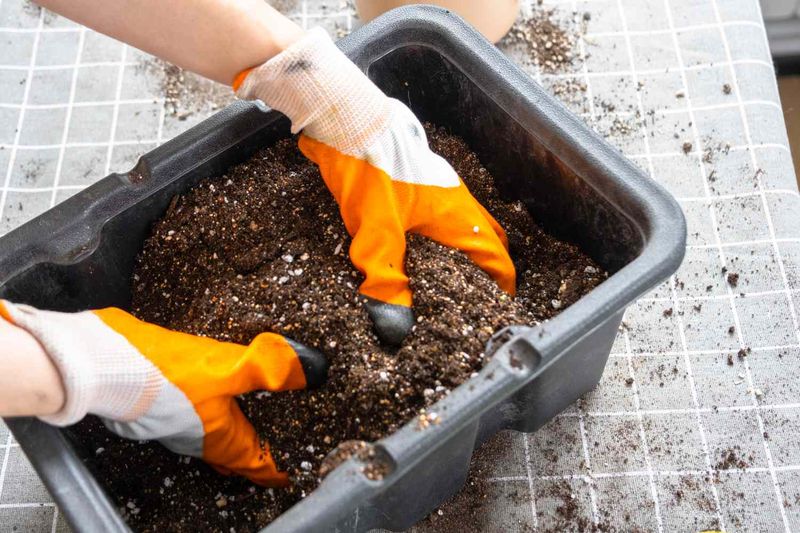
Nobody says you have to reuse old soil all on its own. One of the easiest tricks is to stretch a fresh bag by cutting it with what you already have.
Blending equal parts old and new gives you the best of both worlds. The fresh mix brings back fluffiness and nutrients, while the used portion keeps your costs down and reduces waste.
Old potting soil tends to lose its light, airy feel over time as the peat and bark break down. Mixing in new material restores that spongy texture roots love and helps water move evenly instead of pooling.
For heavy feeders like squash or tomatoes going into a warm-season Southern bed, lean toward more fresh mix. For herbs, greens, or flowers that are less demanding, a fifty-fifty split works just fine.
Stir everything together thoroughly so you do not end up with dense pockets of tired dirt. This approach is a favorite for gardeners filling lots of containers on a budget, letting one new bag cover twice the ground without shortchanging your plants.
5. Add Worm Castings for a Gentle Boost
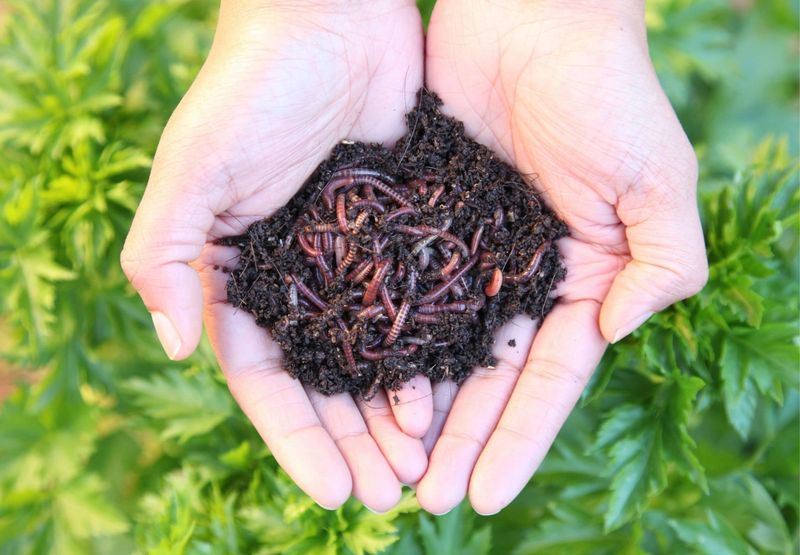
If compost is the hearty meal, worm castings are the vitamin-packed smoothie. These little dark crumbs are basically worm droppings, and gardeners treasure them for good reason.
Castings are loaded with nutrients in a form plants can use right away, plus billions of helpful microbes that wake tired soil back up. A little goes a long way, so even a small bag can refresh several containers.
Sprinkle a handful or two into your used mix and stir it through. Unlike strong fertilizers, castings are so mild they will not burn tender roots, which makes them perfect for seedlings and delicate greens.
In the South, where fast-growing fall crops go into pots quickly after summer harvests, castings give plants an easy head start without the wait. They also help soil hold moisture during those stretches when the heat lingers well into autumn.
You can buy castings ready to use or make your own with a simple worm bin. Either way, folding them into spent soil is one of the gentlest and most reliable ways to bring dull dirt back to productive life.
6. Use It to Fill Raised Beds
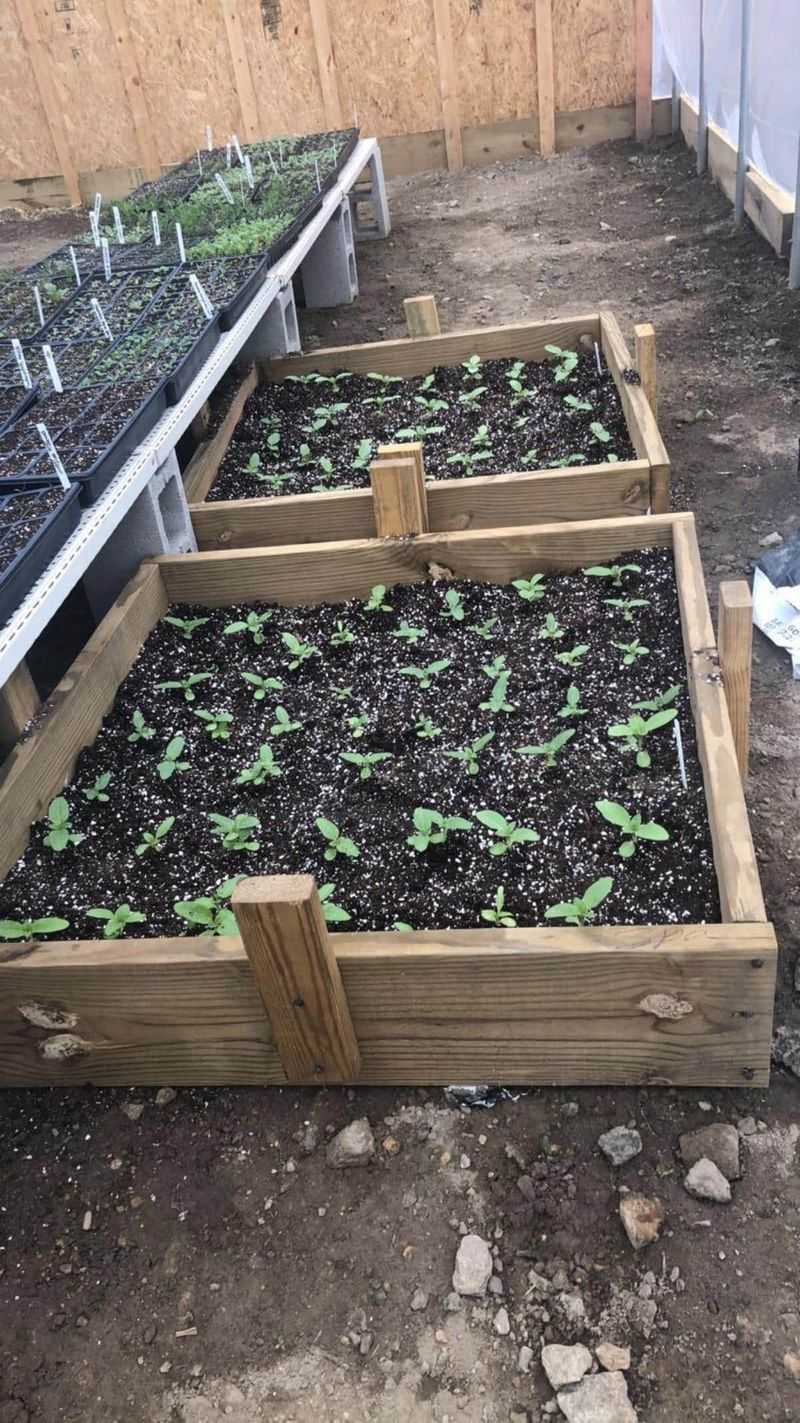
Filling a big raised bed from scratch with bagged soil gets expensive in a hurry. Your spent container mix is the perfect solution for bulking things up.
Pour the old soil into the lower and middle layers of the bed, then top it off with a few inches of fresh, nutrient-rich mix where the roots do most of their early feeding. The used material still holds structure and moisture, so it earns its keep down below.
Deep-rooted crops eventually reach into that older layer, and by then it has usually blended with everything above it. This layered trick saves serious money, especially if you garden across several beds.
In Florida and Texas, raised beds are a smart way to beat sandy or clay-heavy native ground, and reusing old soil makes building them far more affordable. Just be sure the used soil is free of disease before it goes in.
Mix in a bit of compost as you layer to keep the whole bed lively. Come fall planting time, your greens and root veggies will settle into a rich, deep home built partly from soil you almost threw away.
7. Toss It Into the Compost Pile
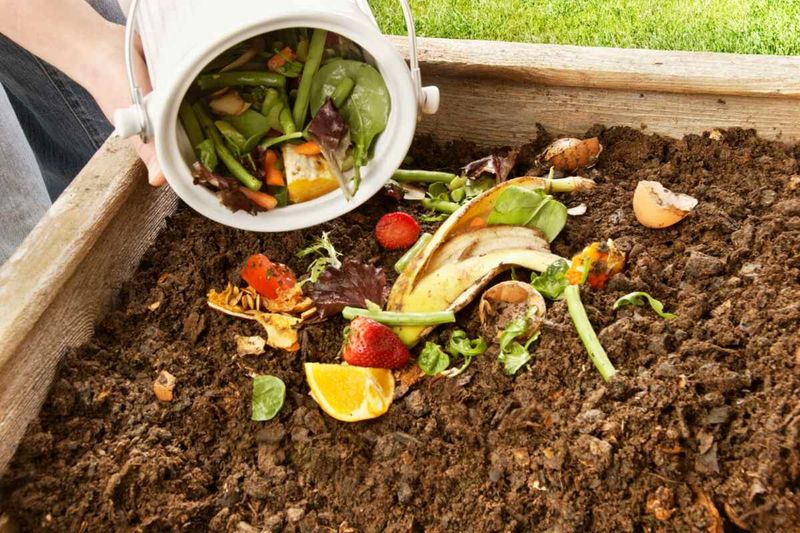
Not every batch of old soil is worth saving as-is, and that is completely fine. Your compost pile is happy to take it.
Adding spent potting mix to compost helps balance out all the wet, green kitchen scraps you throw in. The soil acts as a bulking agent, improving airflow and soaking up excess moisture so the pile does not turn into a slimy mess.
It also introduces beneficial microbes that speed up how fast everything breaks down. Over a few months, that tired dirt becomes part of a rich, crumbly compost you can use anywhere in the garden.
In the warm Southern climate, compost cooks quickly, so soil you add now may be ready to reuse by the next planting window. Layer it in with browns like dried leaves and greens like food scraps for the best results.
Think of this as recycling on a slow loop, where soil that fed one crop eventually returns to feed the next. It is the least fussy option on this list, requiring nothing more than dumping it on the heap and letting nature handle the rest.
8. Amend With Perlite or Coarse Sand for Drainage
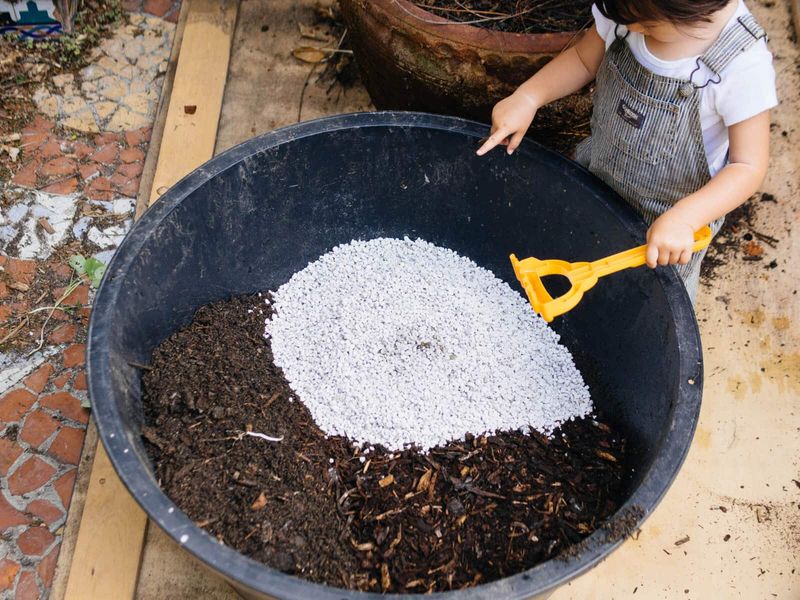
Old soil has a habit of packing down tight, and compacted dirt is a root’s worst nightmare. When water can barely move through, plants sit soggy and start to rot.
Stirring in perlite or coarse builder’s sand fixes that fast. Perlite is those little white pebbles you see in fresh mixes, and they create tiny air pockets that keep soil loose and free-draining.
Add about a handful per gallon of soil, then blend until it looks evenly speckled throughout. Coarse sand does a similar job and is easy to find, though perlite is lighter if you plan to move containers around.
This matters a great deal in humid parts of the South, where heavy rains and sticky air keep soil wet longer than plants like. Good drainage protects roots from drowning during those sudden Florida downpours.
Plants like rosemary, succulents, and many herbs especially love the extra breathing room. A quick amendment like this can turn dense, waterlogged mix back into something crumbly and welcoming, giving your next round of plants the airy footing they need to thrive.
9. Spread It as Mulch or Topdressing
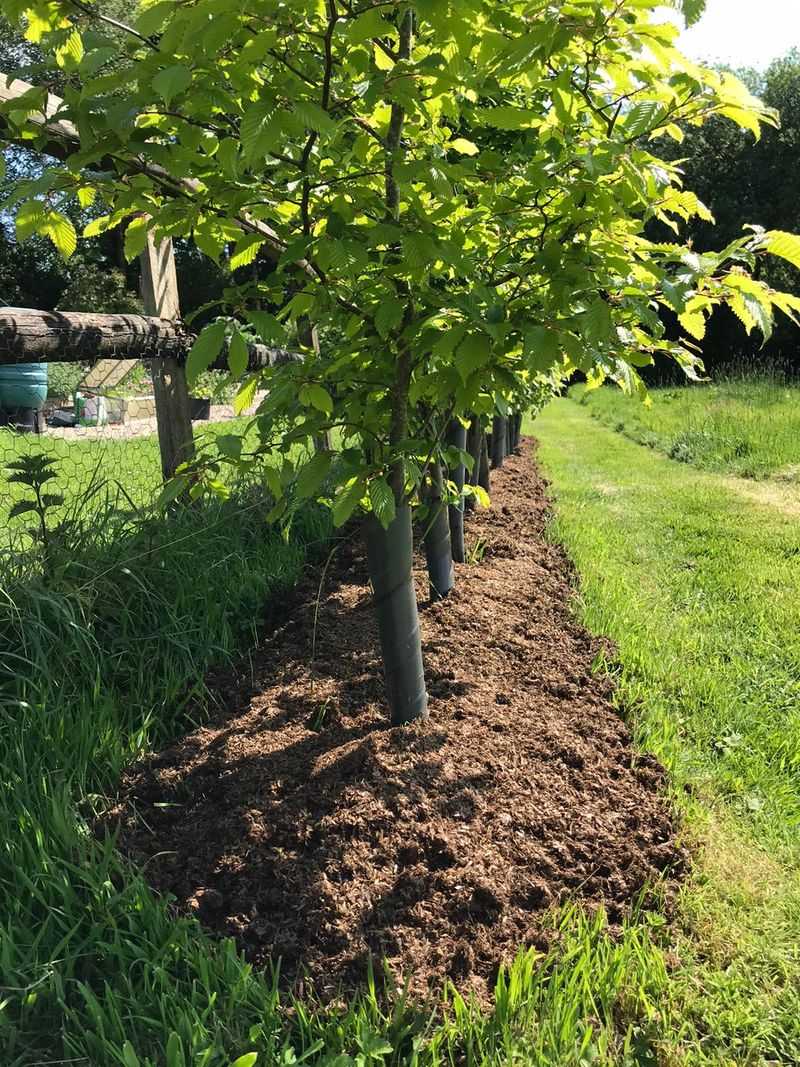
When you cannot think of another use, your spent soil still has one more job to do. Spreading it across garden beds as a light topdressing puts every last bit to work.
A thin layer around established shrubs, trees, or perennials helps lock in moisture and keeps weeds from sprouting. Over time, rain and worms pull the material down into the ground, slowly enriching the native soil below.
Keep the layer shallow, around an inch or so, and avoid piling it right against plant stems where it might trap too much dampness. Scatter it evenly and let nature do the mixing.
In Southern yards where summer heat bakes the ground hard, a soil topdressing shields roots and helps the earth stay cooler and moister. It is an easy way to stretch resources across a big landscape.
You can also use it to fill low spots in the lawn or level out uneven garden paths. However you spread it, this final option makes sure no scoop of old potting mix ever truly goes to waste in your garden.