
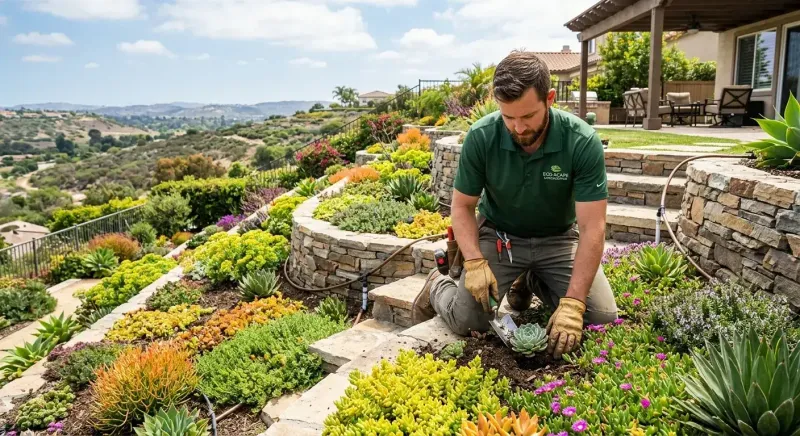
A bare hillside in California is more than an eyesore. When the long dry summer rolls in, that empty slope can dry out, erode, and feed a wildfire that races uphill fast.
The good news is that certain low-growing plants spread quickly, hold the soil in place, and stay greener and less flammable than dead grass or weeds. Here are ten groundcovers that can cover a slope in a hurry while helping you build safer defensible space around your home.
1. Creeping Sage (Salvia sonomensis)
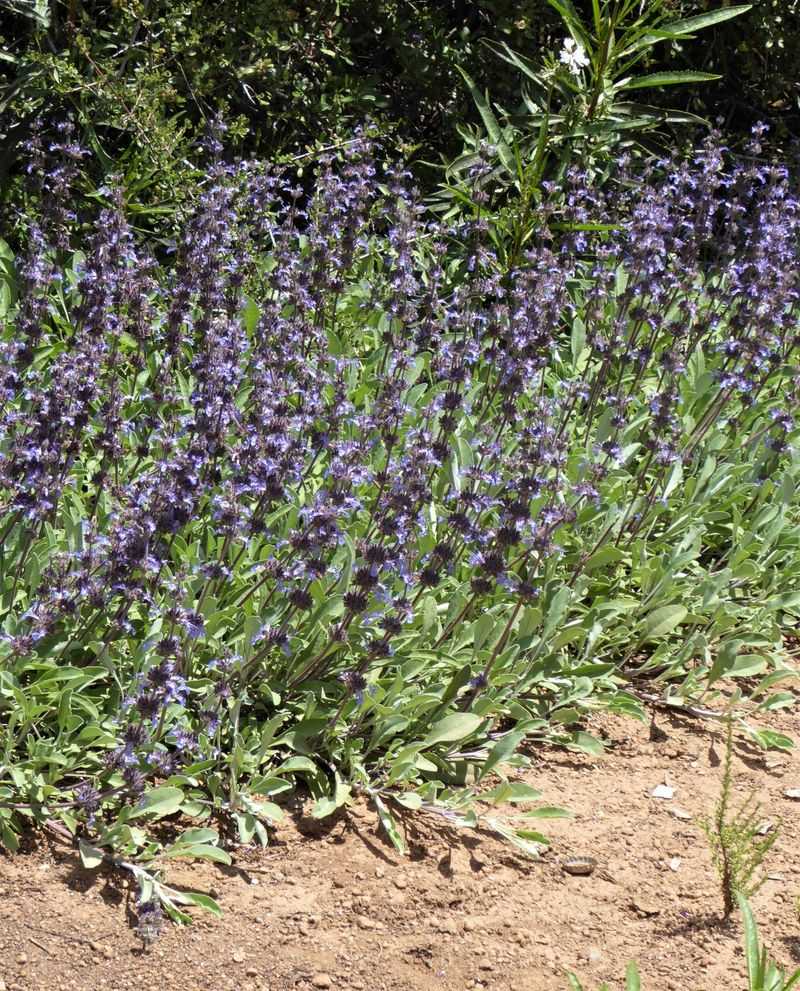
Native to California’s own foothills, creeping sage feels right at home on a sunny slope where other plants sulk. It hugs the ground and sends out a low mat of gray-green leaves that stay softer and moister than the tinder-dry weeds it replaces.
Bees and native pollinators love the short blue-purple flower spikes in spring, so you get a wildlife bonus while you cut fire fuel. Because the foliage stays low and fairly succulent, it does not build up the tall, dry material that carries flames toward a house.
Plant it where you want a tough, water-wise carpet that asks for almost nothing once it settles in. A single deep soak now and then during summer keeps it lush without fighting your local water restrictions.
On an erosion-prone bank, its roots quietly knit the soil together before winter rains arrive.
2. Bearberry Manzanita (Arctostaphylos uva-ursi)
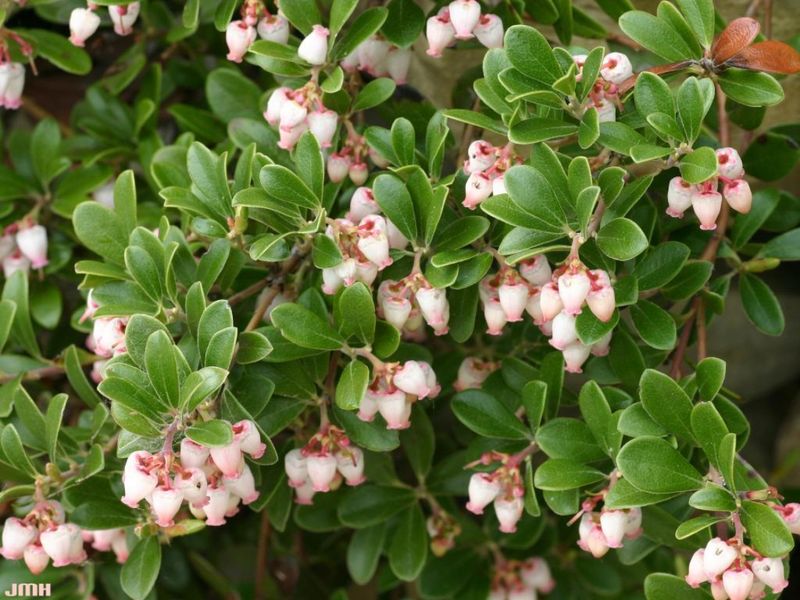
Ask any California native-plant fan for a bulletproof slope cover and manzanita usually comes up fast. The prostrate forms of bearberry manzanita spread into a dense evergreen mat of small, glossy leaves that shrug off drought like champions.
Little pink bell-shaped flowers appear in late winter, and hummingbirds show up to visit. Its thick, leathery leaves hold moisture, which helps it stay less flammable than dried-out grasses when the heat cranks up.
Give it good drainage and full sun to part shade, then leave it alone. Once established, it needs very little summer water, making it a smart fit for hillside homeowners trying to shrink both their water bill and their fire fuel load at the same time.
3. California Fuchsia (Epilobium canum)
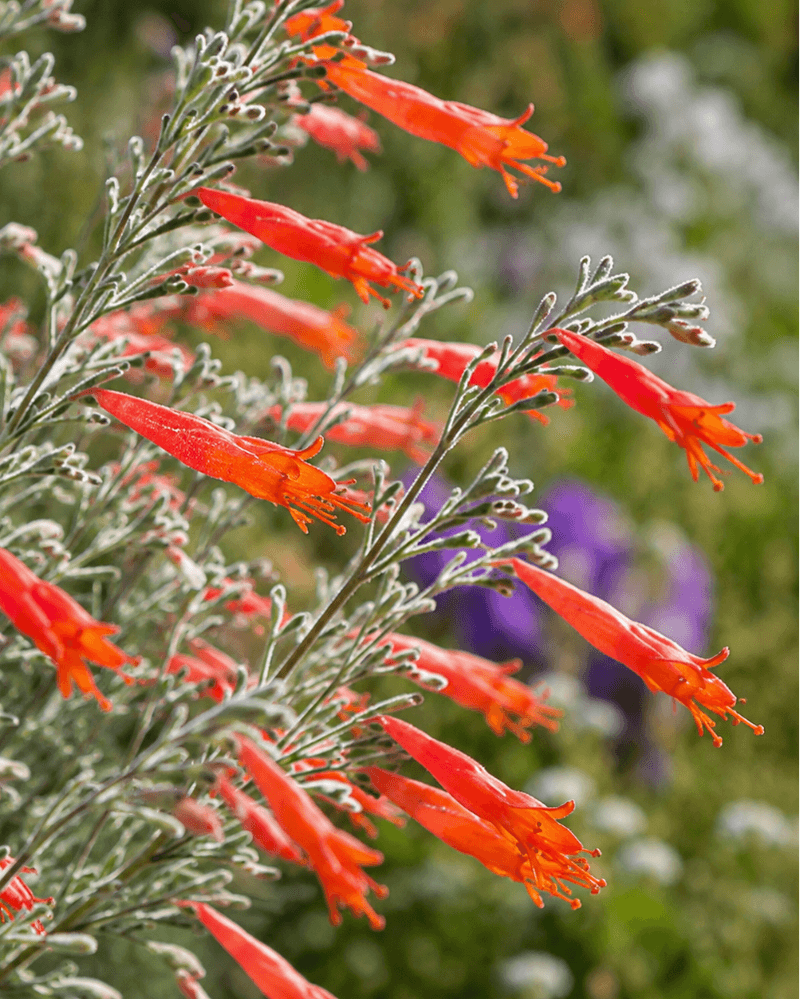
Few plants light up a late-summer slope like California fuchsia, with its blaze of orange-red tubular flowers just when everything else looks tired. Hummingbirds treat it like a favorite diner, so your fire-smart planting doubles as a backyard wildlife show.
The silvery, low foliage spreads by underground runners and fills bare ground quickly, which is exactly what you want on an exposed bank. Its soft, water-holding leaves resist ignition better than the crispy annual weeds that often take over neglected slopes.
It thrives on almost no summer water, blooming its brightest during California’s driest, hottest stretch. Cut it back hard in winter and it bounces back thicker each year, steadily crowding out the dry stuff you would rather not have near the house.
4. Point Reyes Ceanothus (Ceanothus gloriosus)
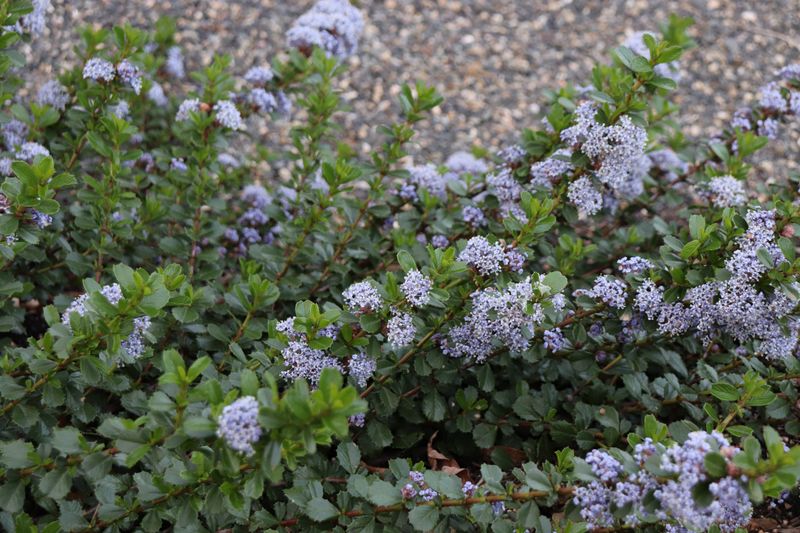
Coastal gardeners rave about this hugging form of California lilac, and for good reason. Point Reyes ceanothus creeps outward into a wide, dense mat of dark glossy leaves topped with clouds of blue flowers that pollinators swarm in spring.
Because it grows flat and thick rather than tall and twiggy, it covers a raw slope fast and keeps weeds from muscling in. That low, living blanket helps break up the continuous dry fuel that lets fire climb a hillside.
It handles wind, poor soil, and salty coastal air with ease. Give it sun and good drainage, skip the heavy watering, and it rewards you with year-round green cover that stabilizes the bank and calms your fire worries.
5. Dwarf Coyote Brush (Baccharis pilularis)
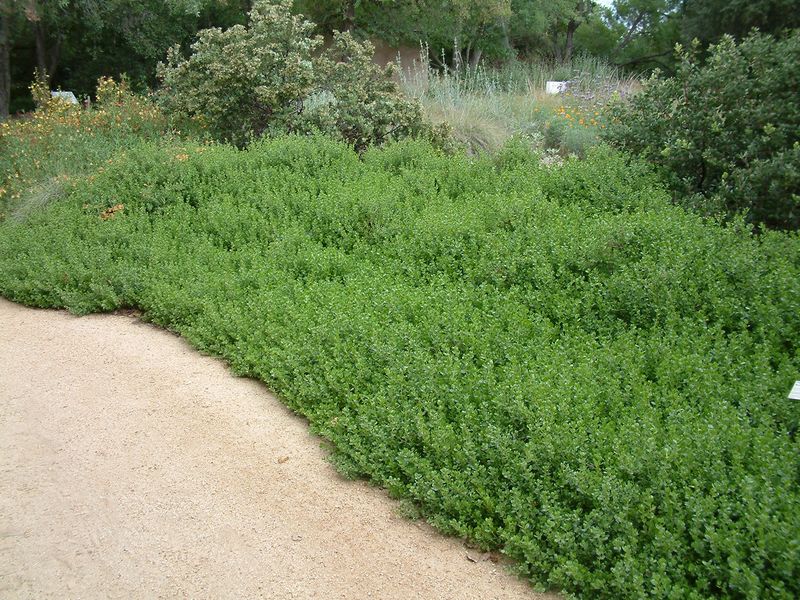
If you want a groundcover that spreads like it has somewhere to be, dwarf coyote brush is your workhorse. This tough California native forms a thick, springy green carpet that can cover a big slope surprisingly quickly.
Its dense growth chokes out weeds and holds soil firmly against winter runoff, which matters on any hillside that has lost its plant cover. Kept low and well tended, the mat stays greener and less brittle than the wild, woody stands of the plant that can build heavy fuel.
The trick is upkeep: prune it to keep it flat and remove any dead interior growth so it does not turn into a fire hazard itself. Handled that way, it becomes one of the fastest, most reliable living blankets for a bare California bank.
6. Sonoma Sage (Salvia ‘Bee’s Bliss’)
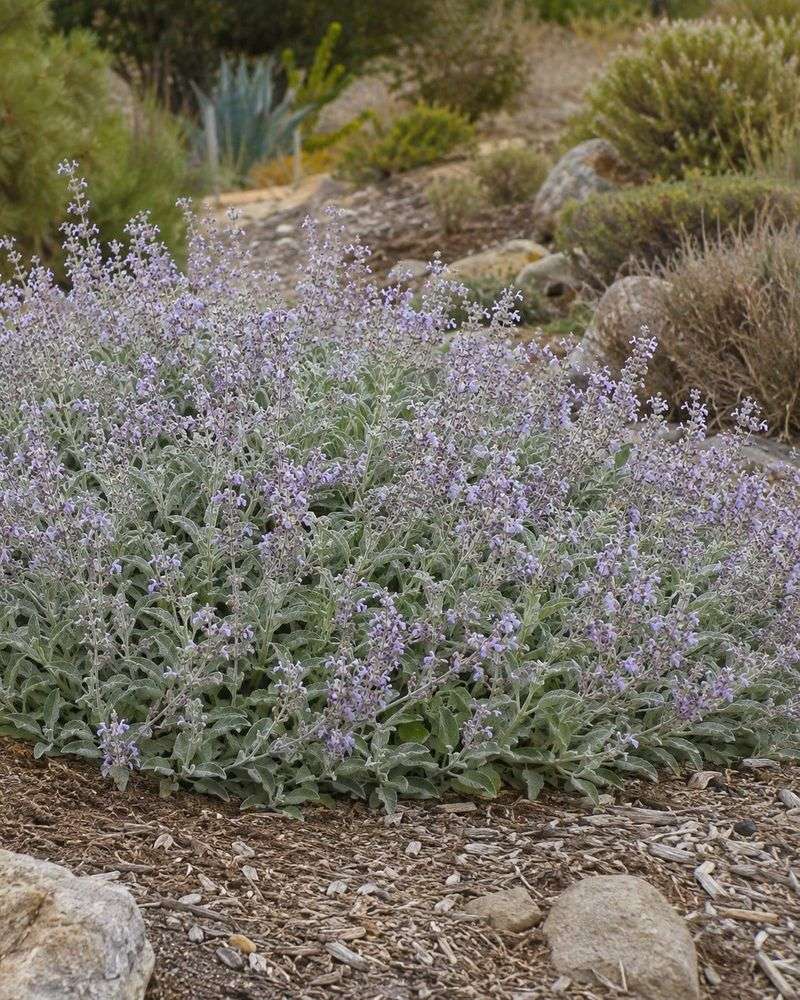
Gardeners hand this hybrid sage around like a well-kept secret, and once you see it fill a slope you understand why. ‘Bee’s Bliss’ spreads into a wide silvery mat, sometimes eight feet across, in just a couple of seasons.
Soft lavender-blue flower spikes rise above the foliage in spring, feeding bees and butterflies that make your yard buzz with life. The gray, aromatic leaves stay low and pliable, adding far less dry fuel than the tangle of weeds it replaces.
Drought is no problem for it once the roots take hold, so it fits neatly into a water-wise California yard. Plant a few, space them out, and watch them stitch together into one seamless, fire-conscious carpet over an exposed bank.
7. Yarrow (Achillea millefolium)
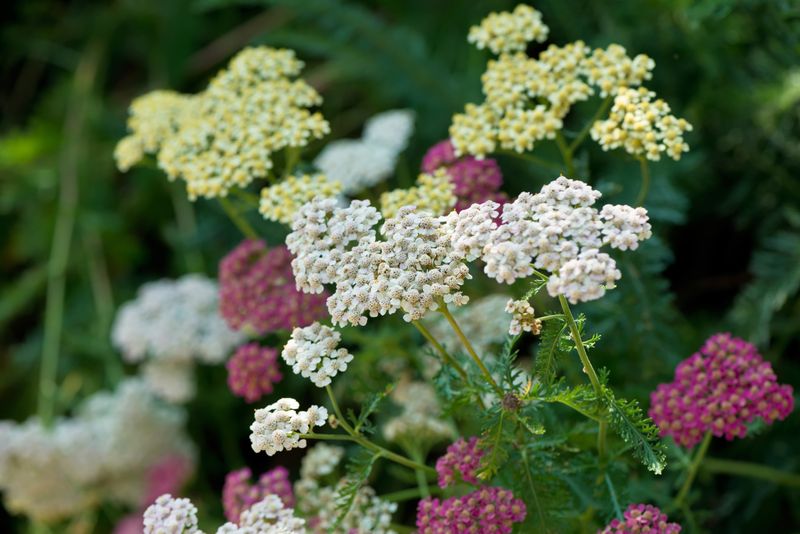
Yarrow is the friendly generalist of fire-smart planting, happy in almost any sunny California spot. Its feathery leaves knit together into a soft green mat, and flat flower heads in white or warm pastels attract a parade of beneficial insects.
The low, herby foliage stays relatively moist and springy, which means it does not stack up the dry, ladder-like fuel that helps flames climb. Mow or trim it after bloom and it stays neat and dense, holding the soil against slippage.
It also handles foot traffic and poor soil, so it works along paths and open banks alike. For a homeowner easing into defensible-space landscaping, yarrow offers quick coverage with very little fuss or water.
8. Beach Strawberry (Fragaria chiloensis)
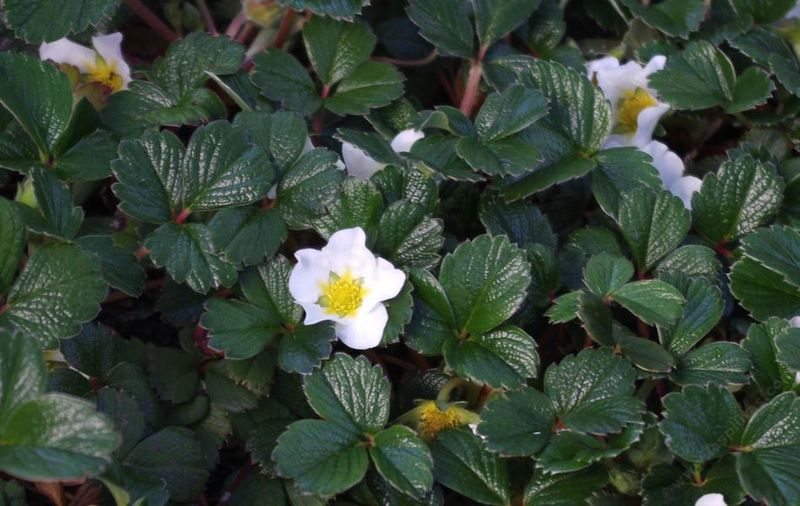
Here is a native that spreads by sending out runners, rooting as it goes, so it fills bare ground almost on its own. Beach strawberry lays down a glossy, dark green carpet dotted with small white flowers and the occasional tiny berry.
The lush, low leaves stay soft and moisture-rich, standing in sharp contrast to the crackly dry weeds a slope grows when left alone. That greener, denser cover helps take the edge off fire fuel while looking genuinely attractive.
It prefers a bit of moisture and takes part shade well, making it handy for slopes that do not bake all day. Let it roam and it becomes a self-repairing living blanket that keeps soil in place through the rainy months.
9. Trailing Rosemary (Salvia rosmarinus ‘Prostratus’)
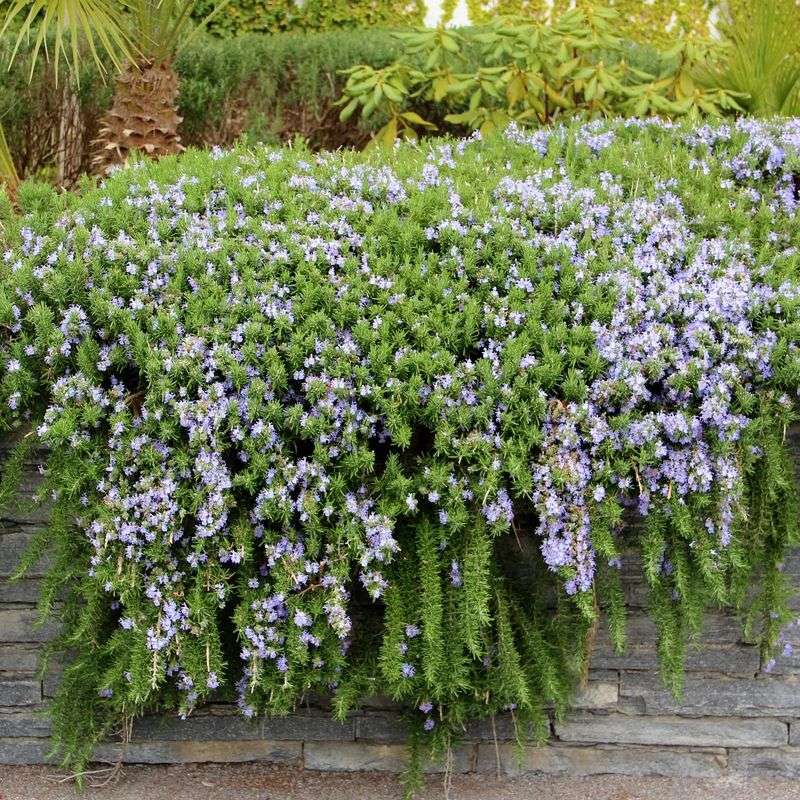
Cooks love it in the kitchen, but trailing rosemary earns its keep spilling down a dry slope too. This prostrate variety cascades over banks and walls, rooting where its stems touch soil and covering ground with fine, aromatic foliage.
A word of honesty here: rosemary contains oils, so keep it well watered enough to stay green and prune out dead wood to keep it fire-smart. Managed that way, its dense, low form can help hold a slope and suppress weeds while smelling wonderful.
Little blue flowers draw bees through much of the year, adding pollinator value to the mix. In a hot, sunny, poor-soil corner where you want fast, drought-tolerant coverage, it settles in quickly and looks great tumbling downhill.
10. Sedum and Stonecrop (Sedum spp.)
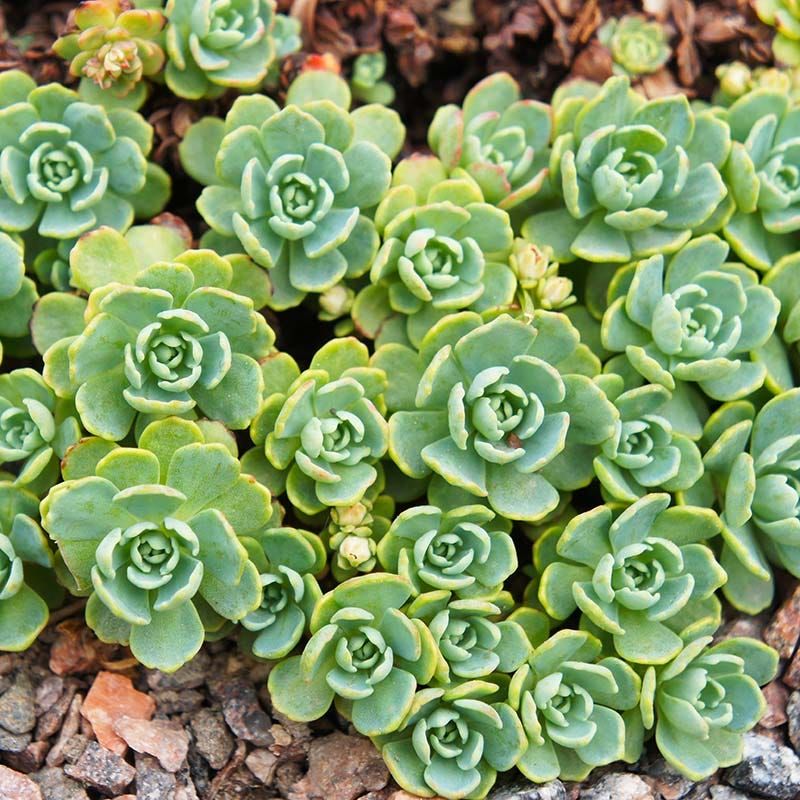
When people picture a fire-resistant plant, they often picture something exactly like sedum: fat, water-filled leaves that simply do not want to burn. These low succulents store moisture in their thick foliage, giving them one of the best fuel-resistance reputations around.
They spread into tidy mats over rocky, sun-baked banks where little else survives, and many kinds root readily from a dropped piece. Star-shaped flowers in summer bring in bees, so the coverage does double duty for wildlife.
Because they thrive on neglect and near-zero summer water, they fit California’s dry-season reality perfectly. Tuck them into the closest zone around your home, where high-moisture, low-fuel plants matter most, and you get a good-looking, defensive ground layer that basically takes care of itself.