
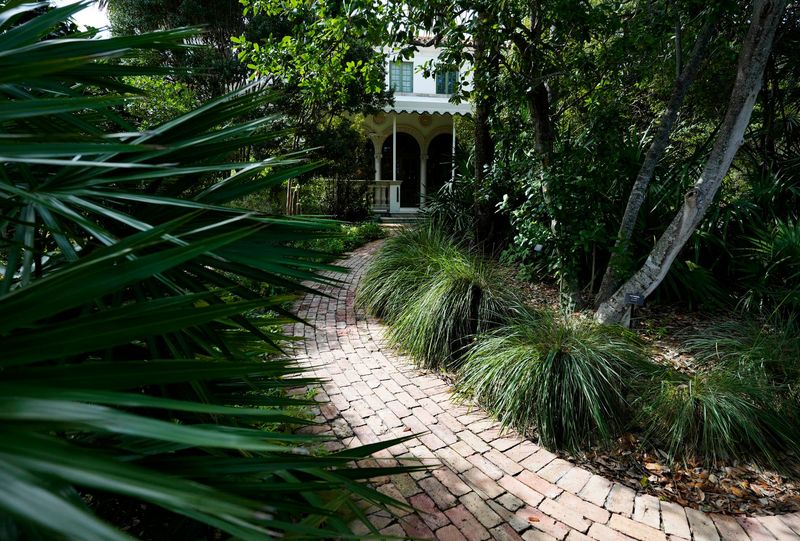
A front path is the first thing people see, but it should not need a hose every day to look good. Florida native plants can handle sandy soil, bright sun, and dry spells better than many fussy landscape plants.
The right choices can make an entry feel polished while helping pollinators, birds, and your water bill. Here are nine natives that bring curb appeal without turning your walkway into a weekend chore.
1. Coontie
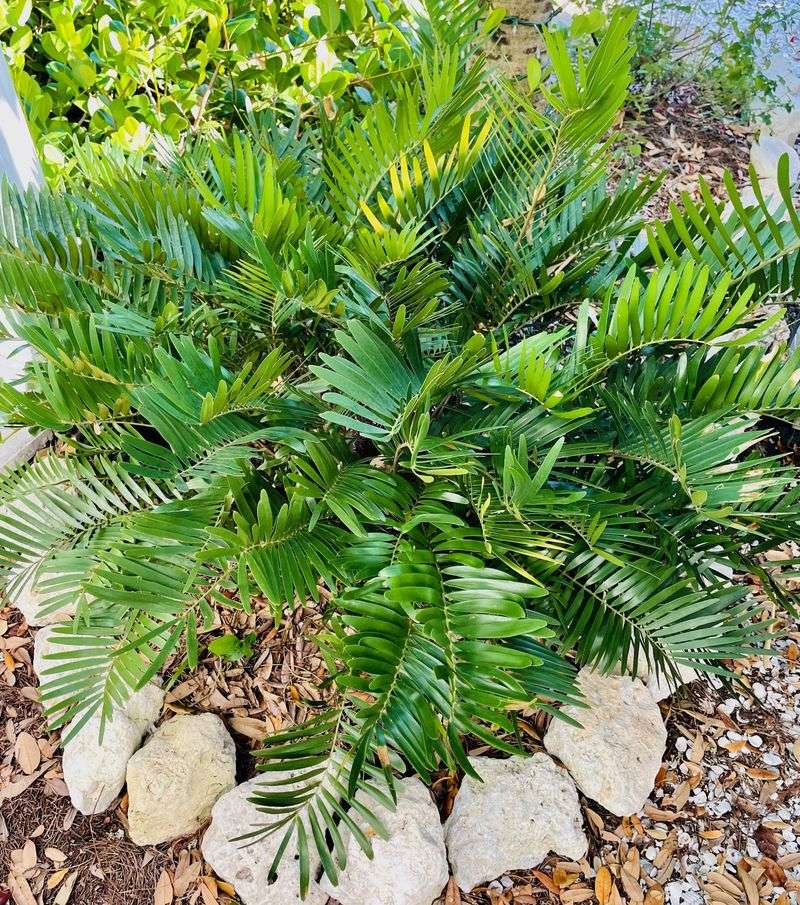
Glossy, palm-like leaves make coontie look far pricier than it is, especially when planted in neat groups along a front walk. It has the kind of clean shape that works with cottage homes, coastal bungalows, and crisp modern entries without looking stiff.
Coontie is a Florida native cycad that handles dry sandy soil once established, which makes it a smart pick for areas near pavers, driveways, and hot entry beds. It stays fairly compact, so it will not constantly flop into the walkway or need weekly trimming to stay polite.
Wildlife value adds another reason to use it near the front door. Coontie is the host plant for the atala butterfly, a striking black butterfly with bright blue and red markings that feels like a tiny garden prize when it visits.
For a high-end look, repeat coontie in odd-numbered clusters and leave room for its mature spread. A light mulch of pine straw, shell, or gravel around the base helps the planting read as intentional instead of wild.
2. Dwarf Walter’s Viburnum
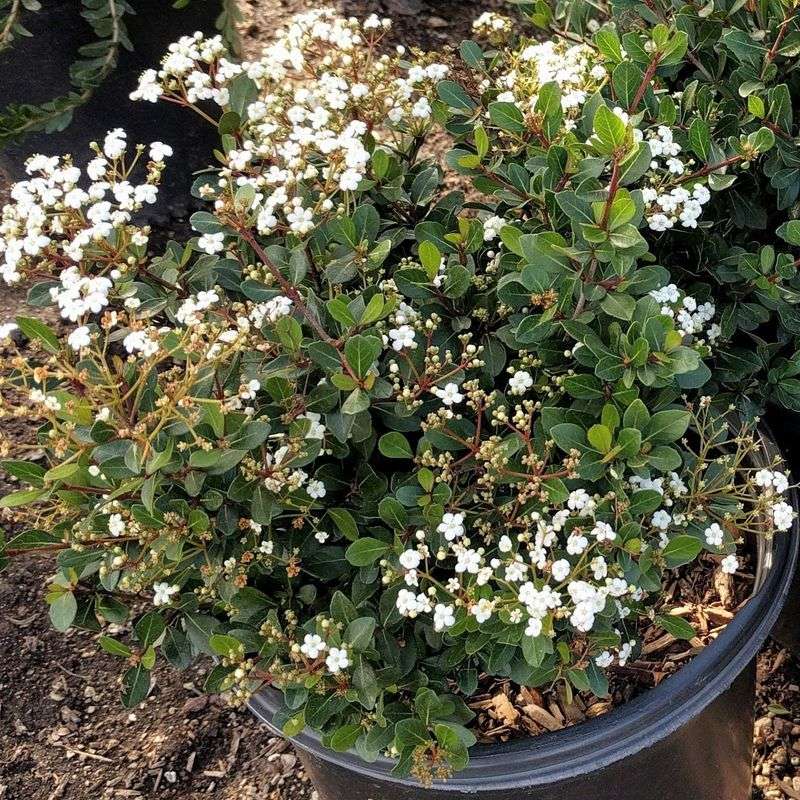
A clipped little hedge can make a walkway feel dressed up fast, and dwarf Walter’s viburnum gives you that formal edge without the thirst of many traditional hedge plants. Its small leaves and naturally dense growth create a tailored look even before you reach for pruners.
Florida gardeners often use this native shrub where they want structure near doors, steps, and path corners. Once established, it can handle periods of dry weather, and it is better suited to Florida conditions than many imported hedge plants that sulk in heat or sandy soil.
Spring brings clusters of small white flowers that soften the clean shape and attract pollinators. Birds may also use the shrub for cover, so it gives the entry a living quality without looking messy.
Use dwarf selections where space is tight, especially along narrow walks or beside porch steps. A light trim once or twice a year can keep it crisp, but avoid shearing it into a hard green box every few weeks, since its natural texture is part of its charm.
3. Muhly Grass
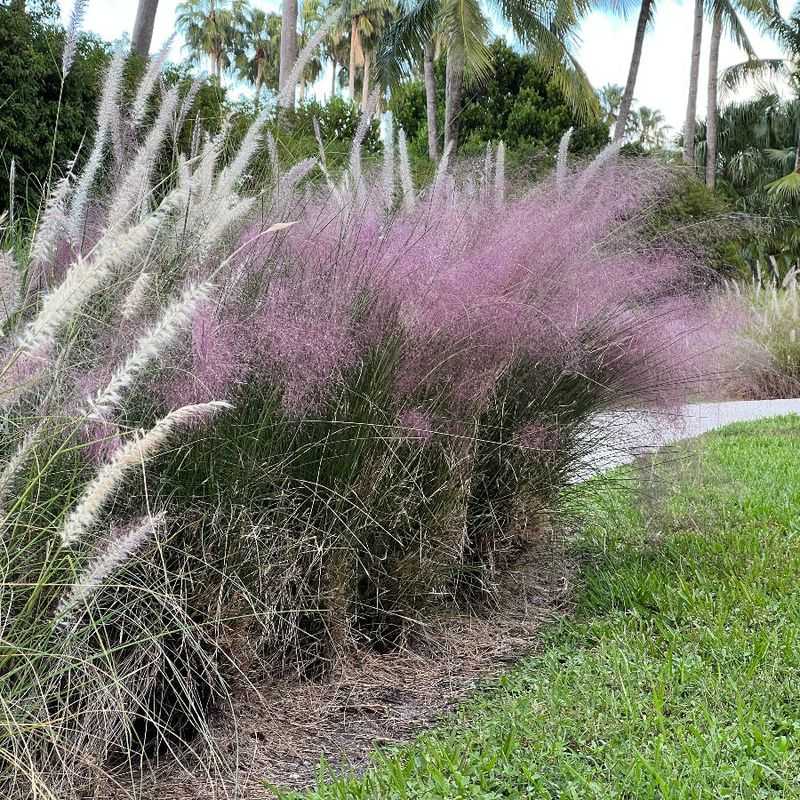
When muhly grass blooms, it looks like a pink cloud landed beside the walkway. That soft fall color can make a simple entry path feel designed, especially when the plumes catch morning or late afternoon light.
Muhly grass is a Florida native that loves sun and well-drained soil, so it fits many front beds with sandy ground. After it settles in, it usually needs little irrigation beyond rainfall, making it useful for homeowners who want beauty without a complicated watering schedule.
The fine texture is what sets it apart from shrubs and broad-leaved plants on this list. It adds motion, softness, and seasonal drama, which can keep a low-water entry from feeling flat or overly rigid.
Plant it where it has room to form a rounded clump without brushing ankles every time someone walks by. For the most expensive look, repeat three or five clumps along a curve, then pair them with lower evergreen plants so the bed still looks good when the pink plumes fade.
4. Beach Sunflower
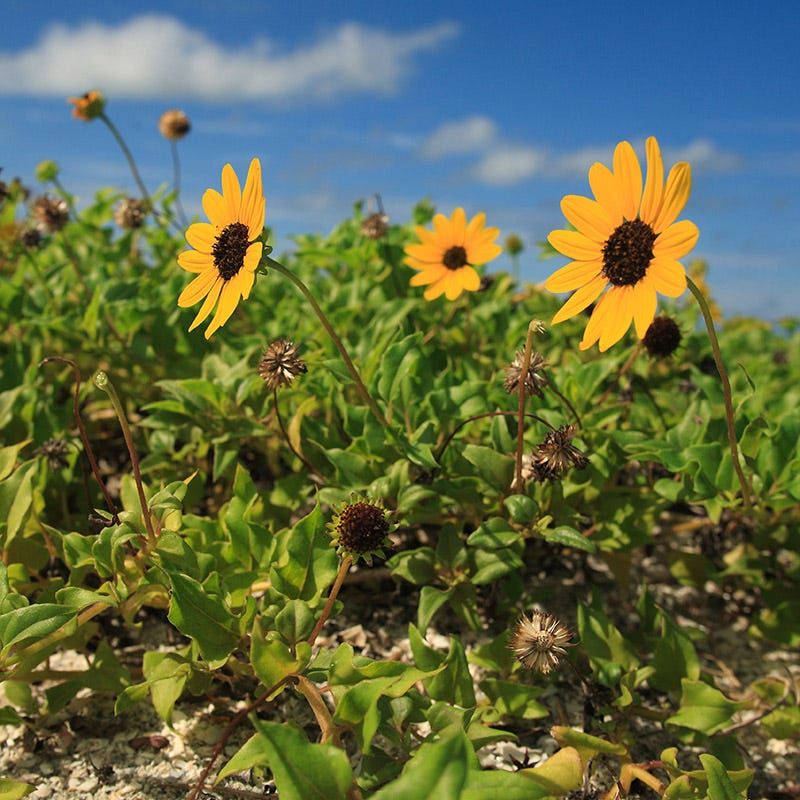
Bright yellow flowers near the front door can feel like a welcome sign, and beach sunflower does that job with almost no fuss. It spreads low, blooms generously, and brings a relaxed coastal look that suits many Florida homes.
Beach sunflower is especially useful along sunny entry paths where reflected heat from concrete or pavers can punish softer plants. In well-drained sandy soil, established plants are quite drought tolerant and can cover bare ground before weeds take over.
Pollinators are part of the payoff. Bees and butterflies visit the flowers, so the path feels lively rather than just decorative.
The plant also helps fill awkward strips between a walkway and driveway where taller shrubs would feel cramped.
Give it space, because its spreading habit is both its talent and its management note. Trim edges when it wanders too close to the path, and use it where a sunny, informal groundcover makes sense instead of forcing it into a formal hedge role.
5. Simpson’s Stopper
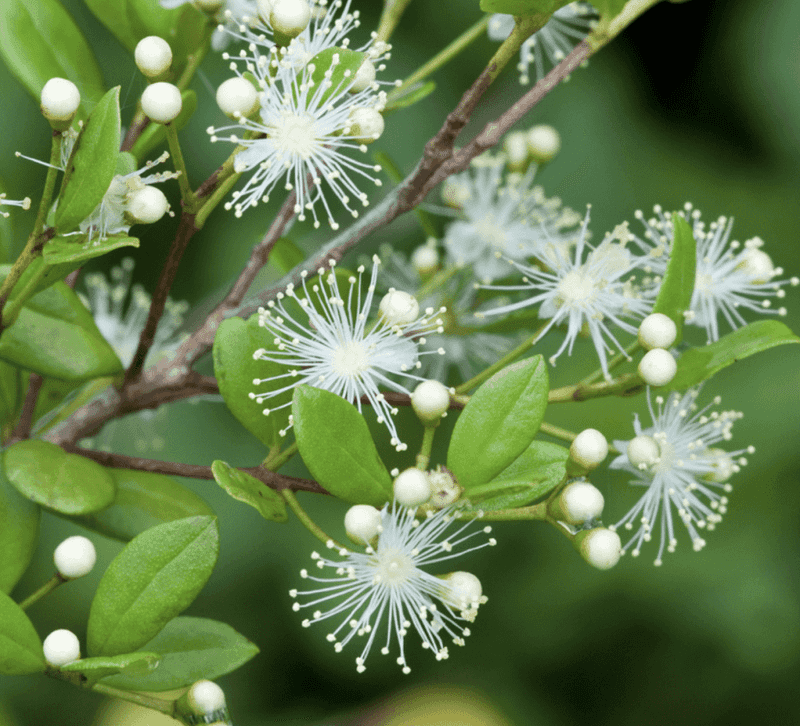
A plant that flowers, fruits, and still looks tidy earns its place near the front path. Simpson’s stopper brings glossy leaves, small fragrant white blooms, and colorful berries that can make an entry bed feel layered without needing constant attention.
This Florida native shrub can be grown as a specimen, loose hedge, or small accent tree depending on how it is pruned. Once established, it tolerates dry spells, and it usually looks more refined than many rugged natives people expect in low-water landscapes.
The berries are attractive to birds, while the flowers can draw pollinators. That makes it a good choice for homeowners who want a front yard that feels polished but still supports local wildlife.
Near an entry path, place Simpson’s stopper where it has room to mature without crowding the walk. It is especially useful at path turns, beside porch columns, or at the edge of a foundation bed where a single handsome shrub can anchor the whole view.
6. Silver Saw Palmetto
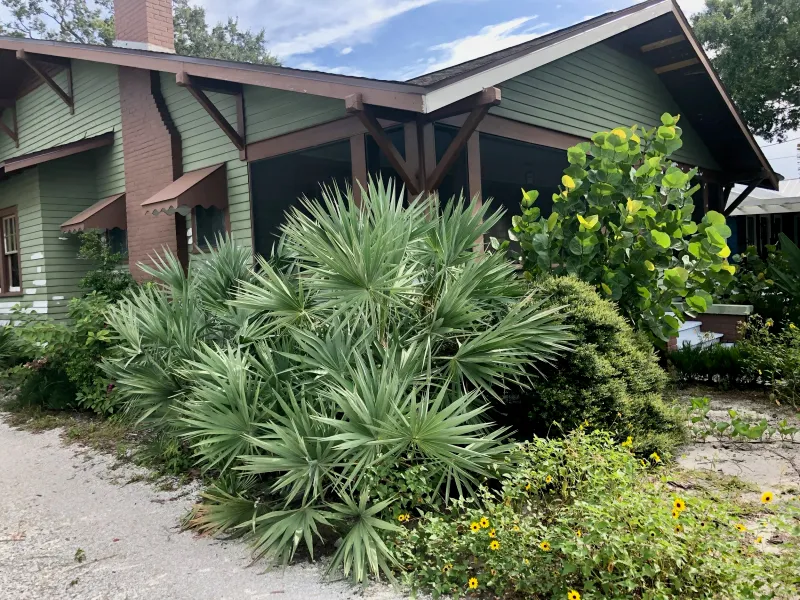
Few native plants look as instantly architectural as silver saw palmetto. The blue-silver fans bring a sculptural, almost resort-style mood to an entry path, especially against white walls, dark mulch, or pale shell groundcover.
Saw palmetto is built for Florida’s tough conditions, including sandy soil, sun, heat, and periods with little rain after establishment. The silver form adds a cooler color than standard green foliage, which helps an entry bed look more layered and intentional.
Its bold shape is the main reason it deserves a spot on this list. While muhly grass adds softness and coontie adds glossy order, silver saw palmetto acts like a living focal point that can replace a pricey container or garden sculpture.
Give it respectful spacing near paths, because the leaf stems can be sharp and the plant can widen over time. Use it at a path entrance, near a mailbox walk, or in a sunny bed where people can admire the form without brushing against it.
7. Firebush
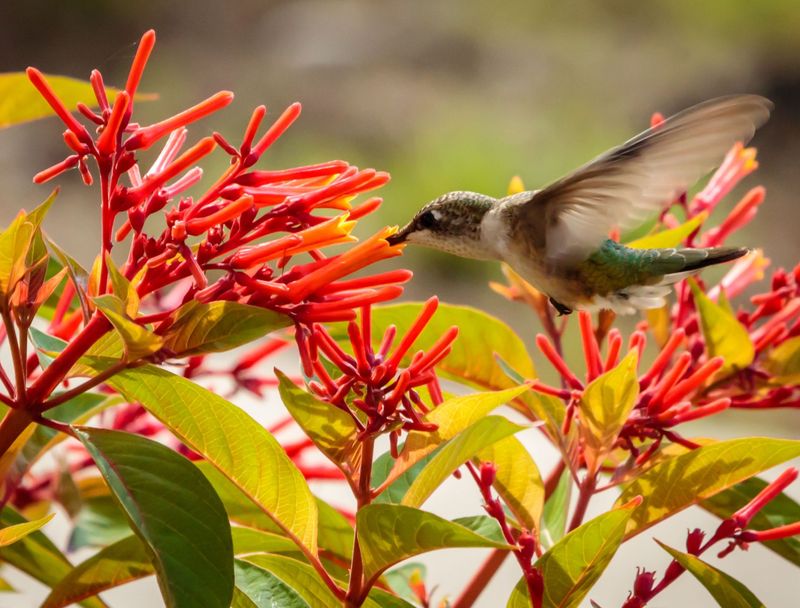
Hummingbirds have a way of making a front path feel magical, and firebush is one of the easiest native plants for inviting them in. Its orange-red tubular flowers bring warm color that looks tropical, but the plant is right at home in much of Florida.
Firebush grows quickly in sun and can handle dry periods once established, though it looks best with a little help during extreme drought. In warmer parts of Florida it may stay shrubby year-round, while in colder parts it can die back and return from the roots.
The big advantage here is energy. Firebush adds height, bloom, and wildlife activity, so it works well where an entry needs a lively backdrop rather than another low green mound.
Place it toward the back of a walkway bed or beside a porch where its size will not overwhelm guests. If you want a neater look, prune lightly to shape it, but do not remove every flowering tip during peak butterfly and hummingbird season.
8. Fakahatchee Grass
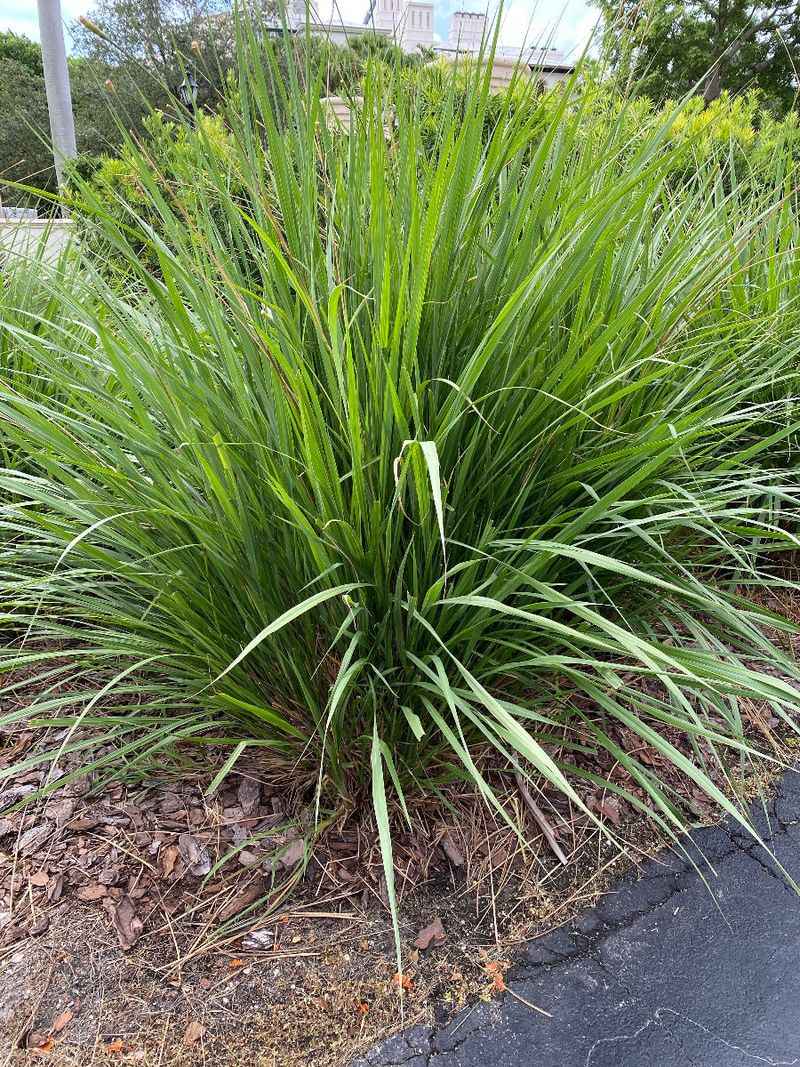
Big, fountain-shaped clumps can make a plain path look like it belongs at a nature lodge or boutique hotel. Fakahatchee grass offers that lush effect while staying rooted in Florida’s native plant palette.
Unlike finer muhly grass, Fakahatchee has wider blades and a bolder presence. It can tolerate a range of Florida conditions, and once established in the right spot, it generally needs far less pampering than many ornamental grasses sold for curb appeal.
Use it when you need volume, movement, and a soft screen near an entry. It can hide utility boxes, soften blank walls, or create a graceful transition between a driveway and front walk without feeling overly formal.
Spacing matters, because mature clumps can become large. Keep it set back from narrow paths so the blades do not lean into foot traffic, and cut back tired foliage as needed to refresh the plant.
In the right scale, it gives a front yard that full, professionally planted look people notice from the street.
9. Blanket Flower
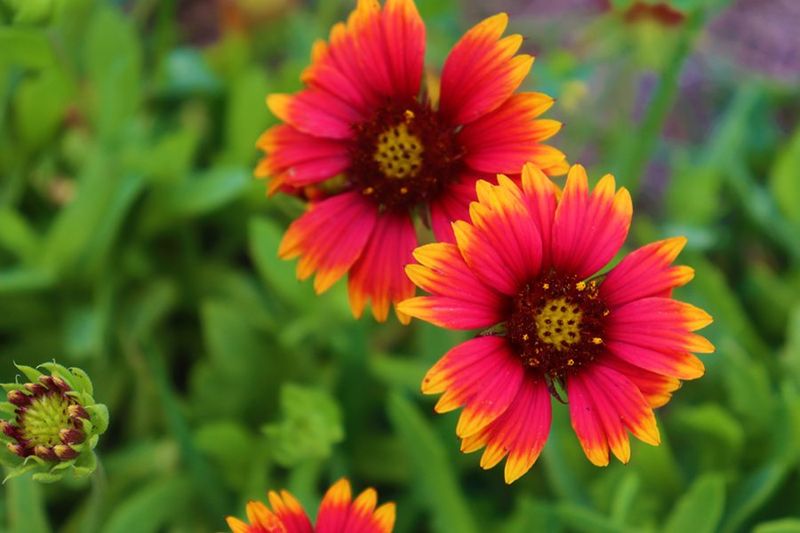
Hot-colored flowers at ankle height can make even a short walkway feel cheerful. Blanket flower brings red, orange, and yellow daisy-like blooms that look lively without asking for rich soil or constant watering.
This native wildflower is a natural fit for sunny, sandy Florida spots where many bedding plants fade fast. Once established, it handles dry conditions well, making it a smart replacement for thirsty annuals near the front door.
Its personality is casual, not formal, so use it where a bright pollinator strip or cottage-style edge would suit the house. Bees and butterflies visit the flowers, and seed heads can add interest if you do not deadhead every spent bloom.
For a more polished entry, plant blanket flower in repeated drifts instead of scattering one plant here and there. Pair it with coontie, dwarf Walter’s viburnum, or muhly grass so the bed has evergreen structure when the flowers cycle in and out of bloom.