
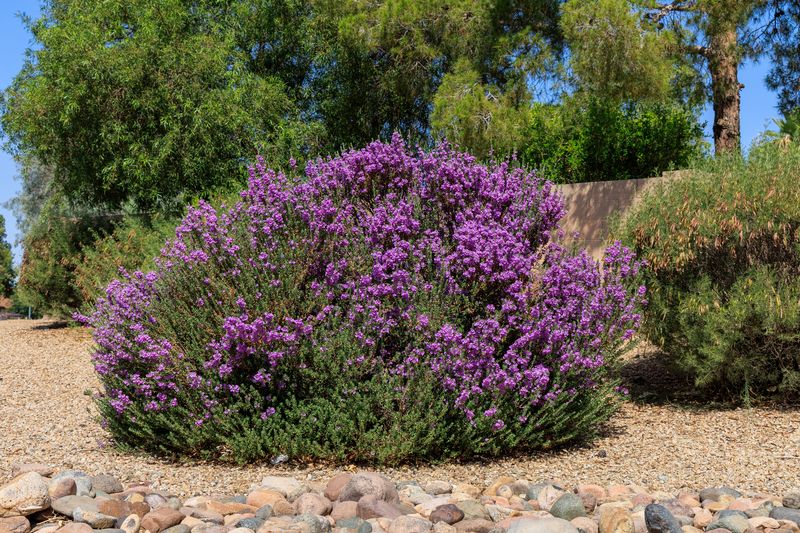
A headline promising one native Texas plant that eliminates rats without traps sounds almost too good to be true, and after reviewing the available evidence, that instinct holds up. No government agency, university extension program, or peer-reviewed study identifies a single native Texas plant that reliably keeps rats out of a residential yard or replaces proven control measures.
What the research does offer is a clearer picture of what actually works, and native plants still have a real role to play in that story.
Can Any Native Texas Plant Reliably Keep Rats Away?
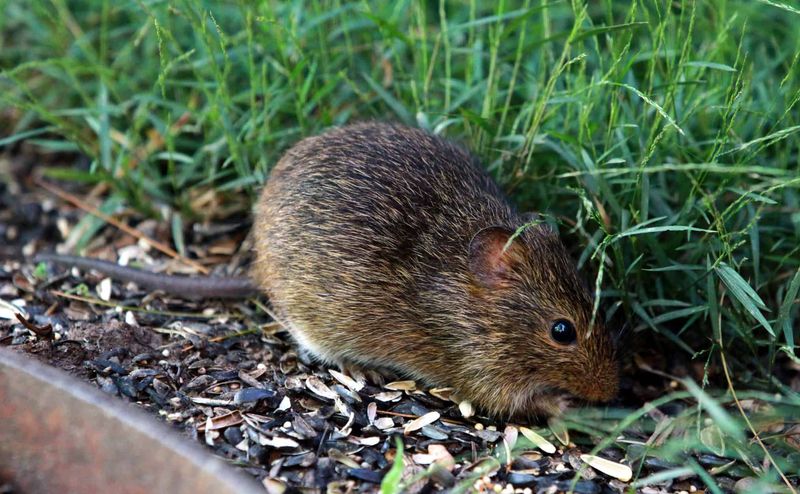
Plenty of websites claim that planting the right aromatic herb around your yard will send rats packing, but the sources reviewed for this article do not identify a single native Texas plant with reliable field evidence for keeping rats out of residential yards or replacing established control measures. That finding does not mean no such source exists anywhere, but it does mean the claim should not be repeated as settled fact.
A systematic review of plant-derived rodent repellents, published in a 2016 peer-reviewed analysis, found inconsistent results across laboratory, enclosure, and field studies and concluded that plant-based repellents require further testing before they can be recommended for practical use. Inconsistent results in controlled settings is a significant qualifier, because those settings are far more favorable to detecting an effect than an open Texas yard exposed to heat, wind, and rain.
Extension programs that work directly with Texas homeowners take a different approach entirely. UC IPM’s integrated rat management guidance and the Texas A&M School IPM action plan for rodents both center on removing food, water, shelter, and access routes, thinning dense vegetation, sealing openings, and using appropriate traps or professionally managed bait when necessary.
Plants are not listed as a control measure in either resource.
The rest of this article works through why aromatic-plant claims sound plausible, what native Texas plants are genuinely good for, and what a practical rat-resistant yard actually looks like. Each section is grounded in the same extension and research sources that informed this opening correction.
Why Repellent-Oil Studies Do Not Prove a Living Plant Works
The logic behind aromatic-plant repellents is straightforward enough: rats rely heavily on smell, certain plant compounds irritate or confuse that sense, and therefore planting aromatic species near your home should deter them. The problem is that the evidence supporting each step in that chain comes from very different kinds of experiments, and those experiments do not add up to a field-ready solution.
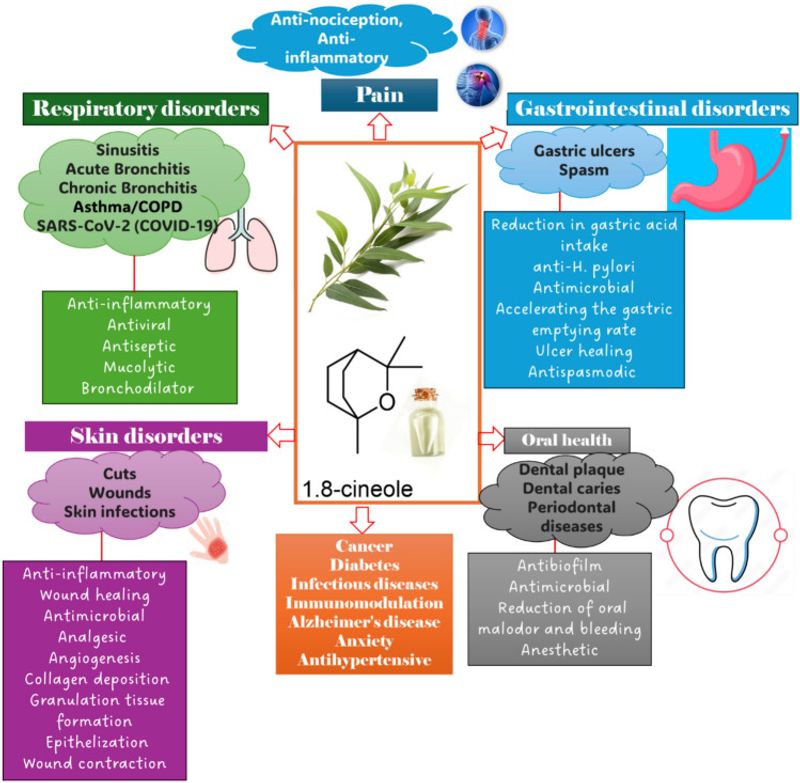
A laboratory study on eucalyptus oil and house rats found that concentrated eucalyptus oil reduced food consumption in a controlled enclosure setting. A separate Thai study, testing pure natural repellents on rat responses in a circular open-field apparatus, found that peppermint oil and other concentrated extracts altered rat behavior under experimental conditions.
Both findings are real. Neither one establishes that planting eucalyptus or mint in a Texas yard will deter free-ranging rats.
The gap between those two conclusions is not a technicality. Concentrated oil applied directly in a small, enclosed space delivers a continuous, high-intensity dose of volatile compounds.
A living plant growing outdoors releases those same compounds at far lower concentrations, and Texas heat, afternoon wind, and seasonal rain dilute and disperse them further. Rats motivated by hunger or the search for shelter are not navigating a laboratory enclosure – they are crossing open ground, climbing fences, and slipping through gaps, and a faint aromatic signal is unlikely to stop them.
The 2016 systematic review noted that results were inconsistent even within controlled settings, which makes the leap to open residential landscapes even harder to justify. WSU Extension’s companion planting guide specifically cautions that aromatic-plant effects observed in controlled research often fail to translate to gardens and landscapes.
An Ask Extension response on plants that deter rats echoes that caution, noting that popular claims about aromatic herbs lack adequate field support for residential use.
Treating a lab result as a gardening prescription skips the most important question: does it work where you actually live?
Use Native Plants for Texas Landscaping, Not Rat Control
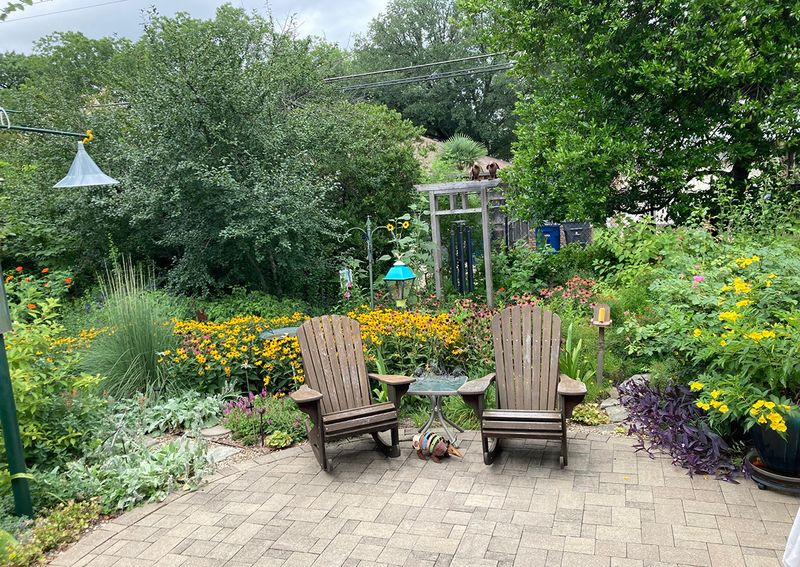
Native Texas plants earn their place in the yard for reasons that have nothing to do with rats. They are adapted to regional soils, heat, and water availability in ways that most introduced ornamentals are not, which makes them easier to establish and maintain through triple-digit summers and municipal water restrictions.
That value is real and worth preserving, but it is separate from any claim about rodent behavior.
Texas Parks and Wildlife’s Wildscapes guidance recommends choosing plants appropriate to the local region and placing wildlife habitat away from the house when practical. TPWD’s yard and water conservation resources reinforce the same principle: native landscaping supports birds, pollinators, and beneficial insects, but thoughtful placement and design matter as much as species selection.
The TPWD Wildscapes handbook supports native landscaping while noting that wildlife-friendly plantings can unintentionally provide shelter or food for rodents if placed densely beside structures or allowed to accumulate fallen fruit and seed. The practical takeaway is to keep dense plantings pulled back from foundations and exterior walls, maintain enough clearance at ground level to see beneath shrubs, and clean up fallen material regularly.
Herbs like rosemary, sage, and mint are sometimes described in Texas gardening literature as traditionally associated with deterring certain insects or deer, but Texas A&M’s herbs-for-Texas-landscapes publication does not extend that claim to rats. Mint deserves a separate note: a Dripping Springs native and adaptive plant guide warns that some mint-family plants spread aggressively through underground runners, so placement needs to be considered carefully regardless of any supposed repellent effect.
Plant native species because they belong here and support the local ecosystem – then manage the landscape around them with rat-resistant design in mind.
Identify How Rats Are Using the Yard
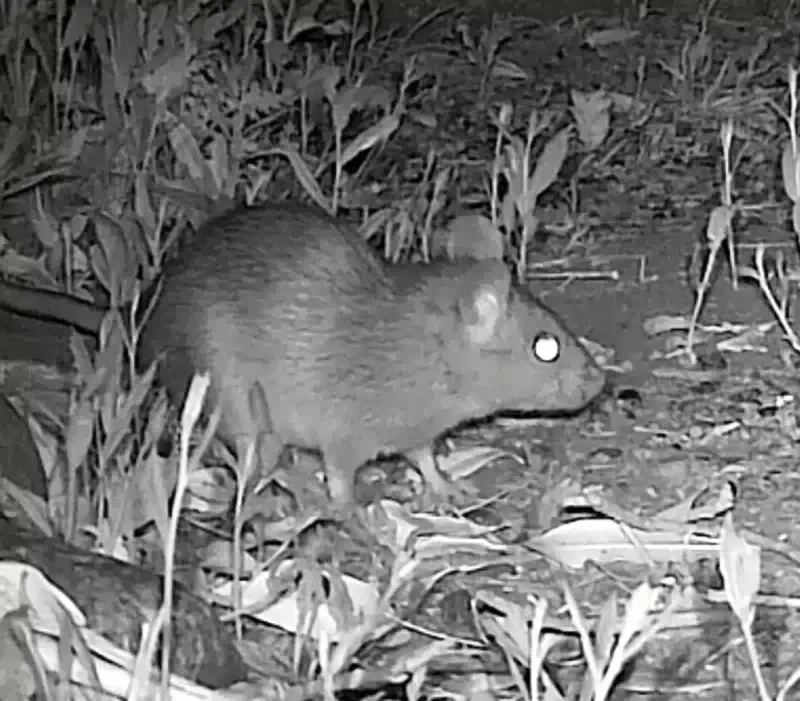
Before changing anything in the yard, spend twenty minutes figuring out how rats are actually using the space. The species present often determines where to look and what to fix first, and the two most common residential rats in Texas behave quite differently.
Roof rats prefer elevated positions. UC IPM’s rat identification and management guide notes that roof rats commonly nest in trees, dense shrubs, ivy, attics, and other elevated vegetation.
They are agile climbers and will use tree limbs, utility lines, and vines to reach rooftops and upper-story entry points. If you are finding droppings along fence tops, in the canopy of an overgrown oak, or inside an attic, roof rats are the more likely culprit.
Norway rats are heavier-bodied and tend to stay closer to the ground. University of Arizona Cooperative Extension’s roof-rat identification guide draws a clear contrast: Norway rats are more associated with burrows, ground-level debris piles, and shelter beneath structures.
Burrow openings near foundations, compost bins, or wood piles, combined with grease smears at ground level, point toward Norway rats rather than roof rats.
A practical yard inspection covers both possibilities. Check tree canopies and roof connections for gnaw marks, droppings, and worn travel paths.
The Arizona Extension roof-rat publication recommends looking for dark, greasy smear marks along surfaces rats use repeatedly, as well as characteristic spindle-shaped droppings. At ground level, probe along fence lines, beneath dense plantings, and around any stored materials for burrow entrances or disturbed soil.
Knowing which rat you are dealing with lets you direct pruning, sealing, and trapping efforts to the places where they will actually make a difference, rather than applying general fixes that miss the active routes entirely.
Remove the Food, Water, and Cover That Sustain Rat Activity
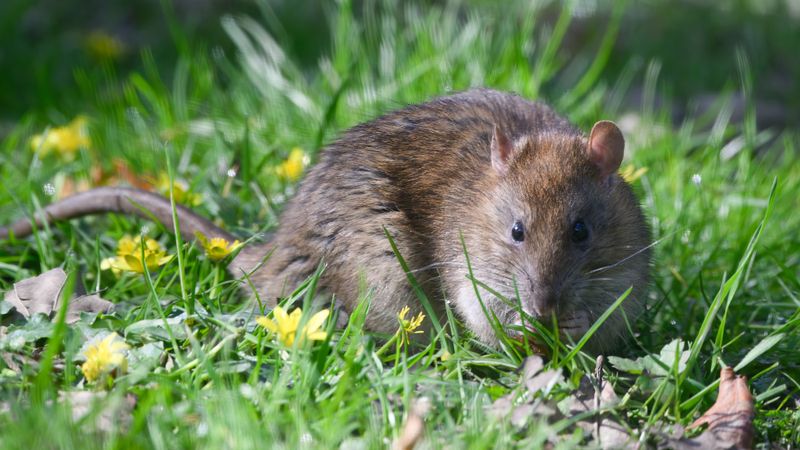
Rats stay where resources are reliable. Removing those resources is the most direct way to make a yard less attractive, and it works regardless of which species is present or what plants are growing nearby.
Start with food. EPA guidance on identifying and preventing rodent infestations lists fallen fruit, nuts, seeds, pet food, food scraps, garbage, and animal feces as primary attractants.
Collect fallen fruit and nuts daily during fruiting seasons. Store pet food indoors or in sealed containers, and bring food and water bowls inside at night.
Use garbage cans with tight-fitting lids and rodent-resistant compost bins that do not allow access from below.
Arizona Extension’s roof-rat discouragement guide makes a point that applies directly in Texas: removing one fruit tree or ornamental plant does not guarantee that rats will leave, because rat populations are not determined simply by the presence of any single food plant. The more effective approach is managing what accumulates at ground level, not eliminating every plant that produces fruit or seed.
Cover is the other half of the equation. UC IPM recommends thinning dense vegetation that provides protected travel lanes or nesting sites.
Ground-hugging plants pressed against a foundation, thick ivy climbing a wall, and dense ornamental grass clumps near a fence line all offer exactly the kind of concealed corridor that rats prefer. Pruning shrubs so the lowest 12 inches of ground beneath them is visible removes that cover without requiring the plant to be removed entirely.
Address standing water as well. Birdbaths, clogged gutters, drip-irrigation pooling, and pet water bowls left out overnight all provide a reliable water source.
Texas A&M’s IPM action plan for rodents includes water access alongside food and shelter as primary factors sustaining rat activity. Eliminating all three at once is more effective than targeting any single attractant.
Seal Routes From the Yard Into the House

Getting rats out of the yard is only part of the job. Keeping them out of the house requires a separate set of actions focused on the building itself, because a rat motivated by shelter, warmth, or food odors will probe every potential entry point it encounters.
Texas A&M’s rodent IPM action plan states that a rat can enter through a gap of approximately one-half inch, which is smaller than most homeowners expect. That threshold means gaps around plumbing pipes, conduit penetrations, utility lines, and dryer vents all need attention, not just obvious holes or broken screens.
Work around the full perimeter of the foundation, checking where any pipe or wire enters the wall. Fill gaps with steel wool, hardware cloth, or caulk rated for exterior use, and cover vents with fine-gauge wire mesh.
Roof connections deserve equal attention, especially in yards where roof rats are active. The Arizona Extension roof-rat publication emphasizes that roof rats are capable climbers who use tree limbs, vines, utility lines, and fence-to-roof connections as bridges into buildings.
A branch hanging within two to three feet of a roofline provides a usable launch point. Prune any limb or vine that touches or nearly touches the roof, exterior walls, or utility lines attached to the building.
Pruning and sealing work as a pair, not alternatives. Cutting back a tree limb removes the climbing route, but a rat already inside the attic can still exit and re-enter through an existing gap.
UC IPM’s rat management guidance recommends completing exclusion work while also managing the population, so that neither action is undermined by leaving the other undone. Seal the structure and remove the route at the same time for the best result.
Handle Active Infestations With Integrated Control
When signs of rat activity persist after sanitation and cover reduction, or when rats have already entered a structure, the response needs to escalate beyond landscape changes. Extension guidance is consistent on this point: reliable control combines sanitation, exclusion, and lethal methods where appropriate, and repellents do not substitute for any of those steps.
Texas A&M’s rodent IPM action plan recommends an integrated approach that addresses all three components together. Snap traps placed along active travel routes remain one of the most effective and lowest-risk options for residential use.
NC State Extension’s rat management publication specifically states that repellents are not considered a reliable form of rat management or prevention and should not be treated as a substitute for traps or professional control.
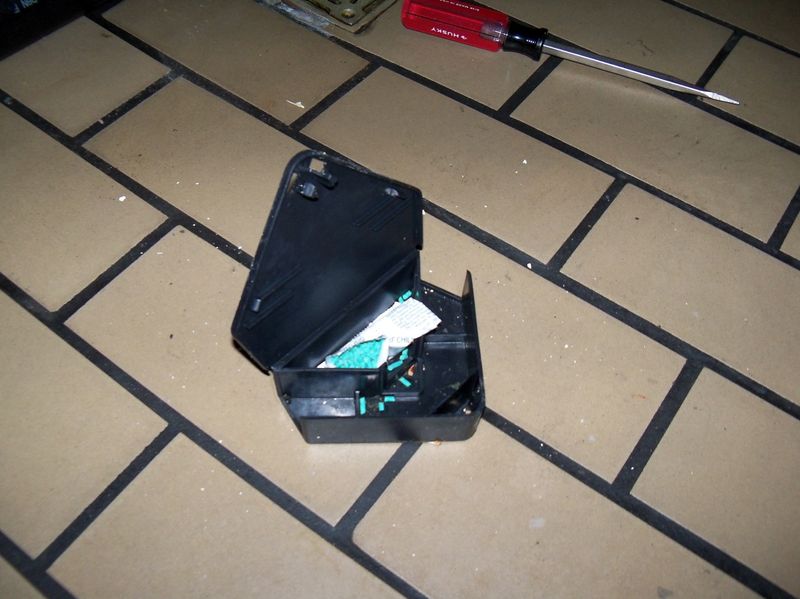
When rodenticide bait is part of the plan, the EPA’s requirements are non-negotiable. EPA guidance on safely using rodent bait products requires that consumer bait products be used only in secured, tamper-resistant bait stations that prevent access by children, pets, and non-target wildlife.
Bait placed loosely or in open locations can poison dogs, cats, raptors, and scavengers that feed on poisoned rodents. The EPA’s rodent-control pesticide safety review documents the secondary poisoning risk to predators and scavengers and explains why label compliance is not optional.
Read the label, use a locked station, and keep the station away from areas accessible to children and pets.
Cleanup after an active infestation carries its own health requirements. CDC guidance on cleaning up after rodents is specific: ventilate enclosed spaces for at least 30 minutes before entering, wear rubber or latex gloves, soak droppings, nests, and carcasses with a bleach-and-water disinfectant solution before picking them up, and double-bag all material before disposal.
Never sweep or vacuum dry droppings or nesting material, because doing so can aerosolize particles carrying hantavirus and other pathogens. Wash hands thoroughly with soap and water after removing gloves, even if the gloves appeared intact.
If activity is widespread, entry points are difficult to locate, or an infestation has reached the attic or walls, a licensed pest management professional can conduct a more thorough inspection and apply control measures with equipment and access that most homeowners do not have.
Build a Rat-Resistant Texas Yard Without Abandoning Native Plants

The sources reviewed for this article do not establish any single native Texas plant as reliable rat control. That finding does not argue against native landscaping – it argues for pairing it with the practices that extension research actually supports.
A thoughtfully designed native yard can coexist with rat-resistant habits. UC IPM’s integrated rat guidance and the Texas A&M rodent action plan point to the same sequence: manage food and cover first, prune vegetation that connects to the roofline, seal every gap a half-inch or larger, and escalate to traps or professional help when signs of infestation continue.
Texas Parks and Wildlife’s Wildscapes tips support native habitat while recommending thoughtful placement away from structures – the same principle that keeps native plantings from becoming unintentional rat cover.
Choose native plants for drought tolerance, pollinator support, and regional fit. Manage the space around them with pruning, sanitation, and structural exclusion.
A yard that is both ecologically sound and genuinely rat-resistant is not a contradiction – it just requires a realistic understanding of what plants can and cannot do on their own.