
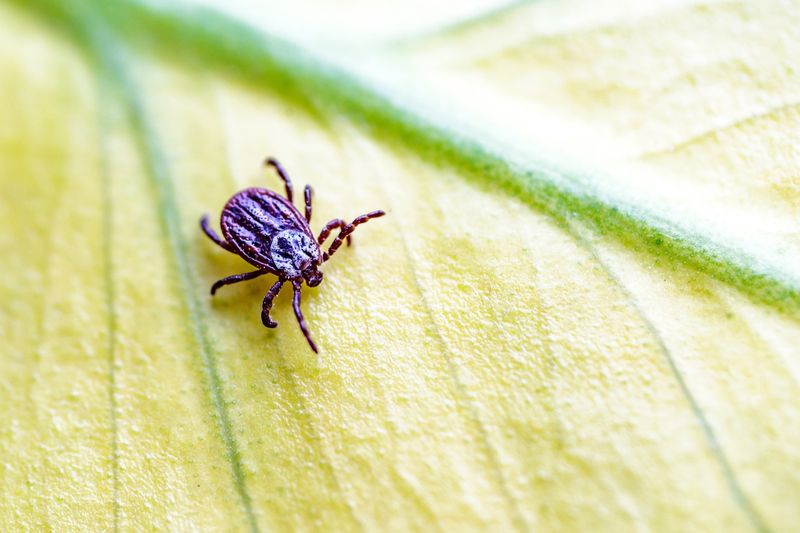
Plenty of California homeowners discover a tick on themselves or a pet and immediately wonder what they did wrong in the garden. The honest answer is that ordinary yard features like leaf litter, native plants, and mulch do not create ticks, but certain layouts and habits can make it easier for people to cross paths with them.
Ticks arrive on wildlife, pets, and people from surrounding habitat, and the conditions in your yard can either increase or decrease how often that contact happens. Understanding which specific features matter most gives you a clear, manageable list of changes that fit California’s water-wise, habitat-friendly gardening values.
The yard may increase contact with ticks—it does not create them

Blaming a well-tended California yard for a tick encounter misses most of the story. Ticks do not spontaneously generate from leaf piles or native plantings.
They arrive on deer, rodents, birds, lizards, outdoor pets, and people moving in from surrounding habitat, and the yard’s layout shapes whether those moments of contact happen in a quiet corner or right where your family spends time.
California has several medically relevant tick species, and they are not all the same creature with the same habits. UC IPM’s California Lyme disease guidance identifies the western blacklegged tick, Ixodes pacificus, as the state’s primary vector associated with Lyme disease, with nymphs generally most active in spring and early summer and adults from fall through early spring.
Other species in California can carry different pathogens, including those linked to anaplasmosis and spotted fevers. Habitat, host animals, seasonal activity, and disease prevalence shift across coastal counties, foothills, oak woodlands, chaparral, and inland valleys, so there is no single California tick profile.
Shaded, humid, overgrown areas are the most important exposure concern, particularly where a maintained yard meets natural habitat. UC ANR’s tick management guidance notes that yards bordering oak woodland, chaparral, open fields, parks, or similar natural areas face higher potential for tick contact, especially when those edges are dense and unmanaged.
A study of tick-borne Borrelia risk in the San Francisco Bay Area found substantial variation in nymphal tick abundance across habitats, reinforcing that surrounding landscape conditions can matter as much as what a homeowner does on their own property. The practical takeaway is not guilt but focus: target the conditions and locations that shape everyday human contact, and leave the rest of your wildlife-friendly yard intact.
Inspect the lawn-to-brush boundary first
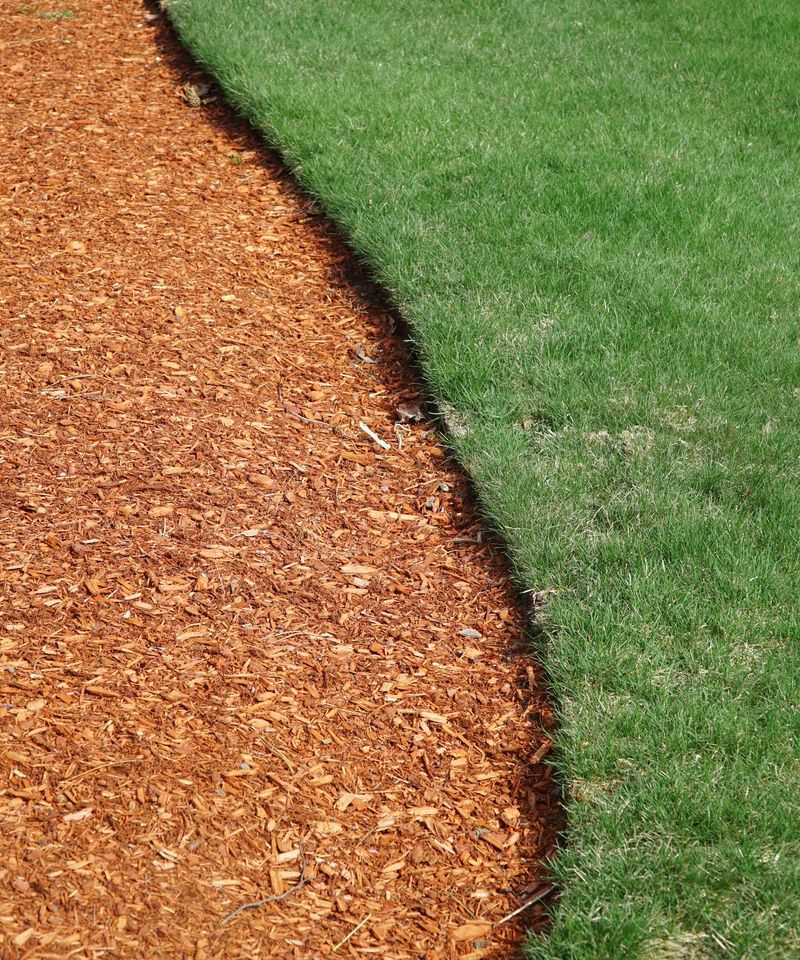
Walk the perimeter of your yard and look at the line where mowed grass stops and something else begins. That transition zone, whether it meets oak woodland, chaparral scrub, an overgrown hillside, or even a neglected strip of tall weeds along the fence, is the most practical place to focus your first round of tick-exposure management.
UC ANR recommends keeping lawns mowed and ornamental plants trimmed, and specifically targeting the removal of leaf and grass litter at these edges. Tall grass, dense shrubs, uncleared leaf piles, rocks, and logs along the boundary all create conditions that may increase the chance of encountering western blacklegged ticks, which favor shaded, humid, overgrown microhabitats over open, sunny ground.
That comparison between mowed lawn and shady brush applies most directly to Ixodes pacificus. A southern California study on tick vector abundance and habitat drivers found that risk shifts considerably among habitat types and seasons, which means a mowed lawn is not a universally low-risk environment for every California tick species or every time of year.
The edge, however, is consistently worth managing.
Practical steps here do not require stripping out plants or eliminating habitat. Trim back overhanging branches and dense shrubs along walking paths and play areas.
Rake and remove accumulated leaf litter from the grass edge rather than from the entire yard. Clear fallen logs and debris piles from spots where children or adults regularly walk or sit.
These targeted actions address the most likely contact zones without dismantling a garden that supports soil health, pollinators, or birds.
Use a three-foot transition strip only as a possible aid
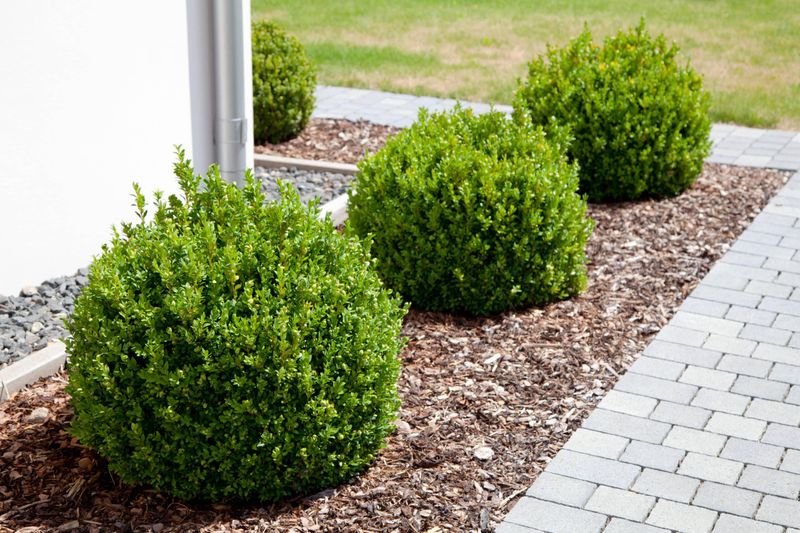
A roughly 3-foot strip of gravel or wood chips placed between a mowed lawn and adjacent unmanaged habitat shows up in public-health tick guidance because it creates a drier, less sheltered physical gap that some ticks may be less likely to cross on their own. The visual separation is also useful as a reminder of where managed space ends and wilder terrain begins, which can prompt people to be more alert before stepping past it.
UC IPM notes that such practices “may prove useful” in California semirural settings, while a review published in the Journal of Medical Entomology found that evidence for residential landscaping and barrier measures is limited or inconsistent, and that reductions in tick abundance do not reliably translate into fewer human bites or illnesses. The recommendation originated largely from blacklegged-tick management research in the northeastern United States, not from California-specific field trials.
Any tick transported by a deer, rodent, bird, pet, or person can bypass the strip entirely. Gravel mulch also carries trade-offs in a California context: it can absorb and radiate heat, affect soil moisture, and conflict with water-conservation goals or defensible-space planning in fire-prone areas.
Wood chips are generally friendlier to soil biology but need to stay dry to reduce moisture that could benefit ticks.
If you use a strip, place it where people actually cross from lawn to natural habitat, such as along a back fence, a hillside edge, or a path into an adjacent open space. Treat it as one modest tool in a broader set of habits rather than a line that reliably keeps ticks out.
Move play and sitting areas away from dense edges
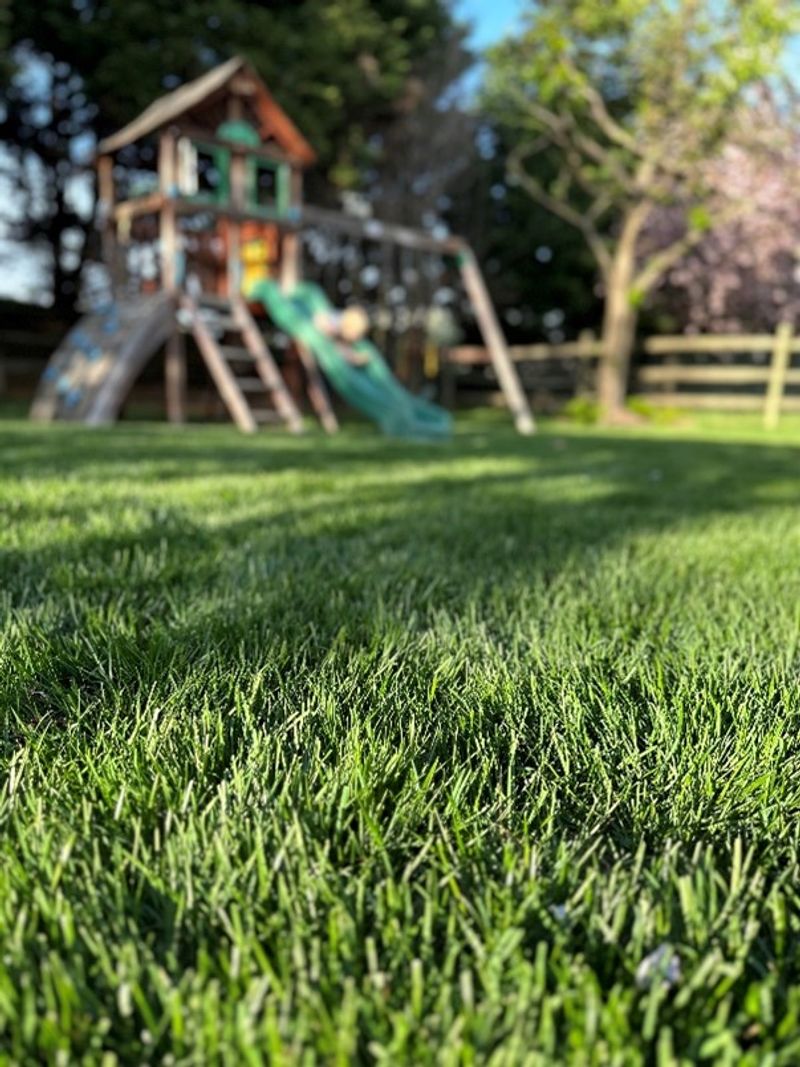
Location matters more than most homeowners realize when it comes to where ticks end up on people. A patio chair pushed against a dense hedge, a swing set sitting under a large oak at the yard’s edge, or a regular path that cuts through tall grass near a fence line all create repeated, close contact with the kinds of microhabitats where ticks are more likely to be waiting.
UC ANR guidance specifically recommends keeping children’s play equipment, swing sets, patios, and seating away from wooded edges, dense shrubs, and tree trunks where feasible. Moving these features toward open, maintained, sunny areas can reduce the frequency of direct contact with likely tick habitat even if it does not change the total number of ticks present on the property.
This is one of the more practical adjustments available because it requires no chemicals, no removal of plants, and no significant water use. A few feet of distance from a shrub border or a tree line can make a real difference in how often people brush against the vegetation where ticks rest and quest for hosts.
CDPH’s home tick management guidance echoes this, framing the placement of high-use areas as a key exposure-reduction strategy.
Paths deserve the same attention. If a regular walking route passes through a narrow gap in shrubs, brushes against tall grass, or cuts close to a woodpile, consider widening or rerouting it.
Keeping frequently used surfaces clear and open is among the most straightforward ways to reduce tick encounters without disturbing the rest of the yard’s ecology.
Manage clutter and firewood without blaming wildlife
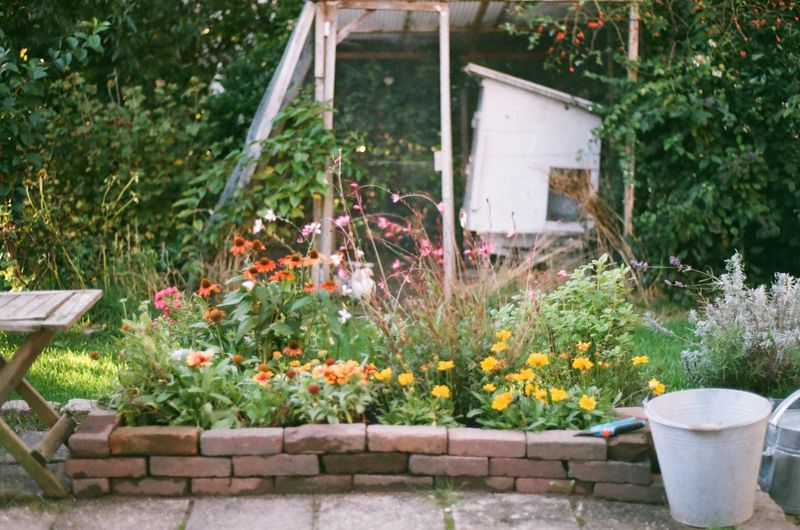
Scattered debris, old furniture left against a fence, brush piles from pruning sessions, and loosely stacked firewood sitting directly on the ground share one relevant quality: they can offer shelter and food opportunities for rodents and other small animals that move through yards and may carry ticks. That is not a reason to panic about every pile of branches, but it is a practical reason to organize and clear these features in the areas of the yard your household uses most.
UC IPM’s fall 2024 home and garden pest newsletter recommends stacking firewood neatly, keeping it dry, and storing it away from the house. CDPH’s residential tick guidance adds removing brush piles, old furniture, trash, and scattered debris as targeted risk-reduction steps, framing these as ways to reduce shelter and food access for animals that can transport ticks.
Clutter management does not mean eliminating habitat. A brush pile at the far back corner of a large yard, well away from paths and play areas, poses a very different exposure question than one tucked against the porch steps.
Context and proximity to high-use zones matter more than the presence of any single feature.
UC IPM notes that ticks are most likely encountered in brushy areas, tall grass, leaf litter, rocks, and logs, so the goal is to keep those conditions away from where people regularly walk, sit, and play. Secure trash can lids, remove unnecessary debris after yard work, and keep the area immediately around the house and high-use zones clear.
The rest of a well-managed, wildlife-friendly yard can stay as it is.
Reduce wildlife attractants instead of erasing habitat
Deer often take the blame when homeowners find ticks in the yard, and while adult blacklegged ticks do use deer as hosts, the picture is more complicated than that. Western blacklegged ticks feed on a broad range of hosts across their life stages, including lizards, birds, rodents, rabbits, and other mammals.
UC IPM notes that California fence lizards are important hosts for nymphs in some ecosystems, and that excluding deer from a yard cannot eliminate tick risk when small mammals and birds are also part of the picture.
CDPH recommends an 8-foot fence to exclude larger animals such as deer where appropriate, but is explicit that fencing will not block small mammals or birds. The more universally applicable strategy is reducing attractants: keep trash cans tightly closed, avoid overfilling bird feeders, clean up spilled seed promptly, and do not intentionally feed deer.
These steps may lower the frequency of wildlife visits near the house without requiring you to remove native plants or strip out habitat.
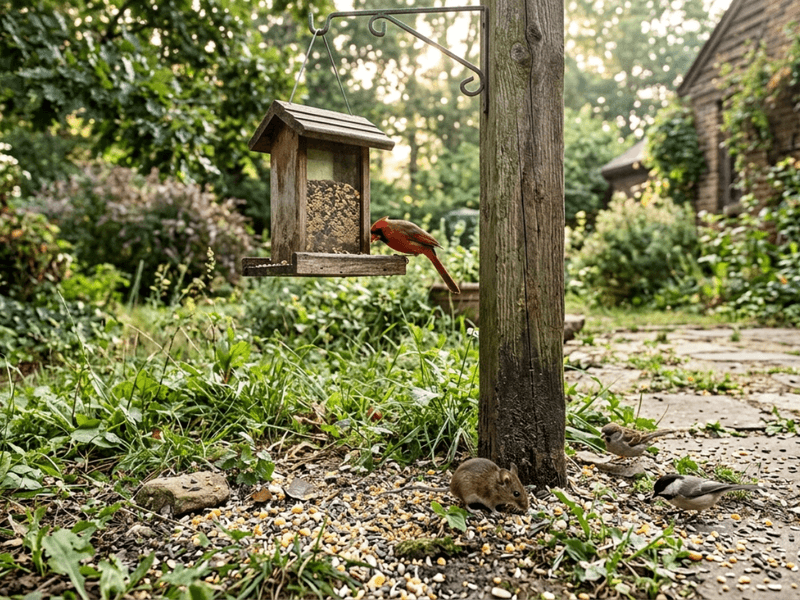
Bird feeders are worth a specific note. Spilled seed can attract rodents, which are relevant tick hosts, so placement matters.
Positioning feeders away from patios and play areas and keeping the ground beneath them clean reduces the chance that rodents linger in high-use zones. UC ANR guidance echoes this practical approach without calling bird feeders a direct cause of tick exposure.
A San Francisco Bay Area landscape study found that habitat type and surrounding conditions shape tick abundance in ways that go well beyond any single wildlife species. Managing attractants is a reasonable, targeted step, and it fits naturally alongside stewardship goals like supporting native pollinators and maintaining wildlife-friendly plantings elsewhere in the yard.
Keep transported ticks from reaching the house
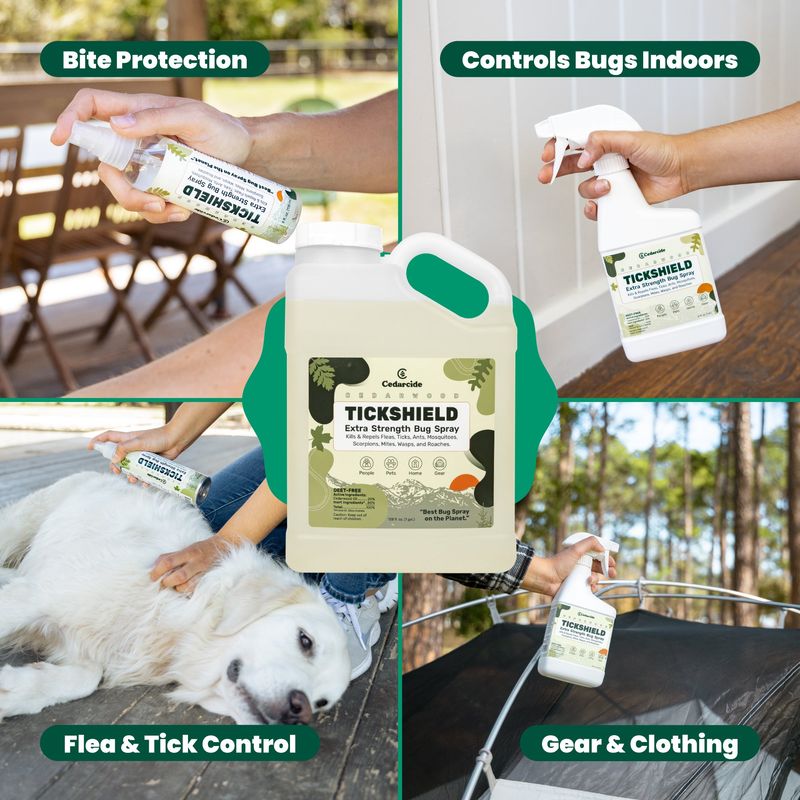
Landscaping changes address the yard, but ticks reach the house on legs, fur, fabric, and gear. Pets that roam through brush, leaf litter, or tall grass near the yard’s edge and then come inside are among the most common routes for ticks to move indoors.
CDPH recommends checking dogs and cats daily after outdoor activity and consulting a veterinarian about an appropriate preventive product.
That veterinary consultation matters especially for cat owners. Some pesticide ingredients used in tick preventives for dogs can be seriously harmful to cats, and products should never be applied to cats without specific veterinary guidance.
The EPA’s pet flea and tick guidance reinforces the need for label-directed use and species-appropriate products, and the CDC’s guidance on preventing ticks on pets similarly stresses following product instructions carefully.
For people spending time in the yard, especially near the edges or in dense vegetation, an EPA-registered repellent applied according to its label is one of the most reliable personal-protection tools available. CDPH lists DEET, picaridin, IR3535, oil of lemon eucalyptus, and para-menthane-diol among the active ingredients found in registered repellents, recommending application to exposed skin and clothing, with particular attention to legs, ankles, and feet.
Permethrin-treated clothing and gear can add another layer of protection but must not be applied directly to skin.
After gardening or yard work, check the body, clothing, and gear before going inside. CDPH advises showering within two hours when possible and running outdoor clothing through a hot dryer for at least 10 minutes, or 20 minutes if damp, before washing.
Ticks on clothing that go straight into a cold wash often survive. These personal habits extend the protection that yard management alone cannot provide, and they apply whether or not you have made any changes to the landscape.
Build a realistic response plan after a tick encounter
Yard improvements, repellents, and pet preventives all reduce exposure opportunities, but none of them guarantees a tick-free property or prevents disease. A review of barriers to effective tick management found that reducing tick abundance in a treated area does not consistently translate into fewer human bites or illnesses, and that CDC cautions against relying on pesticide spraying alone as a complete strategy for reducing infection risk.
Chemical treatment also involves non-target exposure risks and must follow product labels and any local requirements.
A prioritized action plan is more useful than a single fix. Start with the lawn and habitat edges that border natural areas, since those are the highest-contact zones.
Layer in clutter and attractant management around the house and high-use areas. Protect pets with veterinarian-approved products and protect people with registered repellents and post-activity checks.
UC ANR’s overall framework presents these steps as complementary rather than interchangeable.
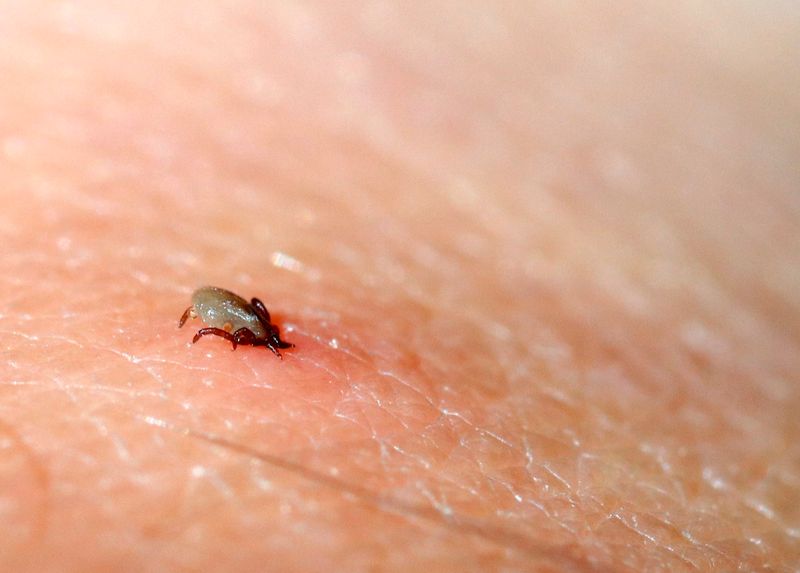
When a tick does attach, the response matters. CDC guidance on what to do after a tick bite is clear: use fine-tipped tweezers to grasp the tick as close to the skin surface as possible, pull upward with steady, even pressure, and clean the area with rubbing alcohol or soap and water afterward.
Do not use petroleum jelly, heat, nail polish, gasoline, or any other substance to try to dislodge the tick. Prompt removal reduces the window of potential transmission for some pathogens.
CDPH recommends seeking medical care if fever, rash, fatigue, headache, muscle aches, or joint symptoms develop after a bite. Commercial tick testing is available, but CDPH does not recommend using commercial tick-test results for medical treatment decisions, because test accuracy varies and a positive tick result does not establish that the person was infected.
Symptom monitoring and prompt medical attention remain the appropriate response.
Start with the parts of the yard your household uses most
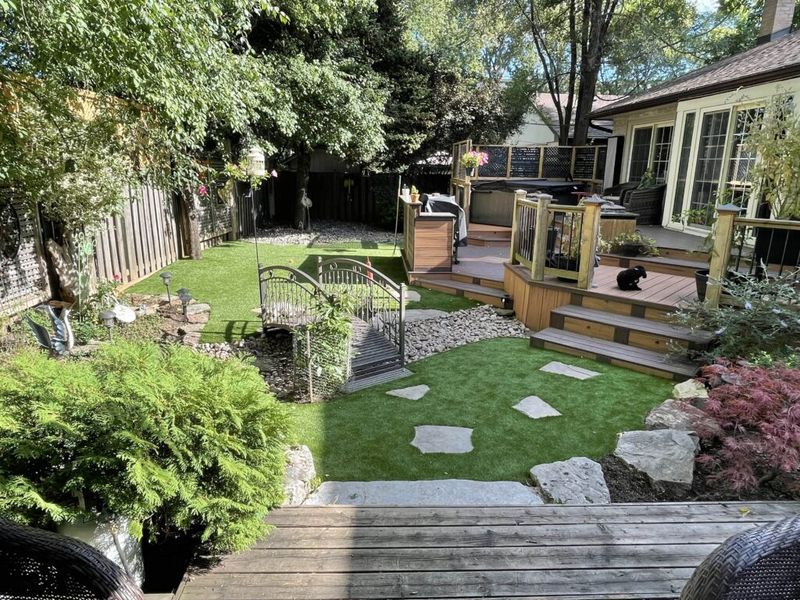
No homeowner needs to strip out native plants, rake every fallen leaf from the entire property, or fence off a wildlife-friendly garden to reduce tick encounters. The most useful changes are the ones that address the specific spots where your household spends time and where habitat conditions are most likely to bring ticks into contact with people.
UC ANR’s guidance consistently focuses on targeted management around paths, patios, play areas, house entries, and lawn edges rather than whole-property habitat removal. Mow and trim where children play and where adults regularly walk.
Clear litter and debris from the boundary between your lawn and adjacent natural habitat. Move seating and play equipment toward open, sunny areas.
Stack firewood away from the house and secure trash. Manage bird feeders and other wildlife attractants near high-use zones.
Check pets daily and run post-yard-work routines for yourself and your family.
CDPH’s tick-borne disease prevention resources frame all of these as exposure-reduction measures, not guarantees. Surrounding habitat, regional tick populations, wildlife movement, and individual behavior all play roles that yard management alone cannot control.
A well-kept California yard can still support birds, pollinators, native plants, and soil health while reducing the most predictable opportunities for tick contact.
The goal is not a yard without nature. A realistic tick-awareness routine, focused on where your family actually spends time, is more achievable and more sustainable than trying to make every corner of the property inhospitable to wildlife.
Small, consistent habits in the right places carry more practical weight than sweeping changes across the whole garden.